-
-
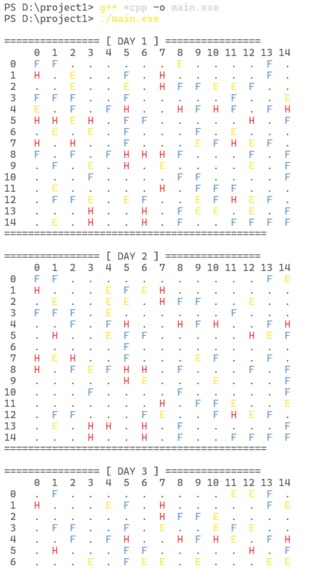
console app
-
-
-
-
-
-
-
Inspiration
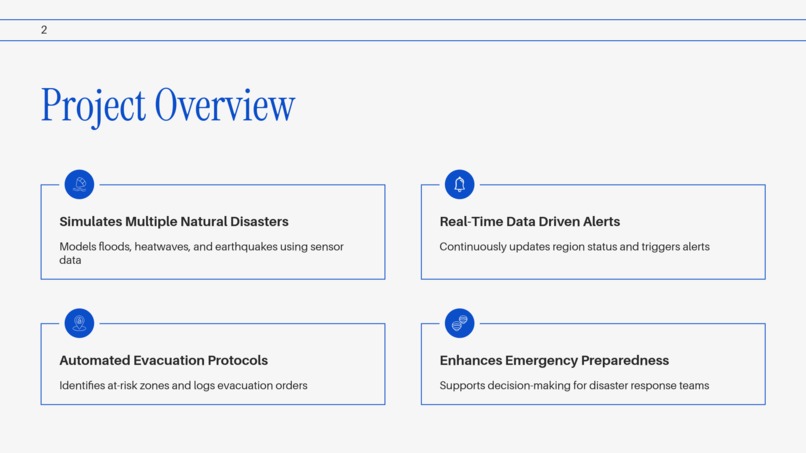
I wanted to see how disasters like floods, heatwaves, and earthquakes could be tracked and acted on in real-time. Instead of just reading about them, I thought: why not simulate them myself and figure out how to evacuate people efficiently?
What it does
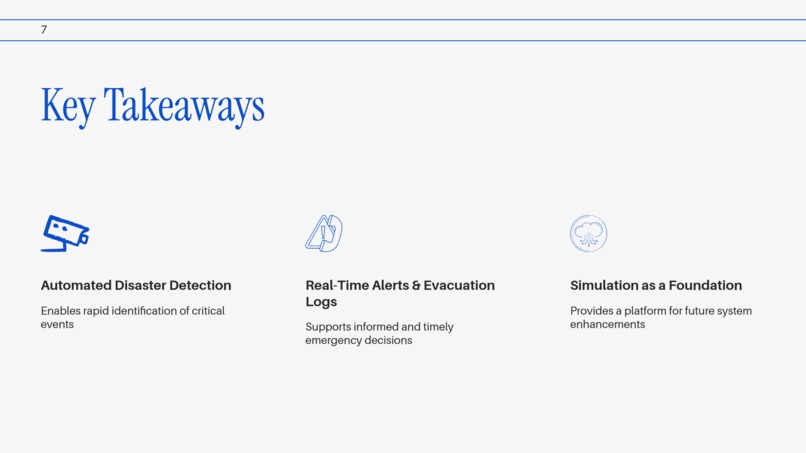
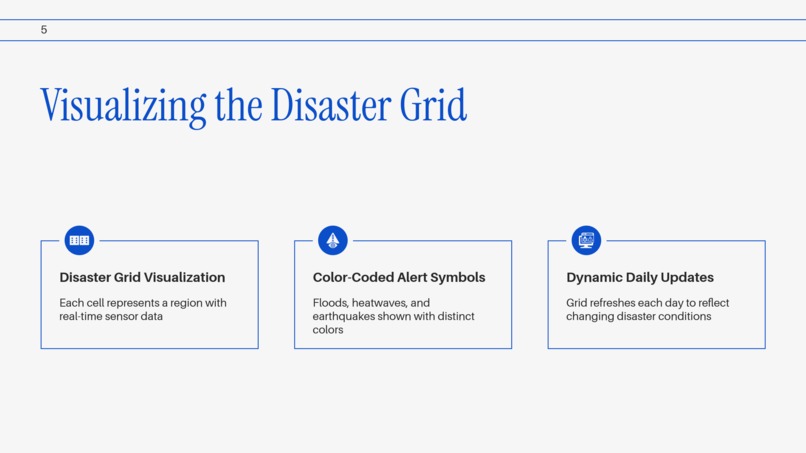
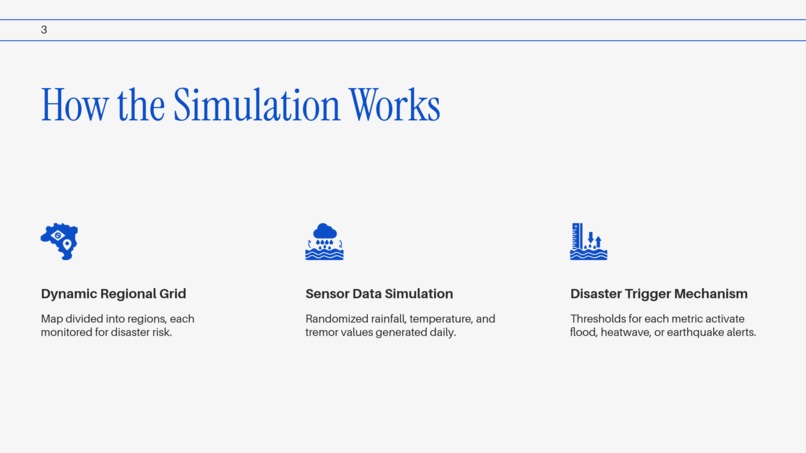
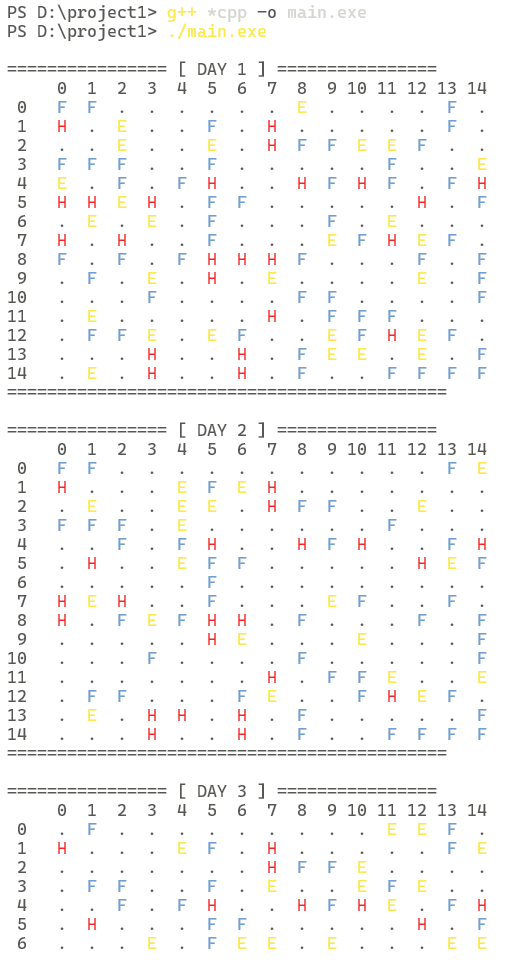
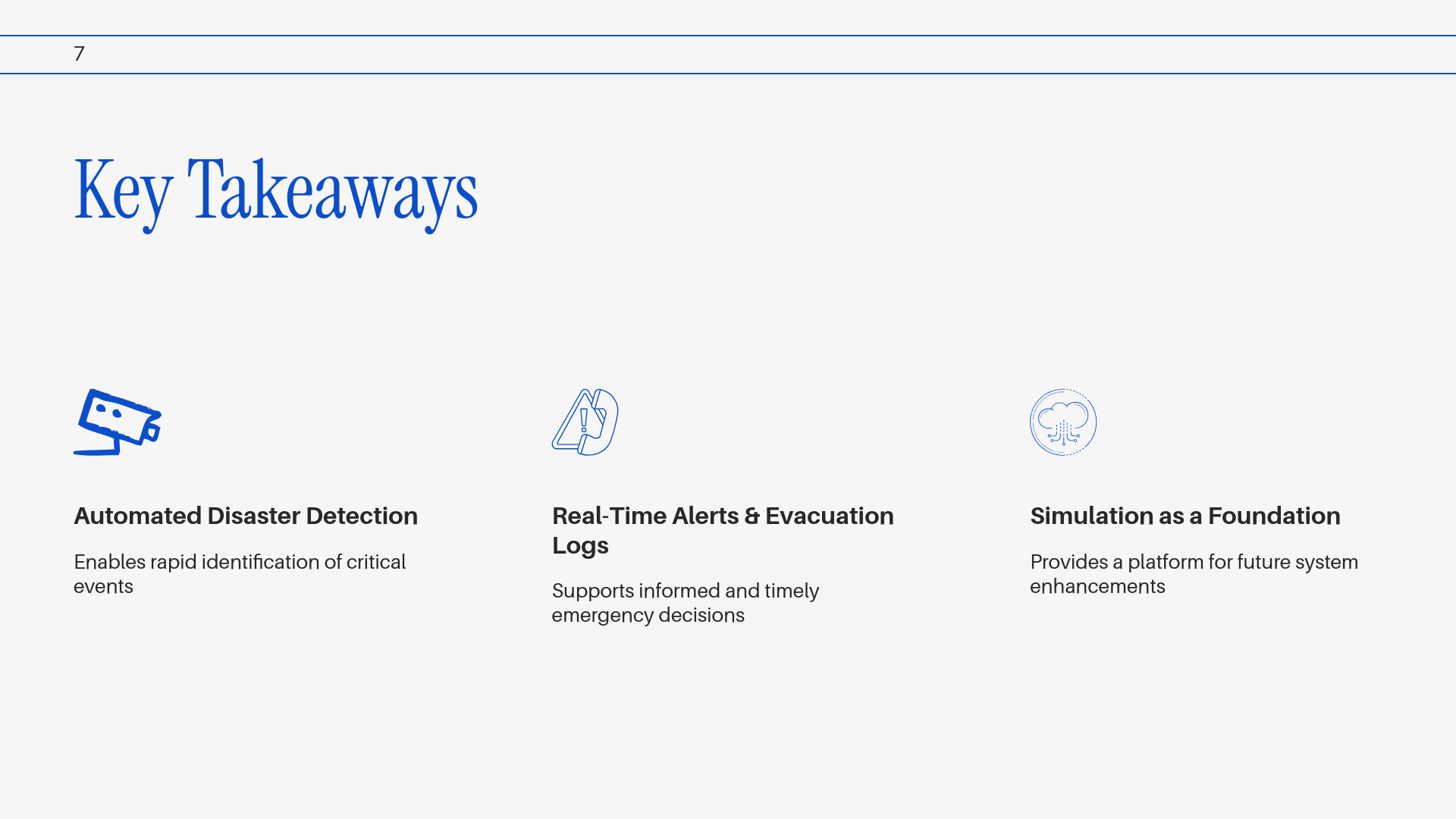
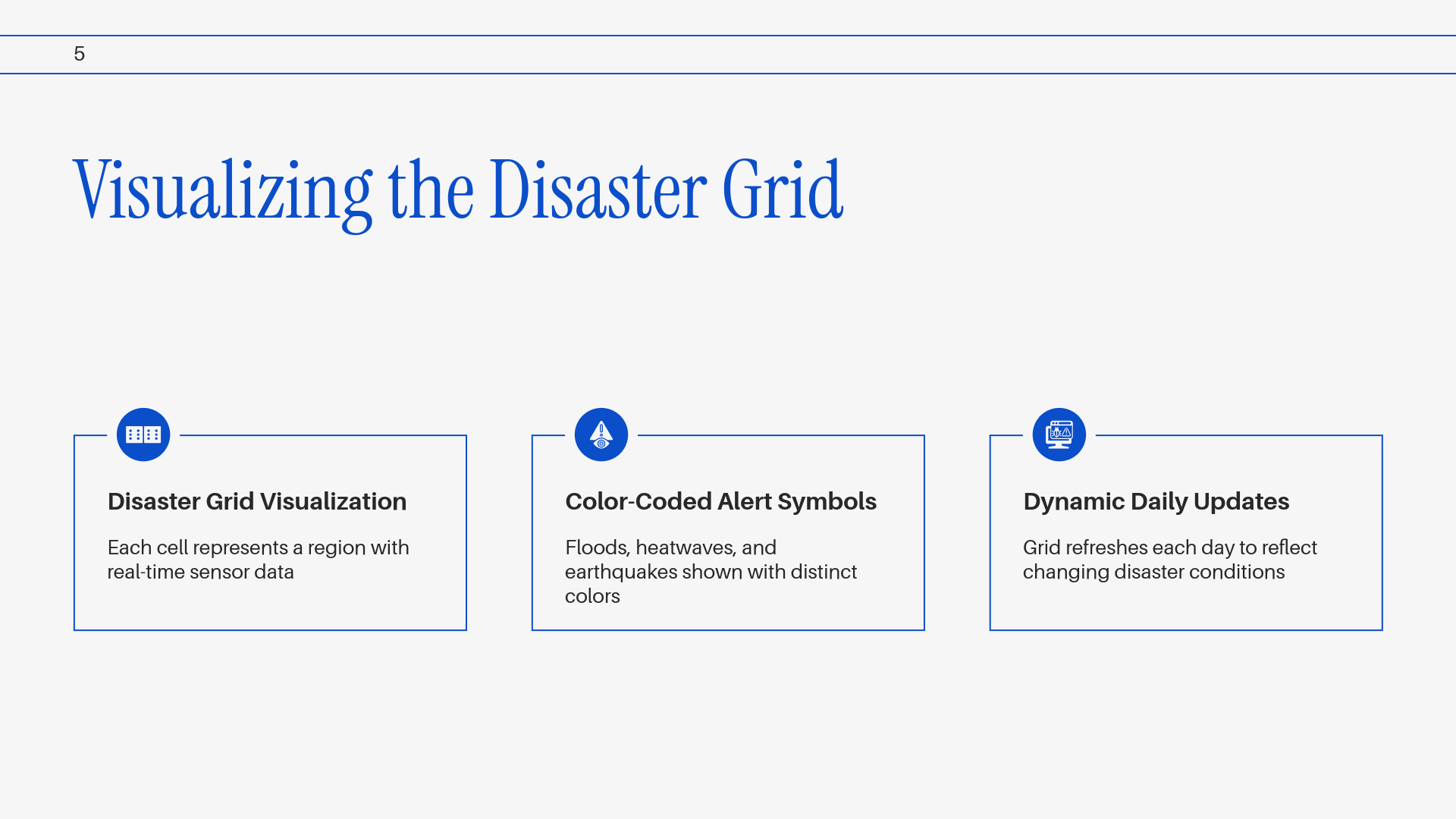
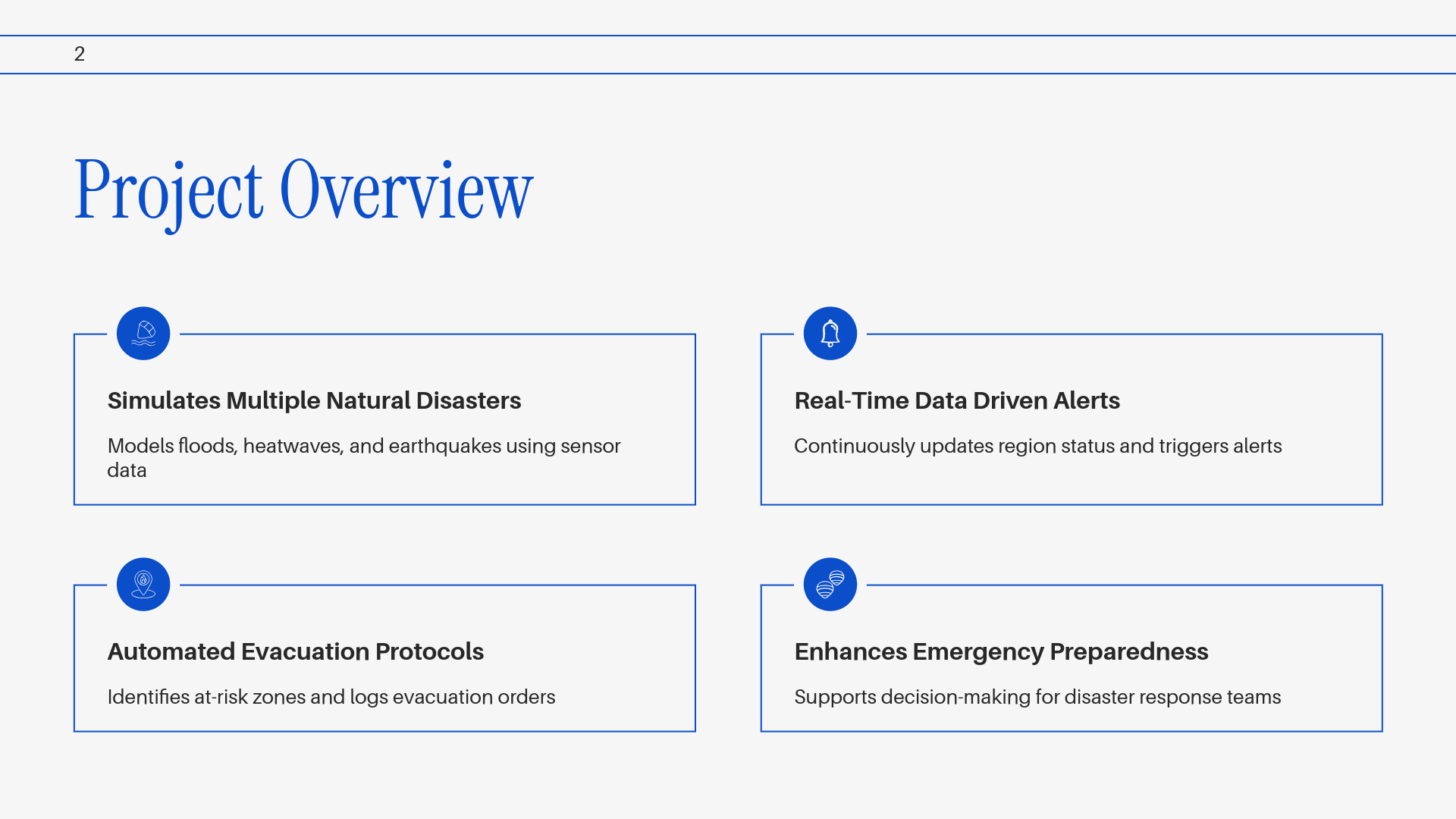
Sentinel-15 monitors a grid of regions for disasters, flags critical areas, and automatically suggests evacuation zones. The console shows a color-coded grid and daily alerts, while all evacuation orders are logged in a file for reference.
How we built it
I used C++ for the entire simulation:
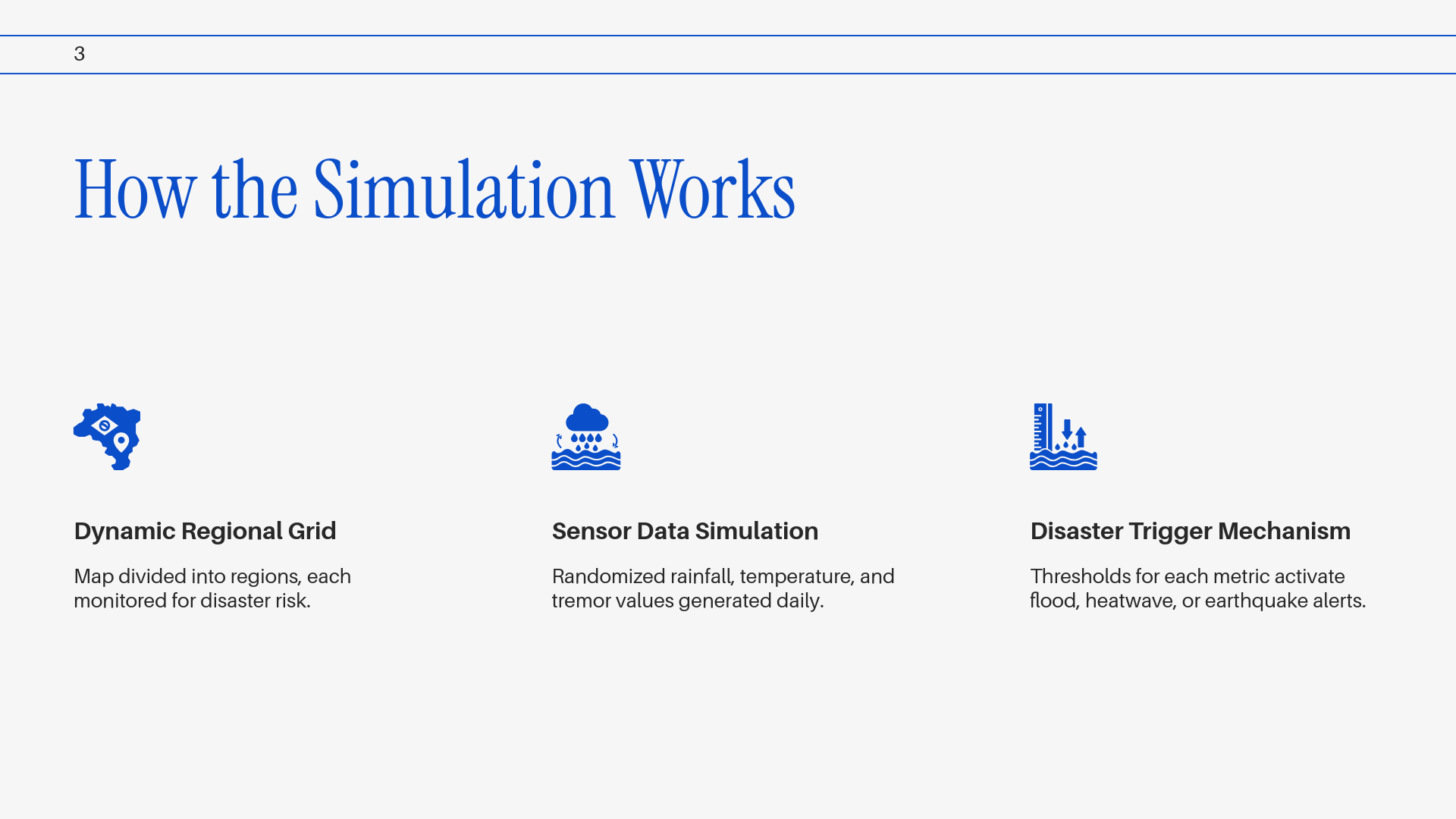
- Simulation generates random sensor data.
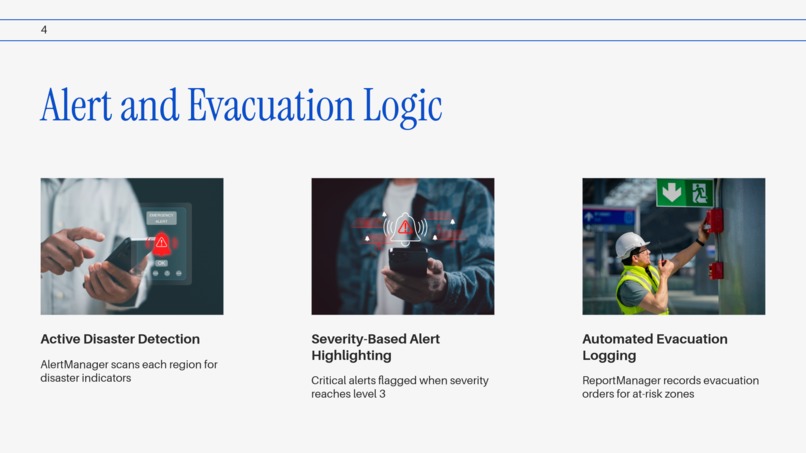
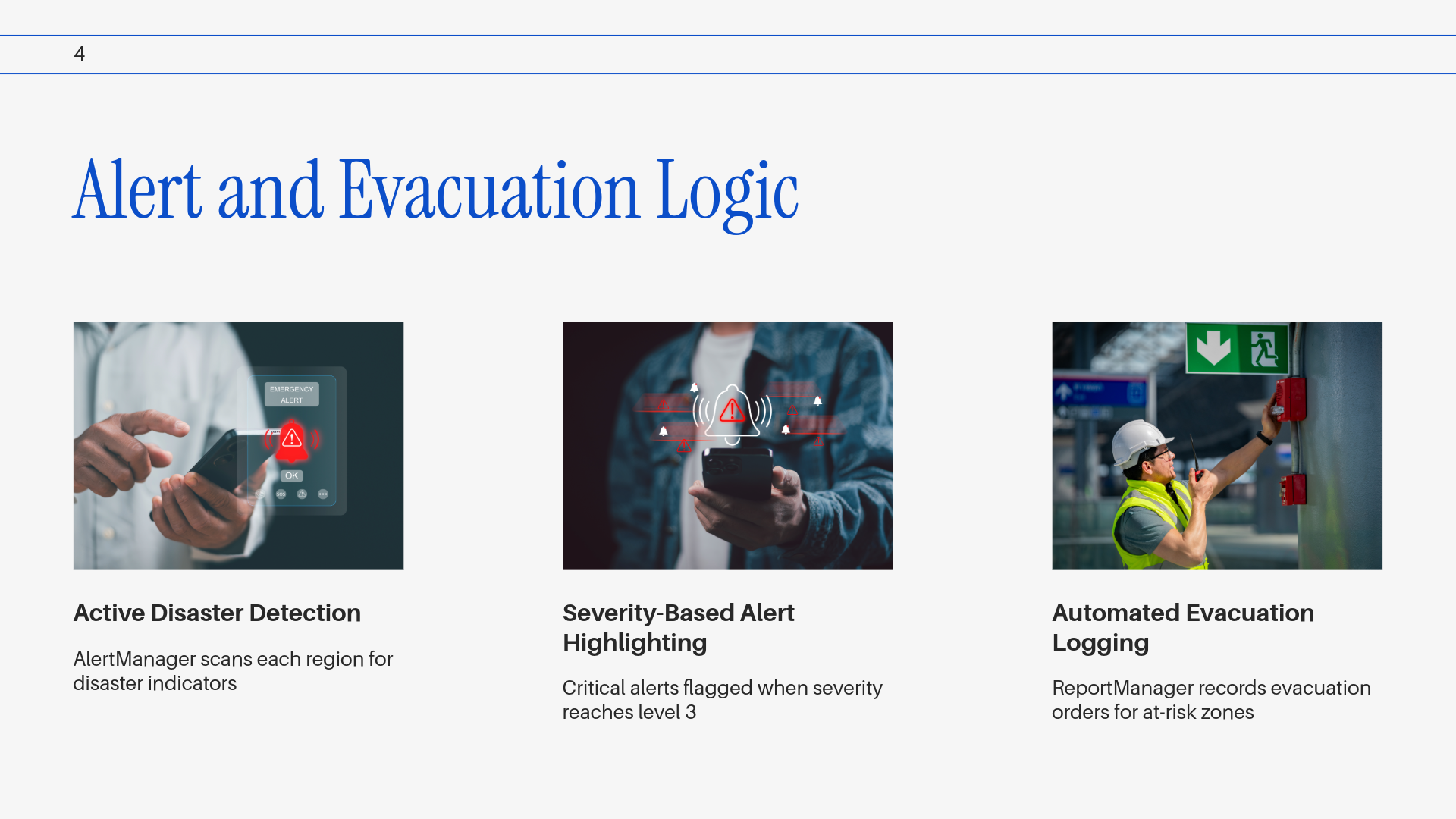
- AlertManager tracks active disasters. *ReportManager logs evacuation orders automatically.
- Bitwise flags an d enums help manage multiple alert types, and I made the console output readable with colors and aligned grids.
Challenges we ran into
- Avoiding duplicate evacuation zones
- Making the console grid look neat with colors and numbers.
- Tuning the random data so it’s realistic, not “everything critical every day.”
Accomplishments that we're proud of
- A fully working simulation that actually makes sense.
- Automatic evacuation logging.
- A readable, color-coded console display that communicates risk at a glance.
What we learned
- Bitwise flags are life-savers for multiple alerts.
- Console apps can be surprisingly visual with the right formatting.
- Modular code pays off—adding new disaster types is easy.
What's next for Sentinel-15
- Build a GUI so it’s easier to visualize.
- Let users create custom disaster scenarios.
- Add statistics like most dangerous regions and evacuation trends.
Built With
- c++
- stl


Log in or sign up for Devpost to join the conversation.