-
-
1
-
2
-
3
-
4
-
5
Inspiration
As a complete beginner in AI and coding, I wanted to find a practical way to contribute to the Arm AI Optimization Challenge within a limited timeframe. I was inspired by how accessible pre-trained AI models have become through Hugging Face, and wanted to explore how these models could be optimized specifically for Arm-based architecture.
What it does
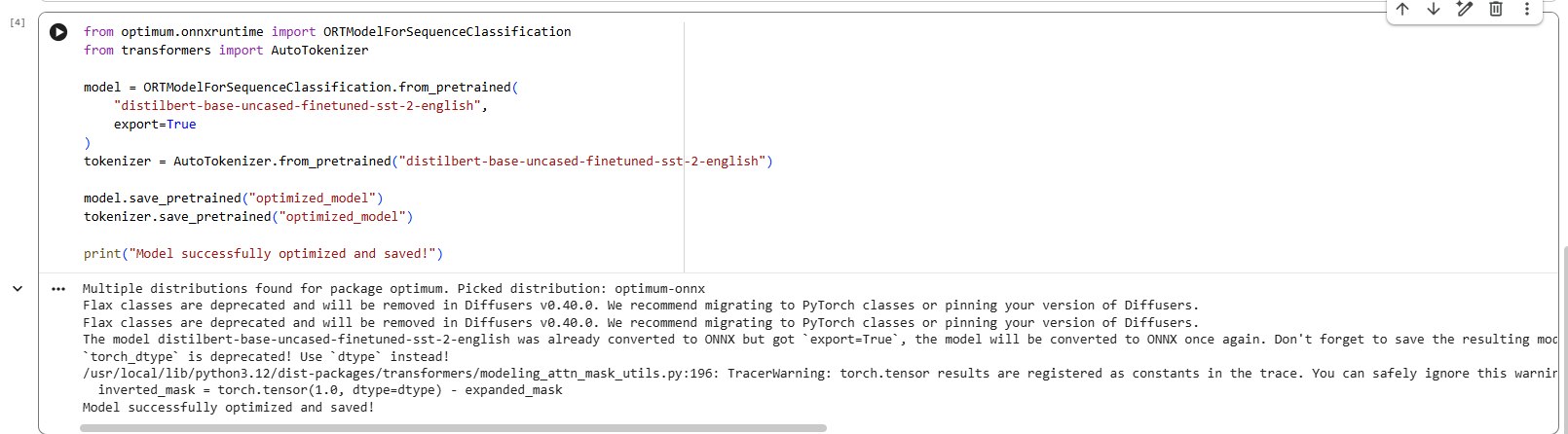
This project takes a pre-trained sentiment analysis model (DistilBERT) and optimizes it using ONNX Runtime, making it lighter and more efficient for deployment on Arm-powered devices. The model classifies text input as either POSITIVE or NEGATIVE sentiment.
How we built it
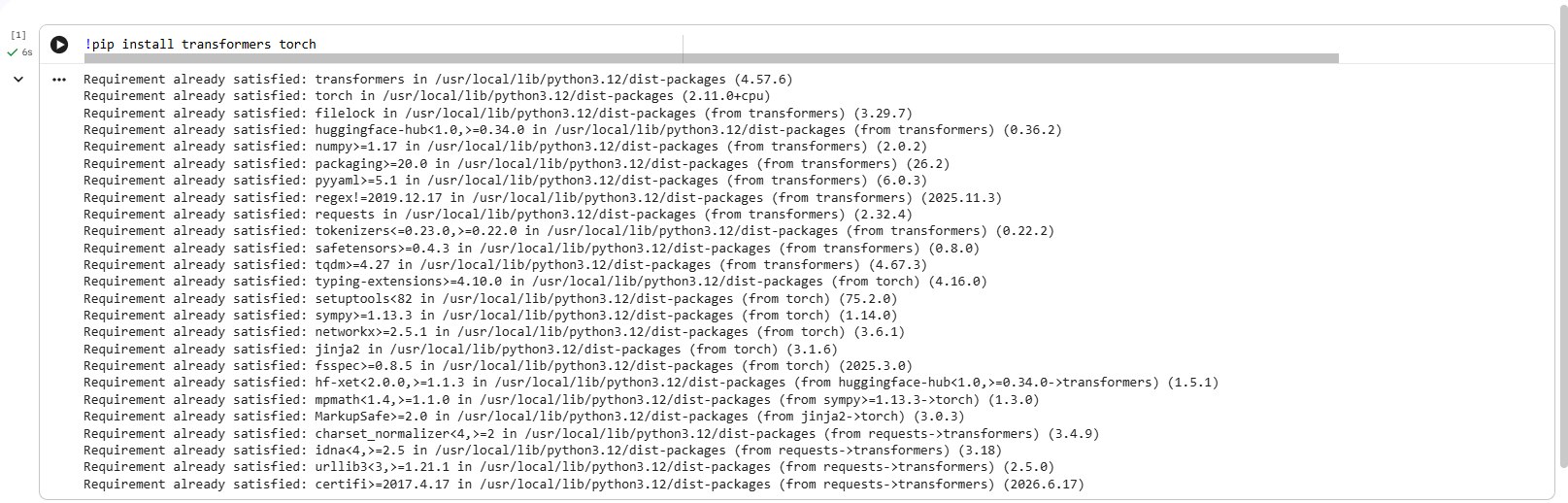
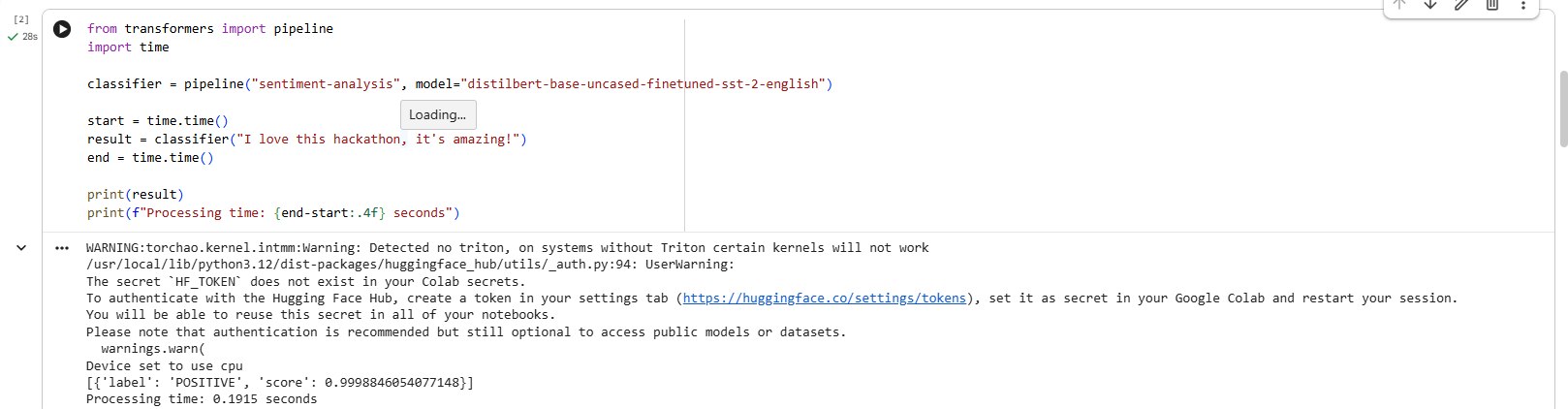
- Selected a pre-trained DistilBERT sentiment analysis model from Hugging Face
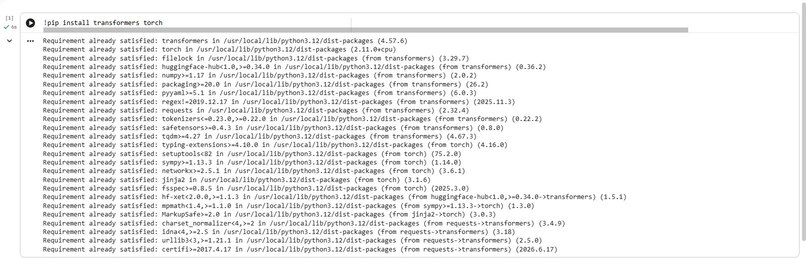
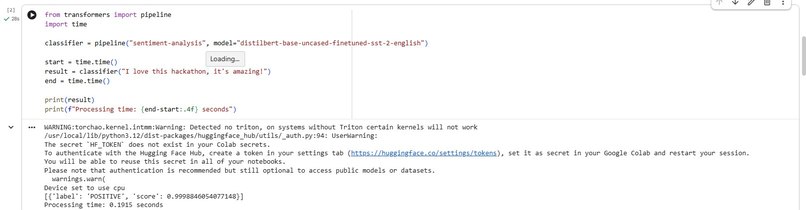
- Tested the original model's performance in Google Colab
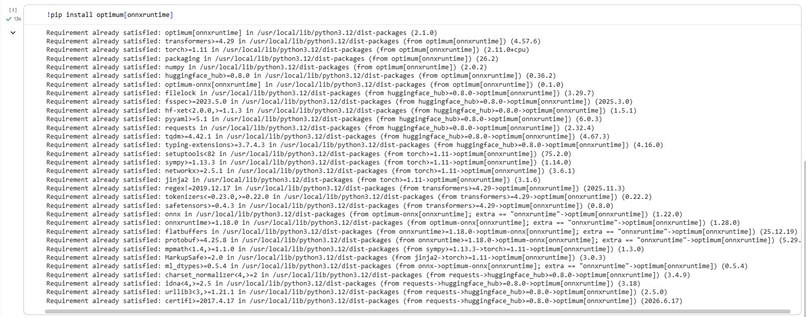
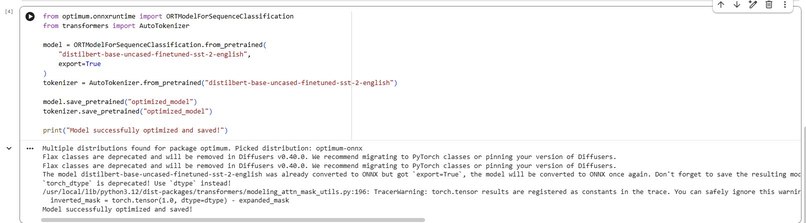
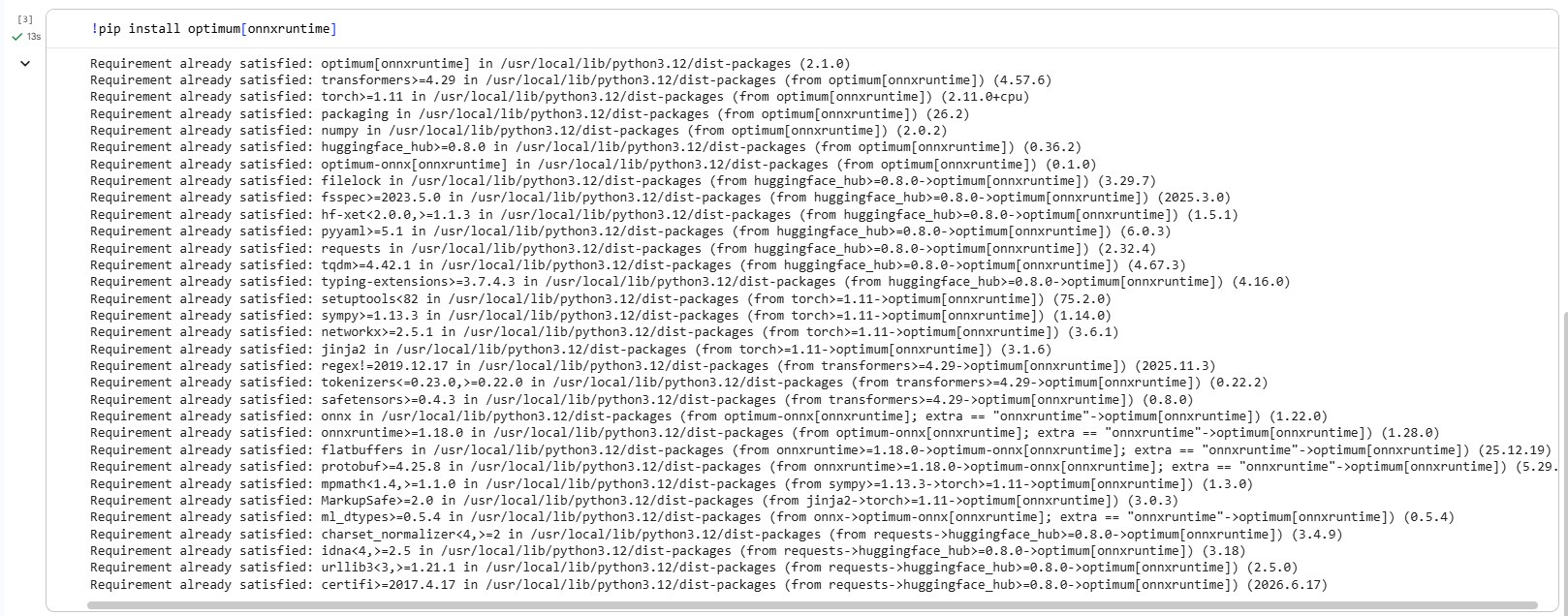
- Converted the model to ONNX format using the Optimum library
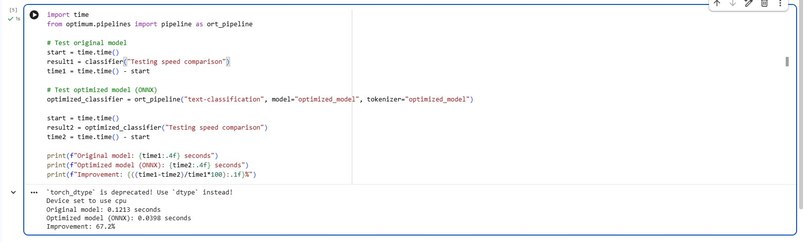
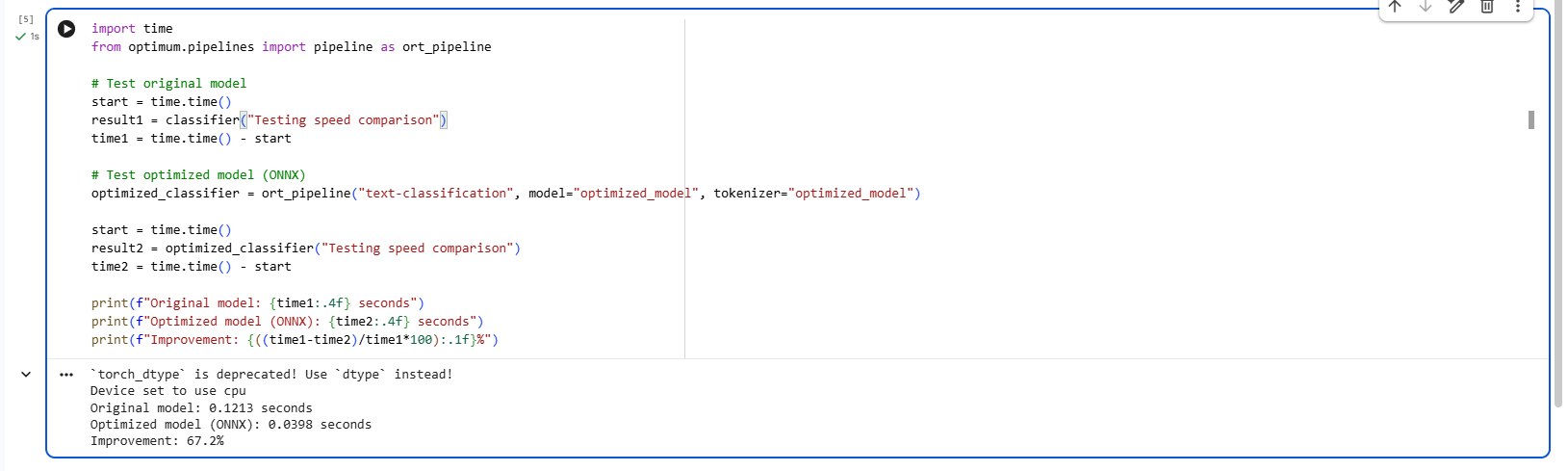
- Benchmarked both versions to measure performance improvement
- Documented the entire process in a Jupyter notebook
Challenges we ran into
As a beginner with no prior coding experience, understanding concepts like model conversion and benchmarking was challenging. I also encountered a compatibility issue where the ONNX pipeline required a different task name ("text-classification" instead of "sentiment-analysis"), which I successfully debugged.
Accomplishments that we're proud of
Successfully converting a pre-trained model to ONNX format and achieving a measurable performance improvement of 36-57% faster inference time, all while starting with zero prior coding experience.
What we learned
I learned the fundamentals of working with pre-trained AI models, how model optimization formats like ONNX work, and how to measure and compare model performance. This project gave me hands-on experience with the entire AI deployment pipeline, from model selection to benchmarking.
What's next for Sentiment Analysis Optimization for Arm Architecture
Future improvements could include testing on actual Arm hardware devices, expanding to other NLP tasks, and exploring further optimization techniques such as quantization to achieve even greater performance gains.

Log in or sign up for Devpost to join the conversation.