-
-
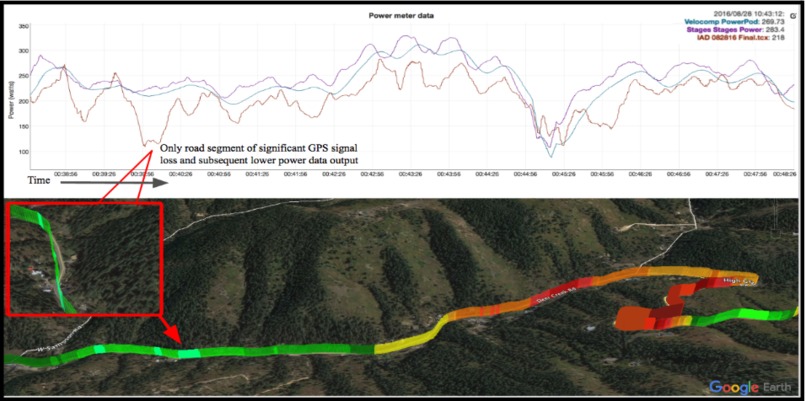
3D analysis of cycling power output and 2D elevation data
-
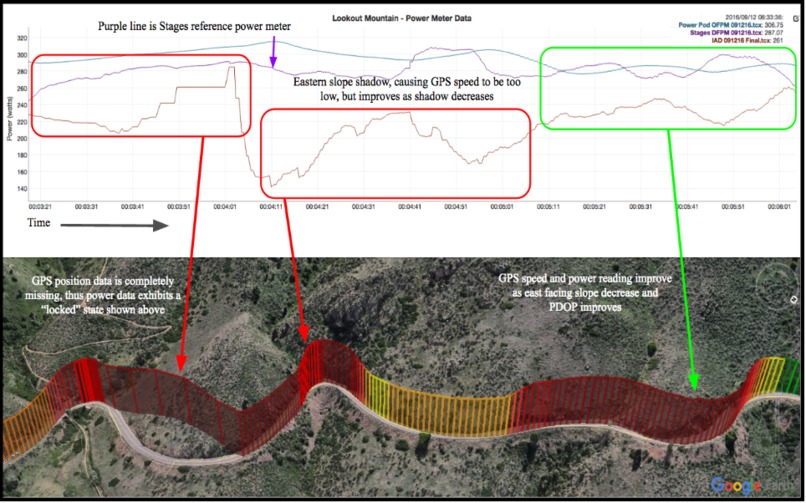
3D analysis of cycling power output
-
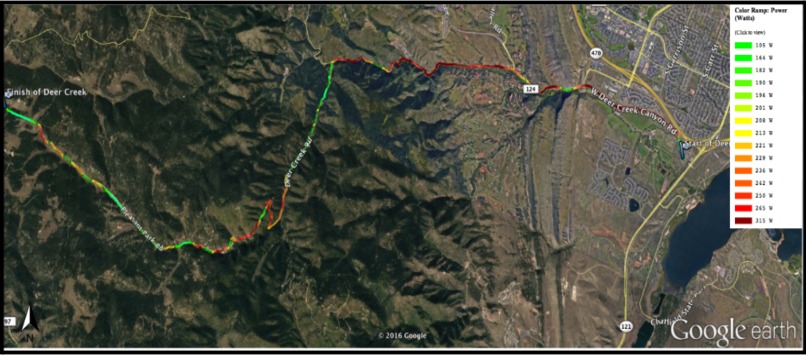
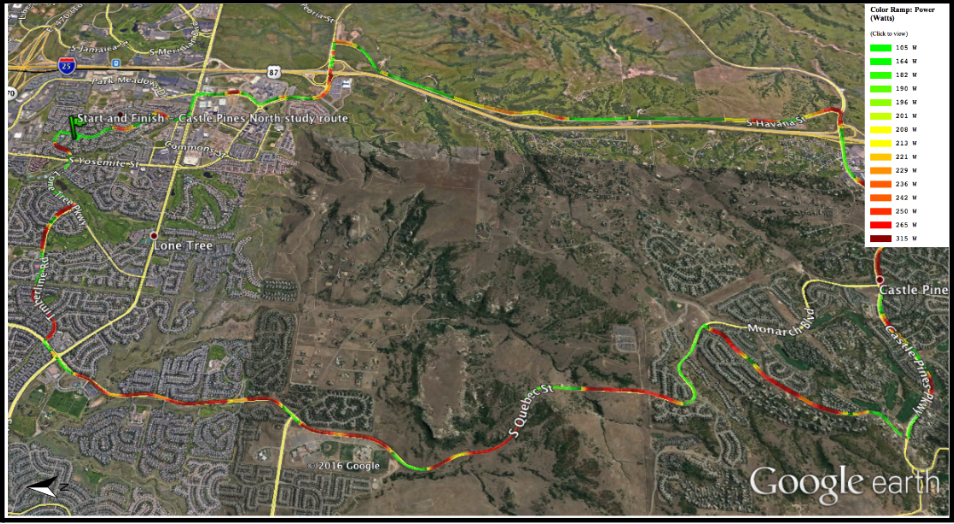
3D analysis of cycling power output
-
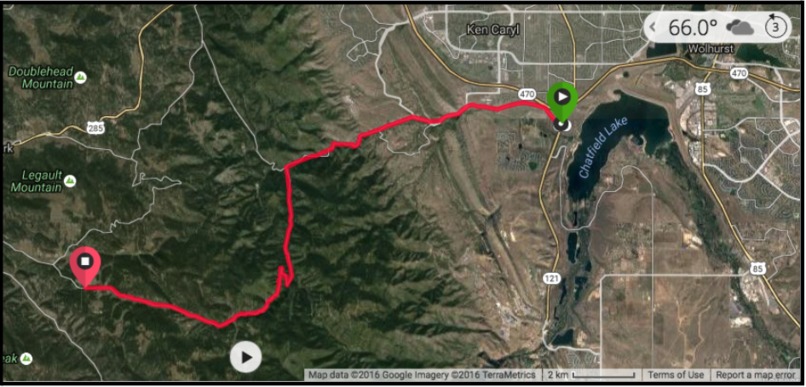
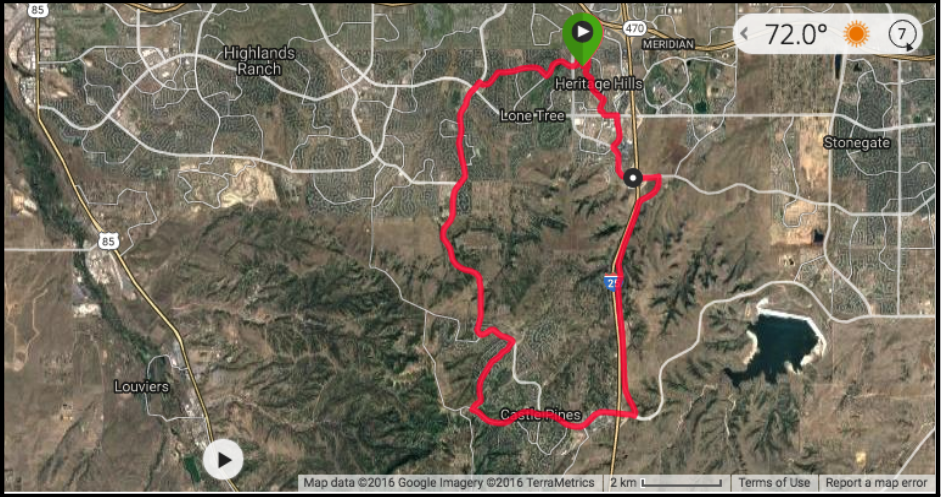
2D Google Maps Route #2
-
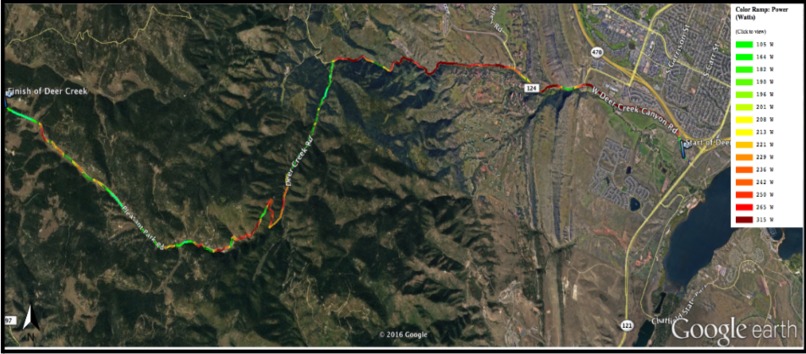
3D Google Earth Route #2
-
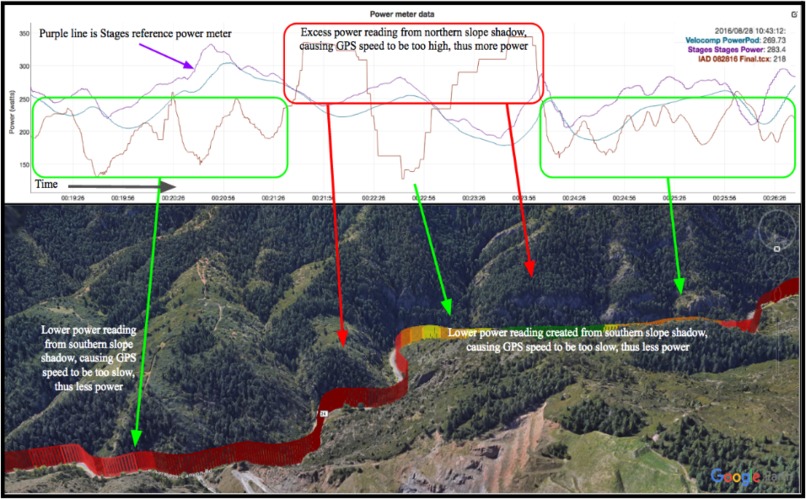
3D analysis of cycling power output and 2D elevation data
-
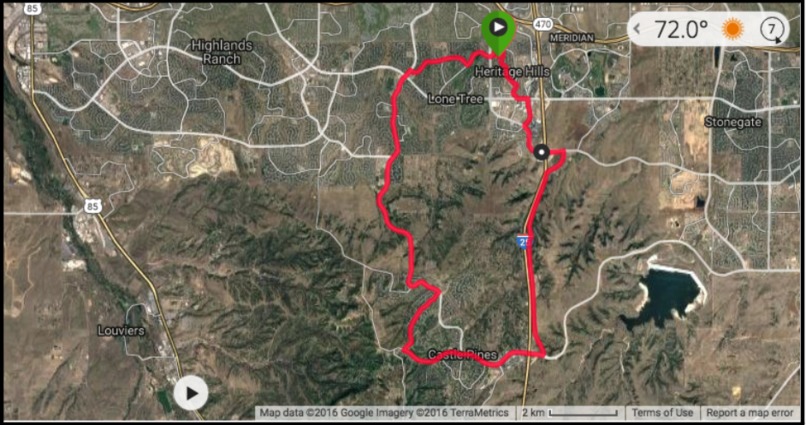
2D Google Maps Route #1
-
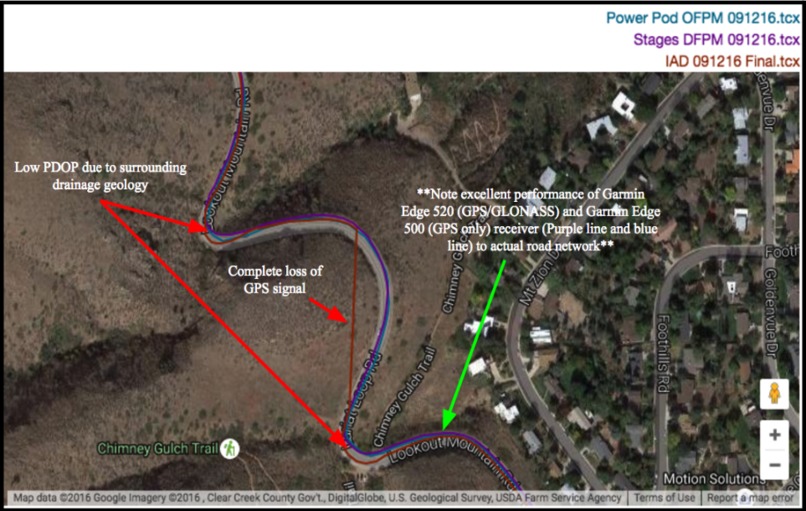
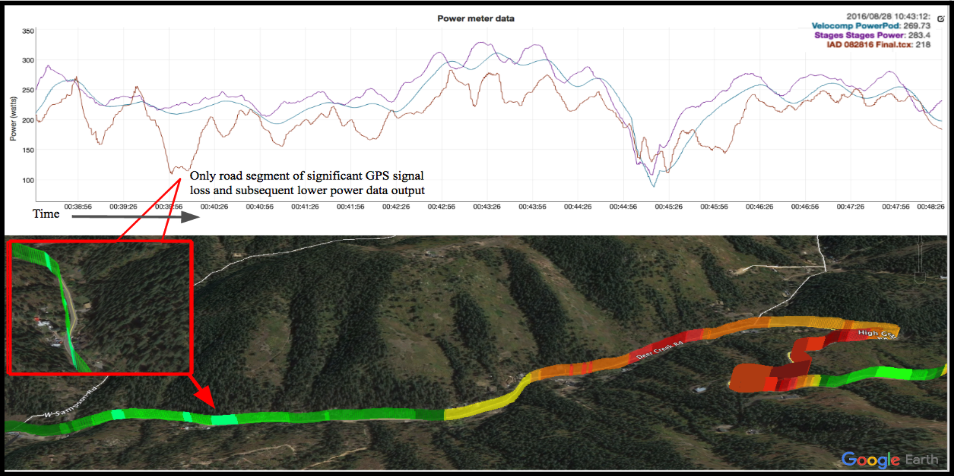
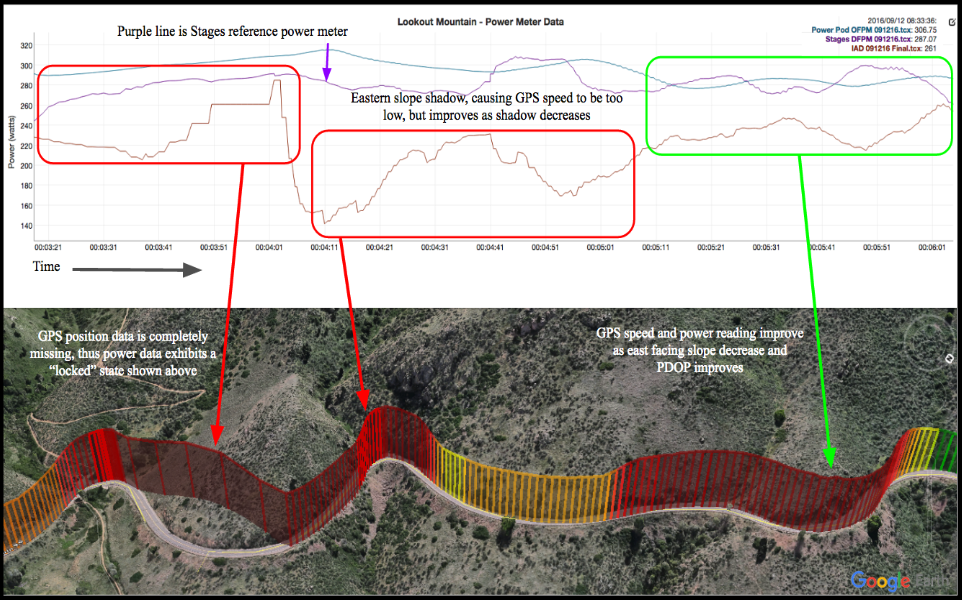
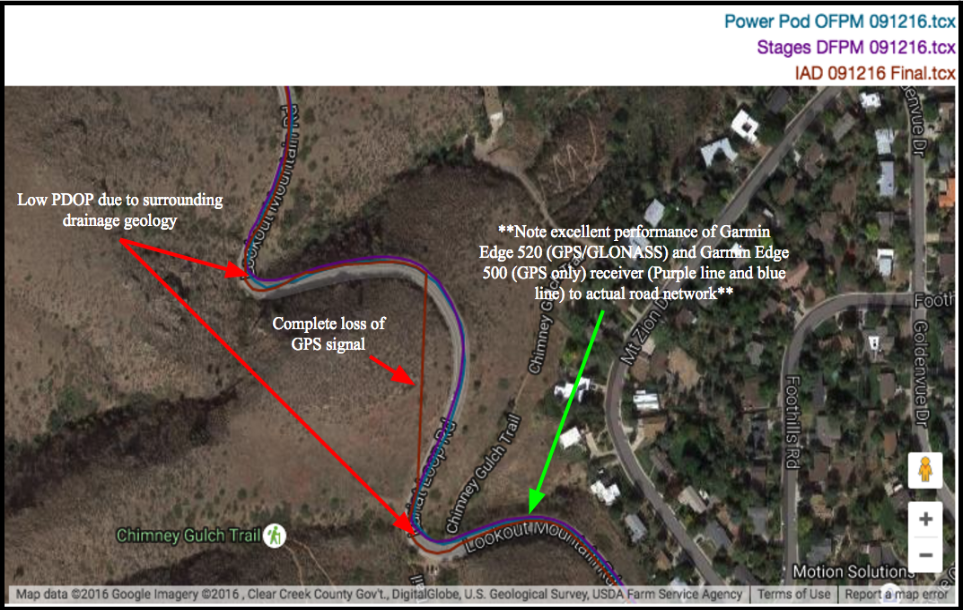
GPS drift
-
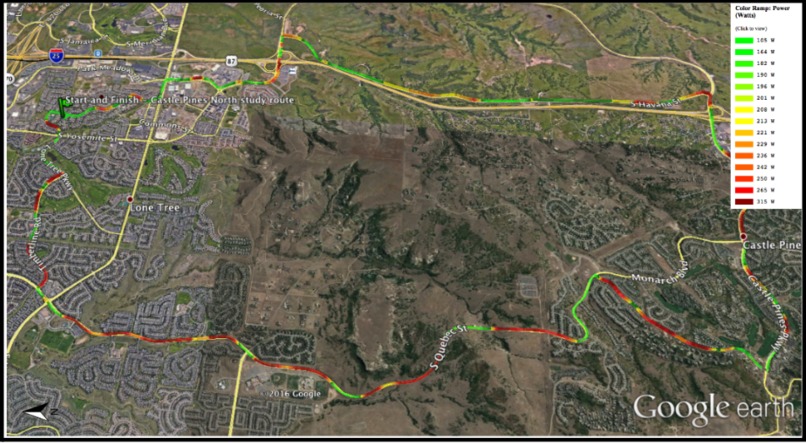
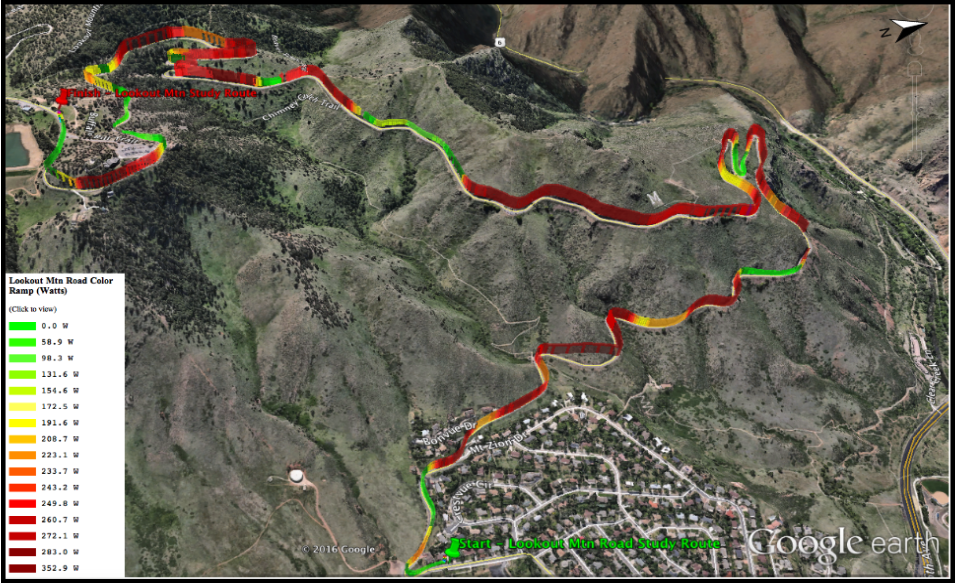
3D Google Earth Route #1
-
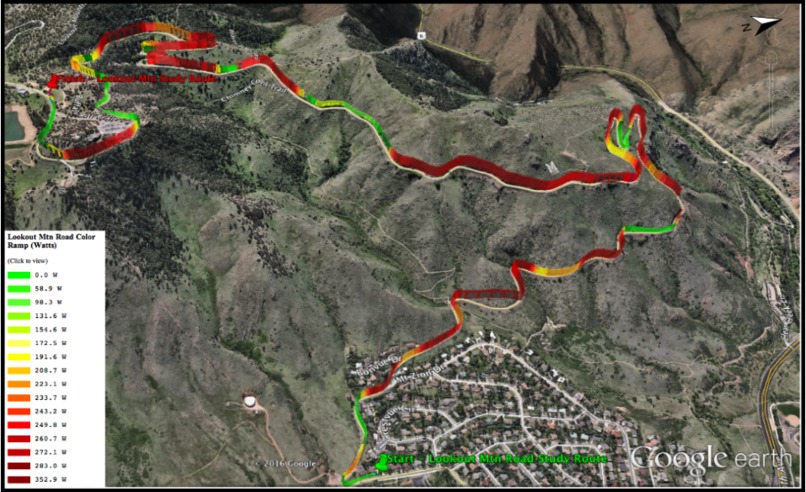
3D analysis of cycling power output
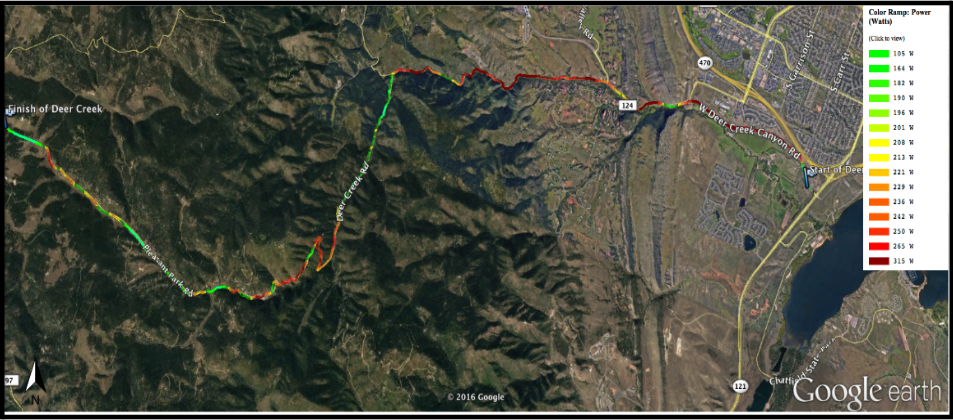
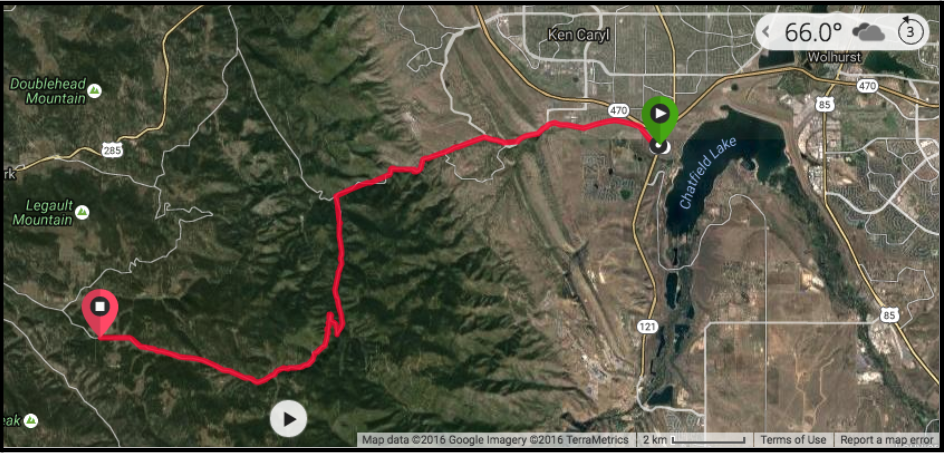
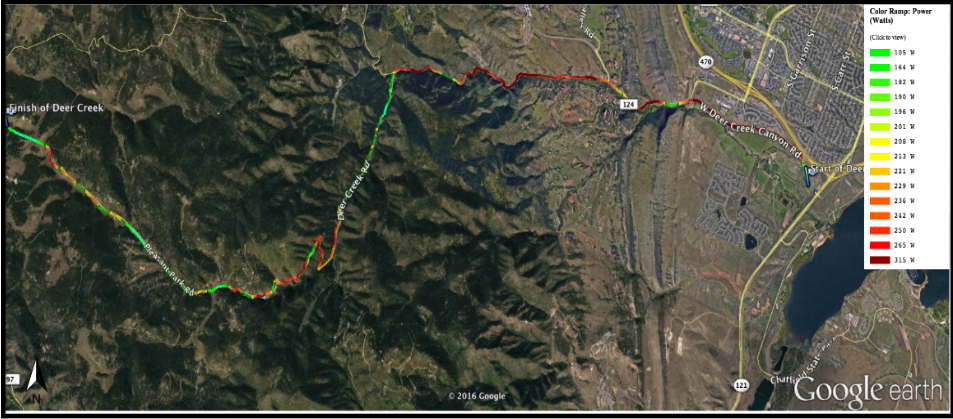
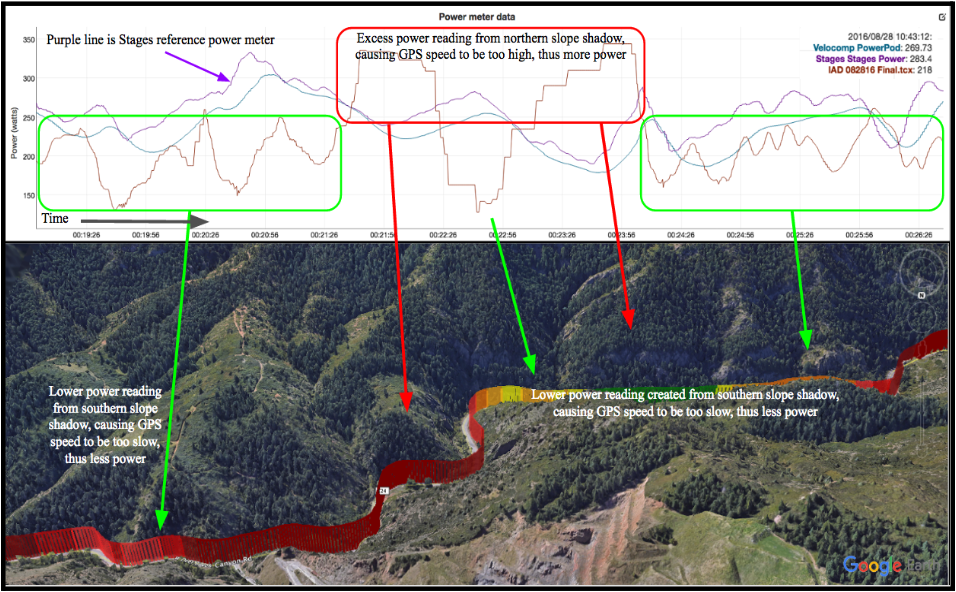
Motivation As an avid road and mountain biker, I have always used bike computers to measure distance, heart rate, speed, cadence, slope and a variety of other outputs that help provide a “measured fitness” approach to my training rides. Most cycling computers today derive distance, speed, and slope from GPS and the remaining heart rate and cadence data derived from external sensors placed on the body and bicycle. Missing from my current collection of sensor devices is the concept and measurement of physical power output. Traditionally, power measurement and analysis comes at a high cost that is traditionally reserved for professionals, coaches and the cycling elite. Training with power data also takes time to understand the most efficient ways to ride and how to take advantage of power data measurements to reach maximum performance. Once these power variables are understood, cyclist can leverage these data points for both training and racing in which maximum effort can be expended without the risk of using too much energy, too soon and not performing at maximum levels. This study is unique in providing field captured power data, collection and analysis across three unique power meter systems including the Stages Cycling reference power meter, PowerPod OFPM and IAD smartphone power meter. Detailed spatial analysis and visuals will compare how well each systems compares to the DFPM reference standard. At the conclusion of the study, the potential for using a smartphone or OFPM system, as a “poor man's” power meter will be summarized and results presented to determine the levels of accuracy and tradeoffs made between each system when compared to the reference DFPM system.
Built With
- and-hosted-on-a-centos-vps.-the-front-end-uses-angularjs
- angular.js
- backend-is-implemented-in-java
- bootstrap
- go
- javascript
- jquery
- mongodb
- running-in-a-docker-container

Log in or sign up for Devpost to join the conversation.