SenseLink: Design Intelligence Without Barriers
Inspiration
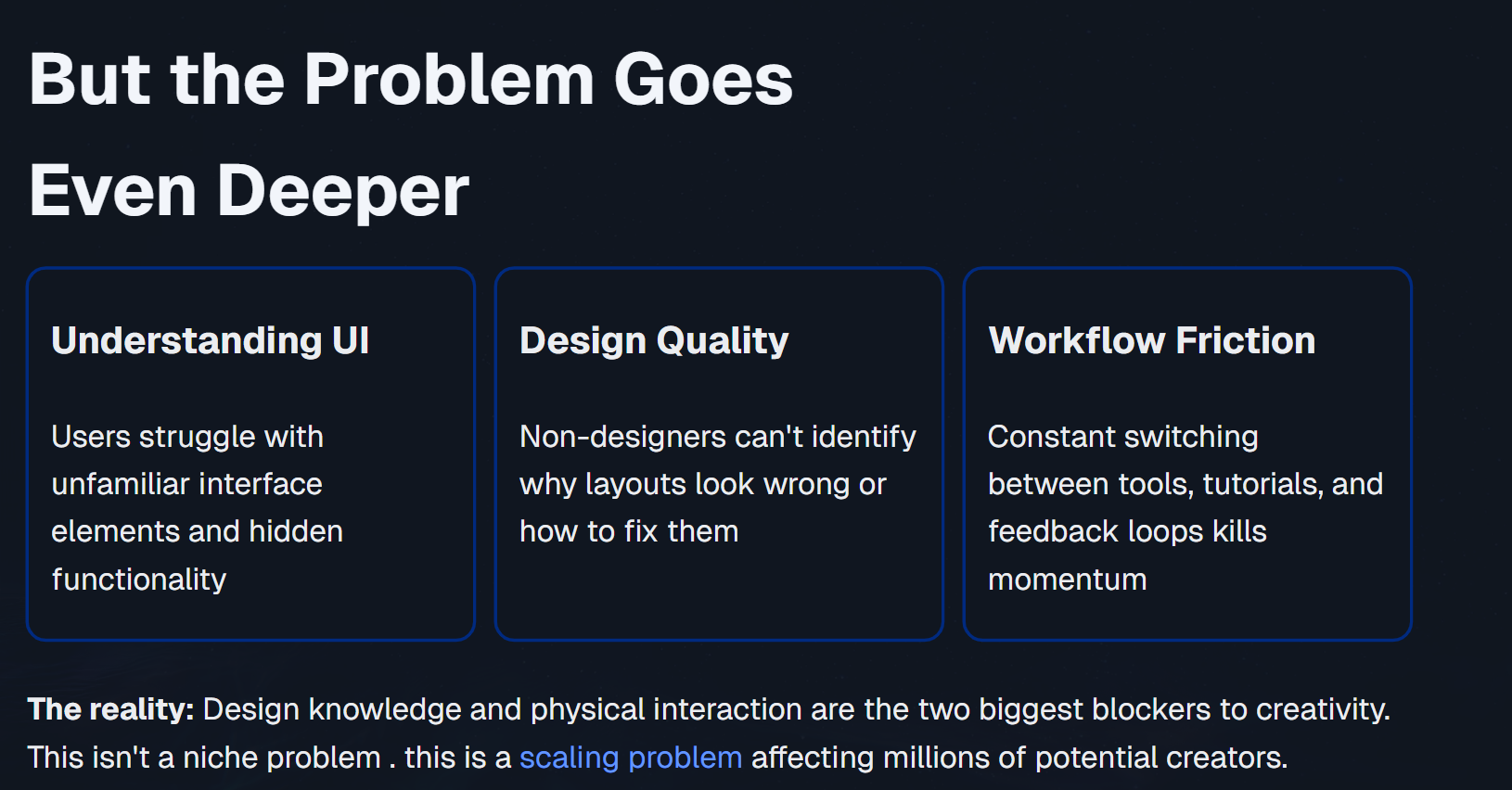
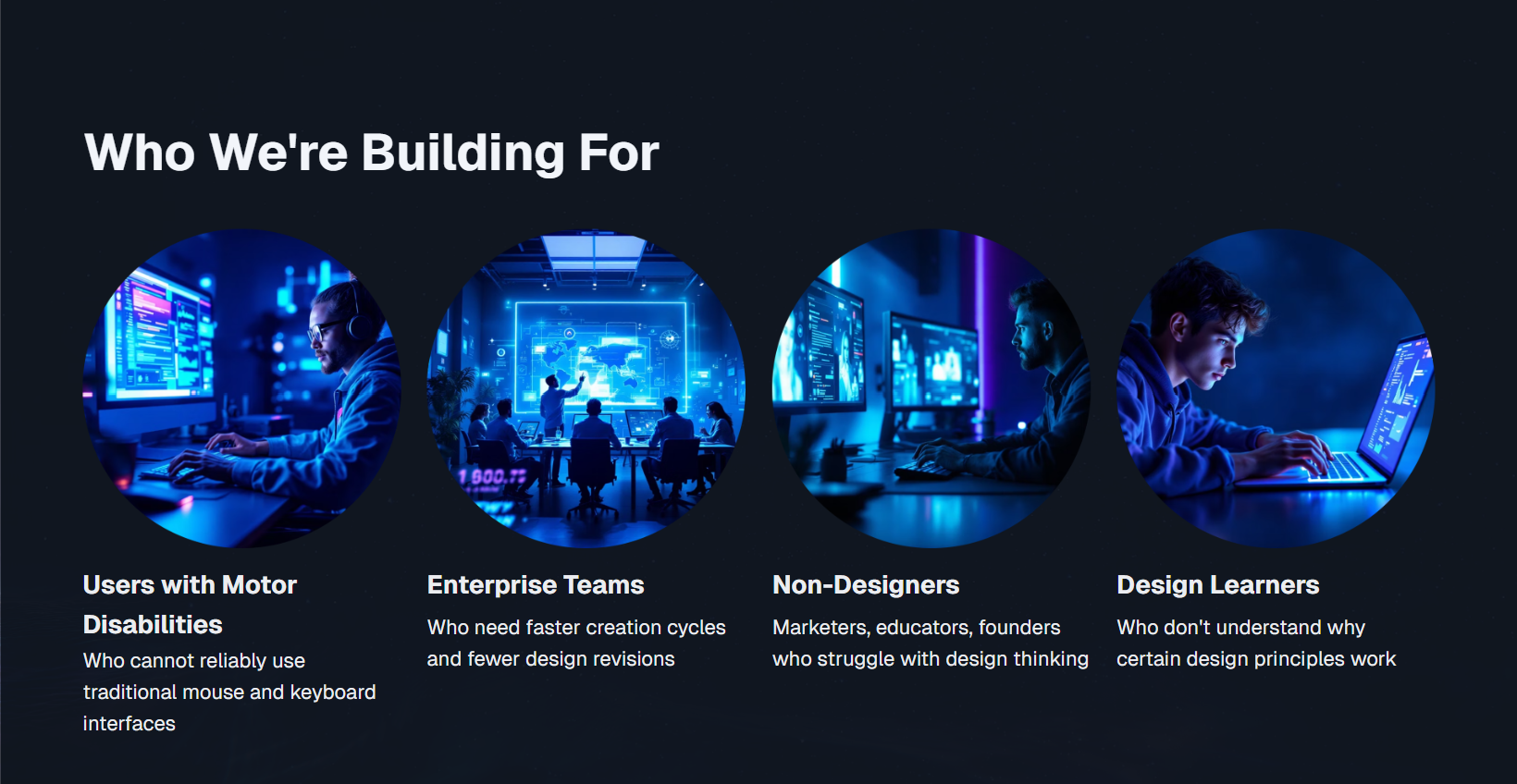
Current design tools are "mouse-centric," creating a creative glass ceiling. For the 1.3 billion people globally living with disabilities—specifically motor impairments—simple tasks like aligning a logo can take 10× longer using traditional assistive technologies.
We realized that inclusion is an engine for innovation: by solving for the most constrained user, we create a Multi-Modal Design Operating System that makes design faster and smarter for everyone.
What it does
SenseLink is a hands-free productivity suite for Adobe Express. It combines:
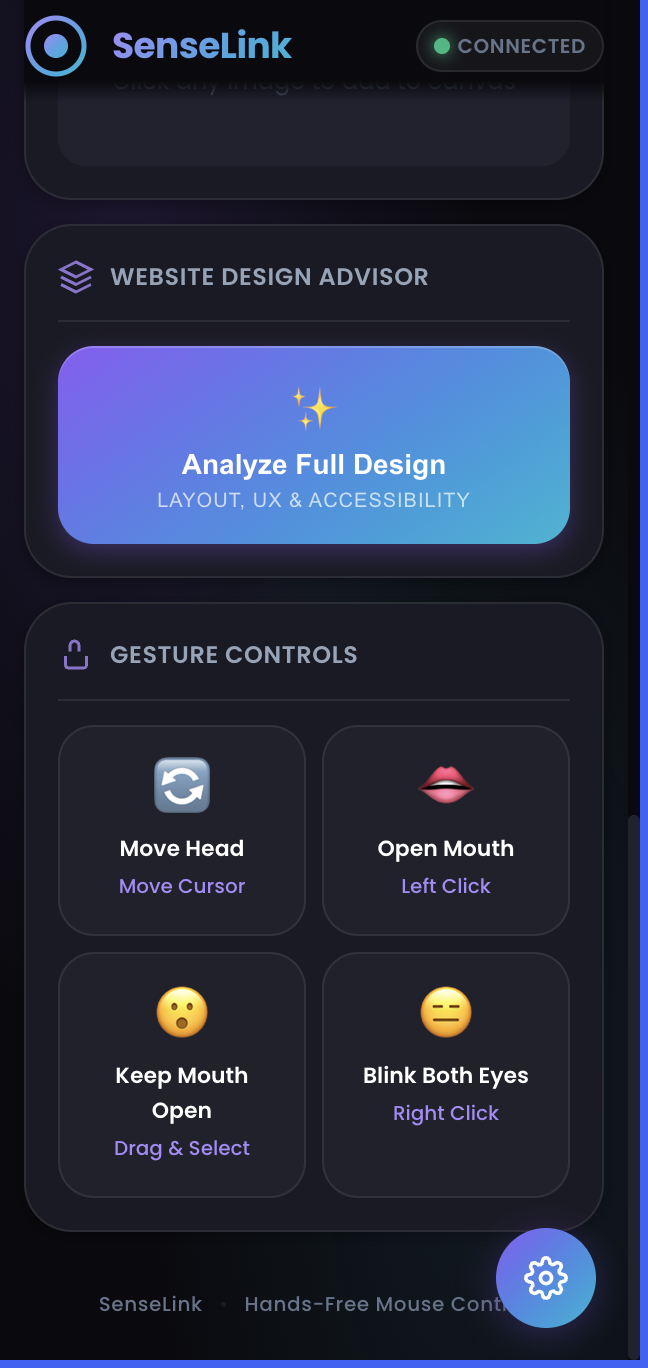
- Spatial Intent Face-tracking allows users to move the cursor simply by moving their head.
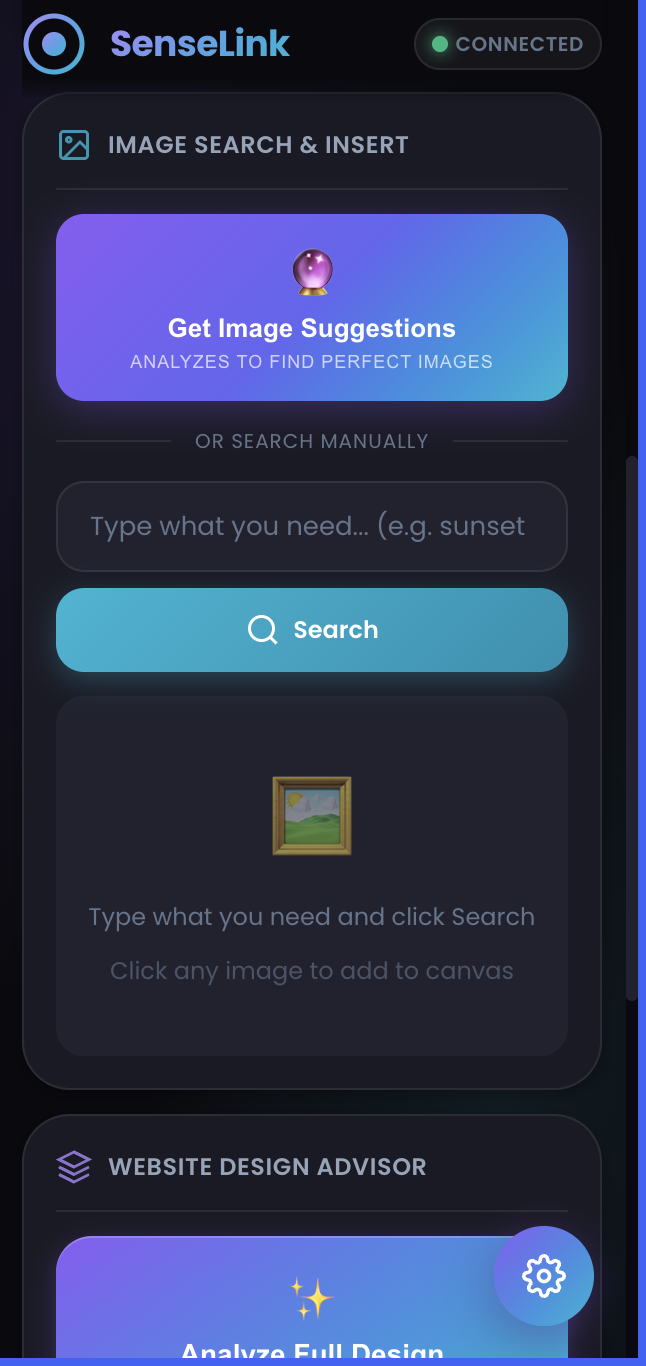
- Design Intelligence An AI-driven analysis engine that sees the workspace and provides layout suggestions, snap-to-grid automation, and usability audits.
How we built it
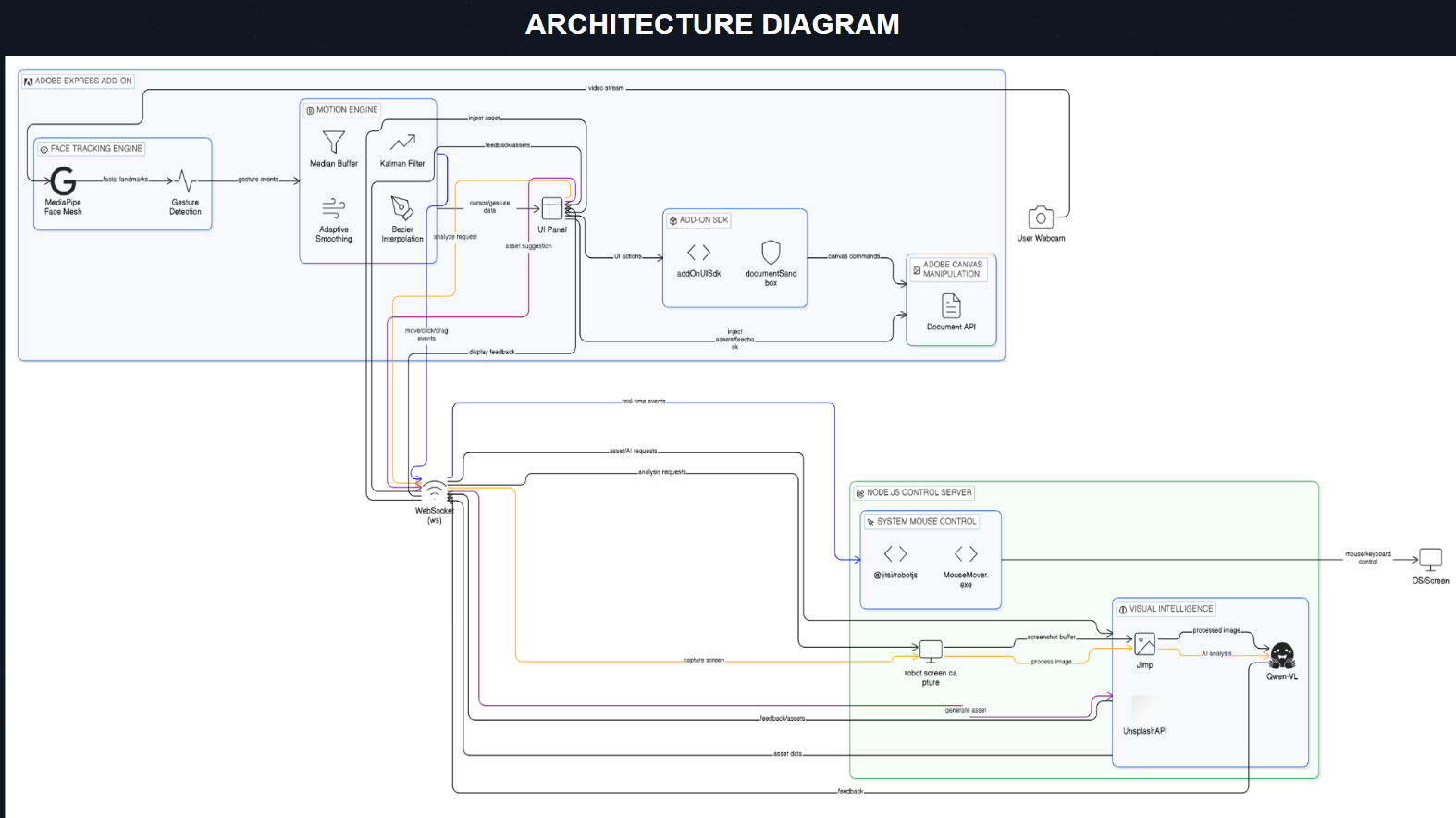
We engineered a hybrid architecture to ensure low latency and deep integration:
- Frontend Built as an Adobe Express Add-on using the v2 SDK to manipulate the Document Object Model (DOM) directly.
- Motion Tracking Utilized TensorFlow.js and a 3D Face-Mesh model for local, privacy-focused head tracking.
- Intelligence Layer Leveraged Hugging Face models to capture workspace snapshots and provide real-time design feedback.
- Communication Managed real-time data flow between the tracking logic and the Adobe sandbox via WebSockets.
Challenges we ran into
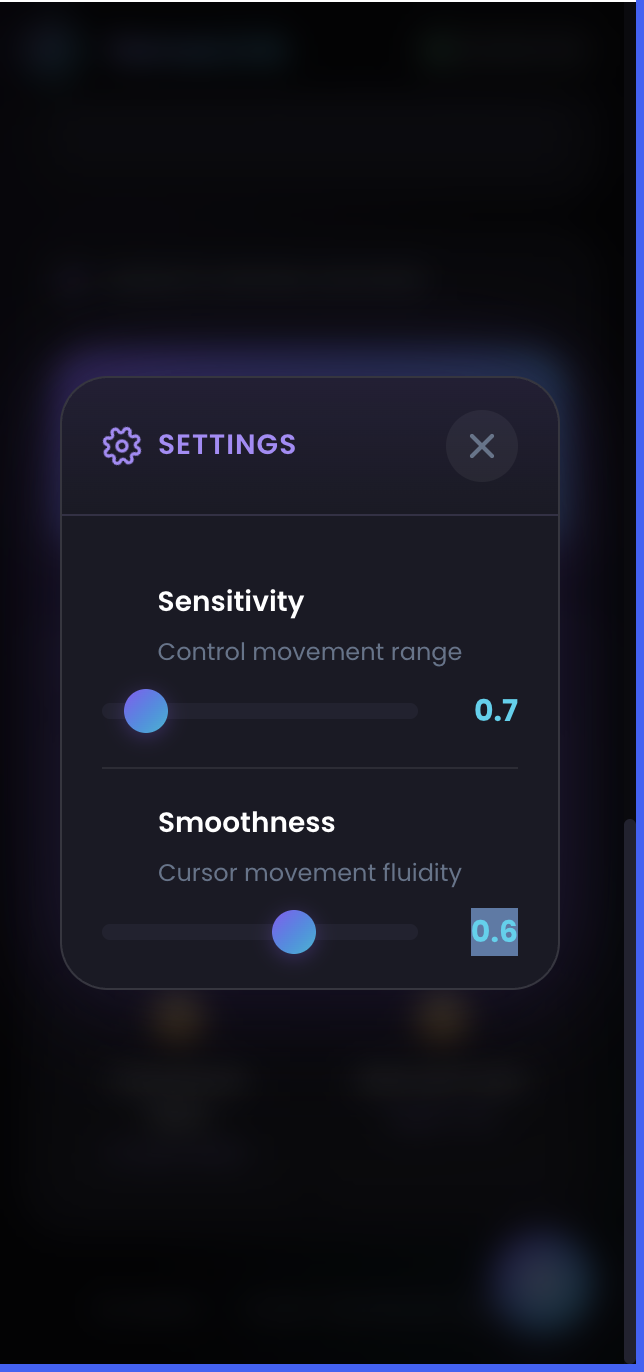
- Latency & Smoothness Initial cursor movements were jittery. We implemented smoothing algorithms to ensure the FaceMouse felt as natural as a physical mouse.
- The Sandbox Barrier Injecting elements into the Adobe SDK workspace with permanent effects required a deep dive into the iframe sandbox architecture.
- Local Development Setting up the localhost environment for an Adobe Add-on presented several hurdles, particularly around manifest permissions and secure testing environments.
Accomplishments that we're proud of
- The First of its Kind We built a feature that doesn't exist in Adobe—an end-to-end hands-free design workflow.
- Automation & ROI Beyond accessibility, we created an engine that provides design suggestions, significantly reducing rework and manual adjustments.
- Privacy-First All motion processing happens locally on the user's device.
What we learned
This project was a deep dive into the Adobe ecosystem. We mastered the Adobe Express v2 SDK, learned how to navigate Marketplace requirements, and explored the power of MCP (Model Context Protocol) servers.
Most importantly, we learned how to bridge the gap between AI intent and UI execution within a secure sandbox environment.
What's next for SenseLink: Design Intelligence Without Barriers
Our vision is to move from an assistive tool to a hands-free enterprise standard.
- Enterprise Expansion Tailoring the tool for surgeons in sterile environments or technicians on factory floors who need to edit digital assets without physical contact.
- Predictive Design Moving from "Move the box" to "Make this look professional," where AI interprets intent to automate complex layout decisions.
- Multi-User Collaboration Allowing multiple users to apply face and voice intent on the same canvas for truly inclusive brainstorming.
Built With
- adobe-express-sdk
- ai
- css3
- express.js
- html5
- huggingface
- javascript
- jimp
- node.js
- qwen
- robot.js
- websockets
- webspeechapi


Log in or sign up for Devpost to join the conversation.