-
-
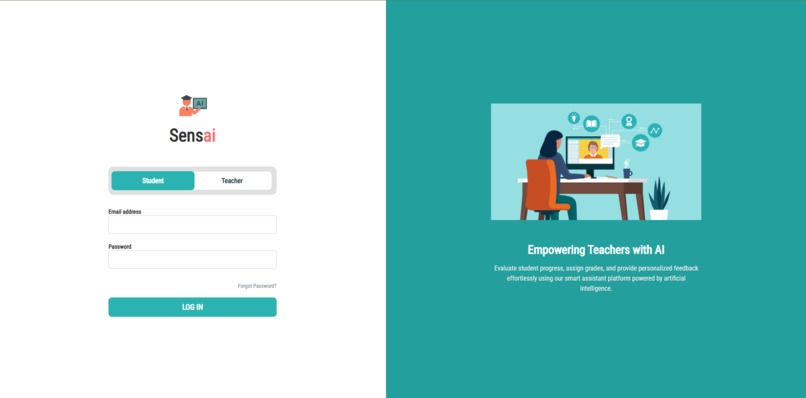
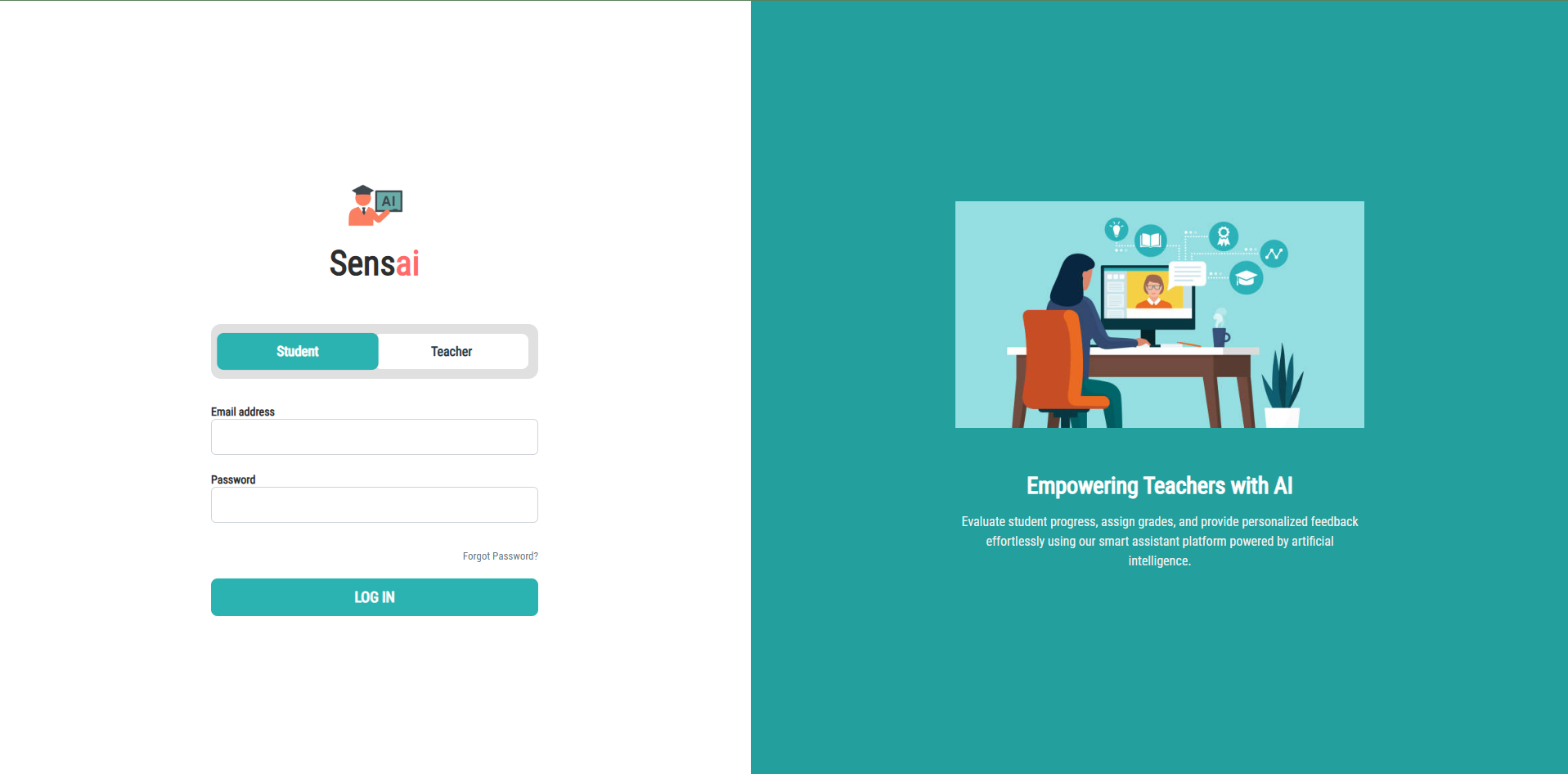
Login Page
-
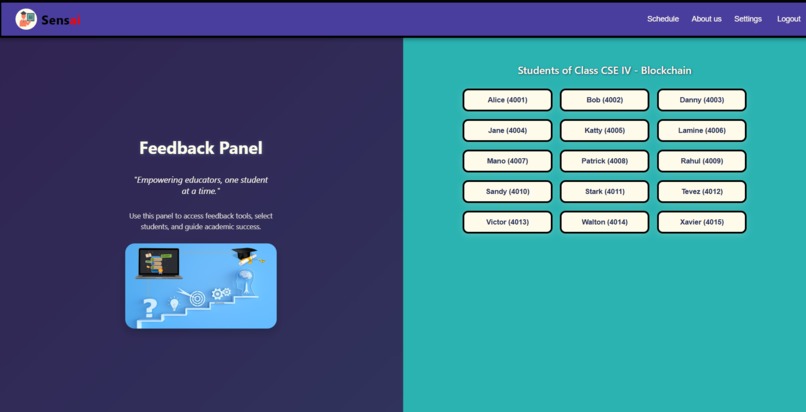
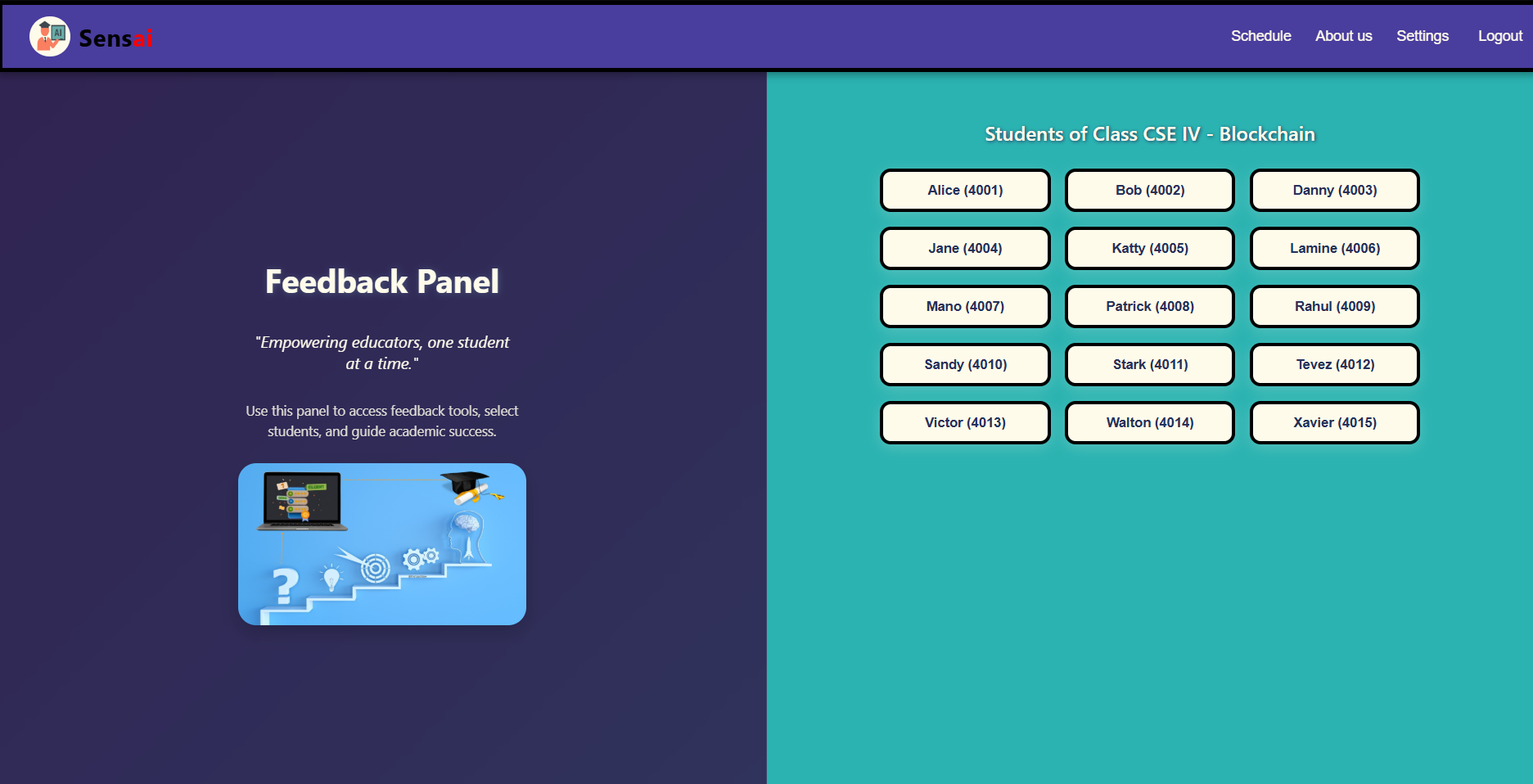
List of students in class
-
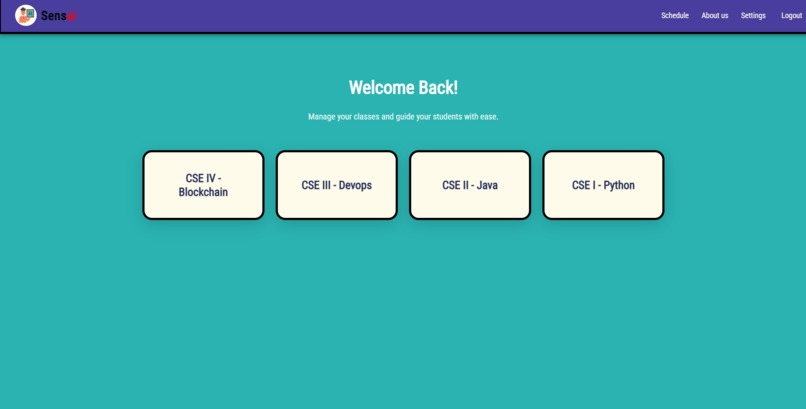
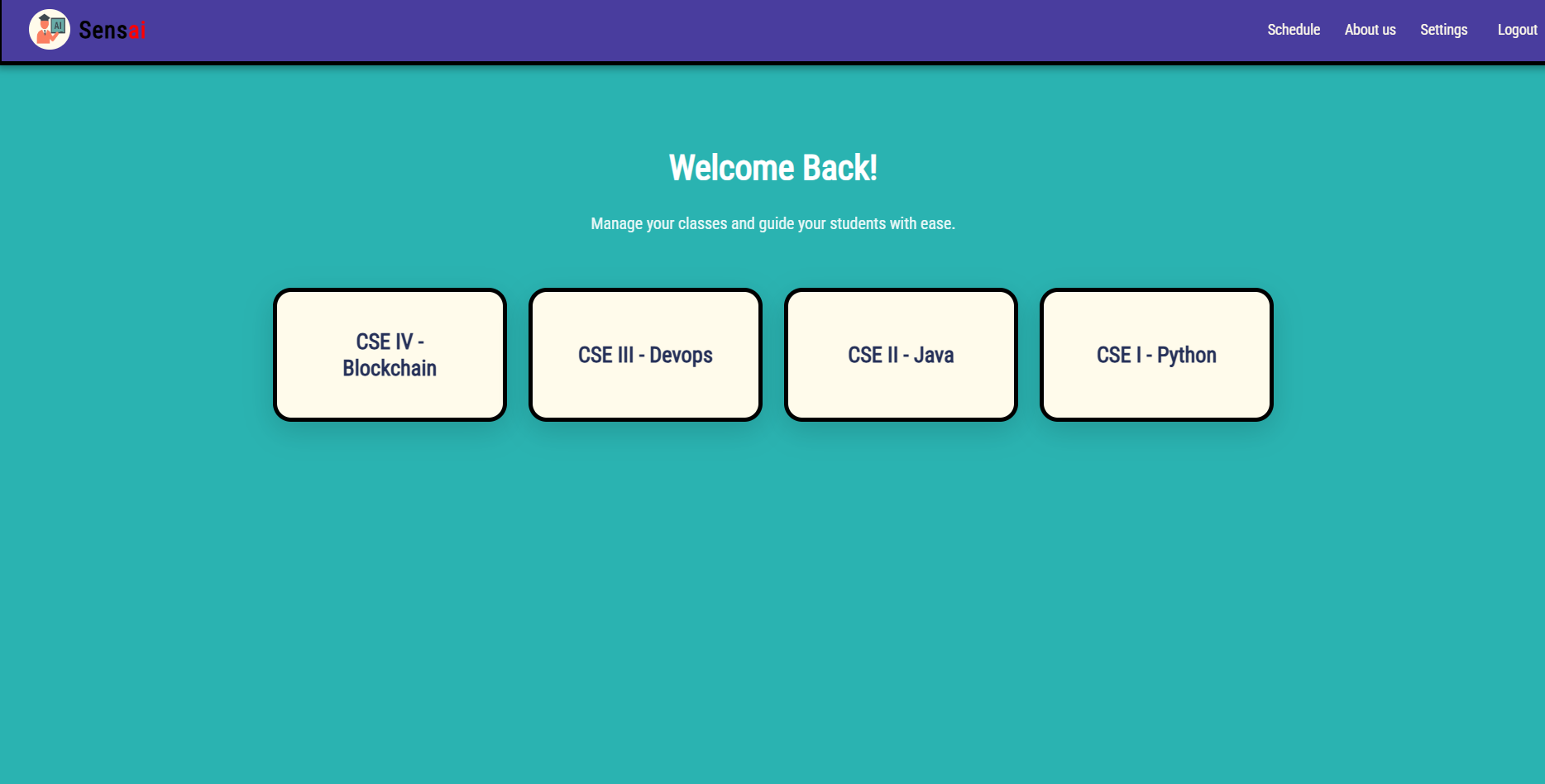
Educator – Courses Provided
-
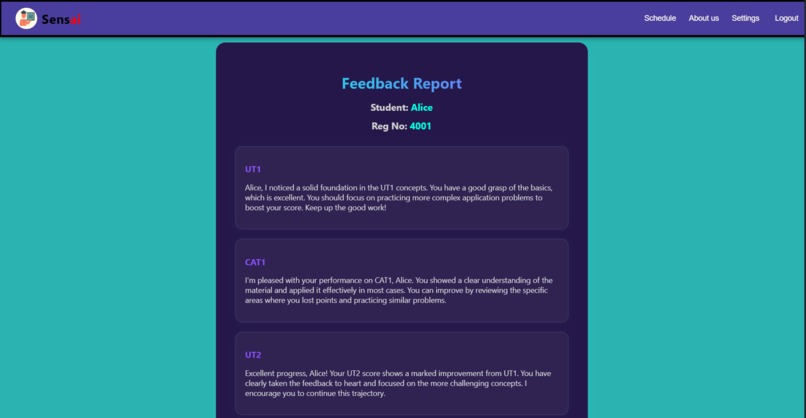
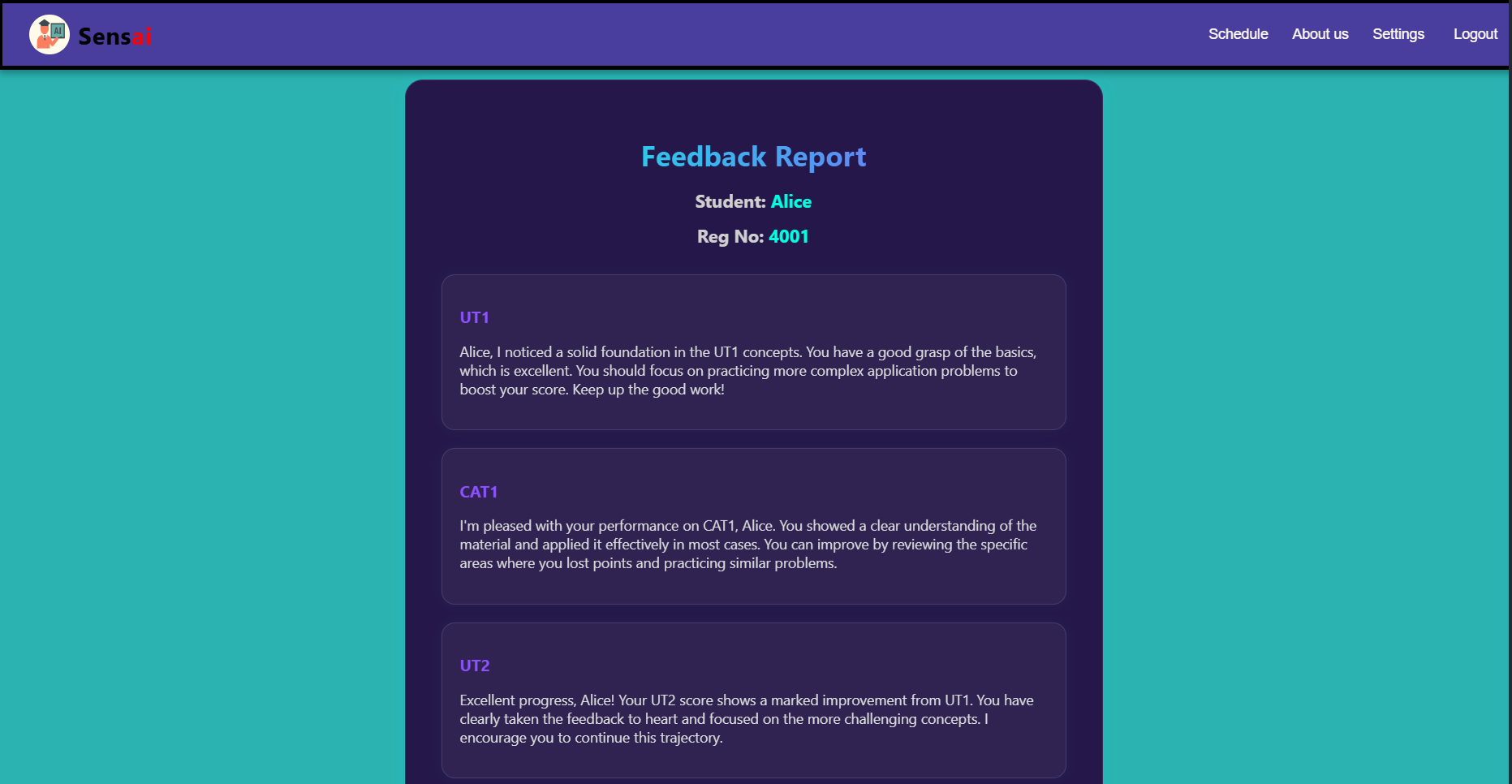
Personalized feedback for students
-
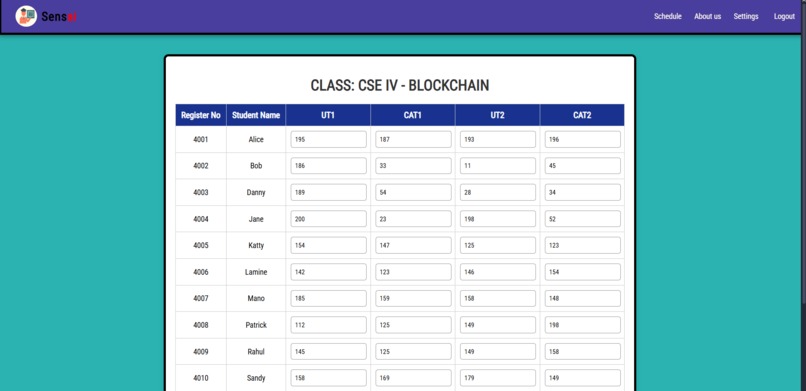
List of students in class
-
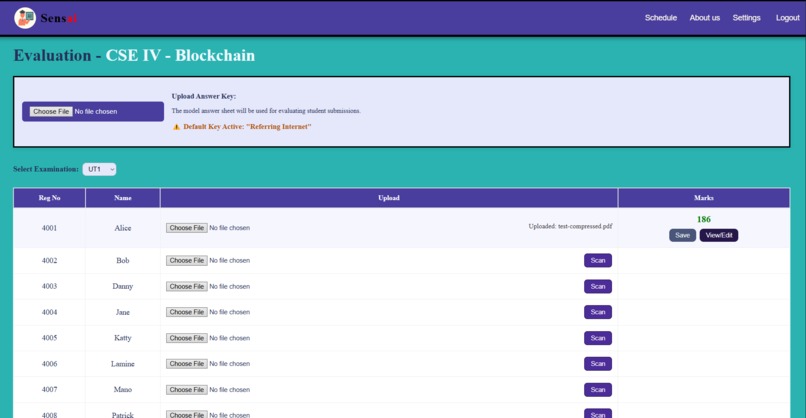
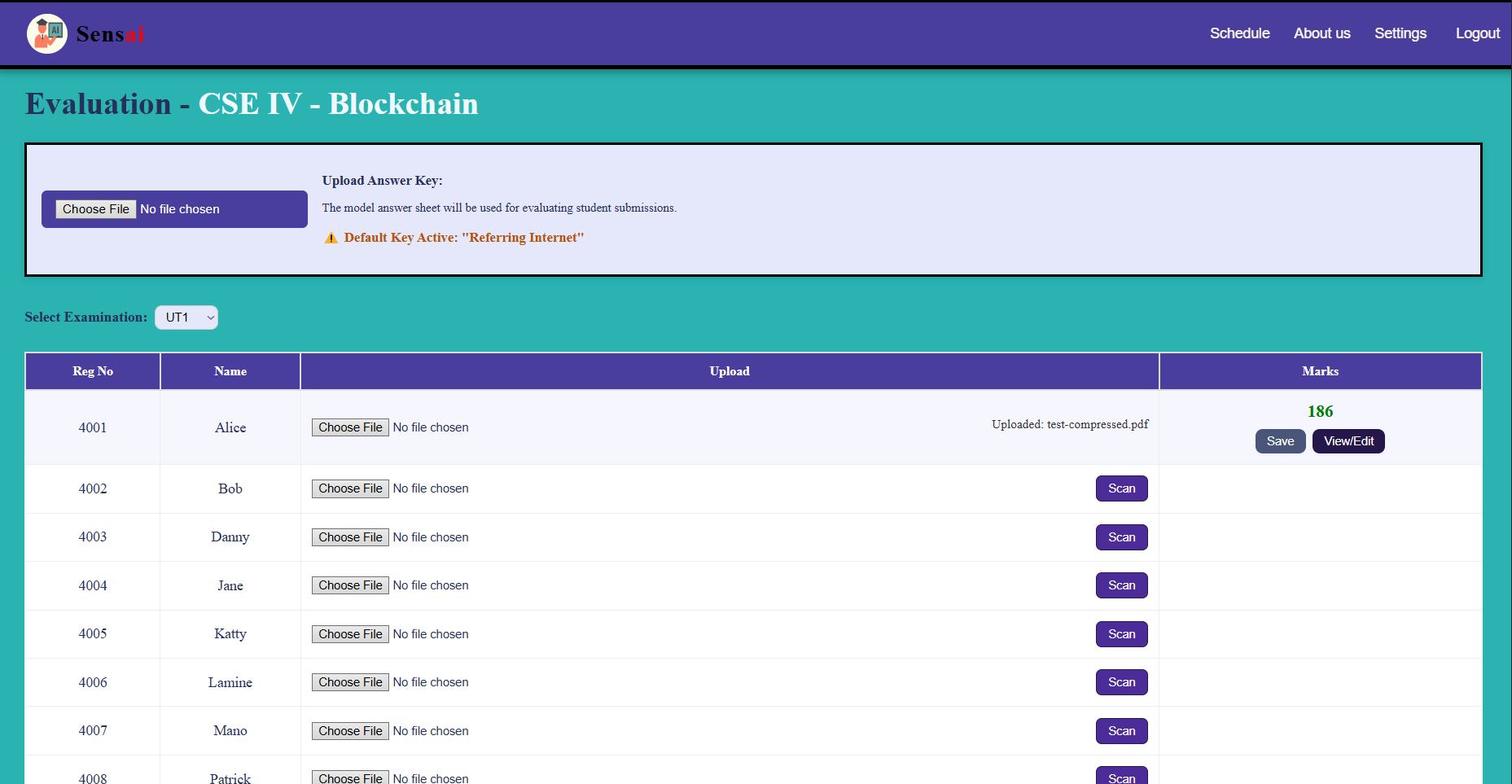
Upload & evaluate answer sheets
-
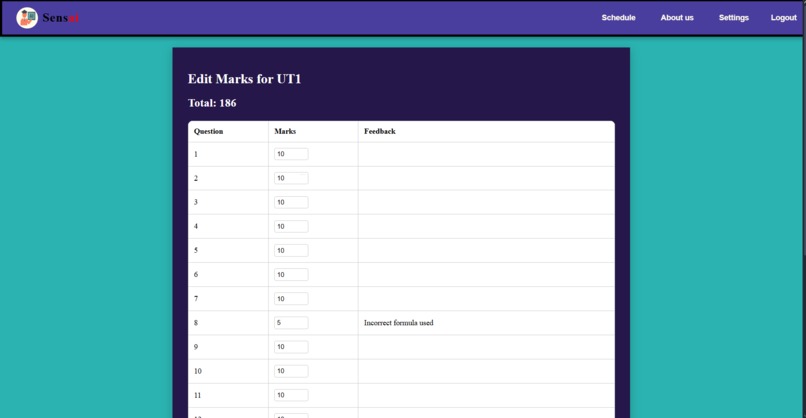
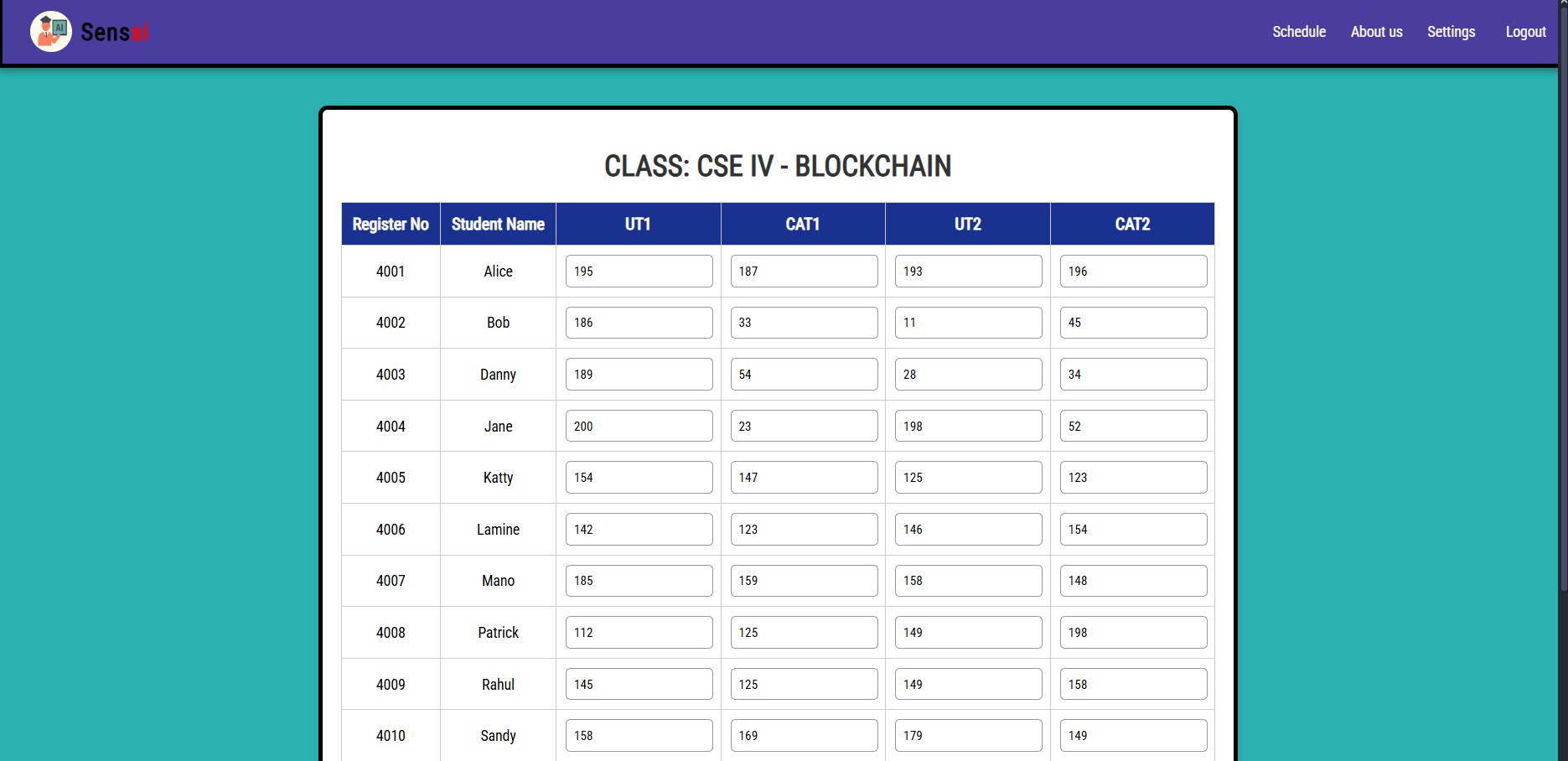
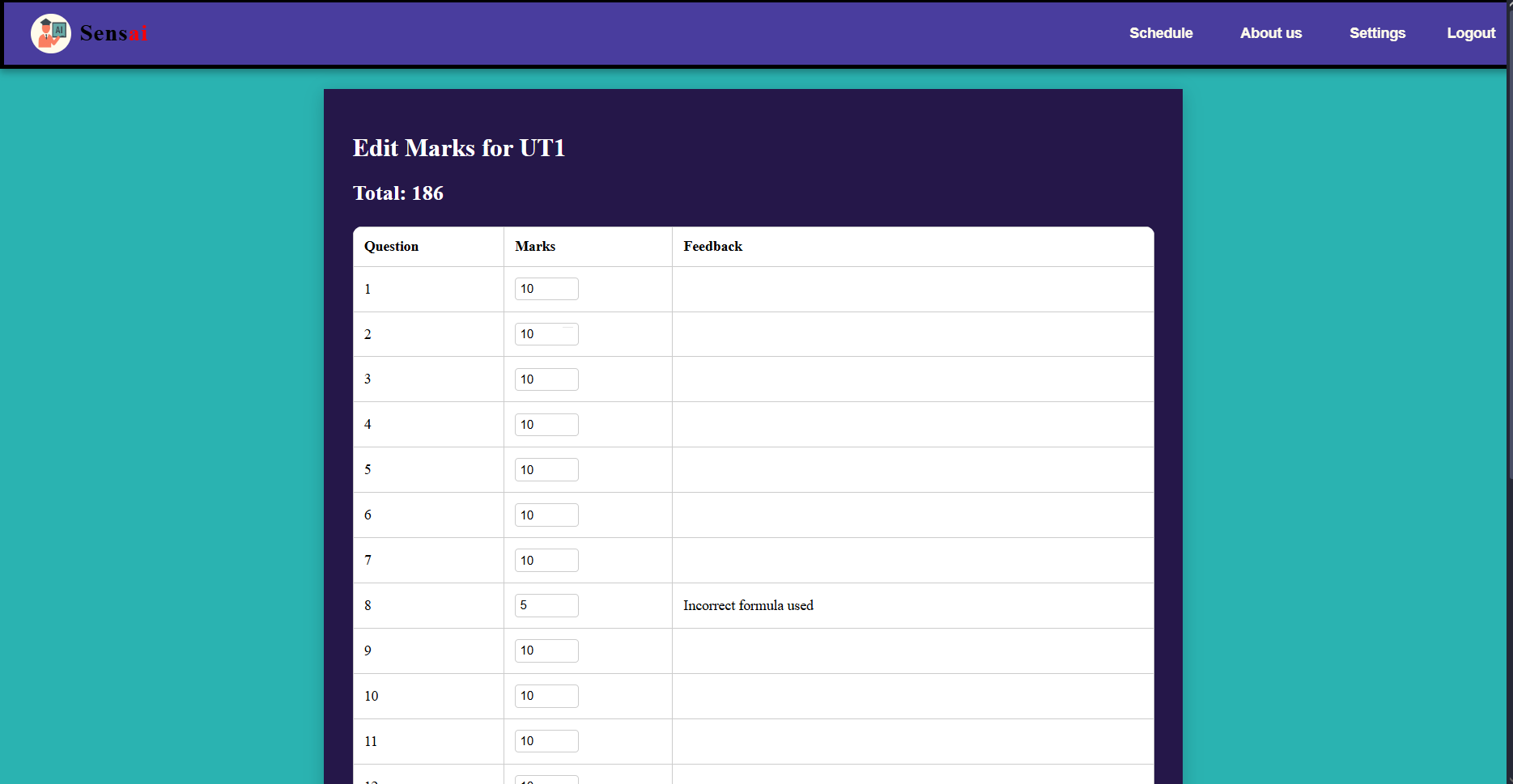
View or edit marks
-
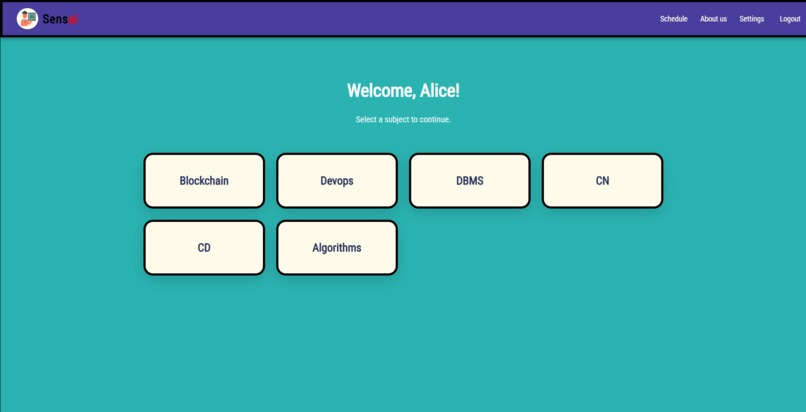
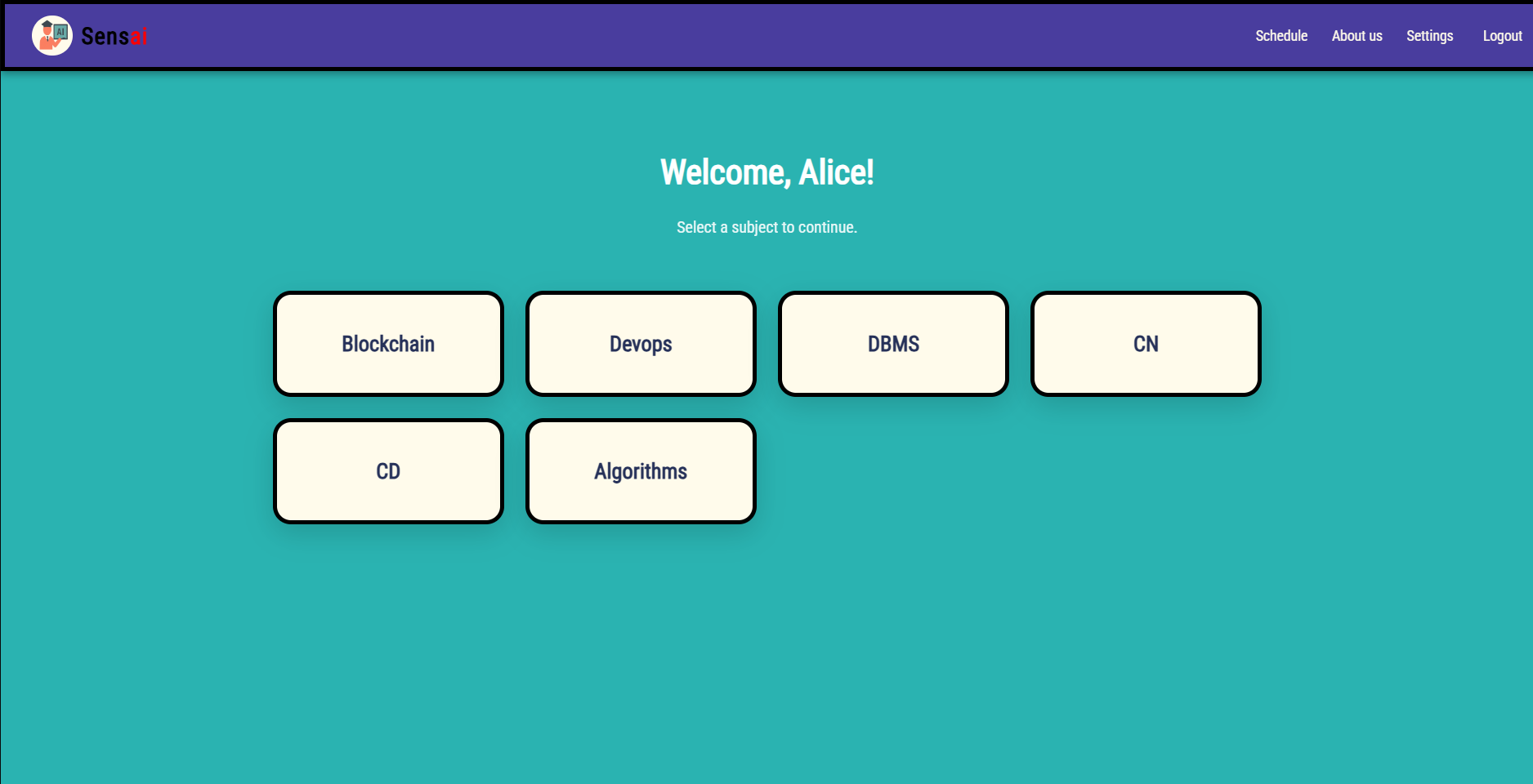
Student – Enrolled Courses
-
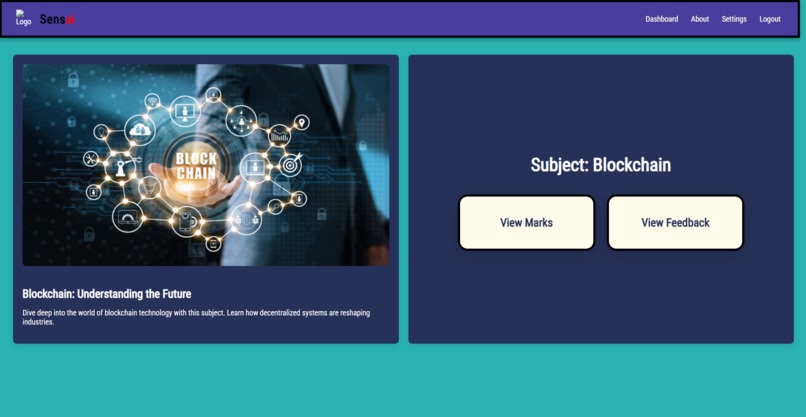
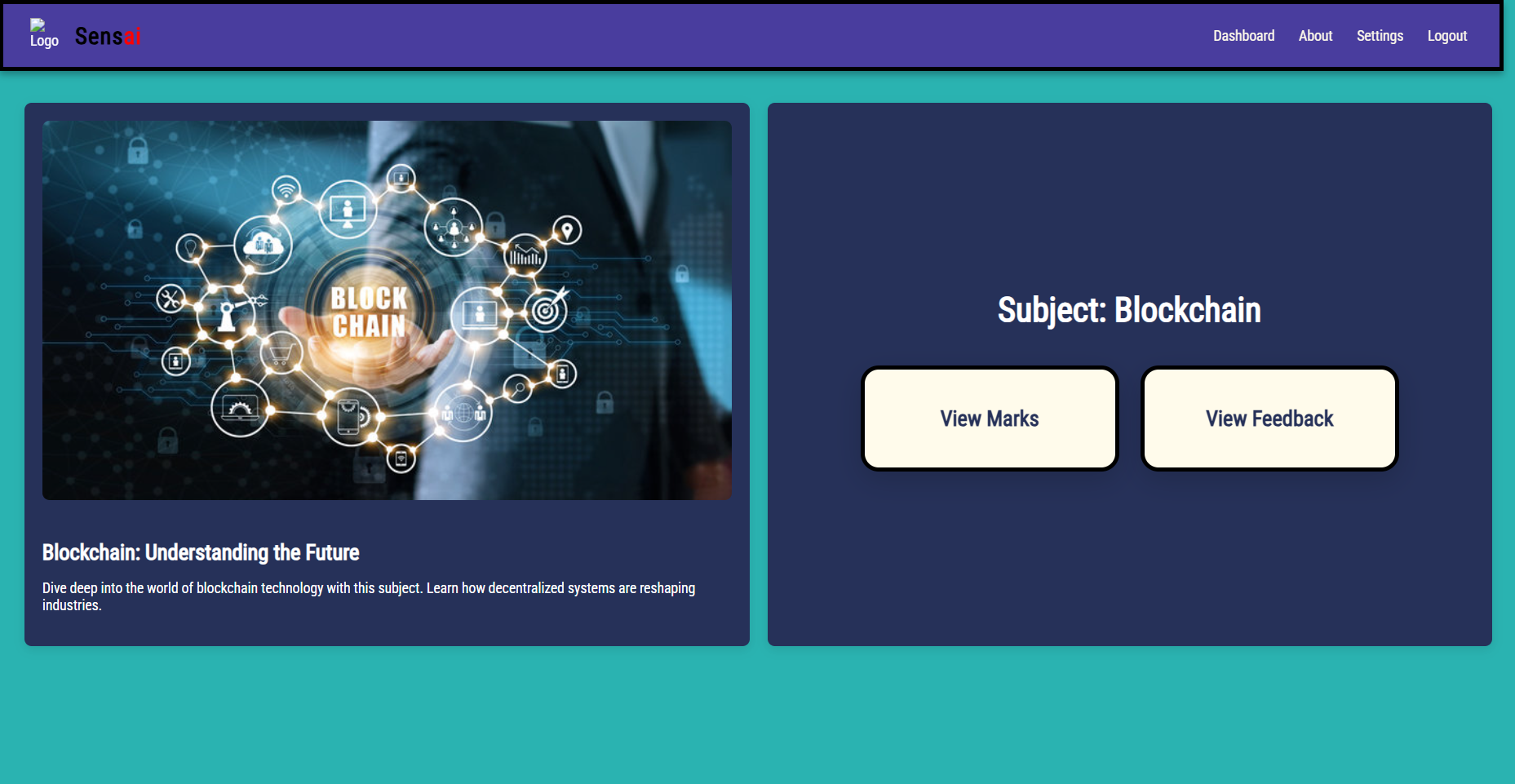
Course
-
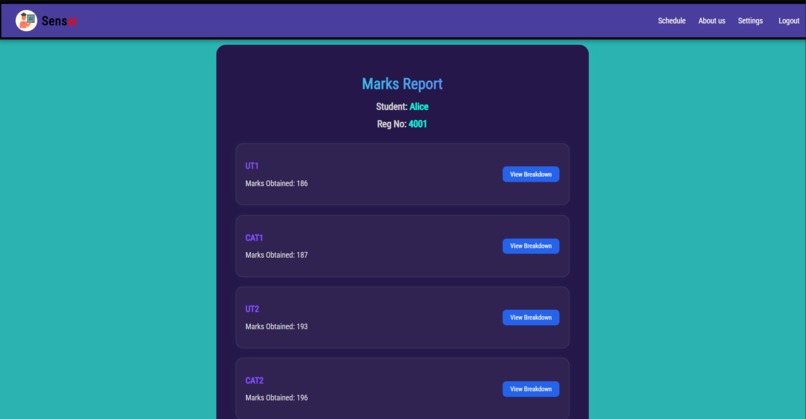
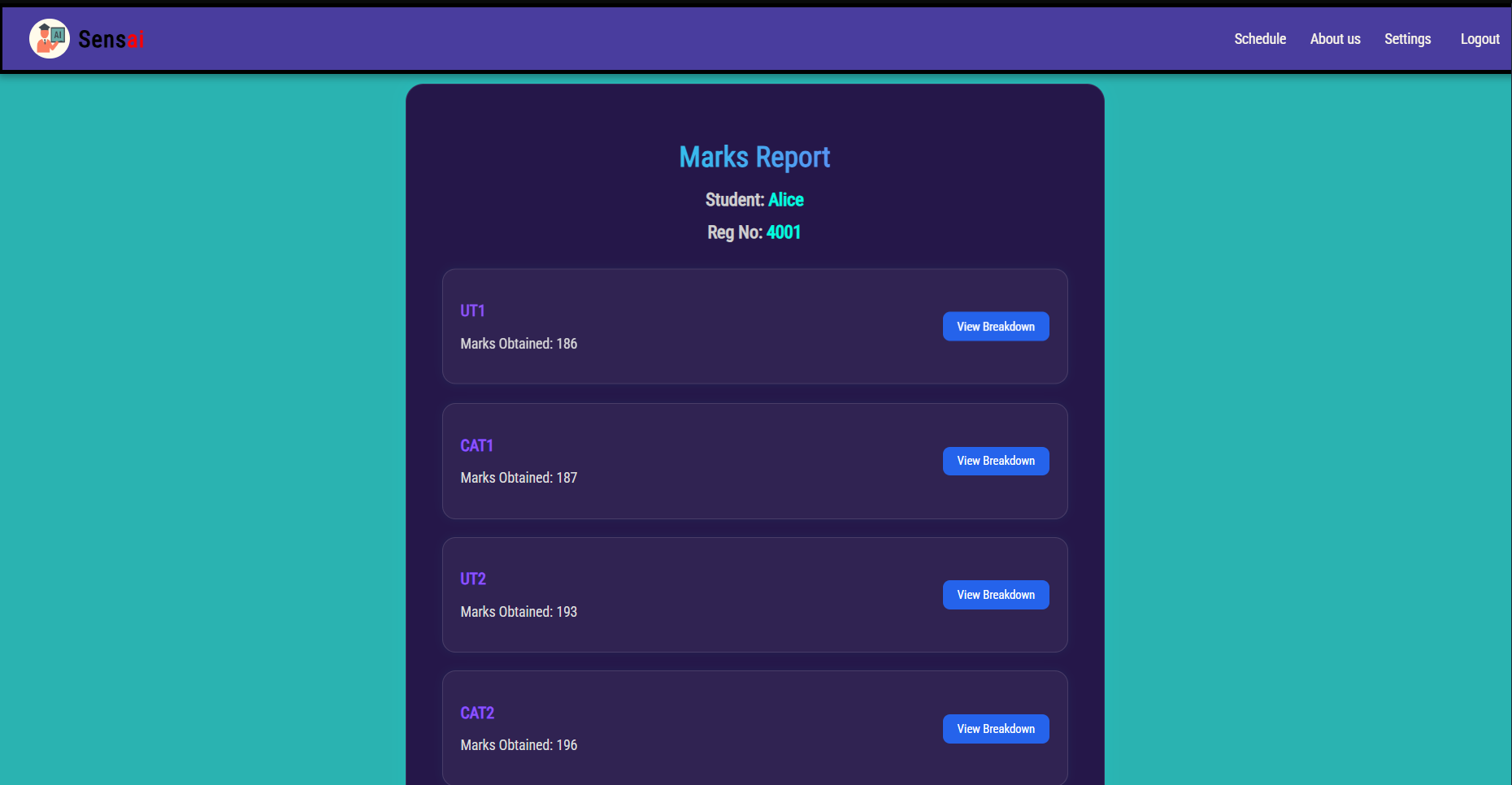
Marks report
-
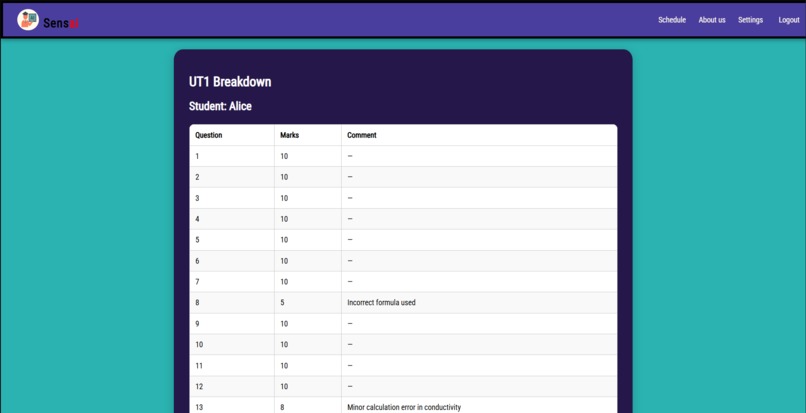
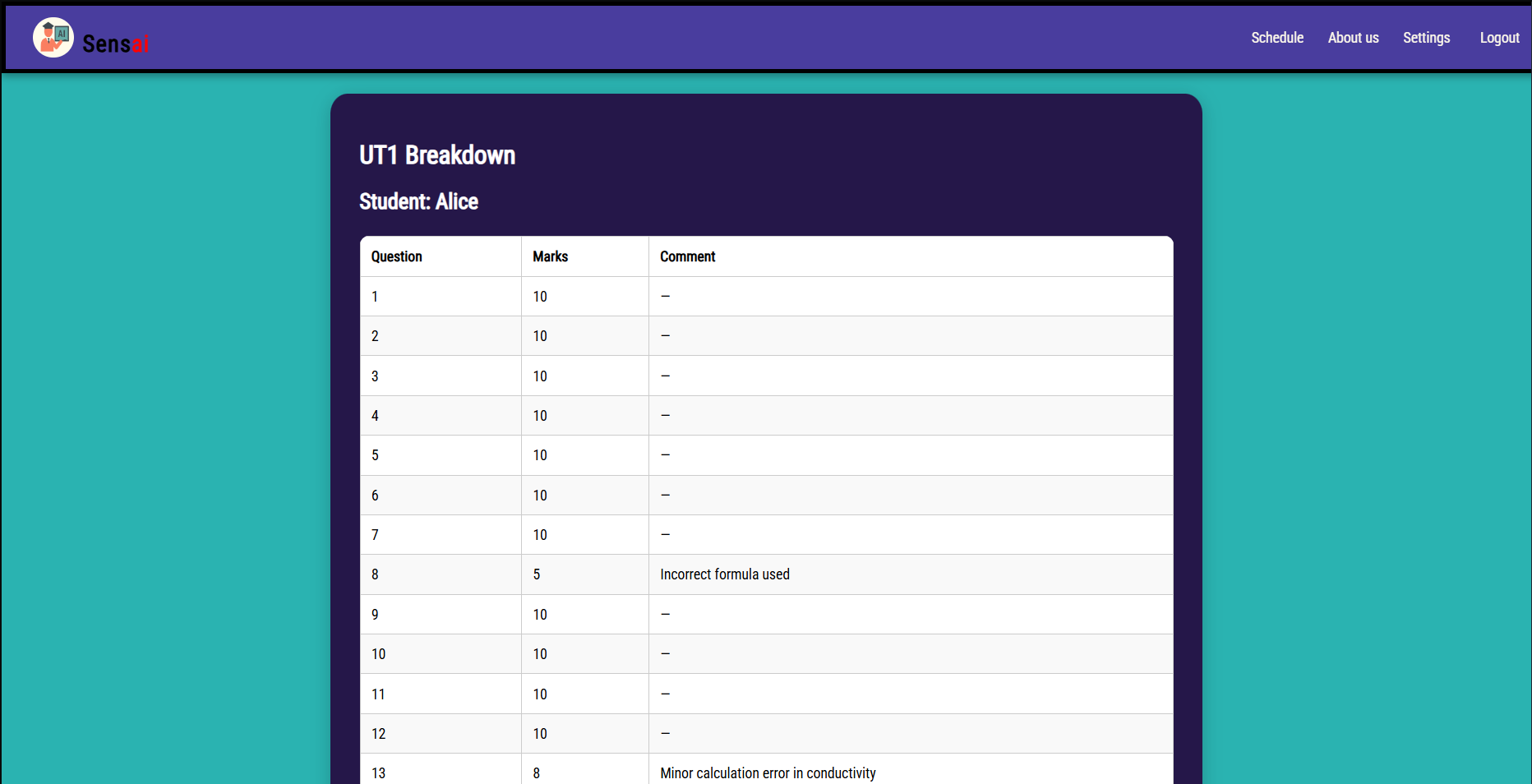
Marks breakdown
Inspiration
We wanted to redefine the way educators evaluate student performance—making it smarter, faster, and more insightful. Traditional grading lacks personalization, and we saw an opportunity to bridge that gap using AI.
What it does
SENSAI simplifies student evaluation by:
- Displaying class-wise student performance
- Enabling grading and AI-generated personalized feedback
- Supporting custom or default evaluation keys
- Allowing marksheet edits based on feedback
- Giving students access to their detailed performance and insights for improvement
How we built it
We built SENSAI using:
- Frontend: React (or your stack)
- Backend: Node.js with Express
- AI Engine: Integrated with OpenAI for dynamic feedback generation
- Database: MongoDB for structured performance data
- Security: JWT for user authentication
Challenges we ran into
- Ensuring feedback remained contextually accurate
- Handling diverse grading schemes across different classes
- Designing a clean UI for both educators and students
- Real-time performance and response generation under heavy data loads
Accomplishments that we're proud of
- Achieved seamless integration of AI feedback tailored to individual students
- Created a system where educators could upload or auto-generate evaluation keys
- Designed a user-friendly interface adaptable for both mobile and web
What we learned
- The power of AI in education goes beyond automation—it enables personalization at scale
- Simplicity in UX/UI is critical when working with educational tools
- Scalability and modular design are essential when building for real-world classroom use
What's next for SENSAI
- Integrating voice-based feedback delivery
- Analytics dashboard for educators to track class trends
- Adaptive feedback based on student learning style
- LMS integration for broader adoption

Log in or sign up for Devpost to join the conversation.