-
-
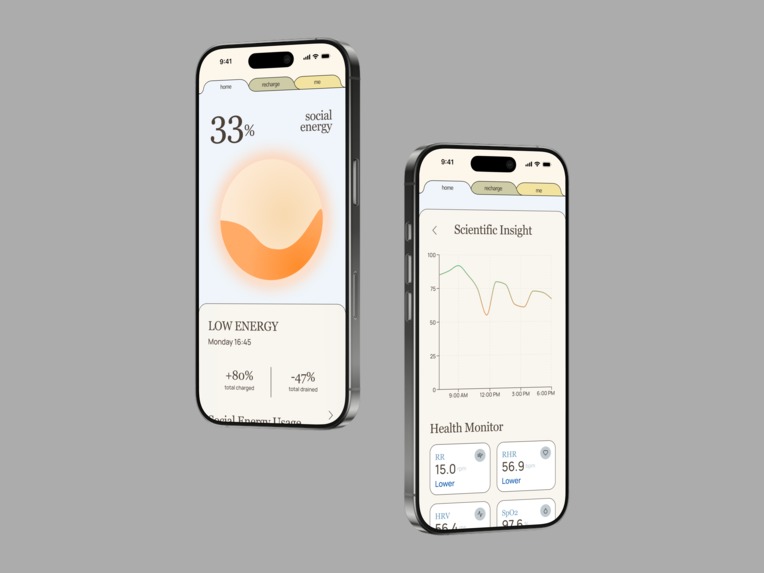
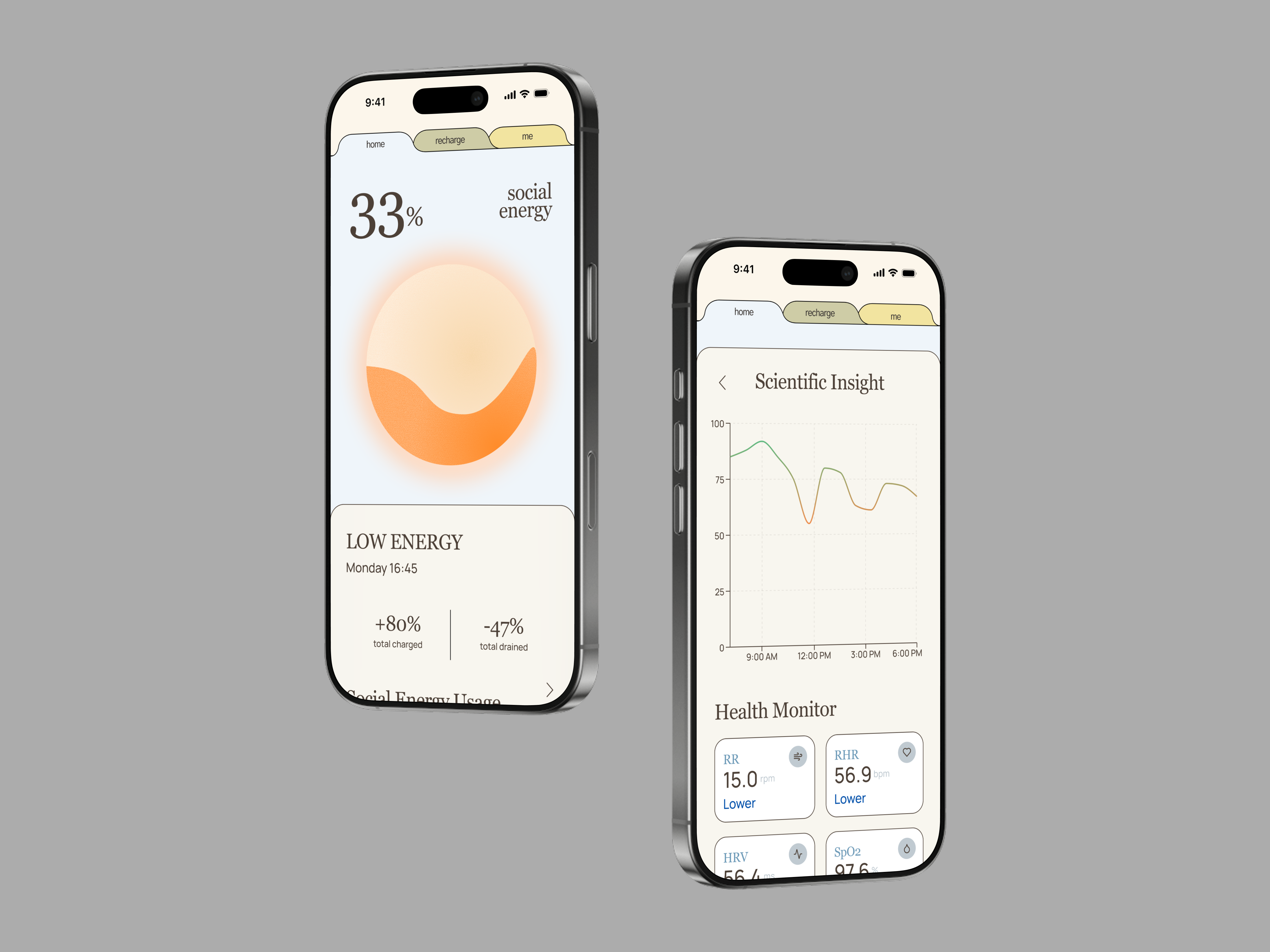
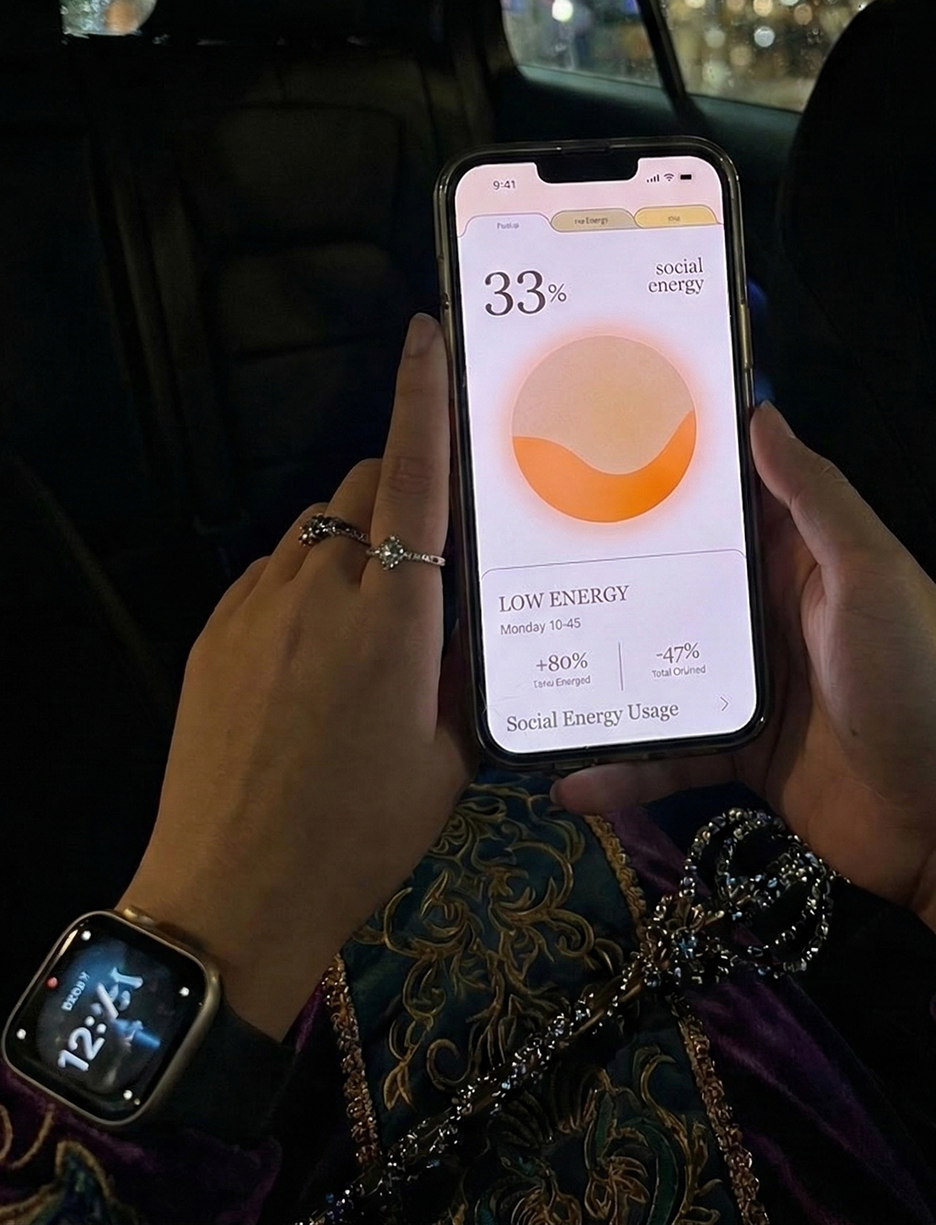
SEN Home Screen: Real-time social battery visualization with dynamic fluid motion.
-
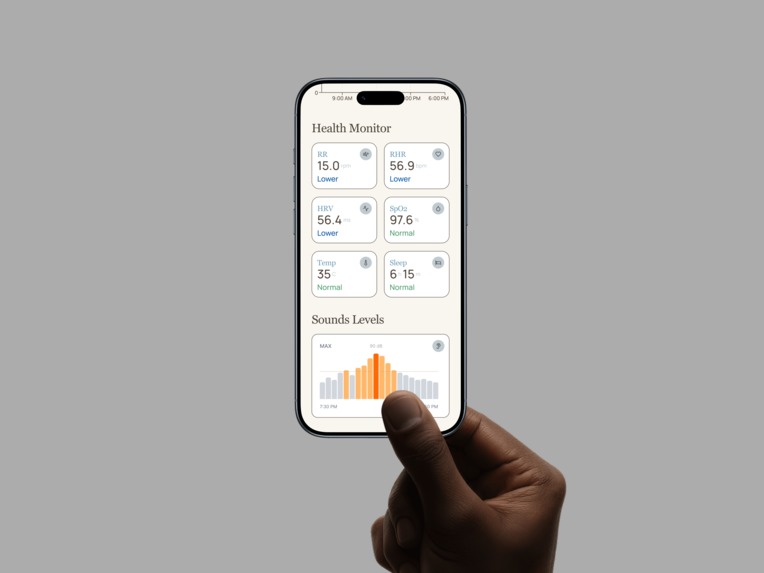
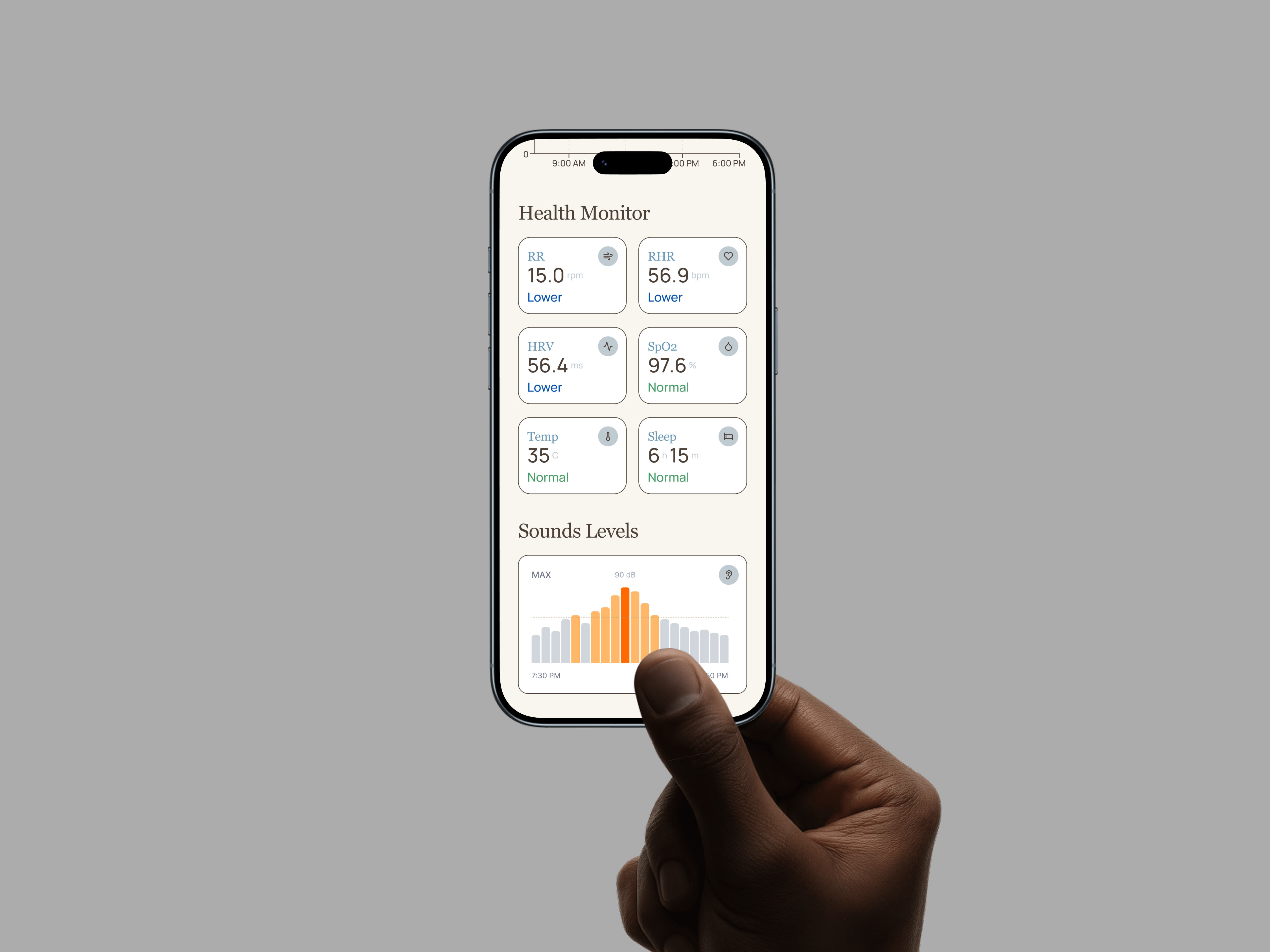
SEN Scientific Insight: Data-driven breakdown of biometric stress and environmental sensory load.
-
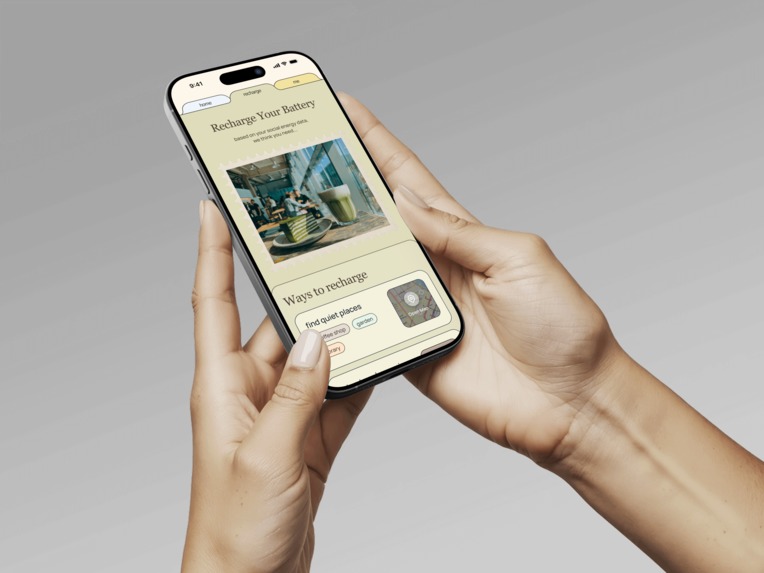
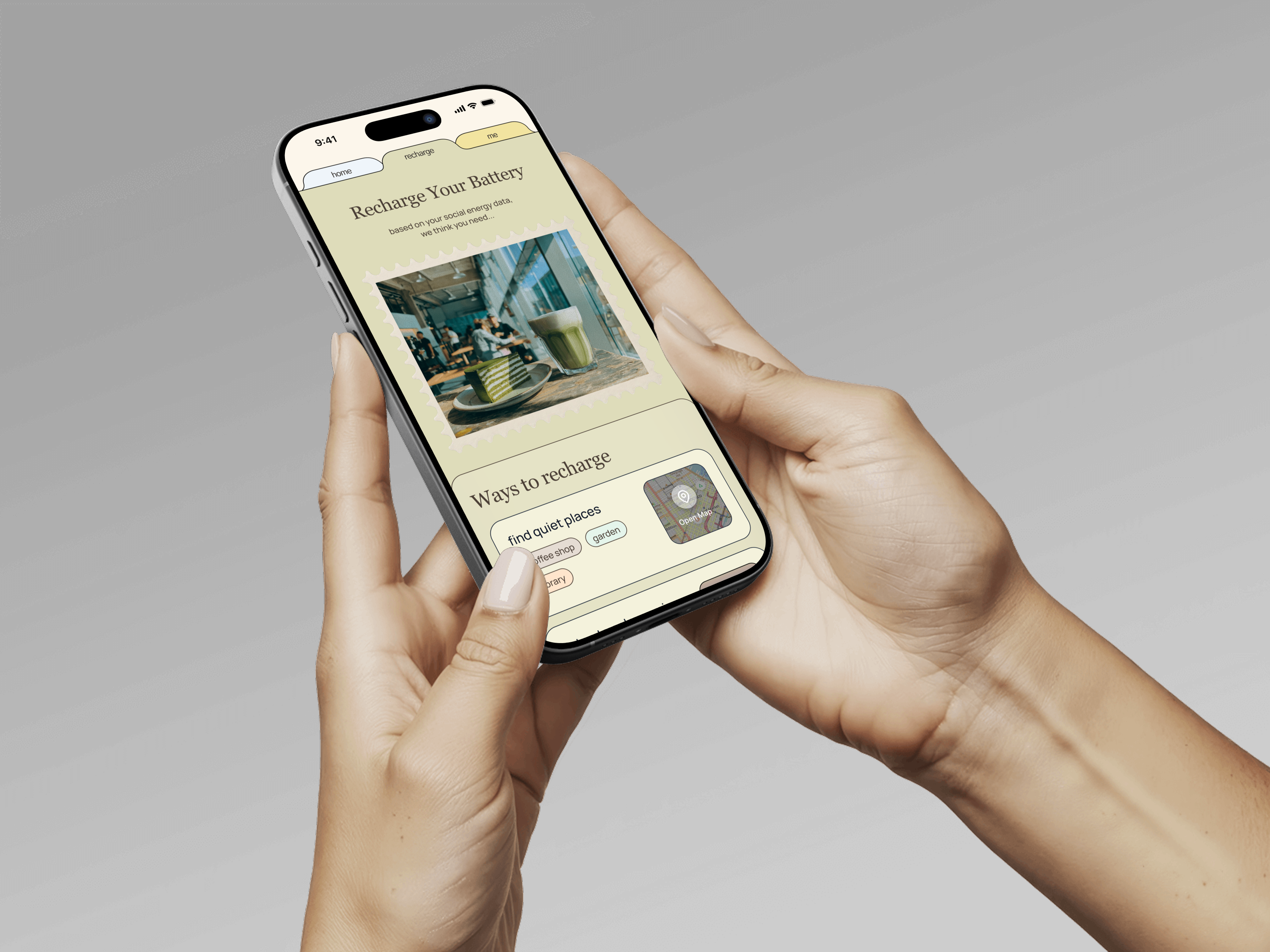
SEN Recharge Screen: Personalized, context-aware interventions to restore your internal energy.
-
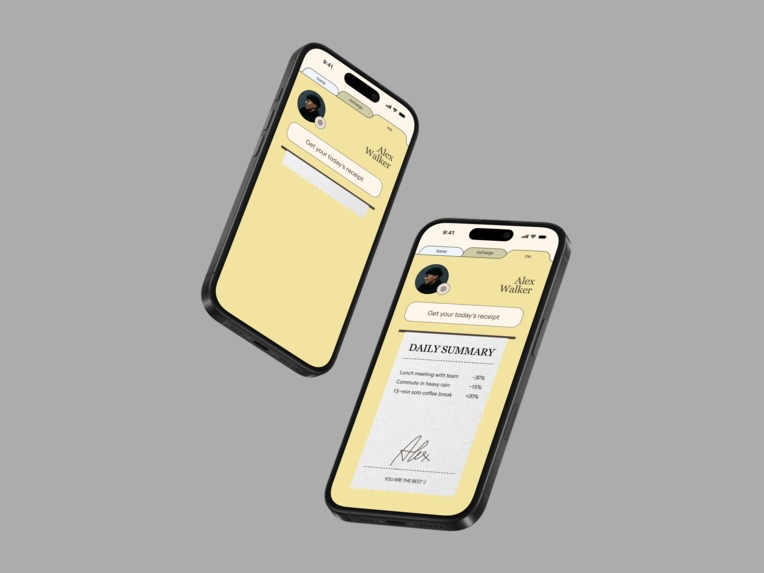
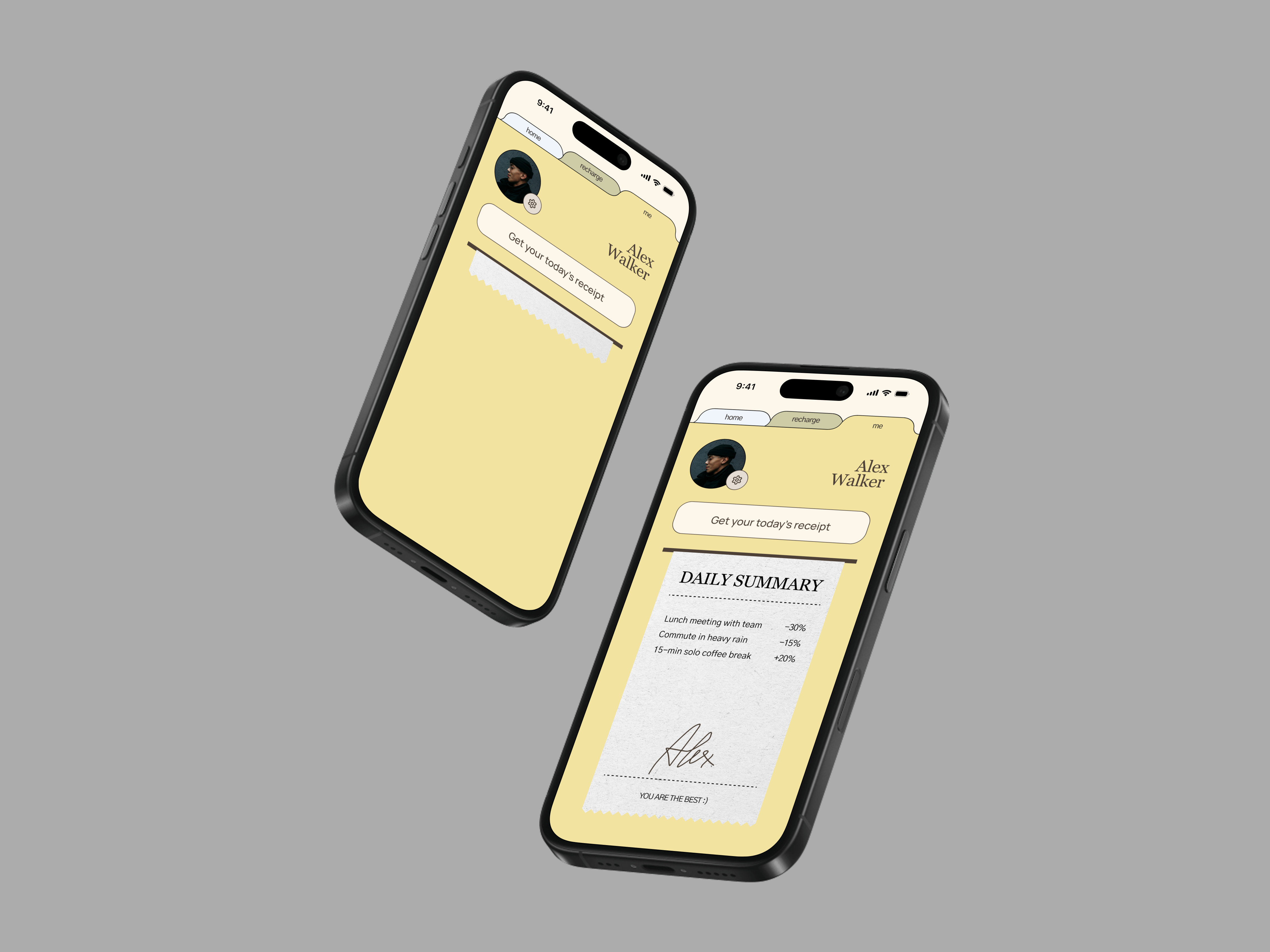
SEN Receipt Screen: A tactile, analog metaphor for a comforting end-of-day reflection.
-
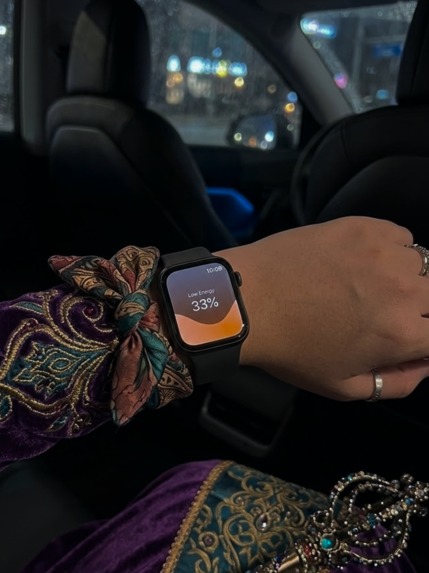
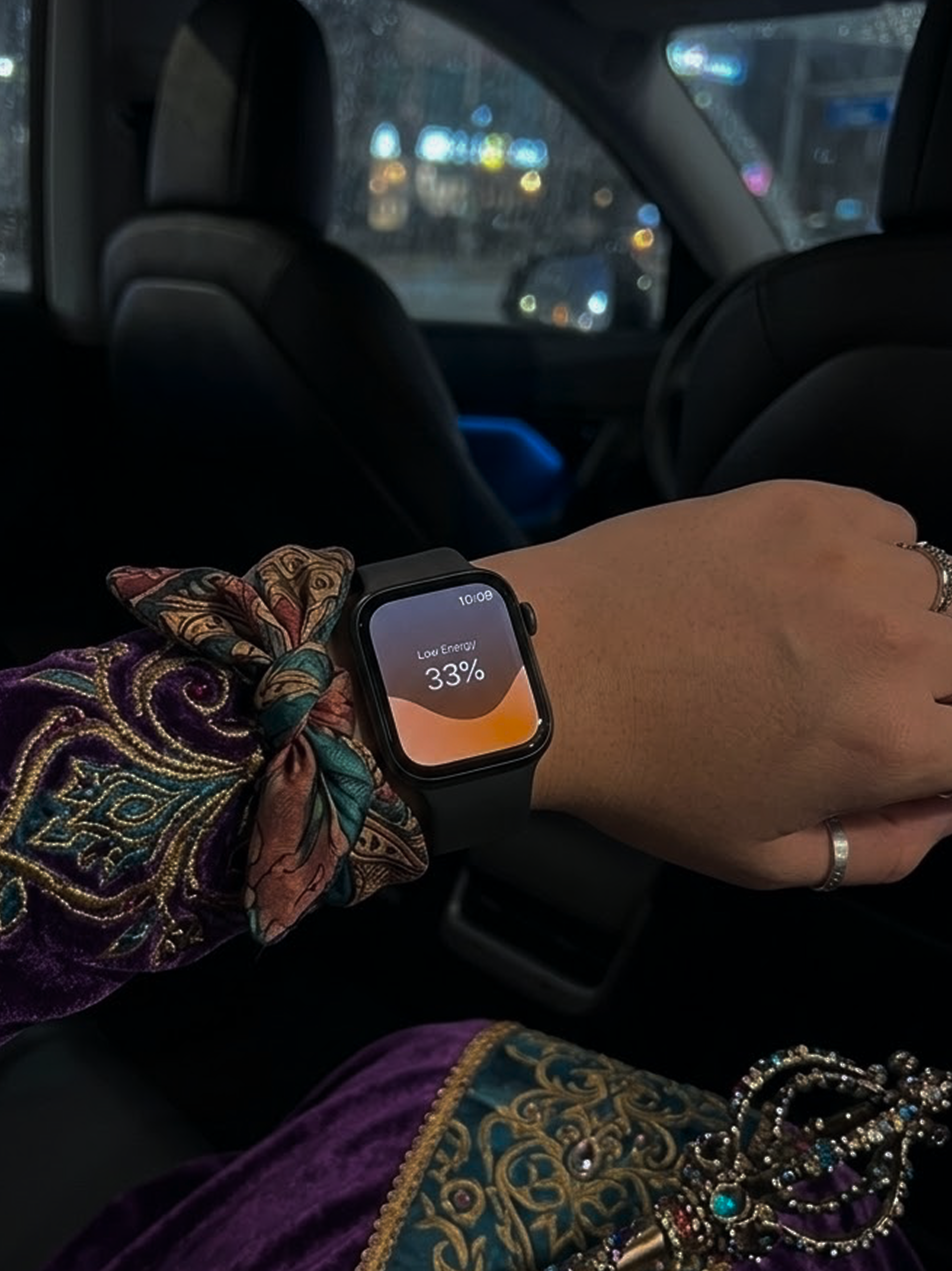
SEN Alert on Apple Watch: Subtle haptic nudge suggesting a recharge during high-stress moments.
-
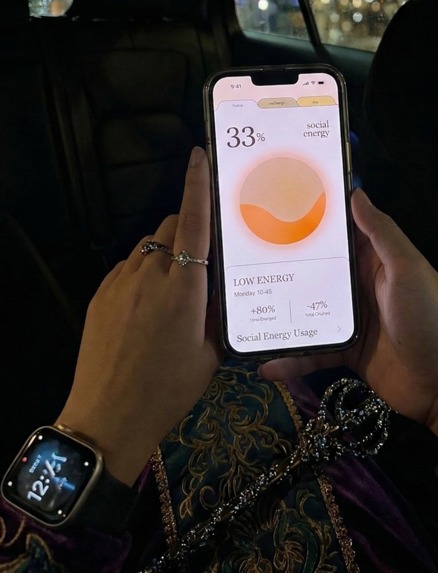
SEN Seeing Home Screen in a car: At-a-glance energy tracking during transitions between social environments.
Inspiration
After the long day of working, we often look at our phones and notice the battery is almost dead. At that same moment, we feel our own energy fading too. The difference is that while we know exactly when our phone will shut down, we never truly know when our social battery will hit zero. We only realize it when we suddenly feel like we can't talk to anyone else and just want to sit in silence with a refreshing drink. This project started when I realized we need a better way to understand and manage our internal energy before it completely runs out.
What it does
Driven by the realization that we need a better way to manage our social limits, we created SEN. SEN tracks and visualizes your internal battery in real-time, transforming an abstract feeling into a clear data point.
Monitors Sensory Inputs: The tool aggregates multiple data points that the user has authorized for access.
- Pulls Health Data from smartwatches to detect physiological stress.
- Uses shared live location to monitor weather conditions that may affect mood.
- Leverages GPS to track how long a user has been outside their comfort space.
- Monitors sound levels (dB) through the device microphone to gauge sensory load.
Provides Real-Time Alerts: When energy levels drop in crowded areas, SEN sends a subtle haptic signal to your wrist to suggest a 15-minute recharge.
Facilitates Context-Aware Care: The Recharge feature uses personal data to offer timely interventions, such as finding a quiet place or practicing mindfulness.
Delivers a Tactile Wrap-Up: At the end of the day, users receive a Daily Summary Receipt that humanizes their data through a comforting, tactile metaphor.
How we built it
As designers, our focus was on crafting a system logic that bridges the gap between raw biometric data and an empathetic user experience.
1. Logic Framework: We defined the algorithmic intersection between internal biometrics (health data) and external context (noise and GPS) to calculate the social battery model. We mapped out the data flow from existing hardware (smartwatches and microphones) to ensure the solution could be integrated into the user’s current digital ecosystem without new hardware.
2. Interaction & Visual Design: We developed a prototype in Figma, moving beyond static screens to create a Fluid UI. The morphing wave animation was carefully crafted to mimic the organic flow of human energy.
3. Tactile Analog Metaphors: Our design principle focuses on lowering user stress by making the interface feel like a supportive companion rather than a rigid medical tool. Using paper-like textures and analog elements provides a soft landing for the user, transforming complex daily logs into a familiar and reflective ritual.
4. Testing & Iterative Refinement: We conducted user testing with friends and family to validate our concept across three key areas. First, we tested the comprehensibility of the Home screen to ensure users could instantly read their social battery. Second, we identified which recharge activities (from quiet coffee breaks to spending time with pets) truly felt restorative to our users. Finally, we gathered feedback on our new tactile interaction: the printed receipt. This real-world validation confirmed that the analog feel of the receipt was not just intuitive, but also provided the emotional comfort we aimed for.
Challenges we ran into
A major challenge was navigating the learning curve of Figma AI (Figma Make). As designers who are used to manual, pixel-perfect control (hand-animating every transition) using AI felt like a leap of faith. It was often a gamble whether the AI would accurately translate the vision in our heads into a functional prototype. However, this challenge turned into an opportunity; the speed of AI allowed us to experiment with unique interaction models we hadn't considered before, ultimately helping us find the organic, fluid feel that defines SEN today.
Accomplishments that we're proud of
We are incredibly proud of the Daily Summary Receipt. Our biggest win was successfully mimicking the physical experience of a receipt being printed in real-time. By experimenting with Figma Make, we went through numerous trials and errors to achieve the exact tactile interaction we envisioned. Seeing that paper-like slip slide out smoothly felt like magic. It transformed a standard data log into a delightful ritual that users can actually look forward to.
What we learned
This project taught us that Invisible Technology is often the most powerful. We learned that a designer's role isn't just to create screens, but to design an entire emotional experience. By leveraging existing sensors (HRV, GPS, and Microphones) for a new, empathetic purpose, we discovered that wellness tools can be effective without requiring new, invasive hardware. We also realized the profound impact that analog metaphors can have in a digital world to reduce anxiety and foster self-reflection.
What's next for SEN - Social Energy Tracker
After completing the design and interacting with the high-fidelity prototype, we felt a strong desire to bring SEN into the real world. It’s something we personally want to use in our own daily lives to manage our social limits. More importantly, during our initial user testing, the feedback was unanimous: people felt that a tool like this is genuinely needed in today’s loud and busy world. Our next step is to explore the technical feasibility of building a functional version of SEN, turning this speculative vision into a real, compassionate tool that can help people navigate their social well-being with greater self-awareness.
Built With
- figma


Log in or sign up for Devpost to join the conversation.