-
-
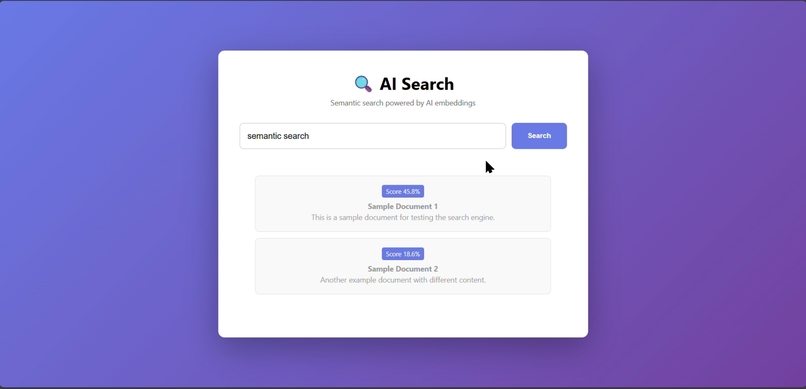
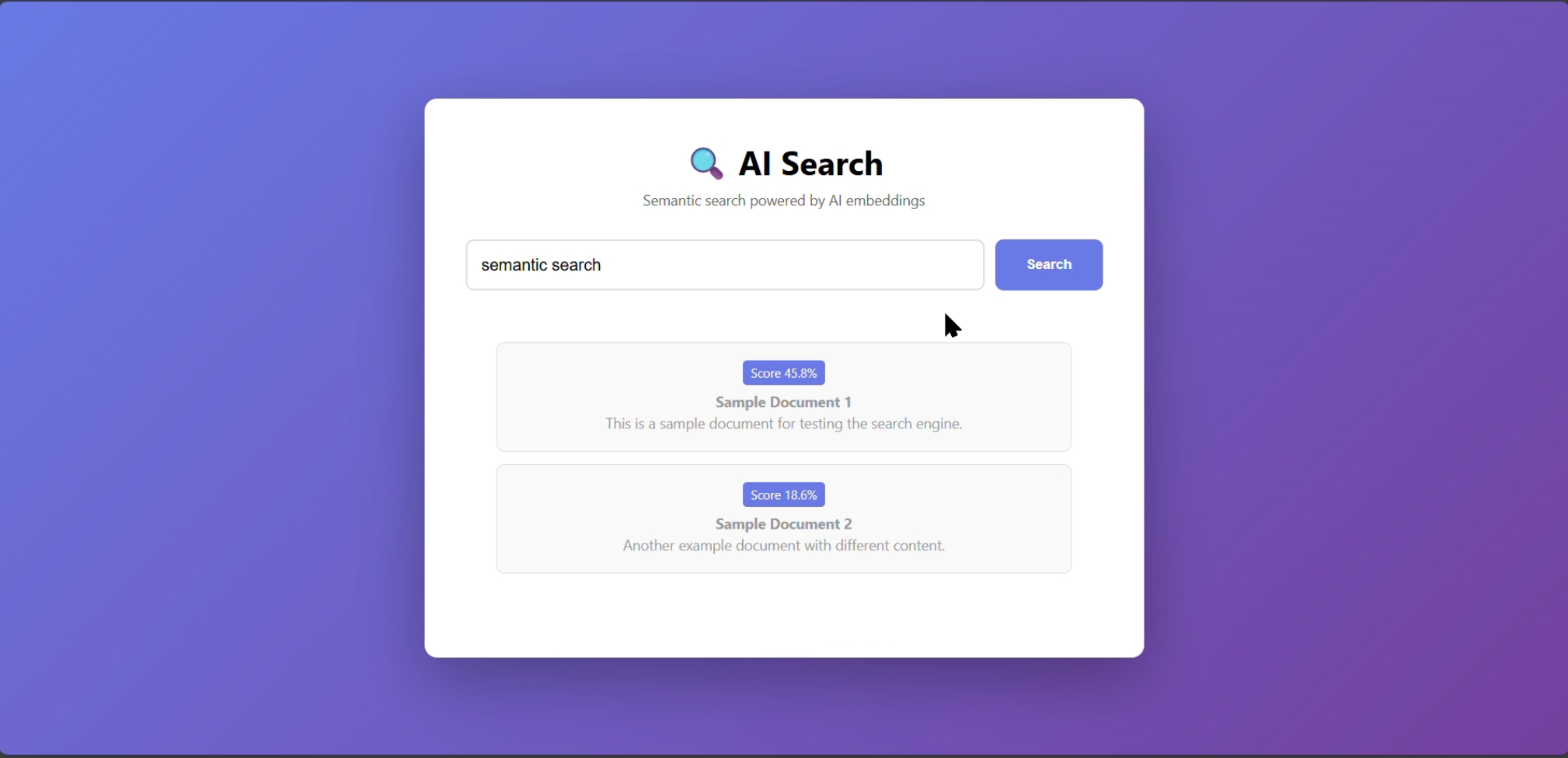
AI-powered semantic search that understands user intent, not just keywords.
-
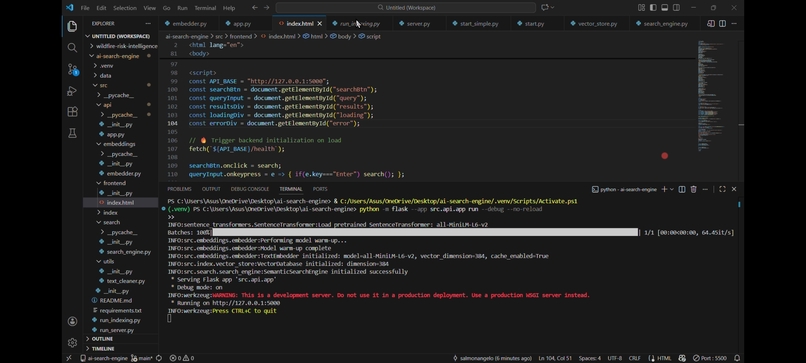
System-level design with real-time indexing and vector database integration.
-
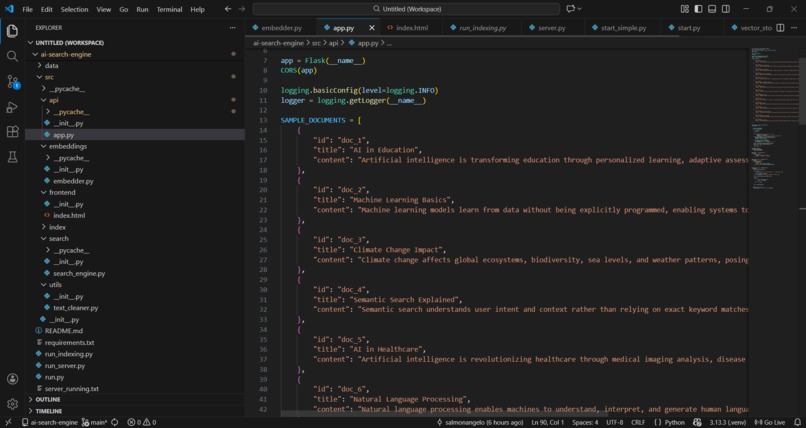
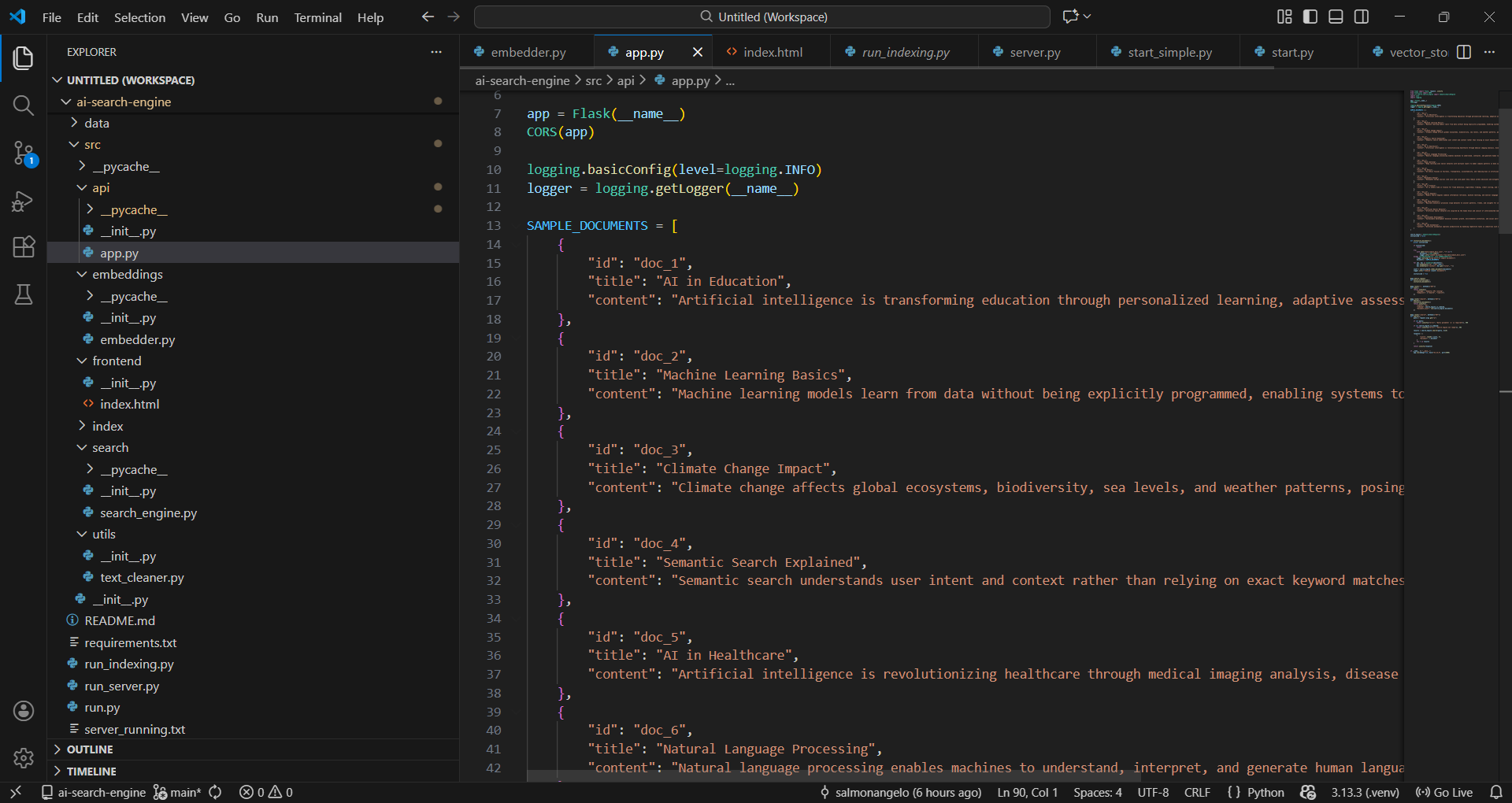
Clean, modular architecture built by first-year students.
-
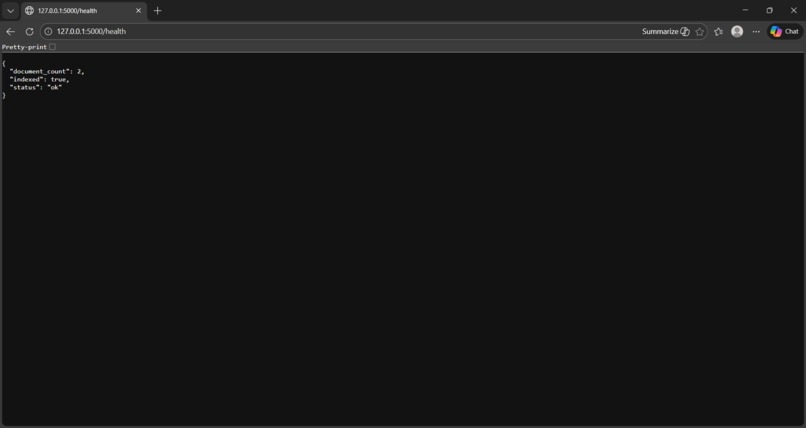
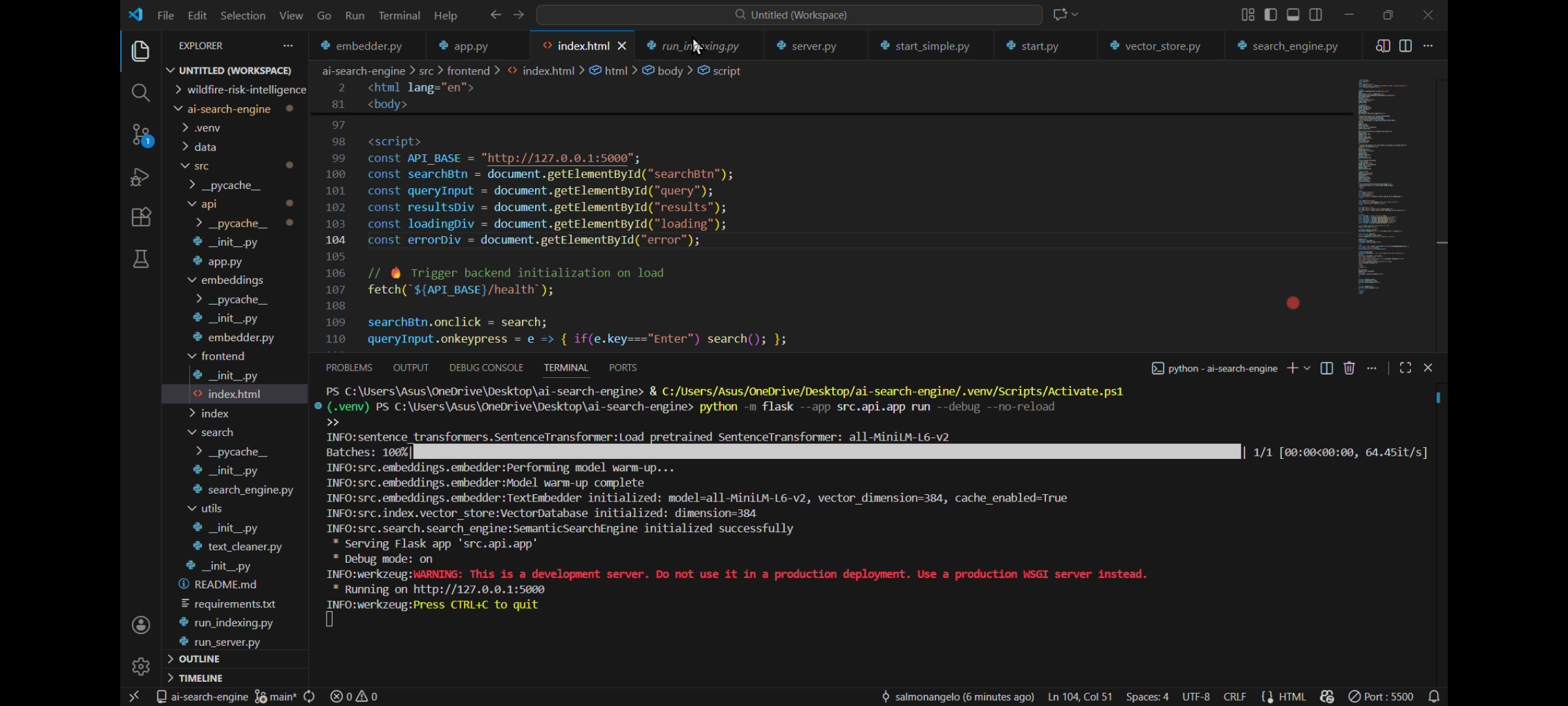
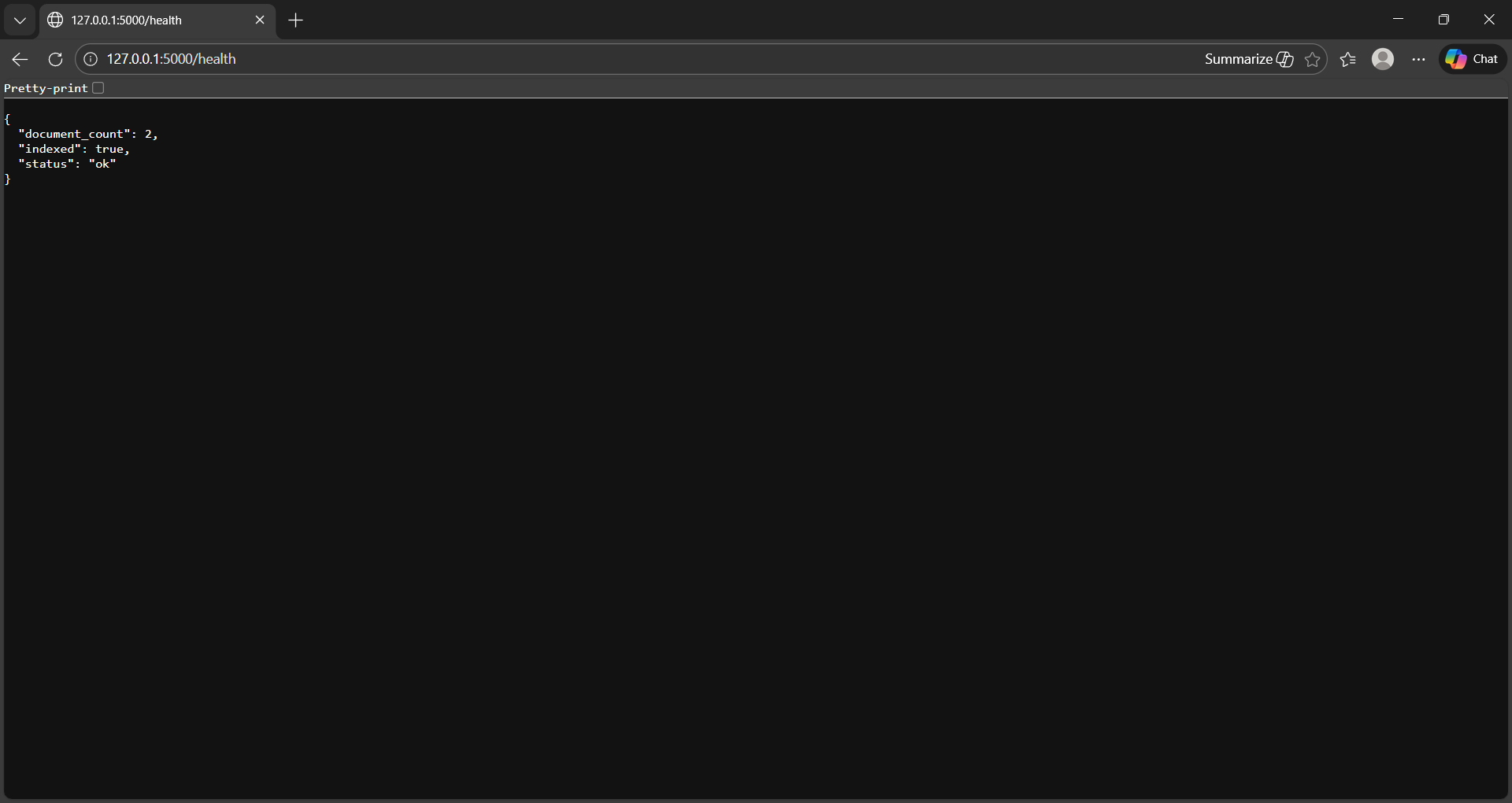
Robust backend with health monitoring and controlled indexing.
Inspiration
As first-year college students, we were curious about how modern search engines understand meaning, not just keywords. While balancing classes, exams, and assignments, we wanted to build something beyond the syllabus — a system that truly thinks from the user’s point of view. This curiosity pushed us to explore semantic search and AI-driven retrieval.
What it does
Semantix is an AI-powered semantic search engine.
Instead of matching keywords, it understands the intent behind a user’s query and returns results based on meaning. Users can type naturally, and the system responds with the most relevant information.
How we built it
We split the work based on our strengths:
- Front-end: Designed a clean, simple interface focused on user experience.
- Back-end: Built APIs and logic to connect the system end-to-end.
- Search & Optimization: Implemented embeddings, vector similarity, indexing, and performance optimizations.
We integrated everything using a modular architecture so each part worked smoothly with the others.
Challenges we ran into
- Managing time as first-year students with heavy academics.
- Debugging environment and import issues on Windows.
- Handling search requests before indexing was complete.
- Reducing cold-start latency and improving performance.
Each challenge taught us patience, teamwork, and problem-solving.
Accomplishments that we're proud of
- Building a full semantic search system from scratch.
- Designing a search engine that understands user intent.
- Implementing optimizations like model warm-up and caching.
- Successfully integrating frontend, backend, and search logic.
Most importantly, we’re proud that we built something real and usable as first-year students.
What we learned
- AI is more than models — it’s about systems and user experience.
- How embeddings and similarity search work in real applications.
- The importance of clean architecture and collaboration.
- Learning by building teaches more than theory alone.
What's next for Semantix
- Adding support for PDFs and documents.
- Improving ranking and search accuracy.
- Deploying the system online for public use.
- Expanding Semantix into a study and knowledge-search tool for students.
Semantix started as a learning project — and we’re excited to see how far it can go.


Log in or sign up for Devpost to join the conversation.