-
-
3dAtlas1
-
3dAtlas2
-
UI
-
3dAtlas3
-
3dAtlas4
Project name
Semantic Anatomy
Elevator pitch (short tagline field)
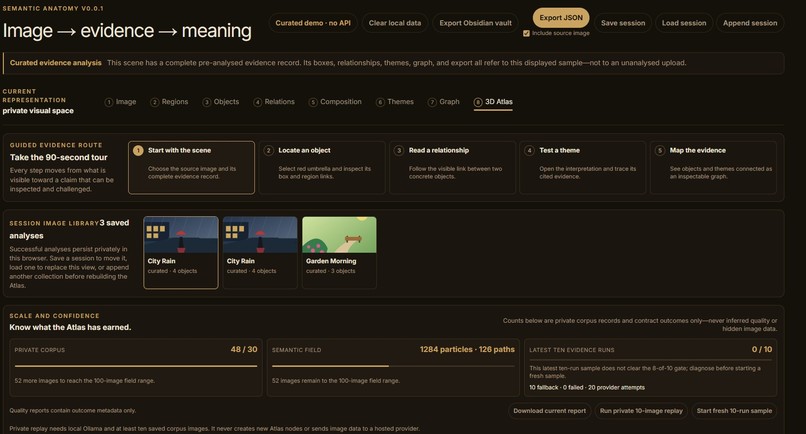
Semantic Anatomy turns an image into an inspectable chain of visual evidence — regions, objects, relationships, themes, graph, and a private 3D atlas — so no AI claim exists without a citation.
About the project (main description)
Inspiration
Image AI hands you captions you can't audit: you cannot see which region, object, or relationship justified a claim. For developers building on vision models, that opacity is a debugging and trust problem. We made the intermediate structure of visual meaning first-class — every interpretive claim must cite concrete evidence IDs, or it doesn't exist.
What it does
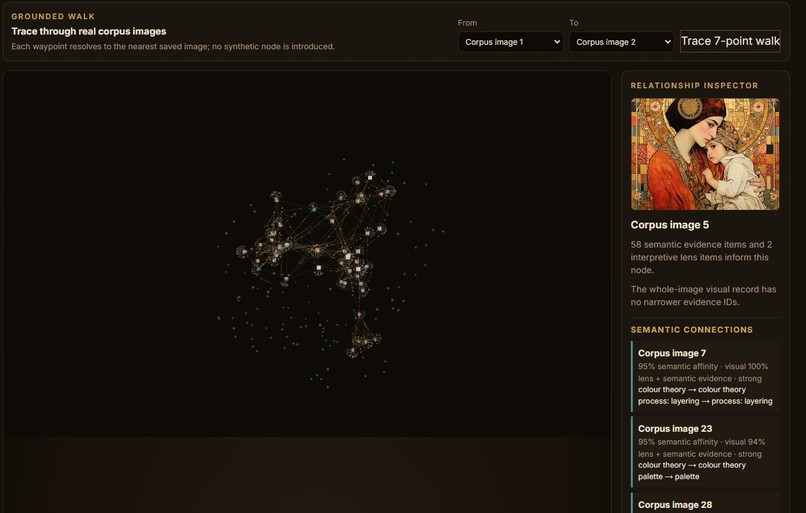
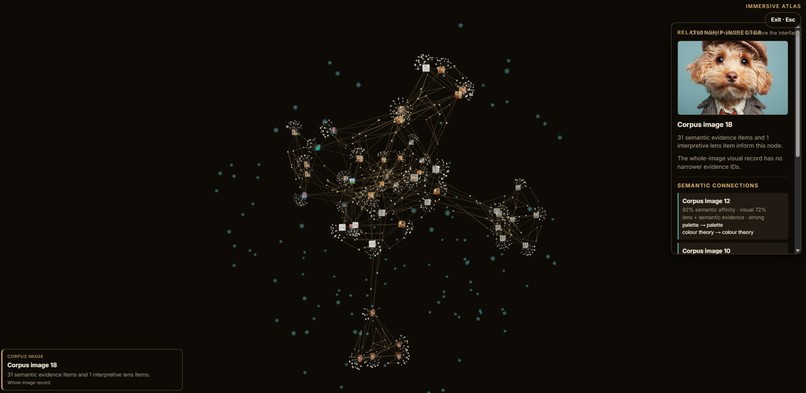
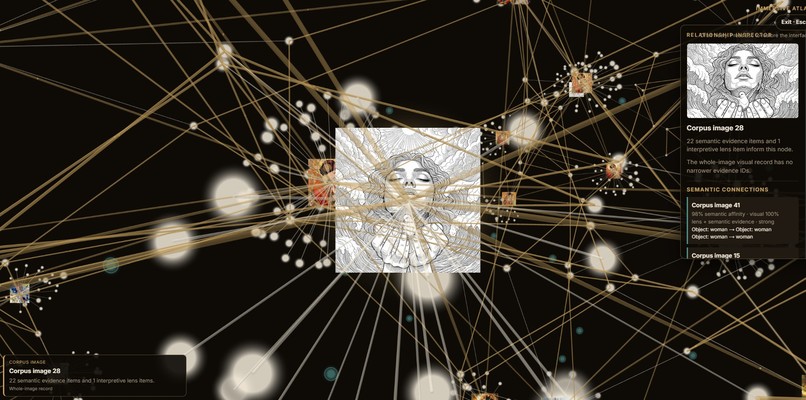
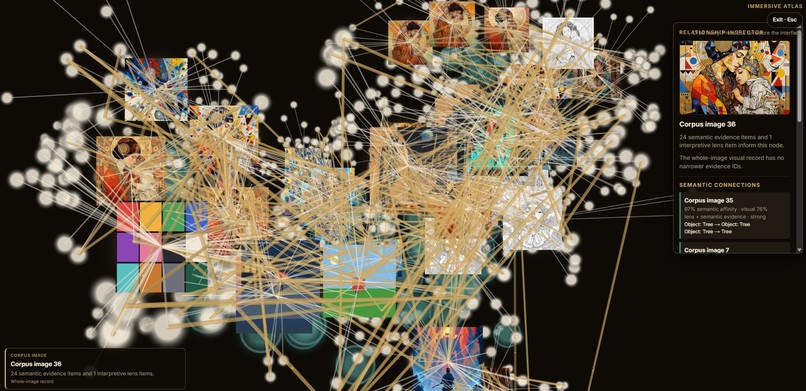
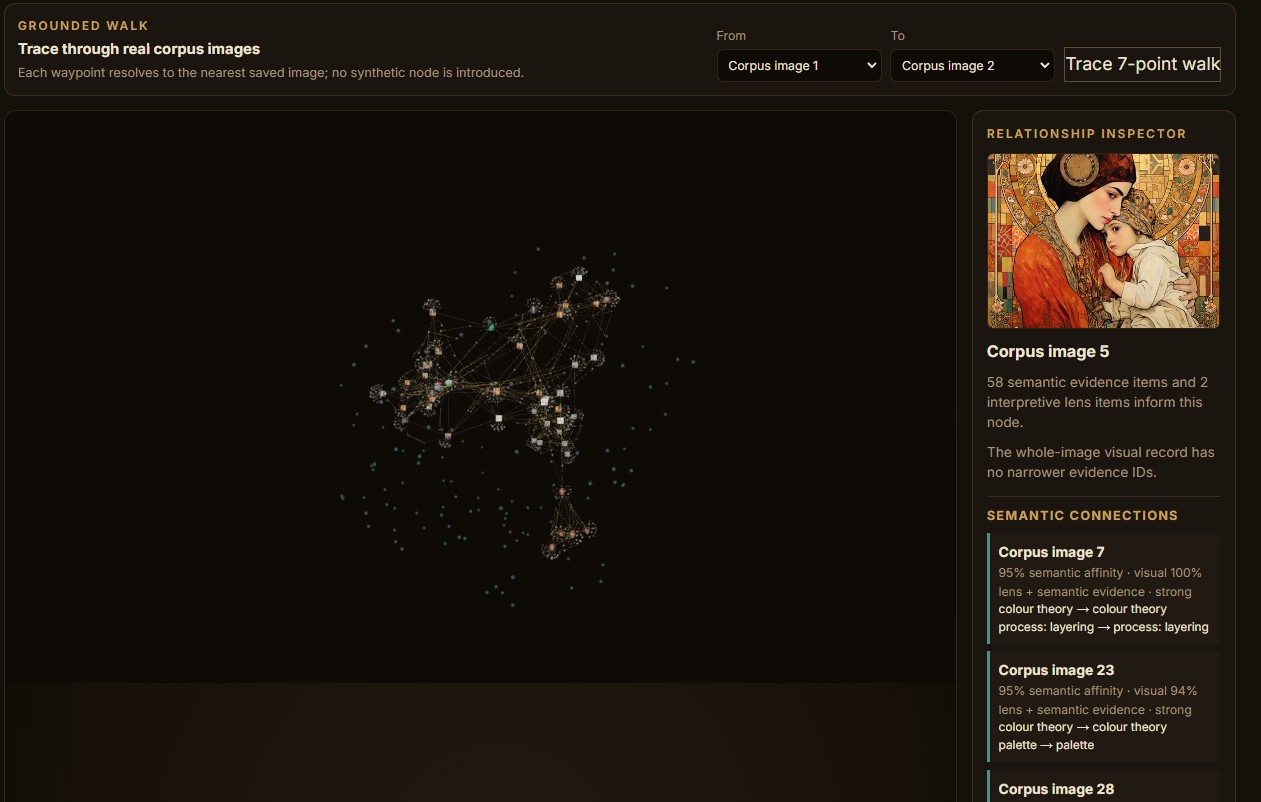
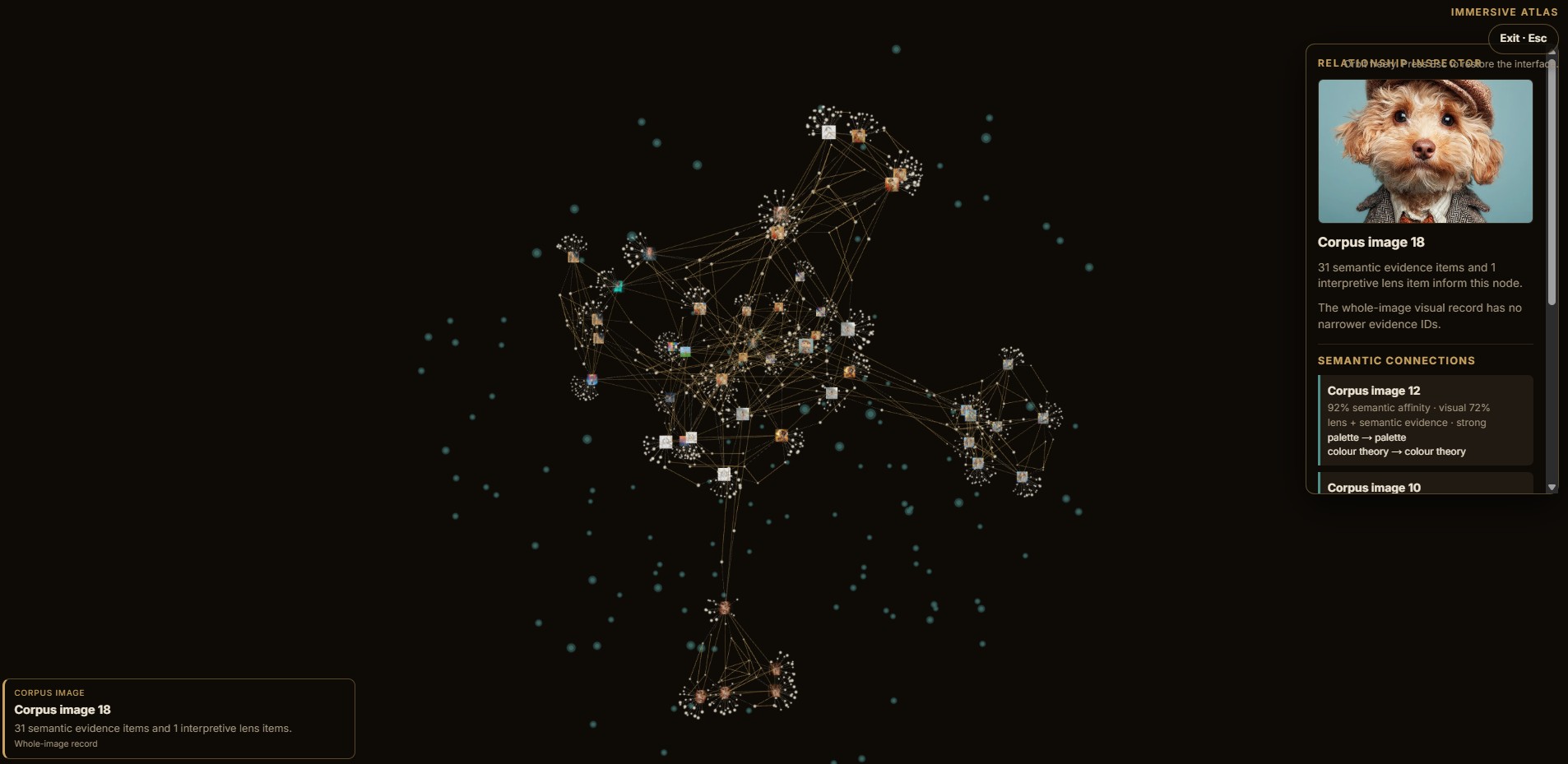
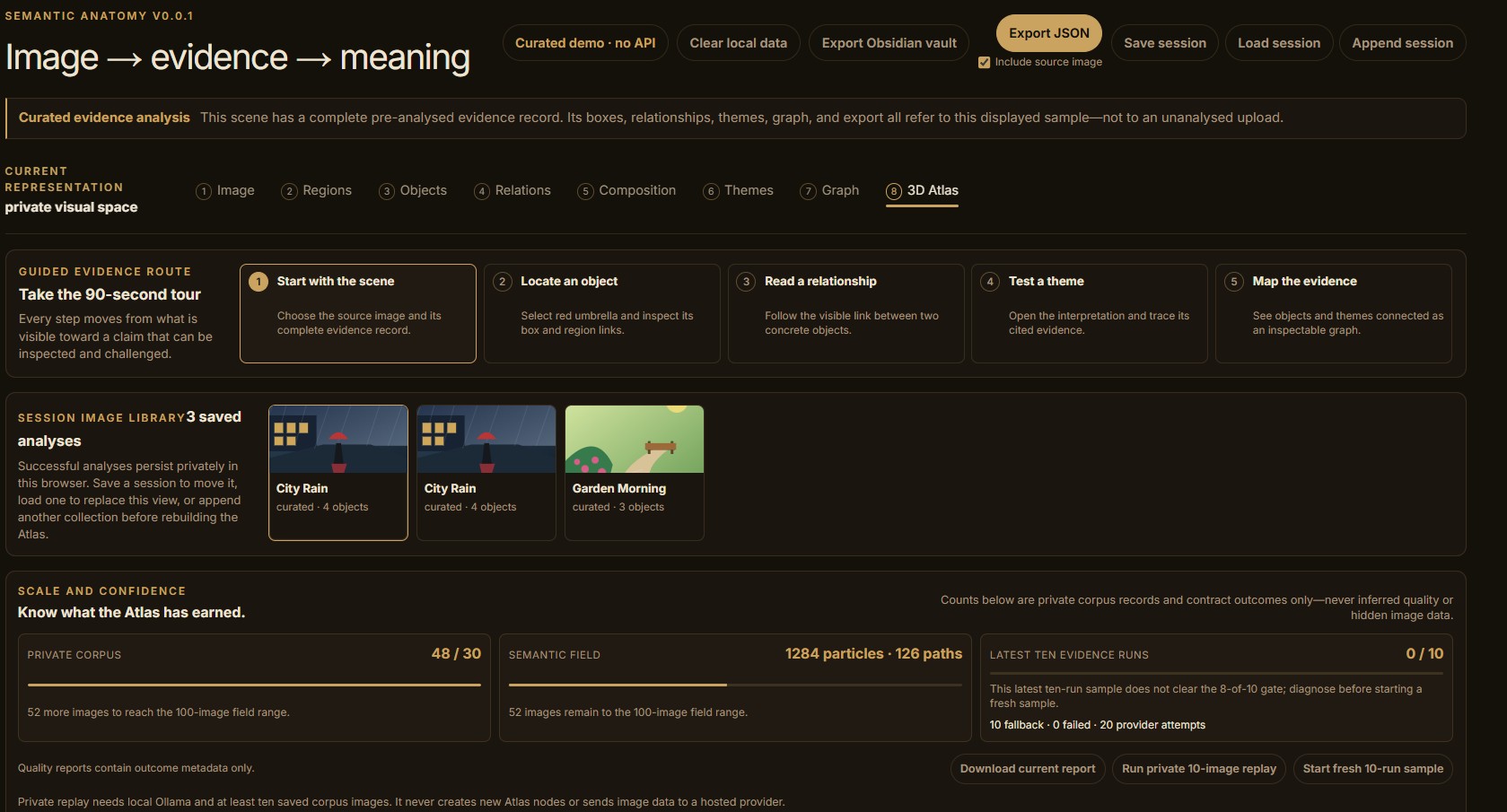
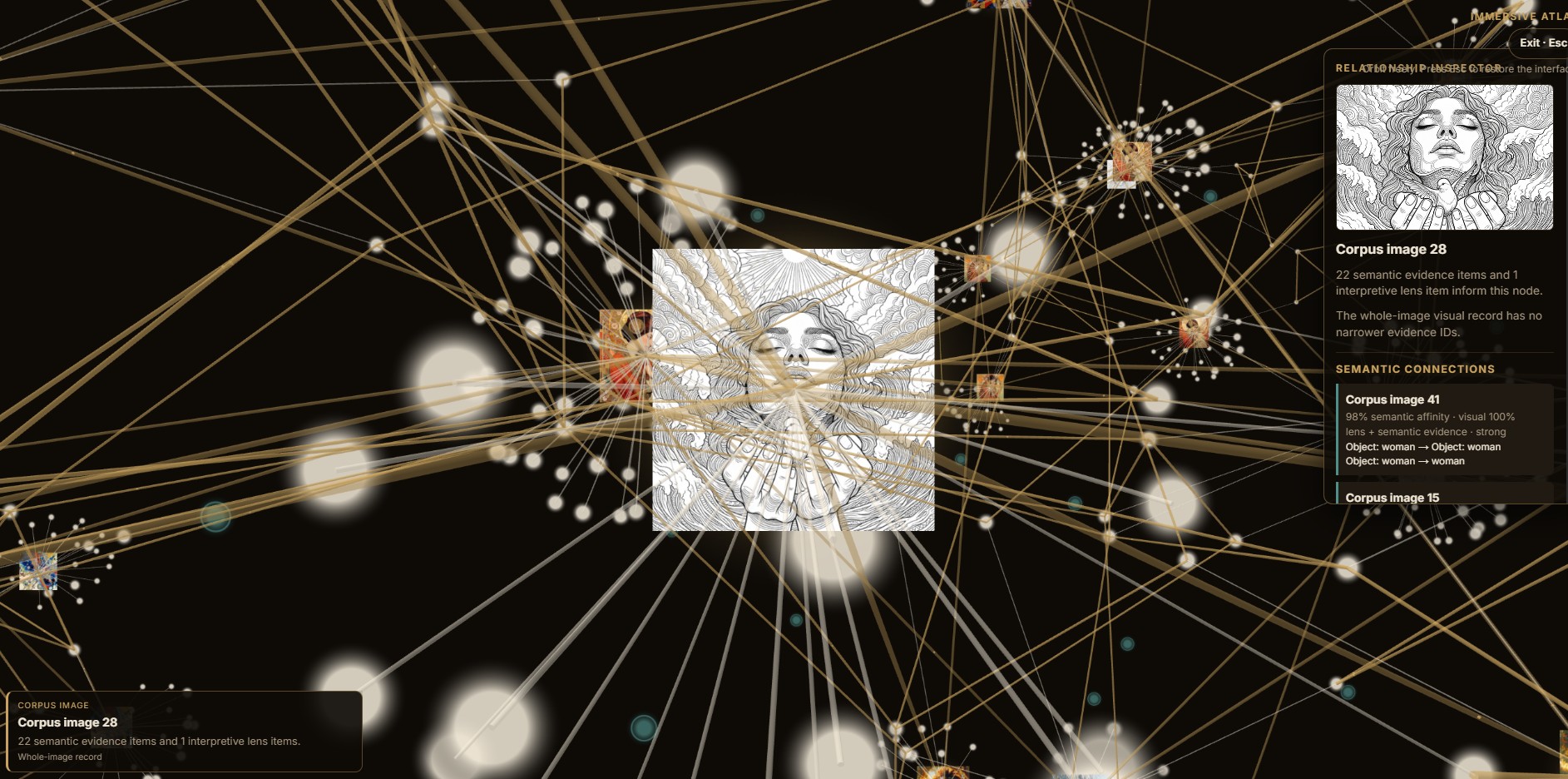
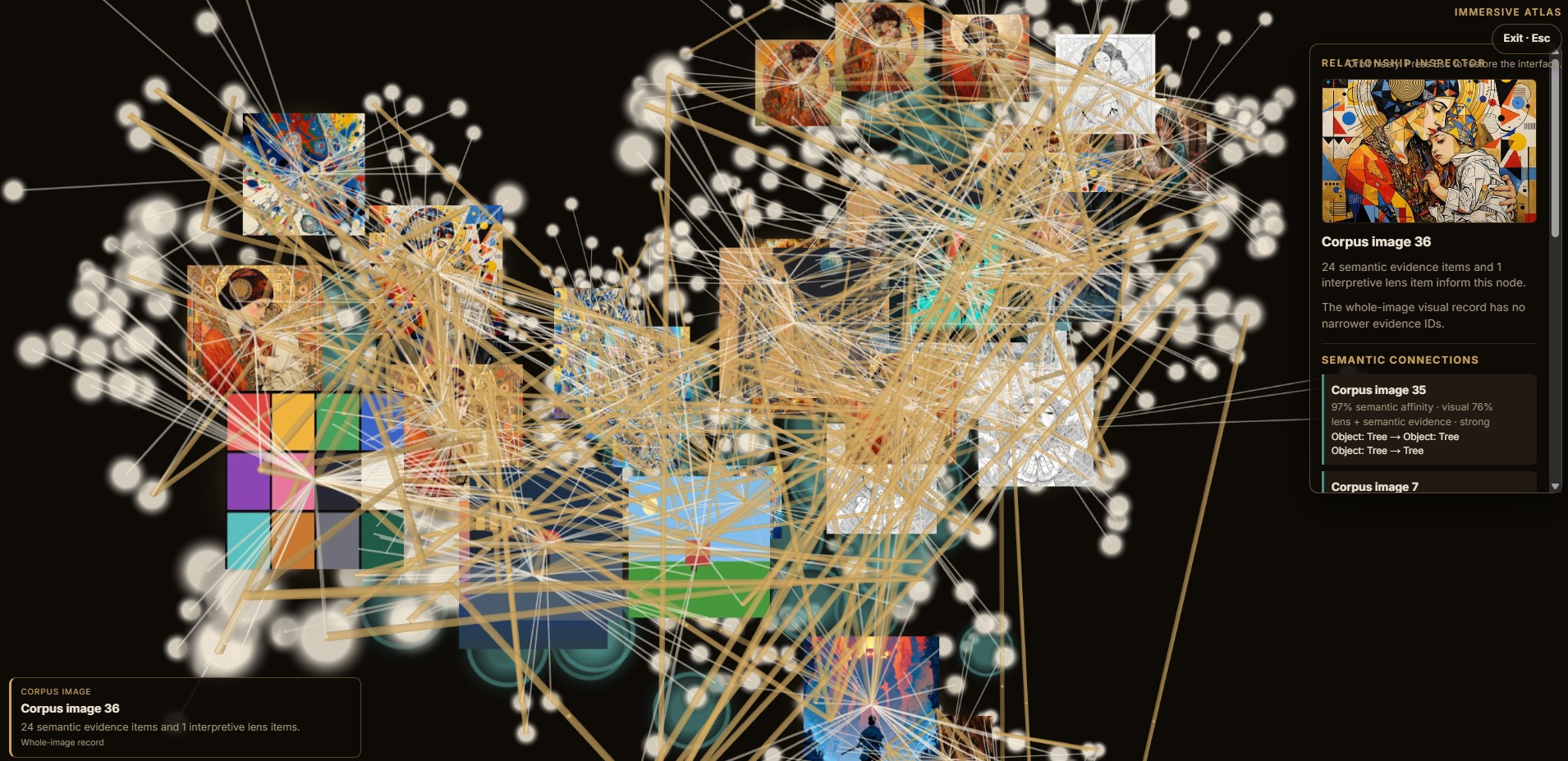
Semantic Anatomy progressively analyzes an image into seven inspectable stages: spatial regions → objects (citing regions) → relationships (subject–predicate–object with reasoning) → composition and color theory (tied to objects) → themes (with mandatory supportedBy evidence) → an embedding space → a navigable evidence graph and 3D atlas. Everything is validated against one canonical Zod contract, exportable as JSON, a linked notes vault, and a 3D scene package for DCC tools.
For developers specifically: the contract exports as standard JSON Schema (npm run schema), any analysis file validates in CI (npm run validate — including cross-references machine schemas can't express), a batch gallery builder doubles as a structured-output eval harness reporting first-pass validation rates, and the provider adapter pattern means a new vision backend is one small file.
How we built it
Built with Codex in three sessions during Build Week (session IDs in the README), all running on GPT-5.6 (gpt-5.6-terra, confirmed via Codex's own config) — GPT-5.6 reasoned through the canonical schema, the seven-stage pipeline, the provider adapters, and the fail-closed fallback logic from the first commit. Next.js 14 + Zod contract; local Ollama vision as the free, always-available analysis path; an optional hosted OpenAI-compatible provider for the same schema-validated analysis; FastAPI worker for SigLIP 2 + LanceDB visual similarity; Three.js force-graph atlas; pure-TS zip exporters.
Challenges
Build Week Codex credits included no API credits — so the architecture had to make hosted inference optional-but-first-class: every provider must produce the same validated shape, malformed output retries with the validation error and then fails closed to a clearly badged curated fixture. The constraint became the product's best feature: honesty is enforced by the schema.
Accomplishments
A structured-output pipeline where hallucination is a validation error, not a UX surprise. 100% first-pass validation in the shipped gallery. A privacy boundary where raw vectors never reach the browser. Exports that carry the evidence trail with them.
What we learned
Validation and fallback are product features, not plumbing. Projections (Markdown, DCC, 3D) multiply value faster than new semantic sources. A one-schema contract makes AI collaboration (Codex, agents) dramatically safer — the contract catches what reviews miss.
What's next
Public-URL hardening (auth, rate limits, CSP), native DCC billboard parity, larger corpora, and the latent-walk → generate → re-ingest loop where generated images re-enter the pipeline as real, inspectable nodes.
Built With
- codex
- fastapi
- gpt-5.6
- nextjs
- ollama
- openai
- python
- react
- three.js
- typescript
- zod


Log in or sign up for Devpost to join the conversation.