The Story Behind SellSync
The Inspiration
SellSync started with a simple question:
Why is it still so difficult for small and growing retailers in Africa to know what is happening in their own business?
Many retailers still rely on notebooks, spreadsheets, separate payment records, and memory to manage their stores. As a business grows, keeping track of sales, inventory, payments, staff activity, and multiple locations becomes increasingly difficult.
We spoke with retailers and found recurring problems: stock running out without warning, difficulty monitoring multiple stores, losses from poor accountability, and limited access to useful business insights. Retailers were collecting data every day, but much of that data was not being turned into decisions.
That inspired us to build SellSync — a platform designed to bring the most important parts of retail operations into one place.
What We Built
SellSync is an AI-powered retail management platform that brings together:
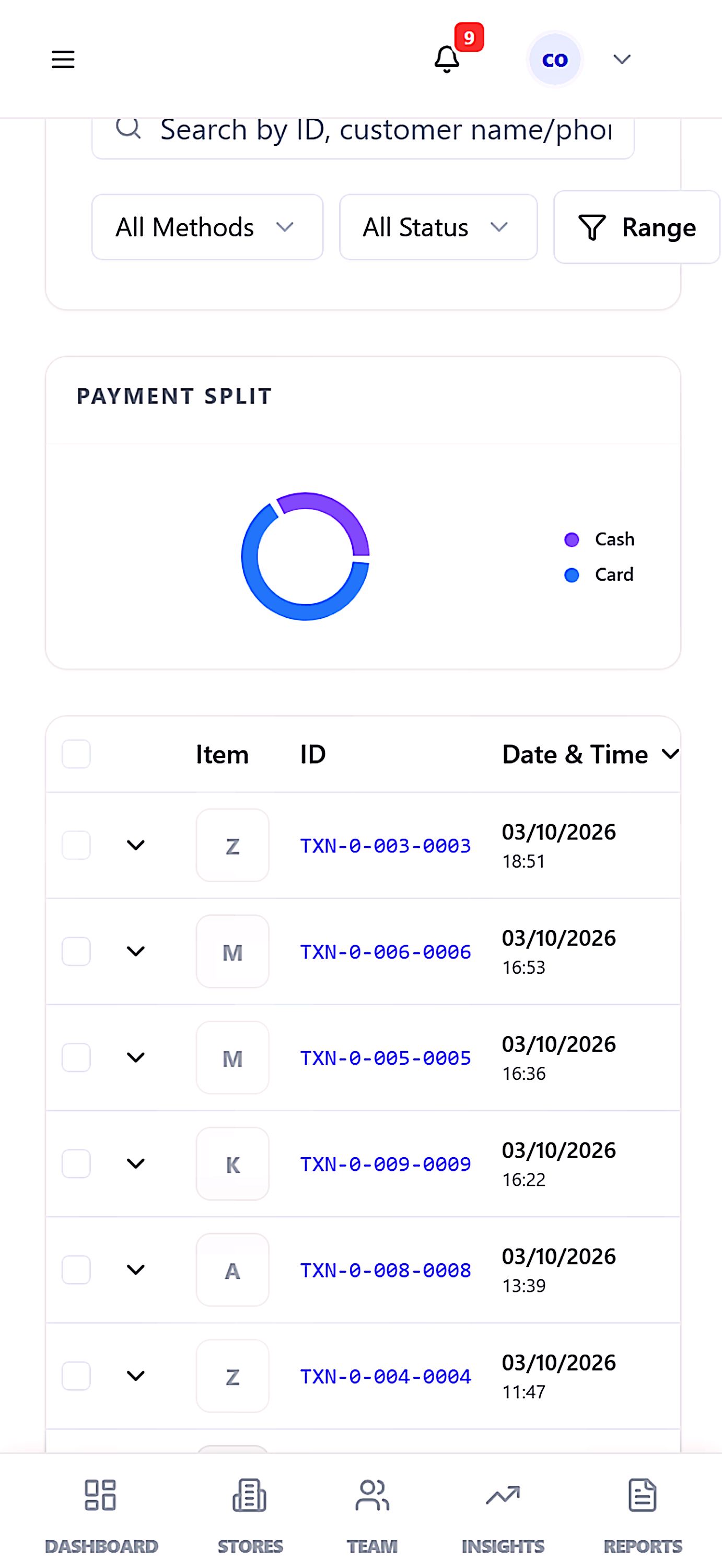
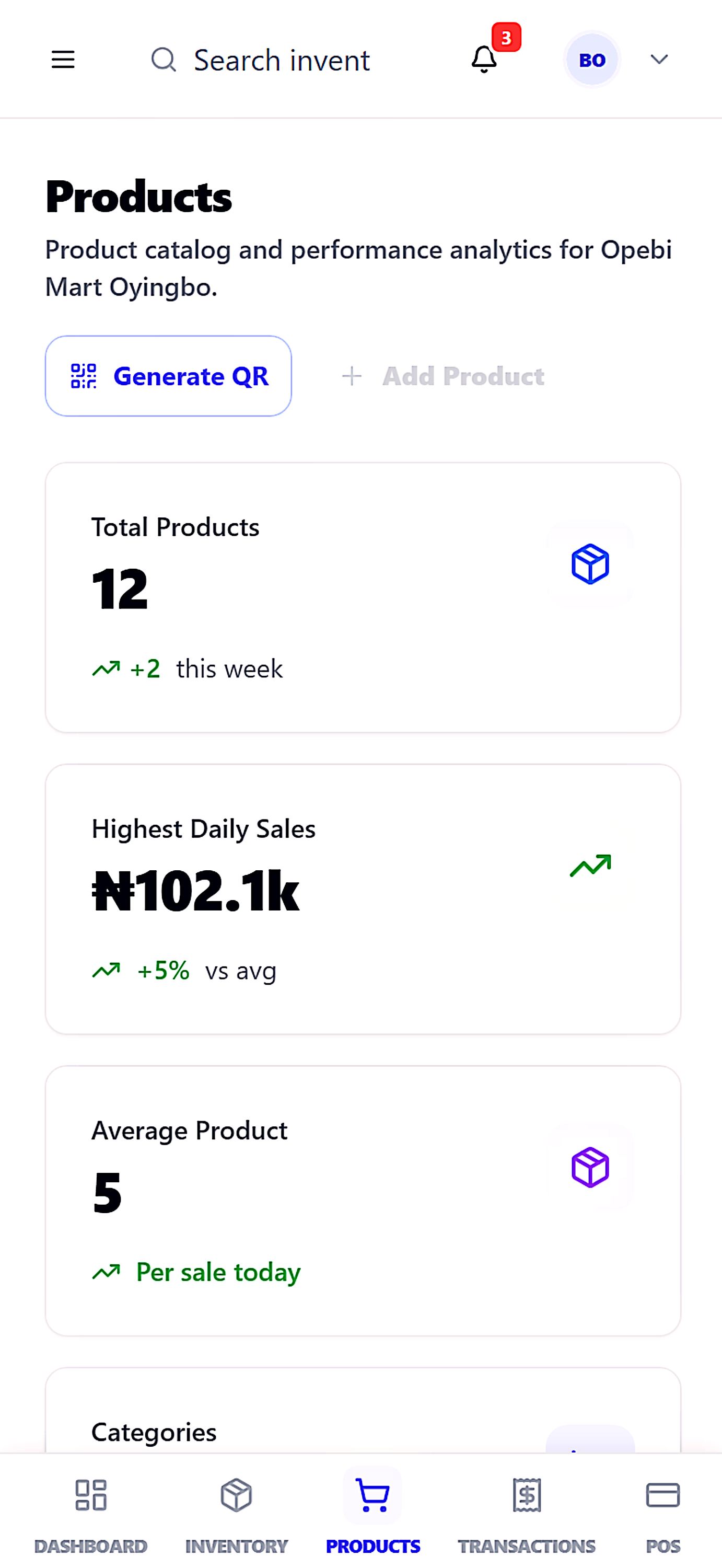
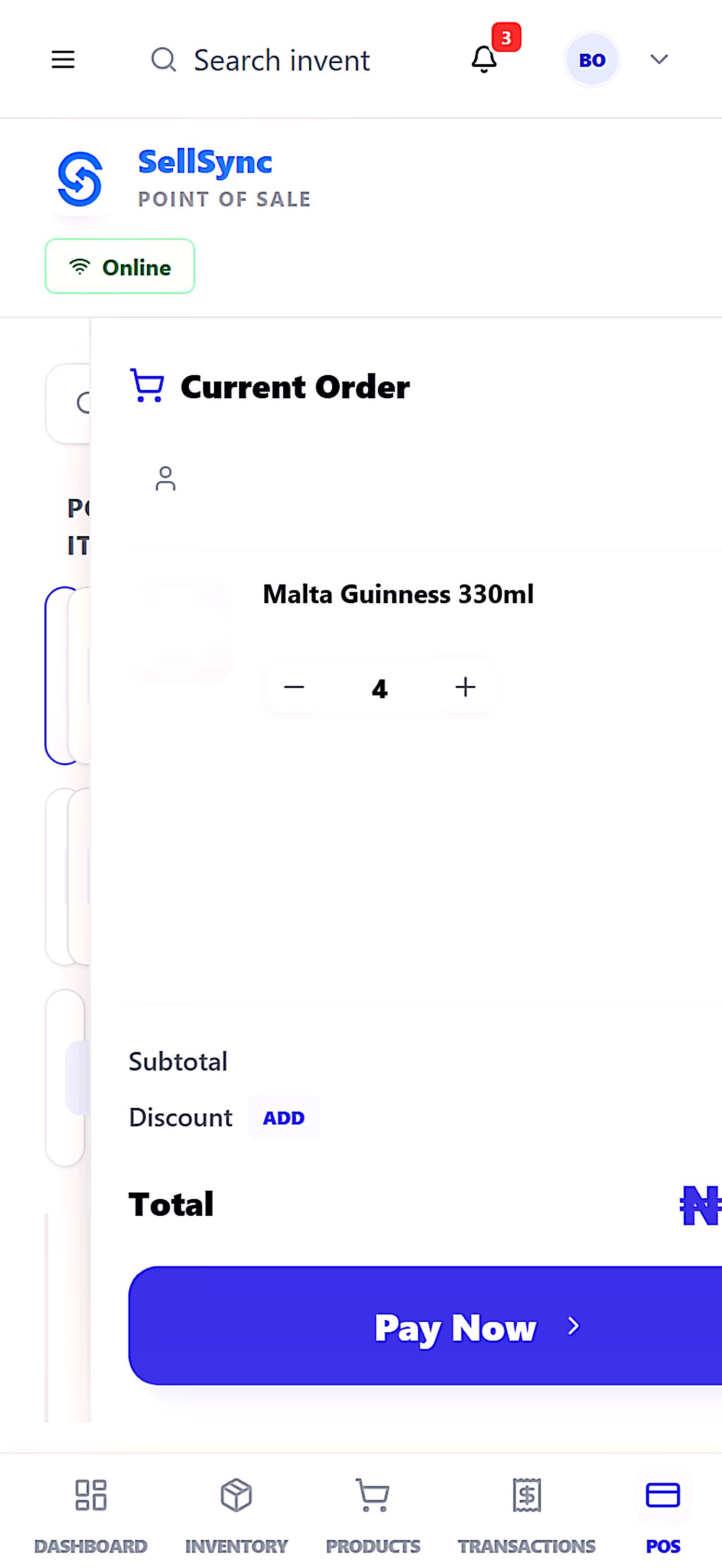
- 🛒 Point of Sale — record sales quickly, including barcode scanning and multiple payment methods.
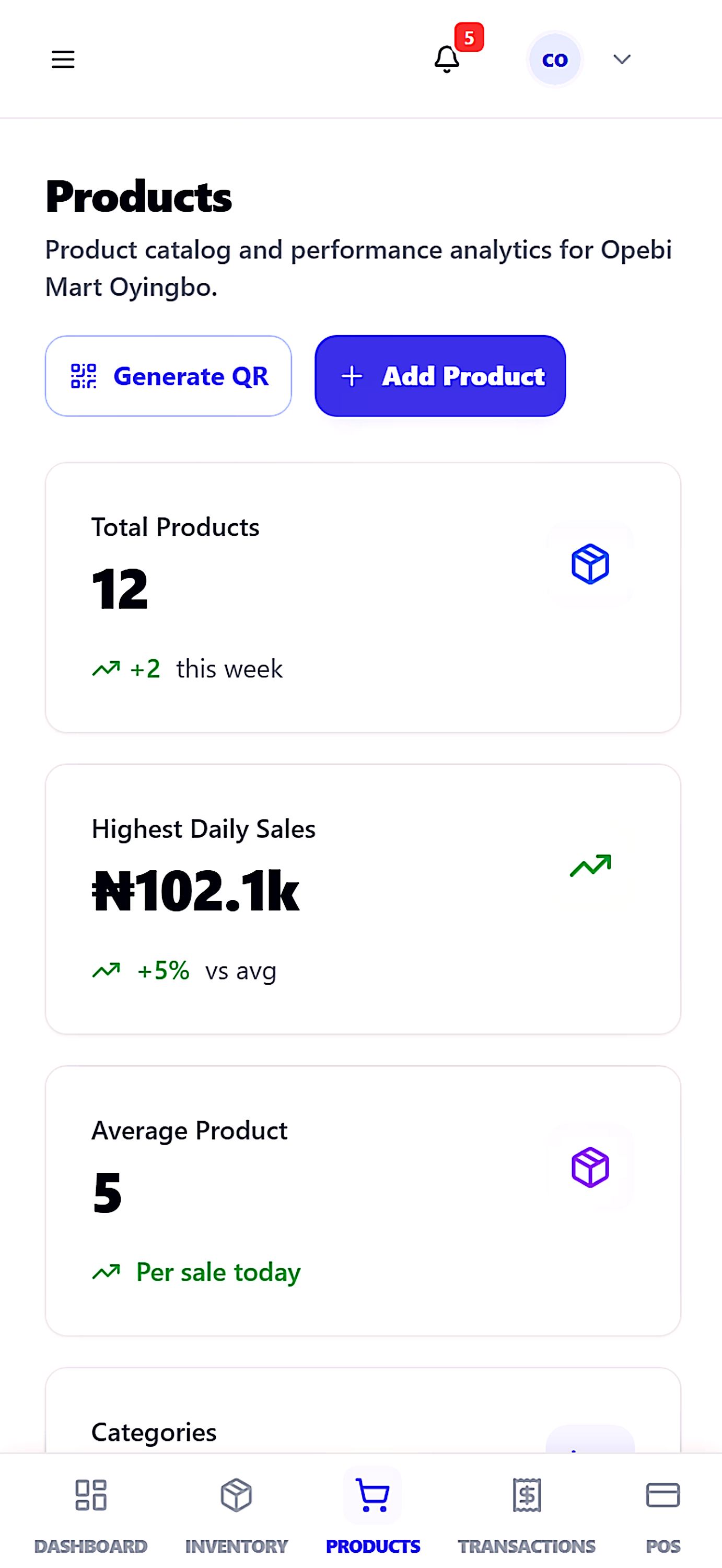
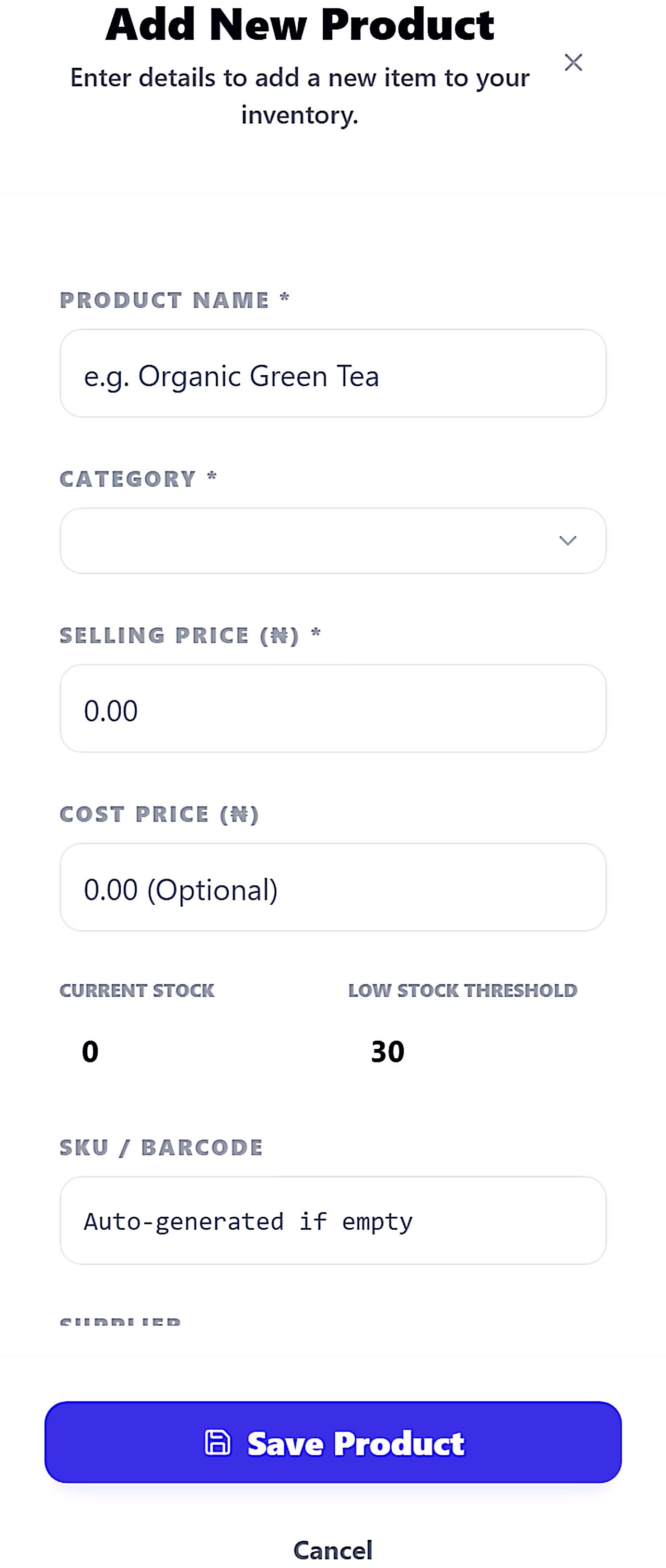
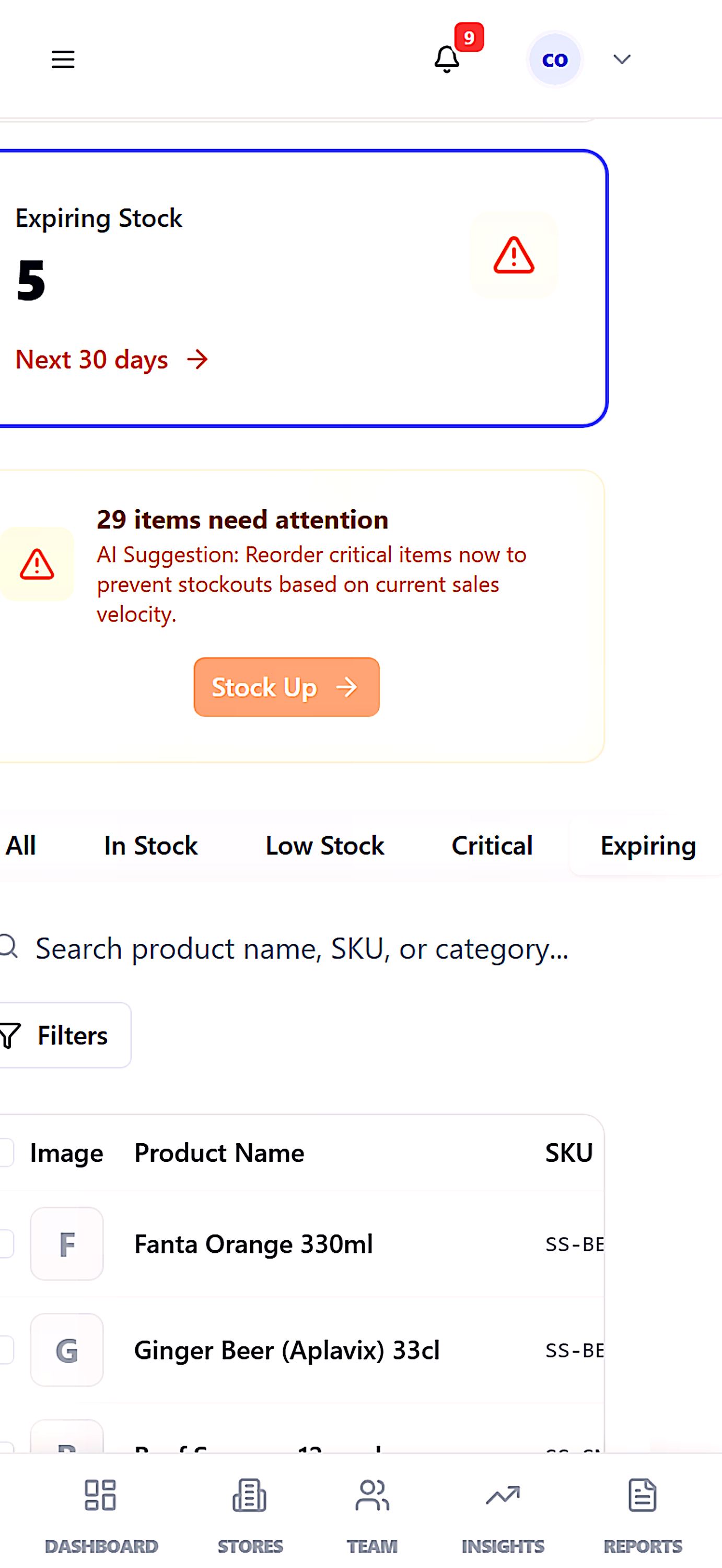
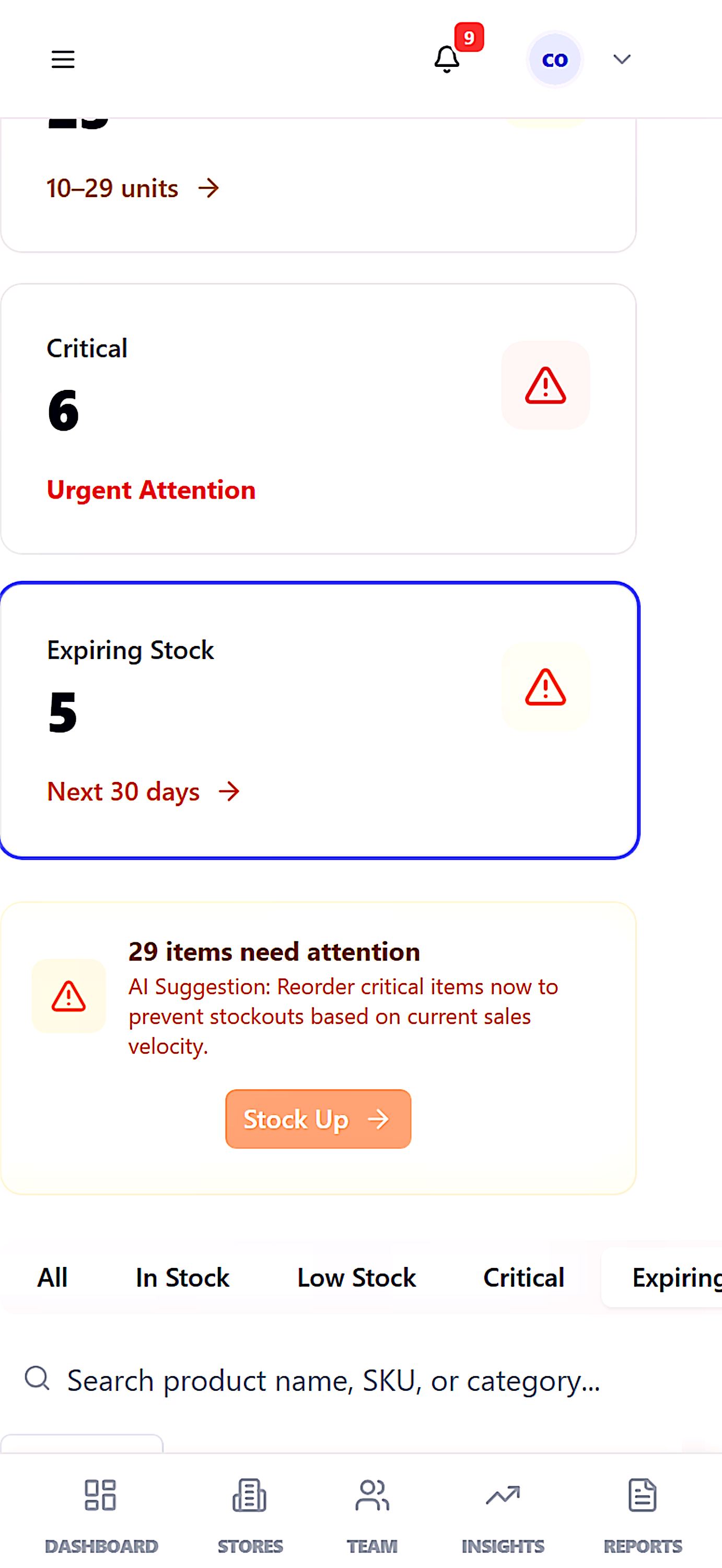
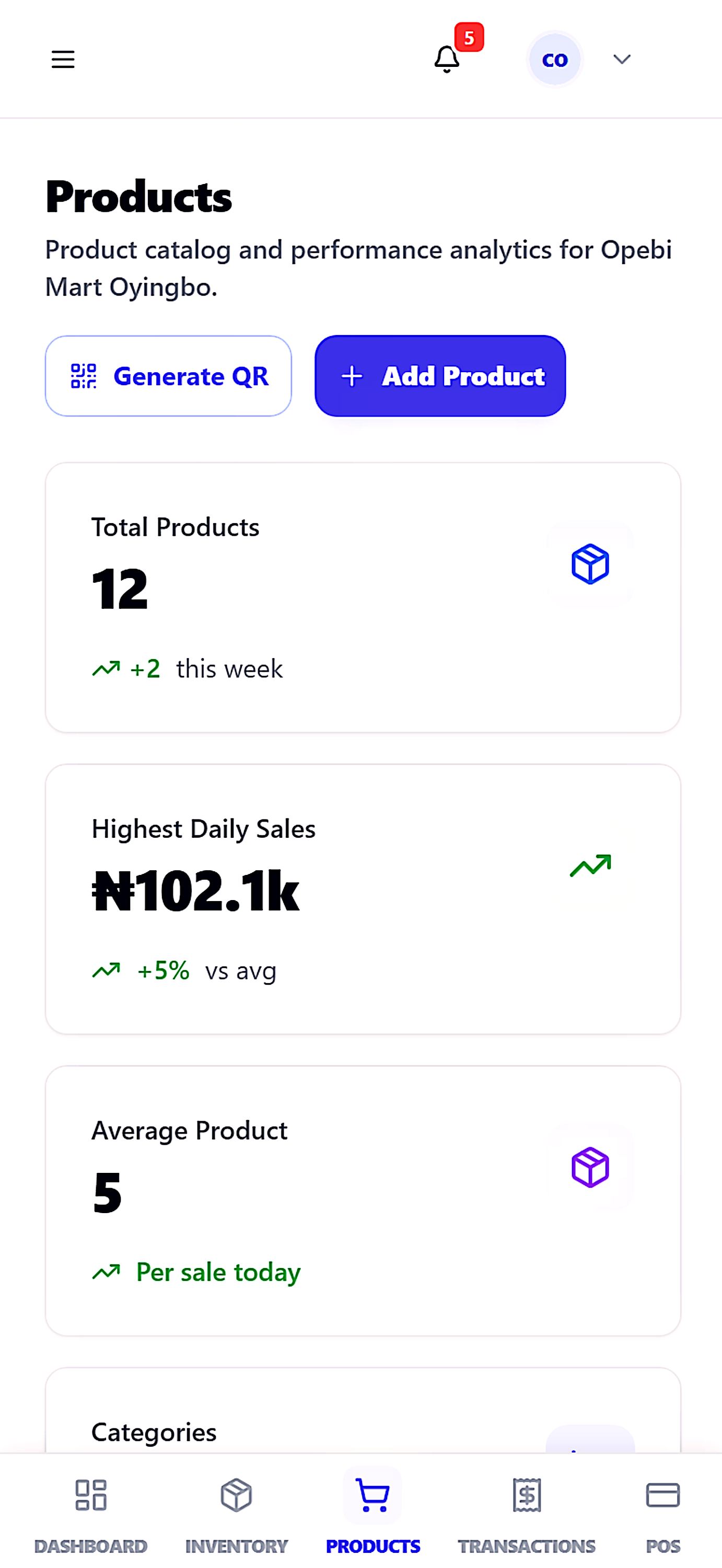
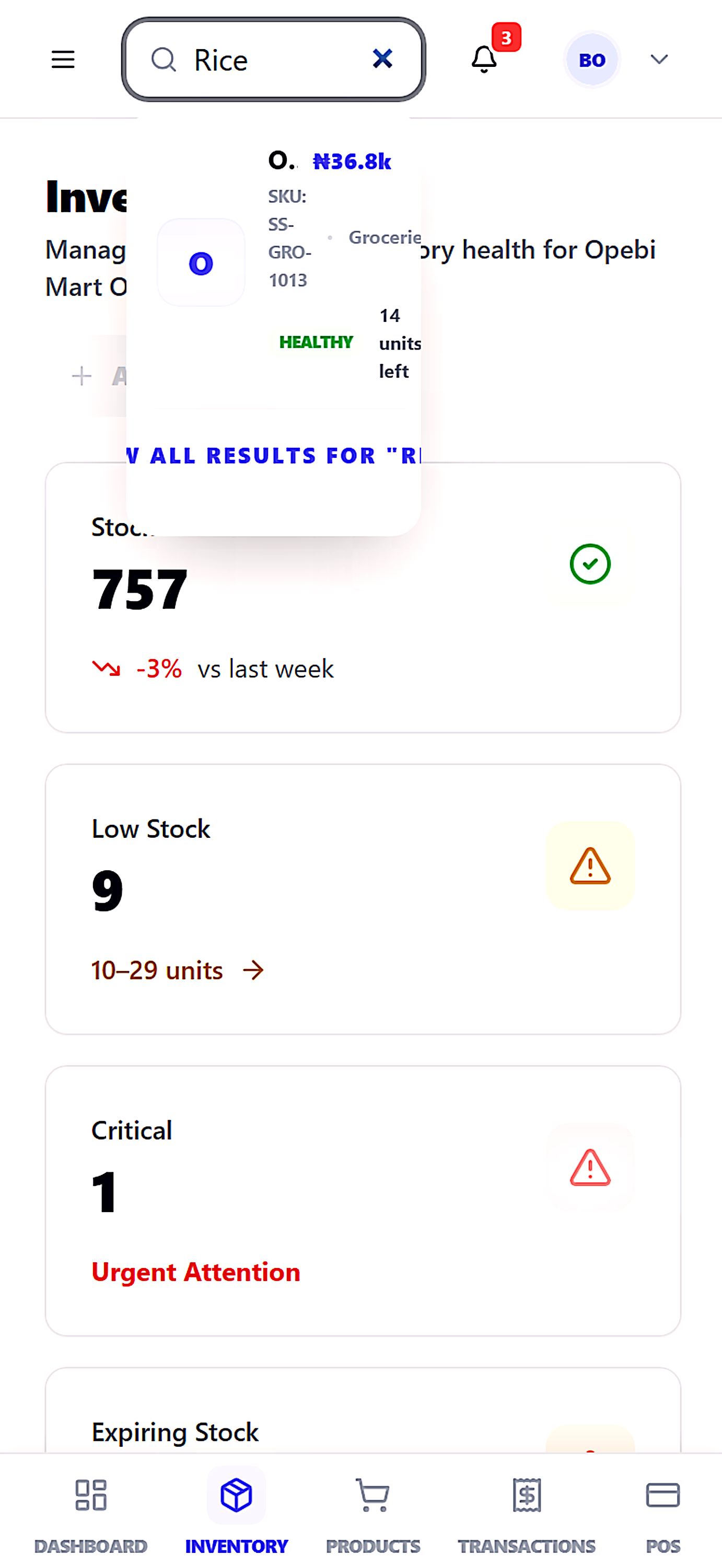
- 📦 Inventory Management — monitor stock levels, identify low-stock products, and understand inventory movement.
- 💳 Payment Integration — connect sales with payment information instead of managing everything separately.
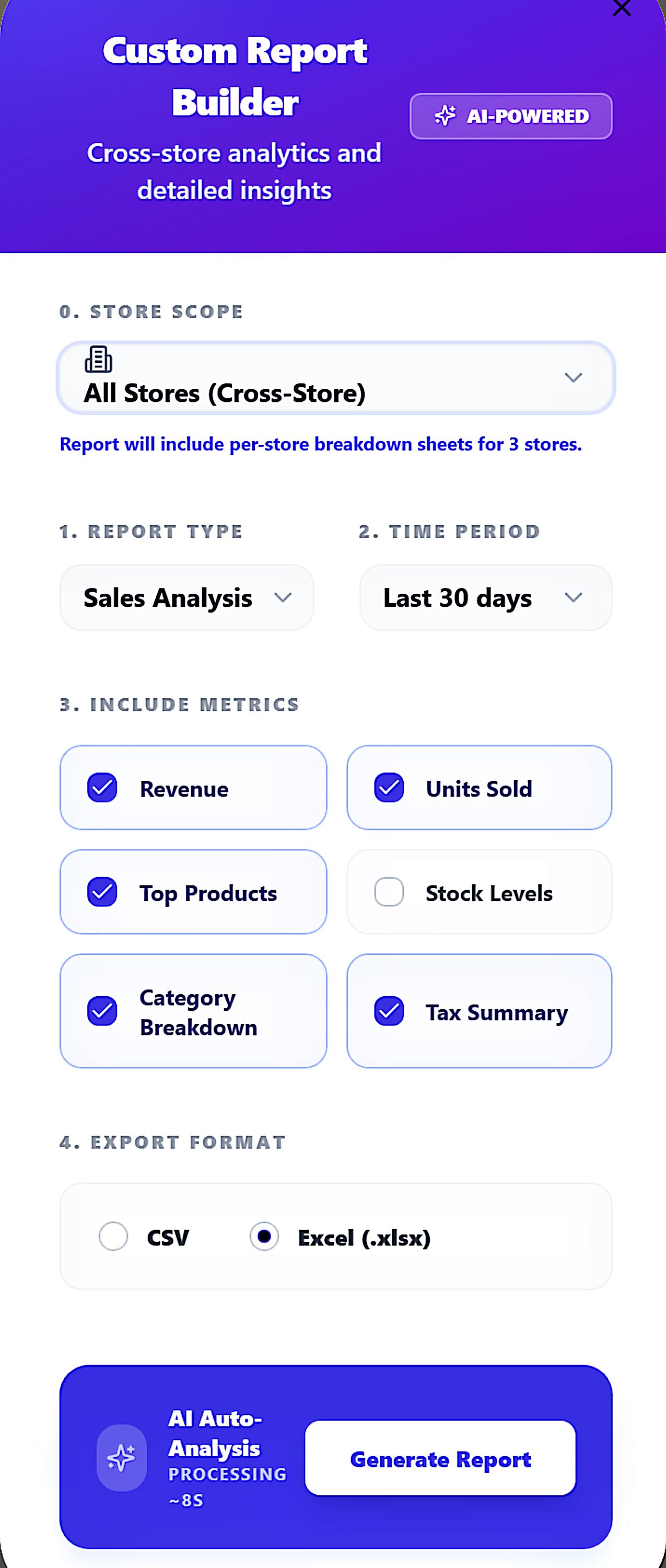
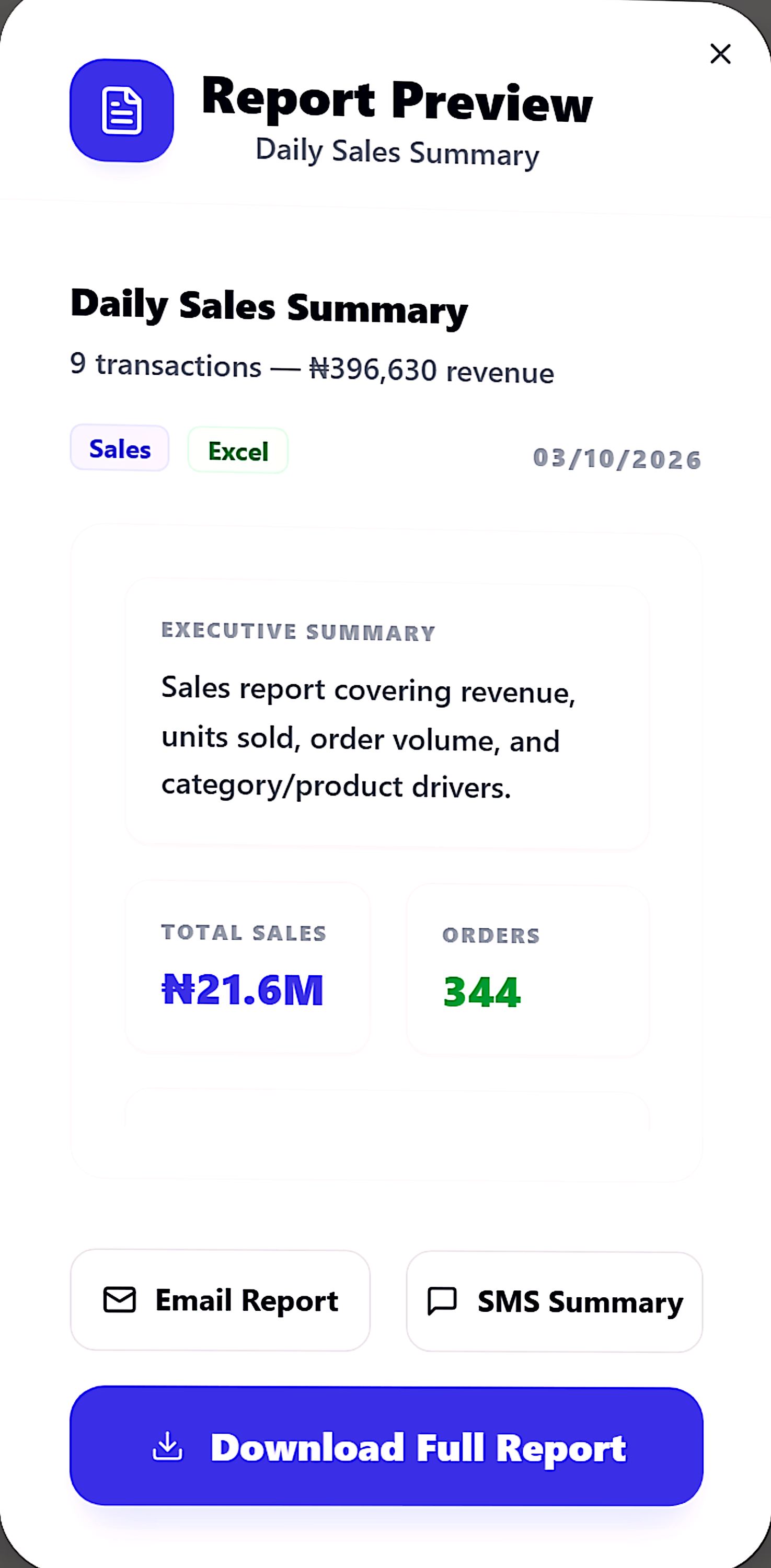
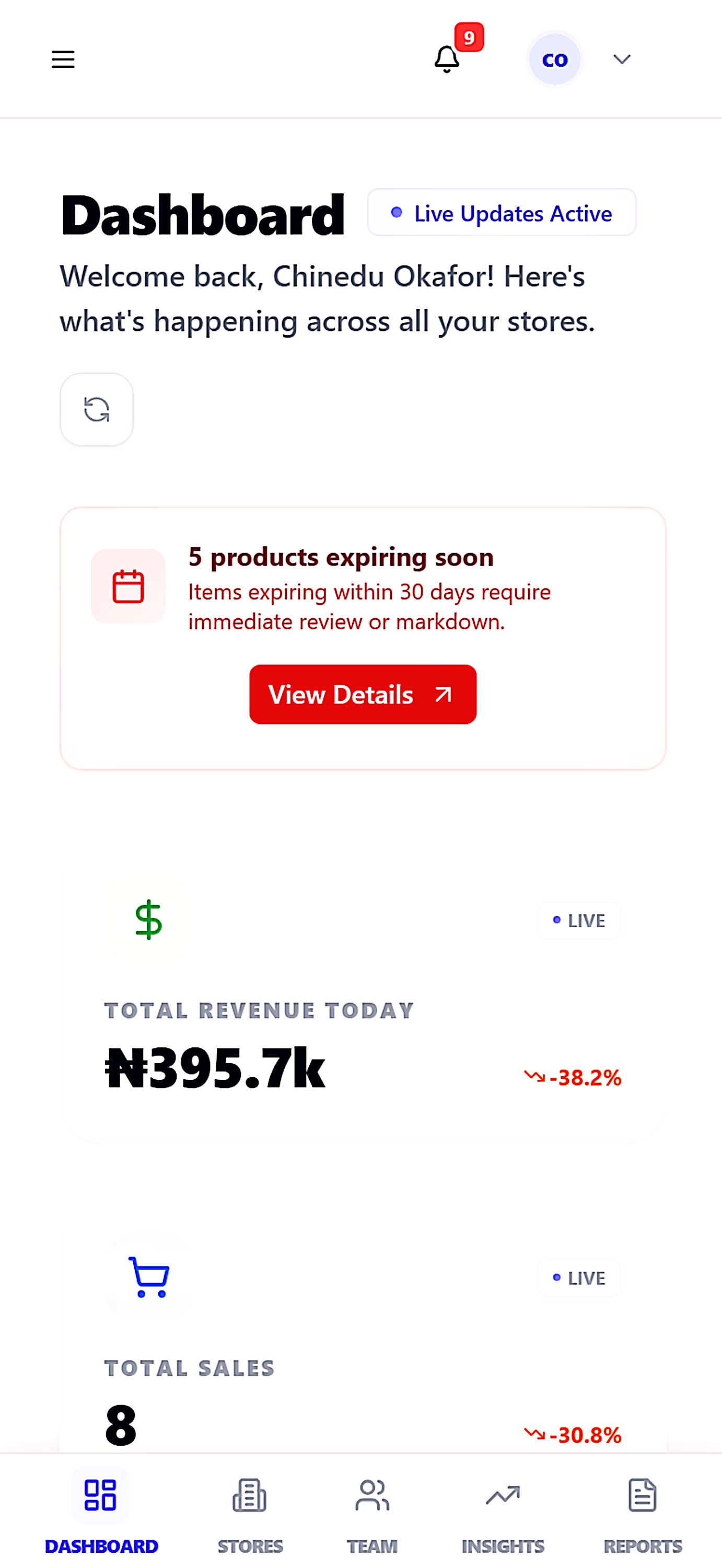
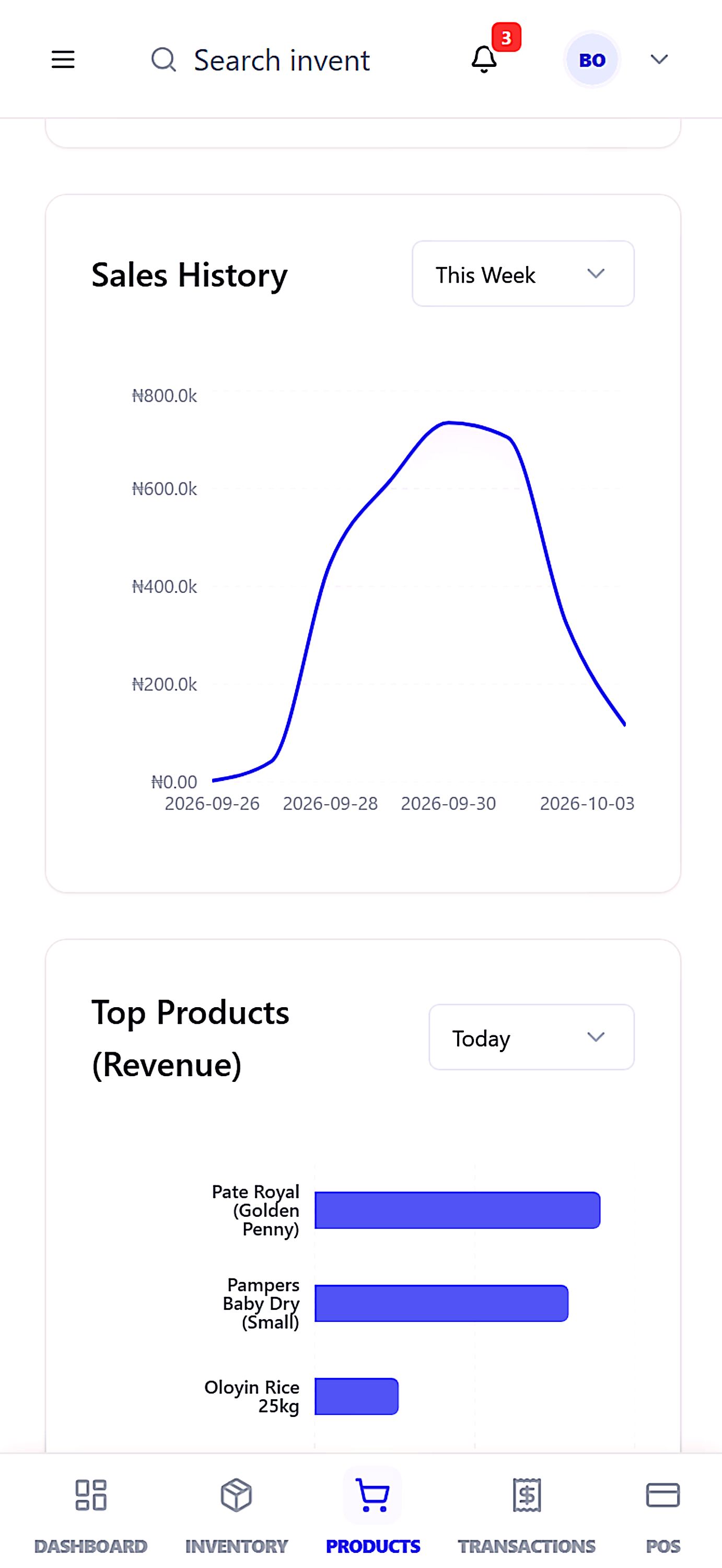
- 📊 Business Analytics — turn sales and inventory data into understandable reports and trends.
- 🤖 AI Insights — help retailers understand their business and identify important patterns, stock issues, and opportunities.
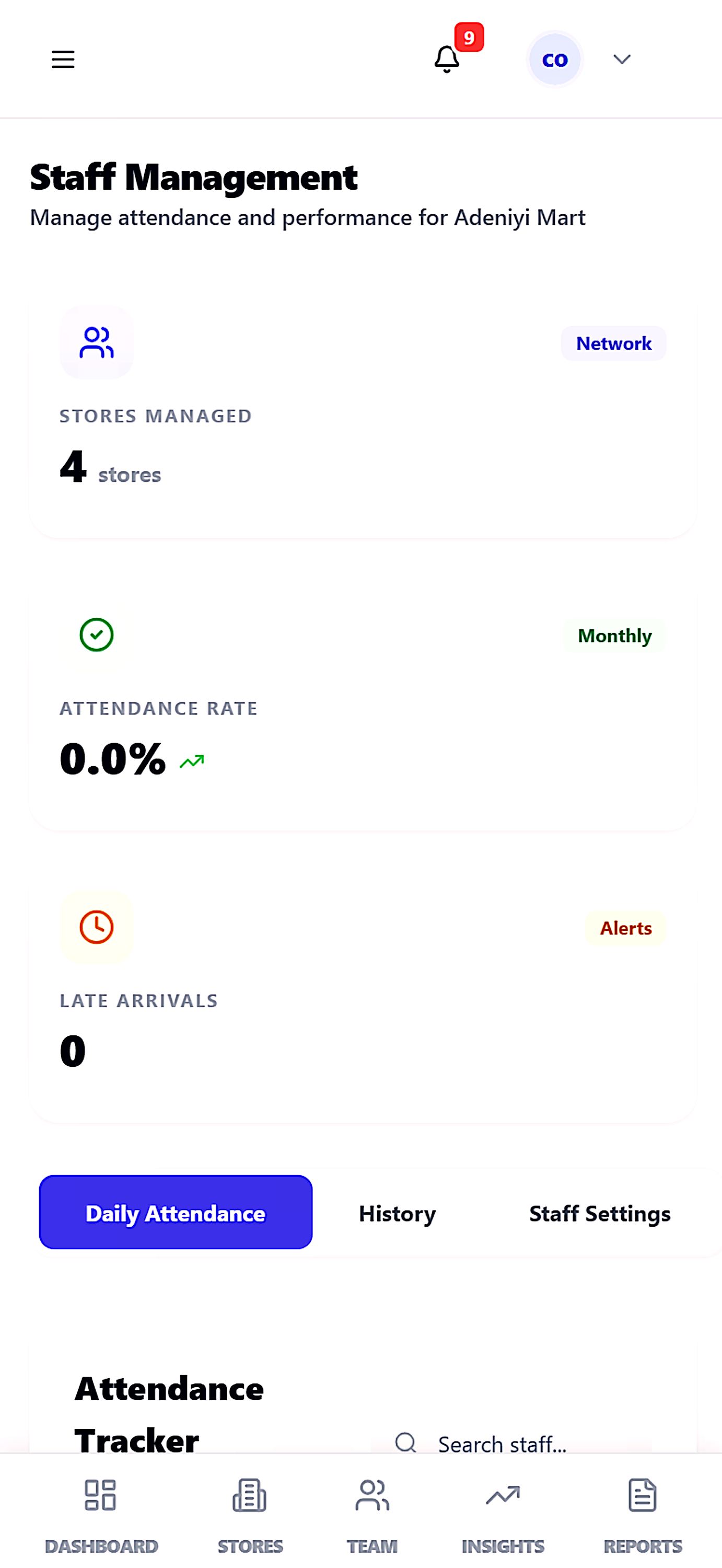
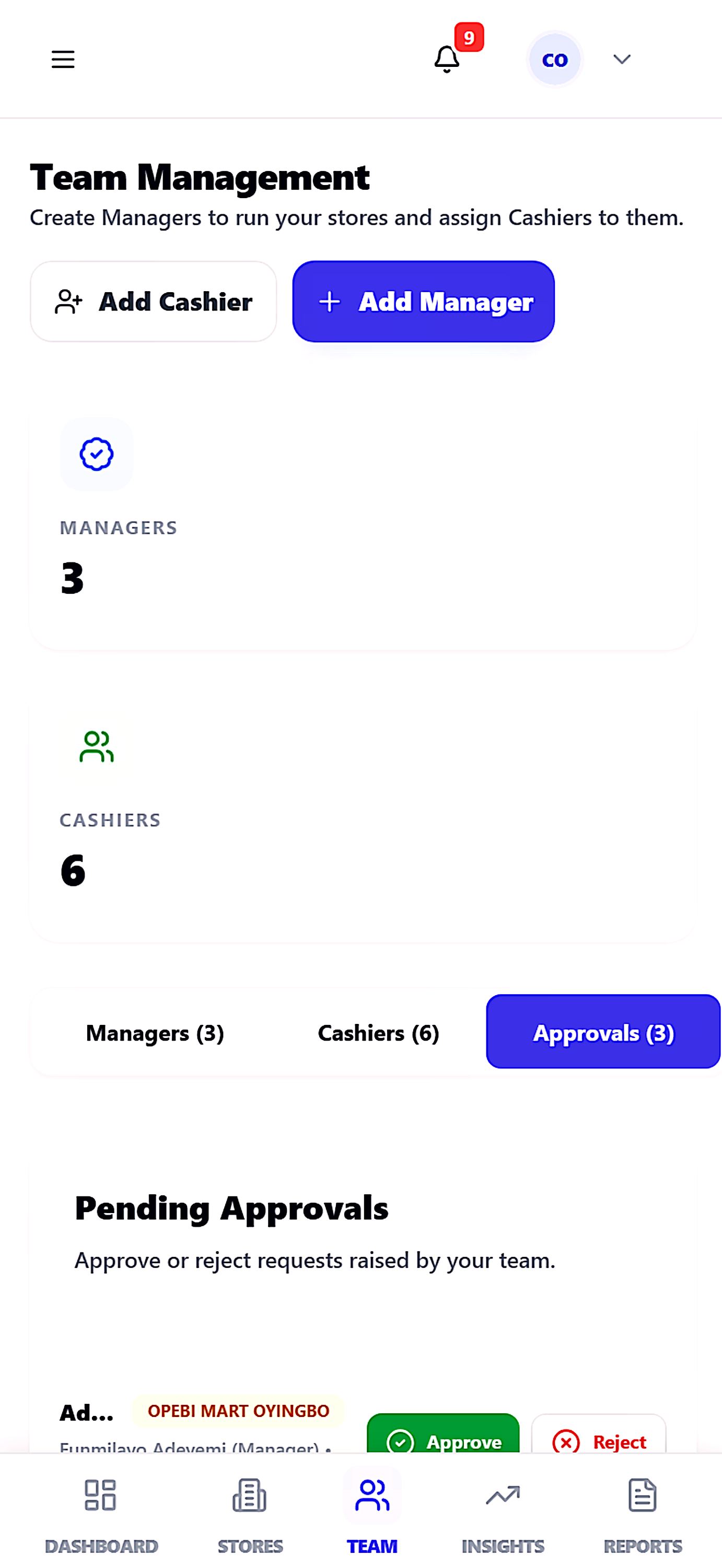
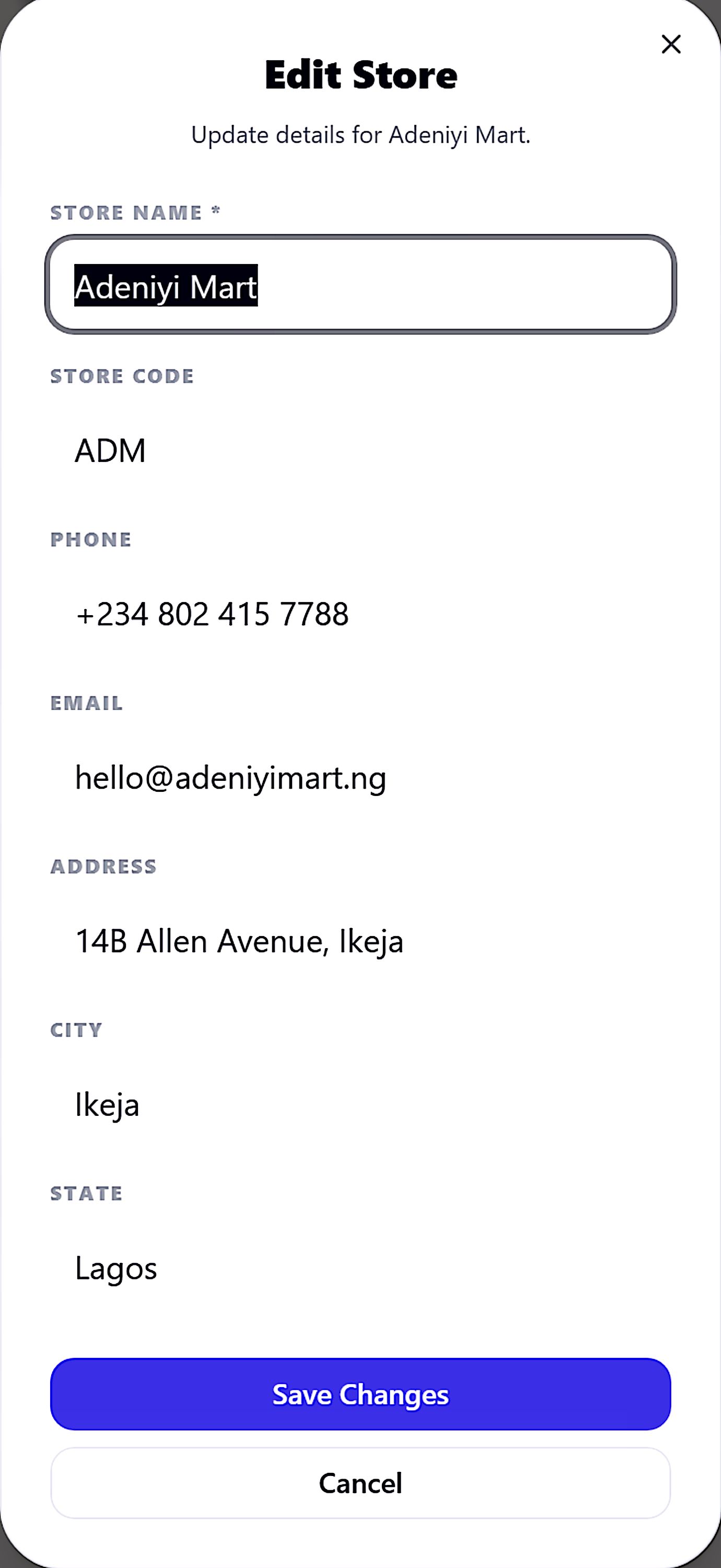
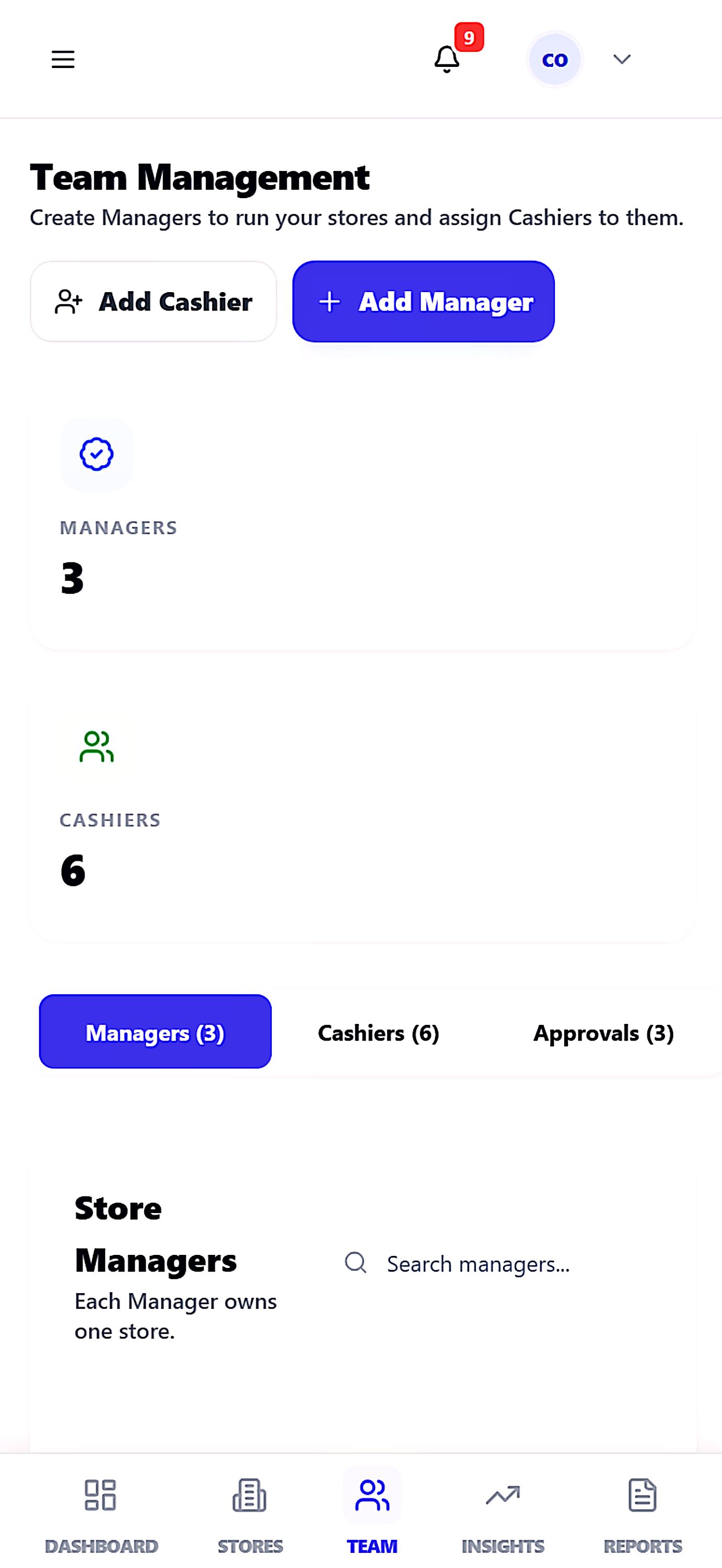
- 🏪 Multi-store Management — give businesses the ability to manage multiple locations from a centralized system.
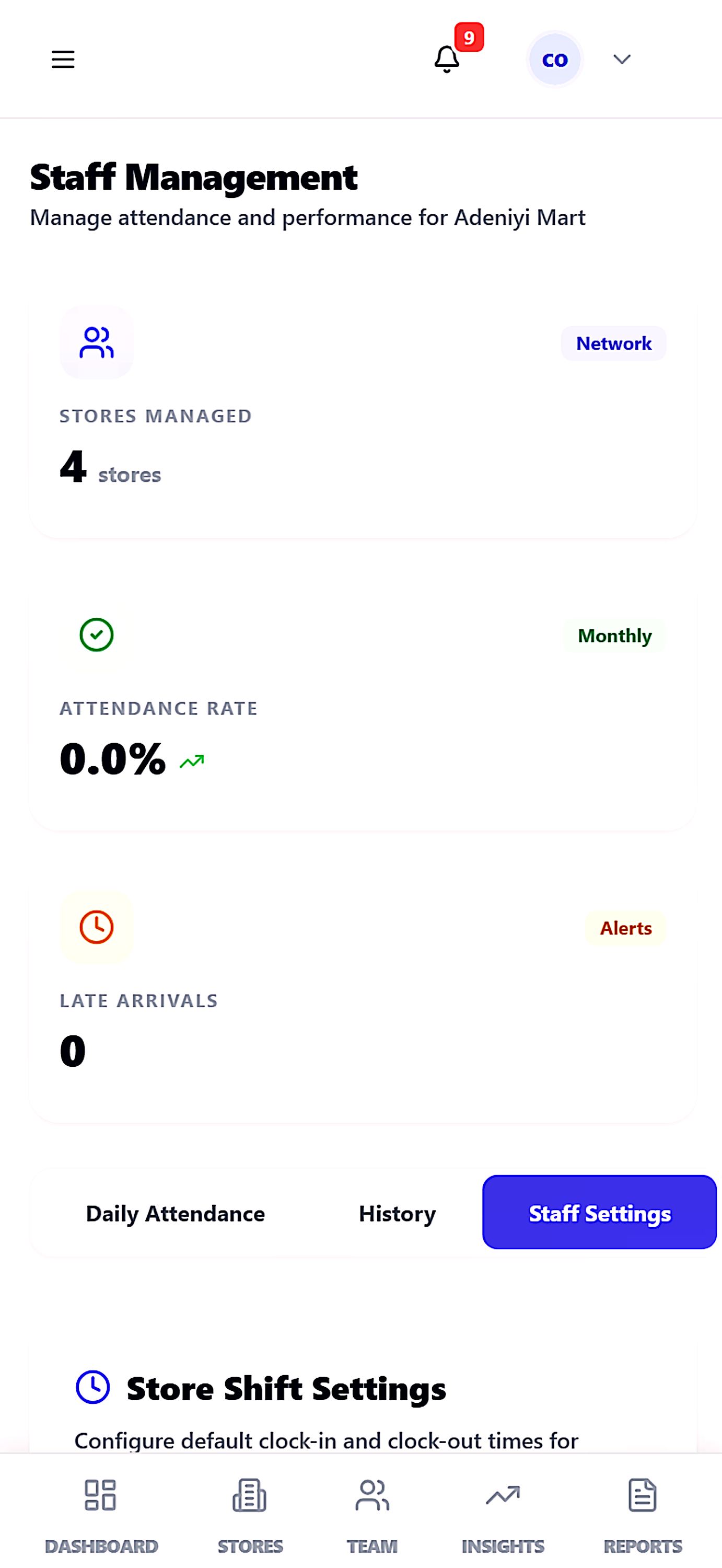
- 👥 Staff Management — support role-based access and accountability across administrators, managers, and cashiers.
The goal is not simply to digitize the cash register. The goal is to give retailers a clearer view of their entire business.
How We Built It
SellSync was built as a modern web application using React, TypeScript, Vite, Tailwind CSS, and component-based UI architecture.
We designed the system around the day-to-day workflow of a retailer, starting from recording a sale and continuing through inventory updates, payments, reporting, and business insights.
We also integrated AI capabilities so that business data can be transformed into practical insights rather than leaving the retailer with pages of numbers they have to interpret themselves.
One of the biggest principles behind our development process was to keep the interface simple. A retailer should not need to understand complex analytics or enterprise software before they can use the system.
What We Learned
Building SellSync taught us that solving a real-world problem is much more than building features.
We learned to start with the workflow and pain point, rather than the technology. Some features that seemed useful during development became less important after considering how a real retailer would actually use the product.
We also learned the importance of designing for the environment in which the product will operate. For African retailers, factors such as connectivity, payment methods, multiple store locations, staff access, and operational simplicity can have a major impact on whether a product is actually useful.
Most importantly, we learned to continuously test our assumptions with real users instead of building entirely from our own perspective.
The Challenges
One of our biggest challenges was building a system that could combine several complex retail operations without making the experience complicated.
We had to think about how sales affect inventory, how different payment methods should be represented, how staff permissions should work, and how information from different stores can be presented in one dashboard.
Another challenge was building the project with limited resources while learning and solving technical problems along the way. We had to continuously research, experiment, debug, redesign, and improve different parts of the system.
We also faced the challenge of building for a market where retailers have very different levels of digital adoption. The product had to be powerful enough for growing businesses while remaining simple enough for everyday retail operations.
What Comes Next
SellSync is still evolving.
Our vision is to build more than a POS system. We want SellSync to become an intelligent operating layer for African retail — helping businesses understand what they sold, what they have, what they are running out of, what is happening across their stores, and what they should consider doing next.
SellSync is built around one idea: retailers should spend less time trying to understand their data and more time using it to grow their business.
Built With
- ai
- analytics
- cloud
- computing
- css
- data
- github
- groq
- react
- shadcn/ui
- tailwind
- typescript
- vercel
- vite

Log in or sign up for Devpost to join the conversation.