-
-
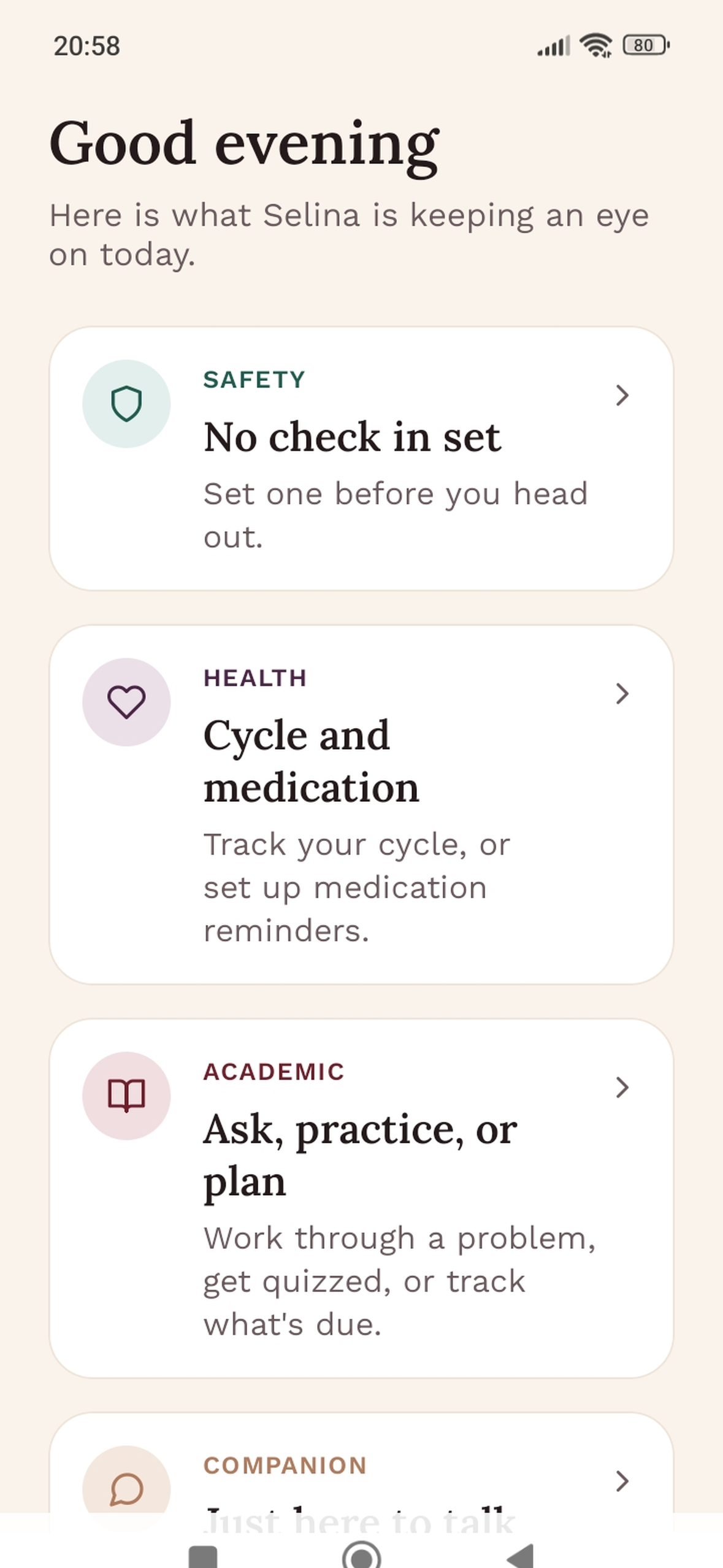
1179×2556 screenshot
-
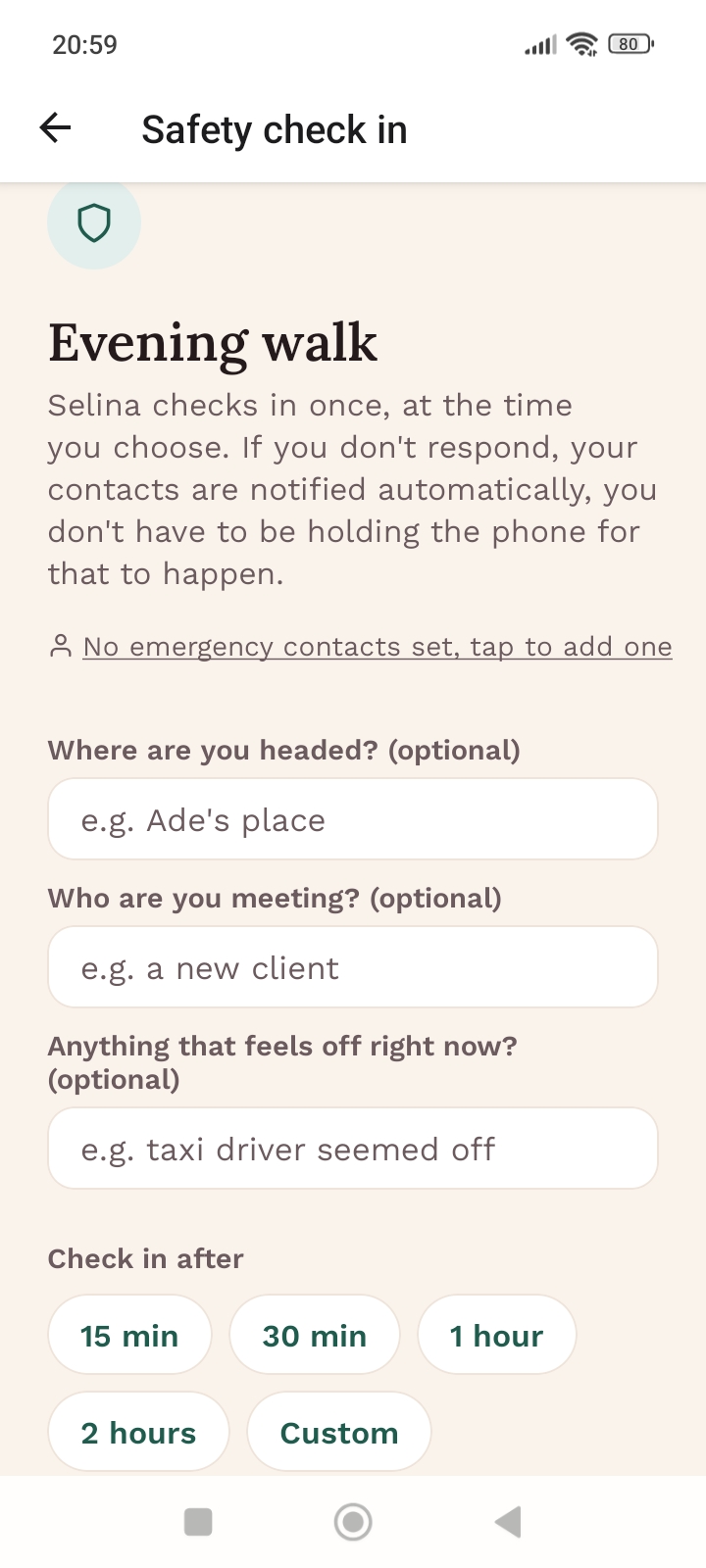
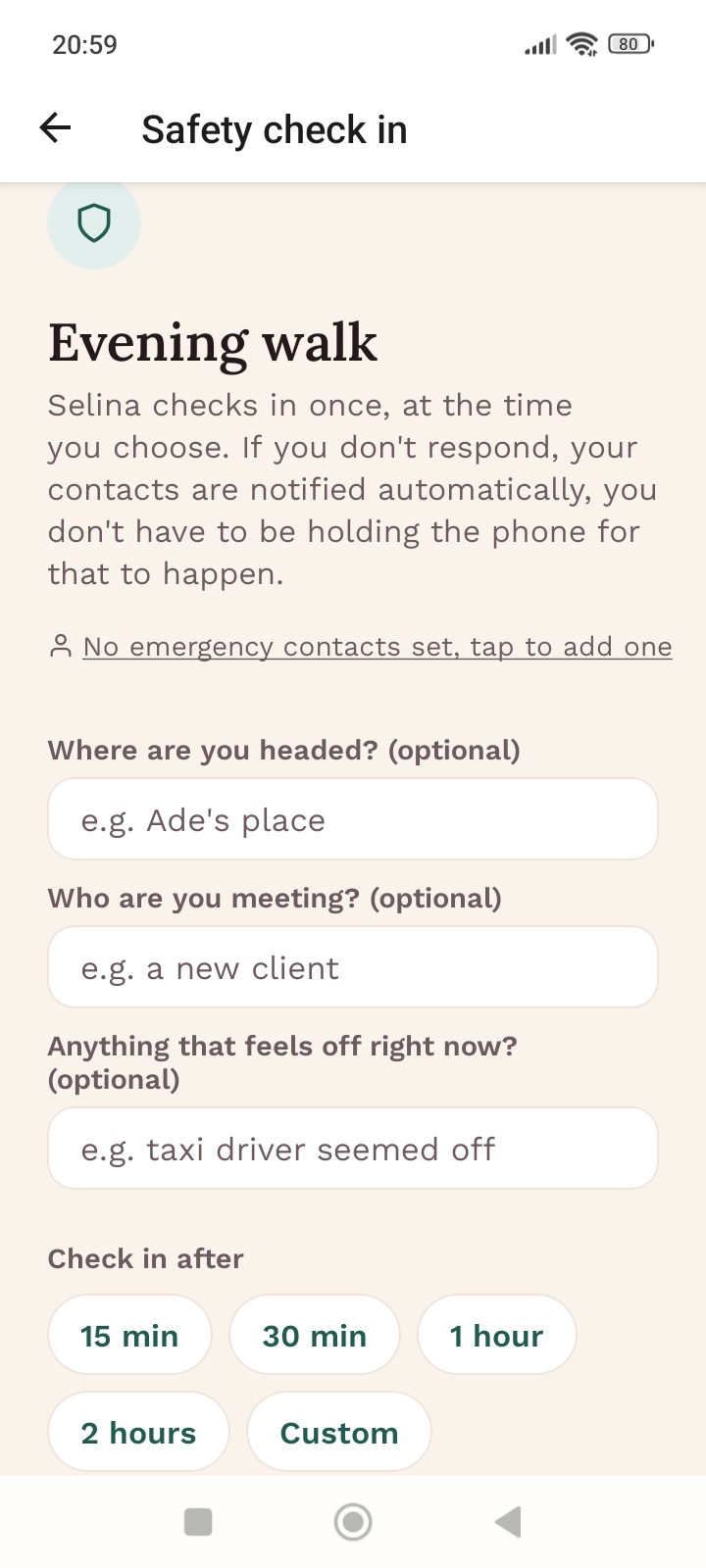
Safety Check in
-
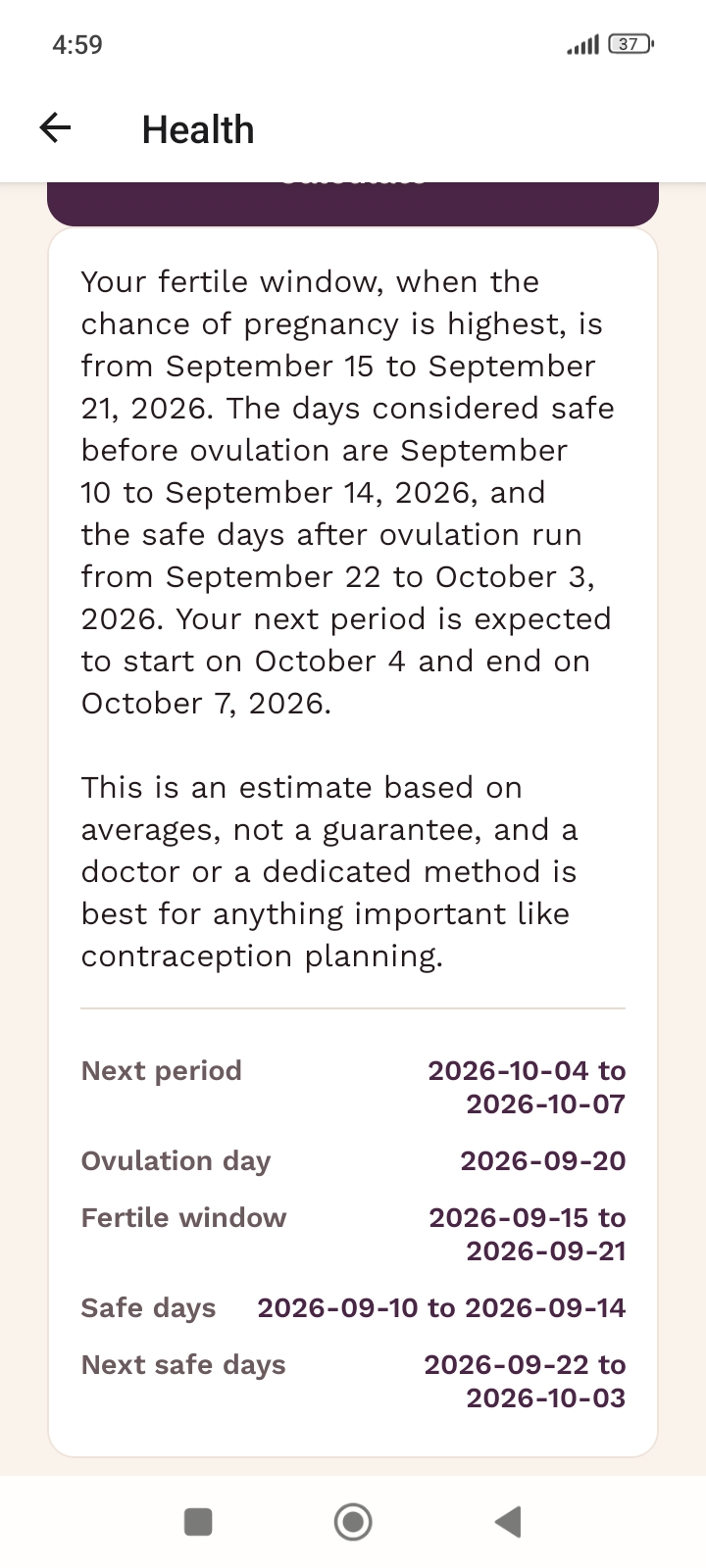
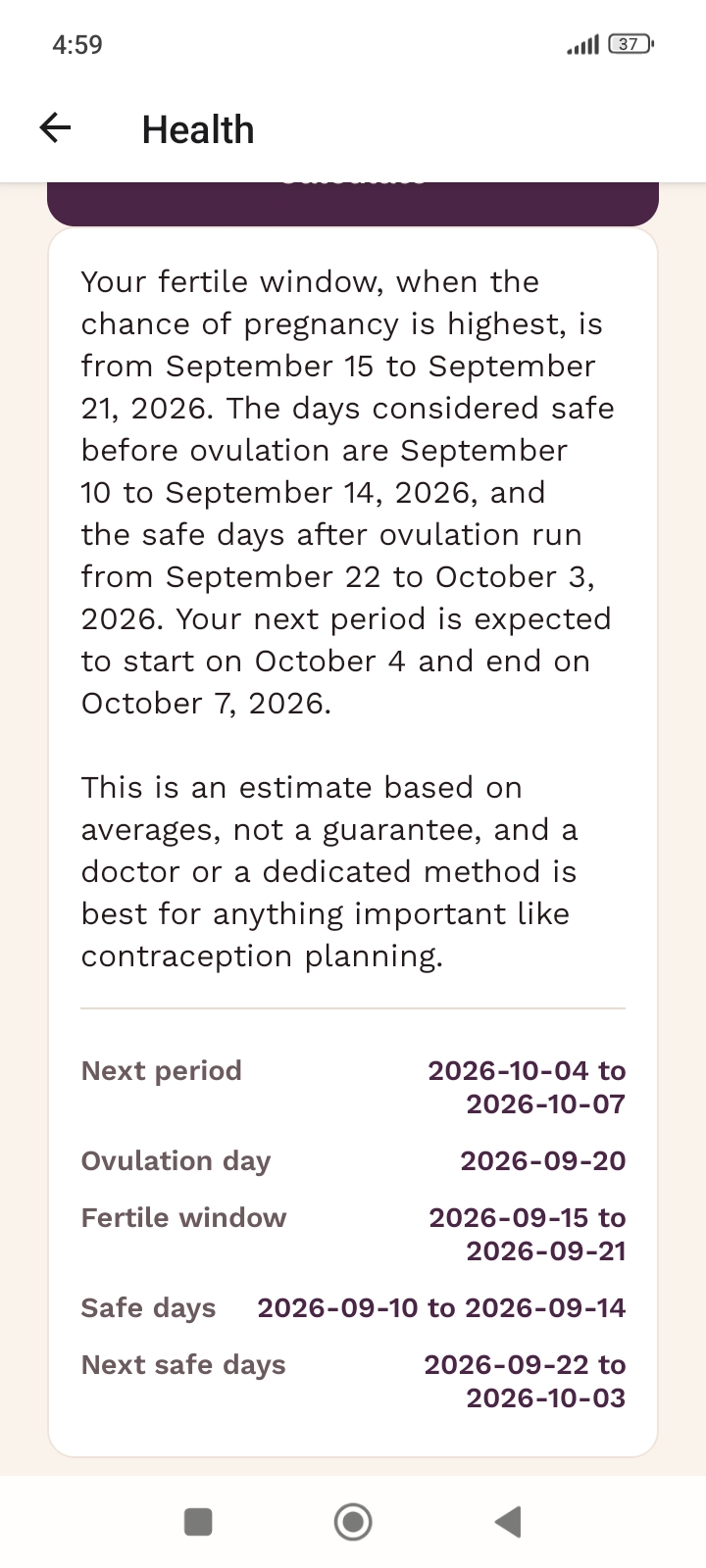
Health_Cycle-calculation
-
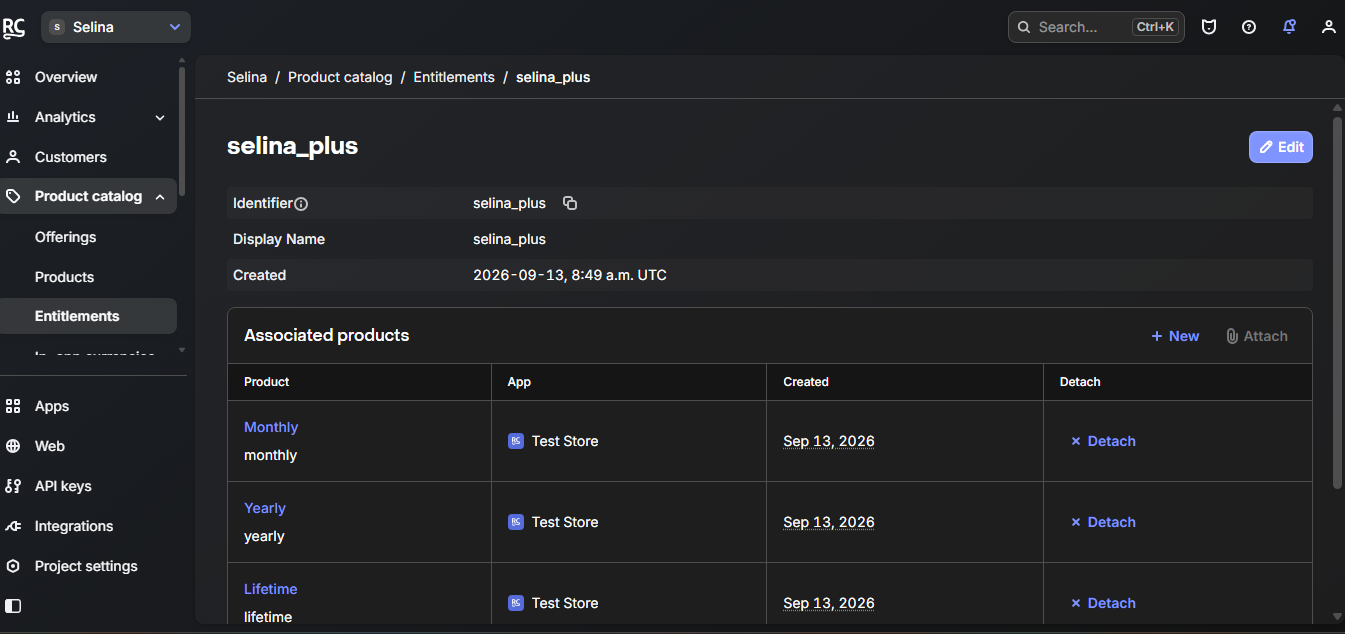
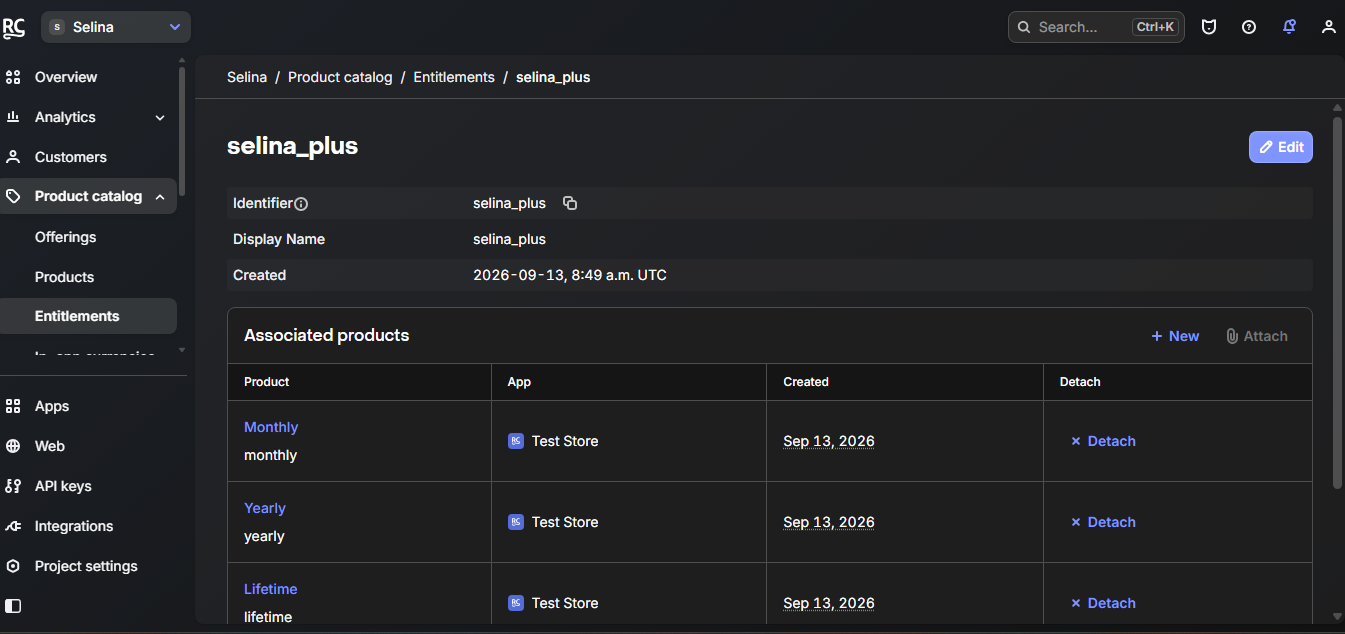
RevenueCat_entitlement-page
-
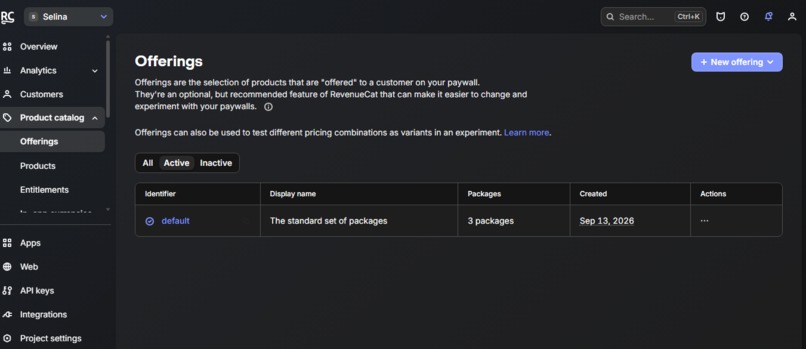
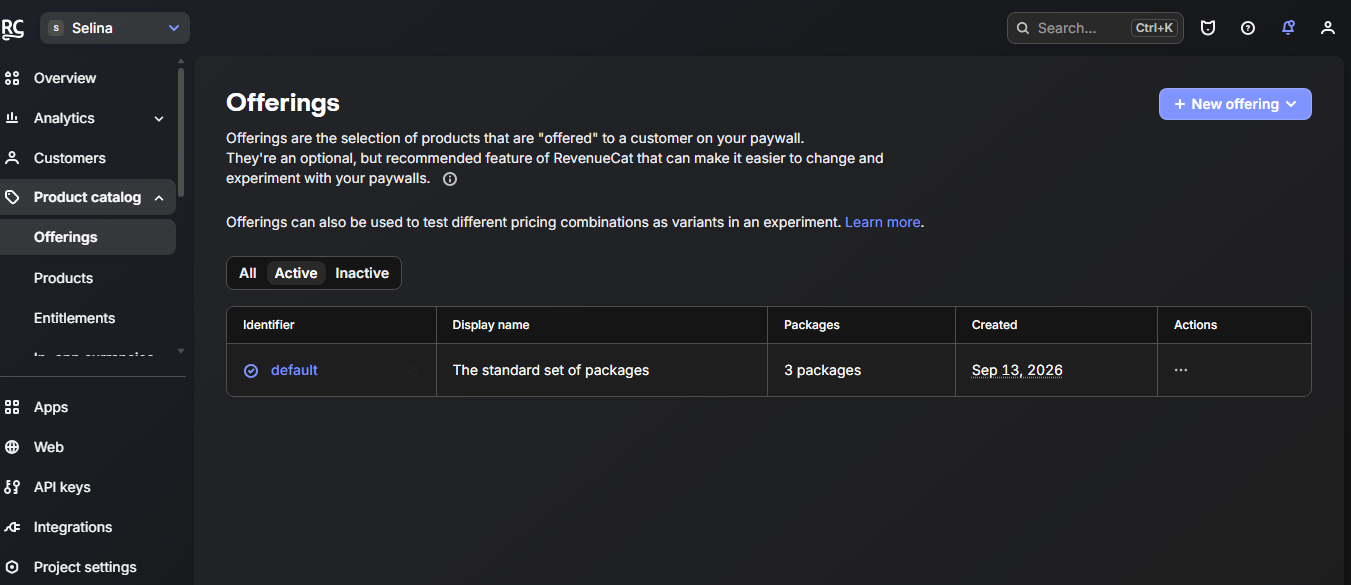
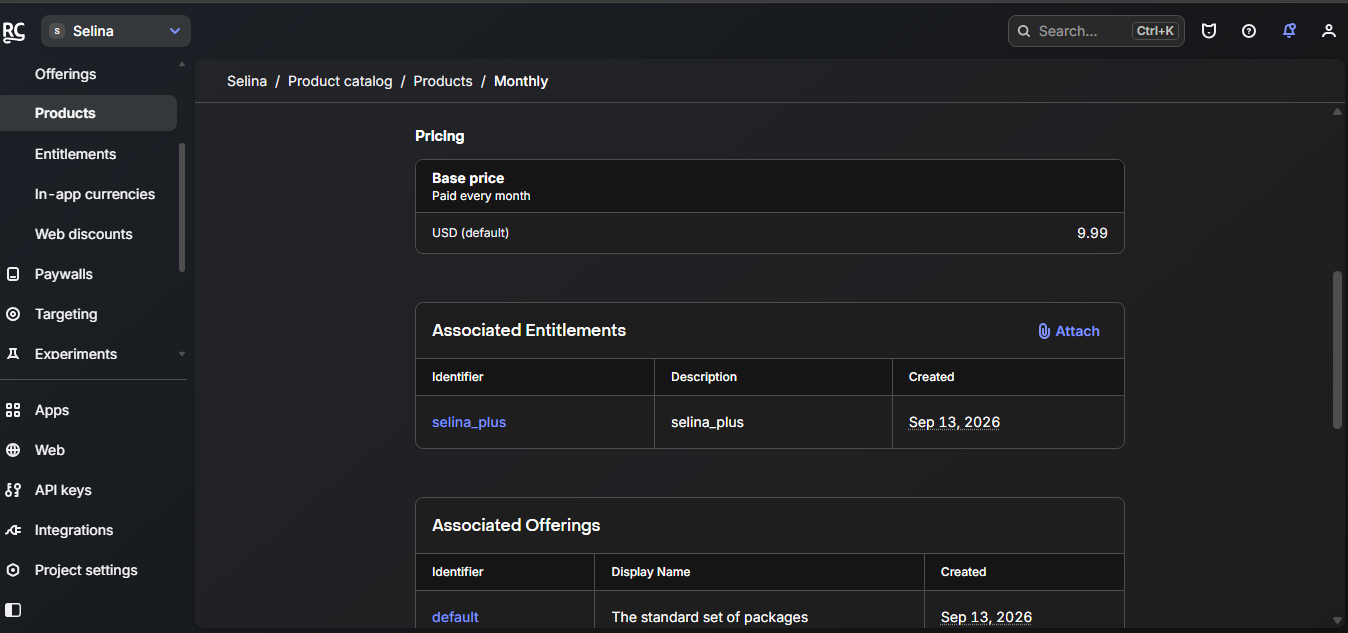
RevenueCat_Offering-page
-

App Icon 1024x1024

Inspiration
I lost two people close to me during pregnancy and childbirth. After that, I kept thinking about how much can go wrong for a woman when there's no one checking in, no record of what happened, and no easy way to get support. Selina came out of that. It's not one feature. It's a few small things a woman might need on a hard day, put in one place.
What it does
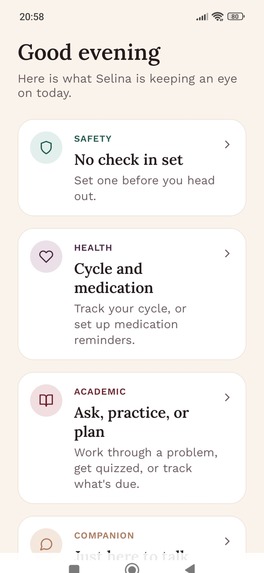
Selina has a home screen that shows what's happening across different areas of your life: safety, health, academics, work, career, business etc depending on who the user is, and a companion to talk to when you just need to talk.
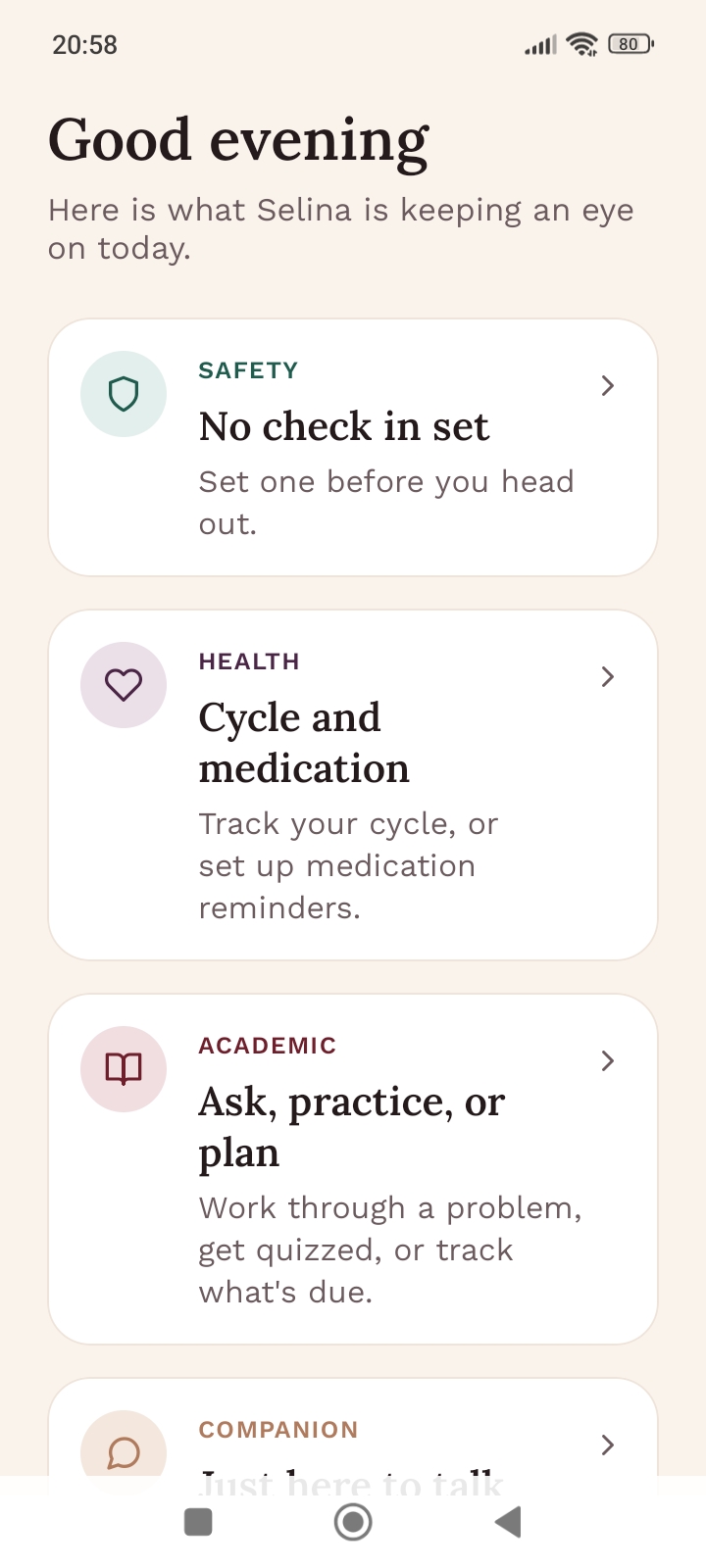
The free tier already does real work:
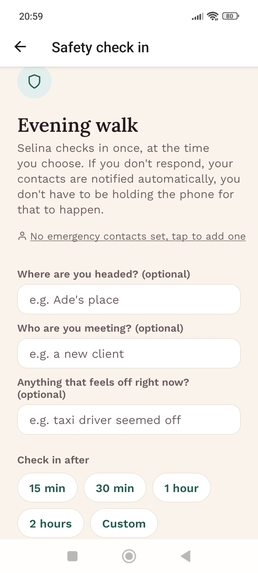
- Safety check-in: set a timer before you go somewhere. If you don't check back in, your emergency contacts get notified on their own, you don't need to be holding your phone for that to happen.
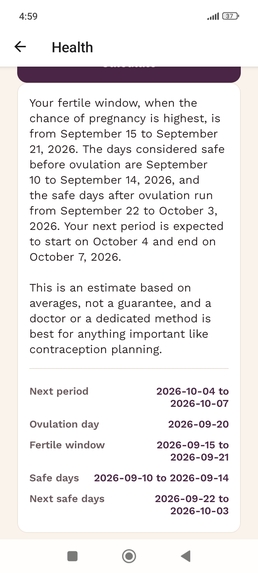
- Health: tracks your cycle and sets medication reminders.
- Academic chat and deadlines: ask questions, get quizzed, work through a problem, and keep a running list of what's due and when.
- Companion: a space to talk when you just need to talk.
Selina Plus, the subscription tier built with RevenueCat, adds a deeper layer on top of what's already there. The plan is for every section, Safety, Health, Academic, Companion, Career and Financial, and so on, to have its own deeper Plus layer. What's live now is a working slice of that.
How we built it
The app is React Native with Expo. The backend is a Python Flask API that runs nine small agents behind one orchestrator, one for safety, one for health, one for academics, and so on. It started on a mock reasoning provider I built myself, so the whole thing could run and be tested with no external API key needed. It now runs on real reasoning through Groq, with the mock provider still there as a fallback if the real one is ever unreachable. The interface didn't need to change at all when I made that switch, which was the whole point of building it that way from the start.
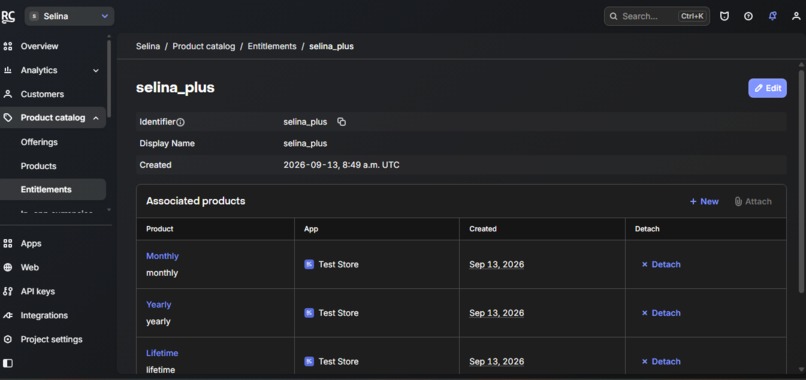
RevenueCat handles the subscription logic. I used their Test Store to build and test the whole purchase flow without needing a paid Apple or Google developer account, which mattered a lot working with a limited budget as a student.
Challenges we ran into
Getting comfortable with mobile builds took a while, especially the difference between a debug build that needs a live server and a standalone release build judges can actually install and use on their own. I also had to be careful with scope. It would have been easy to keep adding agents and features, but with a deadline, the harder job was deciding what to finish properly instead of what to add next.
Accomplishments that we're proud of
Getting a full purchase flow working end to end, from offering to entitlement to unlocking a feature in the app. Also proud of keeping the app usable and calm-looking for something built around a heavy subject.
What we learned
A good chunk of building something like this is just plumbing, getting the app, the backend, and RevenueCat to actually agree with each other. I spent longer than I expected debugging a purchase flow that looked broken but was actually just missing a properly configured offering.
What's next for Selina
The biggest next step is letting Selina use photos and video, not just text. I'm building a vision pipeline with OpenCV 5 that can take a photo or short video from a moment that felt unsafe and turn it into a structured record: what was in the scene, when it happened, and what matters. Faces and other private details are protected, so the evidence is useful without exposing anyone. What Selina finds then decides what the Safety agent does next, like nudging you to check in with a contact or adding it to your private case timeline.
After that, I want to build out more Selina Plus features across Safety, Health and Companion, and add Career (Work), Business & Finance and Opportunity.
Built With
- expo.io
- flask
- python
- react-native
- react-navigation
- revenuecat

Log in or sign up for Devpost to join the conversation.