-
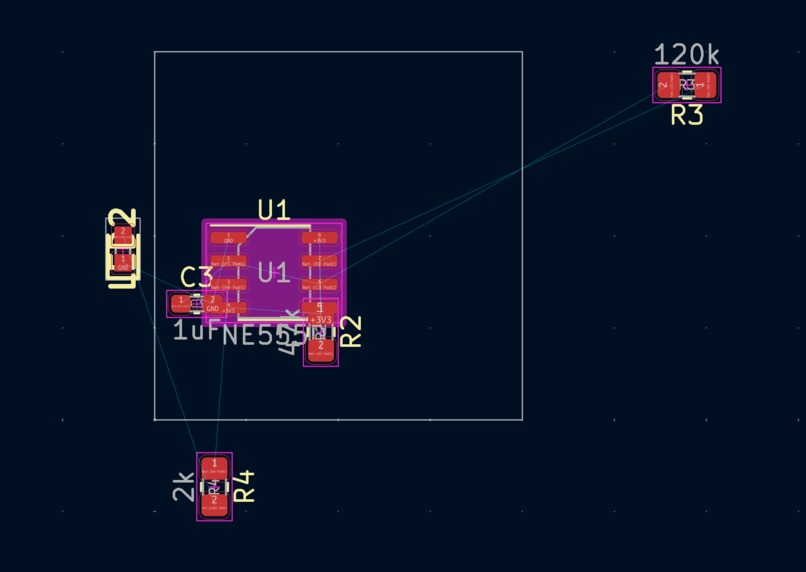
before
-
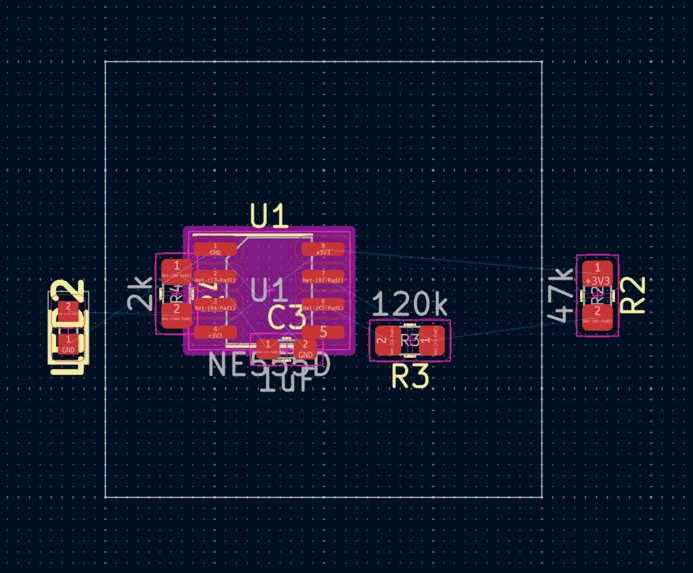
after
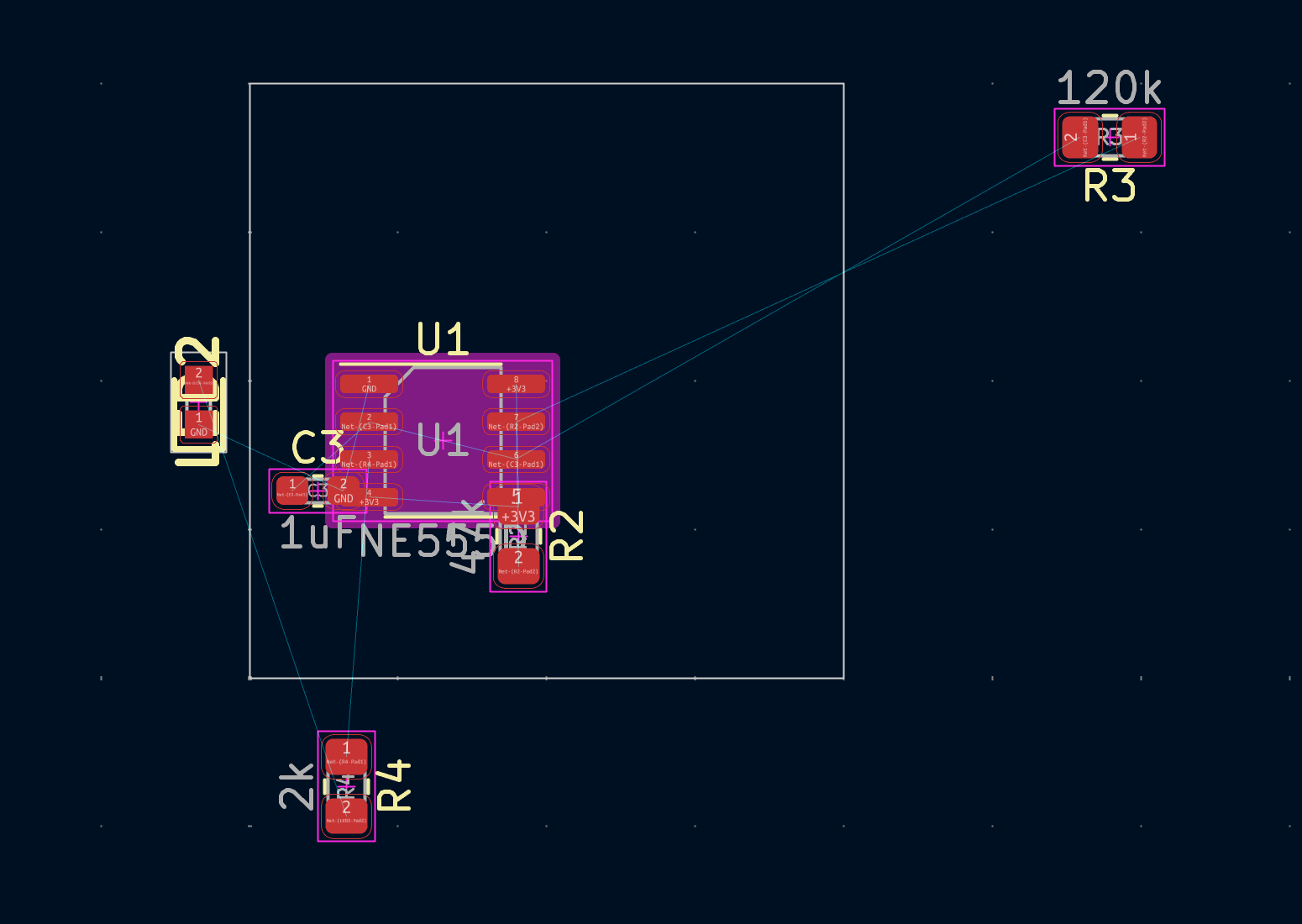
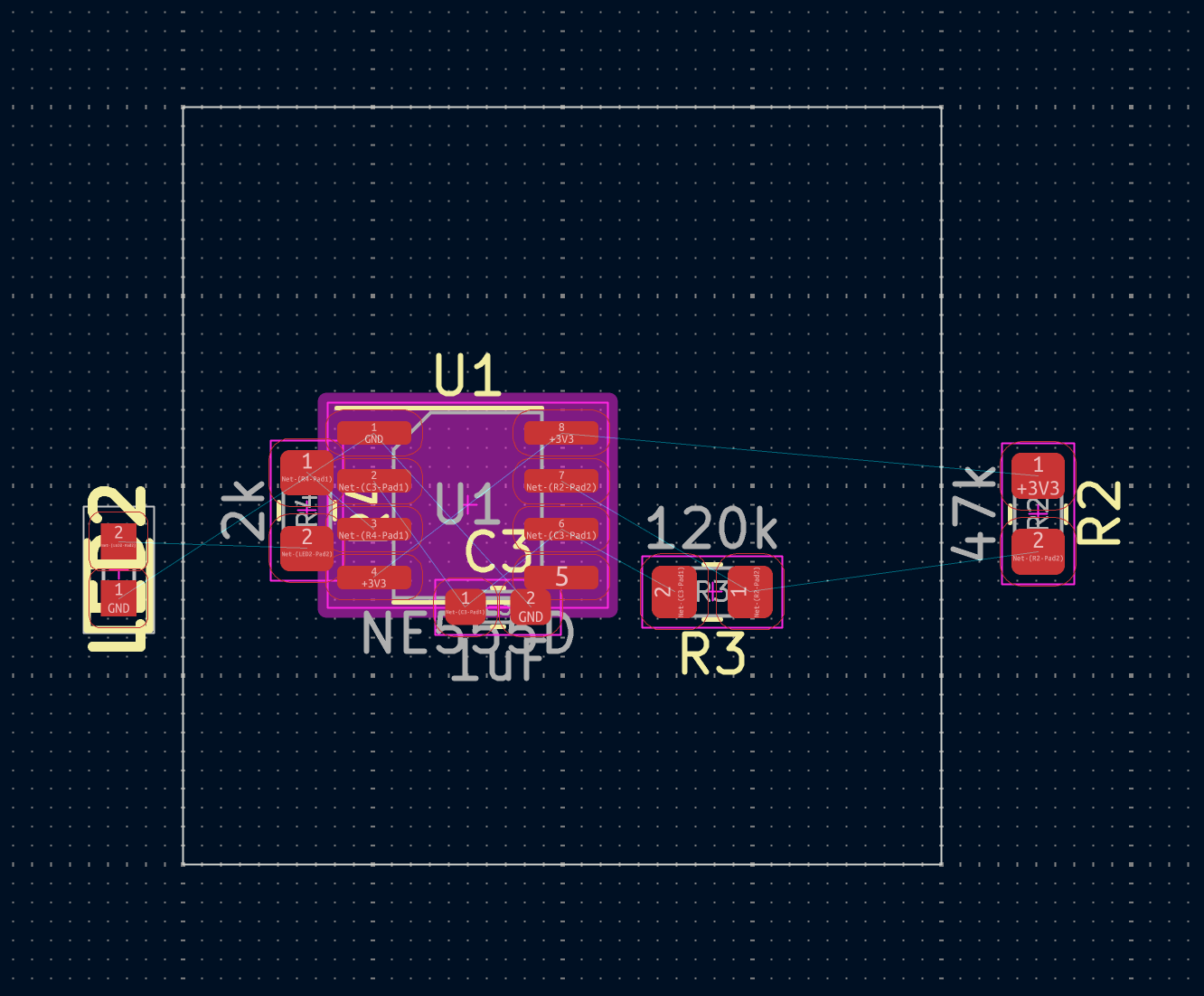
Inspiration
It all started with a simple observation: even Apple can’t escape DRC errors. When global trade tension rose and tariffs hit electronics, Apple literally had to fly circuit boards across countries to beat new tax deadlines. Imagine paying for your PCB like it’s business class. ✈️💸 Different factories = different rules(DRC). The same board that passed in China fails in India, or needs tweaks in Vietnam. Every relocation means days of rework, extra cost, and last-minute panic. So we thought — why can’t the board just fix itself for each fab?
What it does
DFM Autopilot is a self-improving PCB assistant that automatically reads DRC reports, adjusts design constraints (clearance, track width, via drill, etc.), reruns checks, and learns to reduce violations over time.
How we built it
EDA Backend: KiCad 7 + kicad-cli pcb drc for rule checking Optimizer: Python + random search / hill climbing loop Visualization: Streamlit dashboard showing real-time violation curve & before-after board images Multi-Fab Adaptation: .yaml/.dru rule files representing JLCPCB, PCBWay, and OSHPark constraints
Challenges we ran into
Accomplishments that we're proud of
Created a visual demo anyone can run on localhost and instantly see the learning effect.
What we learned
Hardware + AI can coexist elegantly if you design the feedback loop right. EDA automation is still a huge open field for reinforcement learning. Sometimes the best optimization is not smaller area—but higher first-pass yield.
What's next for Self-Improving PCB Assistant
Integrate Cadence / Allegro API for industrial-grade validation Extend rule coverage beyond spacing—include solder-mask & thermal constraints Deploy as a Shopify-style plugin for hardware startups: “Design Once, Build Anywhere.”
Built With
- kicard
- python

Log in or sign up for Devpost to join the conversation.