Inspiration
Data preprocessing is often overlooked but critically shapes machine learning performance. We were inspired to create a framework that combines feature selection and outlier removal in a single, interpretable pipeline, helping models achieve better accuracy while retaining meaningful features.
What it does
The Selective Data Clarity Model (SDC) automates preprocessing for structured data by:
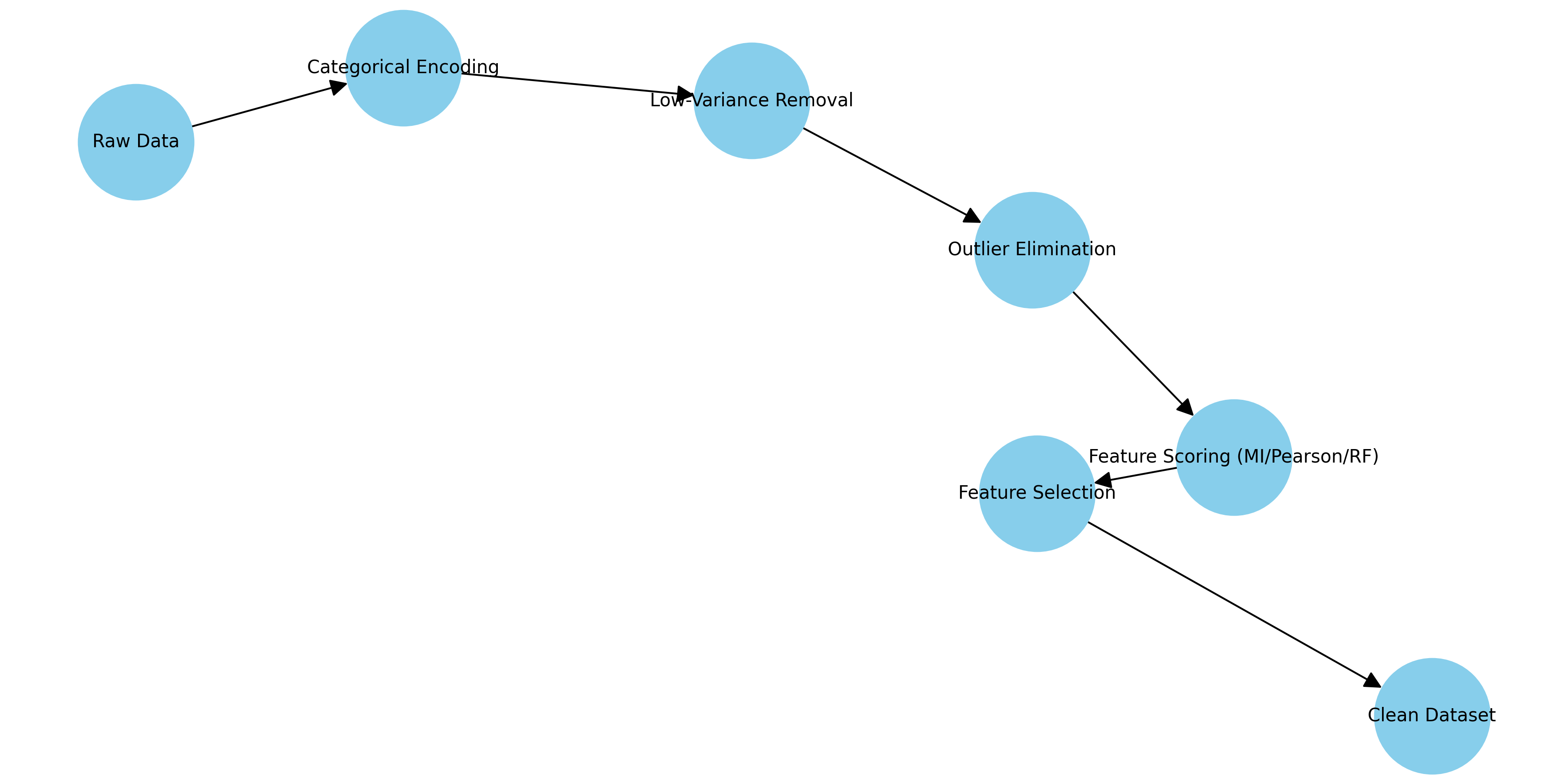
Encoding categorical variables
Removing low-variance features
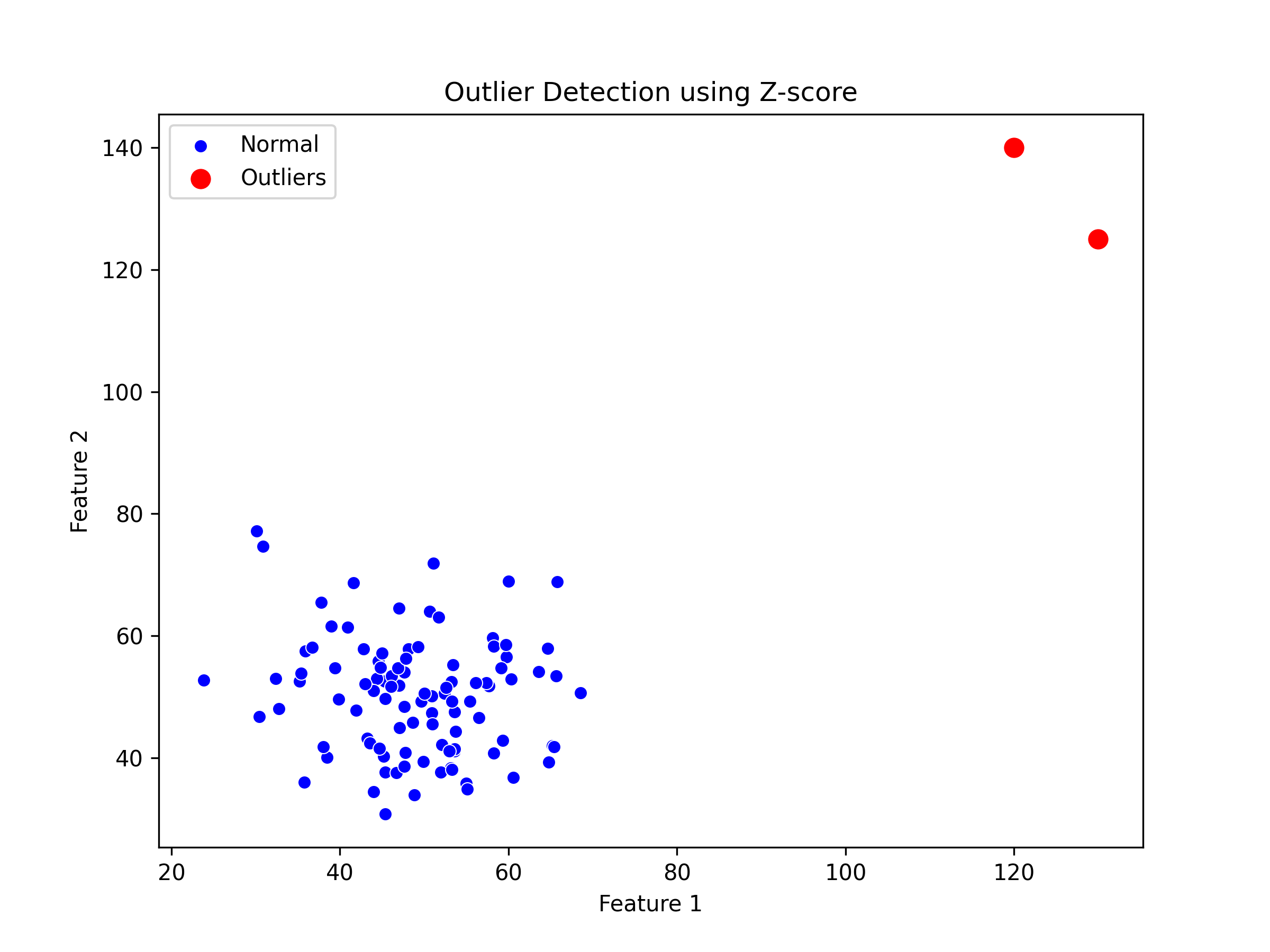
Eliminating outliers using Z-scores
Selecting task-relevant features via Mutual Information, Pearson correlation, and Random Forest importance It works seamlessly for both classification and regression tasks, providing traceability of removed outliers and selected features.
How we built it
Implemented in Python using pandas, numpy, scipy, and scikit-learn
Designed as a pipeline-friendly class with methods for fit_transform, get_selected_features, and get_removed_outliers
Integrated task-aware feature scoring to preserve interpretability
Applied a confidence threshold to control feature selection rigor
Challenges we ran into
Balancing feature reduction with retention of predictive information
Handling categorical variables where label encoding may misrepresent relationships
Ensuring outlier detection works across datasets with varying distributions
Comparing fairly with PCA while maintaining interpretability
Accomplishments that we're proud of
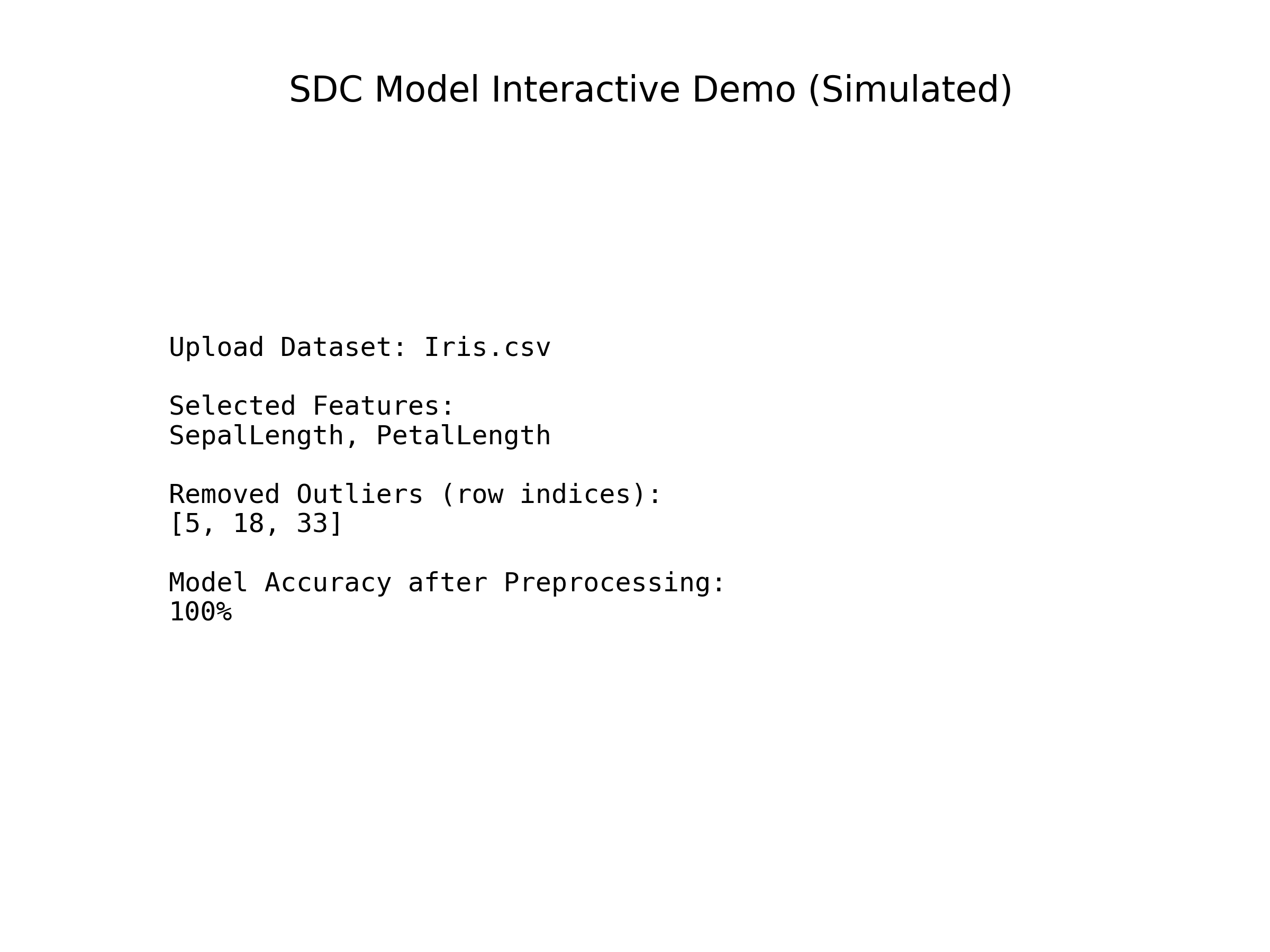
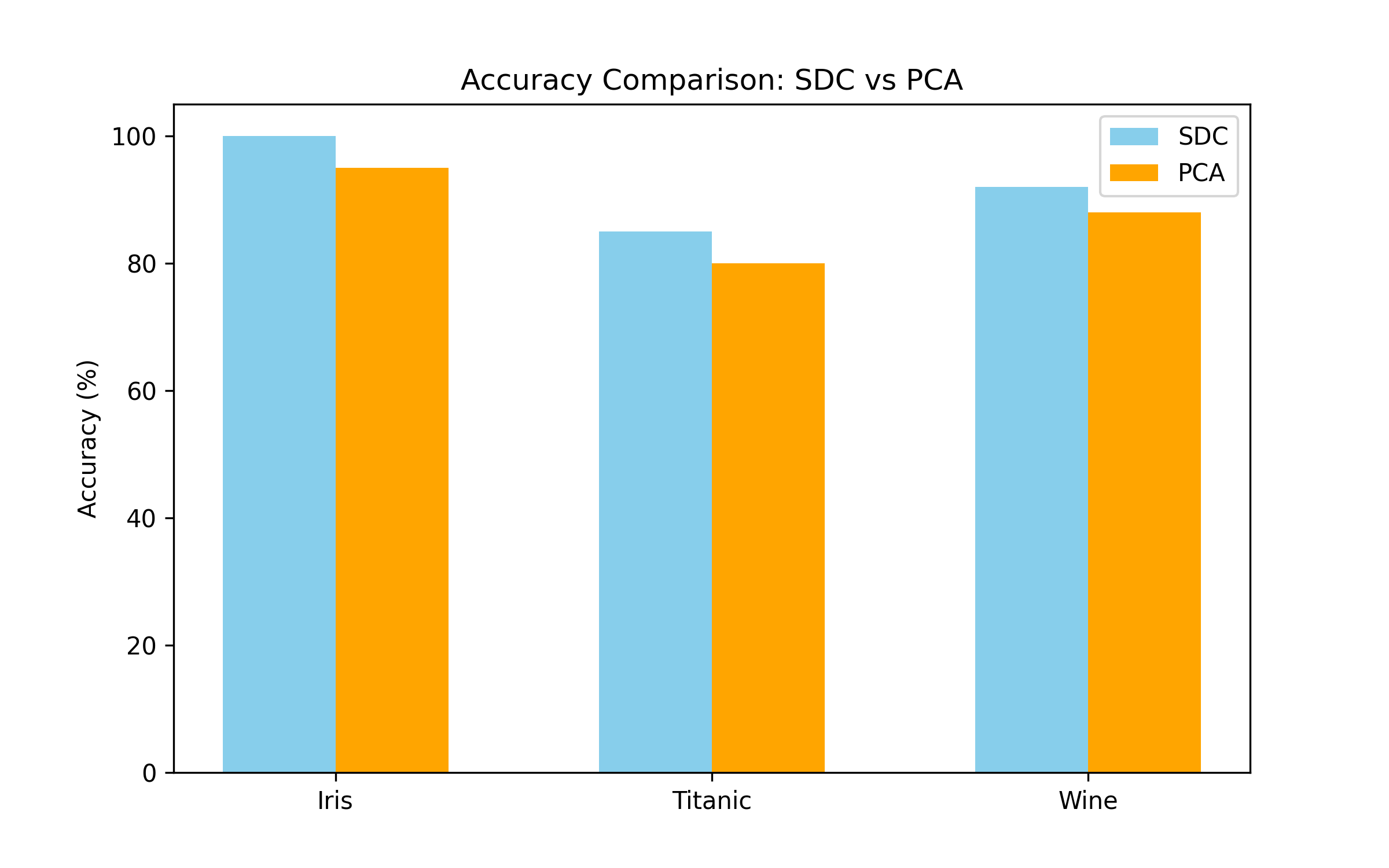
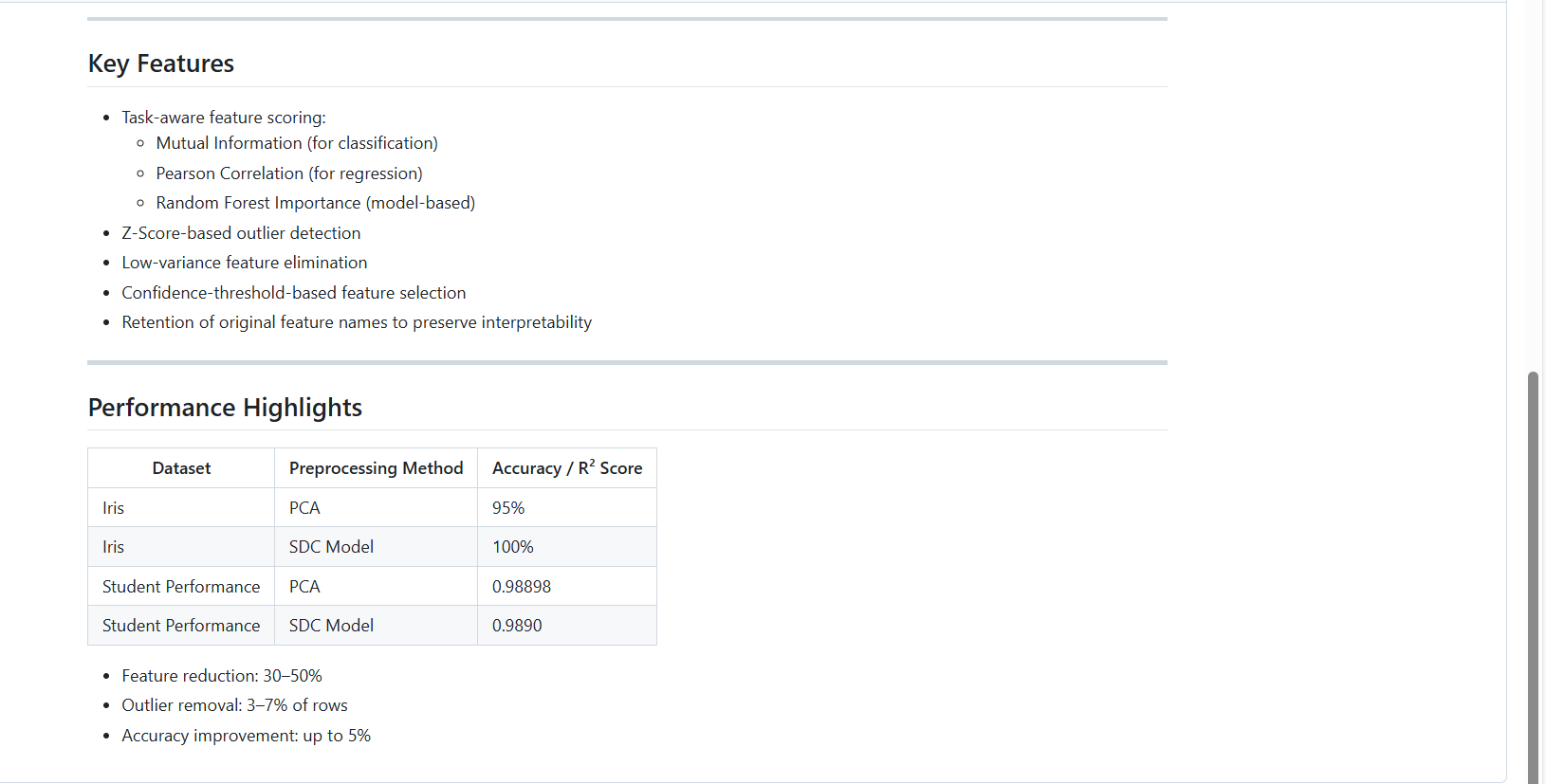
Achieved 100% accuracy on the Iris dataset, outperforming PCA-based preprocessing
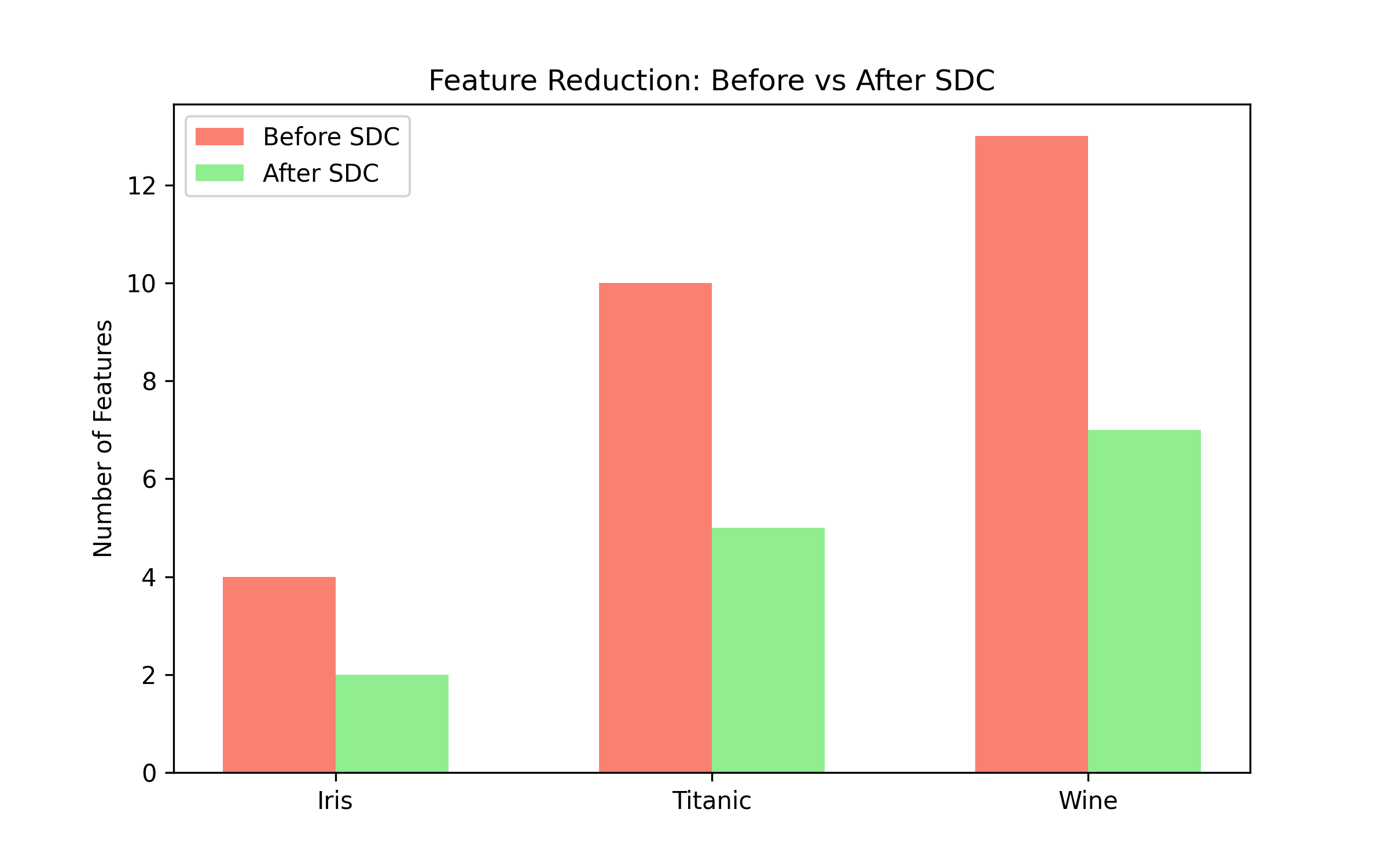
Reduced feature count by 30–50% without losing predictive power
Maintained original feature semantics, improving explainability
Built a traceable pipeline for outlier and feature selection
What we learned
Automated, task-aware preprocessing can significantly improve model performance
Combining multiple scoring methods provides a more holistic feature assessment
Interpretability and automation don’t have to be mutually exclusive
Outlier elimination and low-variance filtering can dramatically clean up datasets for better modeling
What's next for Selective Data Clarity Model
Support for advanced encoding methods like One-Hot and Target Encoding
Integration of robust outlier detection methods (Isolation Forest, DBSCAN)
Automated confidence threshold optimization using Bayesian search
Expansion to handle larger, more complex datasets and pipelines
Built With
- activation-functions
- adam)
- bert
- classification
- cnns
- collaborative-filtering
- cosine-similarity
- data-preprocessing
- dimensionality-reduction-(pca
- django
- dropout
- feature-selection
- finetuning
- gemni
- git
- hyperparameter-tuning
- image-classification
- jupyter-notebook
- keras
- llama
- loss-functions
- lstm-computer-vision-&-recommender-systems:-opencv
- matplotlib
- movie-recommendation-engines-data-&-tools:-python
- natural-language-processing
- neural-networks
- numpy
- object-detection
- optimizers-(sgd
- pandas
- regression
- regularization
- rnns
- scikit-learn
- sdc-af)
- seaborn
- sql
- tableau
- technical-skills-deep-learning-&-ml&genai:-pytorch
- tensorflow

Log in or sign up for Devpost to join the conversation.