-
-
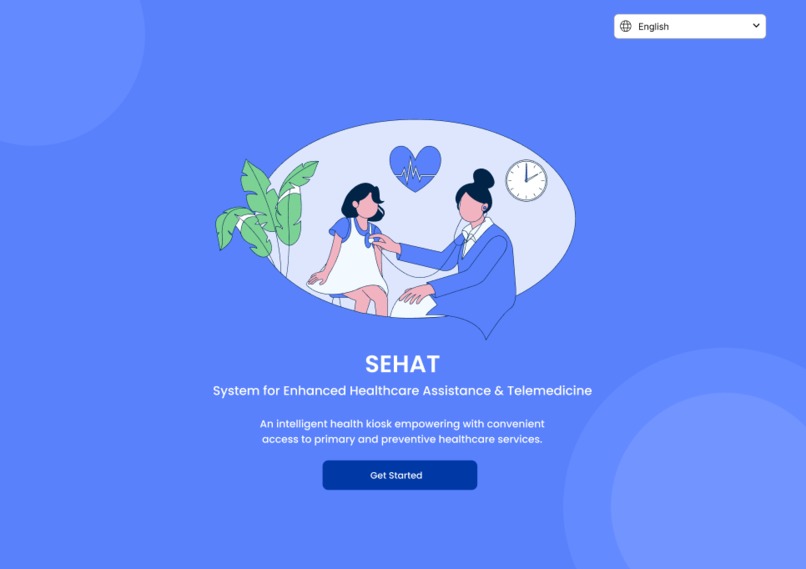
The project
-
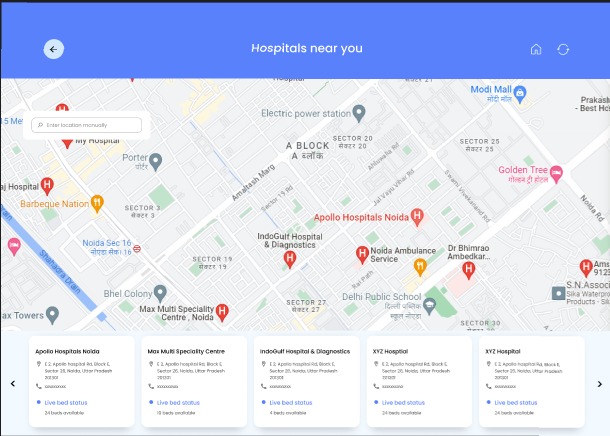
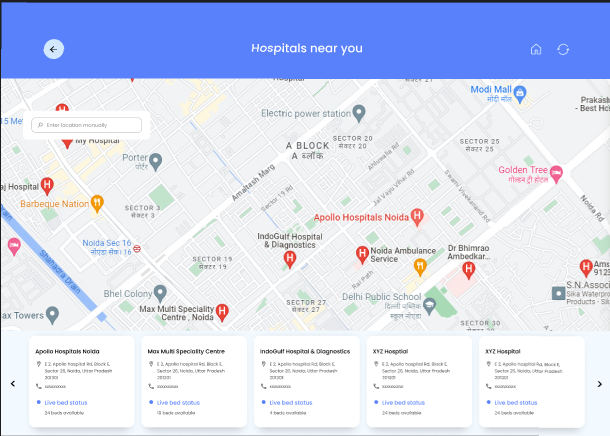
Locating the nearest hospitals
-
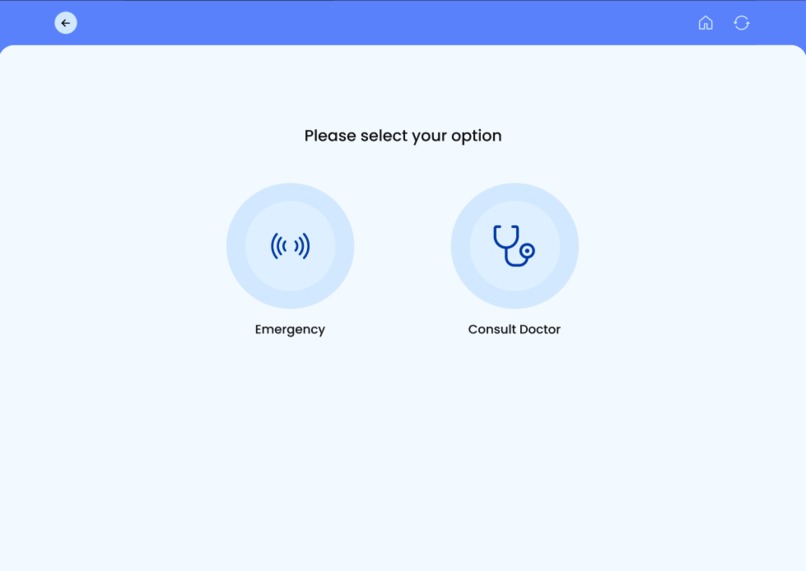
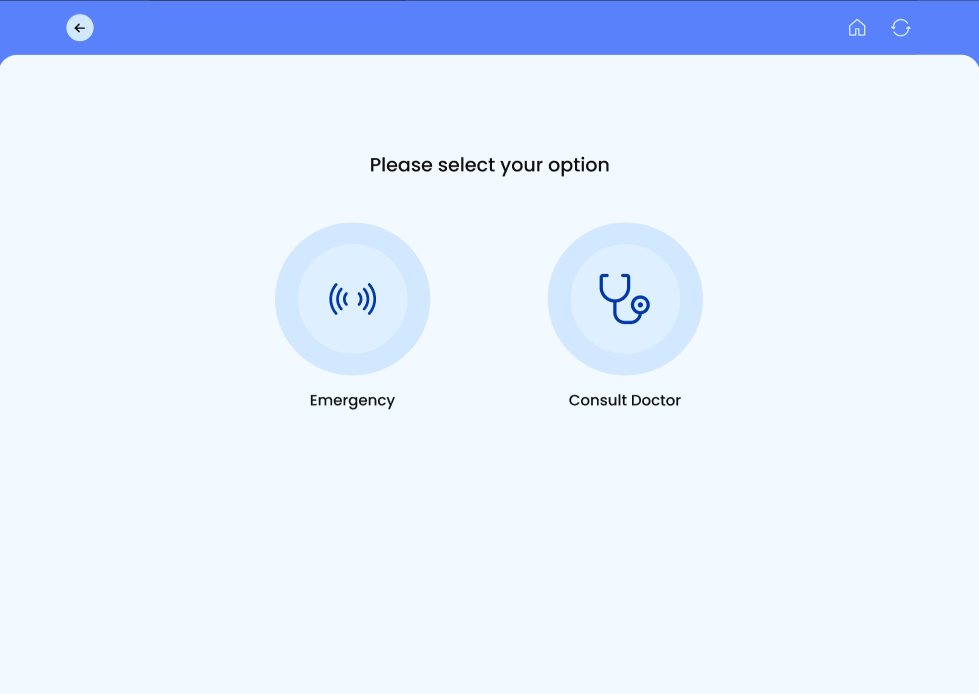
select any option
-
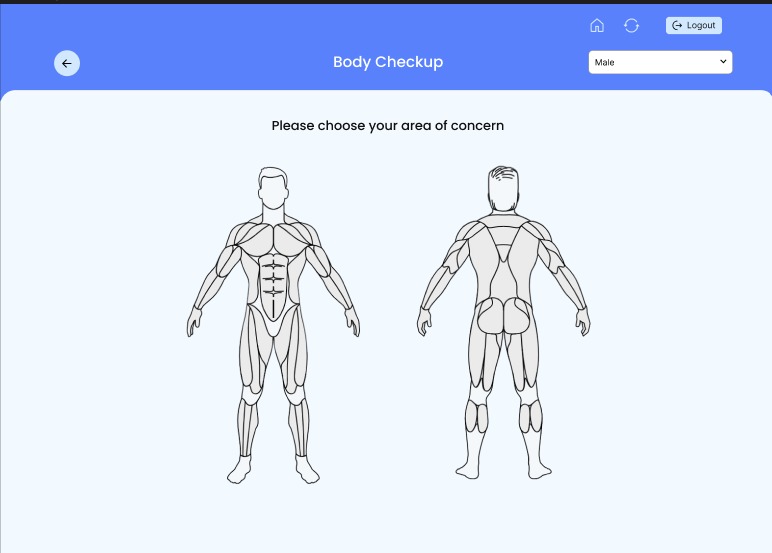
Select your area of concern (pain points)
-
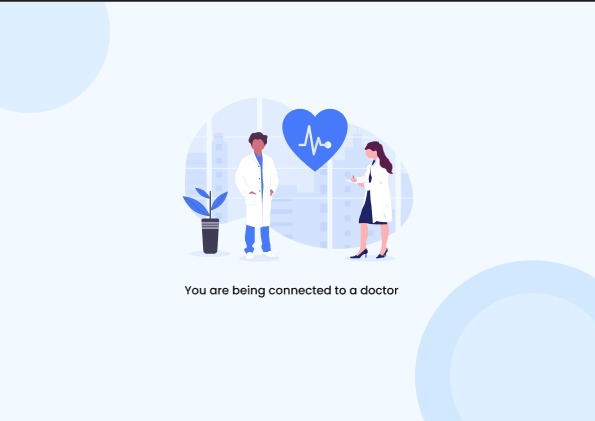
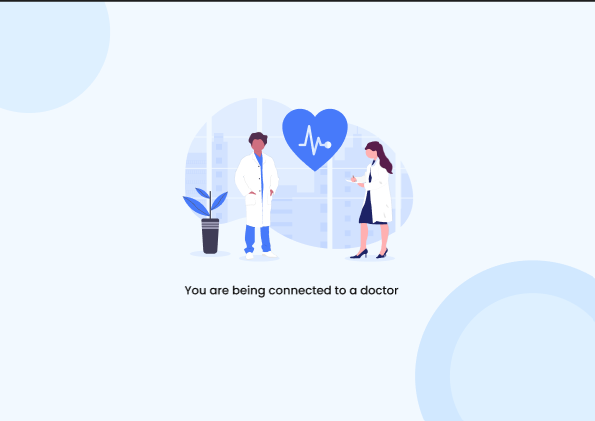
Connecting to the doctor
-
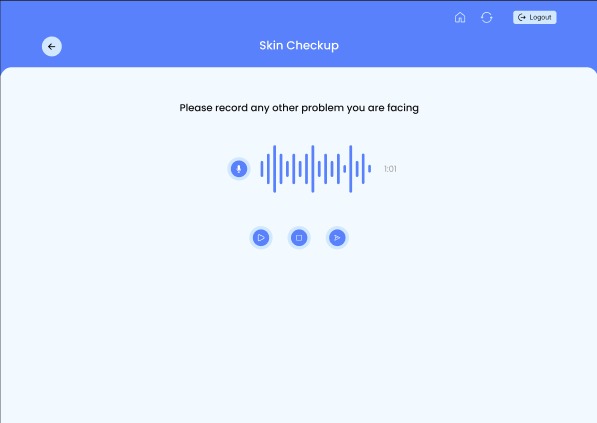
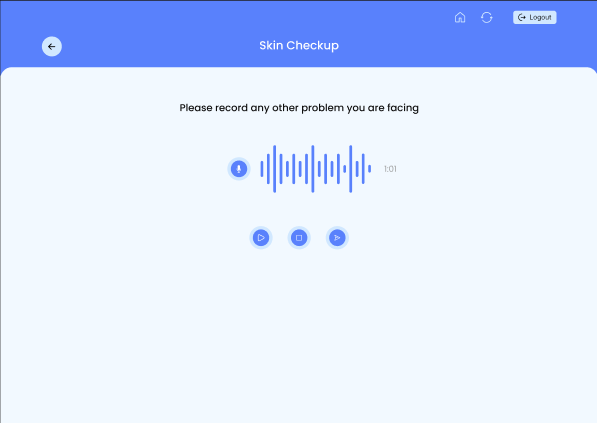
Record your concern

What problem we are solving
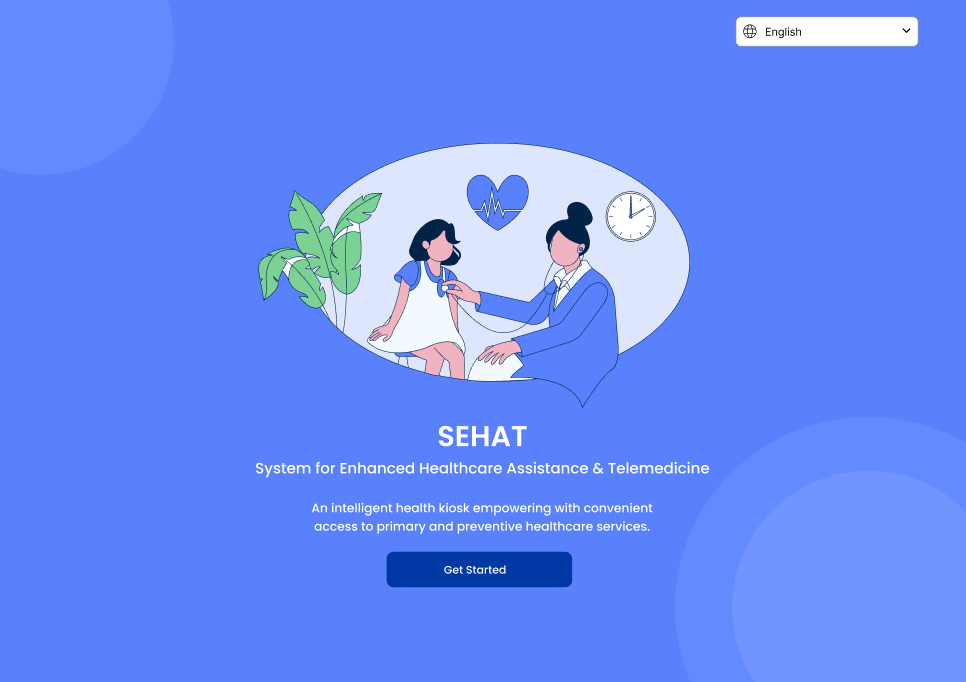
SEHAT addresses the pressing issue of inadequate healthcare facilities in remote areas, particularly in India, where obtaining medical services can be a formidable challenge. Utilizing kiosk machines equipped with machine learning models, SEHAT aims to empower individuals in these underserved regions by offering initial assessments for skin diseases, eye conditions, diabetes, and heart-related issues. The initiative aims to act as a catalyst in narrowing the healthcare disparity gap, extending timely assistance to those facing barriers to traditional medical infrastructure. We firmly believe in the inherent right of every individual to access quality healthcare services, and this project plays a pivotal role in promoting healthcare equality for all citizens.
Inspiration
The inspiration behind SEHAT is deeply rooted in the team's commitment to improving healthcare accessibility and making diagnostic services more equitable. Recognizing the transformative potential of technology, the team is driven by the goal of ensuring that healthcare services become more inclusive, accessible and responsive to the diverse needs of communities, irrespective of their geographical location.
Purpose
SEHAT's overarching purpose is to elevate healthcare assistance and telemedicine, particularly in regions grappling with inadequate medical infrastructure. By leveraging machine learning capabilities and seamlessly integrating with existing healthcare systems, the project envisions providing a comprehensive solution that empowers individuals to proactively manage their health, fostering a sense of autonomy in healthcare decision-making.
What it does
SEHAT is a software equipped with machine learning models compatible to run on kiosks. Its functionalities are expansive, allowing users to interact with a kiosk for self-diagnosis. Users can select symptoms, specify pain points in their body, and even record audio descriptions of their symptoms. The software, equipped with machine learning models, then analyzes this information, making preliminary predictions related to skin diseases, eye diseases, diabetes, and heart conditions. Additionally, SEHAT offers emergency assistance through an SOS button, connecting users promptly with nearby hospitals.
How we built it
The development of SEHAT involved a meticulous process where the team, armed with a diverse skill set, combined software development expertise, machine learning prowess, and integration capabilities with existing healthcare systems. The project required the creation of a user-friendly interface, the implementation of sophisticated machine learning algorithms, and seamless connectivity with government health databases. The team built the frontend of the software on react, which is then transformed into a software suitable to be installed on any kiosk machine. Simultaneously, the machine learning models were researched about, to judiciously find all the areas which we can build models for. Thus we came up with the 4 areas namely: Diabetes detection, Heart disease detection, Skin diseases detection as well as Cataract detection. These models were built to address these areas which are some of the most common issues people face (in India). After all these developments, in the end, the backend for the project was written, integrating all the aspects of the project into one single entity.
Functionality
*SEHAT's robust functionality includes: *
- User-friendly interfaces for symptom selection, that are easy to understand and operate
- Pinpoint pain areas using detailed human body diagrams.
- Voice bot with audio recording to facilitate better diagnosis using the recording of the patient as a reference in case they are not able to express their issues within the various options provided
- Machine learning models play a pivotal role in disease prediction, helping in the timely detection of the diseases such as Diabetes, Heart disease, Skin disease(s) as well as Cataracts.
- SOS button feature for instant emergency assistance. It contacts the nearest hospitals to send for an ambulance and connectivity with government health databases for patient history further solidifies SEHAT's role as a comprehensive healthcare solution.
Scalability
SEHAT is ingeniously designed for scalability, allowing for effortless replication and deployment in diverse locations. The project's architecture permits expansion to cover a broader spectrum of health conditions, ensuring its adaptability to evolving healthcare needs and the scalability required to make a meaningful impact on a larger scale.
Audience
The primary audience for SEHAT encompasses individuals residing in remote or underserved areas, where access to conventional healthcare facilities is limited. Moreover, the project caters to the needs of government health agencies aiming to enhance healthcare outreach and diagnostics, establishing itself as a valuable tool in the public health sector. This also serves as a great medium for the government to educate the people about other government schemes that might be helpful for them, but they might not be aware about.
Challenges we ran into
The development of SEHAT was not without its challenges. Fine-tuning machine learning models, looking for ways to be compatible with an array of hardware devices, and navigating the intricacies of integrating with existing government health databases posed formidable hurdles. Overcoming these challenges necessitated a collaborative effort from the team, demanding a blend of technical expertise, innovation, and perseverance.
Accomplishments that we're proud of
The team takes immense pride in the successful development of SEHAT as a comprehensive healthcare solution. The project's ability to empower individuals in remote areas, enabling them to take control of their health and facilitating connections with medical professionals, stands as a noteworthy accomplishment. SEHAT embodies the team's commitment to making a tangible and positive impact on healthcare disparities.
What we learned
The development journey of SEHAT imparted invaluable insights to the team, shedding light on the complexities involved in healthcare technology integration, machine learning model development, and the paramount importance of user-centric design. The project underscored the transformative potential of technology in addressing critical healthcare disparities and underscored the significance of continuous learning in the dynamic landscape of healthcare technology.
What's next for SEHAT
The roadmap for SEHAT envisions a trajectory of continuous refinement and expansion. Plans include enhancing machine learning models, incorporating support for additional health conditions, exploring collaborative opportunities with healthcare organizations to further integrate SEHAT into existing healthcare ecosystems and looking for ways to integrate the physical tools with the kiosk machines is also an improvement that can be beneficial. Continuous user feedback will be pivotal in driving improvements, ensuring that SEHAT remains at the forefront of innovation and serves as a dynamic and impactful solution in the ever-evolving landscape of healthcare technology.

Log in or sign up for Devpost to join the conversation.