Inspiration
A huge amount of work in households isn’t physical chores — it’s the invisible cognitive load: remembering, planning, coordinating, and emotionally holding things together. That load is often unrecognised and disproportionately carried by mums/women, which leads to burnout, resentment, and relationship strain.
We wanted to build something that shifts the dynamic from nagging → noticing, and from unseen → seen.
What it does
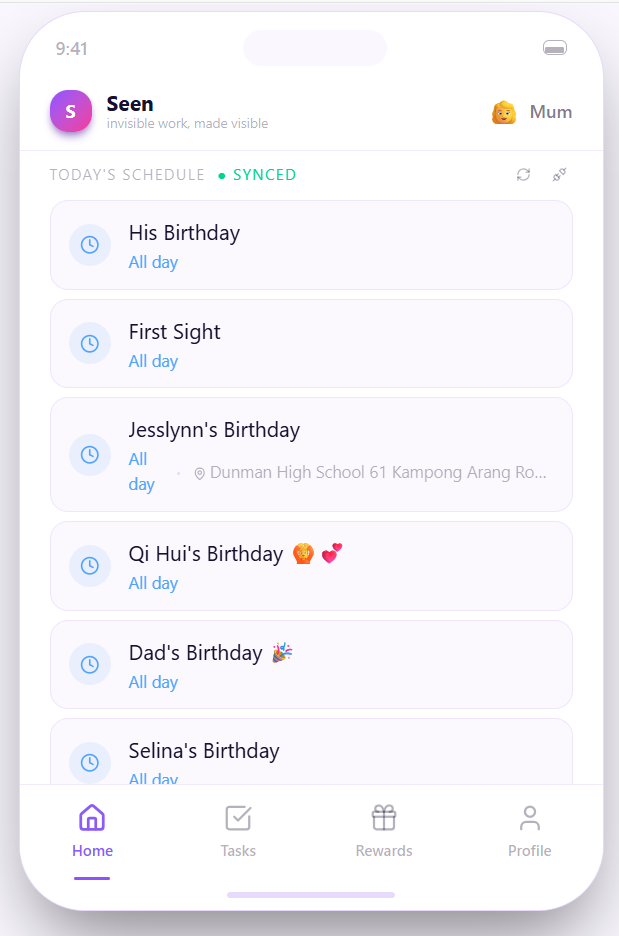
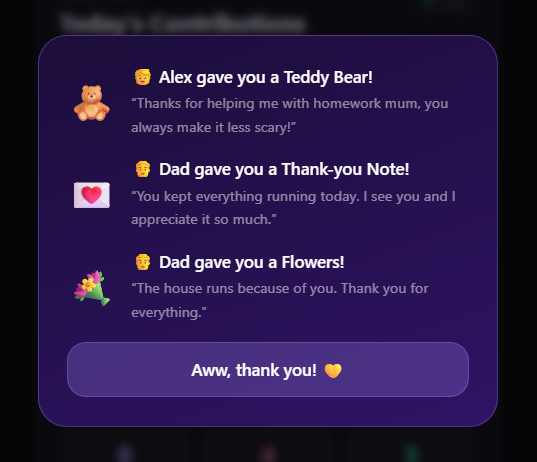
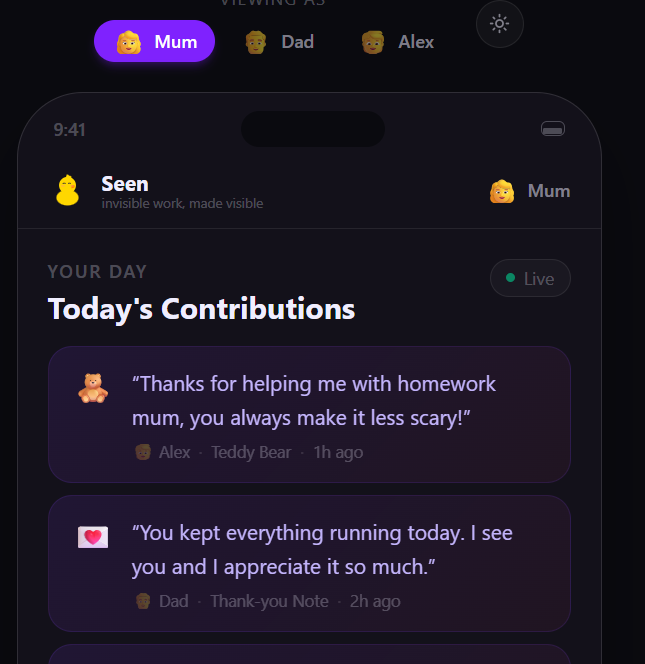
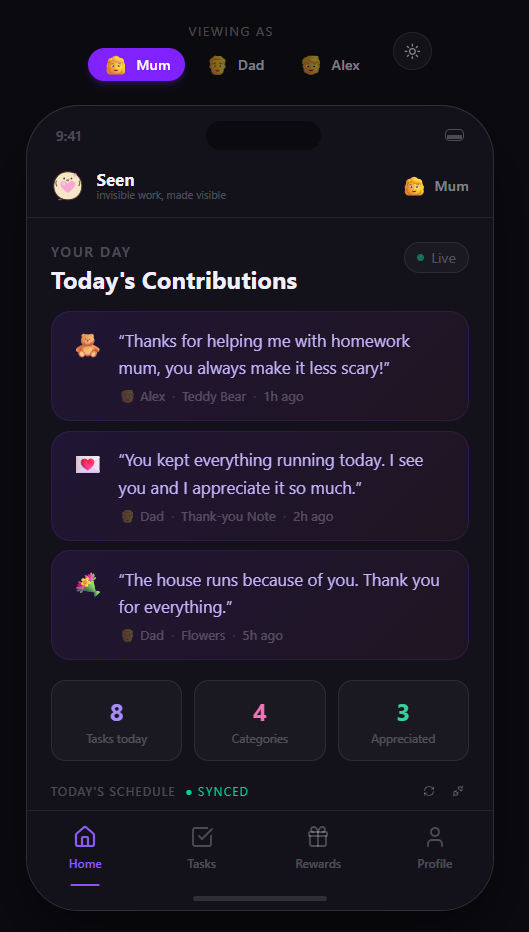
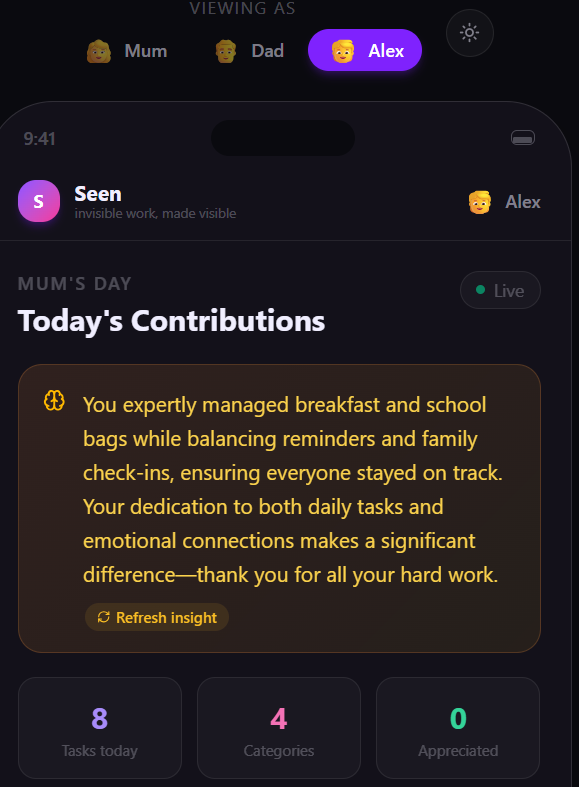
- 🏠 Home feed: “Today’s contributions” activity feed + gentle affirmations/nudges
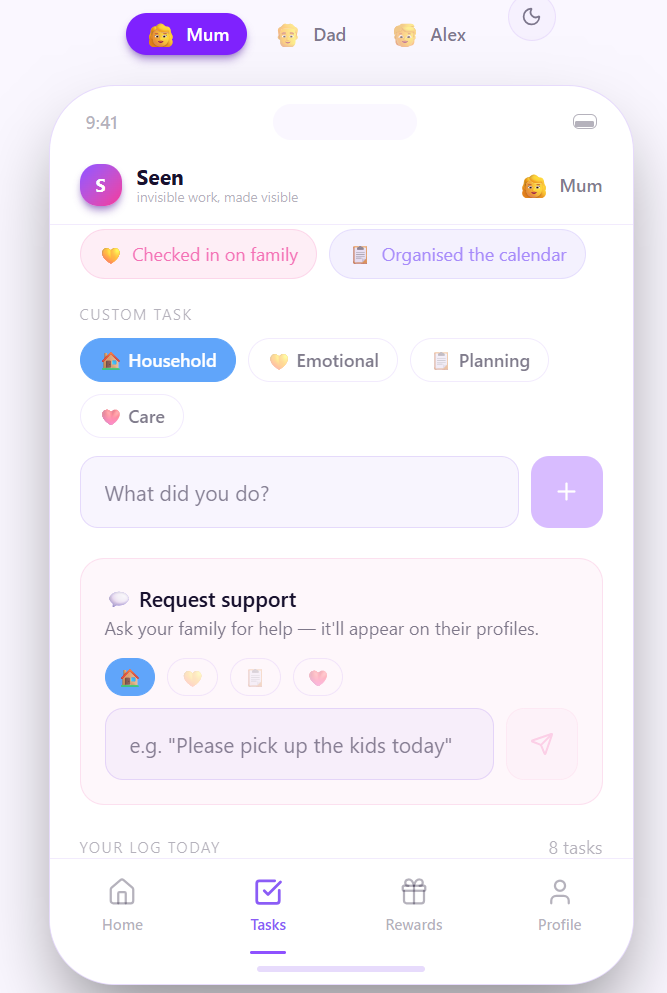
- ✅ Task logging: quick-add chips, typing, and voice logging
- 🎙️ Voice logging: speak a task, then tap Done — log it to add it
- 📢 Task requests: Mum can request support; Dad/Alex can complete it from their Profile (one tap “Done — log it”)
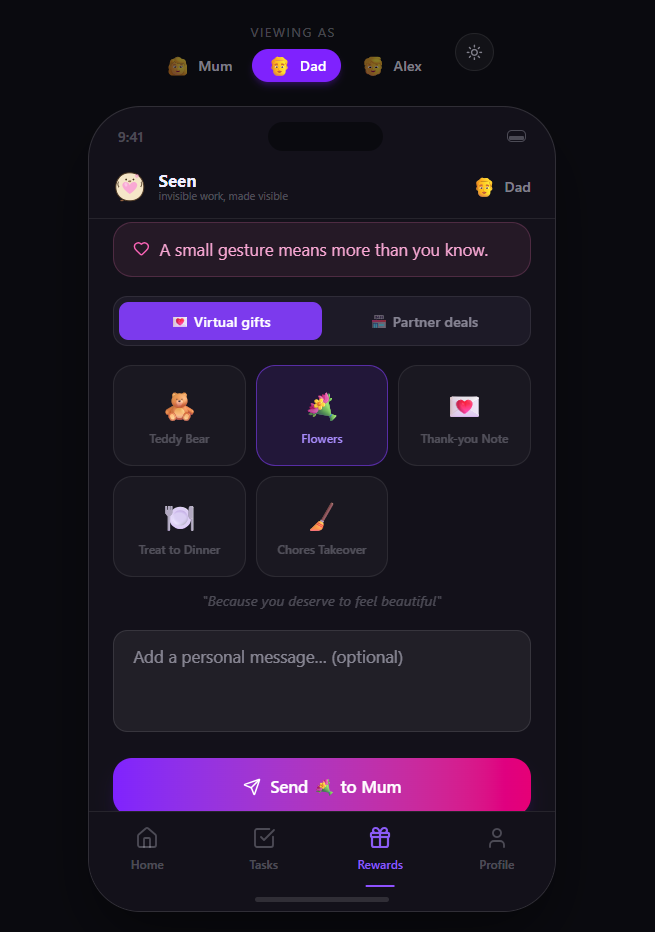
- 🎁 Rewards: send virtual appreciation + browse partner brand deals (coffee/flowers/restaurants)
- 👤 Profiles: per-person stats + household contribution split
- 🦆 Duck avatar coach: celebratory popups for good behaviour; judgey popups + “angry quack” sounds when supporters don’t show up
- 🎯 Custom goals (Mum): weekly appreciation target + task-share target
- 🌙 Light/Dark mode: toggle in header
- 📱 Mobile-first: full-screen on phone; optional phone frame on desktop
How we built it
- Frontend: React + TypeScript (Vite)
- Styling: Tailwind CSS v4 + CSS variables for theming
- State: React Context + useReducer
- Voice: Web Speech API (SpeechRecognition)
- Duck sounds: Web Audio API (synthesised “happy chime” + “angry quack”)
- Charts: Recharts (profile breakdown)
Challenges we ran into
- Invisible work is hard to represent without making it feel like “scorekeeping.”
- Voice input on mobile can be inconsistent depending on browser permissions and security constraints.
- Getting the “nudge” tone right: supportive and warm, not guilt-based or accusatory.
Accomplishments that we're proud of
- A mobile-first demo with clear, judge-friendly flows (Mum logs → Dad/Alex see → appreciation + support happens).
- The task request loop that turns “mental load” into a visible ask and a concrete action.
- The duck avatar coach that makes behavioural nudges feel playful instead of confrontational.
- A clean light/dark mode that works across the whole UI.
What we learned
- Nudges work best when they offer a next action (appreciate / claim / do), not a lecture.
- “Fairness” is personal — letting Mum set goals creates healthier expectations than hard-coded rules.
- Small UX details (quick add, voice, one-tap done) matter a lot when the goal is reducing burden.
What's next for Seen
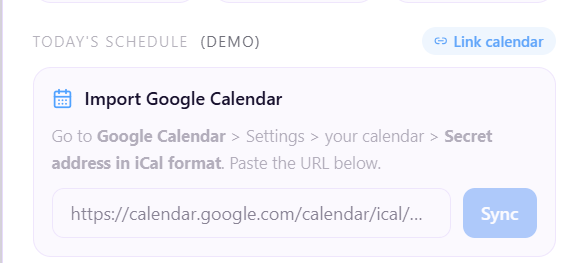
- Auto-detection of invisible work (calendar + message + routine signals) to reduce logging burden.
- Shared task assignment and rotation (“who owns school admin this week?”).
- Smarter nudges (tone testing, contextual prompts, summarised weekly insights).
- Real partner rewards: integrate discount codes/offers that encourage appreciation without gamifying relationships.
- Expand beyond households into teams/schools/community groups where invisible coordination labour also shows up.
Built With
- api
- audio
- css
- frontend:
- react
- speech
- styling:
- tailwind
- typescript
- usereducer
- web


Log in or sign up for Devpost to join the conversation.