-
-
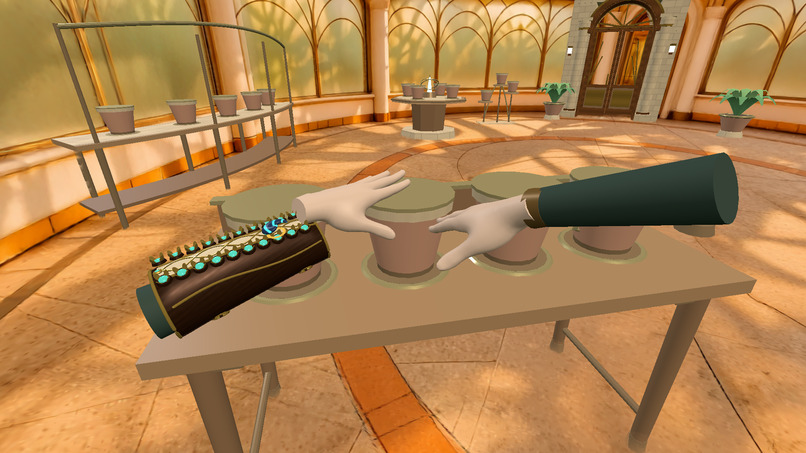
planting
-
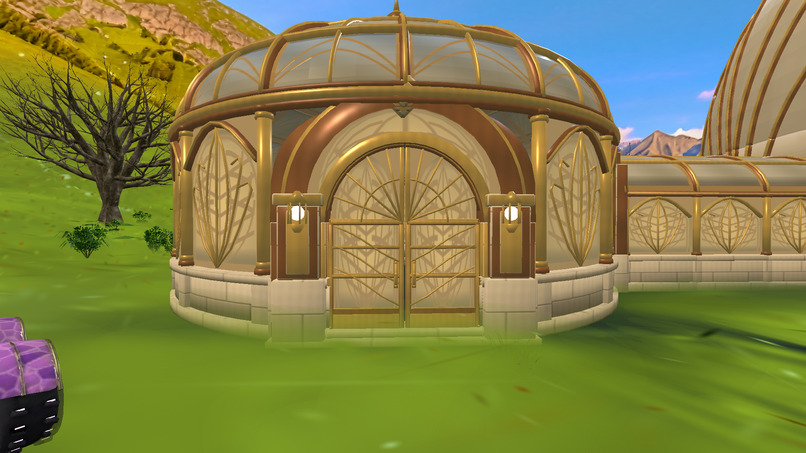
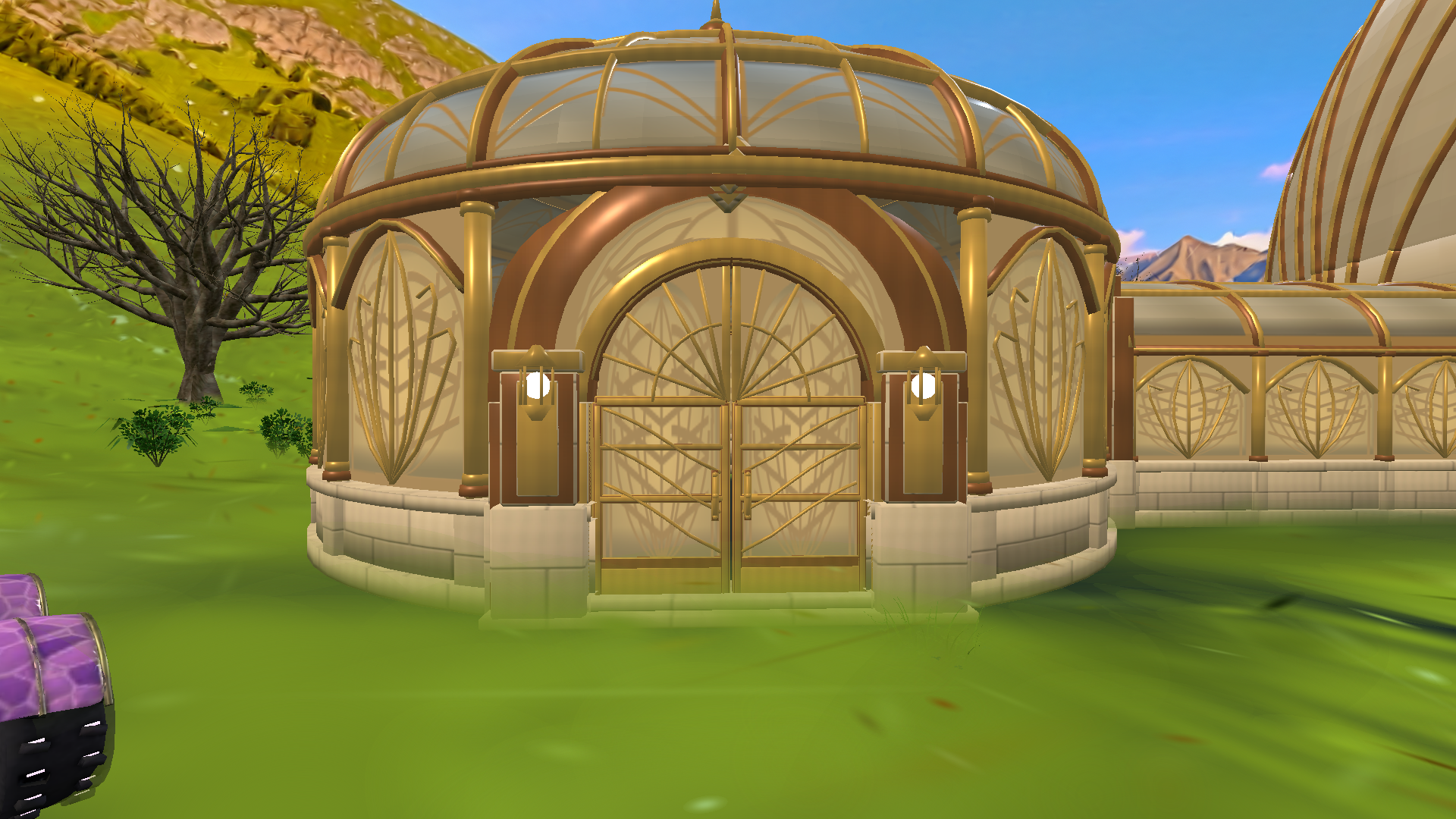
The Greenhouse
-
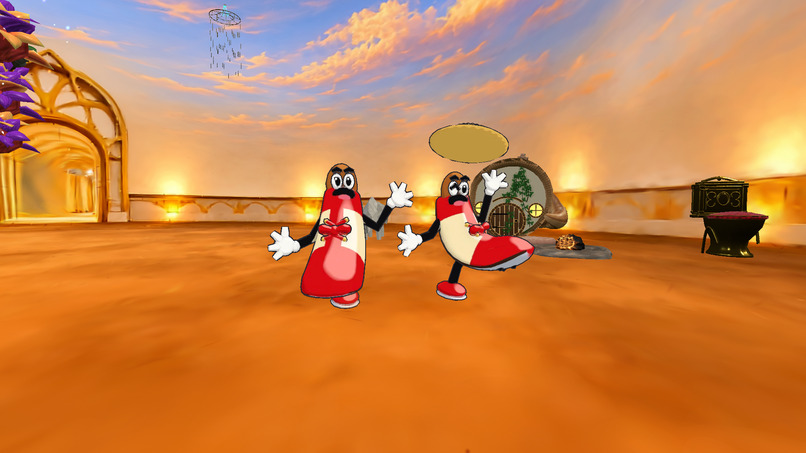
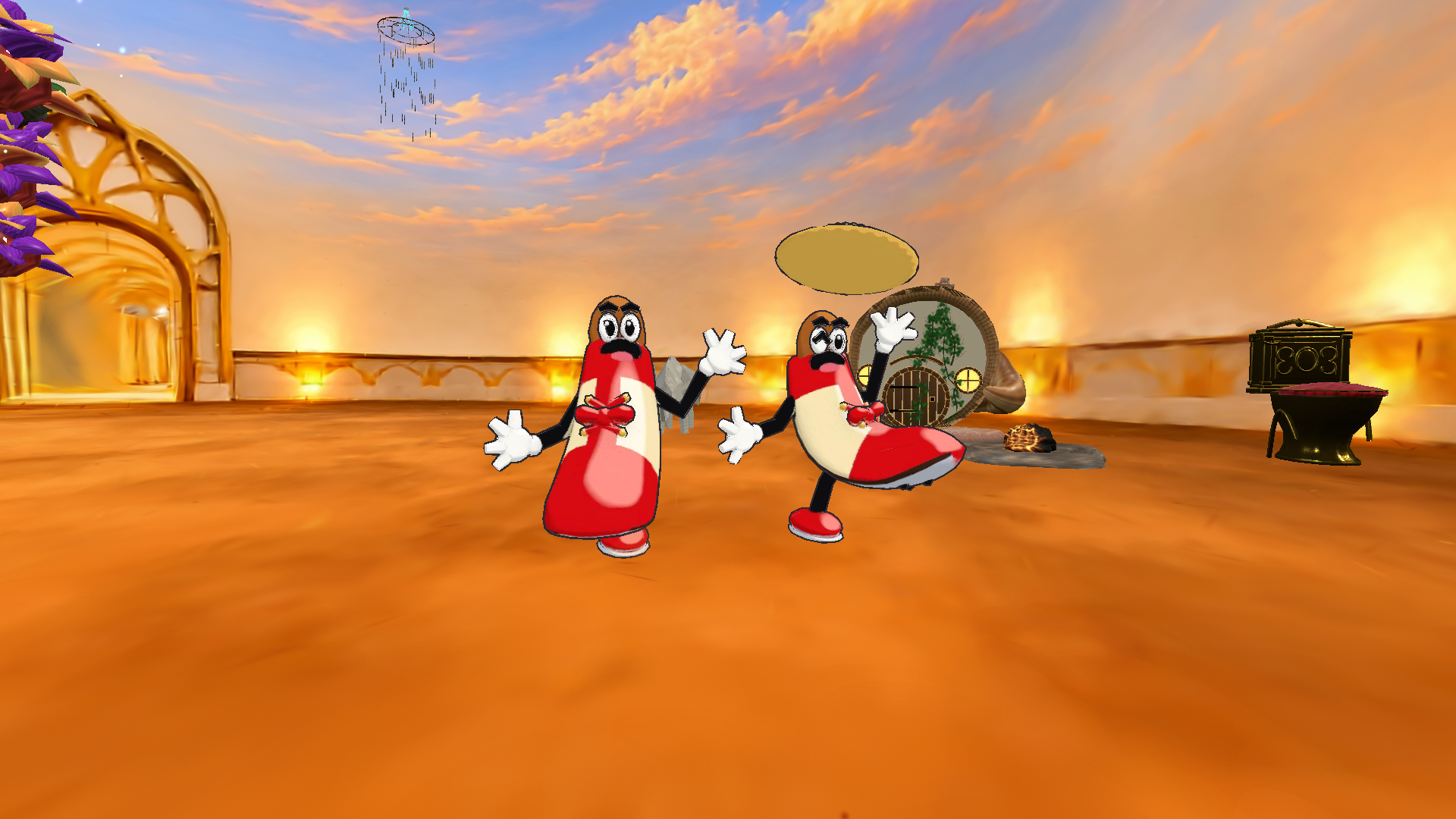
dancing shoes
-
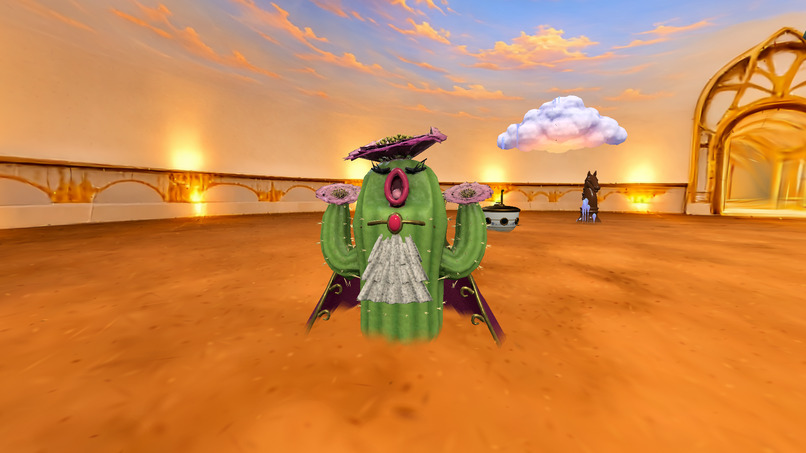
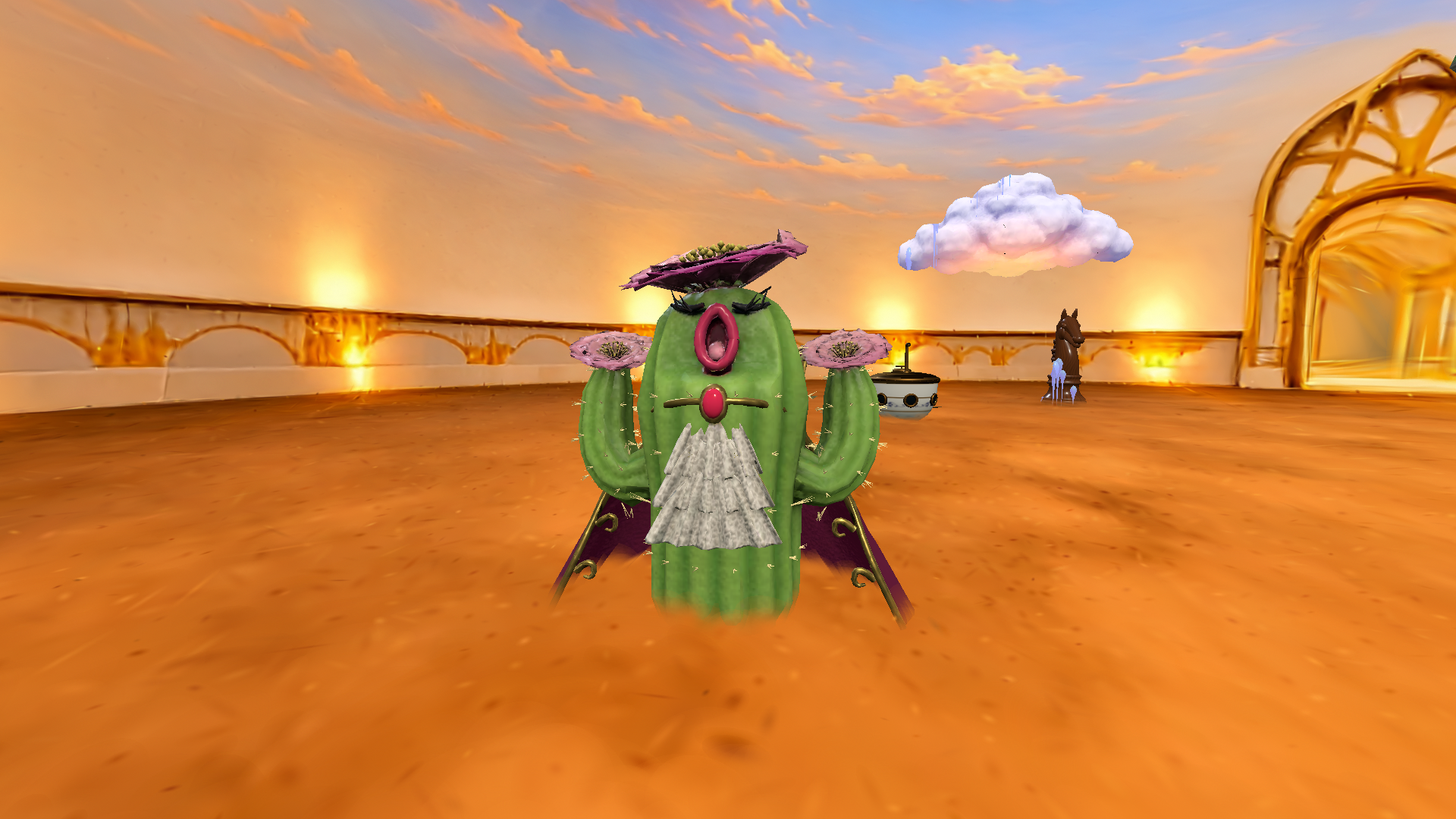
the opera cactus
-
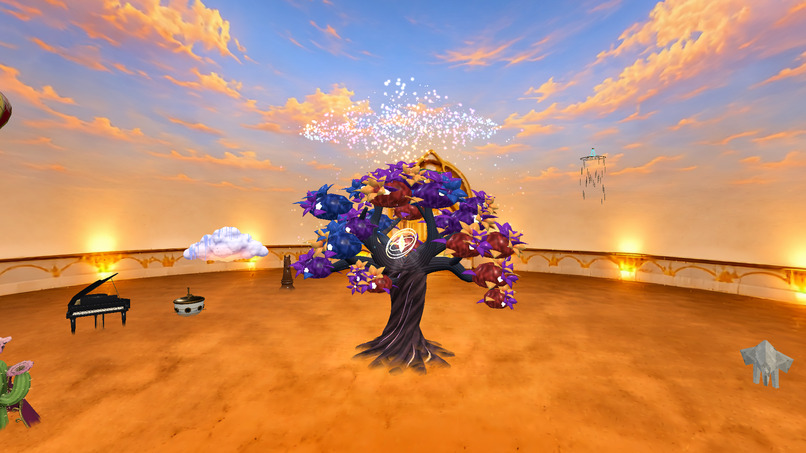
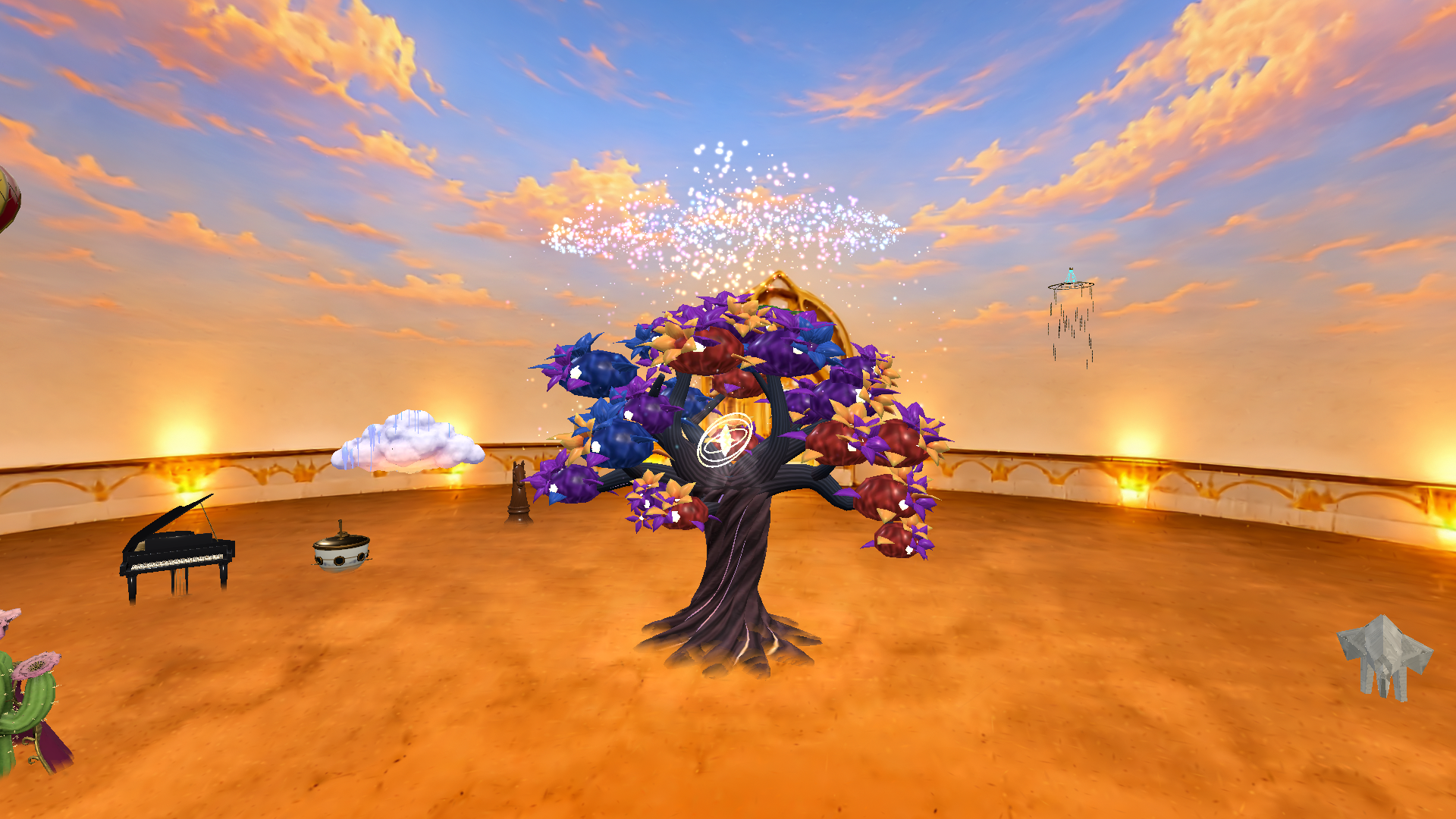
the star tree
-
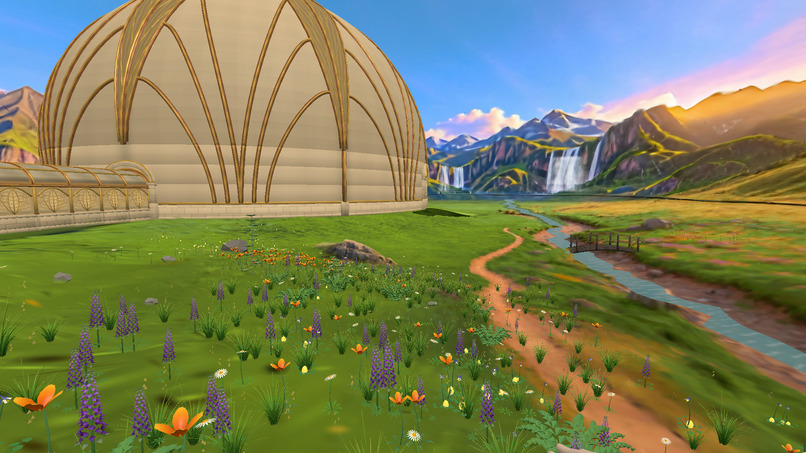
the biodome
-
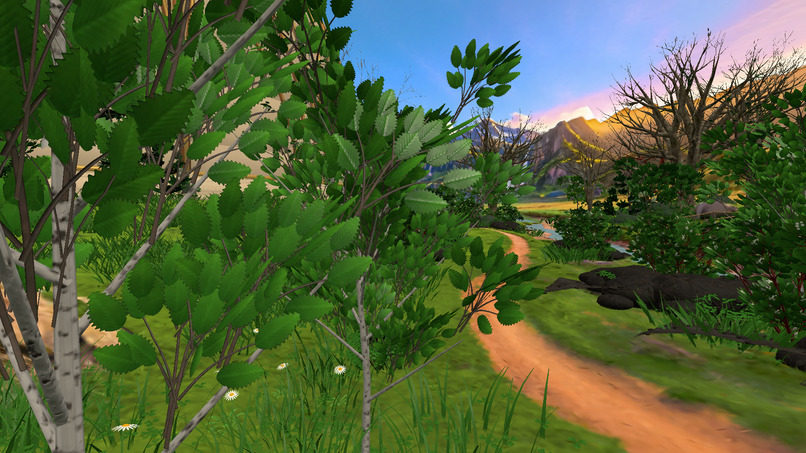
seeds trail
SEEDS — A World of Hidden Possibilities
Inspiration
What if the most extraordinary things in the world were hiding in the most ordinary places?
SEEDS began with a fascination I've always had with discovery. That childhood feeling of turning over a stone, searching through tall grass, or investigating something simply because you wonder what might be there.
I wanted to capture that feeling in virtual reality—not through glowing markers, predetermined objectives, or endless instructions, but through curiosity itself.
What if the environment rewarded you simply for exploring it? What if something seemingly insignificant could grow into something magnificent?
That question became SEEDS.
What It Does
SEEDS is a hands-first virtual reality experience where exploration leads to discovery, and discovery transforms the world around you.
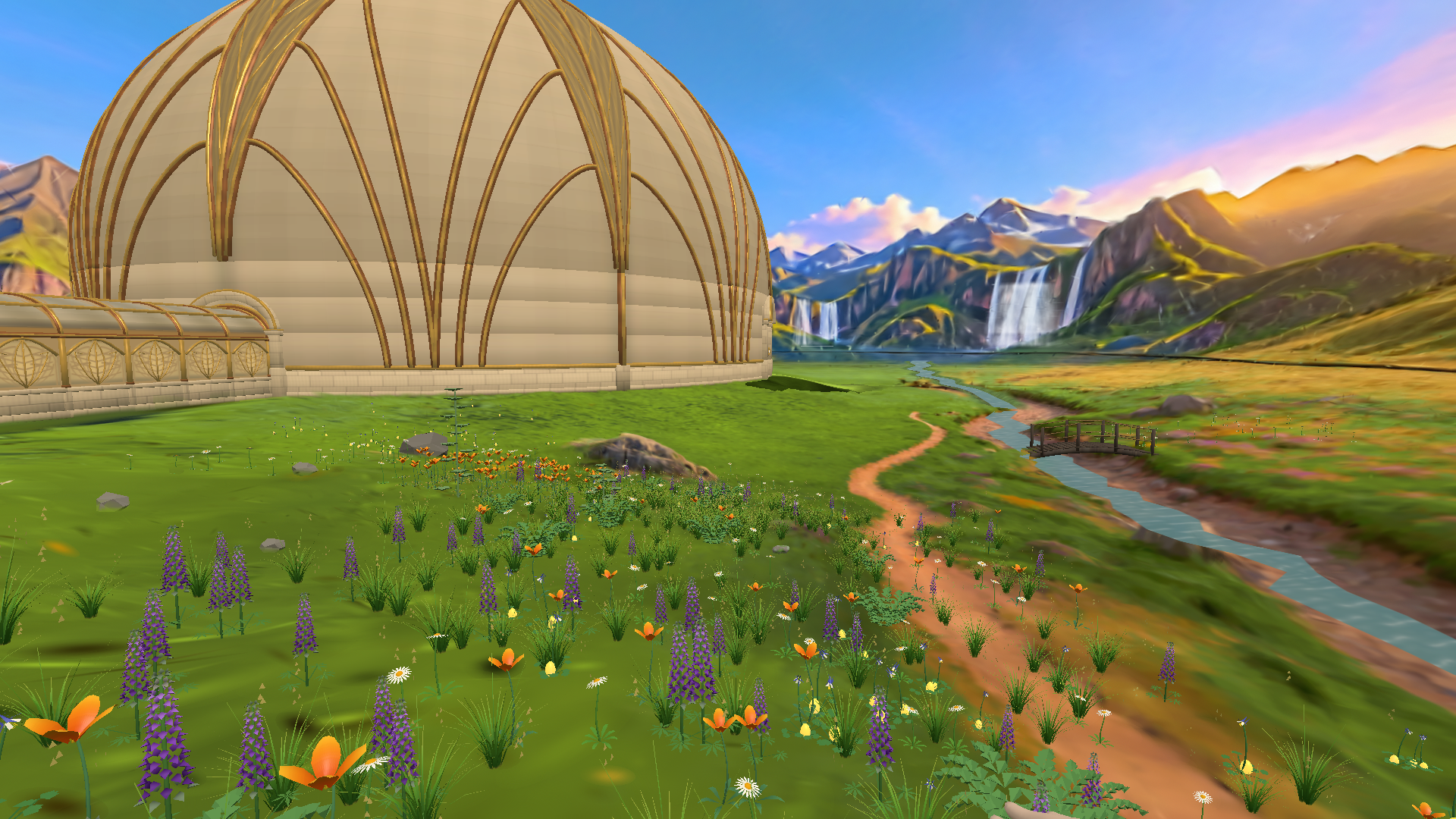
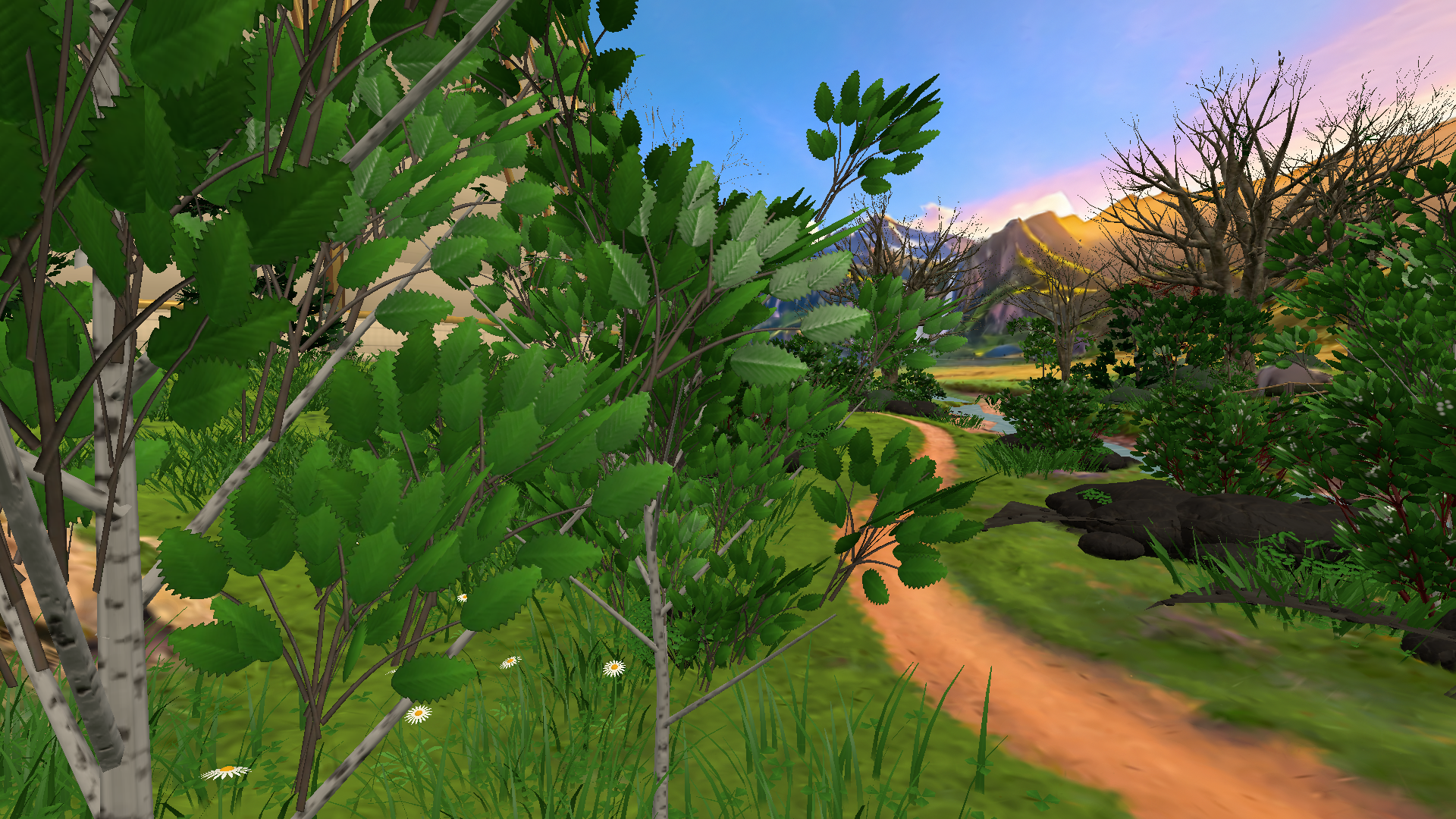
Players enter a secluded valley surrounded by mountains, winding streams, wildflowers, and ancient trees. Hidden throughout this landscape are mysterious Seeds.
Using natural hand interactions, players search beneath vegetation, investigate rocks, and explore overlooked corners of the environment.
Each Seed represents an unknown possibility.
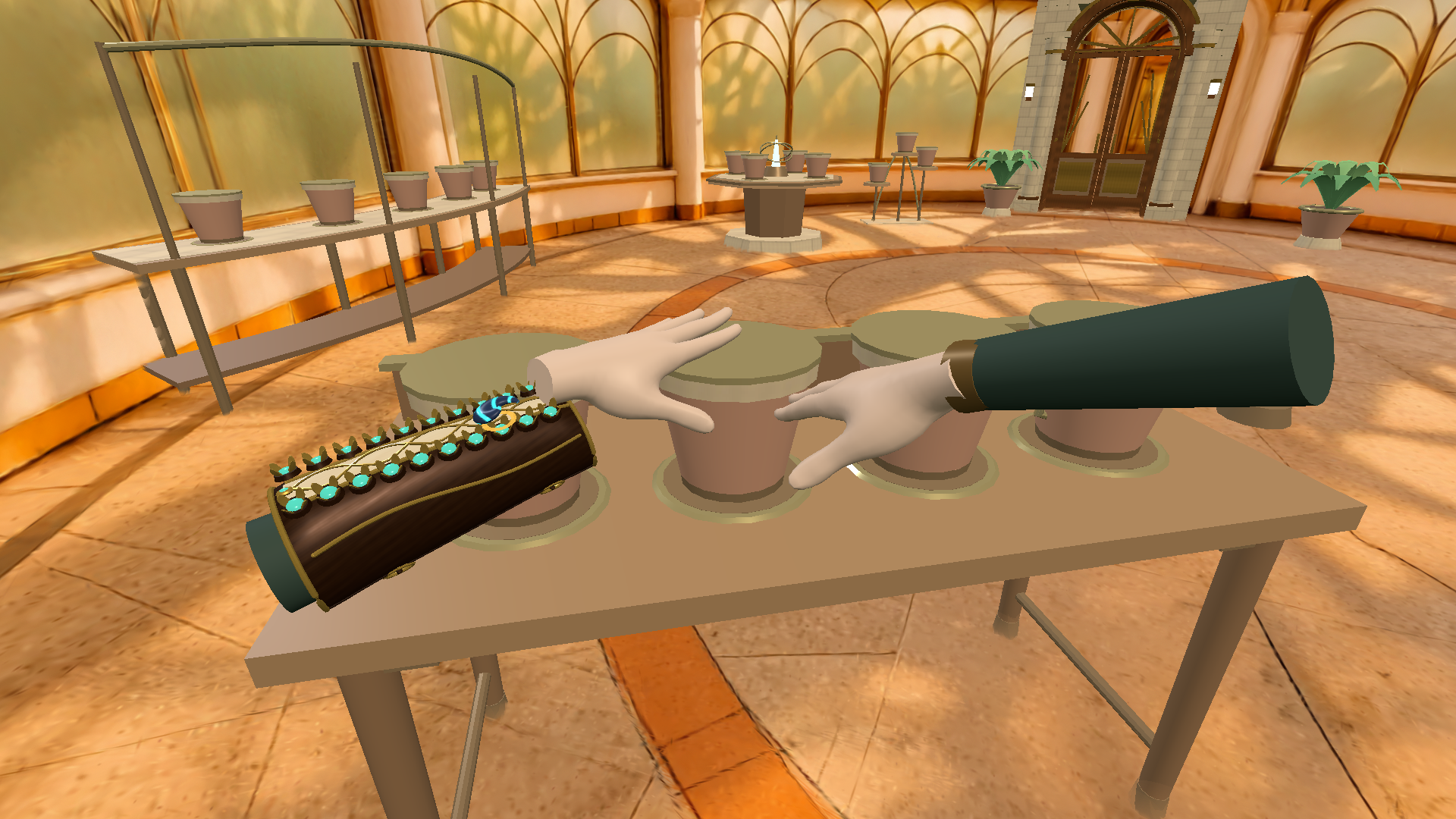
Back at the greenhouse, Seeds can be planted and nurtured into unexpected discoveries. Some may be beautiful. Others strange, living, useful, or seemingly impossible.
At the heart of this experience is a monumental biodome—an evolving sanctuary intended to become home to the extraordinary things players discover.
One of its central discoveries is the Star Tree, which begins as something remarkably small but has the potential to become the centerpiece of the entire sanctuary.
SEEDS isn't simply about finding things.
It's about discovering what those things can become.
How I Built It
SEEDS is being developed for Meta Quest using WebXR, Meta's Immersive Web SDK, TypeScript, Three.js, and Havok physics.
The project brings together immersive environmental rendering, hand tracking, physics-based interactions, and procedural vegetation behavior.
One of the most important technical approaches involves making vegetation respond to the player's hands without requiring expensive physical simulation for every individual plant.
By combining instanced geometry with lightweight shader-driven deformation, vegetation can bend and respond while remaining suitable for standalone VR hardware.
The environment combines detailed scenery with optimized interactive areas, allowing visual richness and physical responsiveness to coexist.
A major development priority has been designing around Quest 3's performance constraints, targeting a sustained 72 FPS while maintaining natural interaction and visual atmosphere.
Challenges I Faced
The biggest challenge has been balancing an ambitious visual world with the limitations of standalone VR hardware.
A beautiful environment means very little if interacting with it causes performance problems.
Building SEEDS required addressing complex environmental assets, terrain alignment, vegetation rendering, object physics, and hand-tracking behavior.
Another major challenge has been making interactions intuitive without relying on traditional controllers.
The objective is for players to feel that they're interacting with a real place—not learning a complicated control system.
Every technical decision has forced a balance between what looks impressive and what actually feels convincing inside the headset.
What I Learned
The most important lesson has been that immersion doesn't necessarily come from complexity.
Sometimes the smallest interaction creates the greatest sense of presence.
A patch of grass bending beneath your fingers can be more convincing than an enormous environment that never responds to you.
I've also learned that performance optimization isn't simply a final development step. It has to influence the design from the beginning.
And perhaps most importantly, I've learned that the most memorable experiences don't always need to tell players exactly what to do.
Sometimes giving them something worth being curious about is enough.
Accomplishments I'm Proud Of
I'm proud of developing the foundation for a discovery experience where the world itself becomes part of the gameplay.
The combination of responsive vegetation, physical interaction, environmental exploration, and unexpected transformations gives SEEDS a distinct identity.
I'm equally proud of establishing a visual direction that feels peaceful, mysterious, and full of possibility.
The ambition isn't just to create a beautiful place to visit.
It's to create a place players become emotionally invested in changing.
What's Next
The future of SEEDS is about expanding the possibilities of discovery.
I envision an ever-growing collection of unusual creations, each with its own personality, behavior, or purpose.
As players continue discovering and planting Seeds, their sanctuary could become an increasingly extraordinary place, filled with things they never expected to find.
Eventually, I want to explore bringing this concept into mixed reality, where familiar real-world environments could become places of unexpected discovery.
Imagine sitting in a coffee shop, moving an ordinary object aside, and discovering something extraordinary hiding beneath it.
The boundaries between the virtual and physical worlds could become another opportunity for curiosity.
But everything begins with one simple moment.
You reach into the grass.
You find a Seed.
And you have absolutely no idea what it might become.
Built With
- blender
- gaussian-splatting
- glsl
- havok-physics
- javascript
- meta-immersive-web-sdk
- meta-quest-3
- meta-quest-browser
- particle
- supersplat
- three.js
- typescript
- webgl
- webxr
