-
-
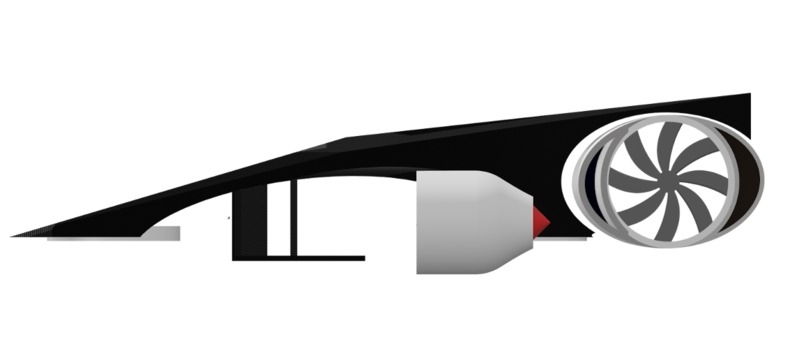
Drone Angle 2
-
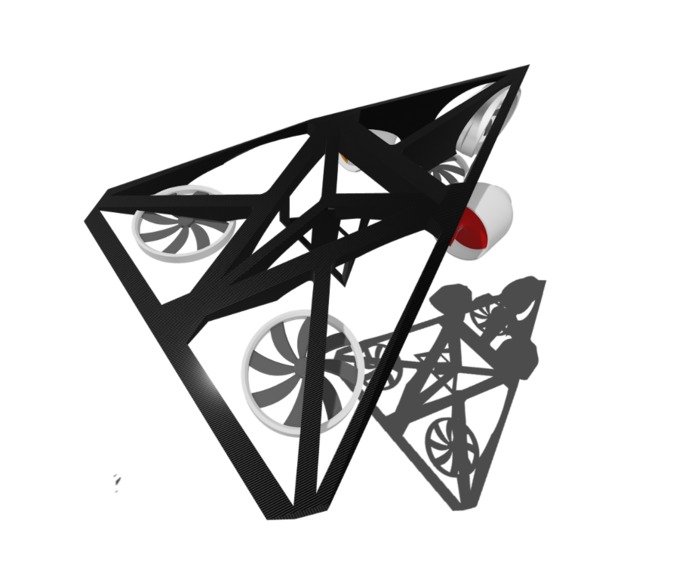
Drone Angle 1
-
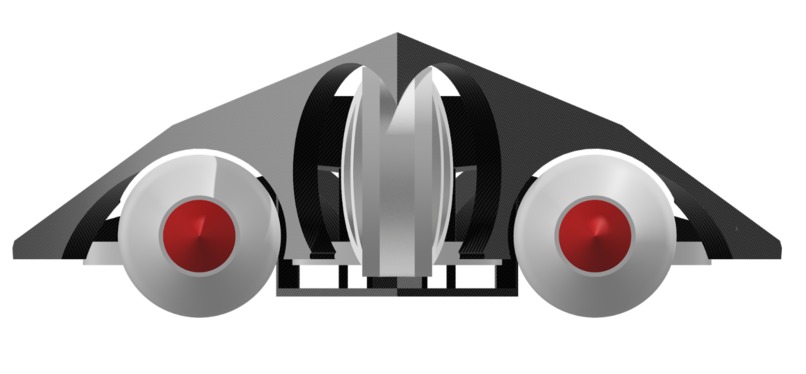
Drone Angle 4
-
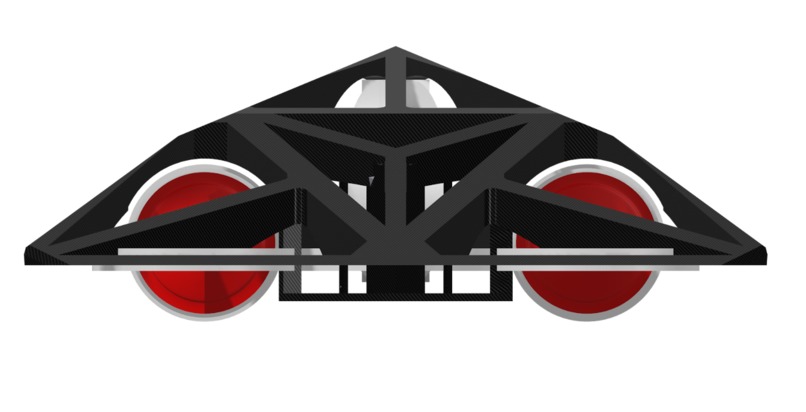
Drone Angle 3
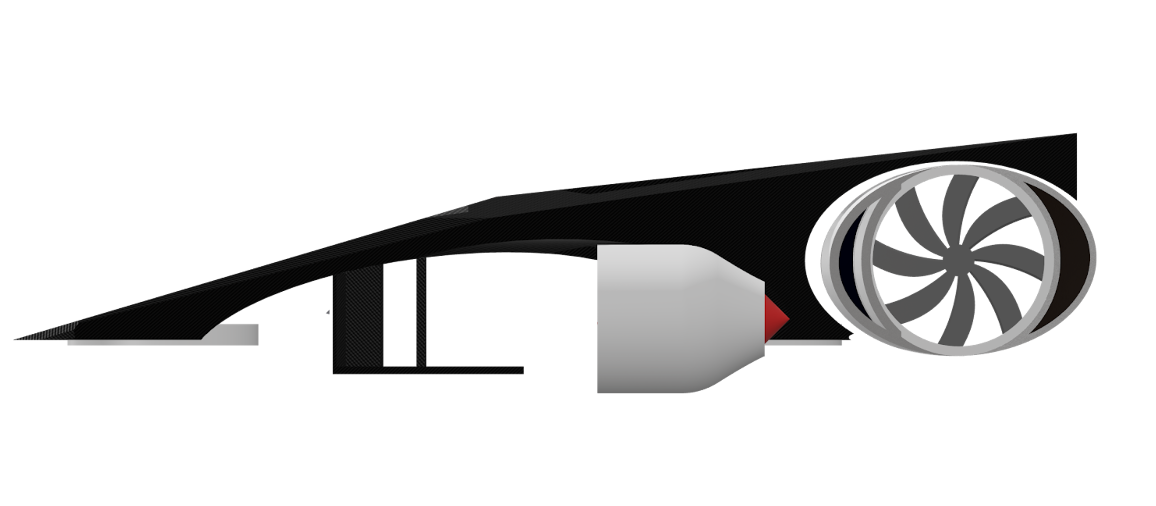
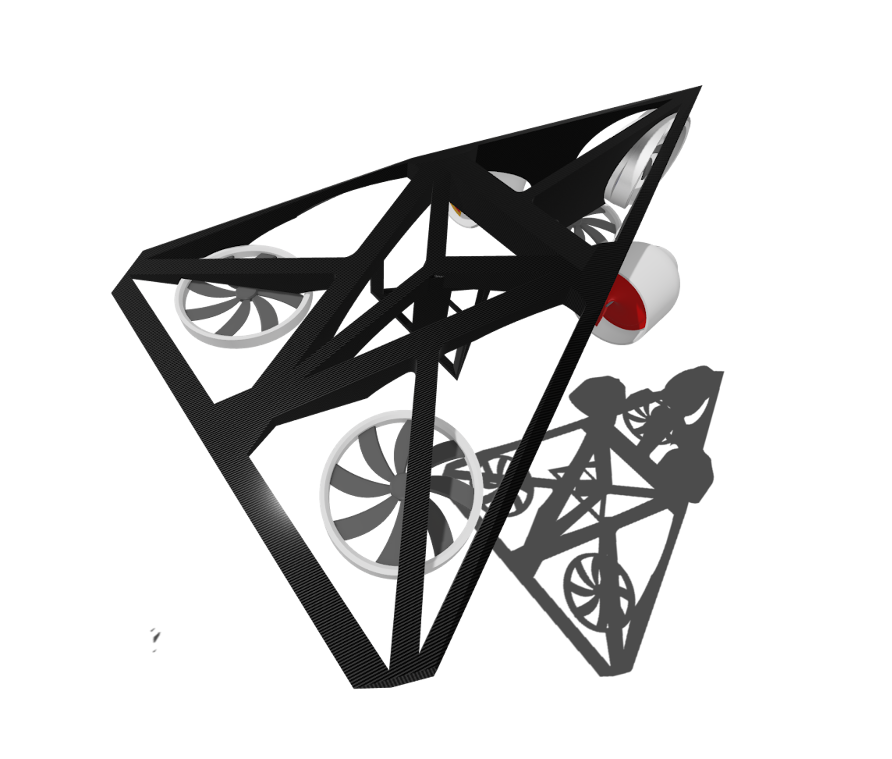
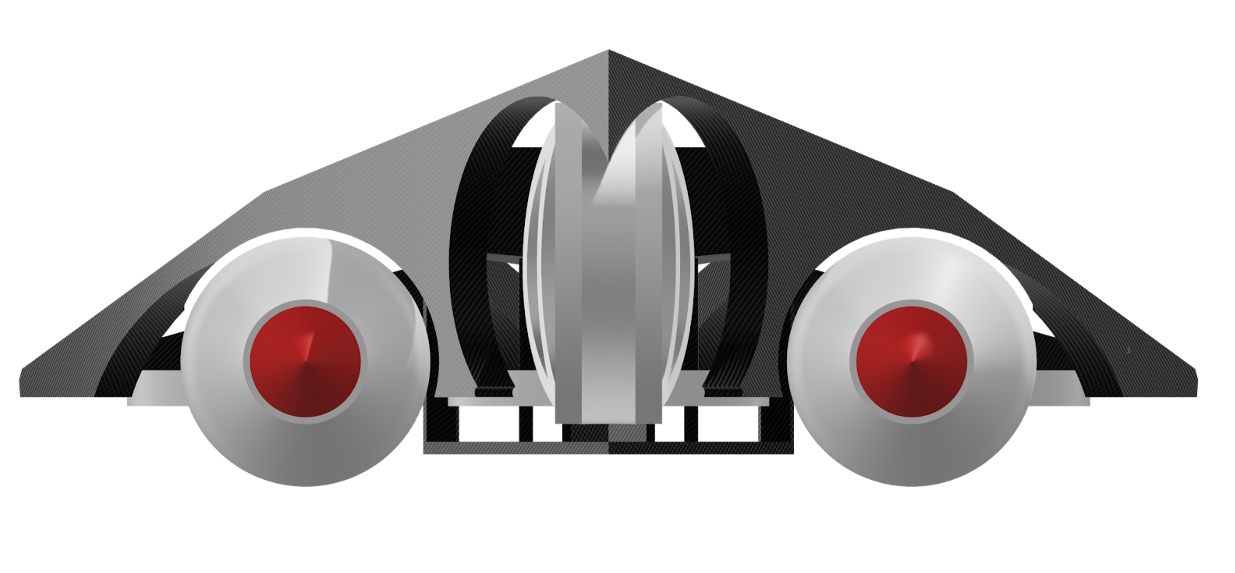
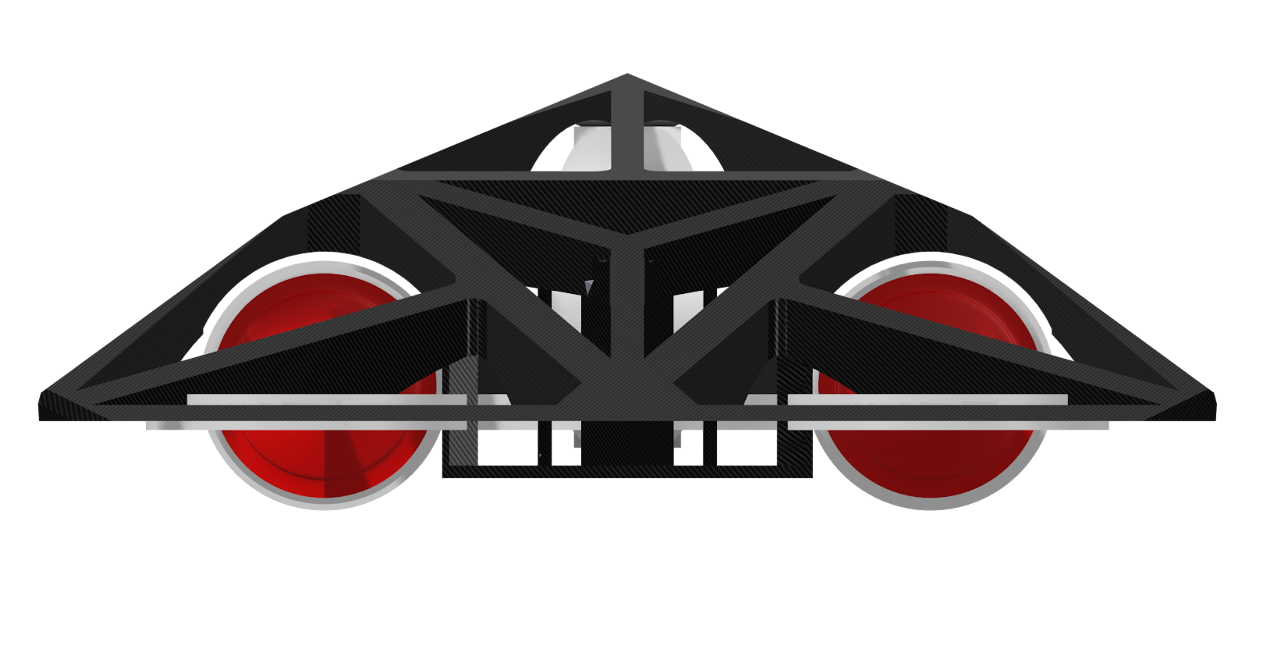
Inspiration
S.E.E.D. is inspired by the growing global problem of environmental pollution, especially in the overwhelming presence of litter in oceans, beaches, and other natural habitats. While efforts exist to battle pollution, we realized there's a big gap in how trash hotspots are identified and cleaned efficiently. Working with current technology, such as satellites, machine learning, and drones, just seemed like a very innovative but realistic approach to this problem. Our goal is to develop a scalable system that helps cities and governments tackle debris while promoting sustainability and preserving ecosystems.
What it does
S.E.E.D stands for Sustainable Environmental Eradication of Debris, a smart, end-to-end cleanup system to deal with litter at targeted areas, especially coasts and oceans. It starts with satellites in space that use spectral analysis to identify and map trash hotspots, such as large plastic concentrations. These hotspots are then paired with the nearest garbage disposal units using geolocation. Specialized drones with machine learning and cameras, afterwards, go on site equipped to detect, identify, and collect litter with some sort of claw or net system. It'll be universally adaptable, and waste will subsequently be moved to appropriate waste disposal units, ensuring that the environment becomes cleaner and much healthier.
How we built it
We built S.E.E.D by combining various state-of-the-art technologies. The satellite mapping makes use of spectral imaging data in order to detect and analyze trash patterns. In the drone system, we designed and programmed a machine learning algorithm, trained on datasets of common types of litter, that allows for the detection and identification with great accuracy. The drones are fitted with high-resolution cameras and physical mechanisms like nets or claws for trash collection. We integrated a geolocation system to map efficient cleanup routes, ensuring seamless transportation to disposal units. All of this was coordinated through a central dashboard interface in order to make the operations seamless.
Challenges we ran into
The big challenge was the complexity of training the machine learning model to detect trash in a variety of conditions, such as lighting, weather, and different types of terrain. Other challenges included ensuring that the collection mechanisms of the drones were efficient and safe for the environment, without harming local wildlife or ecosystems. It also required overcoming technical barriers in communication and synchronization to integrate satellite data with drone operations in real time. Some tough decisions during development were necessary regarding balancing the cost of the system while ensuring scalability.
Accomplishments that we're proud of
We are proud of how we brought together diverse technologies into a single cohesive system. Successfully training the machine learning model to detect trash with high accuracy was a major milestone, as was designing a functional prototype of the drone collection system. The creation of a framework that is not just an idea, but a practical solution that could be implemented on a global scale, is another achievement. Seeing our vision for S.E.E.D take shape as a potential tool for environmental change was incredibly rewarding.
What we learned
Through this project, we learned the power of collaboration and how multiple technologies can complement each other to provide a solution for real-world problems. We learned about satellite imaging, training a model in machine learning, and also the mechanics of drones. We also learned more about the complications of environmental cleanup and some of the logistics necessary to make a system like S.E.E.D functional. But above all, we learned that big challenges, such as pollution, require both out-of-the-box thinking and a commitment to sustainability.
What's next for S.E.E.D (Sustainable Environmental Eradication of Debris)
In the future, we will be working on refining the drone technology for efficiency and cost reduction in operations. The scope of S.E.E.D will be expanded to tackle urban litter while ensuring safety in populated areas. The scalability of the system is enhanced by collaborating with environmental organizations, governments, and private companies. Another exciting possibility is the integration of AI-powered analysis, which can predict future trash hotspots from patterns in waste generation. Finally, we see S.E.E.D. becoming a worldwide effort that ushers in a cleaner, healthier planet.
Built With
- css
- html
- javascript
- python
- shaper3d


Log in or sign up for Devpost to join the conversation.