-
-
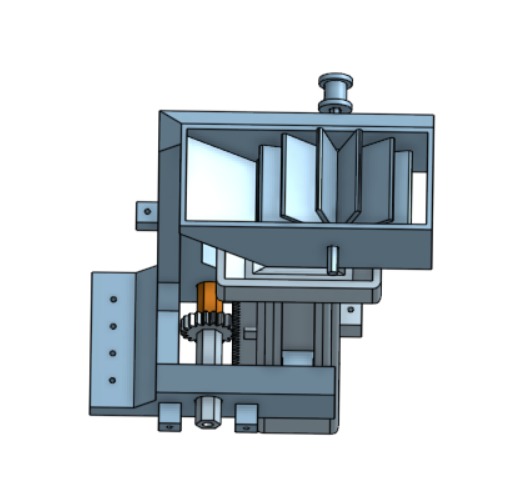
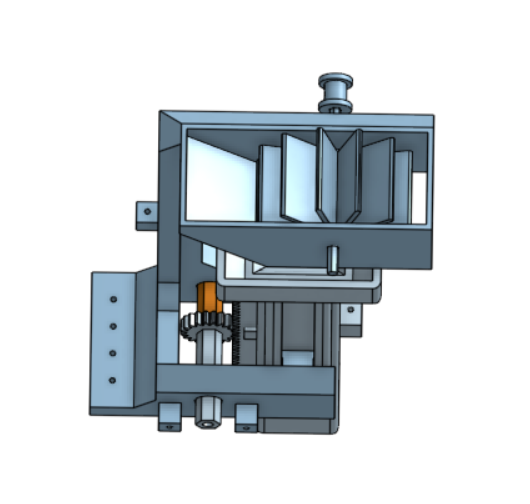
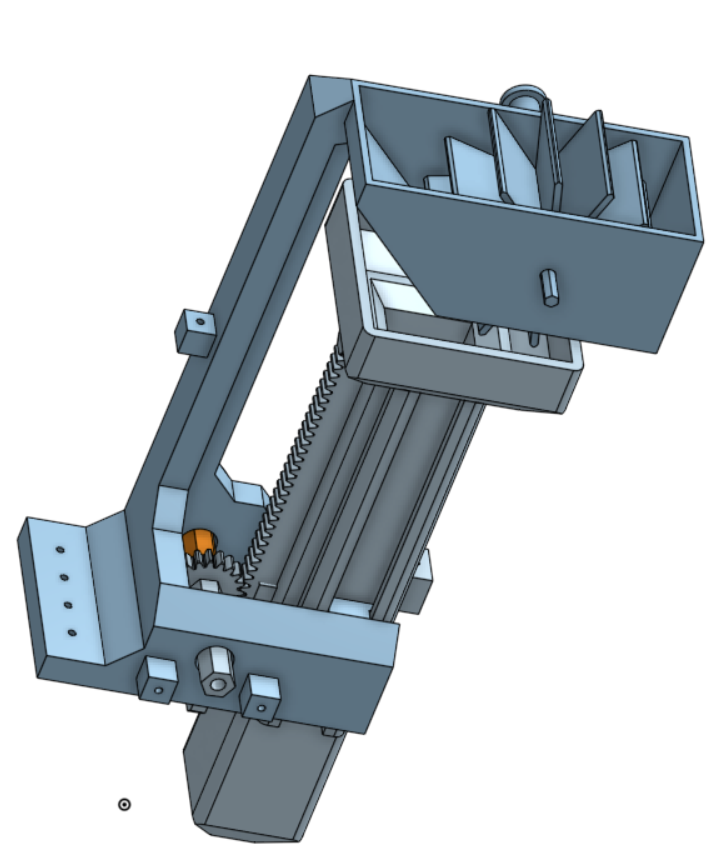
CAD Model Showcasing the dispenser.
-
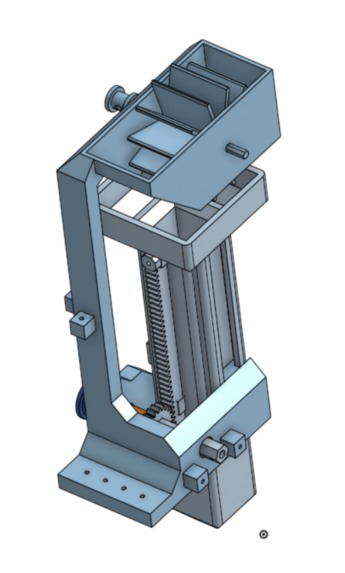
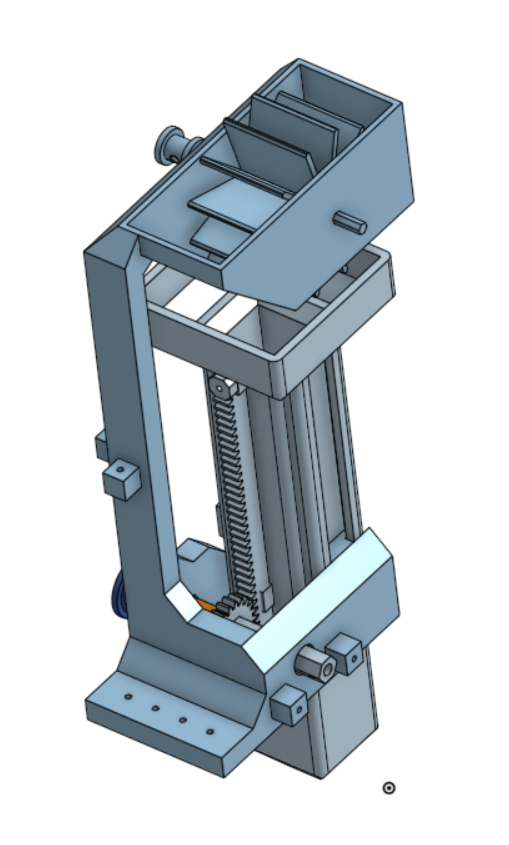
CAD Model Showcasing the injector
-
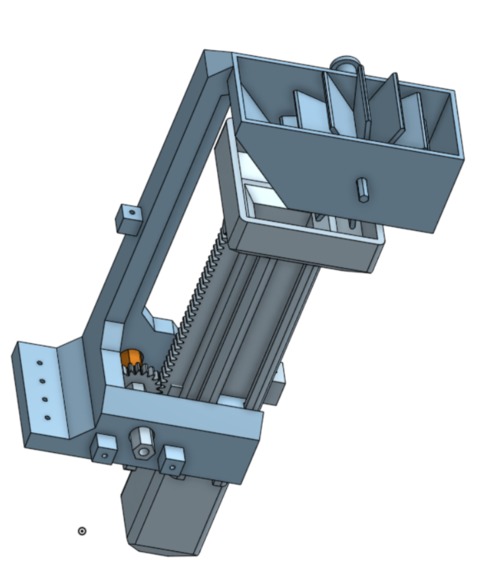
CAD Model Showcasing the rack and pinion
-
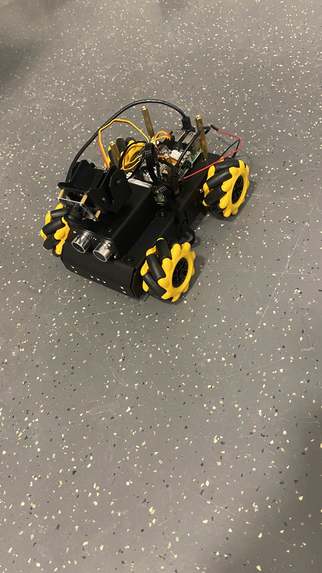
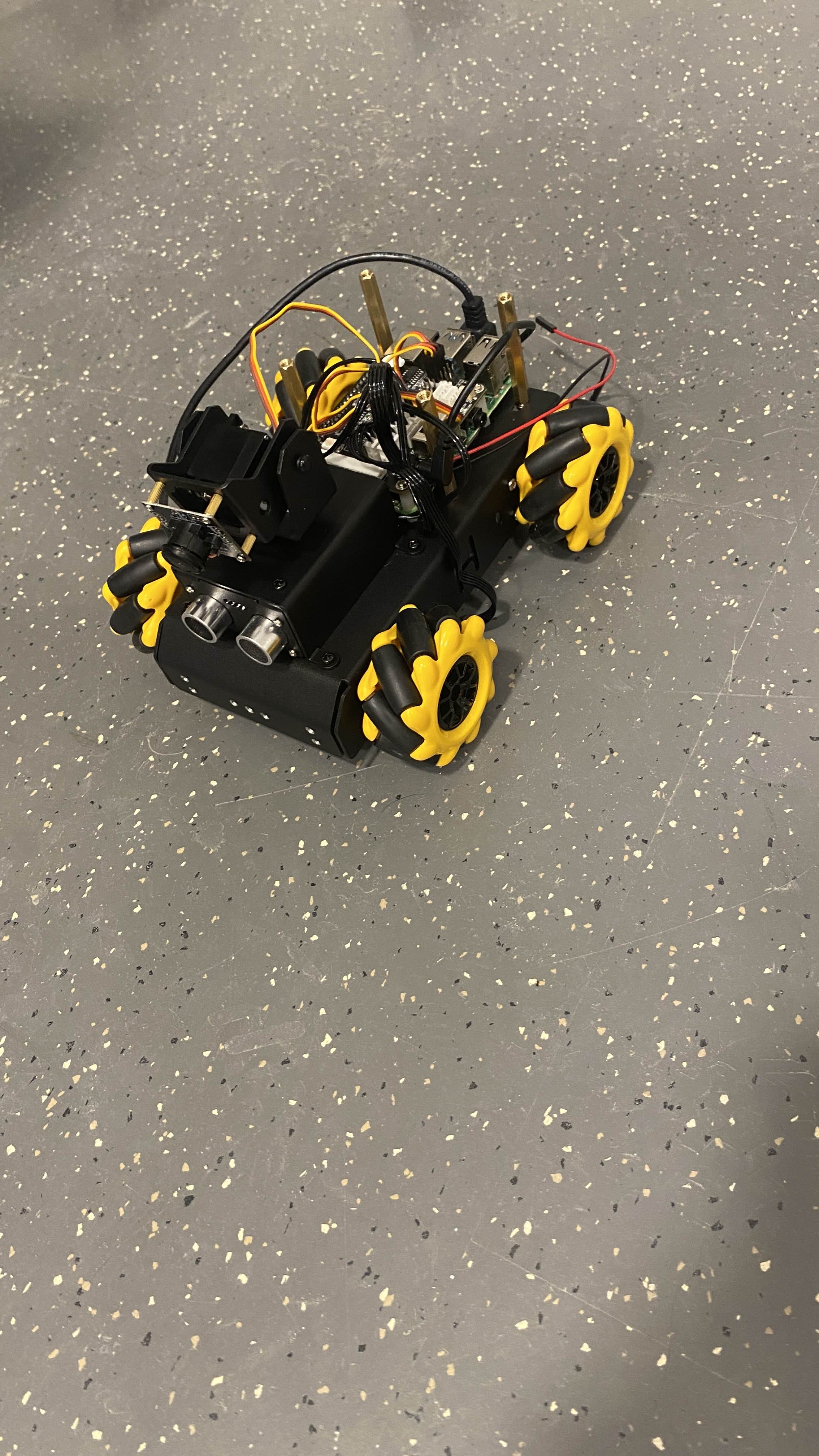
Robot under construction.
-
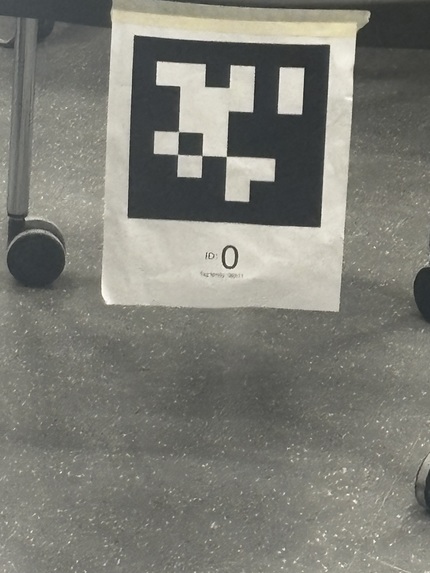
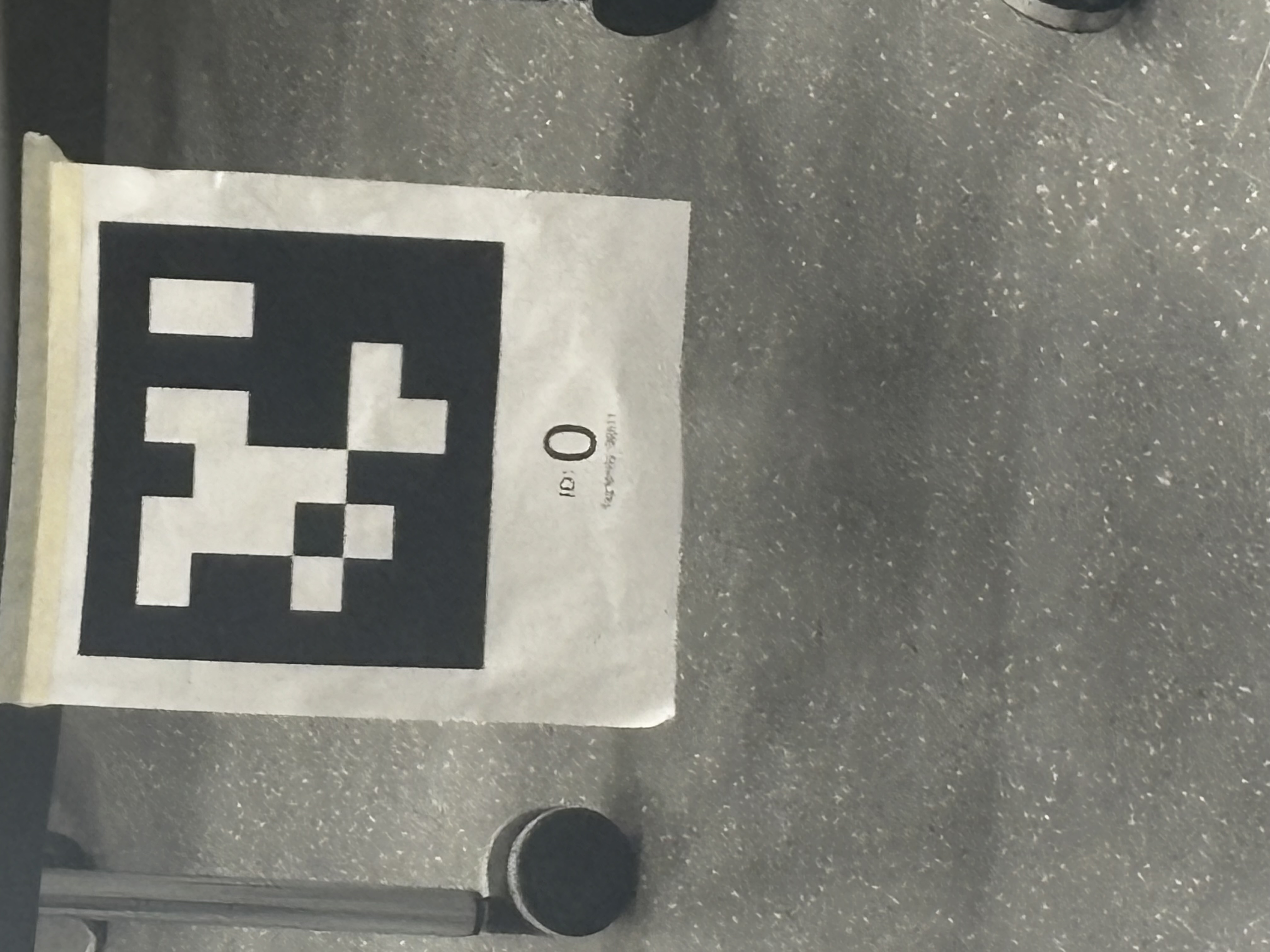
April Tag example
-
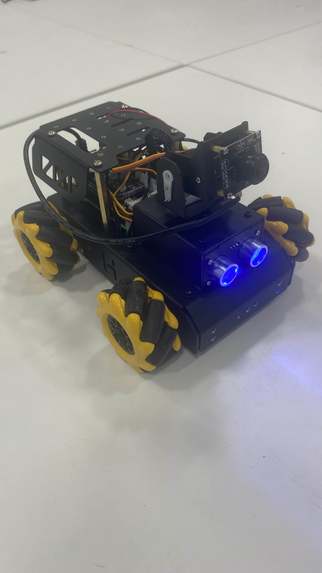
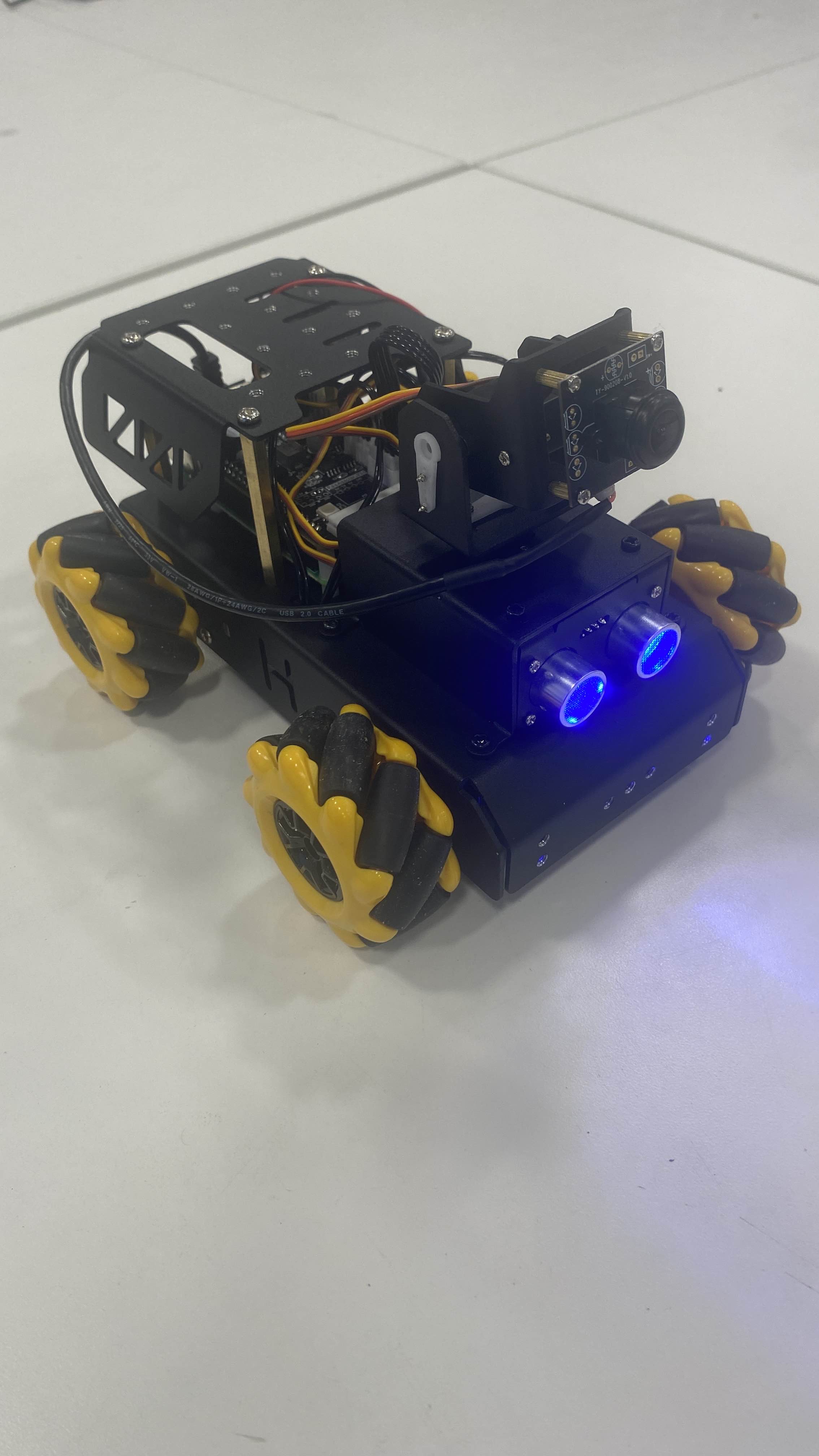
Robot powering up its sensors.
Inspiration
Deforestation is one of the most prevalent environmental issues in the world today. In 2023, the world lost 9.2 million acres of tropical primary forest, which is equivalent to nearly 10 football fields per minute. This loss not only threatens ecology by destroying habitats, but also accelerates climate change.
To combat this crisis, we developed The Seed Dispenser, an autonomous system designed to efficiently plant seeds in deforested areas, promoting reforestation with minimal human intervention.
What it does
The Seed Dispenser is an automated system that plants seeds deep in the ground using a precision injection mechanism. The process involves: Seed Loading: A revolving door mechanism ensures seeds are properly positioned in the dropper. Injection System: A rack-and-pinion mechanism (powered by a motor) drives a dispenser into the soil to plant the seed five inches deep, improving germination rates. Autonomous Operation: The system continuously plants seeds as it moves, repeating this cycle efficiently across a field.
How we built it
Our development process involved a combination of mechanical design, electronics, and software integration:
Mechanical Design: We used Onshape to design and CAD the dispenser mechanism as well as the injector mechanism.
Hardware Integration: The dispenser was to be 3D-printed and mounted onto a Raspberry Pi-powered Rover kit for mobility.
Software Development: We implemented computer vision and control systems using Python with the following libraries:
    OpenCV & pupil_apriltags (for object detection and navigation)
    gpiozero & RPi.GPIO (for motor control)
    HiWonderSDK (for interfacing with the Rover)
Challenges we ran into
Hardware Failures: We encountered several 3D printing failures, which forced us to refine our design and print settings multiple times. Team Challenges: Midway through the project, one of our teammates left, requiring us to reorganize tasks and adapt quickly to meet our deadline. Integration Issues: Getting the mechanical and software components to work seamlessly together was a significant hurdle, particularly with sensor alignment and motor control.
Accomplishments that we're proud of
Although we weren’t able to completely finish our idea and 3D print our product we were very proud of the fact that we were able to integrate mechanical, electronic, and software components to create a functional prototype. As well as overcoming team setbacks and still delivering a working system. And developing a fully autonomous seed-planting mechanism in Onshape with future goals of scalable reforestation solutions.

Log in or sign up for Devpost to join the conversation.