-
-

App Icon
-
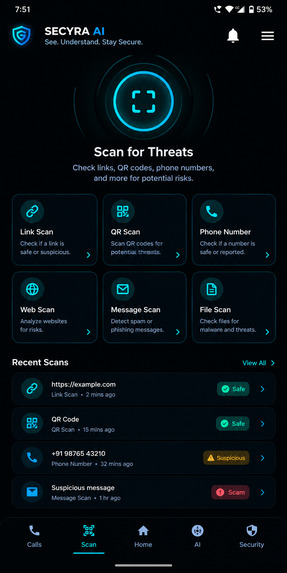
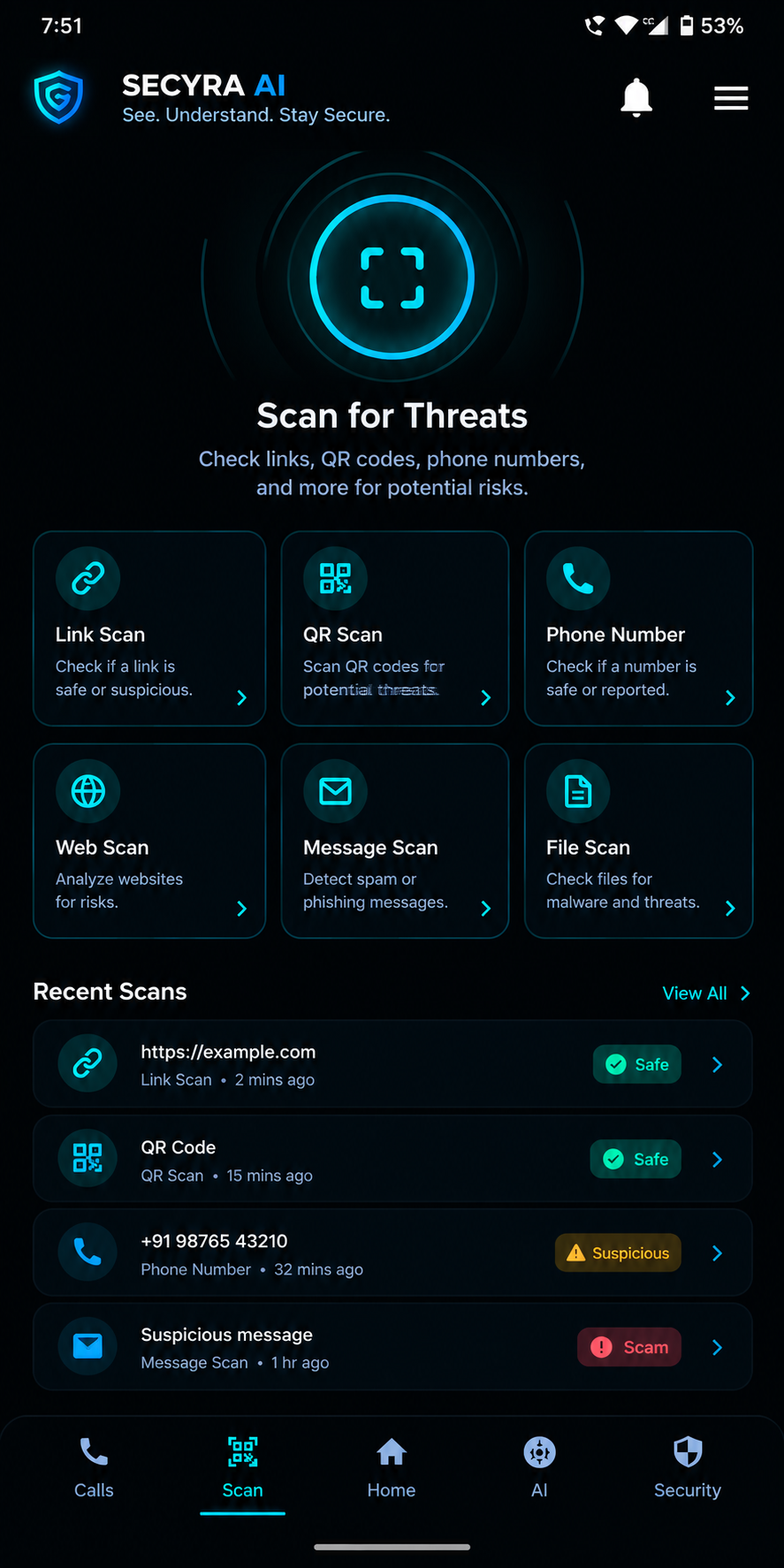
Scan Screen
-
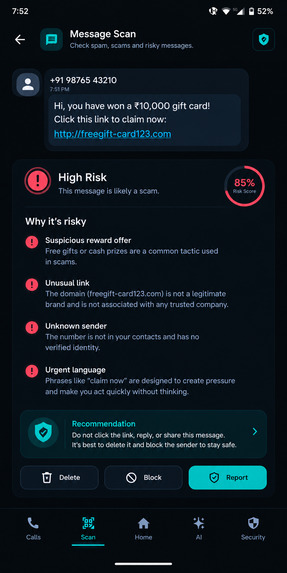
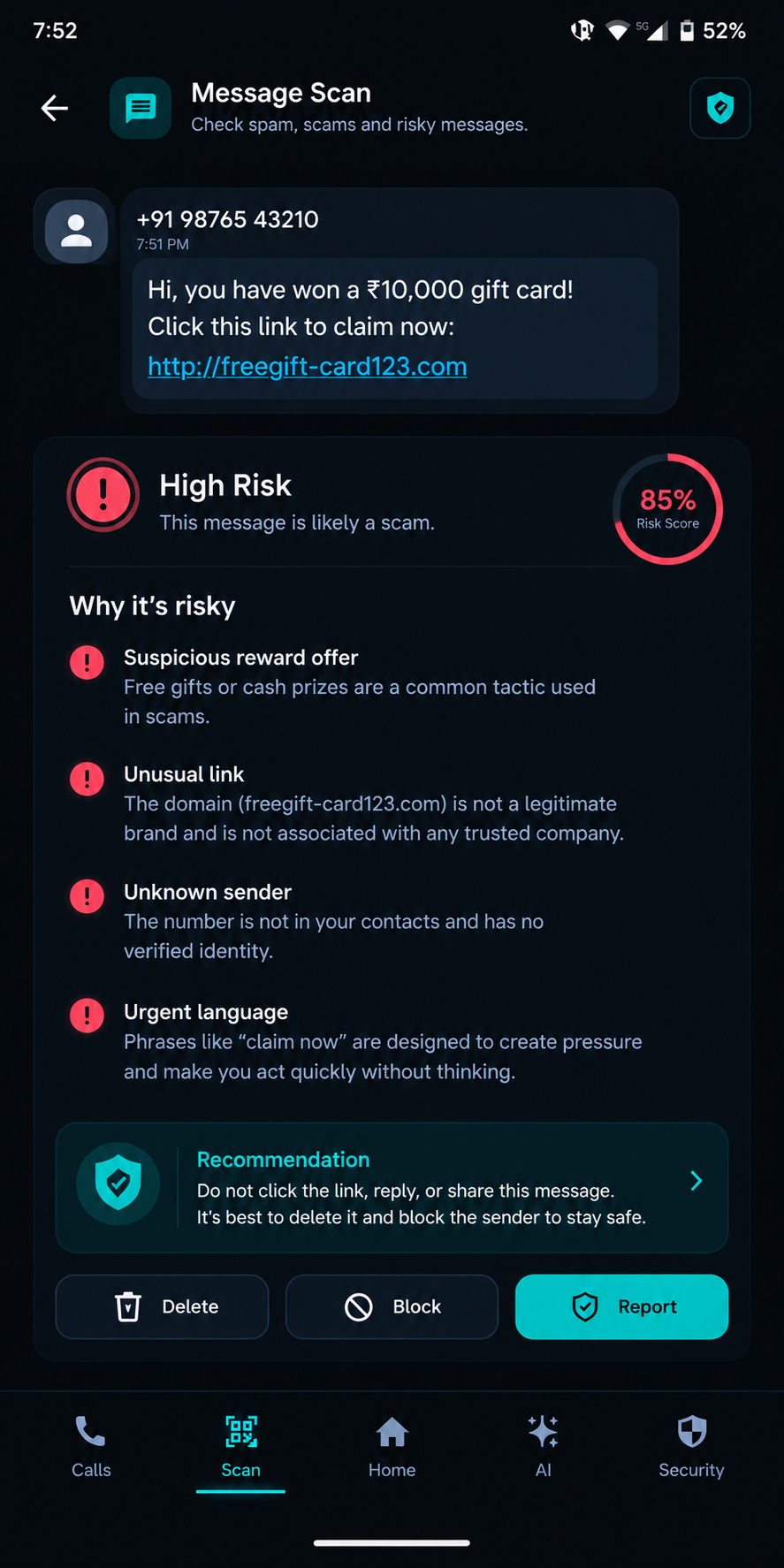
Message Scan
-
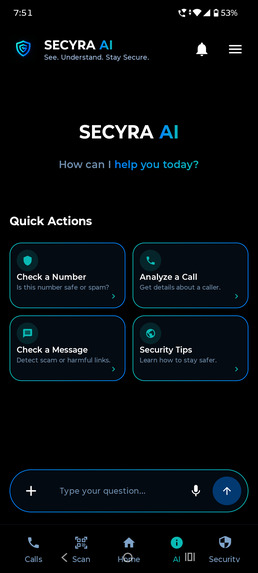
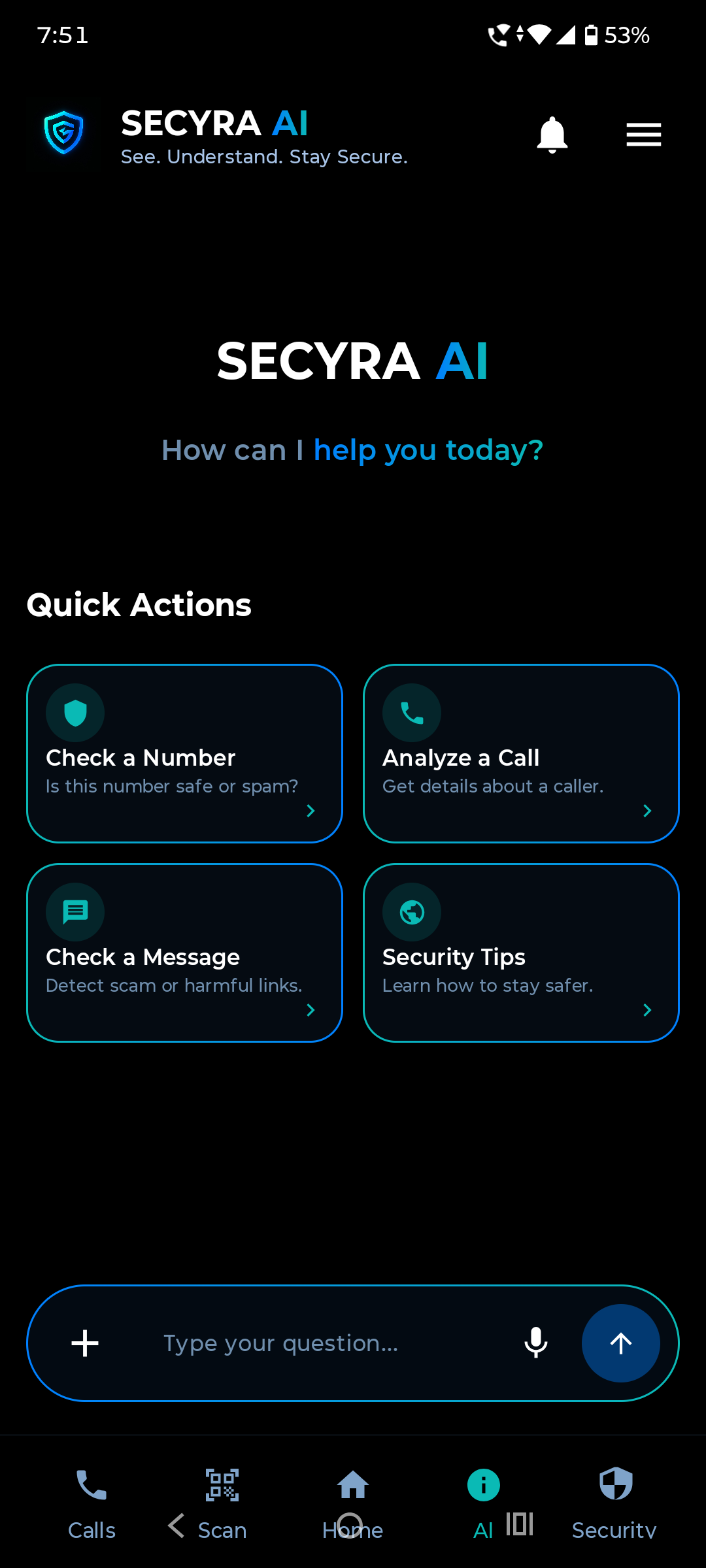
AI Screen
-
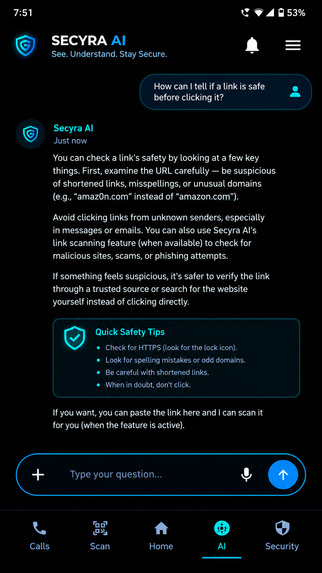
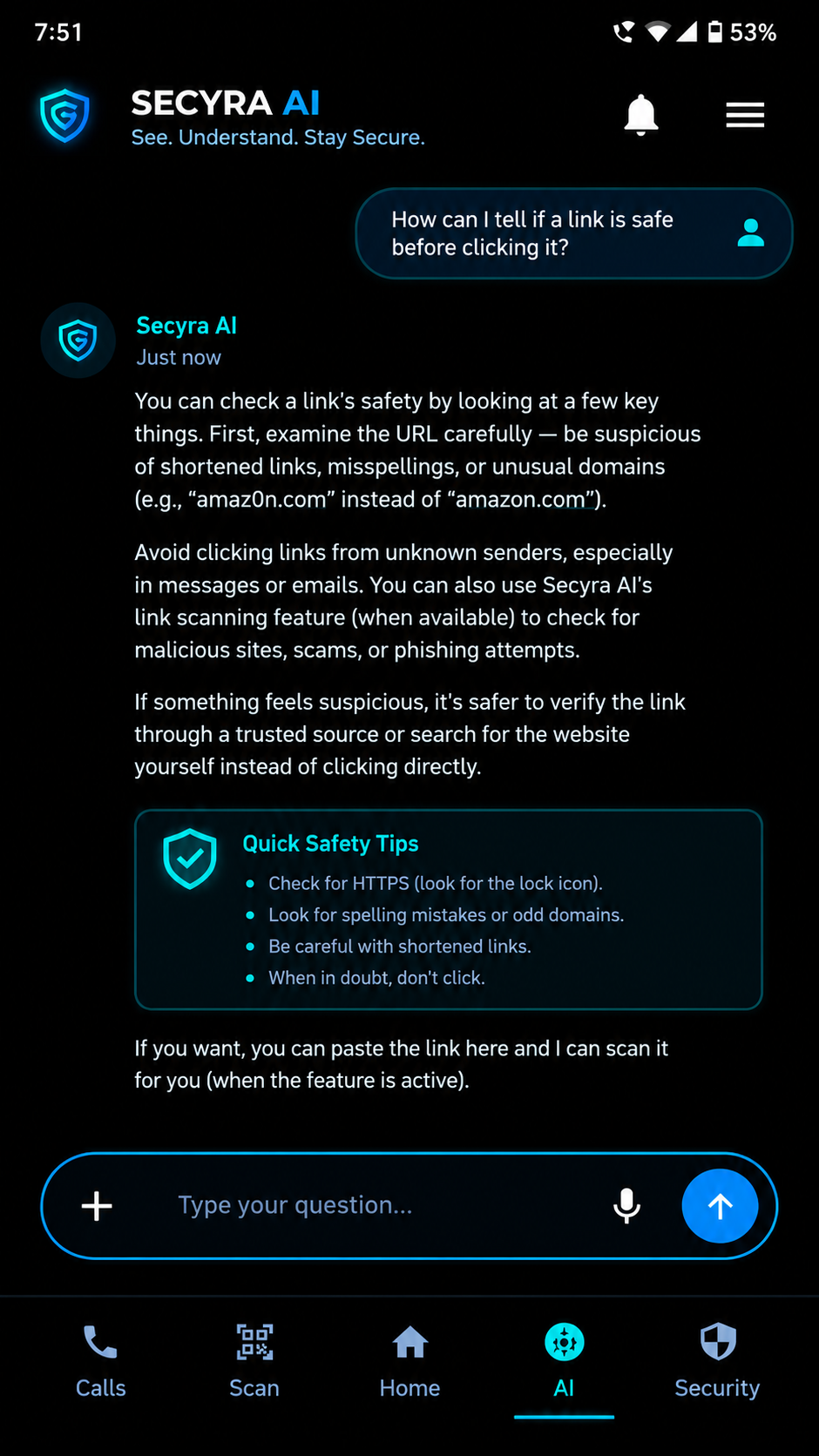
AI Reply
-
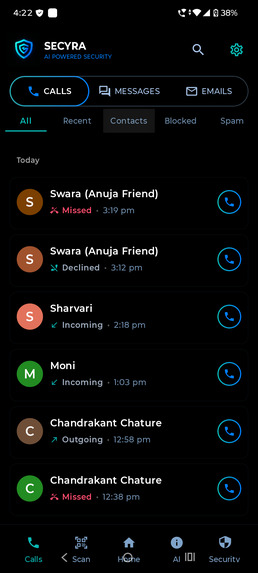
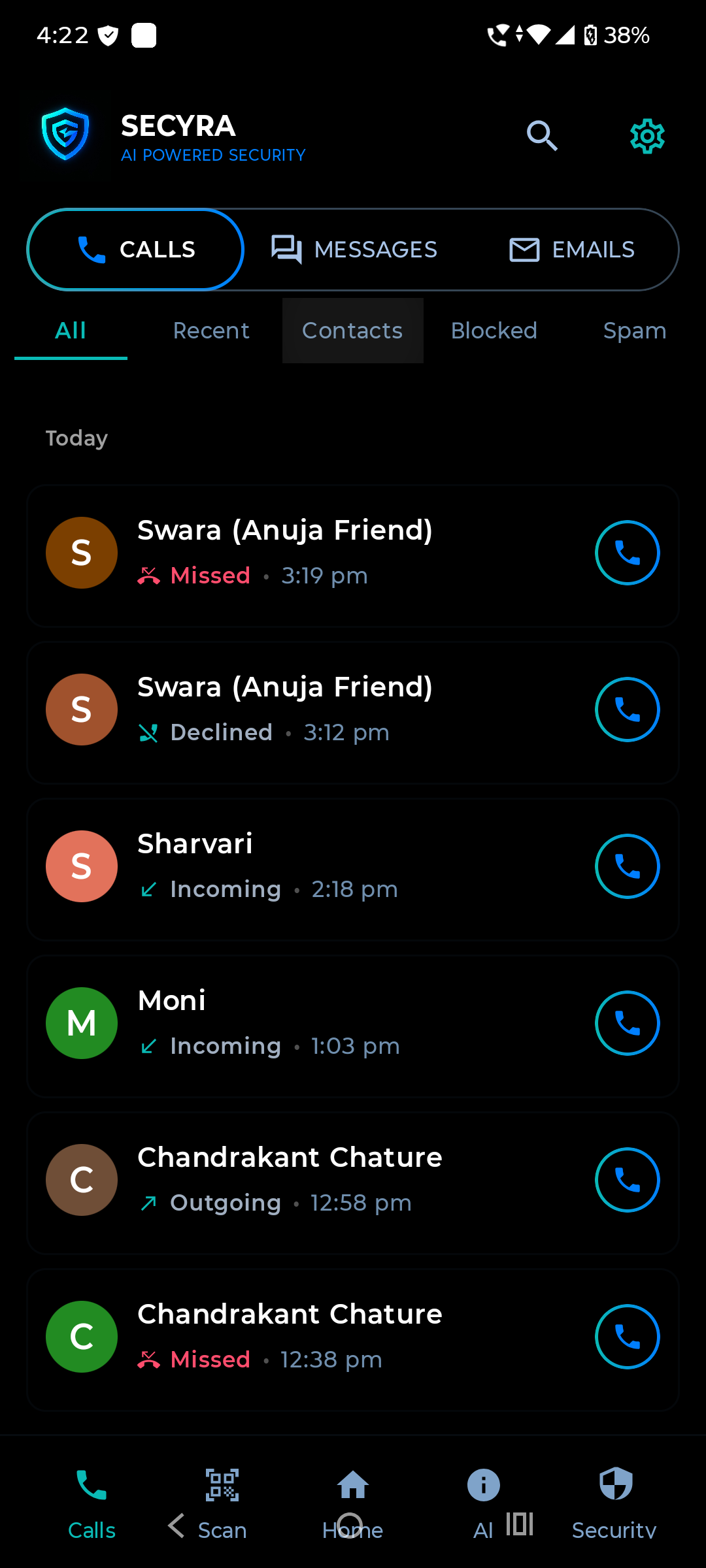
Calls
-
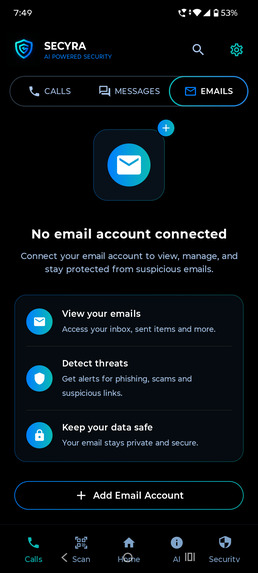
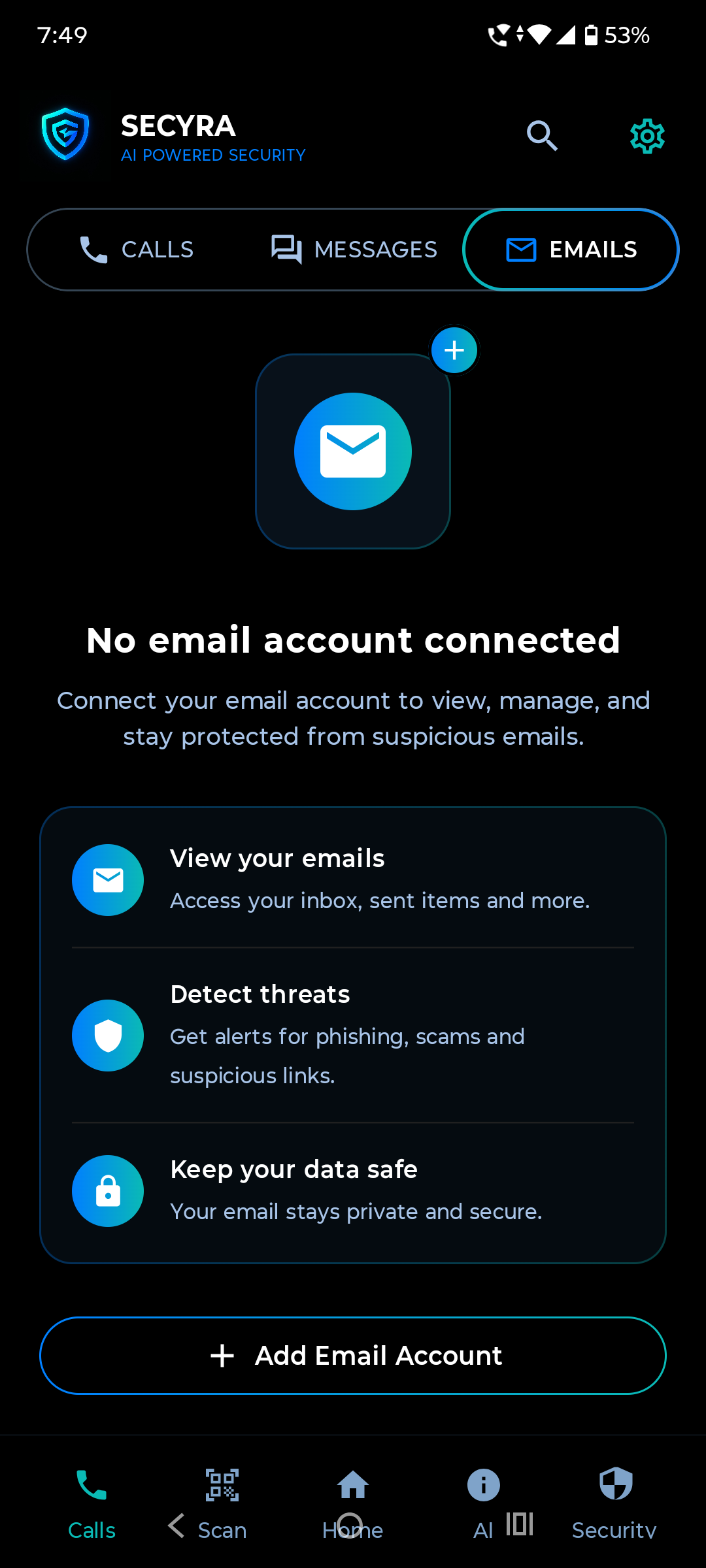
Emails
-
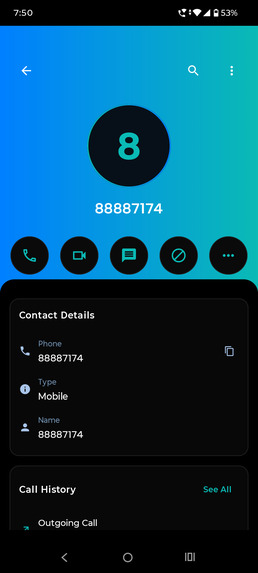
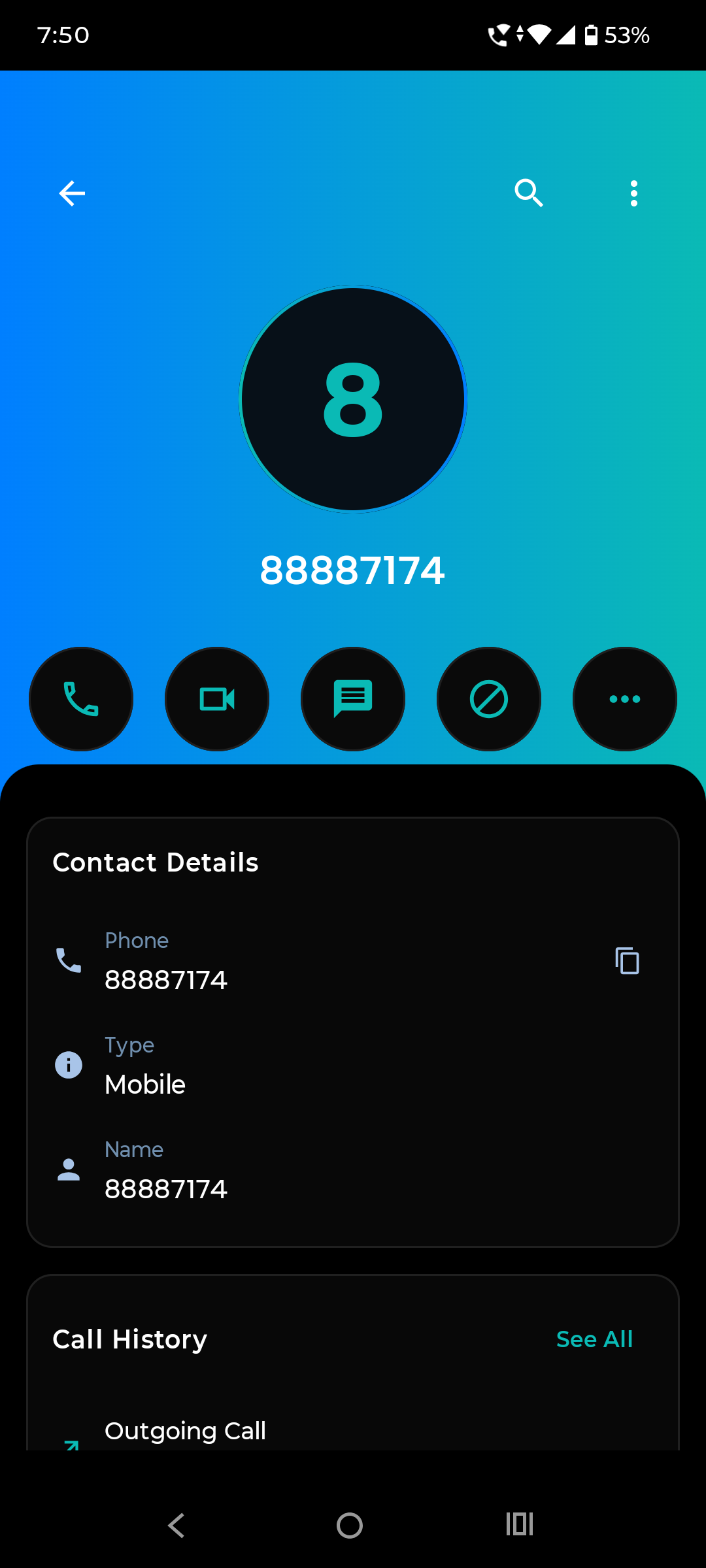
Profile
-
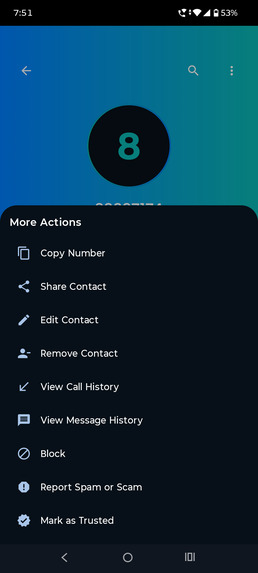
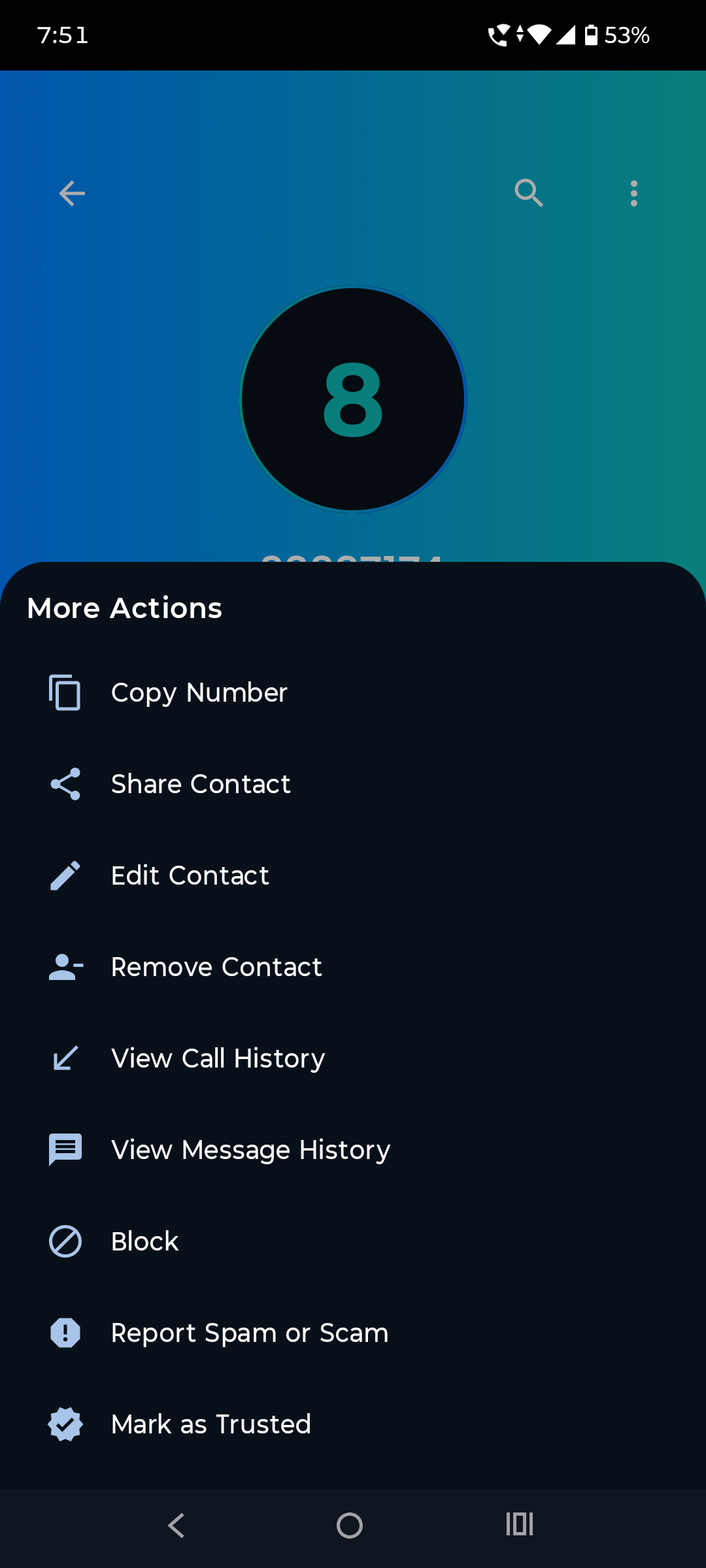
More in Profile

Inspiration
Online scams, suspicious phone calls, fraudulent messages, and unsafe links can put anyone at risk. Many people receive security warnings but do not understand what makes something dangerous or what they should do next. I wanted to build a mobile-first security assistant that makes cybersecurity easier to understand and helps people make safer decisions.
What it does
Secyra AI is an Android-focused personal cybersecurity concept designed to help users assess potential digital threats. Its planned and implemented capabilities, depending on the current build, include suspicious-call awareness, spam and scam detection, link and QR-code safety checks, and AI-powered explanations of security risks.
The central idea is to turn complicated security signals into clear, understandable guidance. Users should be able to review a potential threat, understand why it may be risky, and decide what action to take.
How I built it
I am developing Secyra AI for Android using Kotlin and Jetpack Compose, with a Clean Architecture and MVVM approach. The architecture is designed to support maintainable UI components, security-related services, and AI-provider integration. Supabase and RevenueCat are part of the planned technology stack for backend services and subscription management.
Challenges I faced
One of the biggest challenges is designing a security experience that is useful without making unsupported claims. A suspicious number or link should not automatically be treated as malicious without sufficient evidence. Another challenge is balancing privacy, Android permissions, usability, and AI-generated explanations.
What I learned
This project has helped me think beyond the interface and consider architecture, permissions, privacy, threat assessment, and responsible AI integration. I am learning how to turn a cybersecurity problem into a practical mobile product while keeping users in control.
What makes it different
Secyra AI is built around a simple principle: OBSERVE → ANALYZE → EXPLAIN → RECOMMEND → USER DECIDES. Rather than relying only on warnings, the goal is to explain potential risks in plain language and let users make the final decision.

Log in or sign up for Devpost to join the conversation.