-
5
-
4
-
3
-
2
-
1
Inspiration
Cybersecurity systems are becoming increasingly complex, with organizations managing countless assets, vulnerabilities, security controls, and potential attack paths. While security tools generate massive amounts of data, understanding how everything connects remains a challenge. We were inspired to create a solution that transforms complex security information into intuitive visual experiences, making cybersecurity easier to understand, analyze, and communicate.
Our goal was to help security professionals, students, and organizations see beyond isolated vulnerabilities and gain a complete view of their security posture through interactive visualization.
What it does
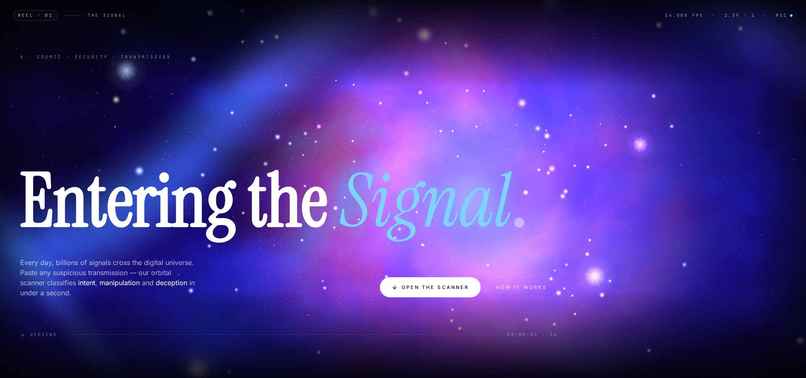
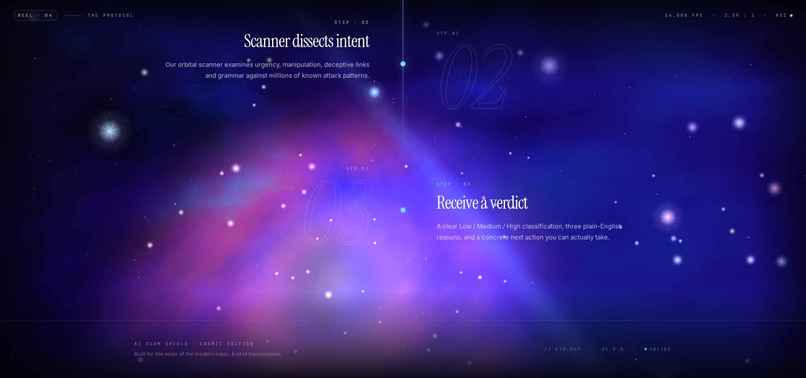
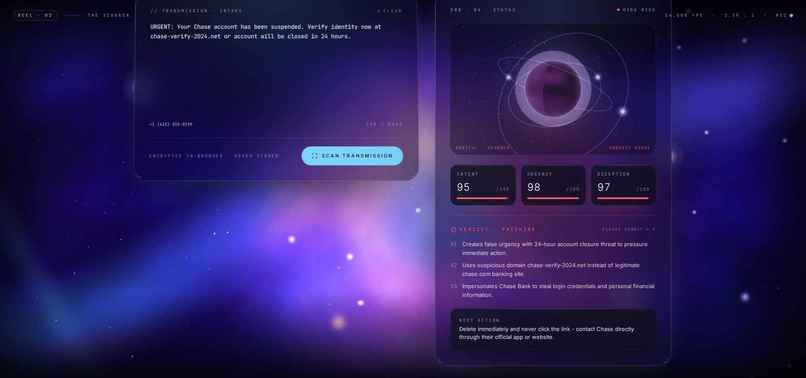
Security Depth Visualization is an interactive cybersecurity intelligence platform that visualizes assets, vulnerabilities, attack paths, and defense layers within a unified environment.
The platform enables users to:
- Explore security relationships through interactive graph visualizations
- Understand how vulnerabilities connect across systems
- Analyze potential attack paths and threat propagation
- Visualize defense-in-depth strategies
- Identify critical assets and high-risk dependencies
- Improve cybersecurity awareness through visual learning
By turning complex security data into intuitive visual networks, users can better understand risks and make more informed security decisions.
How we built it
We built Security Depth Visualization as a modern web application focused on performance, usability, and scalability.
The platform uses graph-based modeling to represent cybersecurity entities and their relationships. Assets, vulnerabilities, threats, and defensive controls are mapped into an interactive visualization that users can explore in real time.
Our development process included:
- Designing a scalable graph architecture
- Building an interactive visualization interface
- Implementing dynamic relationship mapping
- Creating intuitive user interactions and navigation
- Optimizing performance for complex datasets
- Deploying the application to a cloud-hosted environment
The result is a responsive platform capable of presenting complex cybersecurity information in an accessible and engaging way.
Challenges we ran into
One of the biggest challenges was balancing complexity and clarity.
Cybersecurity environments often contain a large number of interconnected systems, making it difficult to create visualizations that remain readable and meaningful. We had to carefully design layouts and interactions that provide detailed insights without overwhelming users.
Additional challenges included:
- Managing large graph structures efficiently
- Maintaining smooth performance during interactions
- Representing attack paths accurately
- Designing an intuitive user experience
- Translating complex security concepts into visual models
Overcoming these challenges required multiple design iterations and continuous optimization.
Accomplishments that we're proud of
We are proud of building a platform that transforms complex cybersecurity concepts into clear, interactive visual experiences.
Some key accomplishments include:
- Developing a fully functional cybersecurity visualization platform
- Creating interactive graph-based security exploration
- Making attack paths and security relationships easier to understand
- Delivering a polished user experience within a limited development timeframe
- Demonstrating how visual intelligence can improve cybersecurity analysis
Most importantly, we created a solution that bridges the gap between technical security data and human understanding.
What we learned
Throughout the project, we gained valuable experience in:
- Cybersecurity risk modeling
- Graph theory and network visualization
- Interactive web application development
- Performance optimization techniques
- User-centered design principles
- Communicating technical information through visual storytelling
We also learned that effective cybersecurity tools are not just about collecting data—they are about helping people understand and act on that data.
What's next for Security Depth Visualization
Our vision is to evolve Security Depth Visualization into a comprehensive cybersecurity intelligence platform.
Future development includes:
- Integration with vulnerability scanners and security tools
- Real-time threat intelligence feeds
- Automated attack path generation
- Advanced risk scoring and prioritization
- AI-powered security insights and recommendations
- Collaboration and reporting capabilities
- Support for enterprise-scale environments
Ultimately, we aim to make cybersecurity more accessible, understandable, and actionable through powerful visual analytics that help organizations strengthen their security posture and reduce risk.
Built With
- antrophic
- cloud
- css
- css3
- cybersecurity
- d3.js
- data
- framer
- framer-motion
- github
- graph
- graph-visualization
- html5
- interactive
- javascript
- modeling
- node.js
- openai-api
- platform
- react
- supabase
- tailwind
- typescript
- visualization
- vite


Log in or sign up for Devpost to join the conversation.