-

Securi-Scan: Striving to Improve Security Workflows, One Scan at a Time
-
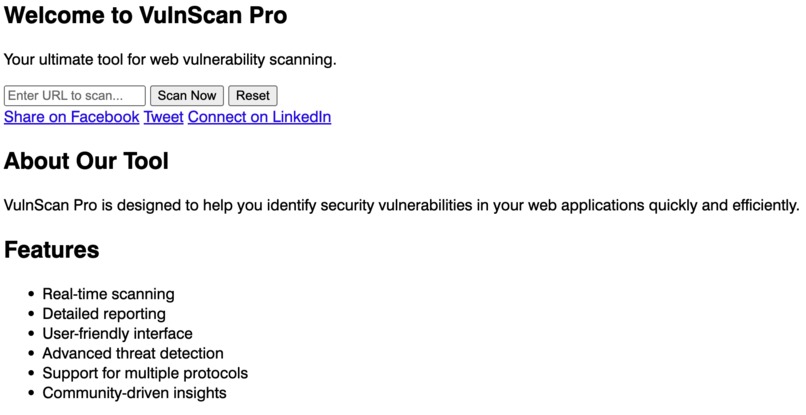
A User-Friendly Tool for Real-Time Vulnerability Scanning

Inspiration
In an era where cyber threats are rampant, we were inspired by the need for developers to have robust security measures integrated seamlessly into their workflows. The rise in security breaches has highlighted the importance of proactive security practices, especially in agile development environments where rapid iterations can introduce vulnerabilities. Our goal was to create a solution that empowers developers to focus on building great products while ensuring their code remains secure.
What it does
Securi-Scan automates the process of security vulnerability scanning within CI/CD pipelines. By integrating with popular version control systems and continuous integration tools, it continuously analyzes code for known vulnerabilities, misconfigurations, and security best practices. The platform generates detailed reports with actionable insights, allowing teams to quickly remediate issues and enhance overall code security before deployment.
How we built it
We built Securi-Scan using a combination of Python, Flask, and JavaScript. The backend leverages popular libraries like Bandit and OWASP Dependency-Check for vulnerability detection, while the frontend is designed with responsive UI frameworks like React. We utilized Docker for containerization, ensuring our application is easily deployable across different environments. The system integrates with APIs from GitHub and GitLab to provide real-time feedback directly in the developers' workflow.
Challenges we ran into
One significant challenge was ensuring the accuracy of vulnerability detection while minimizing false positives. Balancing performance and thoroughness in scanning was another hurdle, especially with large codebases. Additionally, integrating the tool seamlessly with various CI/CD platforms required extensive testing and collaboration with different APIs, which sometimes led to unexpected behaviors.
Accomplishments that we're proud of
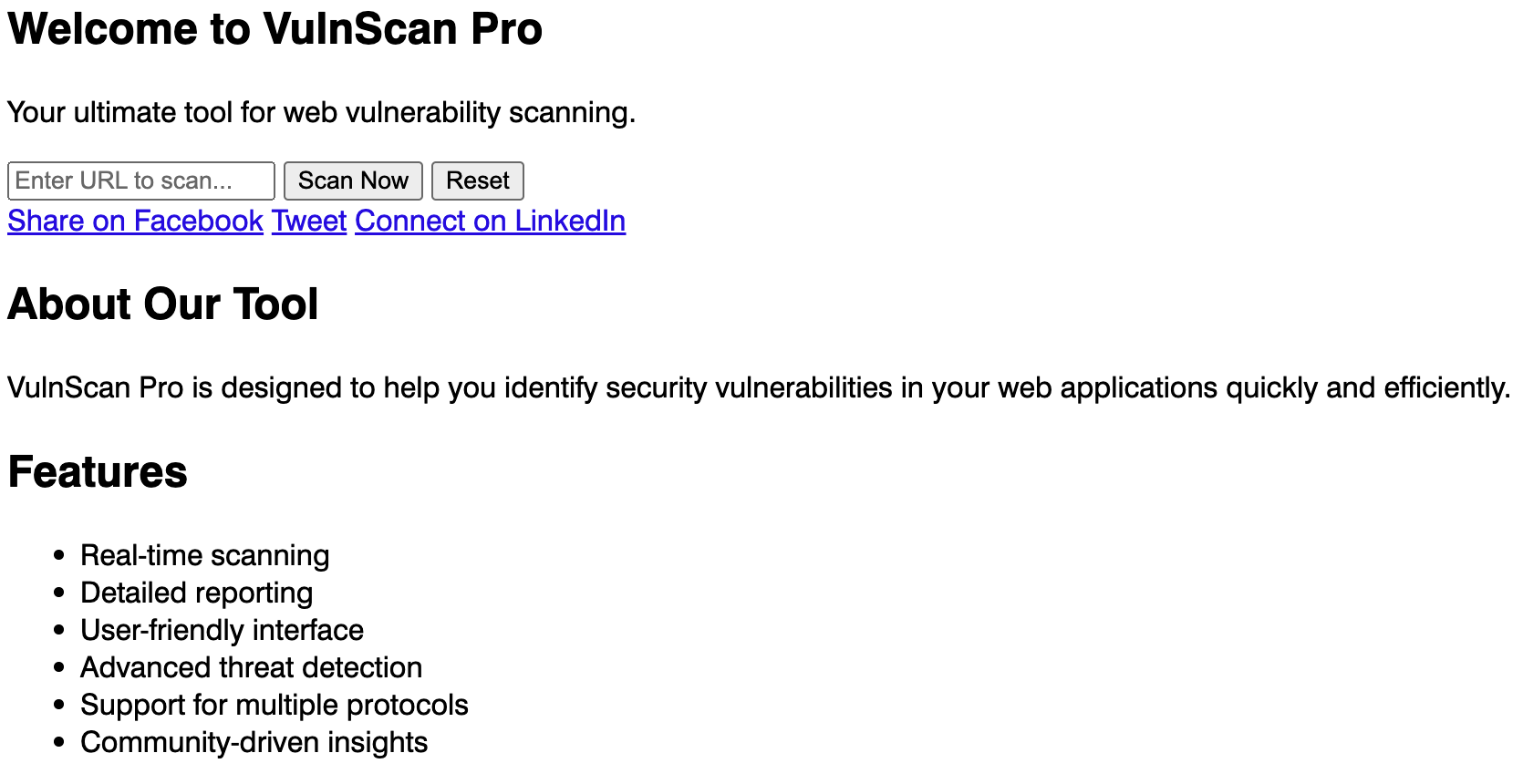
We are grateful to have developed a working prototype that scans for vulnerabilities in real-time. While we have not yet demonstrated our integration with major CI/CD tools, we believe it has the potential to support security workflows effectively. Additionally, we created a user-friendly dashboard to visualize scan results, which we hope will assist teams in understanding and addressing vulnerabilities.
What we learned
Through this project, we learned the importance of integrating security early in the development lifecycle. We also gained hands-on experience with various security libraries and frameworks, deepening our understanding of how vulnerabilities can be identified and mitigated. Collaborating as a team under tight deadlines taught us effective communication and project management skills.
What's next for Securi-Scan: Automated Security Vulnerability Scanner
Moving forward, we plan to enhance Securi-Scan by adding support for additional programming languages and frameworks, thereby broadening its applicability. We aim to implement machine learning algorithms to improve vulnerability prediction and detection rates. Furthermore, we envision creating a community-driven database of security practices to continually update and inform users of emerging threats and best practices.

Log in or sign up for Devpost to join the conversation.