Inspiration
We built SecureVault because our digital data is becoming more valuable, but we still depend heavily on centralized platforms to store and protect it. We wanted to explore a different approach where users have more control over their own data instead of completely trusting a central server. This led us to the idea of combining encryption, blockchain, and decentralized storage to create a secure digital vault.
What it does
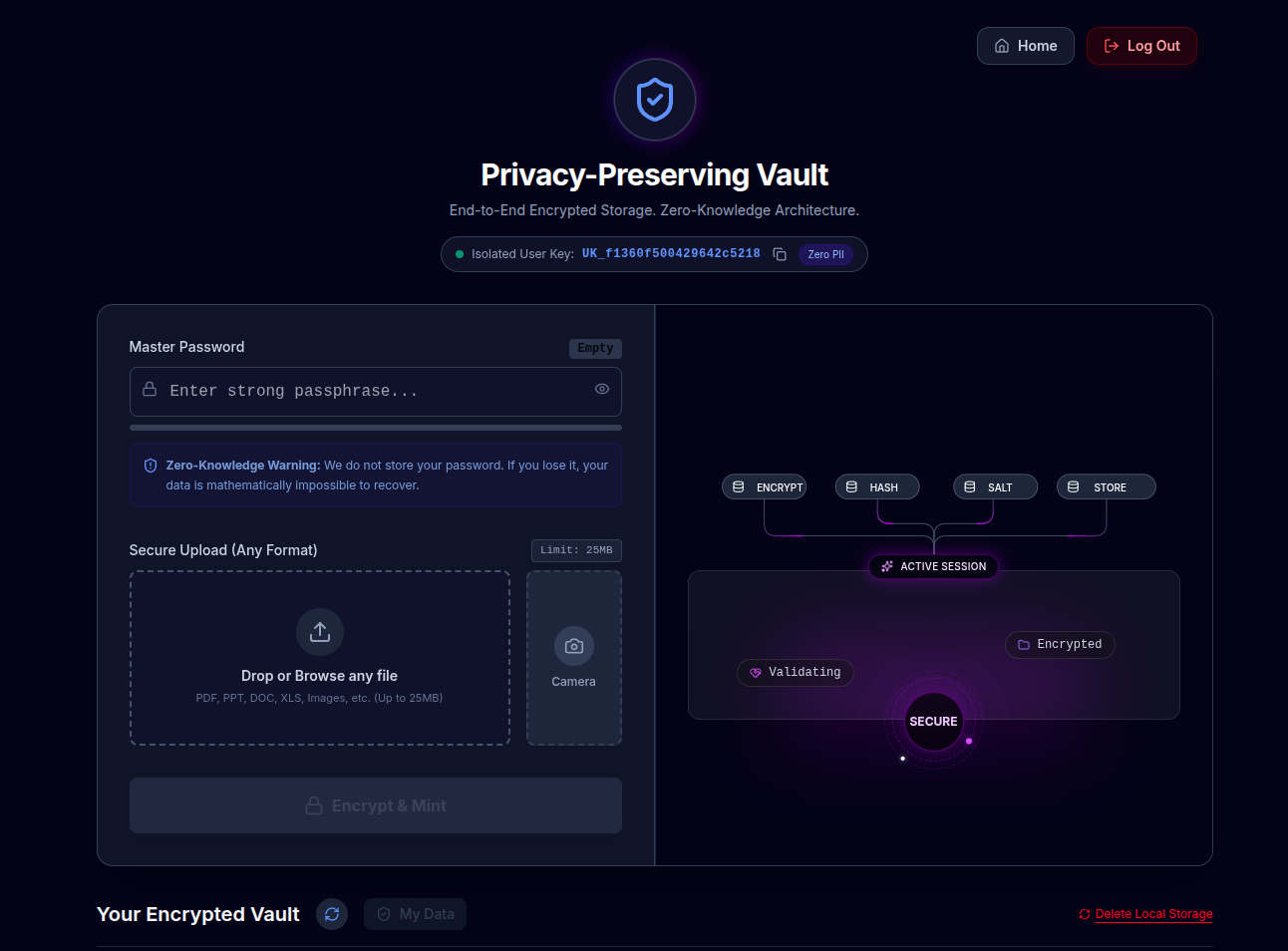
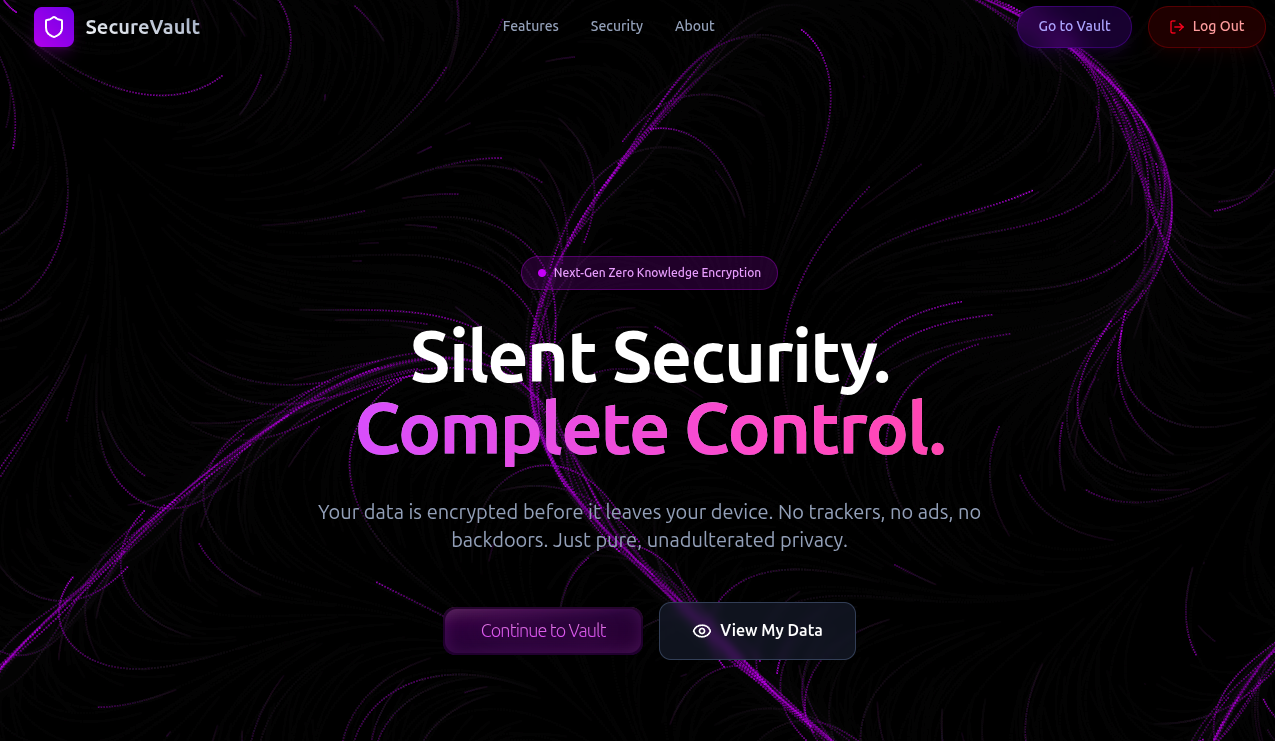
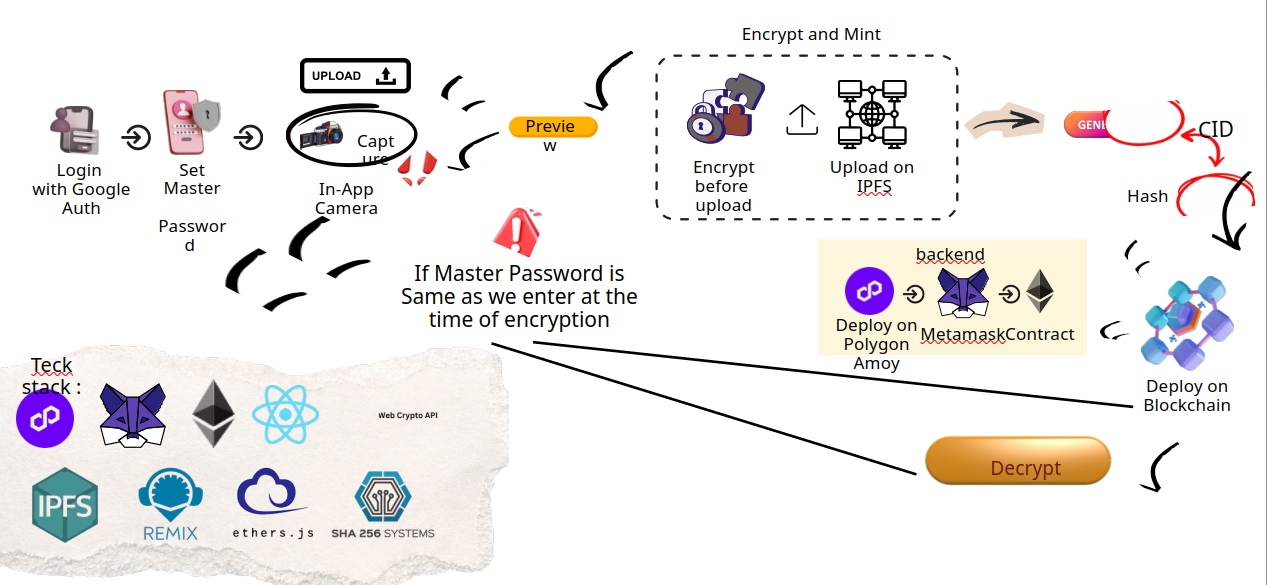
SecureVault is a decentralized platform for securely storing sensitive digital data. Files are encrypted before being uploaded, while blockchain technology is used to maintain verification and ownership records. IPFS is used for decentralized storage, allowing users to access their data without relying entirely on a traditional centralized server. Our goal is simple: Your Data. Your Keys. Your Control.
How we built it
We built SecureVault using a combination of modern web3 and security technologies. The application uses client-side encryption to protect files before storage, IPFS/Pinata for decentralized file storage, and a blockchain smart contract to store important metadata and verify ownership. The frontend provides a simple interface where users can authenticate, upload files, and manage their digital vault. We used Polygon Amoy for blockchain interaction and connected the application with MetaMask for wallet-based authentication and transactions.
Challenges we ran into
One of our biggest challenges was understanding how different technologies like encryption, IPFS, blockchain, wallets, and frontend applications could work together securely. We also faced challenges with smart contract deployment, connecting the frontend with the blockchain, handling IPFS CIDs, managing encryption keys, and making the application easy to use without compromising security. These challenges helped us understand that building a secure decentralized application is not just about using blockchain. Every layer needs to be designed carefully.
Accomplishments that we're proud of
We are proud that we were able to turn an idea about decentralized data security into a working prototype. We successfully integrated encryption, IPFS storage, blockchain smart contracts, and wallet authentication into a single application. More importantly, the project helped us move beyond simply learning technologies individually and actually understand how they can work together to solve a real-world problem.
What we learned
SecureVault taught us a lot about blockchain development, smart contracts, IPFS, encryption, Web3 authentication, and decentralized architecture. We also learned that security is not just about adding more technologies. It is about making thoughtful decisions about where data is stored, who controls the keys, what information goes on-chain, and how users interact with the system. Most importantly, we learned how to take an idea from a concept to a functional prototype while continuously solving unexpected technical problems.
What's next for securevault
We want to take SecureVault beyond the prototype and make it more practical and secure. Our future plans include stronger key-management mechanisms, biometric authentication, multi-device access, improved encryption, secure file sharing, recovery mechanisms, better smart-contract security, and a more polished user experience. Eventually, we envision SecureVault as a privacy-focused digital vault where users can securely manage their important documents and digital assets without giving up ownership of their data.
Built With
- ether.js
- metamask
- polygon
- solidy

Log in or sign up for Devpost to join the conversation.