-
-
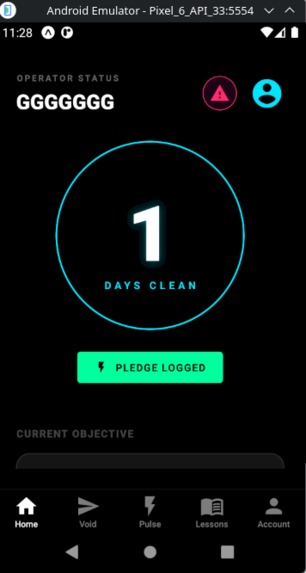
homepage
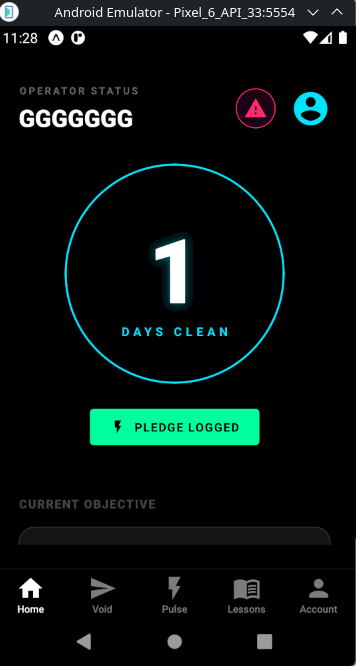
Inspiration
This app is built to provide recovering addicts a community to belong to.
What it does
SecondPulse is an anonymous, real-time command center for recovery. It features the "Global Pulse," a latency-compensated signal system where users broadcast their presence to the network, physically vibrating other users' phones to create a tactile sense of community. It also includes "The Void," an ephemeral, judgment-free feed for venting, and "Protocol Omega," a haptic panic button that forces users to physically sync their breathing with the phone’s vibration engine to de-escalate anxiety attacks.
How we built it
We used React-Native with expo router to ensure a seamless mobile experience. The backend uses supabase and anonymous authentication and heavily implements supabase realtime (webSockets) to ensure signals are broadcasted instantly
Challenges we ran into
Our biggest challenge was the "Empty Room" problem, because a community app feels dead without users. We spent hours refining the "PulseBeacon" UI to look "alive" and monitoring, using breathing animations and radar scanners so the user feels supported even during low-traffic times. We also struggled with haptic tuning; designing a vibration pattern that felt "calming" rather than "annoying" took dozens of iterations to get right.
Accomplishments that we're proud of
we are proud that in this app, when implementing the pulse feature, we made it lag compensated, to prevent race conditions where multiple users press the pulse button at once, the supabase database receives a pulse then locks that row until the pulse is added, then it can add the next pulse. we are also proud of our panic button feature, to prevent an addiciton relapse we had to make the panic area, not only UI wise but it requires the user to be calm and contained to press the button.
What we learned
We learned that mobile haptics are incredibly powerful tools for conveying emotion; a simple vibration can signal safety better than a paragraph of text. Technologically, we discovered the power of moving business logic into the database via Postgres RPCs, which kept our frontend lightning-fast and our battery usage low.
What's next for SecondPulse
We plan to integrate wearable support, syncing the "Pulse" directly to an Apple Watch heartbeat so users can broadcast their actual physical status. We are also exploring geofenced "Danger Zones" that would use background location to automatically trigger the Haptic Anchor protocol when a user enters a high-risk area.
Built With
- expo.io
- postgresql
- react-native
- supabase


Log in or sign up for Devpost to join the conversation.