-
-
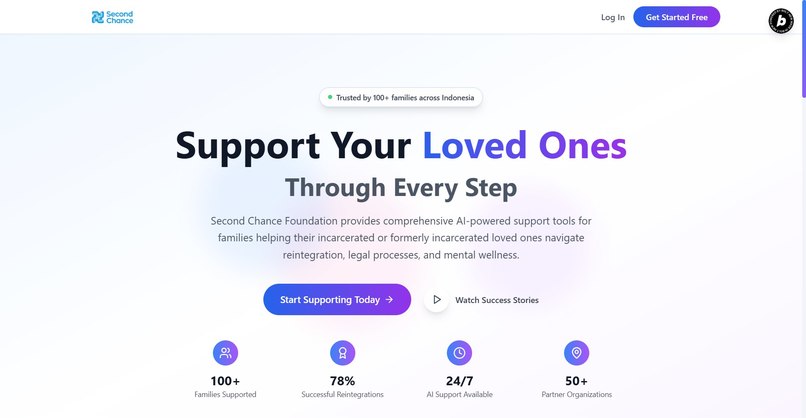
Landing Page
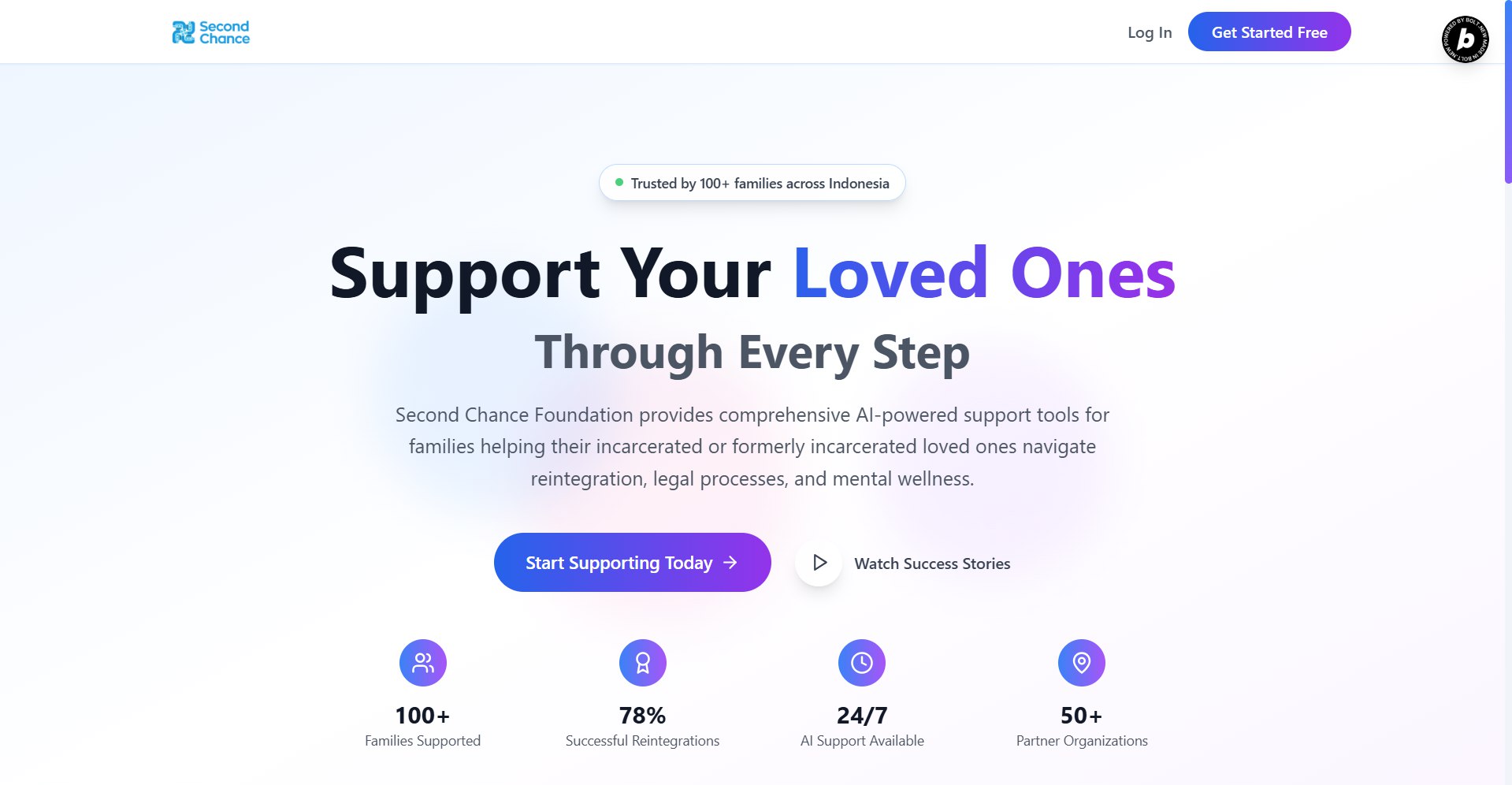
Inspiration
We built SecondChance.foundation because we personally witnessed friends fall into the justice system — not only punished by law, but abandoned by support. What struck us most was what happened after sentencing: the silence. The confusion. The families left behind with no tools to help. And the inmates, isolated, with no roadmap for healing or reintegration.
Our goal was clear: Bring justice, structure, and hope back to those the system forgot. With AI, we could build something that didn’t just automate — it could empower, guide, and truly change lives.
What it does
SecondChance.foundation is a web application that uses AI to support inmates, their families, and ex-inmates through three crucial phases:
- AI Justice Companion – Calculates remission potential, helps families simulate early release timelines, and suggests actions to accelerate eligibility (like PB, CB, RK, etc.).
- AI Counseling & Growth Assistant – Offers mental health support, motivation, and personalized guidance for inmates and families dealing with isolation, trauma, and stigma.
- Reintegration Hub – Connects users to verified NGOs and companies offering reintegration services, training, and jobs for ex-inmates — based on location and personal needs.
- Family First Design – Because inmates can’t access phones in prison, the system is built to empower families as proxy navigators — and allows seamless hand-off to the inmate after release.
- Webinar & Story Hub – A space to access motivational content, upskilling events, and real-life transformation stories.
How we built it
Built with Bolt.new as the foundation platform
- AI integration via OpenAI API (for GPT-o4 mini) for conversation, counseling, and remission simulation logic
- Backend: Supabase for auth, database (PostgreSQL), and storage
- Frontend: Next.js + Tailwind CSS
- Map and NGO integration via location-based filtering (OpenCage API for geocoding)
- Responsive UI prototyped with Figma
- Deployed using Netlify
- Data models based on actual remission rules in Indonesia (with flexibility for other legal systems)
- Accessibility-first design for low-literacy and emotionally vulnerable users
Challenges we ran into
- Designing for users who cannot access the internet themselves (i.e., inmates)
- Modeling remission systems across jurisdictions with legal nuance
- Creating emotionally sensitive AI that supports without judgment
- Addressing stigma while building trust in AI as a support tool
- Limited time to implement all features in a full justice-reintegration pipeline
- Ensuring the platform is useful for both families and ex-inmates at different life stages
Accomplishments that we're proud of
- Designing a complete reintegration journey from prison to society in one seamless platform
- Building a remission strategy AI that simulates actual release eligibility
- Crafting a UI/UX experience that considers trauma, legal confusion, and digital inequality
- Creating a model that is scalable globally, but rooted in real, local stories
- Receiving deeply emotional feedback from users and legal aid volunteers during testing
- Giving a voice to families who often feel powerless in the justice process
What we learned
- Redemption can be designed — and technology can humanize, not just optimize
- Building for emotionally vulnerable users requires empathy-driven UX and gentle AI responses
- Working with real legal scenarios helped us balance strict logic with compassionate guidance
- Inclusion doesn’t mean just adding features — it means designing for those ignored entirely
- The power of storytelling and lived experience creates meaningful technology
What's next for SecondChance Foundation
- Launching pilot partnerships with local reintegration NGOs and legal aid organizations
- Expanding the remission system to support other countries’ legal frameworks
- Adding offline-mode capabilities so families with limited internet can still access planning tools
- Building mobile-first experience tailored to low-end devices
- Creating a community layer (with privacy controls) for shared stories and support
- Integrating voice AI (like ElevenLabs) for users with literacy or accessibility needs
- Scaling the AI to provide legal doc prep support for remission/pengajuan paperwork
Built With
- bolt
- lucide-react
- react
- supabase
- tailwind
- typescript
- vite


Log in or sign up for Devpost to join the conversation.