-
-
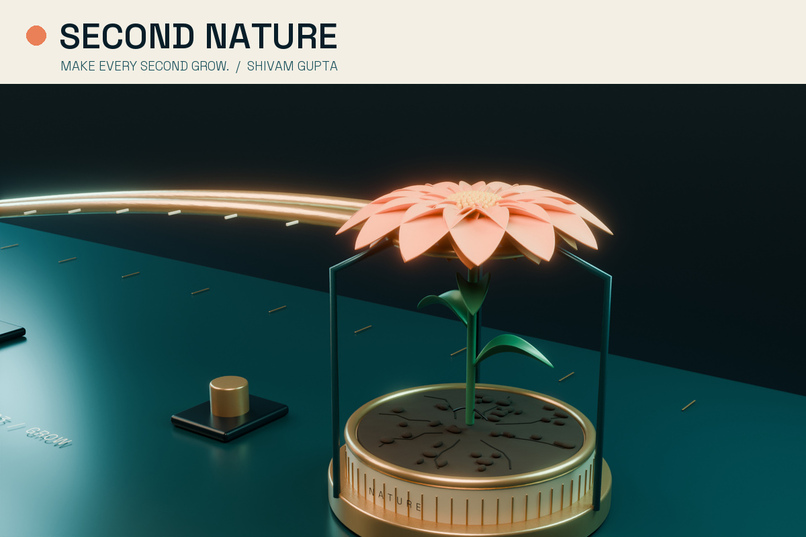
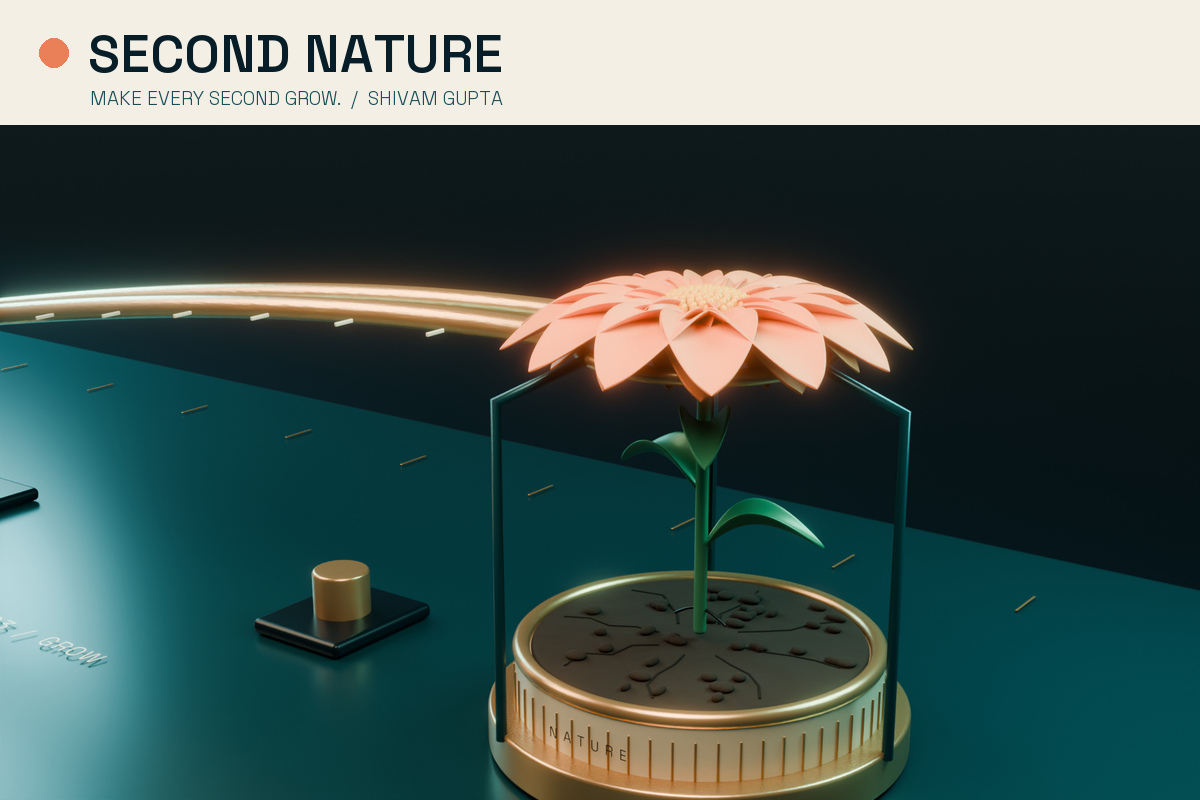
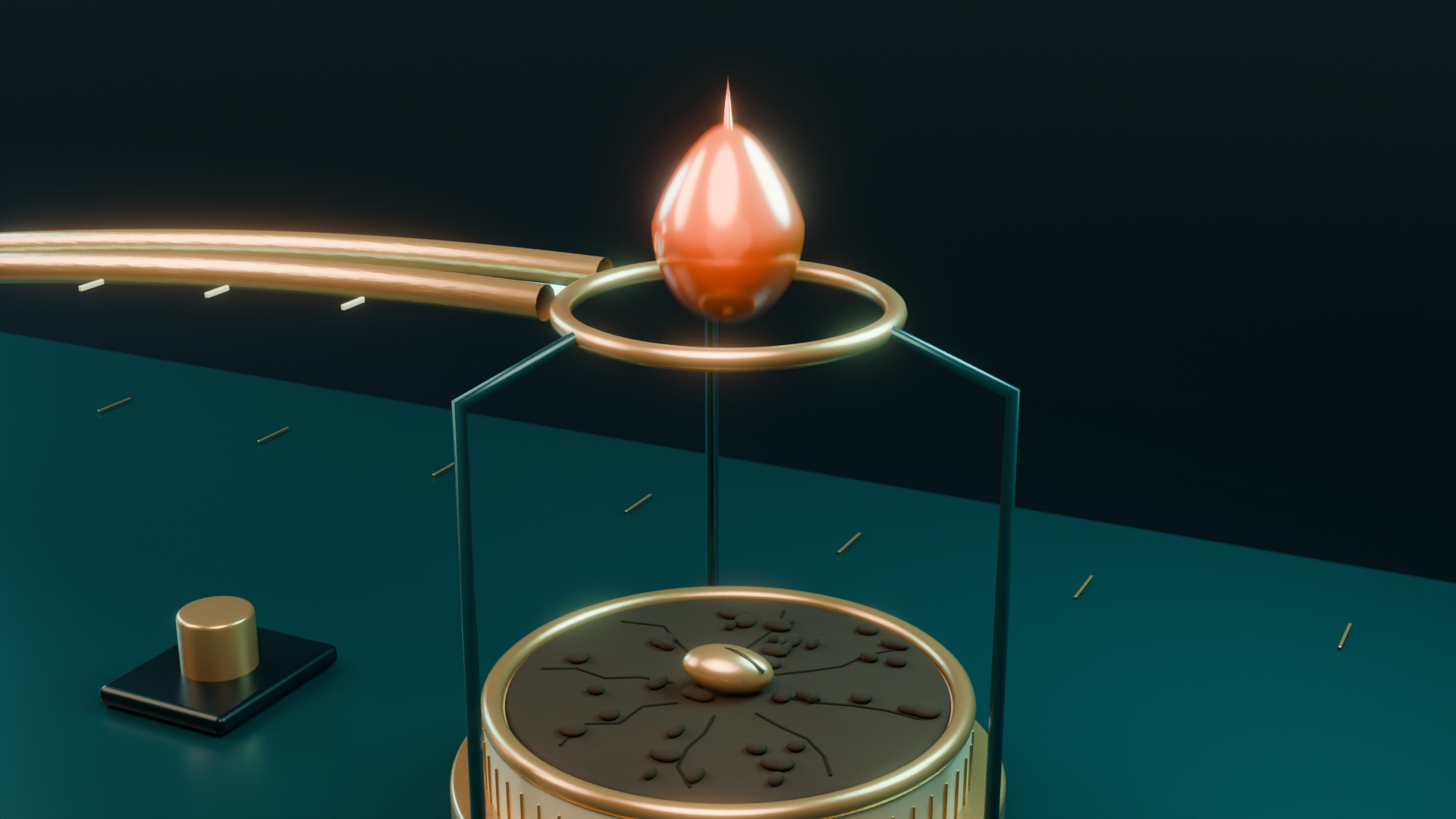
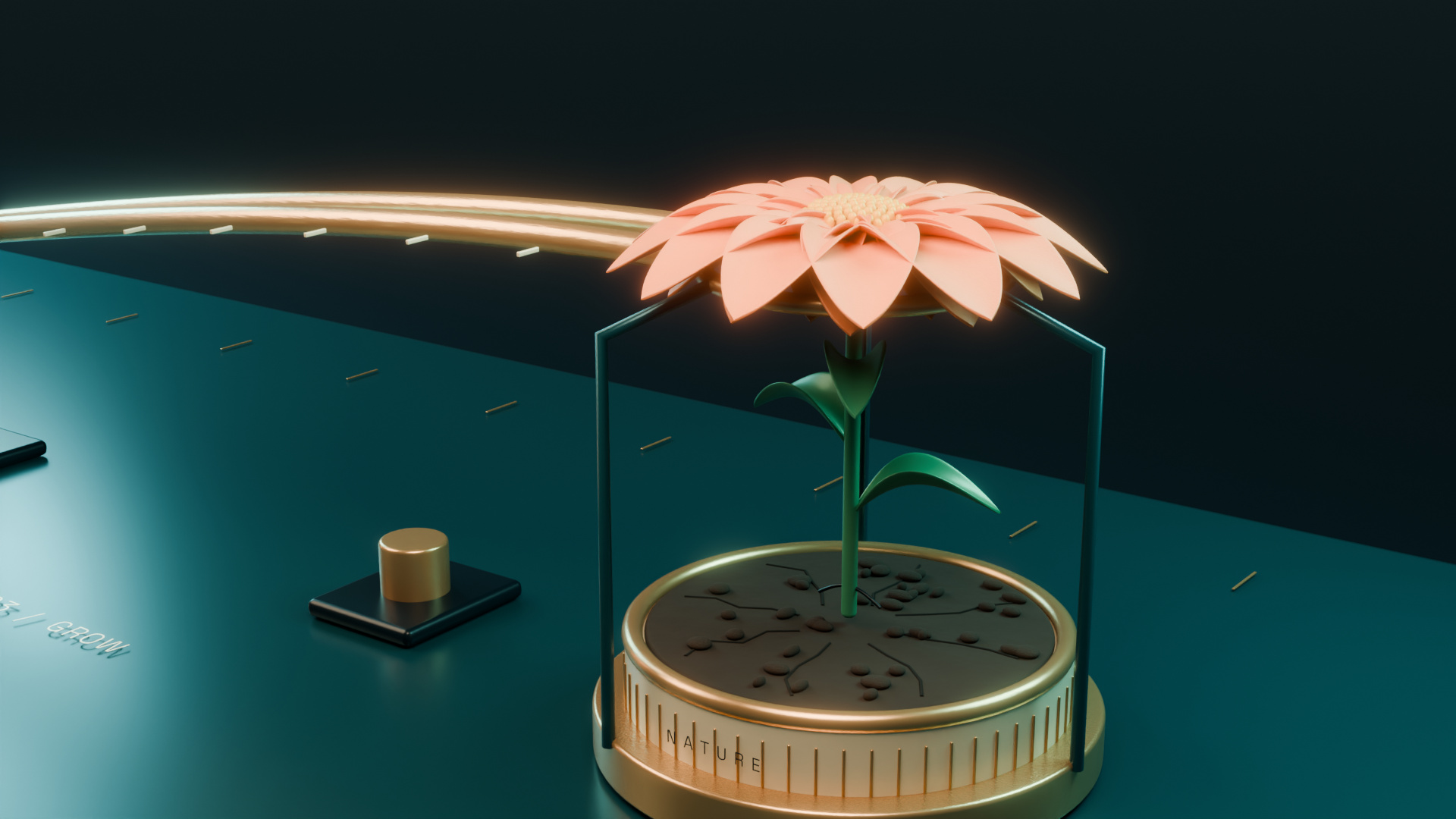
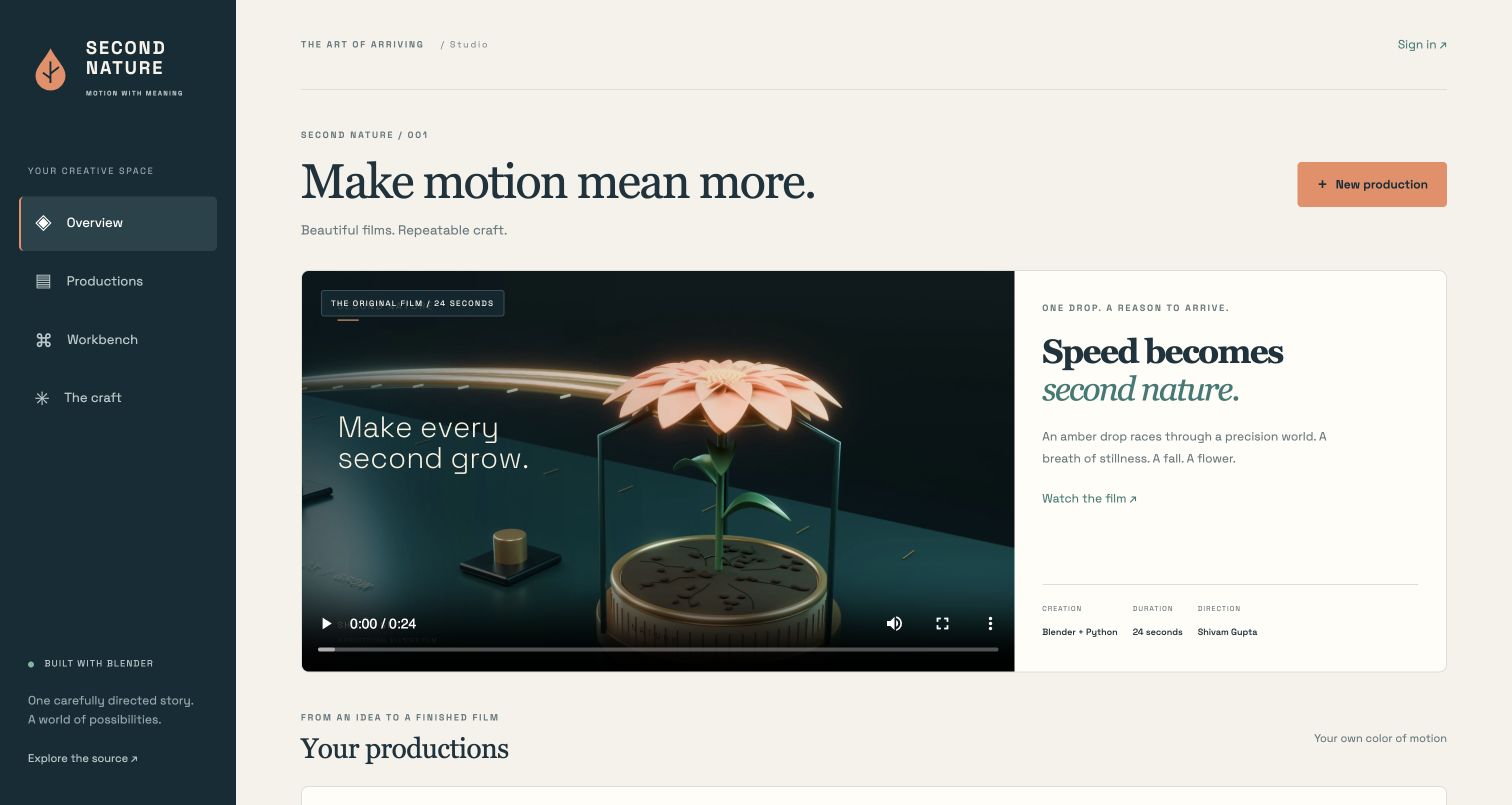
SECOND NATURE. One drop races through a precision world and turns speed into growth.
-
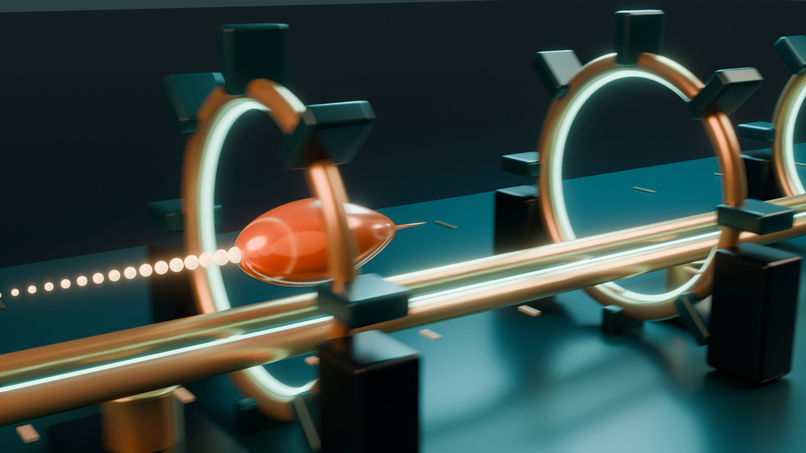
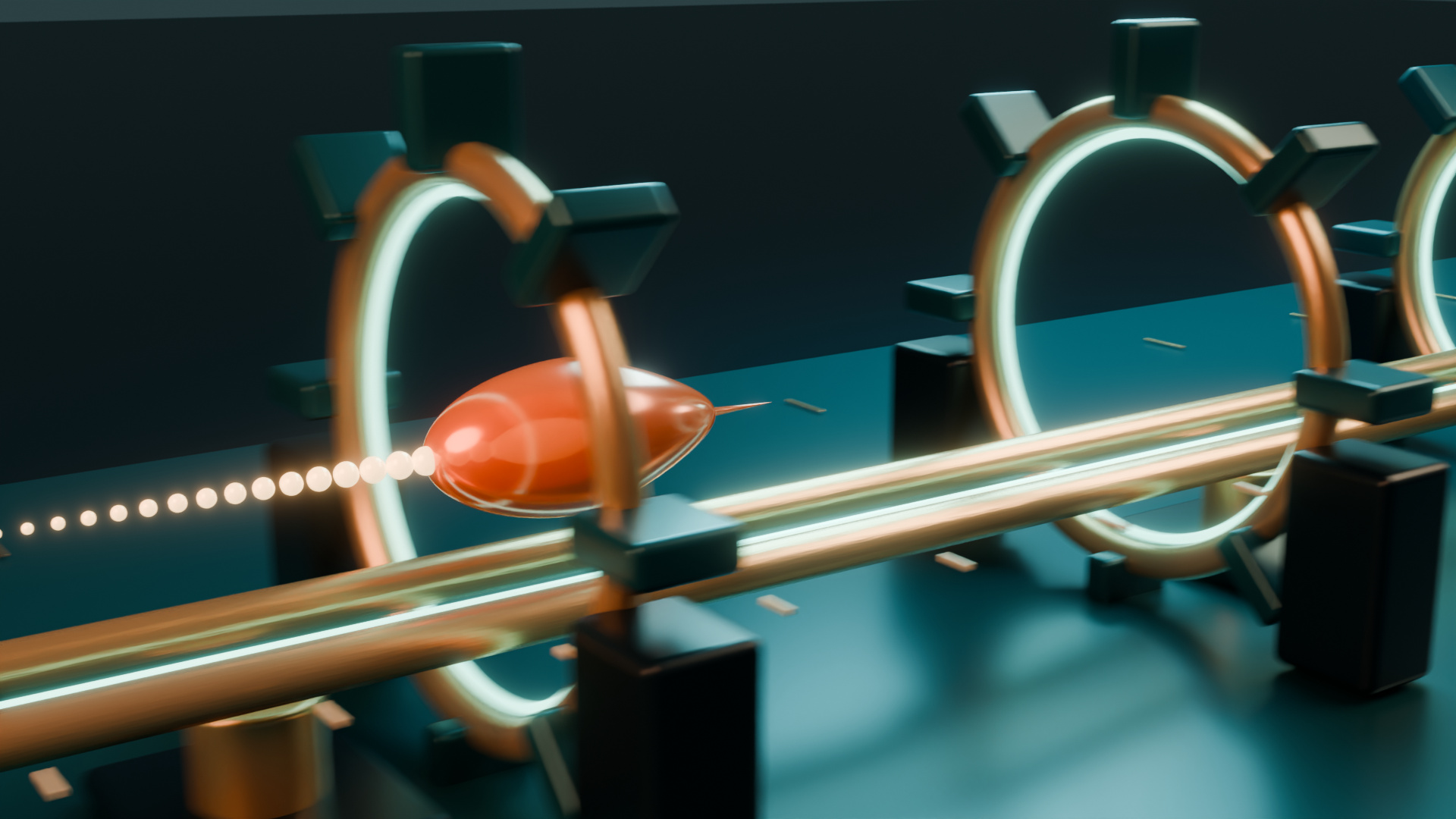
The chase. Repeated gates and a following camera make acceleration readable.
-
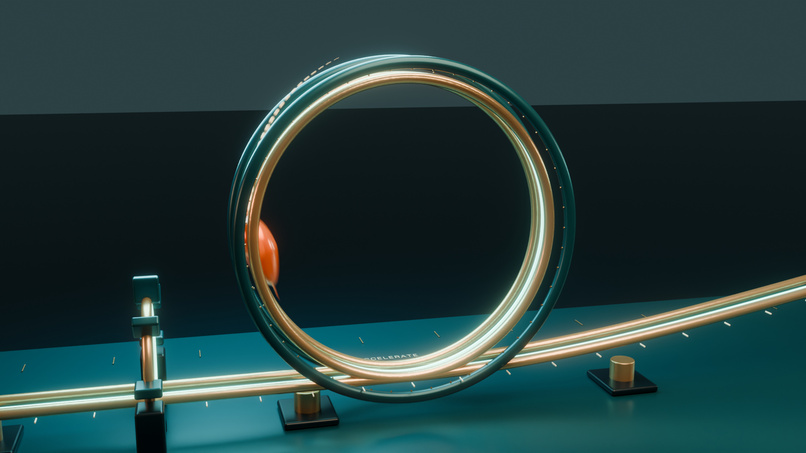
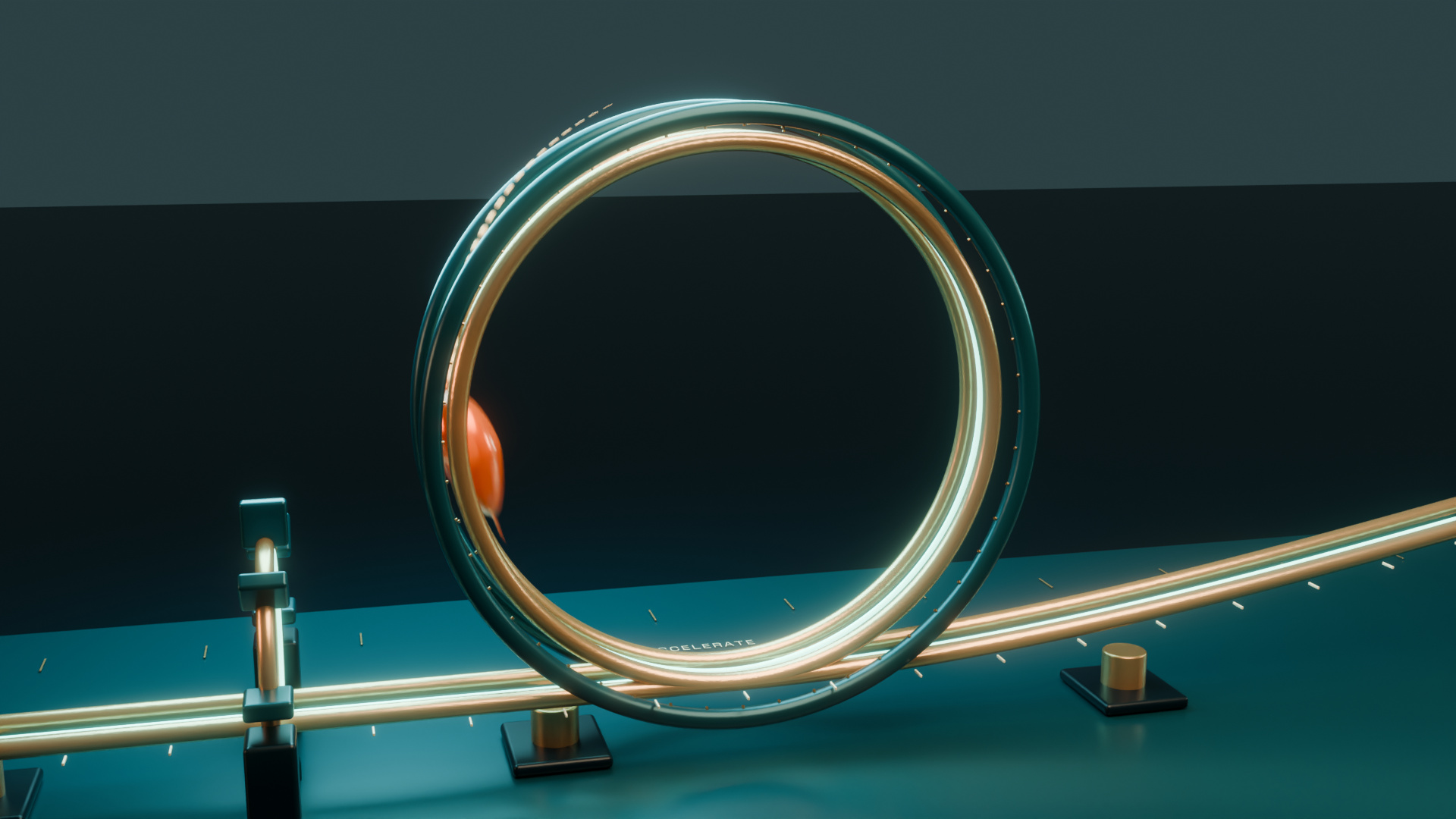
The journey. Two passes around a vertical loop, with a wide camera keeping the route visible.
-
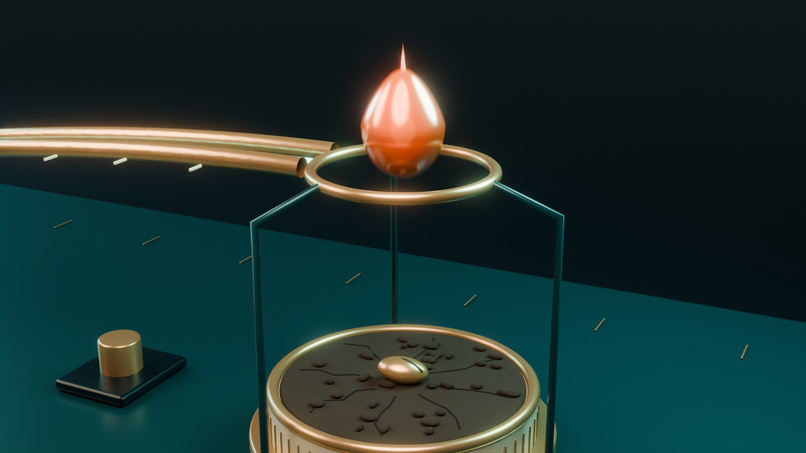
A held breath. Braking and suspension create contrast before the drop reaches the seed.
-
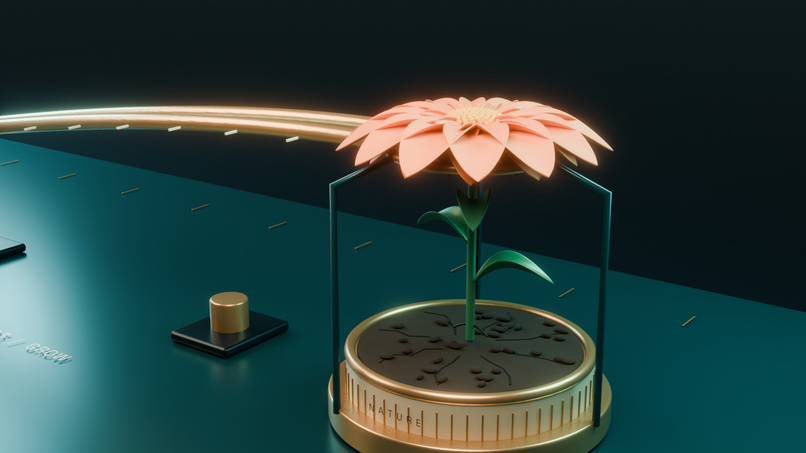
The arrival. Individually hinged petal whorls unfold into a sculptural flower.
-
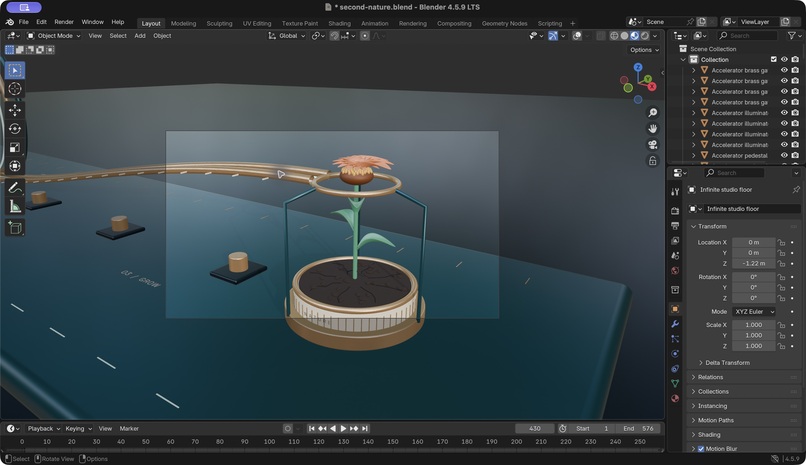
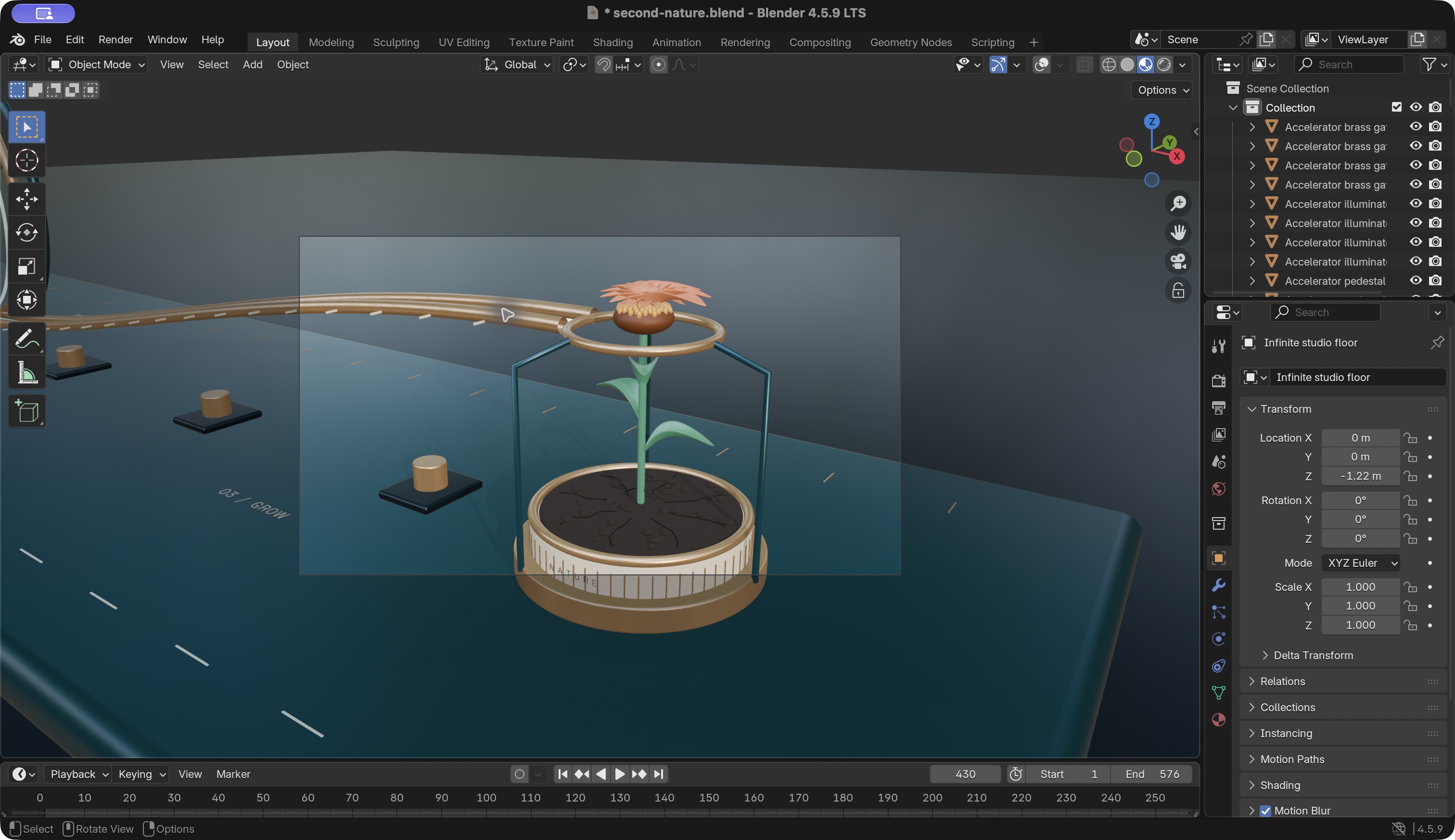
Authentic Blender work in progress. Procedural geometry, scene hierarchy and baked animation.
-
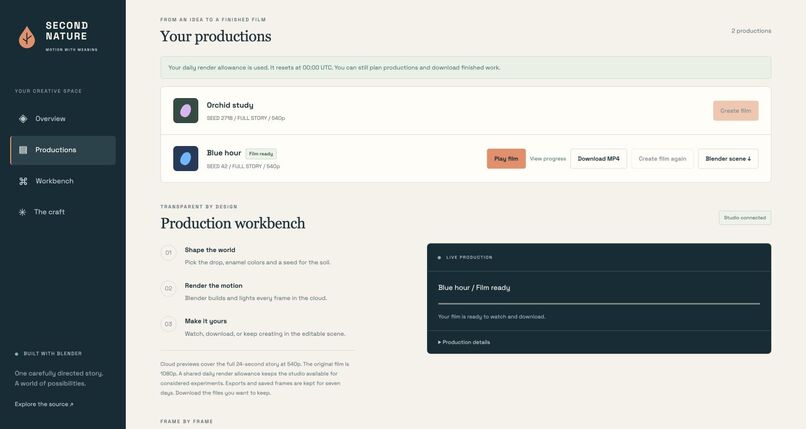
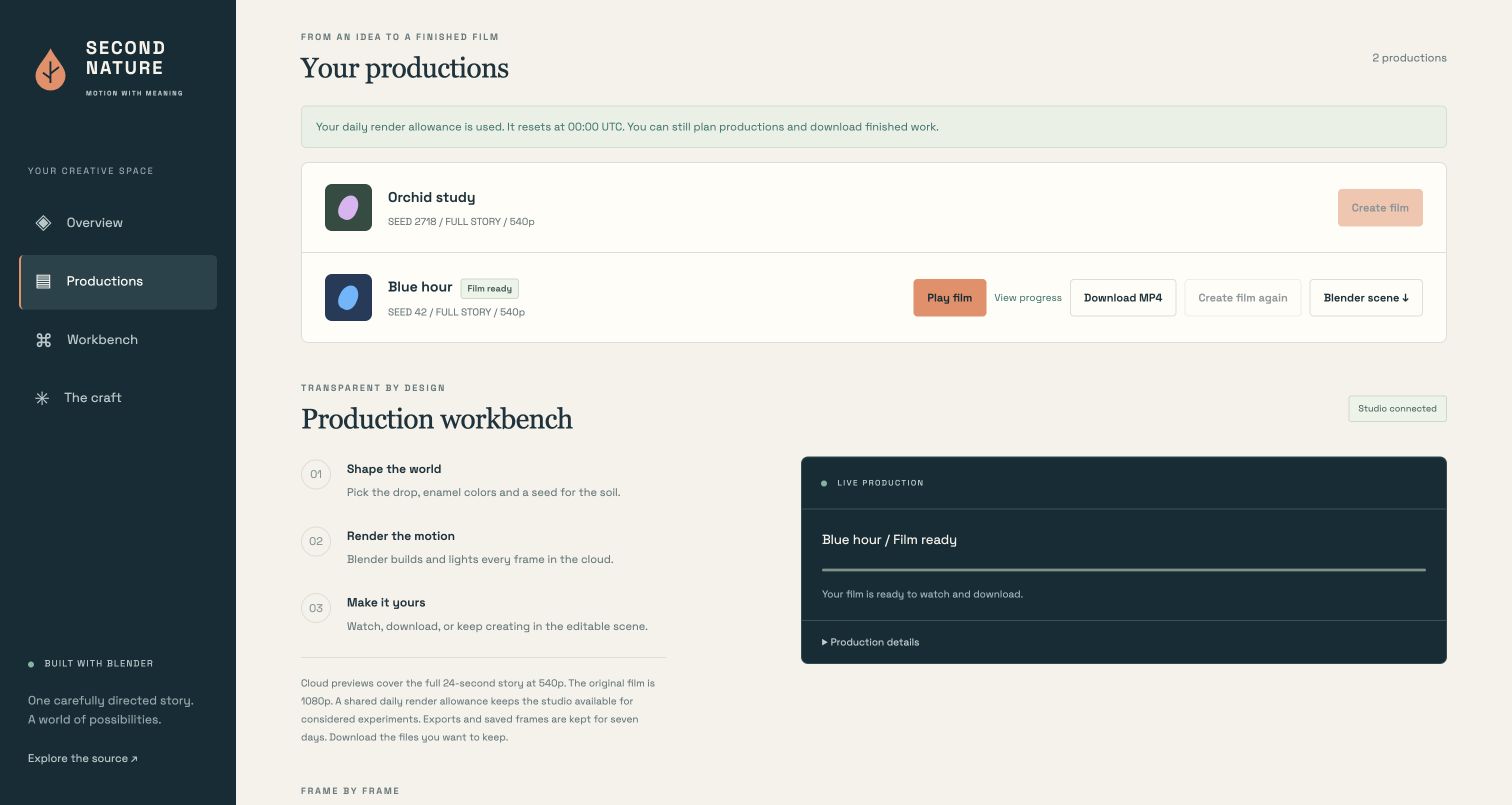
Completed Blue hour cloud production. The actual 24-second variant plays, with private MP4 and editable Blender downloads.
-
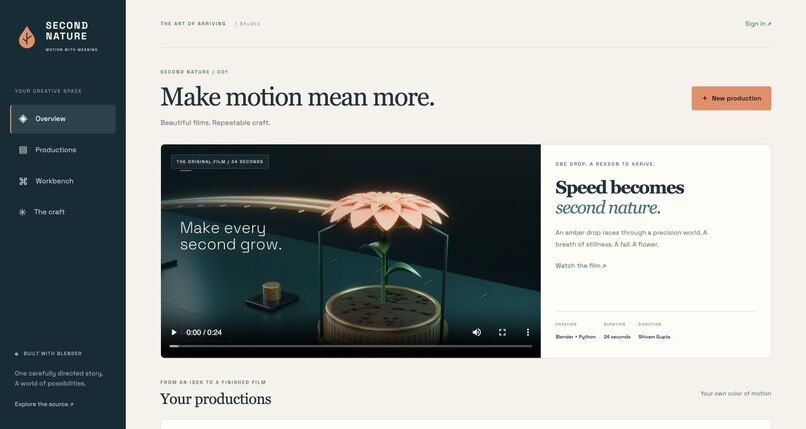
The live Firebase studio, with the complete film and a production workspace.
-
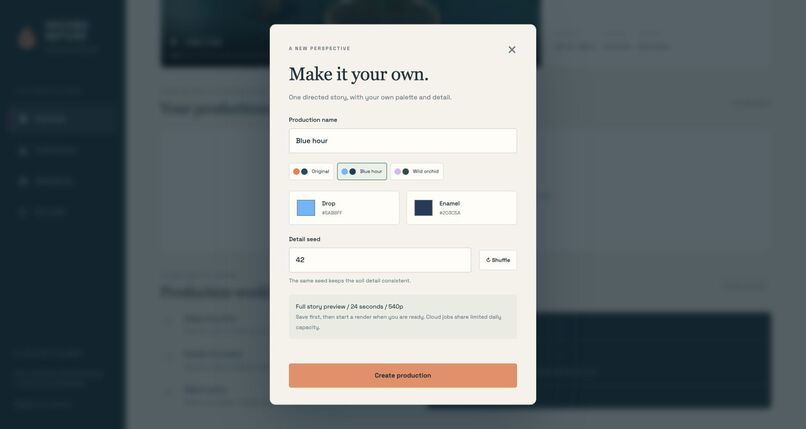
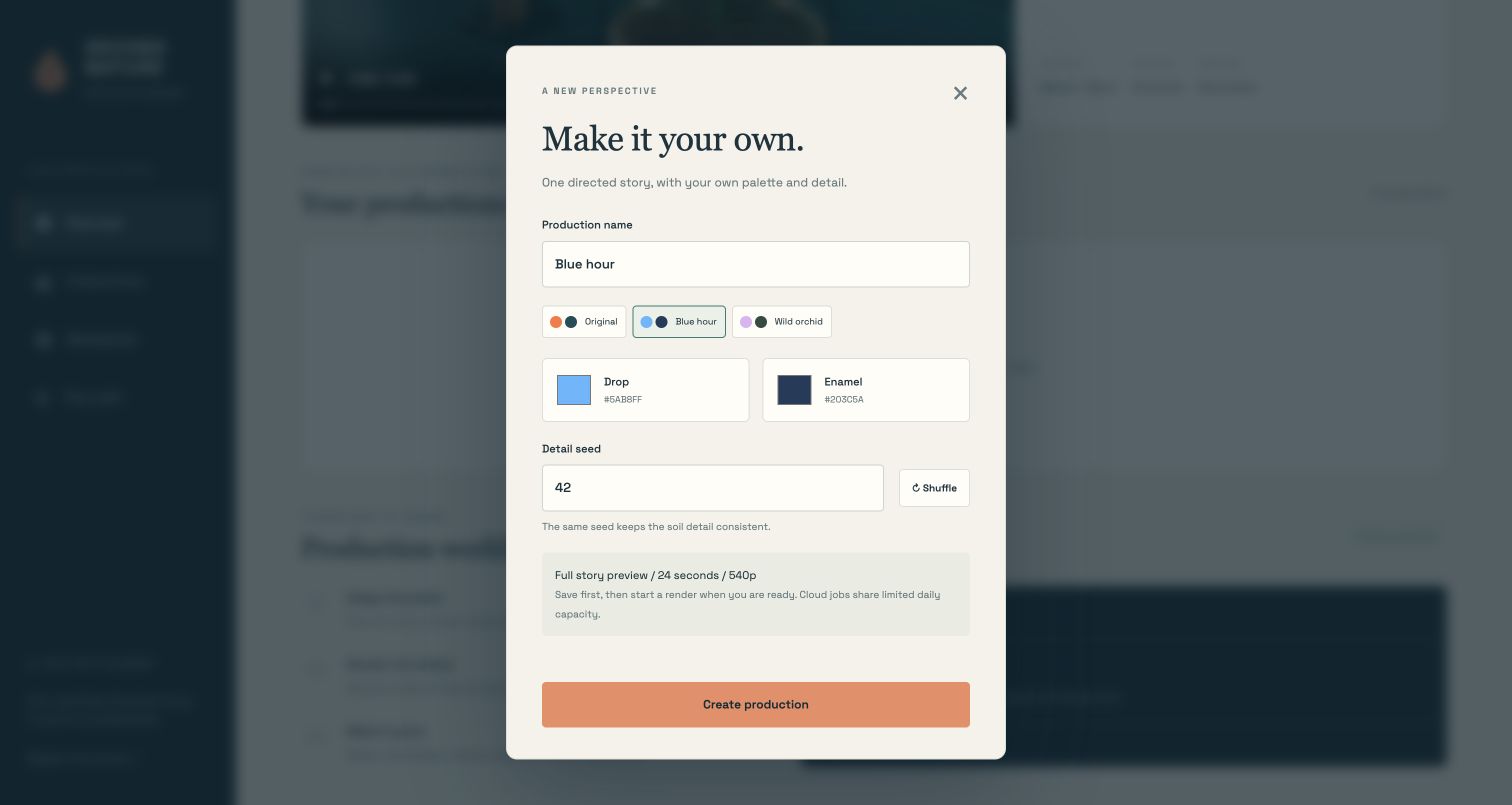
Palette and detail seed controls configure a real Blender production.
Inspiration
A race becomes more memorable when arrival matters. SECOND NATURE begins with a dry seed, giving the audience a reason to follow one luminous amber drop. Gates, rails and a vertical loop build momentum. A held breath, a fall and an unfolding flower give it purpose: Make every second grow.
The studio addresses a related creative problem. After approving a visual direction, small teams still need palette variations, consistent detail and interrupted renders finished. A carefully directed film should have a repeatable production process.
What it does
The entry is a complete 24-second Blender film: 576 frames at 24 fps, with an original synthesized soundtrack. A following camera and repeated gates establish speed. Two loop passes, eased braking, suspension and staggered petals create distinct timing and a clear ending.
The supporting web studio connects guest or email workspaces, palette and soil-seed controls, saved productions and Blender jobs. Creators can follow frame progress and logs, cancel or resume work, then play and download the MP4 or editable scene. Cloud variants cover the complete story at 540p; the original film is 1080p.
Open the studio, watch the narrated product guide, or follow the application testing instructions.
How we built it
Blender Python generates geometry, materials, lighting, paths and camera animation. Separate petal hinges unfold in staggered whorls; Fibonacci placement supplies pollen detail. Baked keyframes and a packed font keep the saved scene playable without Python autorun.
The pipeline writes frames atomically and validates dimensions, PNG CRCs and the end marker before reuse. Cache identity includes settings, scene source, renderer source, saved Blender file and quality profile. NumPy synthesizes the soundtrack, Pillow supplies typography, and FFmpeg assembles delivery.
Firebase Hosting and Authentication serve the studio and its workspaces. Private Cloud Storage holds production records, artifacts and checkpoints; object-generation checks protect shared updates. A Cloud Run API verifies identity and ownership before dispatching Blender workers or serving downloads. The original film was rendered locally; cloud workers produce studio variants. No RenderJuice integration is claimed.
Challenges we ran into
The drop needed enough headroom throughout its loop. Camera jumps could contaminate motion blur, so five independent shot cameras now hold their boundary poses. A quaternion and scale blend eases the transition from stretched travel to upright suspension. Lighting revisions recovered flower detail.
Production raised different challenges: stale frames after edits, safe cancellation, checkpoints, private downloads and browser requests finishing after an account change. Those failure paths shaped the pipeline and hosted workflow.
Accomplishments we are proud of
The film communicates a need, journey and result without dialogue. Its machine and flower share a consistent visual language, while the Blender project stays editable. Procedural controls support the direction: repeated geometry reveals speed, and staggered petals give growth its rhythm.
Real local interruption-and-resume checks preserved existing frames. A hosted cancellation saved 17 completed frames; the resumed worker validated the same Blender build and began at frame 18. The complete resumed production delivered all 576 frames, passed independent decoding and browser playback, and downloaded with the delivery manifest's SHA-256. Regression tests cover cache integrity, selective rendering, ownership and failure handling; mocked tests are distinguished from actual rendering evidence.
The film uses original geometry, materials and synthesized audio, plus Space Grotesk under SIL OFL 1.1. No stock models, textures, recorded music or generative video were used.
What we learned
The seed needed to come first. Establishing why arrival matters made the fast motion easier to care about; the pause gave the ending room to land.
Reproducibility is creative control. Seeds, source, settings and outputs must stay connected. Progress must reflect actual worker reports. Ownership and recovery become essential when a personal script becomes a shared tool.
What's next
Test the commercial hypothesis with motion designers and small studios that need variations of an approved film. Interviews and paid pilots should measure setup, revision, rendering and support time. No customer traction, revenue or measured savings are claimed.
Let that evidence guide editable end copy, aspect-ratio composition or additional directed film systems. Keep reliable rendering, clear budgets and useful recovery central to the product.

Log in or sign up for Devpost to join the conversation.