-
-
Seaweed Sinking | Digital Escrow | Pull To Refresh
-
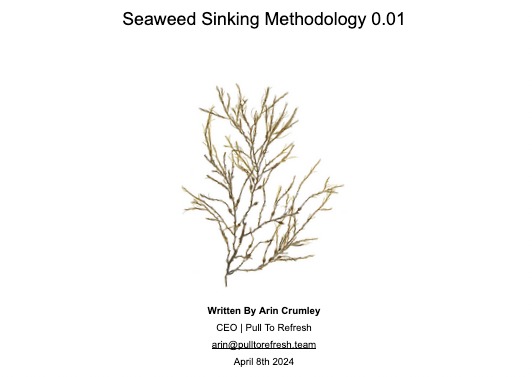
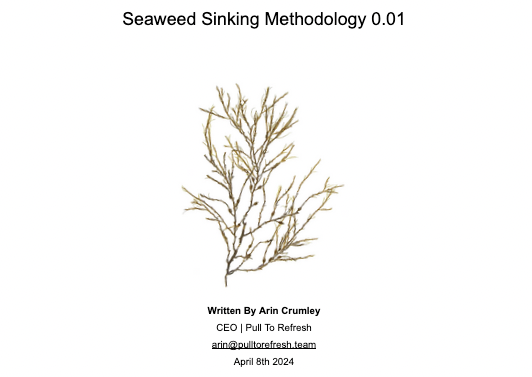
Here is the PDF of our methodlogy (links listed below)
-

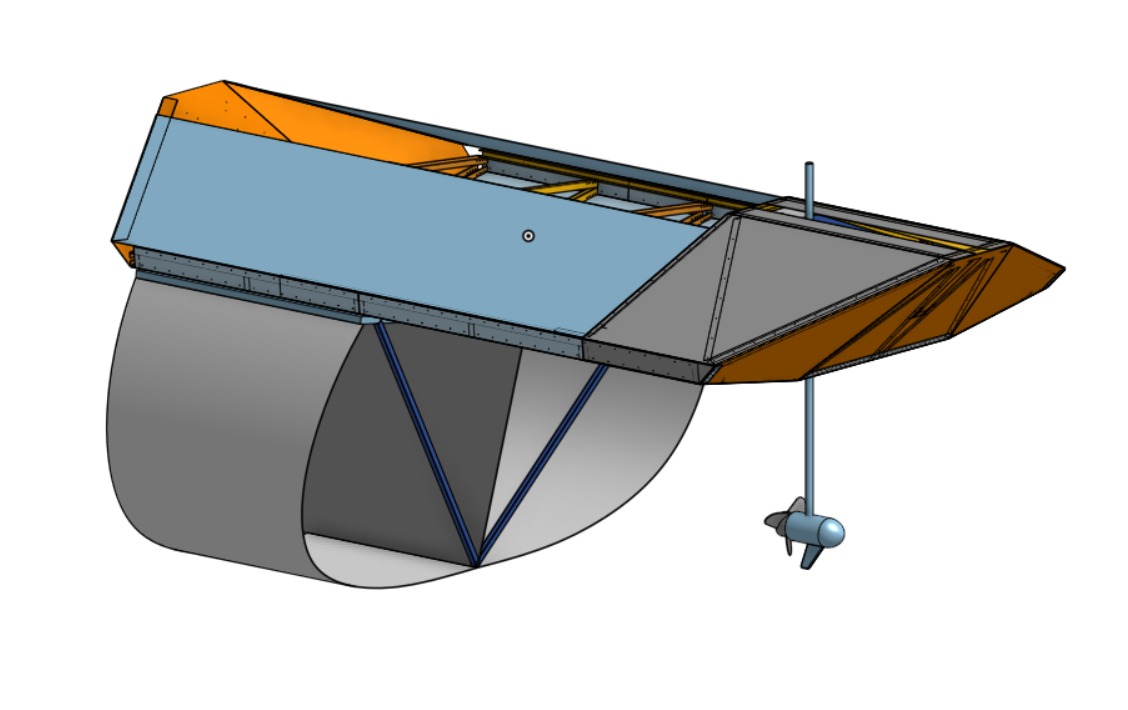
Generation of what a solar vessel that travels with it's net under the water might look like.
-
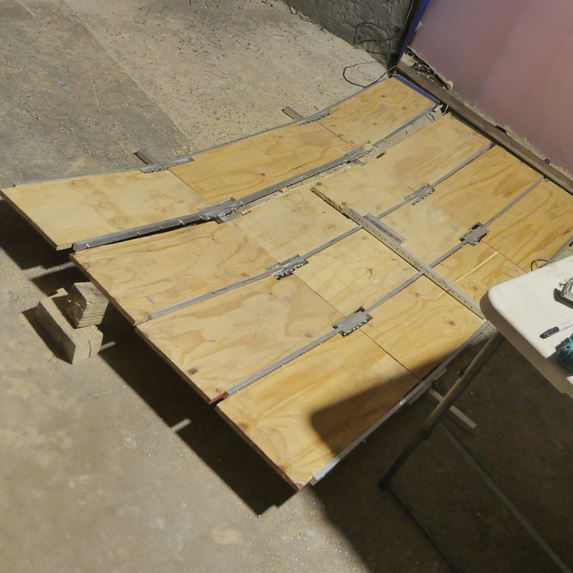
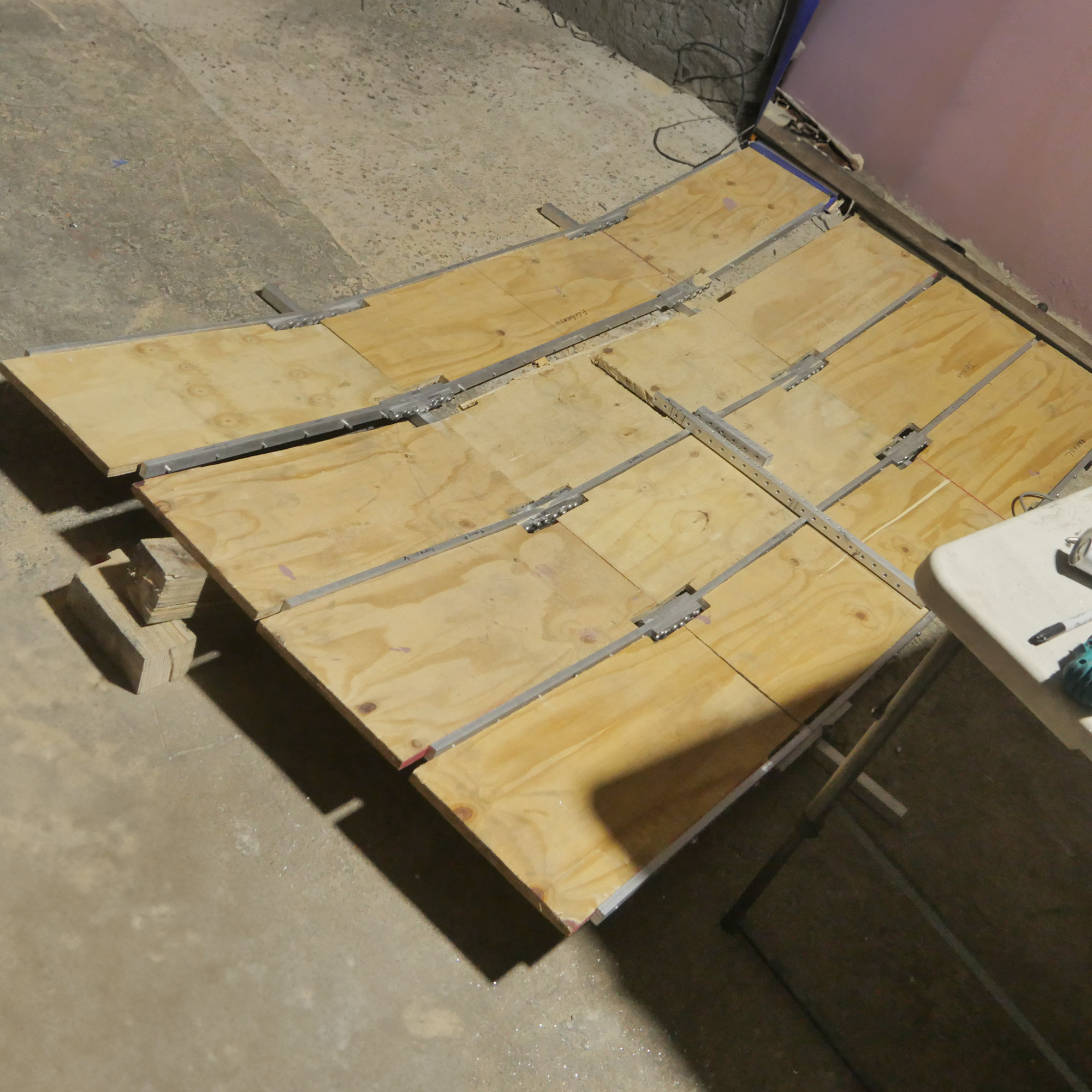
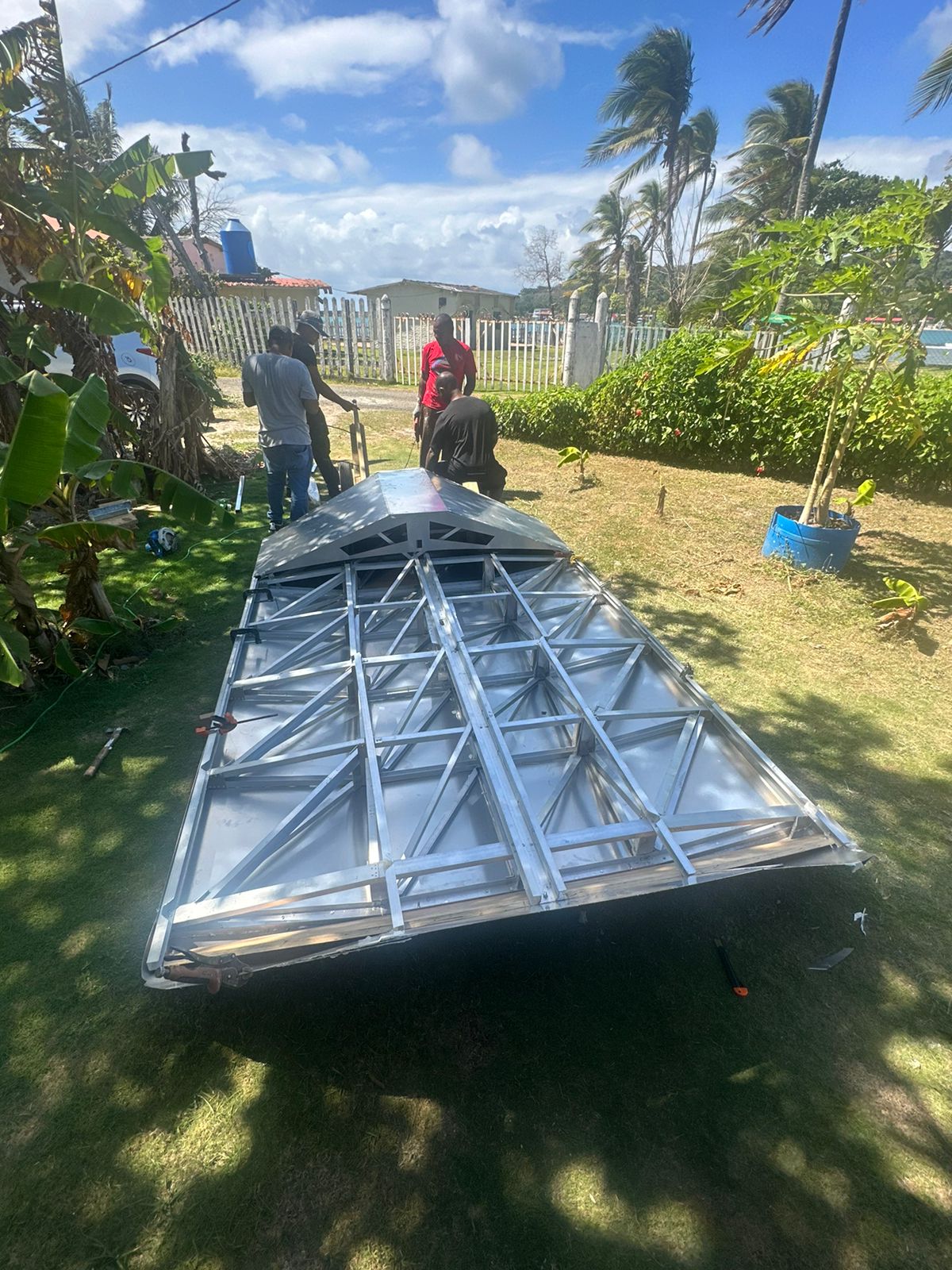
Jan 2024 - The roof of the net while under construction.
-
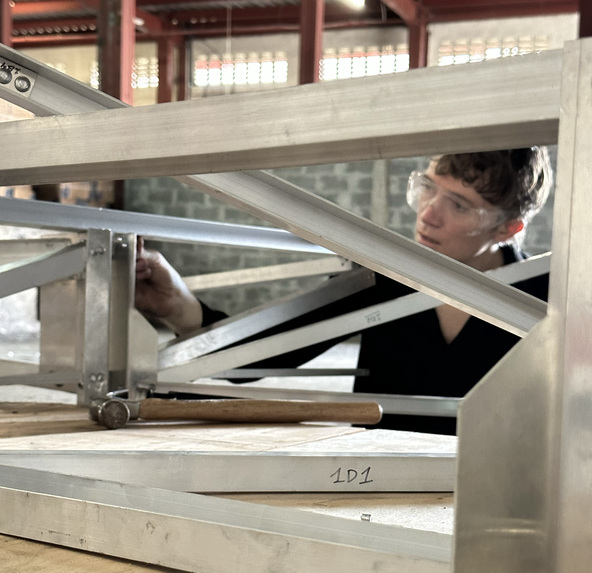
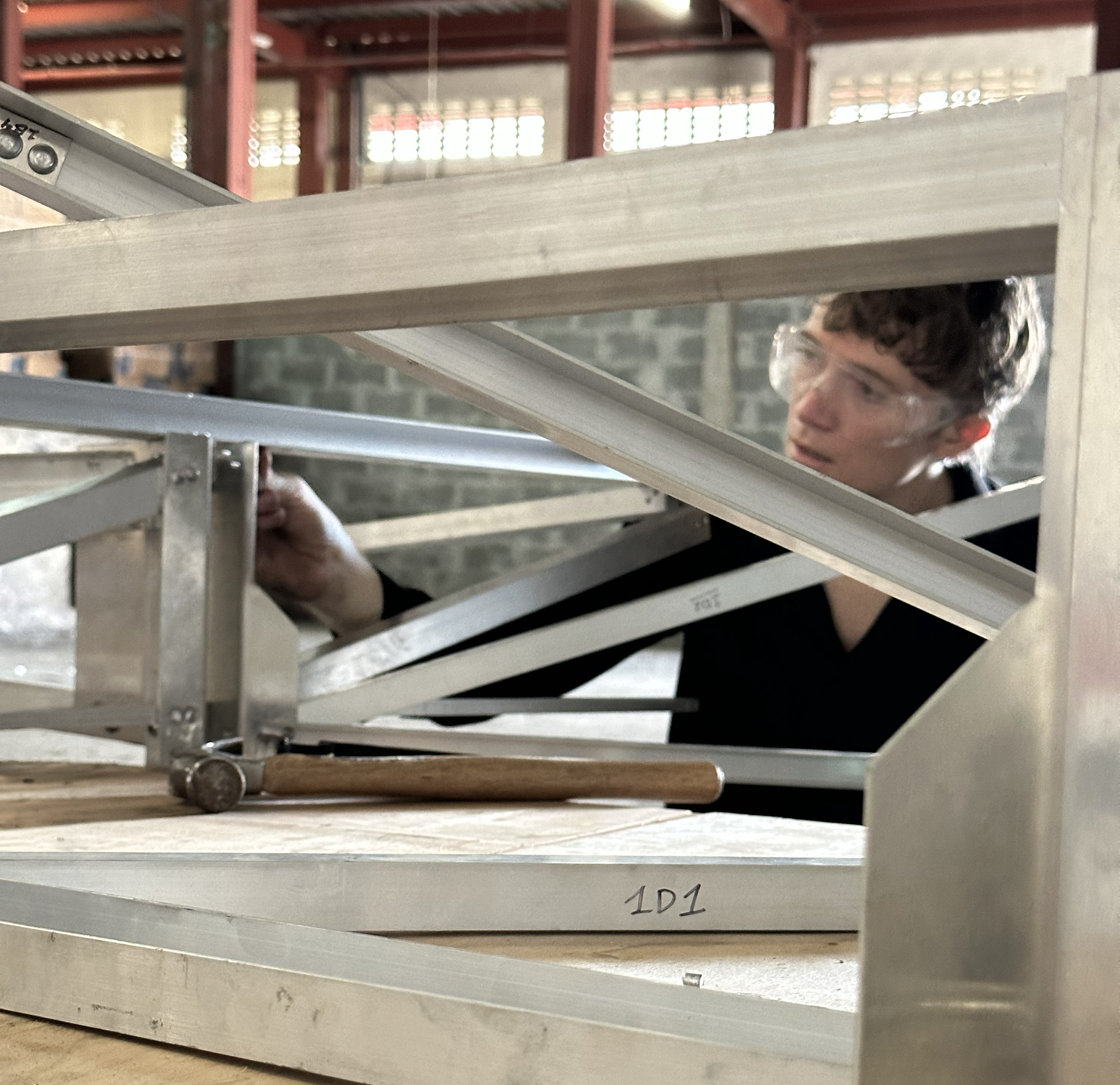
Jan 2024 - Arin Crumley working on marine grade aluminum frame of seaweed sinking vessel
-
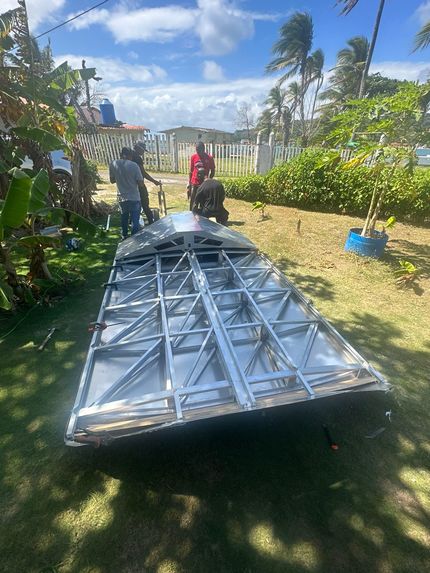
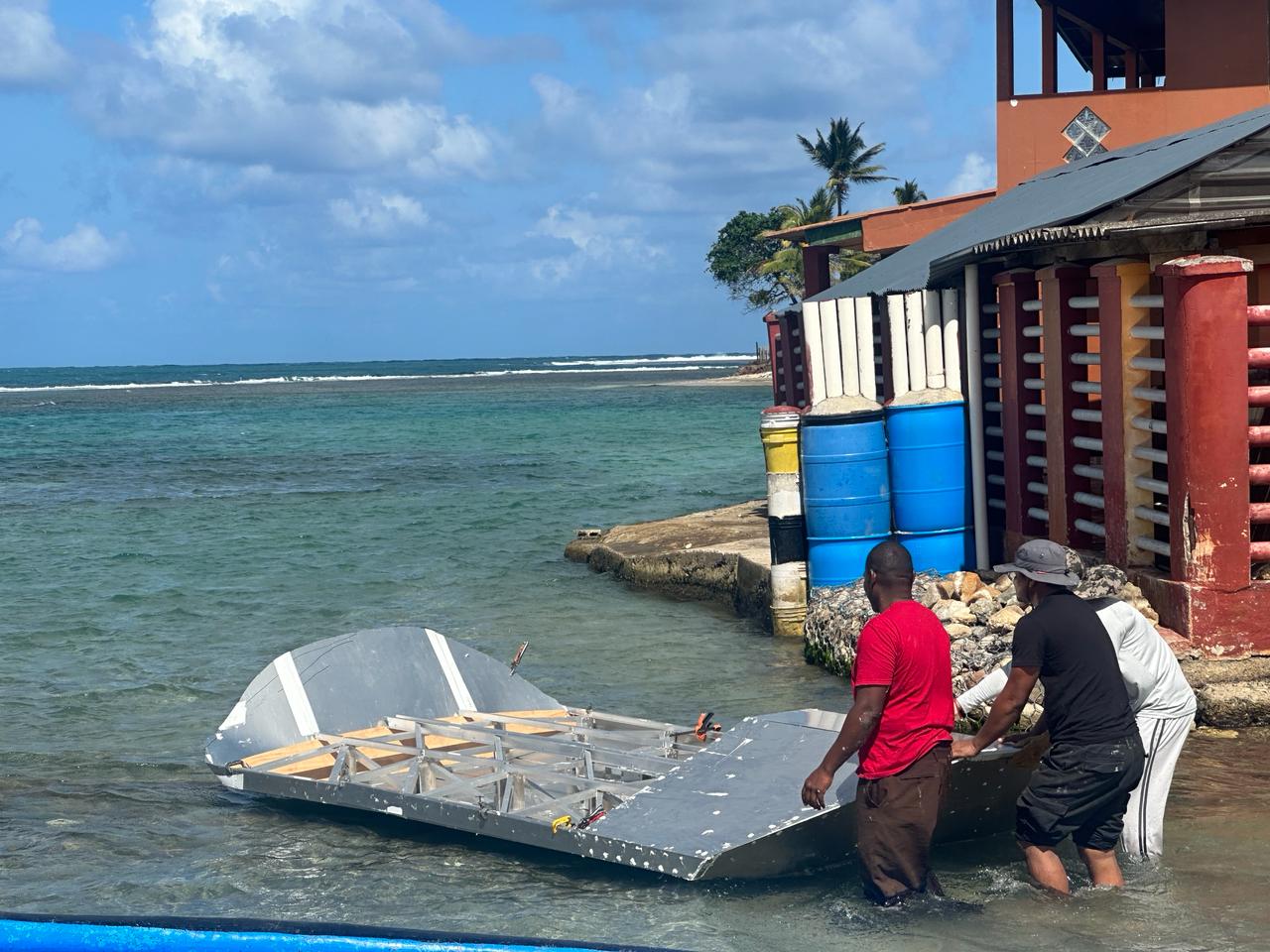
Feb 2024 - The seaweed sinking vessel being prepped for it's first test.
-
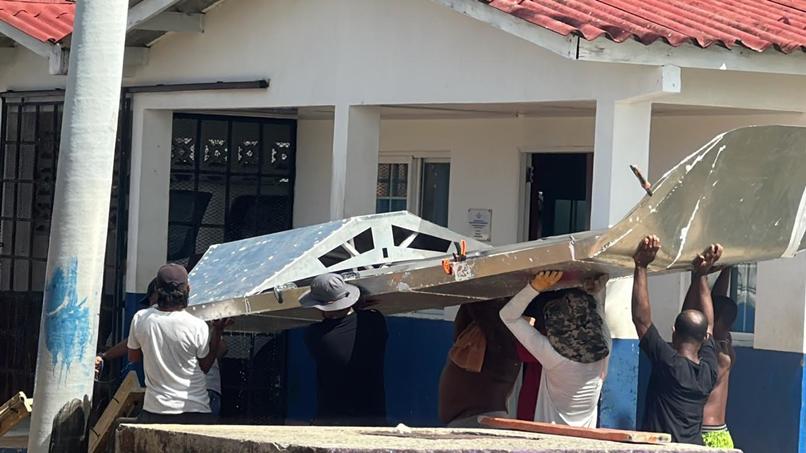
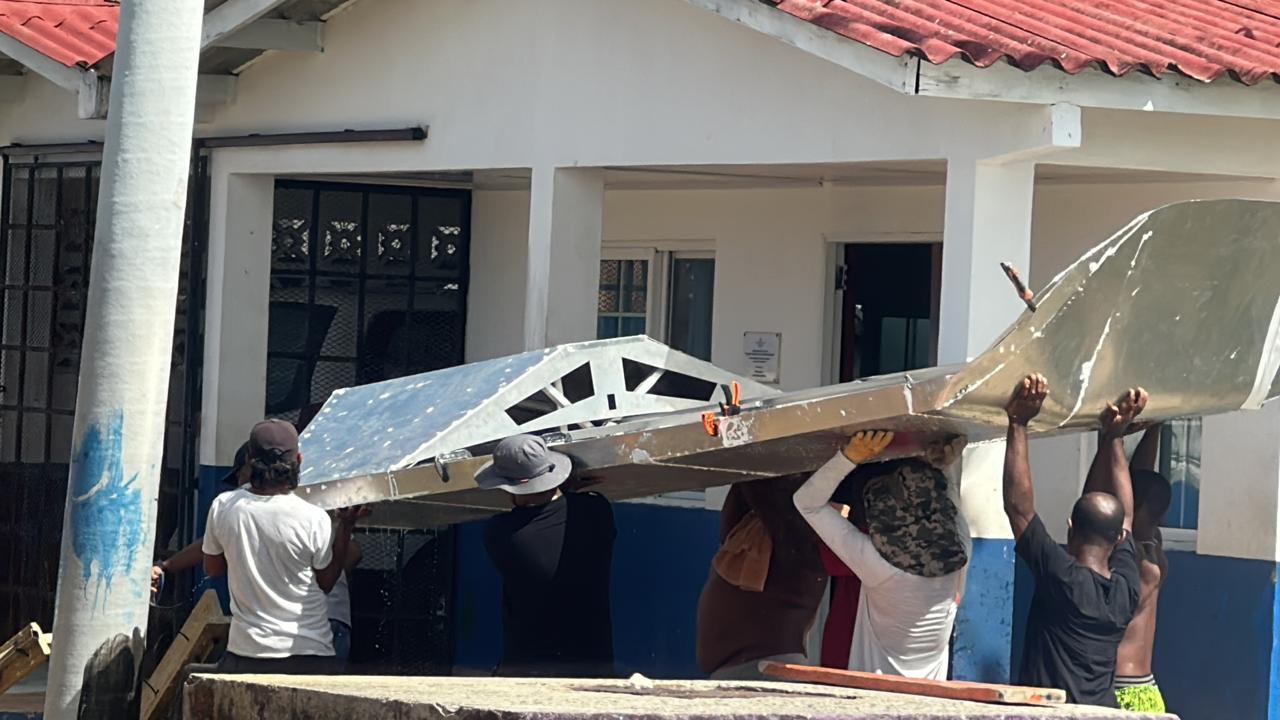
Feb 2024 - Carrying the seaweed sinking vessel to be tested.
-
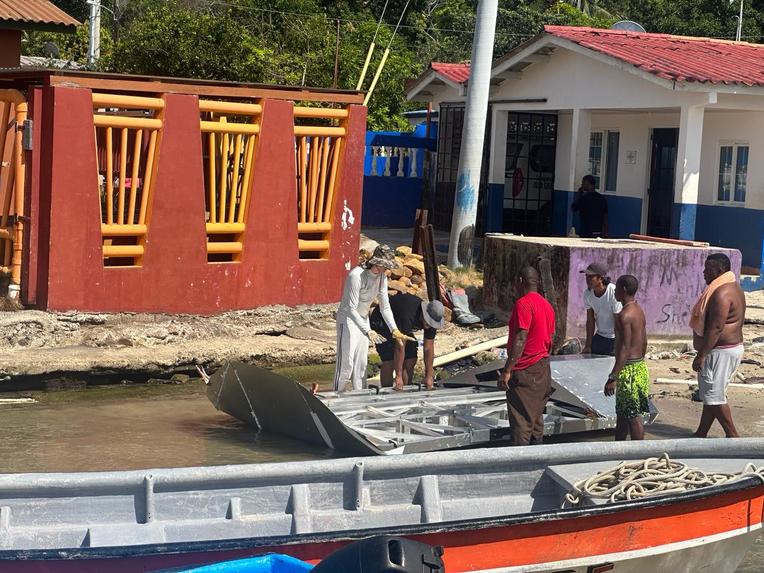
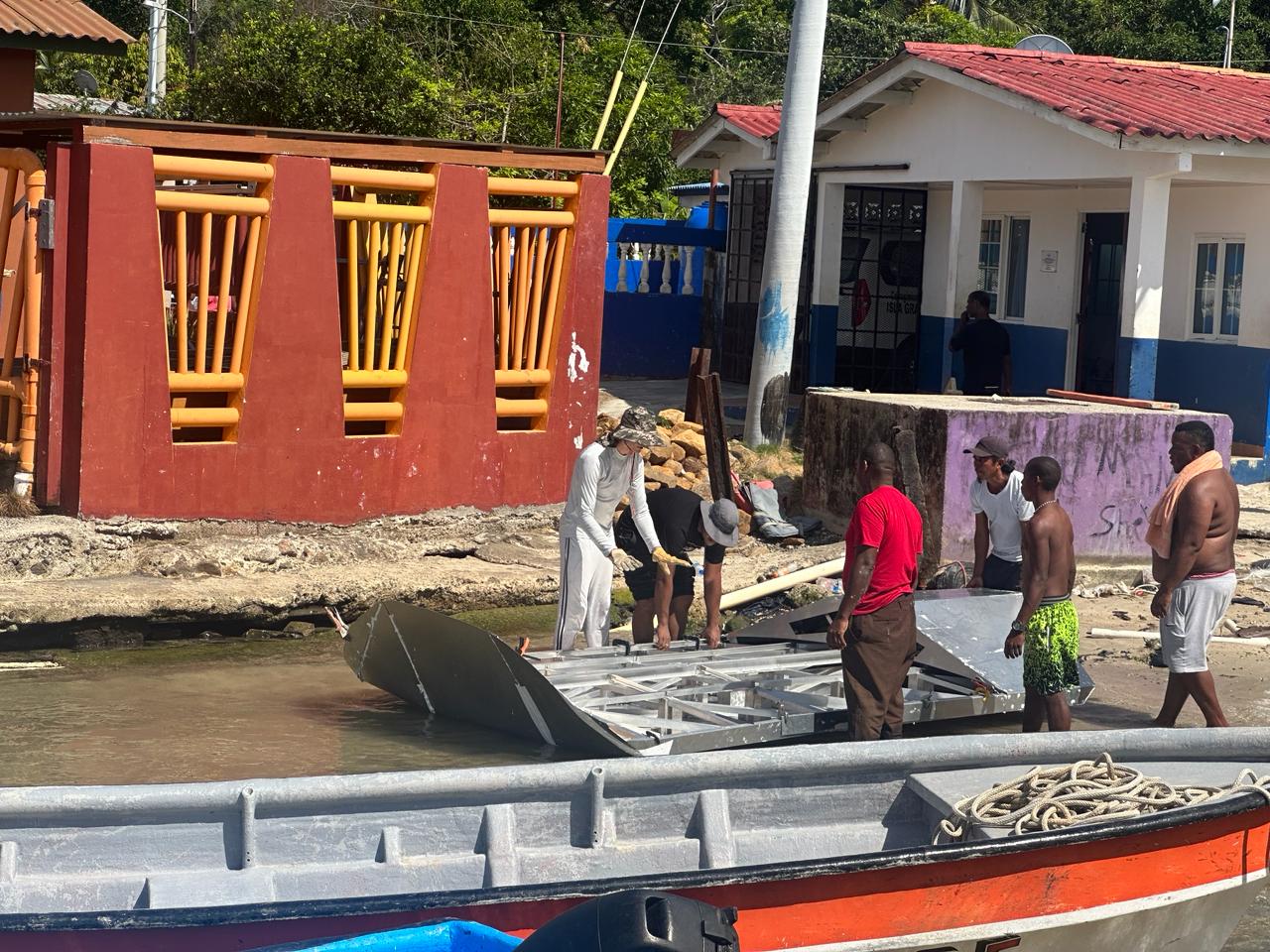
Feb 2024 - Initial hull test before completing boat.
-
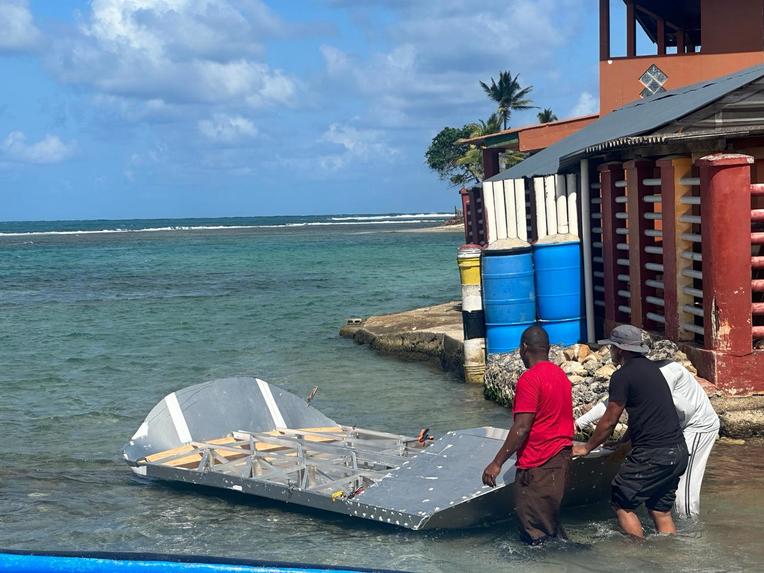
Feb 2024 - Measuring waterline of the vessels hull.
-
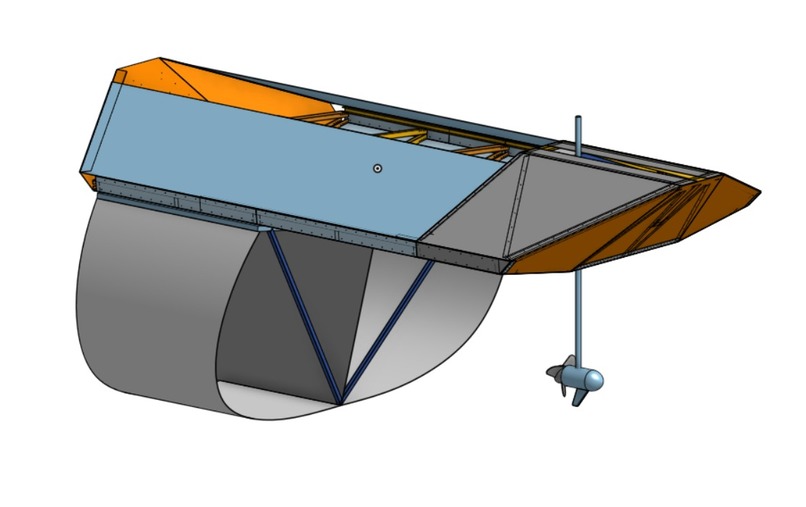
Feb 2024 - Rendering of the vessel, motor and net all unified showing the full system.

Inspiration
In a series of think tank sessions on how to address climate change during the pandemic over Clubhouse, I discovered that the lower ocean has a distinct carbon cycle from the upper ocean/atmosphere that are in constant equilibrium. And that the world naturally absorbs surplus carbon into the lower ocean; thus, accelerating this process could effectively tackle climate change. I had a background in making electric skateboards and started to imagine a fleet of floating skateboards with waterproof batteries and covered in solar panels that were out across the oceans of earth handling seaweed for the purpose of managing our planet's carbon levels. Since then, I've actually built many prototypes to attempt to build this and along the way have thought about what a seaweed sinking methodology should entail and followed all the others working in this space and read many academic papers to get to the bottom of the underpinning science.
What it does
What we built that is linked below on GitHub simply generates a hash of a folder of assets that prove sequestration has occurred. It proves this with third-party report links, the needed total seaweed sunk in wet weight, and the needed ratios to multiply that number by to account for conversion to CO2 in the atmosphere removed as well as account for deductions.
Making a hash generator is really useful to us because now as we fill up folders with proof of each batch of seaweed we sink, we can generate a hash and then put this hash and the URL back to this folder of assets into a token.
How we built it
This hash generator was the only piece we didn't have, so we just generated that real quick so it would work with Python, and generated another one that works with PHP. This way we can drop that PHP file in the folder on our own servers where we store our proof of sequestration data for each batch of seaweed we sink, and then it will generate the hash when visiting the URL of that PHP file. This way we can manually double-check everything just before we make the token. Once we make the token, there is no going back. The hash and URL and graphic that represents that unique batch will be stored on the blockchain forever.
What about the Methodology and Digital Policy?
In addition to this light coding effort, we detailed in a brand new elaborate methodology with 44 scientific references 20-pages explaining exactly the rules that the seaweed sinking methodology must follow, the verifier best practices, and data storage and XML syntax to ensure all of it is machine-readable so that systems to auto audit carbon removal can easily be built on top of everything.
Challenges we ran into
We got the Guardian system working on only 1 of the 2 computers we tried but then we tried hard and could not get the policy creation tool to work. We had a lot of trouble with docker being very slow and failing the first several times and suspect we may have missed a few dependencies. Given some help from another team who made a digital policy of their methodology, we could likely fix this in a few minutes. It also may not be so simple and might require a deeper integration to match the vision of the practical realities of our seaweed sinking, our customer needs, and the vision of the existing Hedera Guardian blockchain. Doing so would be very exciting and having it all work would be very exciting to see.
What we learned
We learned that long-held dreams discussed for years now about how this methodology for sinking seaweed could work on some kind of blockchain can really come true on the Hedera Guardian blockchain. We didn't know this has already all been thought completely through including making the ability to create digital policies. Being that one can mint tokens and attach metadata to them, this platform has everything the carbon removal industry needs to improve accountability, traceability, and 3rd party verification protocols.
What is next
Well, this hackathon was a wonderful break from the critical path of testing our seaweed sinking equipment. The next most immediate task is to continue that process, adding some Viam functionality that controls our vessel remotely. Additionally, we must buy or rent long-range aerial drones to scout for ground truth of where our vessels will find the best clusters of Sargassum to send them there. We will pick this project back up at that point because we will then start to have tonnes we can deliver. The very first thing we'll do is follow the FTP and folder structure defined in the linked below methodology. This way, our vessels produce the exact files we've defined while doing this hackathon. Then as the seaweed sinking is beginning, we can deliver to our initial customers. We might create their wallets for them and give them the tokens of the KG that we removed on their behalf. Then we'll likely make a graphical certificate we also put into the token, making it feel almost like an NFT for a batch of KG of carbon removal associated with a batch of seaweed sinking. This way it's very granular, and they knowexactly what they bought. This will work for a while without adding too much cumbersome tech too quickly. At some point in the next 1 to 5 years, we'll want to get our carbon removal buying customers to manage their own wallets or use or create a cloud-based wallet system for them. If retail buyers emerge, of course, we'd be happy to participate in marketplaces to sell to them.
Longer Term Vision
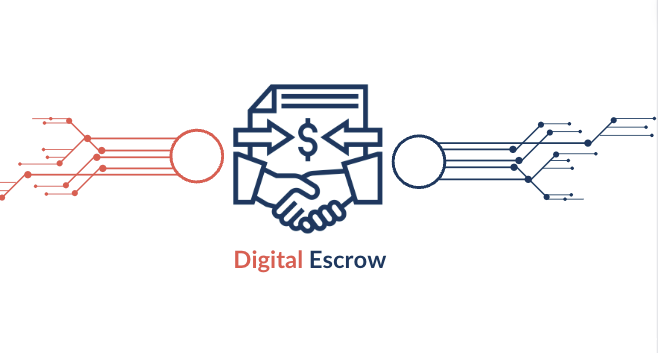
Building on the work completed in this hackathon, we aim to develop functional smart contracts. These will channel the billions of dollars estimated to be spent in the coming decades on carbon removal into a robust system. The thinking is it'll probably be best to hold large purchases of carbon removal in USDC in escrow, and then, once we have fulfilled our delivery by sending tokens that represent the total amount of carbon removed in kilograms, the total amount negotiated and defined in the smart contract will be released. These deals will come together through a discussion process about the escrow concept, which should ease their anxieties around large purchases of technology that is still maturing. We'll assign an expiration date so they get the money back after a certain date if we don't deliver. Once that's all happening, we should be off to a really good start to eventually see a true marketplace emerge where discussions and hand-holding isn't needed, but companies know the carbon removal they want and the terms they want it on and they just create open smart contracts that can be fulfilled by any carbon removal company first come/first serve who will then race to get as much carbon removal completed as they can so they can scoop up all the most favorable purchases off this envisioned digital marketplace.
Final Thoughts
First things first, we need the durable long-lasting carbon removal to sell. It currently does not exist at the scale and level of integrity that is needed. And that is what Pull To Refresh is creating. Get in touch to be part of the journey with us.

Log in or sign up for Devpost to join the conversation.