-
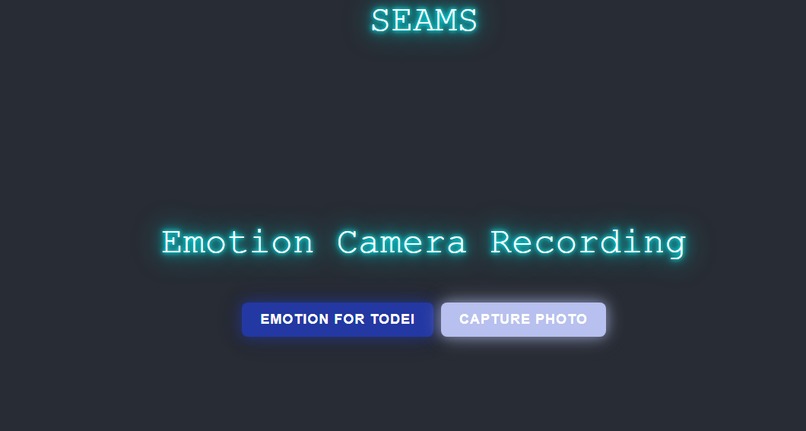
Page without camera
-
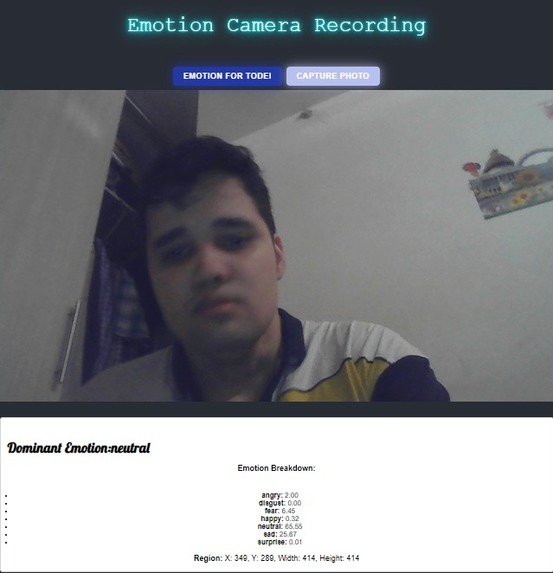
-
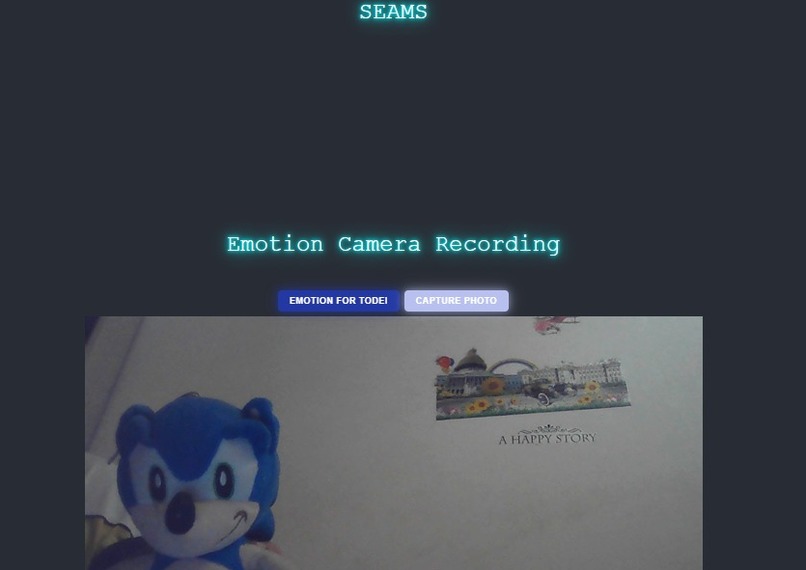
Page
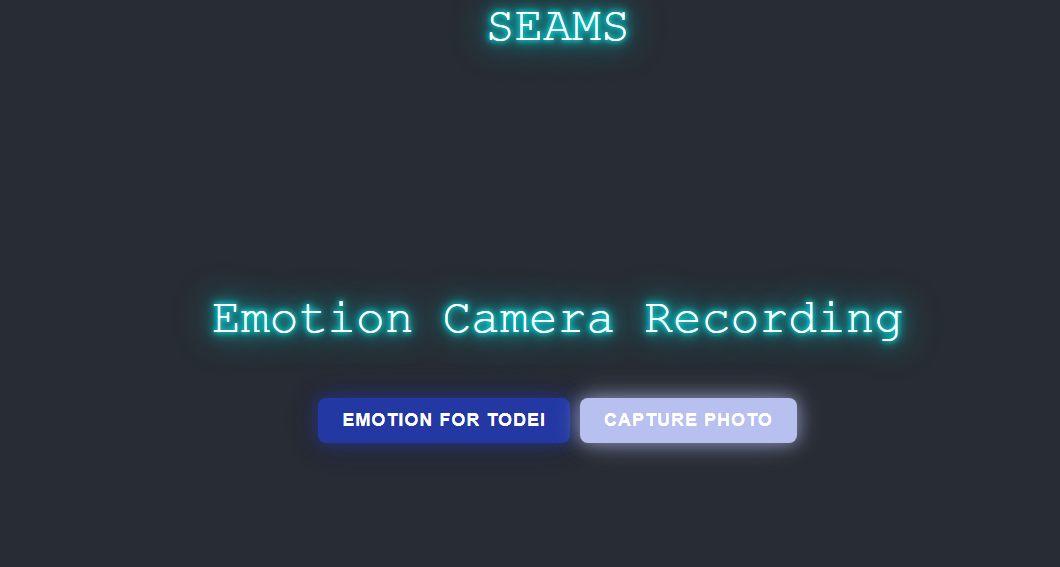
About the Project
Inspiration
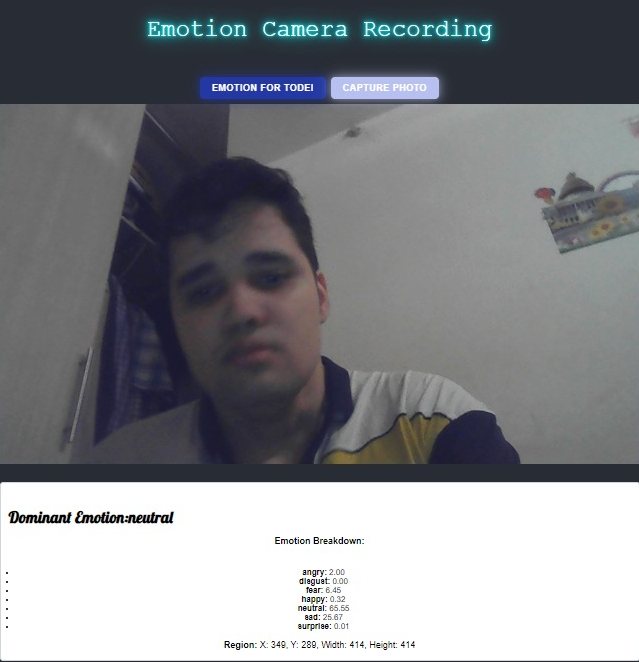
The inspiration for this project came from the growing importance of emotional intelligence in technology. As we increasingly interact with digital interfaces, understanding and responding to human emotions becomes crucial. The idea of creating an emotion detector stemmed from the desire to bridge the gap between human emotions and machine responses, making interactions more empathetic and personalized.
What I Learned
Throughout this project, I gained deeper insights into facial recognition technologies, machine learning models for emotion detection, and the ethical considerations of using such technologies. I learned how to integrate various APIs, such as the Luxand API, to enhance the accuracy and reliability of emotion detection. Additionally, I explored the challenges of handling real-time data and ensuring the privacy and security of users' emotional information.
How I Built the Project
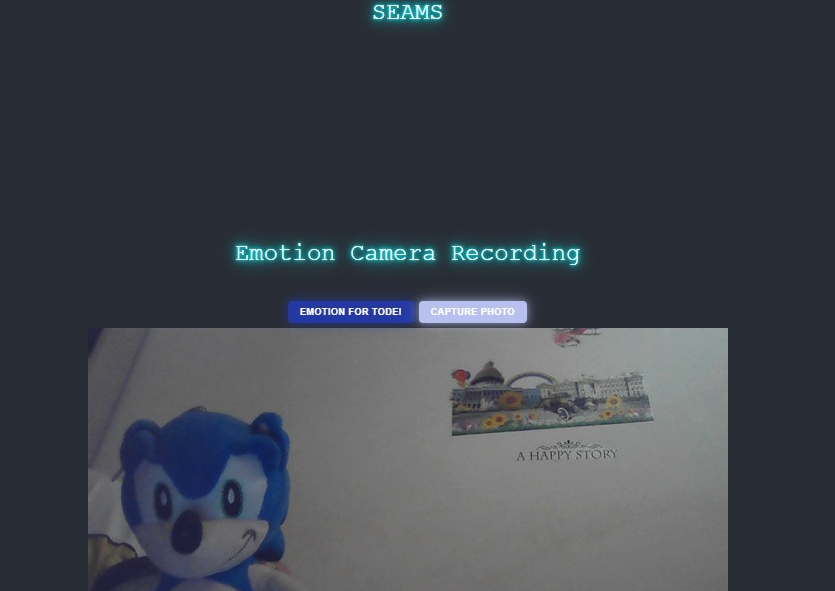
The project was built using React for the frontend and Luxand API for emotion detection. The frontend captures images using the Webcam API, which are then processed by the Luxand API to detect and classify emotions. The application is designed to be user-friendly, with a simple interface that displays detected emotions in real-time. I focused on creating a seamless integration between the camera feed, emotion detection, and real-time feedback to users.
Challenges Faced
One of the major challenges was optimizing the accuracy of emotion detection across diverse facial expressions and lighting conditions. Another challenge was ensuring that the detection process was fast enough to provide real-time feedback without compromising the user experience. Additionally, balancing the need for detailed emotional analysis with the ethical considerations of privacy and consent was an ongoing concern. Despite these challenges, the project has successfully demonstrated the potential of emotion detection technology in enhancing digital interactions.


Log in or sign up for Devpost to join the conversation.