Inspiration
We learnt about how the Marshall Islands were at risk of being engulfed because of rising sea level. Additionally, we were interested in using 3d game development to solve this problem. Many people haven't seen the impact of this problem firsthand, so we wanted to create something that would be able to let them see this firsthand.
What it does
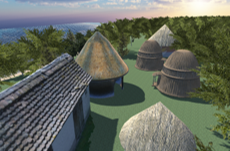
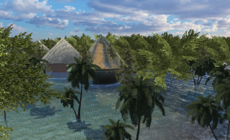
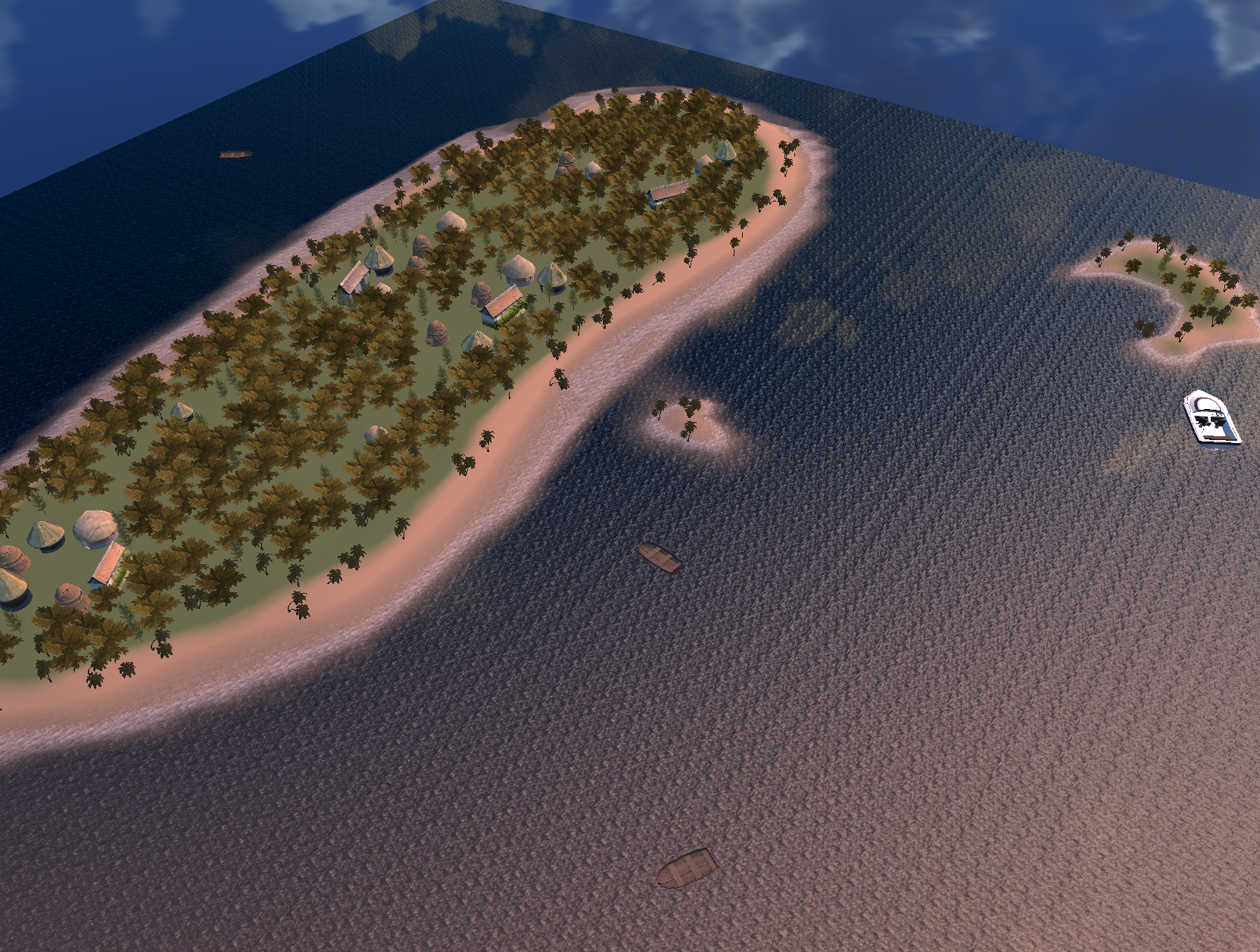
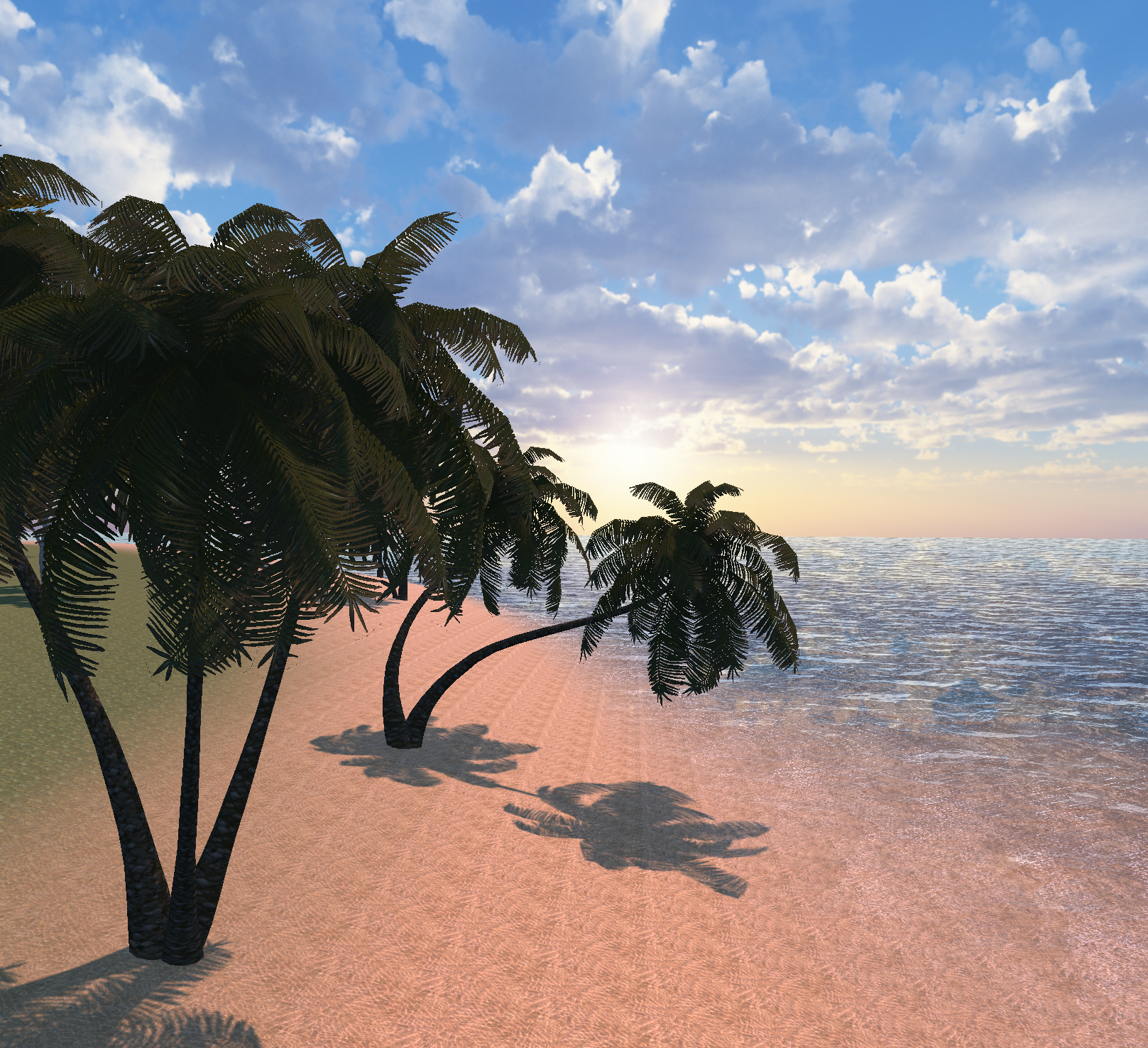
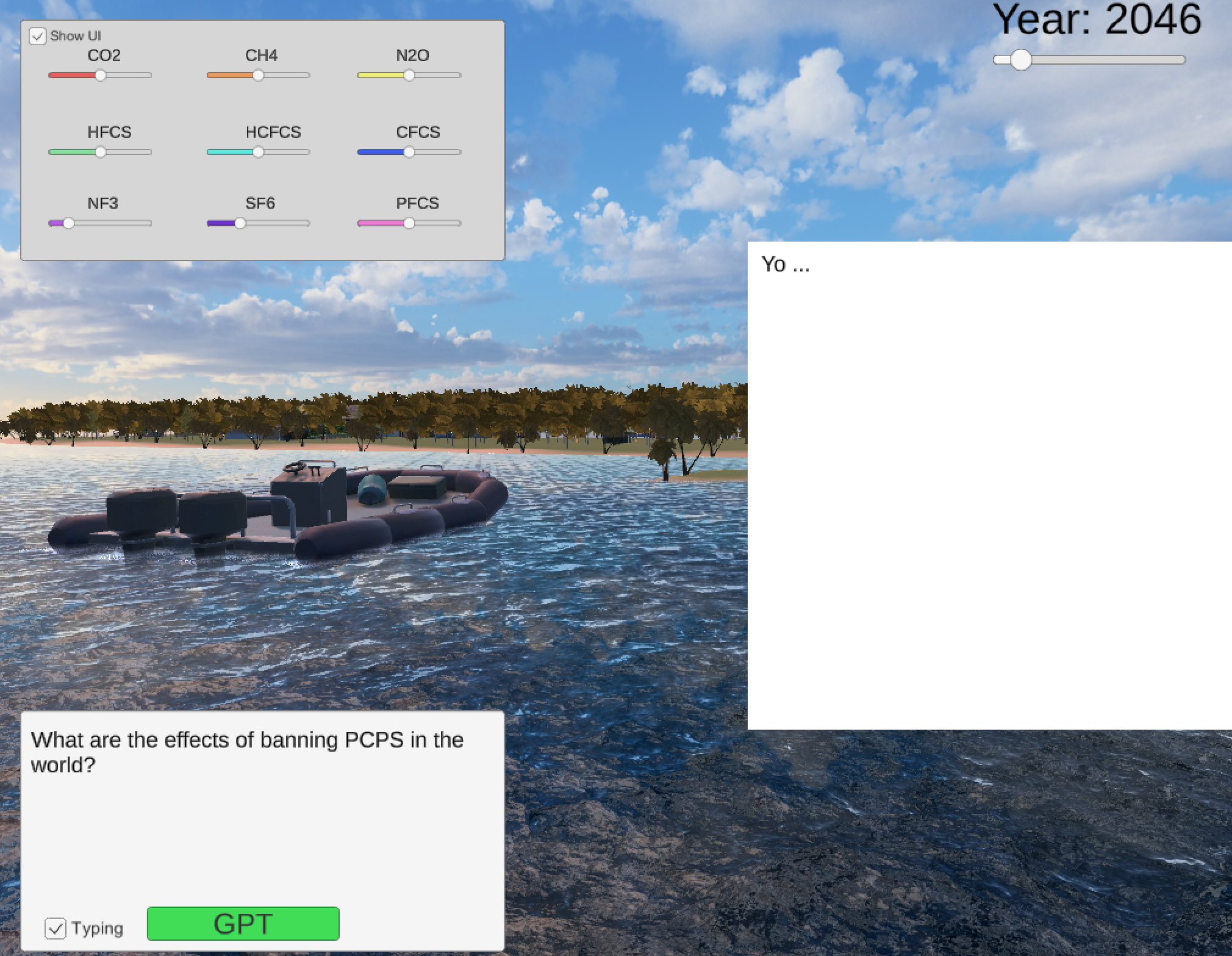
It is a simulation game where players manage a coastal area in the Marshall Islands facing the challenges of rising sea levels and changing environmental conditions. Players input various environmental policies or lobbying movements, and the game evaluates the impact of these decisions on variables such as Greenhouse gas levels, which directly cause the sea level to change. The game uses a 3D model of the island, incorporating realistic homes, and trees and providing immediate feedback on the consequences of sea level rise on this coastal community. It aims to educate players on sustainability practices and the long-term effects of their choices, as well as influence global environmental policies their impact on coastal communities.
How we built it
We built it primarily using Unity for the 3D modeling and game development, which allowed for a realistic environment. We integrated a GPT API to process player inputs and provide detailed evaluations of their policies. The game leverages a NASA database of environmental data to simulate the effects of rising sea levels and other climate-related factors. We used assets which we designed ourselves (through Blender) or imported through the unity store to design the island itself. We used C# scripts to create screen space UIs for the GPT interface and the Greenhouse gas level monitor.
Challenges we ran into
Initially we struggled to use the Terrain tool because it was our first time using it. We were unable to use the “Paint Tree Tool” because there was not a valid Mesh Layer on the Prefab. We resolved this by going into Blender and combining the components of the Prefab which let us have one complete Mesh Layer. Additionally, we found out that there was no apparent NASA API, with which we could import the Greenhouse Gas Data for the 9 GHG’s. To overcome this, we used NASA’s database of Greenhouse Gas concentration data over the years, and modelled a line of best fit, helping us accurately predict the fluctuations of various Greenhouse Gases based on the Legislation the user inputs.
Accomplishments that we're proud of
We are proud of Successfully integrating GPT technology to enhance player interaction and learning was a significant achievement. Additionally, we are proud to receive positive feedback from user testing.
What we learned
The project helped us learn prompt engineering and how to use the capabilities of GPT technology in Unity. We also gained insights into effective data management which we incorporated into the simulation to ensure that it was realistic. Finally, we learnt how to use the Terrain tool in Unity which helped us design the island and its properties.
What's next for Sea-lution: A Sustainability Simulation
We want to partner with educational institutions and environmental organizations to promote the game as a learning tool. Additionally, we also want to introduce other cities in the game which are also at risk of Sea-Level rise such as coastal cities in Florida.

Log in or sign up for Devpost to join the conversation.