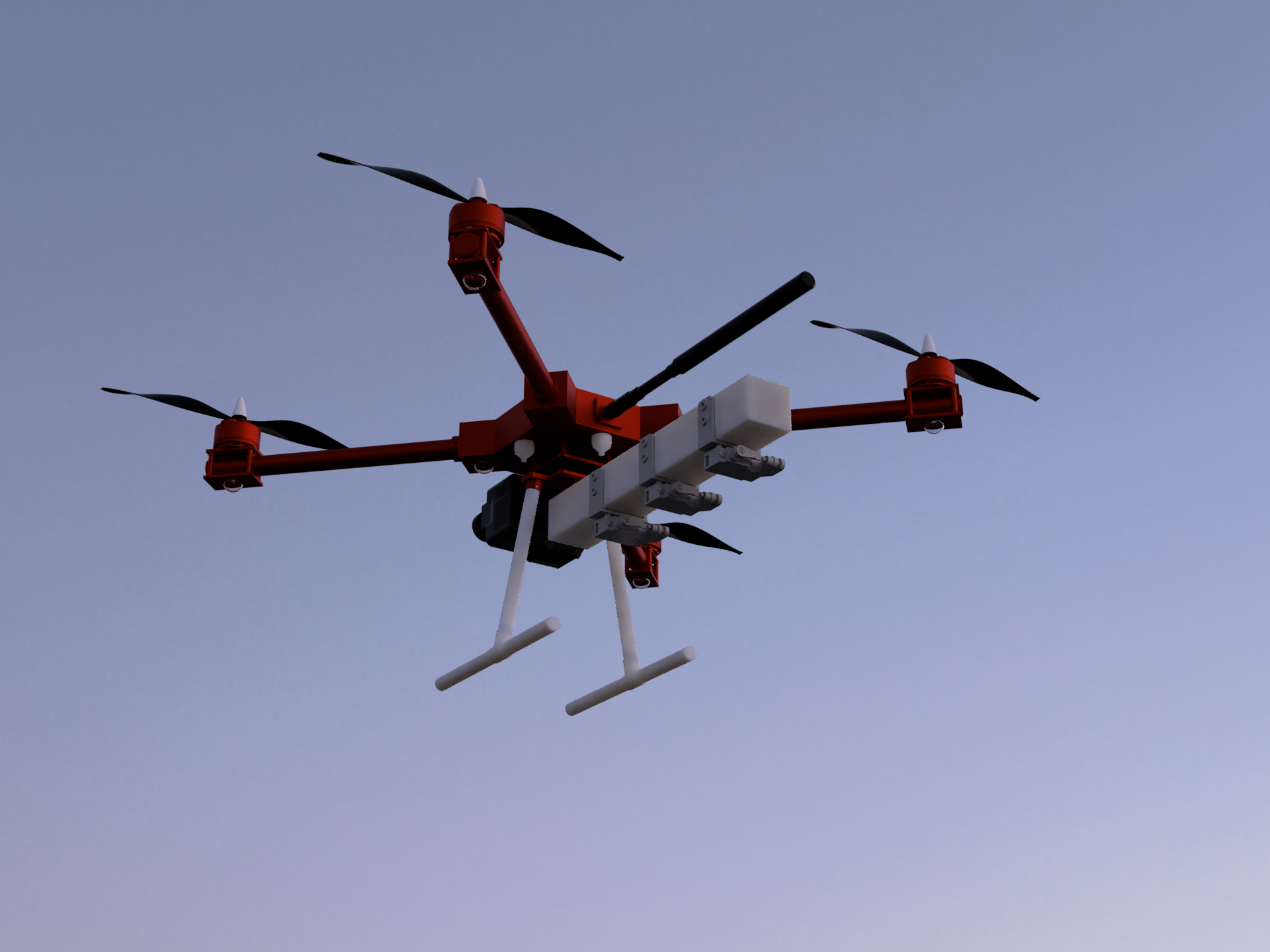
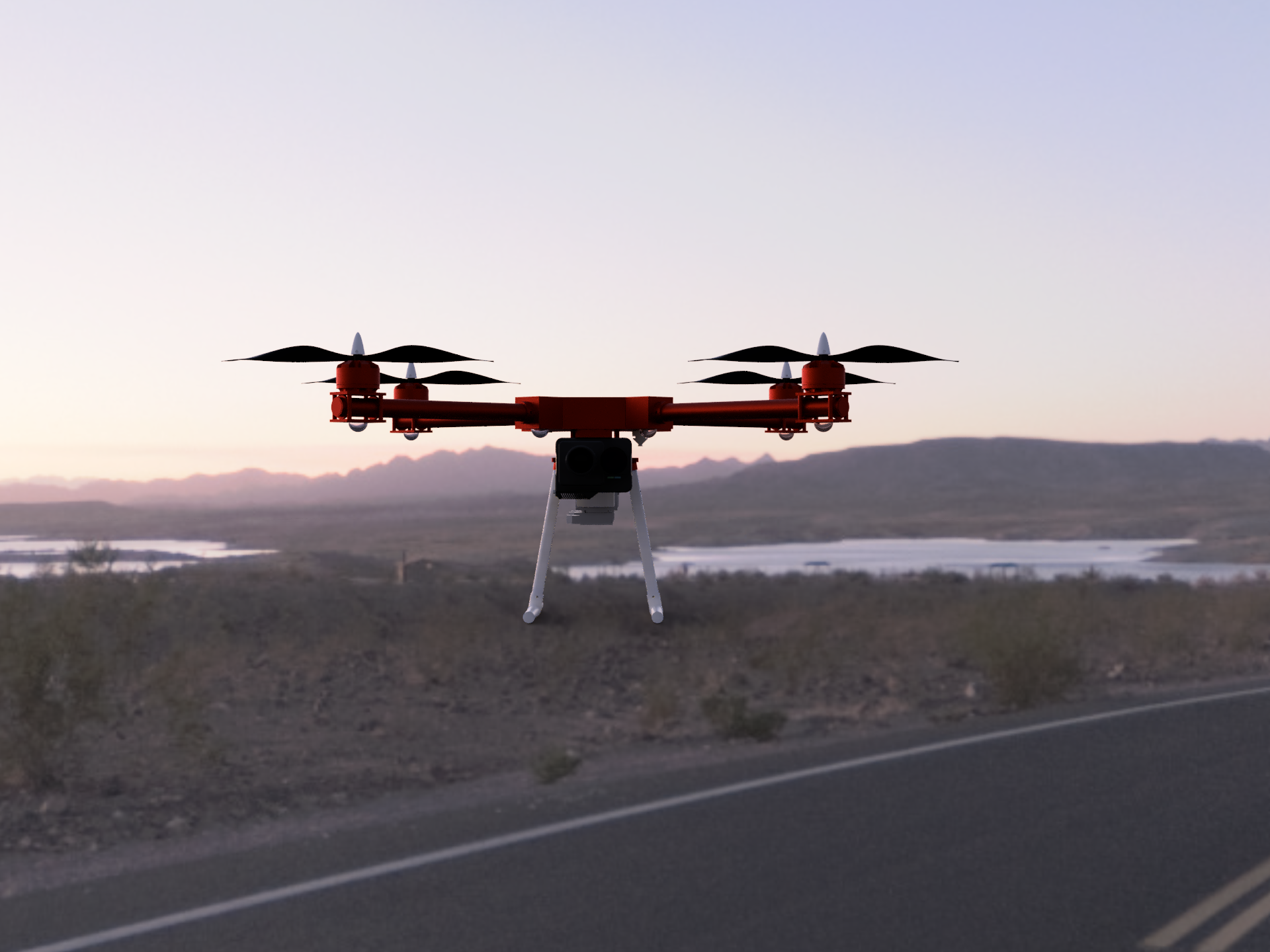
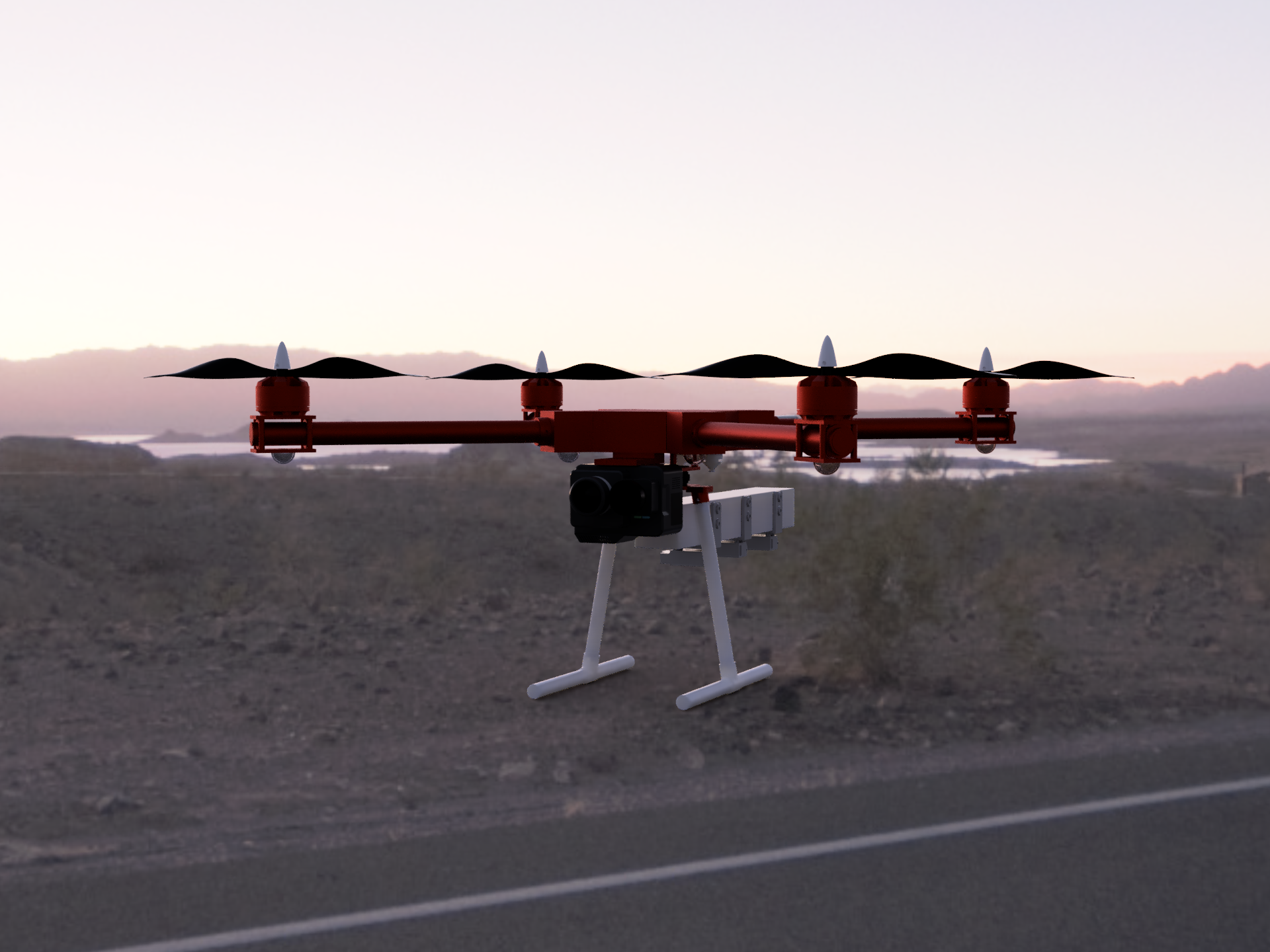
The SeaGuardian Drone is a semi-autonomous aerial rescue system designed to assist lifeguards in identifying and rescuing drowning victims. It was inspired by the alarming statistic that drowning is the leading cause of accidental death for children worldwide. Traditional lifeguard response times can be critical, and lifeguards often face challenges in detecting drowning individuals accurately, with only about 67% accuracy. The SeaGuardian aims to improve response times and detection accuracy using AI and machine learning algorithms trained on drowning behavior datasets.
The drone is equipped with advanced features such as infrared imaging and AI detection, allowing it to identify potential drowning incidents in real-time. It can deploy life preservers and alert nearby individuals with audio distress signals. The drone is powered by multiple batteries and features a high-definition camera, GPS, and a sensor suite for stable flight. It can be controlled manually or set to launch autonomously, making it versatile for various water environments. The design includes modular attachments to customize it for different emergencies and can be adjusted for different water bodies.
The development of the SeaGuardian involved overcoming challenges such as maintaining a stable center of gravity and finding effective detection methods. Initially, aerial sonar and LiDAR were considered but proved ineffective due to environmental limitations. Instead, thermal imaging and water disruption pattern recognition were adopted. Future plans include gathering feedback from professionals, refining the drone's interface, and conducting real-world trials. The team also aims to ensure compliance with safety regulations and explore partnerships for deployment. The SeaGuardian is expected to significantly enhance lifeguard rescue capabilities by leveraging AI to reduce response times and save lives.

Log in or sign up for Devpost to join the conversation.