Inspiration
Living in a coastal region, I’ve seen firsthand how our oceans are treated as a 'hidden' dumping ground. Every month, nearly 1 million tons of plastic enter the sea, and for most people, it’s a problem that feels too big to solve. I was inspired to build SEAR because I realized that the gap wasn't a lack of care, but a lack of infrastructure. I wanted to create a system that turns passive observation into verified action, giving every citizen the tools and the incentives to become a 'Sentinel' for our waters.
What it does
SEAR is a full-stack maritime preservation platform that turns coastal citizens into verified environmental guardians. Developed by Oluwaseun Ogungbemi and myself across a distributed remote workflow, the app is to bridge the gap between pollution data and community action.
- Core System Functionality: Smart Reporting: Users submit GPS-locked, time-stamped reports of marine debris or hazards.
- Dual-Track Logic: Plastic waste is flagged for community cleanup, while oil spills trigger a high-priority Red Alert for safety and official agency response.
- Proof-of-Impact: A strict "Before & After" validation engine compares metadata from photo pairs to ensure cleanup actually occurred before any rewards are issued.
- The Gamified Economy: Sentinel Points: Users earn a "Social Currency" for every verified action taken within the system.
- Point Tiers: 5 pts for Reporting, 8 pts for Oil Spill Alerts, and 15 pts for Full Verified Cleanups.
- Sentinel Titles: Users climb a hierarchical leaderboard, earning prestigious ranks.
- The Sentinel Shop: Points are redeemed for physical rewards, including SEAR-branded caps, tees, and portable vacuums. Competitive Impact: Regional leaderboards foster community pride by tracking the total mass of plastic removed per city.
- Coordinator Dashboard: Authorized Admins and NGOs can "Pin" official cleanup events on the map and manage volunteer data.
How we built it
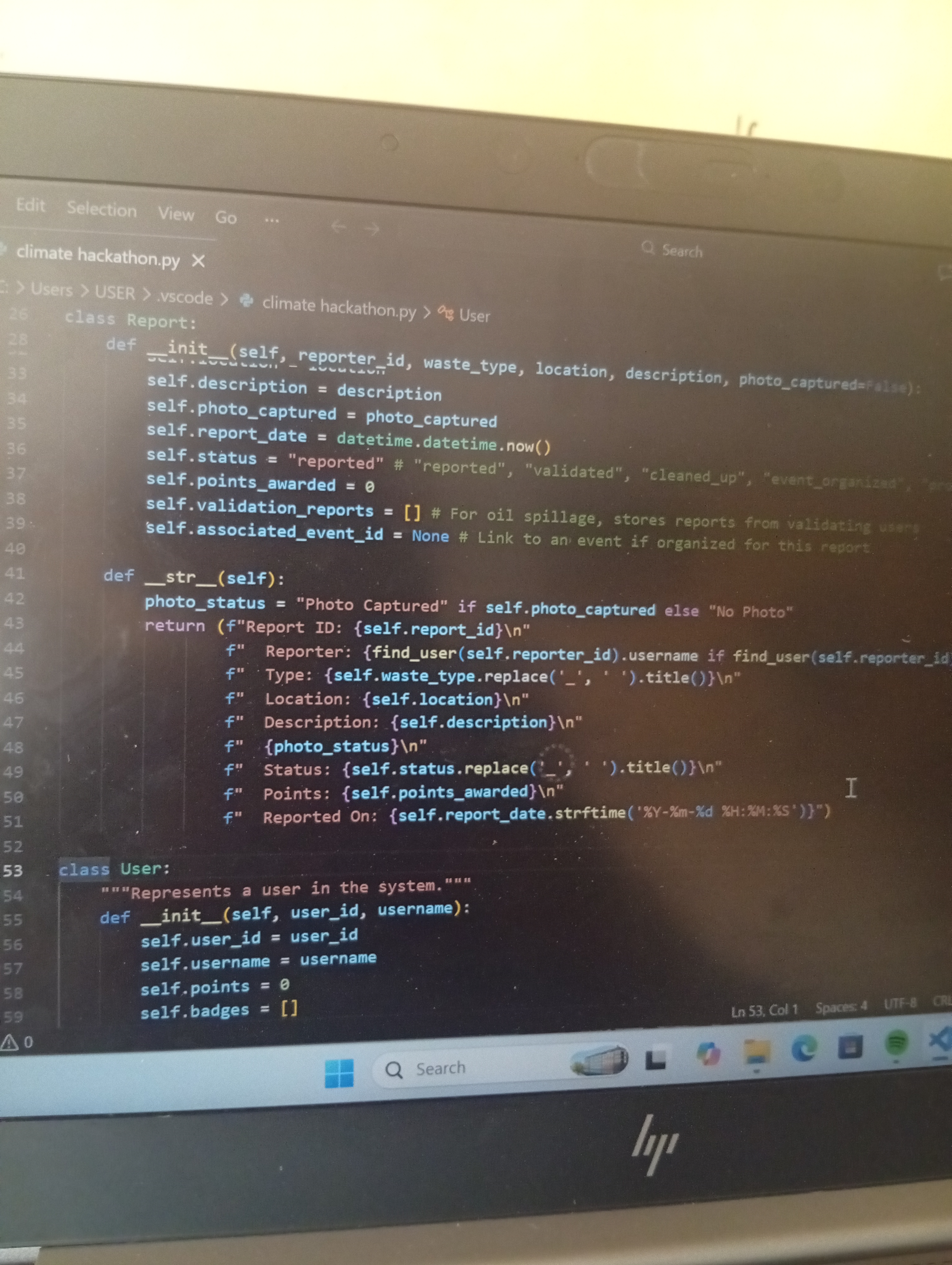
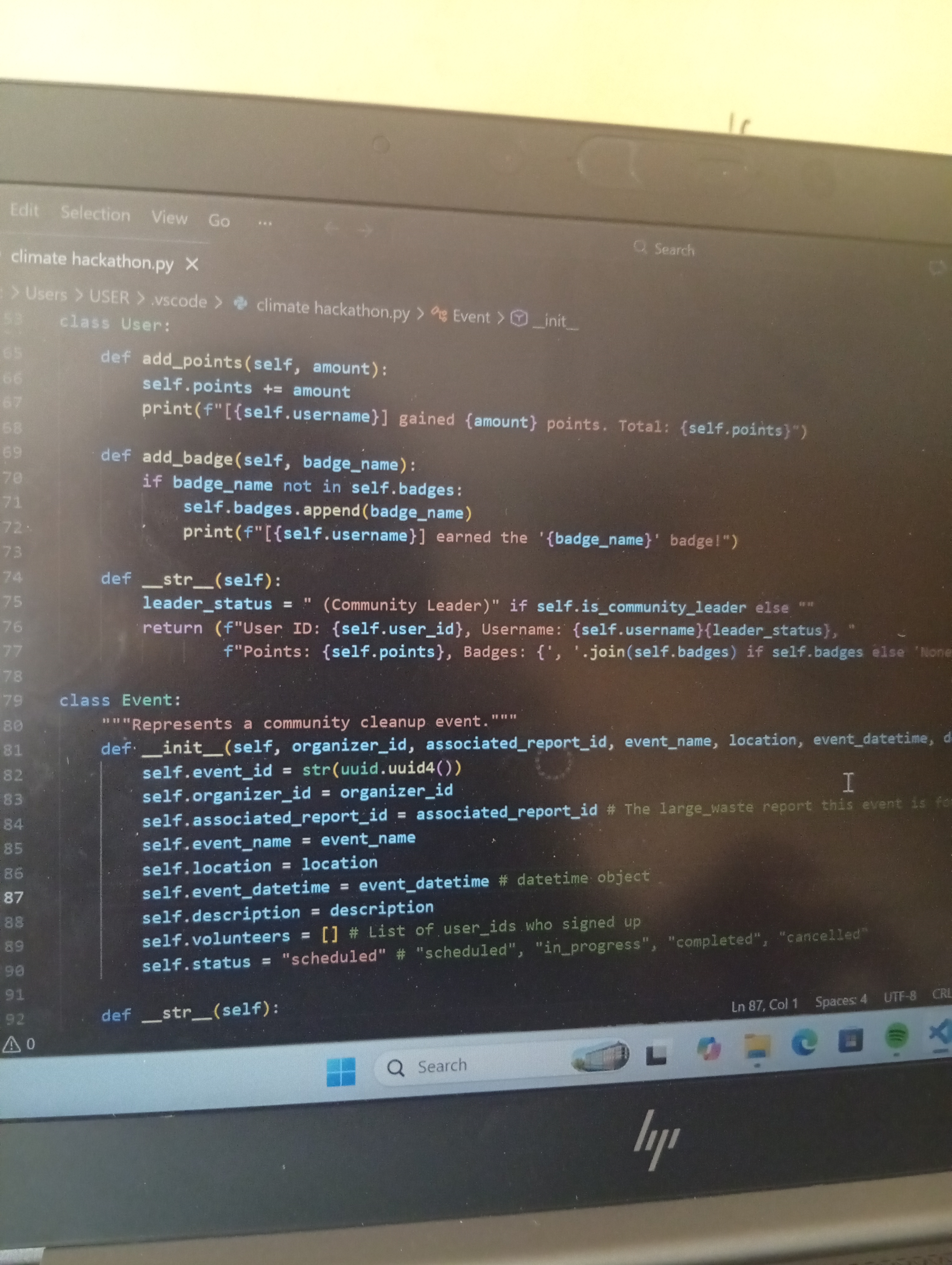
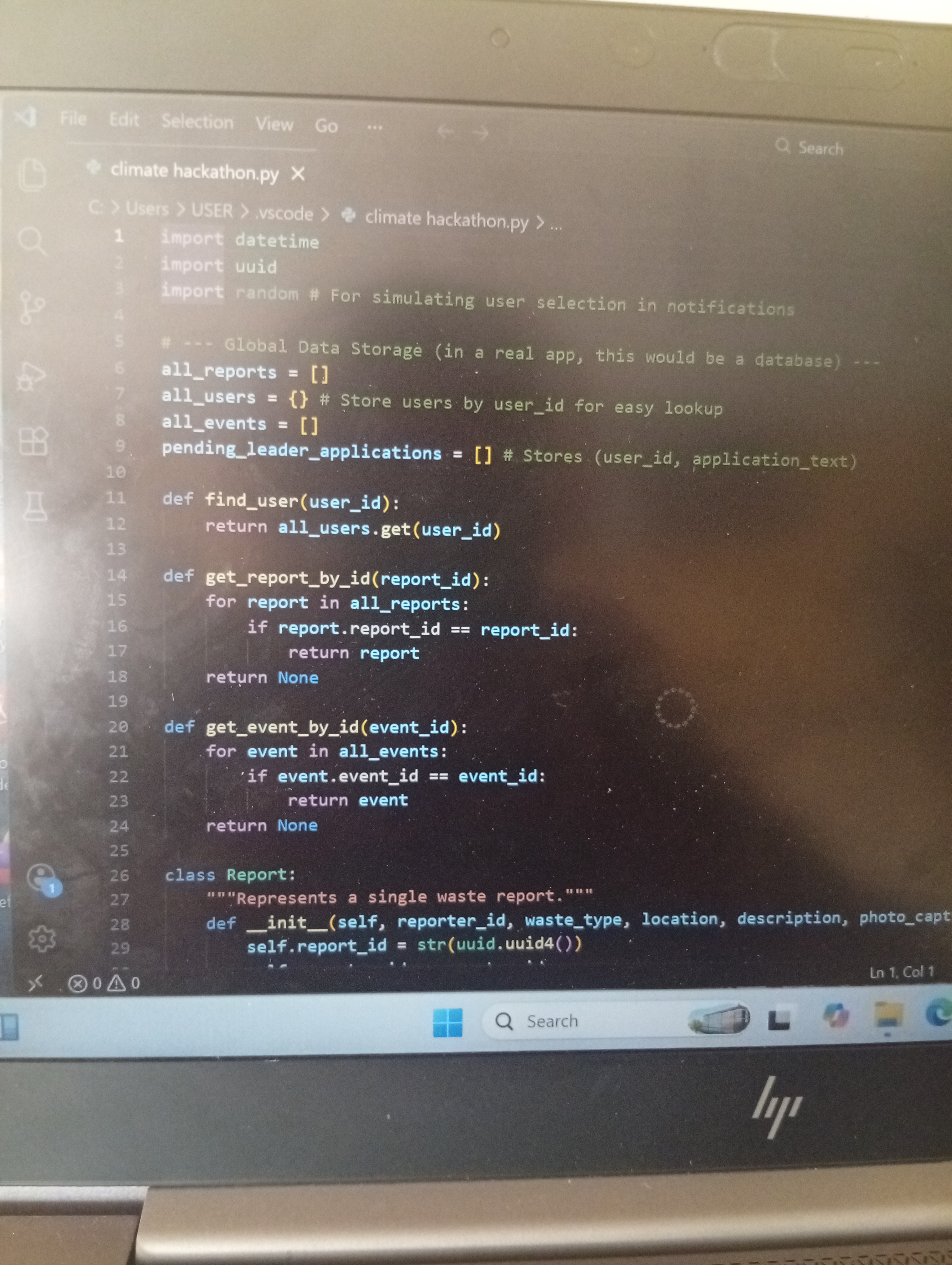
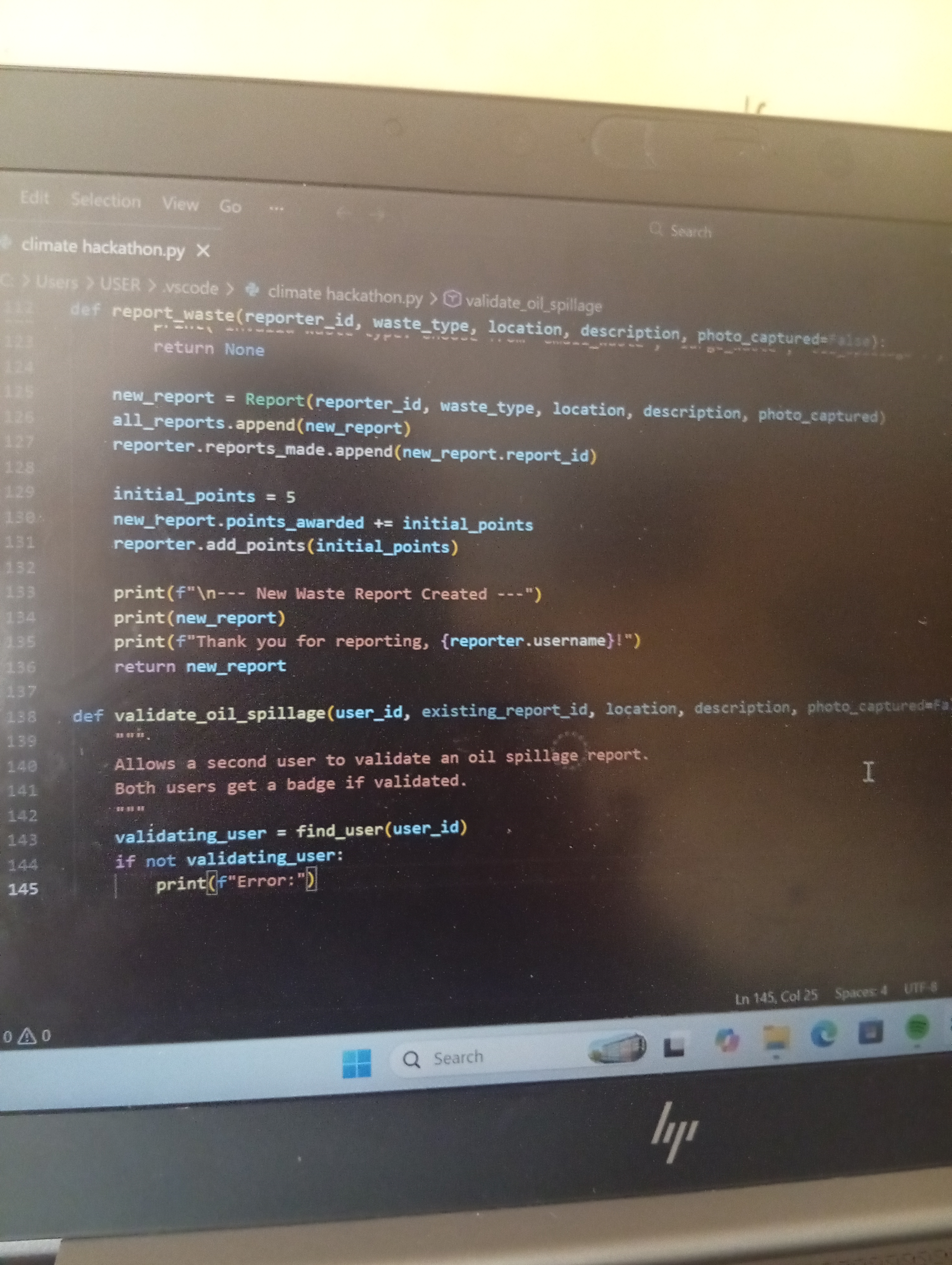
To meet the 48-hour deadline, we utilized Readdy, an advanced full-stack generation engine. We provided high-level system requirements in natural language, and Readdy architected the frontend and backend.
State Management: Readdy handled the complex logic of tracking UserPoints across different actions (Reports vs. Cleanups).
API Integration: we used Readdy to connect the camera's metadata (GPS and timestamps) directly to our geospatial database, ensuring that every 'SEAR' report is verified in real-time.
Challenges we ran into
Transitioning from a general idea to a functional app in Readdy required intense Prompt Engineering. My biggest challenge was ensuring the 'Before & After' logic wasn't just a UI trick but a hard database constraint. I had to refine my prompts multiple times to ensure the system wouldn't award points until the After_Photo coordinates matched the Before_Photo within a specific 10-meter radius. Learning to communicate these 'Hard Logic' requirements to an AI builder was a steep but rewarding learning curve.
Beyond the technical hurdles, another challenge was Remote Synchronicity. My teammate, Oluwaseun Ogungbemi, and I were working from different physical locations throughout the 48-hour sprint. Communicating complex system logic—like how the 'Before & After' photo metadata should be stored wasn't easy over digital channels. We had to be extremely disciplined with our documentation and version control. Despite the distance and the communication barriers, we maintained a constant feedback loop, aligned our vision for the SEAR brand, and successfully integrated the frontend and backend into a unified functional app.
Accomplishments that we're proud of
We are incredibly proud of our Distributed Workflow. Being able to build, test, and deploy a full-stack application like SEAR while physically separated is a testament to our teamwork. We moved from a conceptual 'Sea Environmental Action and Rewards' system to a live, working prototype by leveraging Readdy and clear, persistent communication. We proved that distance doesn't limit impact.
What we learned
This project taught us the importance of Contextual Design. We learned that a great piece of code is useless if it doesn't account for the user's environment—like needing high-contrast screens for sunlight or low-bandwidth data handling for coastal areas. We also gained deep experience in Vibe Coding with Readdy AI, learning how to guide multi-agent systems to build complex database relationships and real-time mapping features in a high-pressure, 48-hour sprint.
What's next for (Sea Environmental action and Rewards) SEAR
Strategic Partnerships: The Vision: We plan to integrate our Oil Spill Alert directly into government emergency response APIs (like NESREA) for immediate action. -The Gap: To achieve this, we need Regulatory Alignment and corporate sponsorships to fund the "Sentinel Shop" rewards. -Viability: We will pitch to "Polluter Pays" industries (oil & gas, shipping) to sponsor the platform as part of their mandated Environmental Social Governance (ESG) budgets.
Sentinel Nodes & IoT Integration: -The Vision: We will deploy solar-powered IoT camera nodes in high-pollution hotspots for 24/7 monitoring. These fixed sensors will provide a continuous data stream that complements our crowdsourced mobile reports. -The Gap: This requires Initial Capital (Capex) for hardware manufacturing and a reliable LoRaWAN or 5G network in remote coastal areas. -Viability: Reducing the "cost-per-report" by automating data collection makes the system attractive to environmental researchers and urban planners.
Blockchain for Transparency: -The Logic: Moving the points economy to a carbon-neutral blockchain will create a trustless ledger for environmental impact. This allows global donors to fund specific cleanup pins, with rewards released only after the "Before & After" metadata is cryptographically verified. -The Gap: The primary gap is Technical Complexity—integrating smart contracts with geospatial metadata to ensure "Proof-of-Cleanup." -Viability: This creates a "Donation-to-Action" pipeline, where international climate funds can directly pay local citizens for verified carbon and waste removal.
Built With
- python
- readdy.ai


Log in or sign up for Devpost to join the conversation.