-
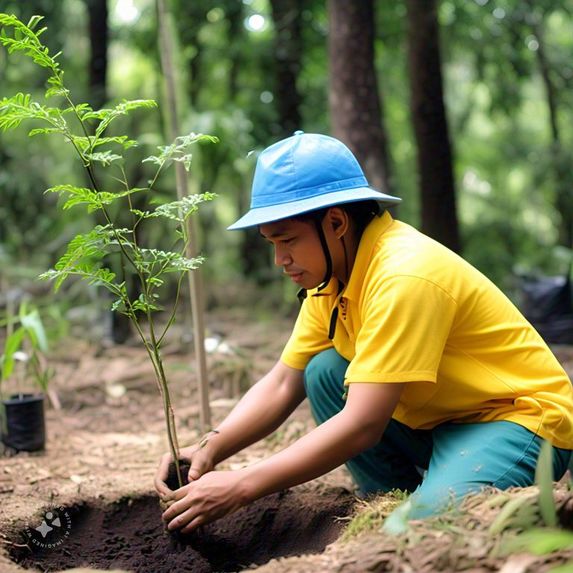
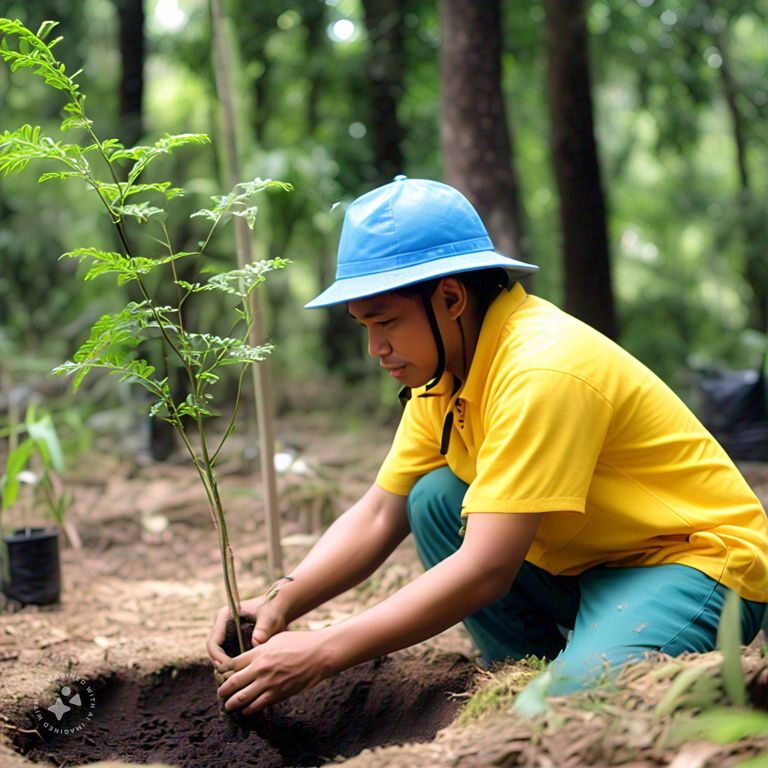
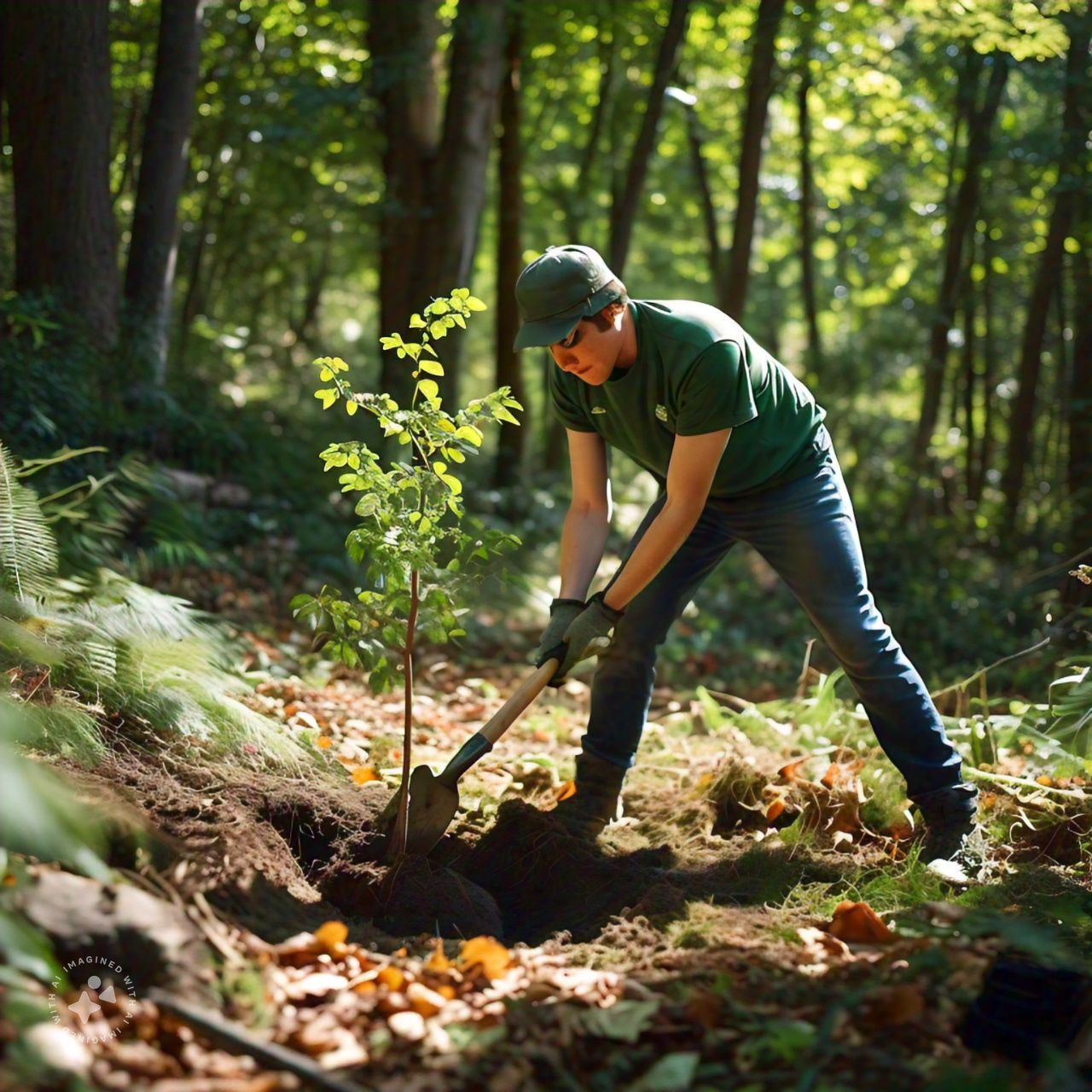
Planting a tree today is nurturing the future we all share tomorrow.
-
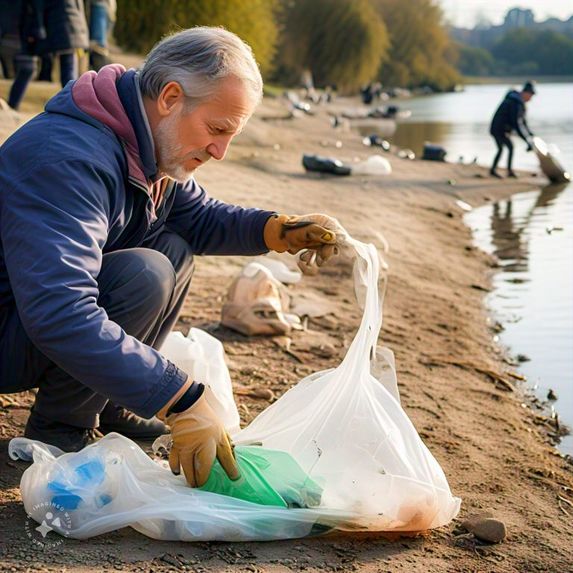
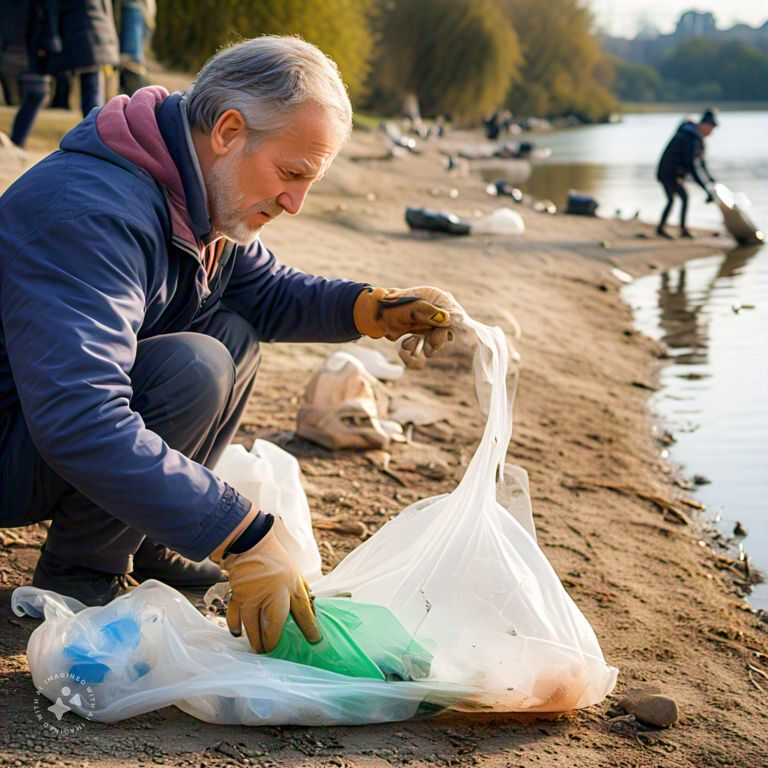
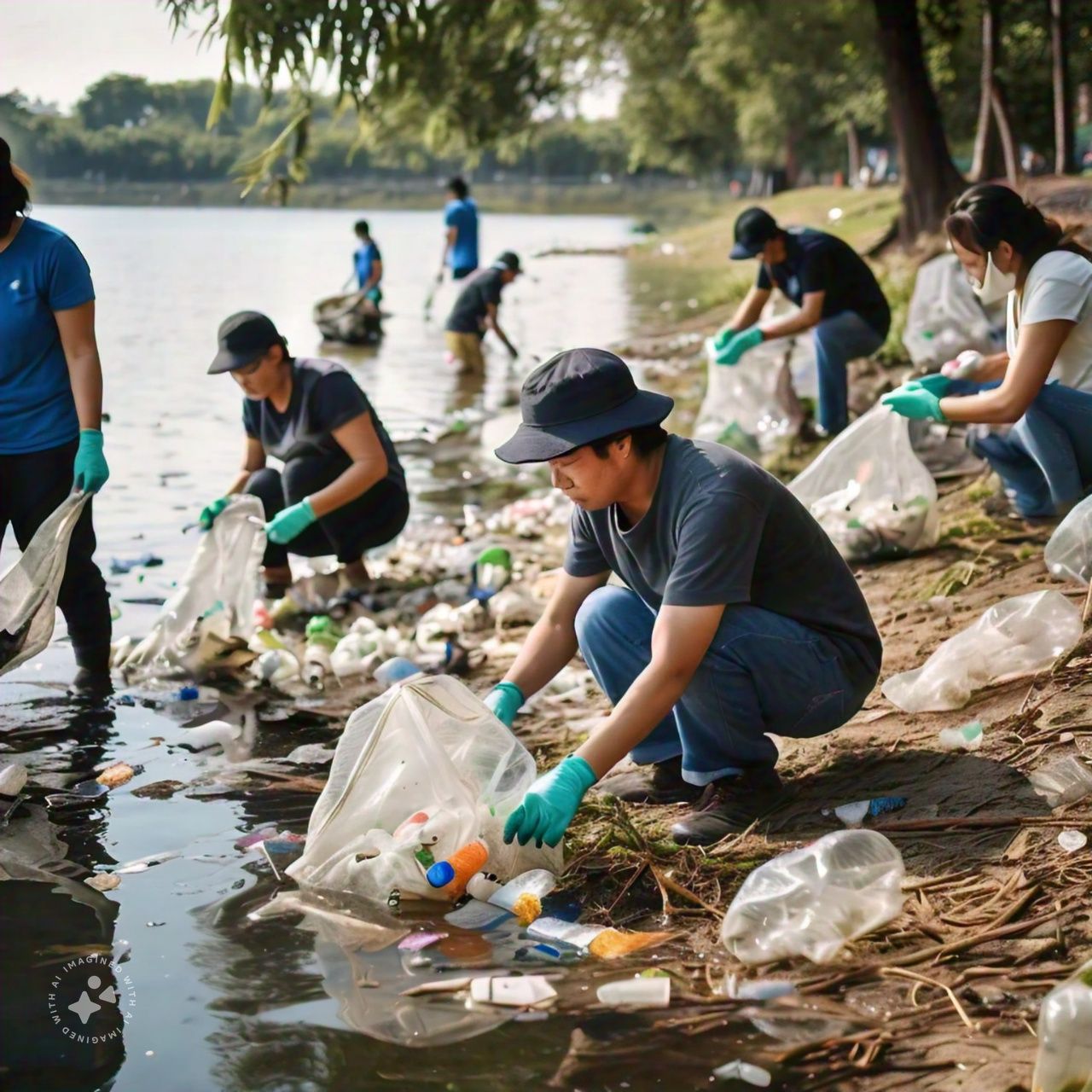
Every piece of plastic collected is a step toward a cleaner, healthier world for generations to come.
-
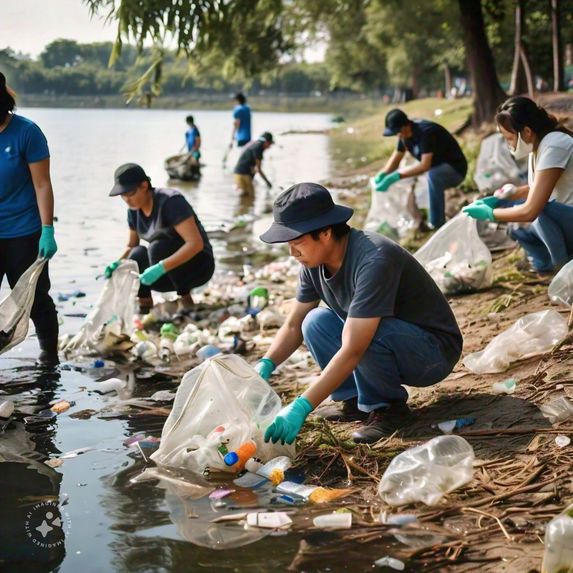
Each plastic collected is a victory for the earth and a legacy for the future.
-
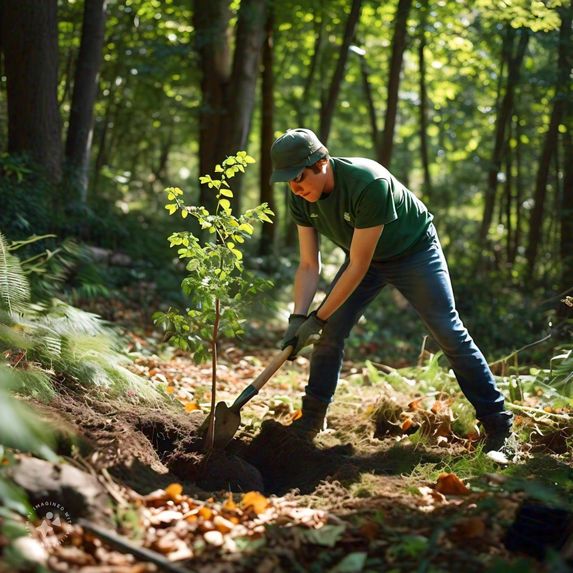
Each tree planted is a promise to the planet's future.
Inspiration
This platform was inspired by the idea that social good efforts often get lost on larger social media sites. Many people and organizations working on important causes, like environmental conservation or poverty reduction, struggle to get noticed. The idea behind this project was to create a dedicated space where these efforts could be highlighted, and where content is focused on making a real social impact.
I wanted to build something that aligns with the United Nations Sustainable Development Goals (SDGs) and ensures that every post contributes to a better future. The platform would not only help these causes be seen but also foster collaboration and reward real impact.
What it does
The platform is designed to amplify social impact by providing a dedicated space for individuals, NGOs, and organizations working on social good causes. Here's a breakdown of what it does:
Showcases Social Good Content Users—whether individuals, NGOs, or organizations—can post content that highlights their efforts towards sustainability and social change. The platform organizes content around the United Nations Sustainable Development Goals (SDGs), making it easy for users to see how different initiatives are contributing to global challenges.
AI-Powered Content Verification Every post submitted is reviewed by an AI system before going live. The AI checks whether the content aligns with the principles of sustainability and social impact. It also provides feedback, suggesting ways to improve posts if they don't meet the SDG criteria. If a post is approved, the AI explains how it contributes to sustainable development.
Encourages Collaboration The platform fosters collaboration by allowing users to connect with others who share similar goals. NGOs, government agencies, and other organizations can find potential partners for joint projects, creating opportunities for collective action on global issues.
Rewards Meaningful Impact Users aren’t just recognised for gaining followers; instead, they are rewarded for creating impactful content. The platform uses a points and recognition system to celebrate users whose posts drive meaningful change. These rewards may include public recognition, certificates, or even funding for future projects.
Educates and Inspires Through the AI feedback system and educational resources, the platform helps users learn about the SDGs and how their efforts can make a real difference. This education helps users improve the quality of their content and become more effective changemakers.
Increases Visibility for Social Work By providing a dedicated space for social causes, the platform ensures that efforts focused on sustainability, education, healthcare, poverty reduction, and other areas of social good are seen and heard. This increased visibility helps attract funding, volunteers, and support for these causes.
How we built it
Building the platform was a step-by-step process that started with ideation and moved to creating a basic prototype. Here's a simple overview of how we built it:
Ideation and Conceptualization
The first step was to define the core idea and goals of the platform. We asked key questions like:
Who is the platform for?
NGOs, social workers, activists, and individuals who are working on meaningful projects related to social good.
What problem does it solve?
The platform addresses the lack of visibility for social causes on mainstream social media. It creates a dedicated space where social impact content can thrive without being drowned out by unrelated posts.
What will the platform do?
We identified key features:
A place for posting social good content. A system to check if content aligns with global sustainability goals (SDGs). A way to reward impactful posts and create recognition.
Wireframing and User Flow
Next, we moved to wireframing the basic layout of the platform. This is like creating a blueprint for how the site or app would look and function. We used simple sketches to map out the following:
Homepage: This is where users would see a feed of social impact content. We made it simple, with filters to sort posts by SDG, cause, or region.
Post Submission Page: A structured form where users could submit their content. It would ask for key details, such as which SDGs their project aligns with, a description, and images or videos related to their project.
Feedback and Recognition: After a post is submitted, users would see feedback from the platform, explaining how their content contributes to social good. This section would also show points or rewards based on the post's impact.
Prototype Design
With the wireframes in place, we moved on to creating a basic prototype of the platform using simple tools like Figma or Adobe XD. This allowed us to:
Create Interactive Mockups: These mockups gave us an early idea of how users would interact with the platform. We could see the flow of submitting a post, receiving feedback, and navigating through the site.
Test User Experience: We conducted basic user testing with a small group of people to see how intuitive the design was. We wanted to make sure the platform was easy to use for everyone, from tech-savvy users to those who might not be as comfortable with digital tools.
Content Structure and Guidelines
One of the most important parts of building the prototype was creating a content submission structure. We provided users with clear guidelines on how to submit posts that focus on social good. This included:
Asking for a description of the project or cause. Specifying how the content aligns with one or more of the SDGs. Encouraging users to upload relevant images or videos that visually communicate the impact.
Testing and Feedback
We then tested the prototype with real users—NGOs, social workers, and individuals passionate about social causes. We asked them to submit posts, interact with the feedback system, and explore the platform's features. This allowed us to:
Identify Pain Points: We learned what users found confusing or difficult to use and made necessary adjustments. Gather Insights: We collected feedback on how the platform could better serve its users and provide more value to their work.
Iterating on the Design
Based on the feedback, we made several revisions to improve the user experience. Some changes included:
Simplifying the post submission form to make it quicker and easier to fill out. Making the feedback messages clearer to help users understand why their content was or wasn’t approved and how they could improve it. Adding a more engaging reward system to motivate users to contribute impactful content. Building the prototype involved a lot of planning, sketching, and testing. We started with a clear vision and then translated that into simple designs and wireframes. By focusing on user feedback and making iterative improvements, we created a platform prototype that serves as a solid foundation for future development.
While we didn’t use advanced technologies at this stage, the prototype is a simple, functional model that demonstrates how we aim to support social impact work and foster collaboration for a better world.
Challenges we ran into
During the ideation phase, we researched existing platforms to see if there was something similar to the one we envisioned. While there are many platforms dedicated to specific causes or social issues, none of them focused entirely on social impact content and SDGs in a structured way.
Creating a structured format for posts was essential to ensure the platform’s focus on social good and sustainability. But deciding how to guide users while keeping the process simple was a challenge.
We wanted to implement an AI-based content verification system that could evaluate posts based on their alignment with the SDGs. However, since we were working with a basic prototype and no access to advanced AI, we couldn’t develop a fully automated system for content verification.
Since we were working with a basic prototype and did not have advanced resources (e.g., full-scale development tools, AI systems, etc.), we faced constraints on what we could build.
Accomplishments that we're proud of
We found that most platforms like LinkedIn, Facebook, and Instagram allow people to share social good content, but they are not designed specifically for social causes. These platforms often dilute the message with unrelated content. There was no clear space where posts could be aligned with the Sustainable Development Goals (SDGs), making our platform stand out as unique.
We needed to find a balance between providing a clear content submission structure (asking users to align their posts with SDGs, provide detailed descriptions, etc.) without overwhelming them with too many instructions. We are proud for this clear content part.
Without the advance technology, we able build an AI system to verify content automatically which is used for showing our prototype. It can be integrated with advance tools to making it more accurate.
We created a recognition and reward system that didn’t rely on popularity, but rather on the value of the content. We rewarded users who demonstrated measurable impact and aligned their posts with sustainable development goals. This helped create an incentive to contribute that was focused on the quality of the work rather than just the quantity.
We focused on creating a basic, user-friendly prototype with simple mockups and interactive designs. The goal was to show the core concept of the platform: a place for social good content that aligns with the SDGs and fosters collaboration. We prioritized a simple, clean design with essential features over advanced technical features.
What we learned
Team Skills & Collaboration We learned the importance of effective communication and collaboration. Merging different ideas into a unified vision helped us stay focused on our core goal.
Merging Ideas into One Concept Balancing creativity and feasibility was key. We learned to refine and simplify ideas to create a practical and impactful solution.
Researching the Problem Through thorough research, we discovered a gap in the market and gained insights on how to design a platform that meets real-world needs.
Prototyping with Simple Tools We learned to use basic tools like Figma to create a functional, interactive prototype that effectively communicated our concept.
Content Creation & Structure Designing a structured content submission system helped ensure that posts aligned with SDGs and maintained focus on social impact.
Iterating Based on Feedback User feedback was invaluable. We learned to test, iterate, and improve based on real-user insights to refine the platform.
Time Management & Planning Effective time management and prioritization helped us stay on track and deliver a functional prototype within the timeline.
What's next for SDGConnect - Digital Home for building better future.
Mentorship, advanced technologies and Funding After receiving mentorship and potential funding, we'll enhance the platform with advanced technologies like AI for content verification and machine learning for personalized recommendations.
Feature Expansion We plan to add collaboration tools for NGOs and organizations, enabling easier partnerships and collective action on social issues.
User Engagement We’ll improve the reward system to better motivate users, ensuring recognition is based on impact rather than popularity.
Scalability As the platform grows, we’ll scale the backend infrastructure to support a larger user base, ensuring a smooth, user-friendly experience for everyone.
Global Outreach We aim to expand the platform globally, attracting a diverse group of users to share their social impact stories, thus amplifying efforts toward sustainable development.
Ongoing Testing & Iteration Continuous feedback loops will help refine the platform’s features and usability to ensure it remains relevant and effective for social good.


Log in or sign up for Devpost to join the conversation.