-
-
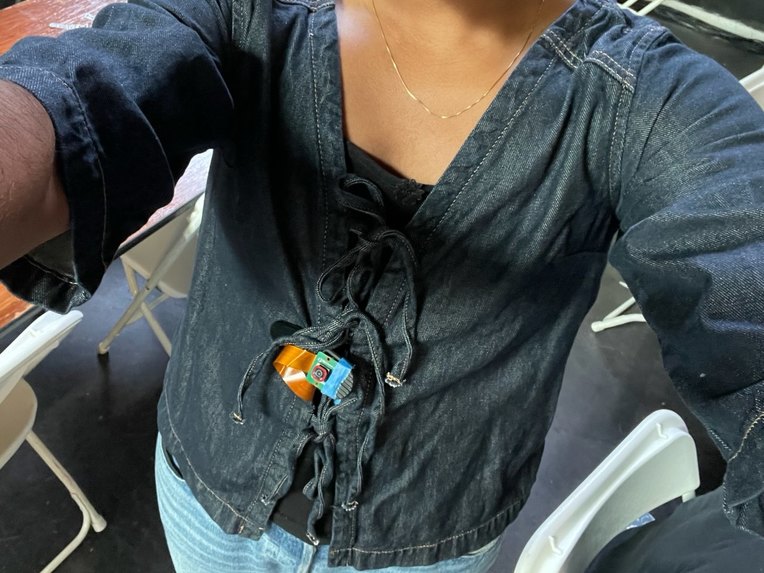
Recall
-
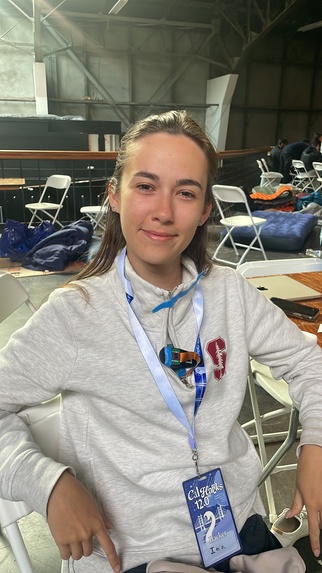
Ina with recall
-
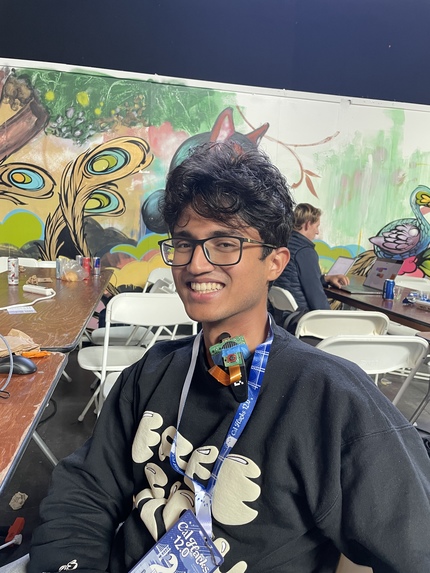
Pranav with recall
-
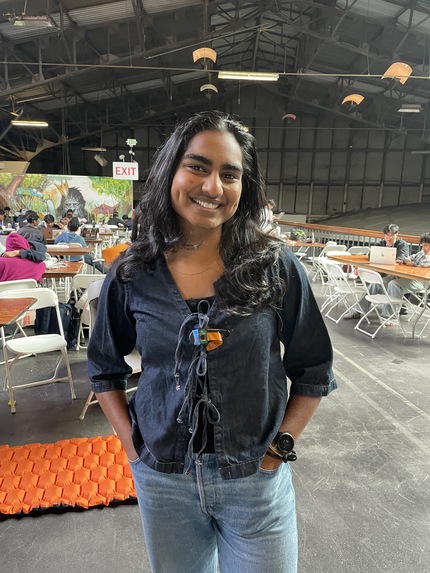
Neha with recall
-
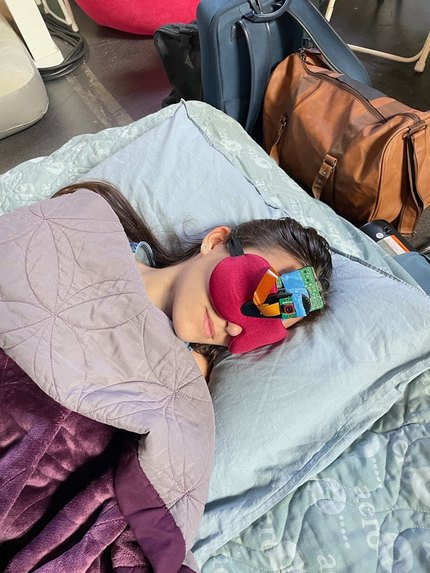
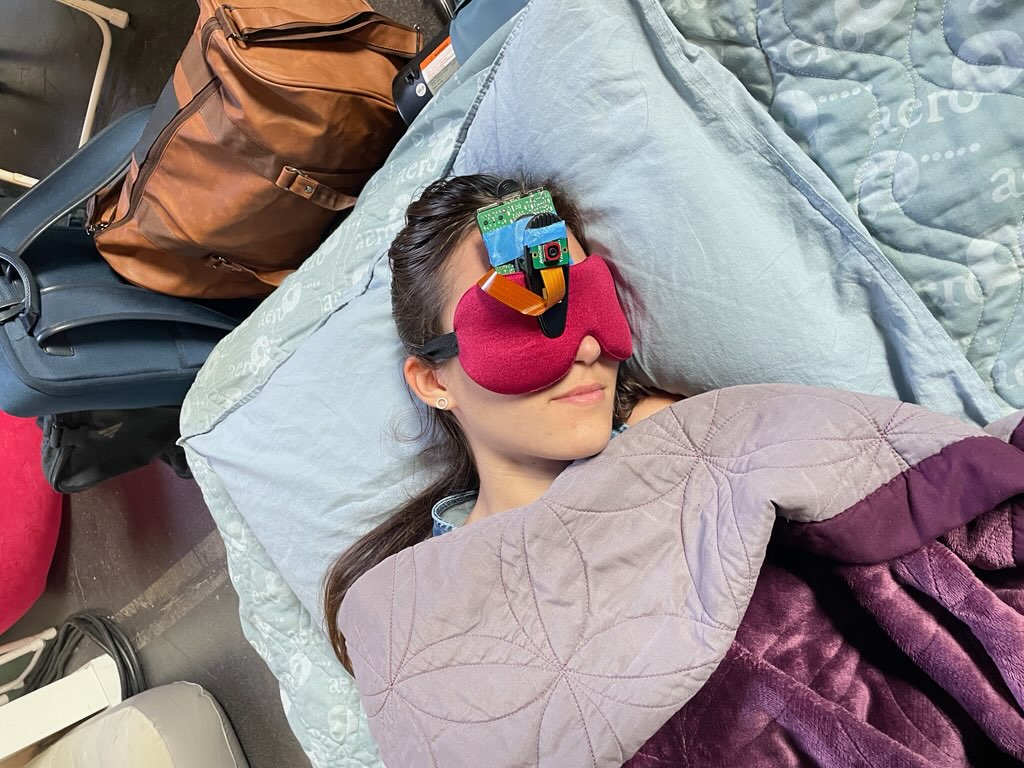
Passive income? nah passive networking.


Inspiration
At hackathons, conferences, and networking events, we meet dozens of people — yet often struggle to remember who they were, what we talked about, or even where we met them. We wanted to build a tool that helps you recall meaningful human interactions naturally — without needing to pull out your phone, take notes, or exchange LinkedIn profiles mid-conversation.
What it does
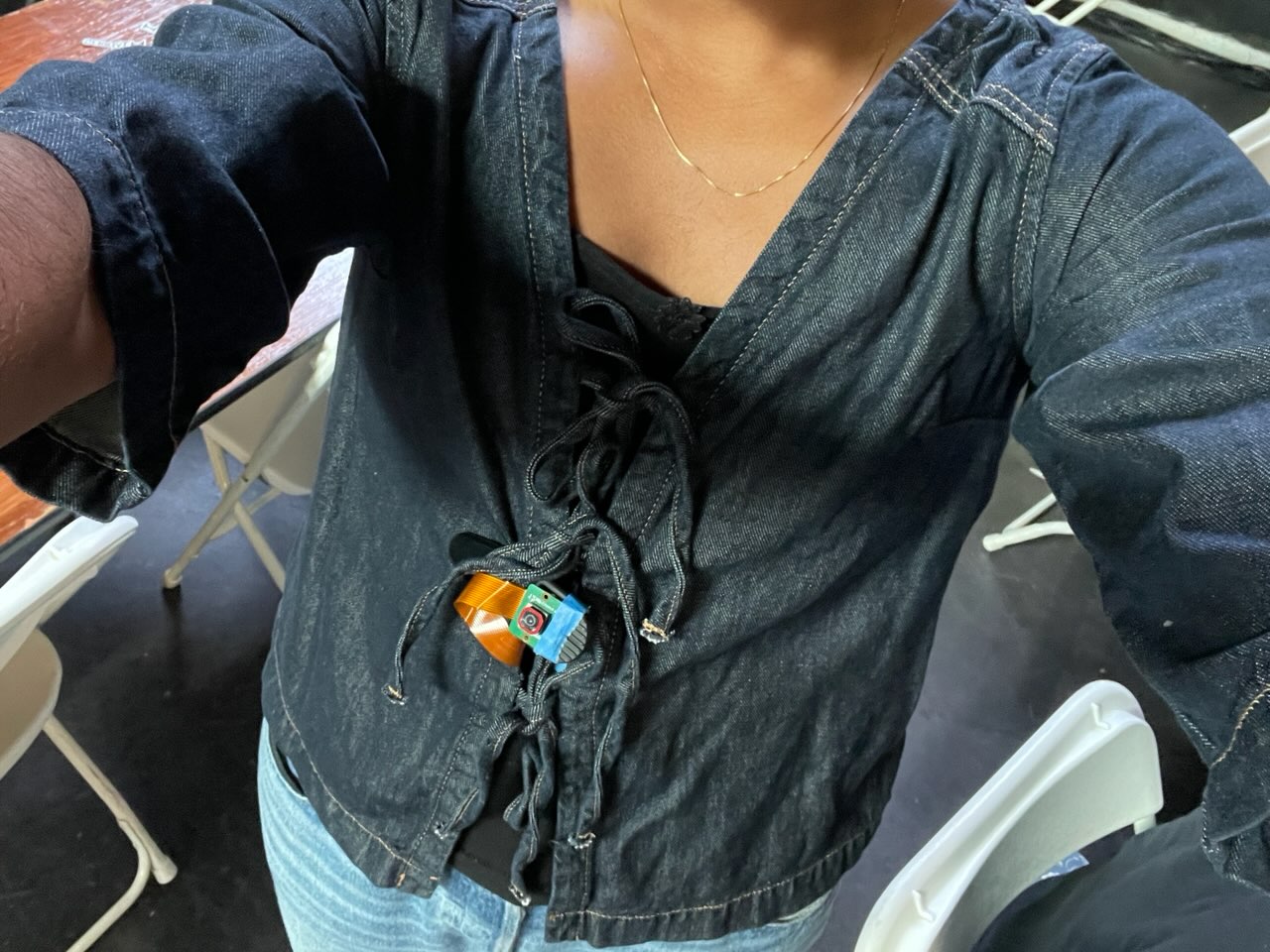
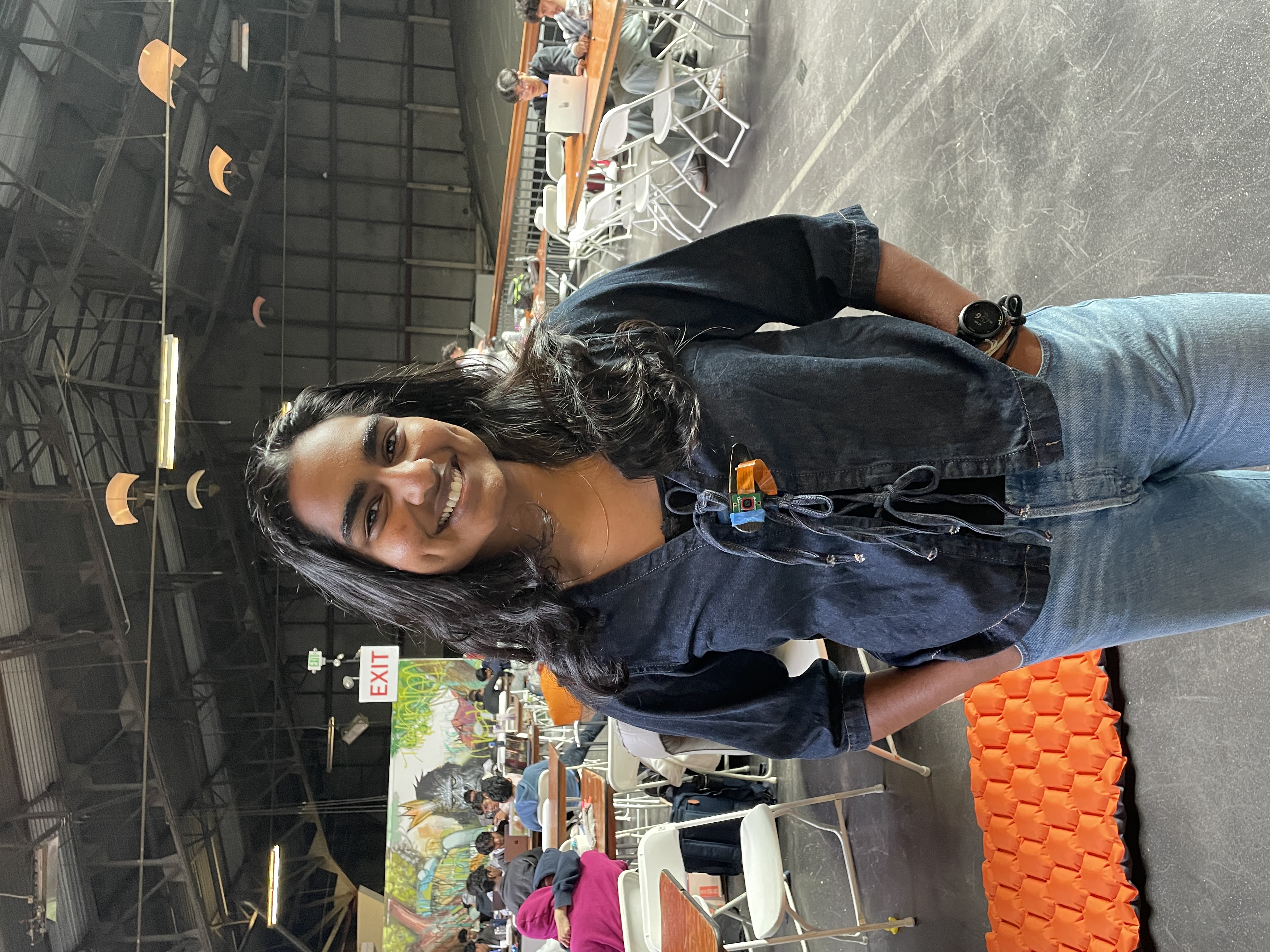
Recall is a wearable device that helps you capture and organize real-world social interactions in a privacy-respectful, effortless way. • When you say a natural voice cue like “Hi, I’m Ina!”, Recall automatically activates. • It uses a Raspberry Pi-based camera to detect the person you’re speaking with and generates a unique facial embedding (no images are stored — only anonymized vectors). • It then records and transcribes the conversation locally until the interaction naturally ends. • The transcript is sent to Gemini, which summarizes the discussion and extracts key details — names, affiliations, topics, and interests. • All this structured data — transcript summary, keywords, and face embedding — is securely stored in Supabase. • On your connected web dashboard, you can later query interactions conversationally: “Who was the girl who mentioned working at Amazon and loved pizza?”
Recall then surfaces the right person and summary — so you can follow up or reconnect effortlessly.
How we built it
- Hardware: Raspberry Pi 5 with ArduCam camera module and on-device microphone. • Triggering Logic: Voice activation detects natural conversation cues to start and stop recording. • AI Stack: • Face recognition: OpenCV + FaceNet for generating embeddings. • Speech-to-Text: Google Speech API. • LLM summarization & extraction: Gemini 1.5 Flash for concise structured summaries. • Backend: Supabase (PostgreSQL + Auth + Storage). • Frontend: Next.js web app for recall search and interaction visualization.
Challenges we ran into
Achieving low-latency face embedding generation on the Pi while maintaining real-time voice responsiveness. • Handling privacy responsibly — we designed Recall so it only activates when explicitly triggered, and only embeddings (not raw video) are stored. • Fine-tuning Gemini prompts to extract useful context (e.g., company names or shared interests) without losing nuance.
Accomplishments that we're proud of
Built a fully functional wearable prototype within 36 hours that performs face recognition, transcription, and summarization in real time. • Created a natural, consent-based trigger system that respects privacy and minimizes passive surveillance. • Designed a clean, searchable dashboard that makes human memory queryable.
What we learned
Integrating multimodal AI (vision + audio + language) on embedded hardware is hard — but combining them thoughtfully can make technology feel human-centric again. We also learned that designing for consent and trust must come before cool tech.
What's next for Re:call
Add spatial mapping of interactions (time + location) for timeline visualization. • Improve on-device summarization for offline mode. • Build an API for CRM or personal knowledge base integration (Notion, Obsidian, etc.). • Explore smaller form factors (badge, glasses, or lapel pin).


Log in or sign up for Devpost to join the conversation.