

Access to Resources is Important
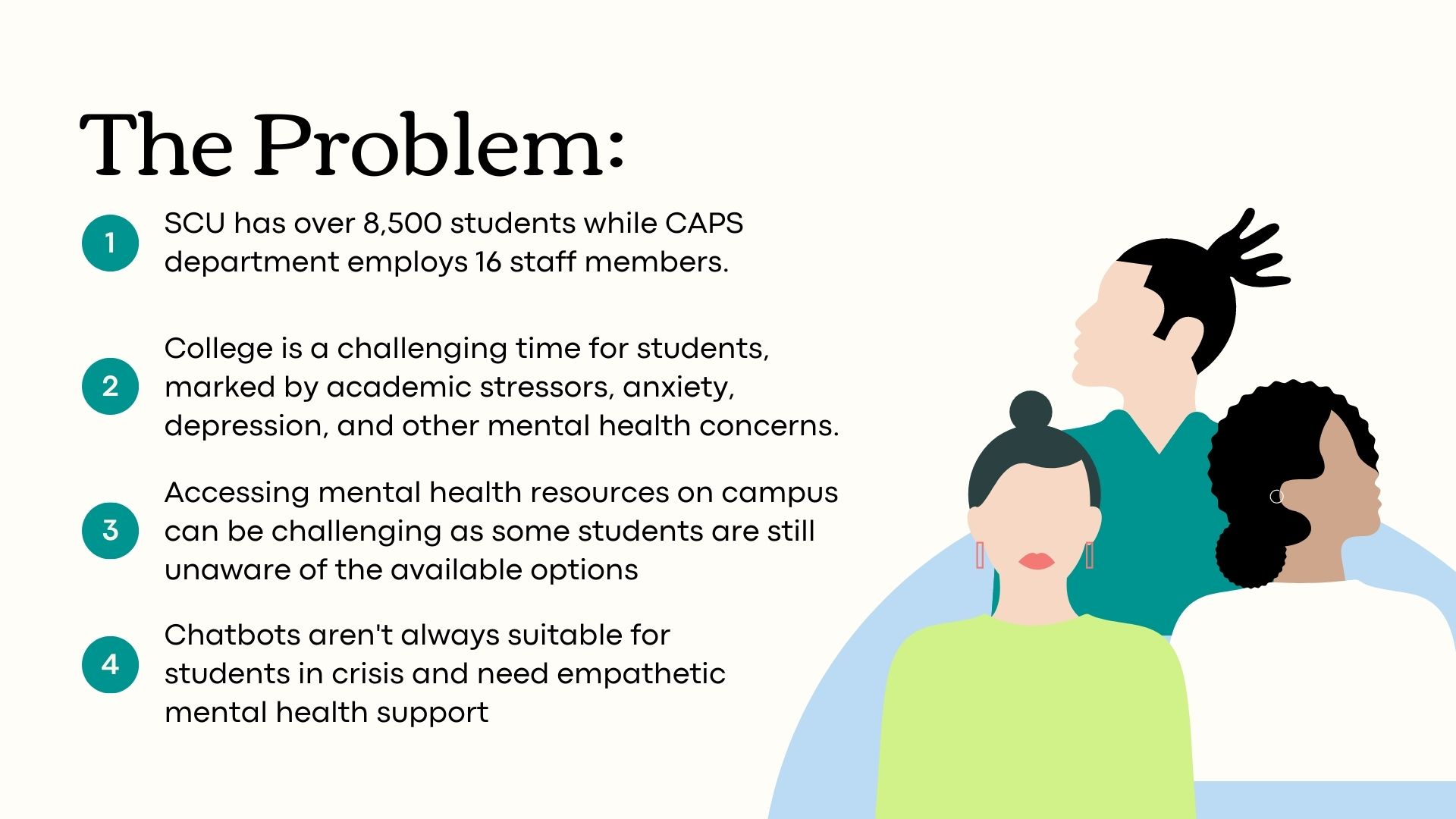
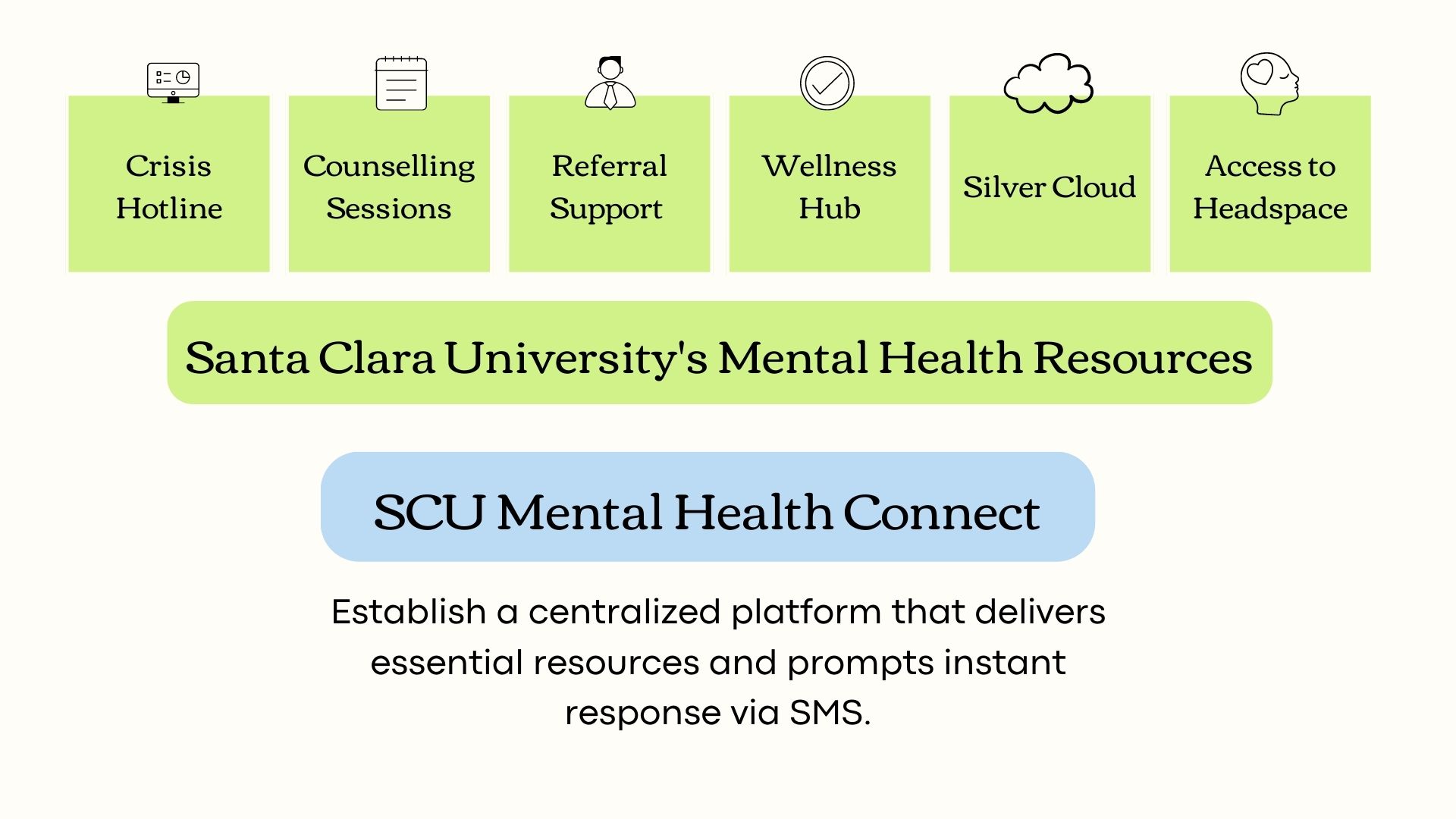
At SCU, we recognize that attending college can be a stressful time for many students. That's why we're introducing SCU Mental Health Connect, a new SMS-based app that connects you with mental health representatives in times of crisis or emergency and provides resources for those seeking help. While SCU currently has a range of resources available, such as SilverCloud, Headspace, crisis hotlines, and therapy sessions at Cowell Center, our app provides a centralized platform to ensure an efficient response time in times of crisis and emergency. Our app is designed to be accessible to all students, with a simple text to the SCU Mental Health Connect phone number. Our system is unique in that it addresses the root issue of creating a centralized platform that combines all the resources available at SCU and encourages immediate action through SMS. While some chatbots may not be suitable for emergencies, our app provides a direct link to a real CAPS representative who can offer empathetic and responsive mental health support 24/7. Our app is the solution to the difficulties of finding the right resources on campus. With a streamlined and easy-to-use interface, SCU Mental Health Connect is the ideal choice for those seeking effective and efficient mental health support. Join us in our mission to prioritize mental health and create a brighter future for our students.
So...What is the SCU Mental Health Connect?
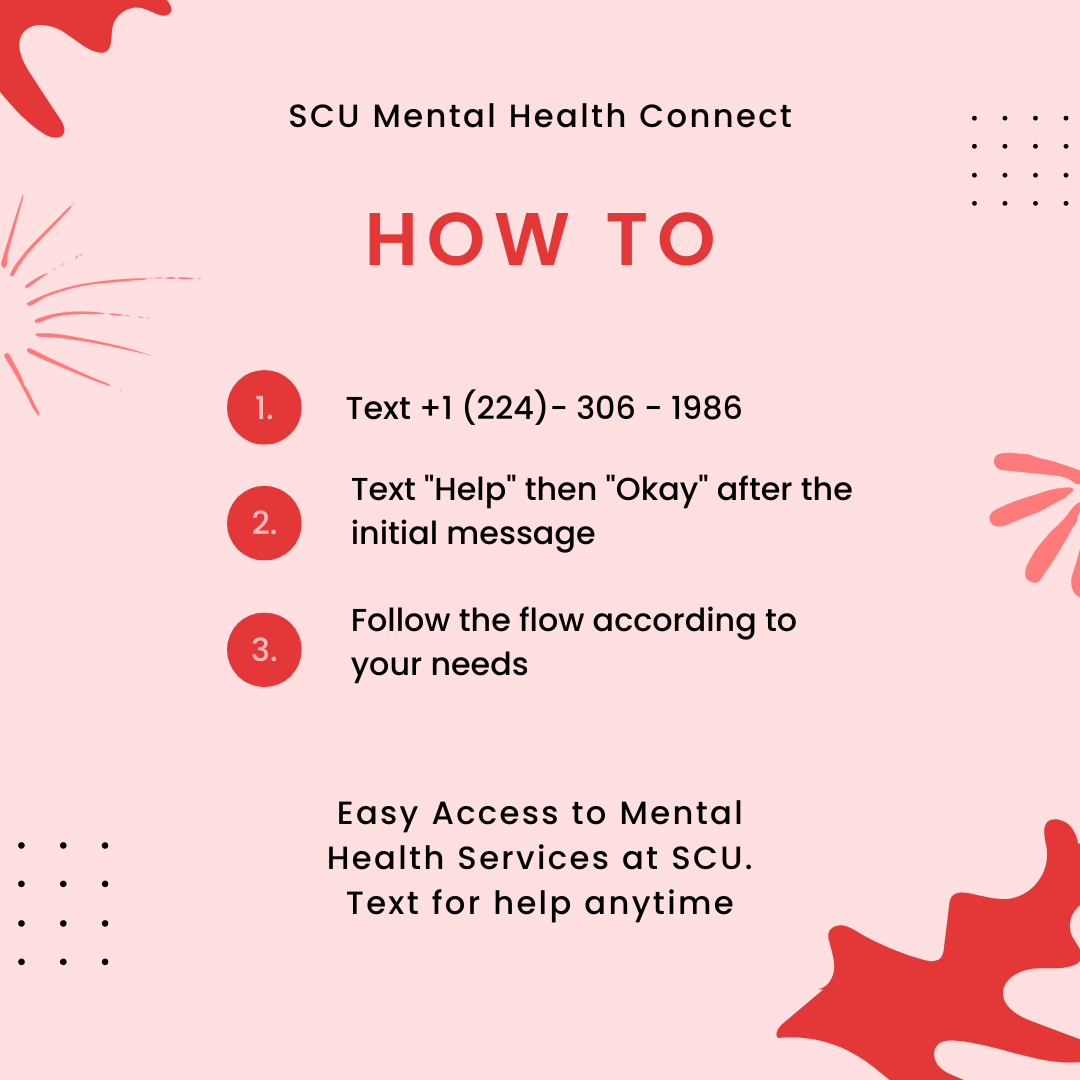
The SCU Mental Health Connect SMS app provides a centralized platform for accessing mental health services at Santa Clara University. Simply send a text to connect with a mental health representative for help or resources, anywhere. The app guides users through a series of questions to quickly provide access to the right resources for their needs, including connecting them with therapists, crisis hotlines, and more.
How We Built It
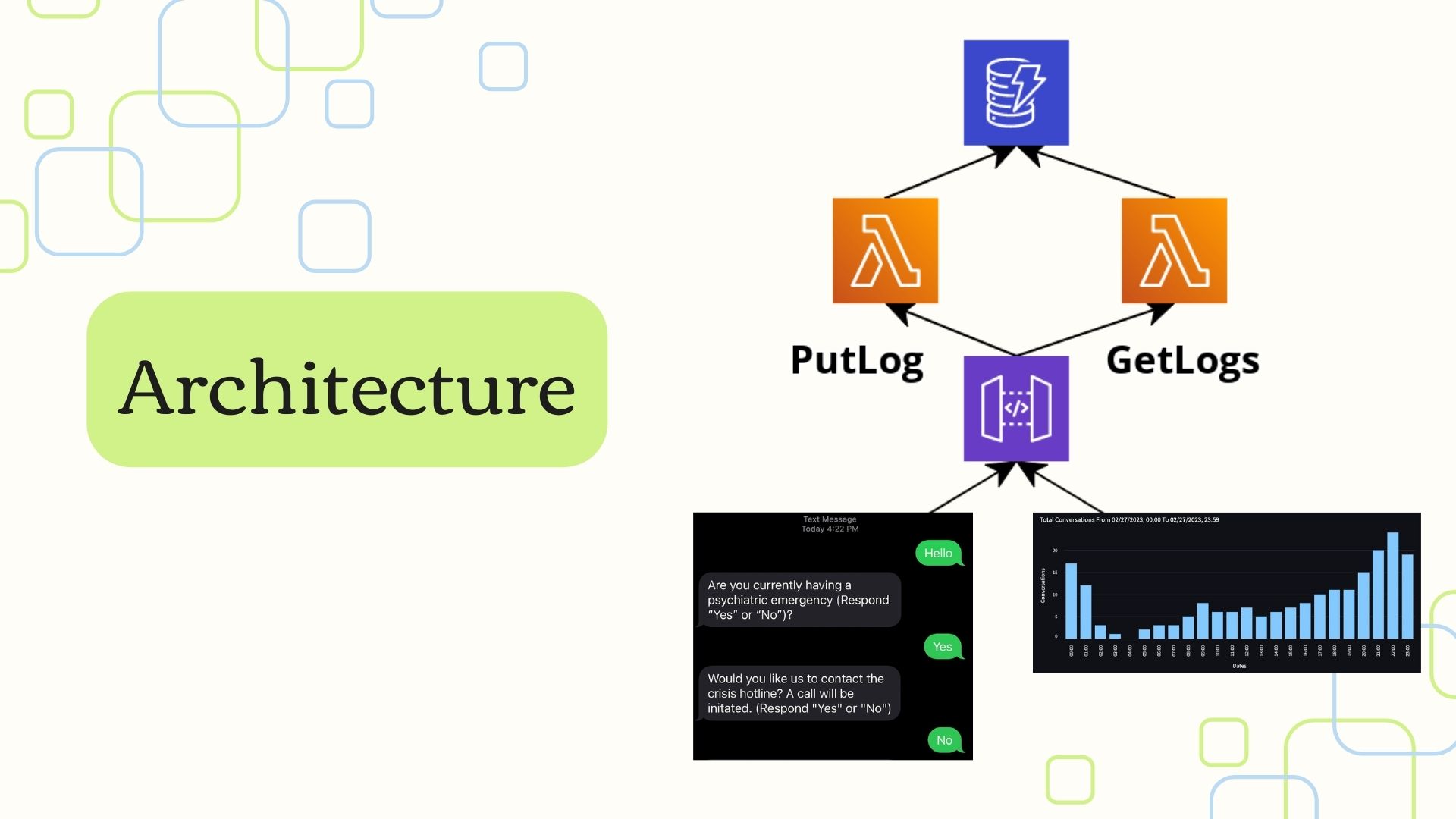
We created our text chatbot in Twilio Studio, which allowed us to create a text bot that could respond based on the user's inputs. We then connected the Twilio Flow to a serverless backend deployed through infrastructure-as-code using SAM CLI. This backend uses an API Gateway to handle incoming requests, which are serviced by Lambda functions. These functions store data in a DynamoDB database. Finally, we implemented a dashboard using Streamlit, a Python-based package for creating data visualization web apps.
Challenges We Faced
Throughout the development of SCU Mental Health Connect, the team faced several challenges that required creative solutions. One such challenge was the inability to add links to any messages sent by the SMS application. This issue required the team to find alternative ways to provide resources and information to users. Another challenge was choosing the right data structure for the database, which required extensive research and testing to ensure optimal performance. The team also had to overcome the difficulty of dealing with time data, which involved careful consideration of time zones and formatting to ensure accurate and reliable timestamps for CAPs employees. Despite these obstacles, the team remained committed to creating a reliable and efficient mental health resource for SCU students. These challenges provided valuable learning experiences and ultimately contributed to the success of the project.
Our Accomplishments!
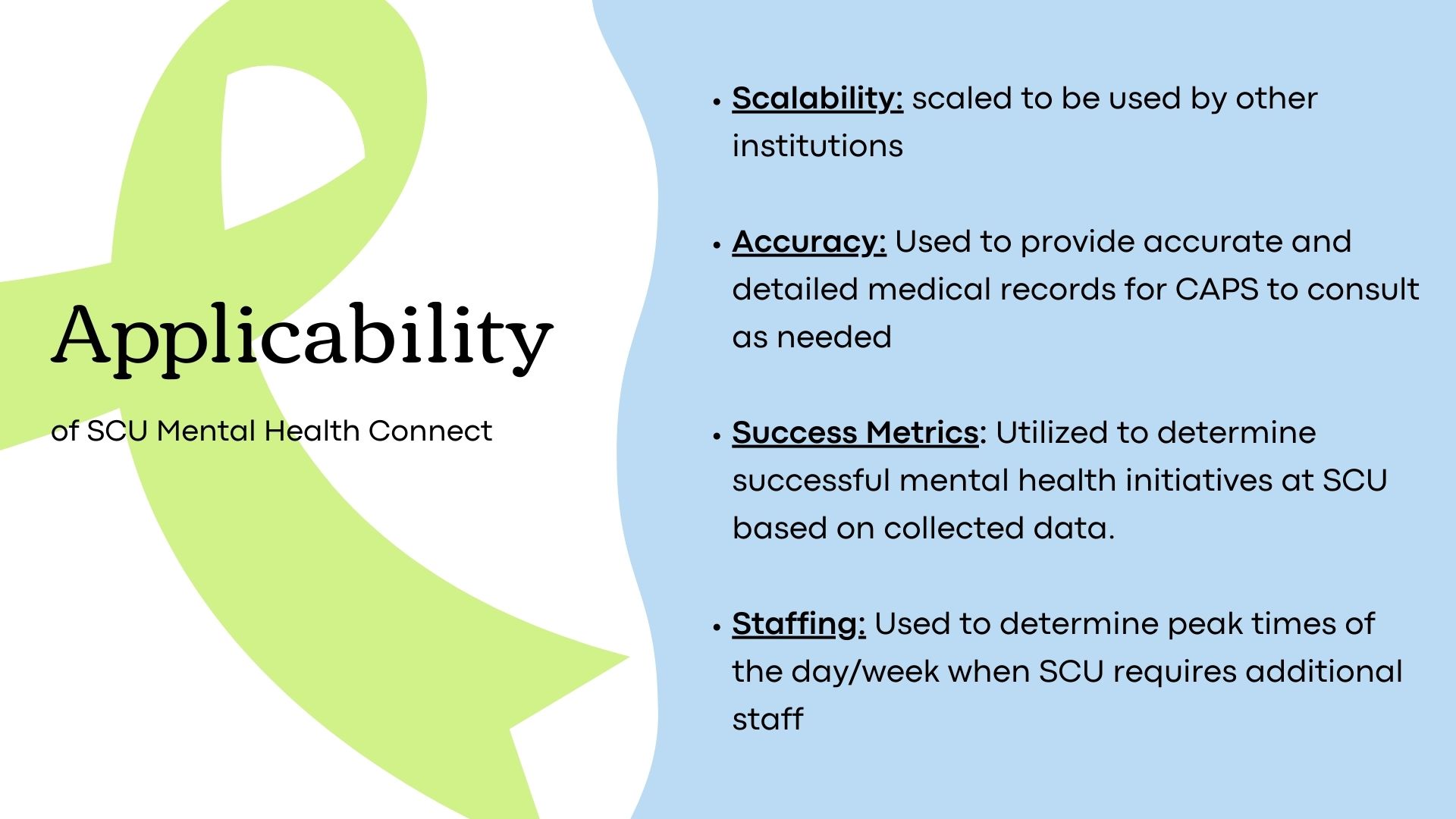
We are proud of our accomplishment in learning how to create a truly scalable application. It was a challenging task, but we dedicated a lot of our time during the hackathon to researching and implementing the best practices for designing and building an application that can handle large amounts of traffic and data. Through our efforts, we have been able to create a system that can easily scale to meet the needs of our users, no matter how many of them there may be. This has allowed us to provide a seamless and reliable experience to our users, even during times of high demand.
What We Learned
Our team quickly adapted to and learned new technologies, including Twilio and AWS, despite some members not having prior experience with these tools. We utilized features such as handling Twilio flows, debugging using logs, abiding by SMS screening standards, and utilizing various AWS services. Through trial and error, our team created an application that we wish we would have had when we found ourselves struggling. The project helped our team better understand the importance of accessible mental health resources, and highlighted the value of collaboration and communication. Overall, the project provided our team with valuable skills and insights to carry forward in future endeavors as we enter into our careers.
What's Next for SCU Mental Health Connect
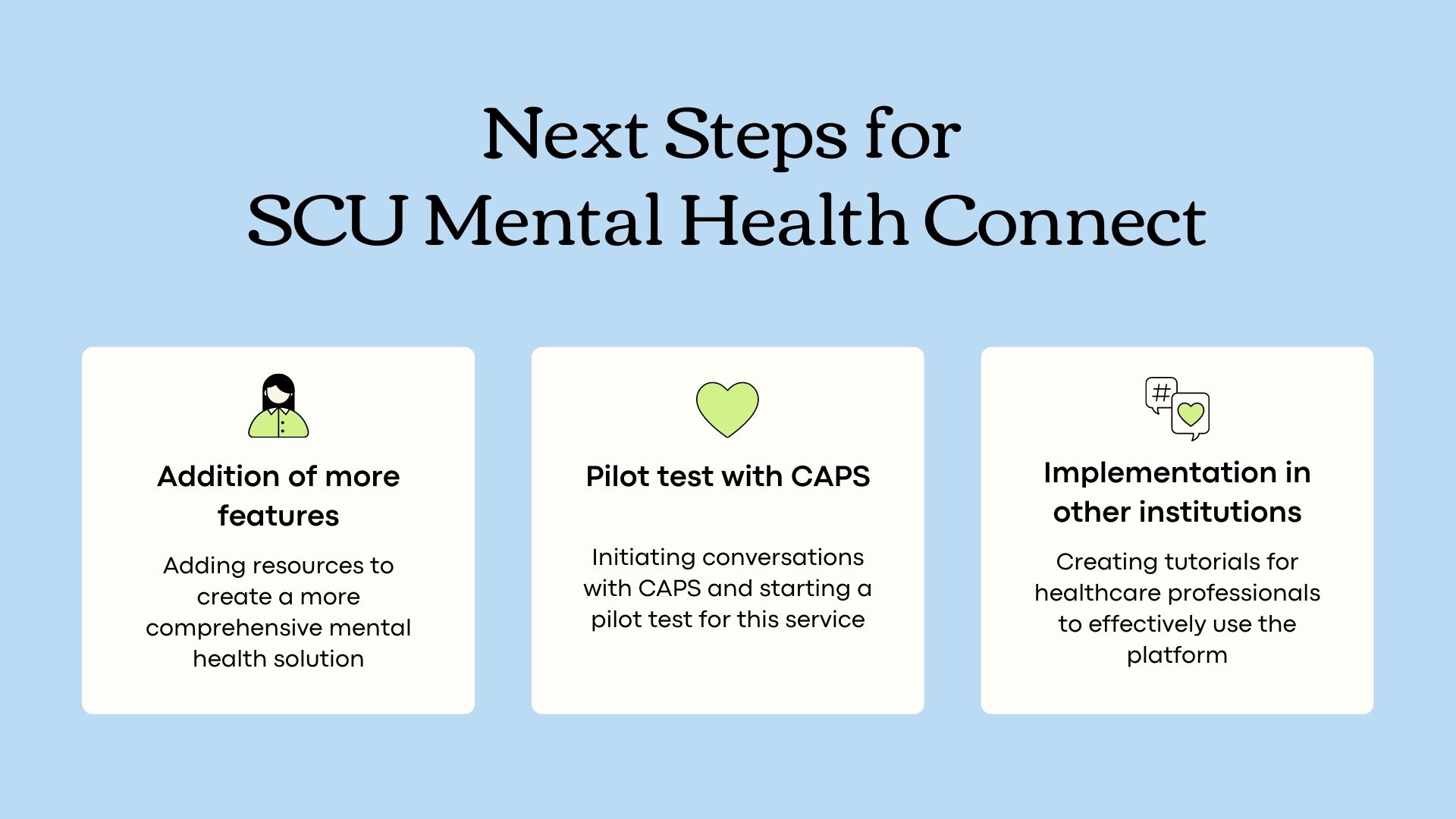
Connect to better serve the needs of our students. In the upcoming months, we aim to add more features and resources to create a more comprehensive mental health solution. To ensure that it caters to the needs of SCU students, we plan on initiating conversations with CAPS and starting a pilot test for this service. Furthermore, we recognize the importance of mental health resources for all students and aim to share our platform with other institutions by creating tutorials for healthcare professionals to effectively use the platform. Our goal is to provide reliable and efficient mental health resources to students worldwide. We are thrilled about the future of SCU Mental Health Connect and its potential impact on the mental health and well-being of students.
Most Interdisciplinary
Our team consists of three Computer Science and Engineering majors, one Computer Science major, and one Management Information Systems major. Coming from a very wide range of backgrounds from software engineering, product testing, consulting, product management, and more helped bring a strategic product perspective that helped to ensure that our solution aligned with SCU's goals and objectives.

Log in or sign up for Devpost to join the conversation.