-
-
Title Page
-
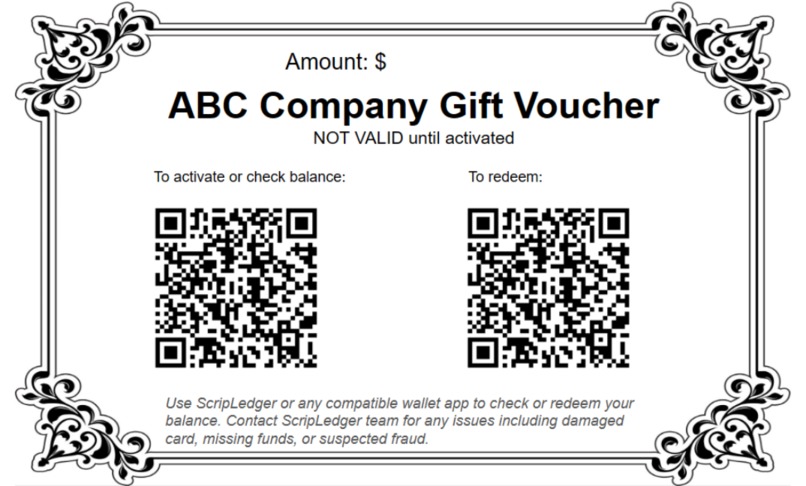
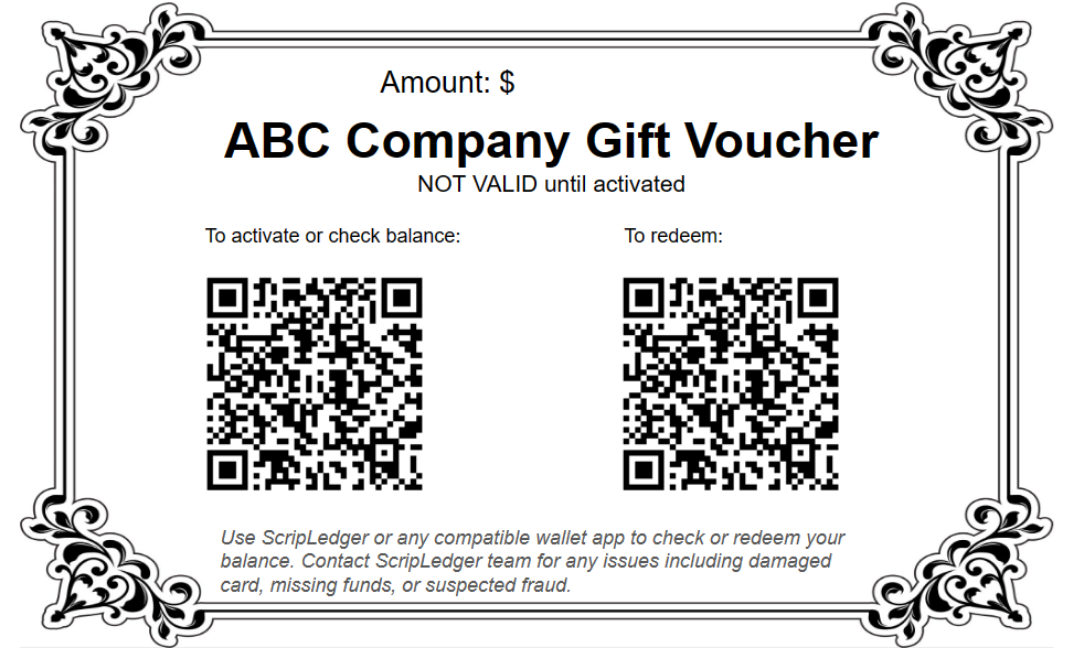
Example Gift Voucher
-
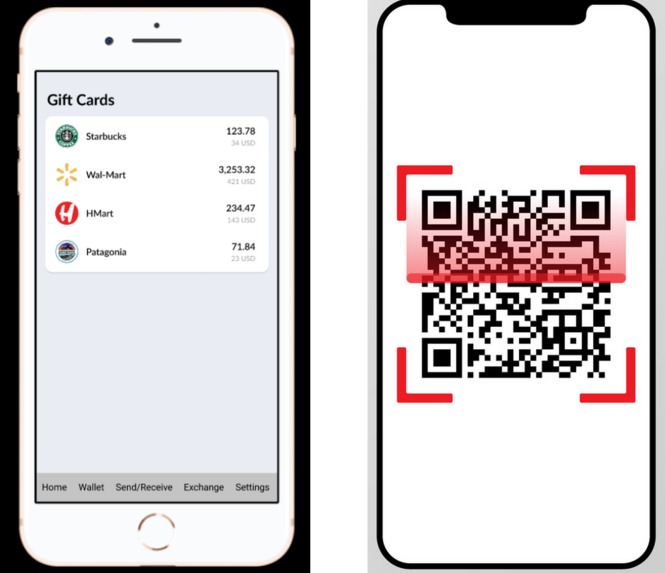
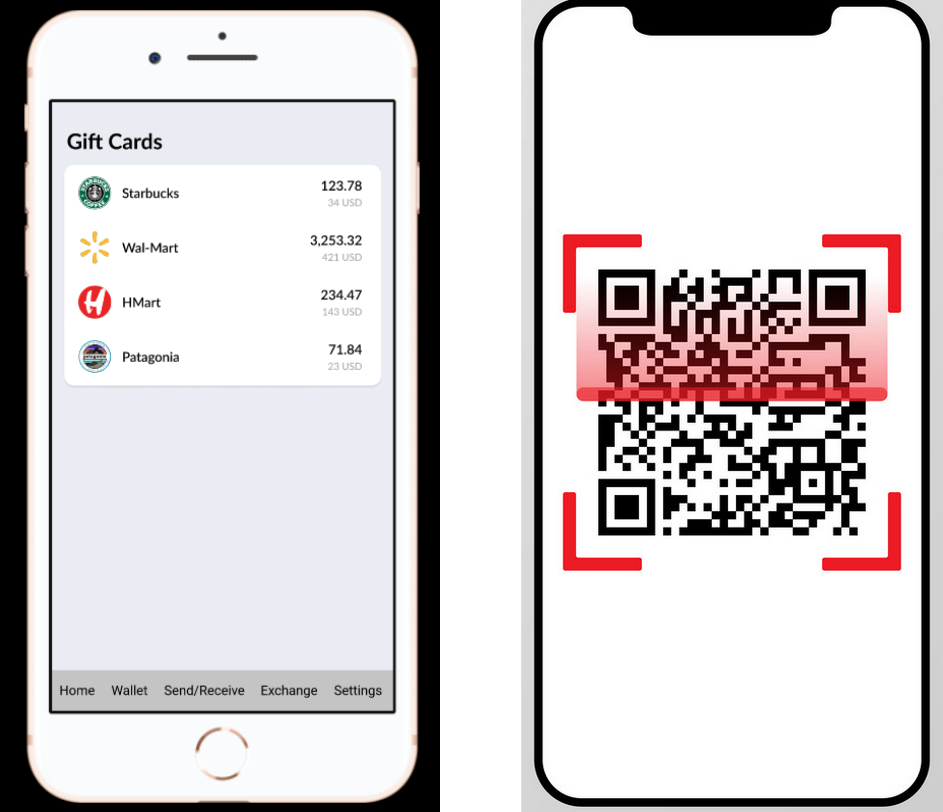
Example UI for Mobile App + QR Scanner
-
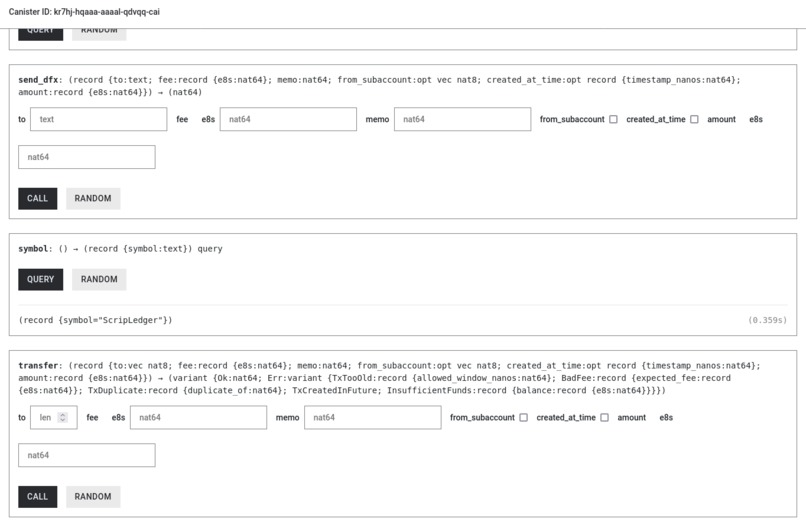
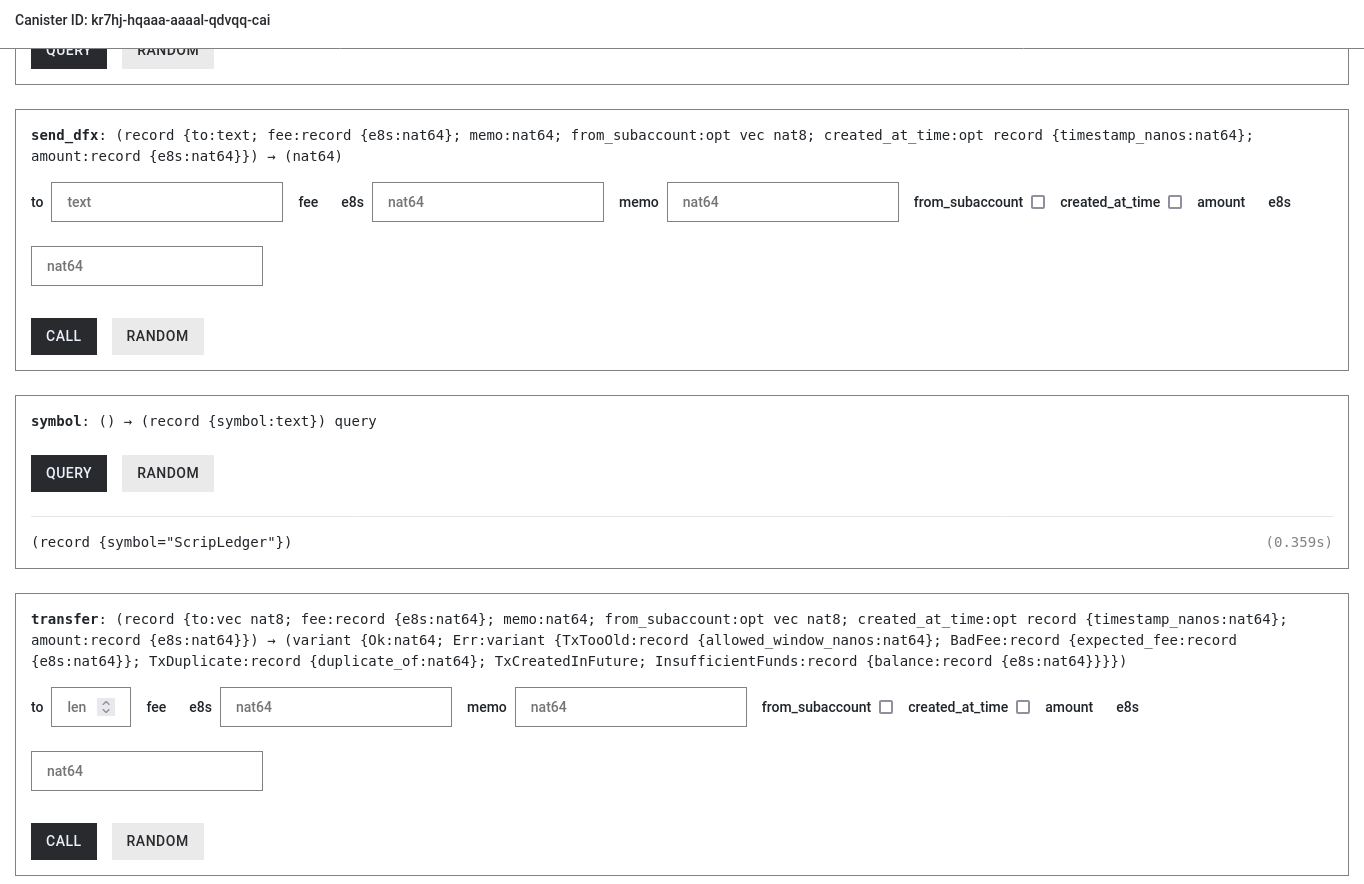
Screenshot of ICP dApp; Visualization of backend blockchain
-
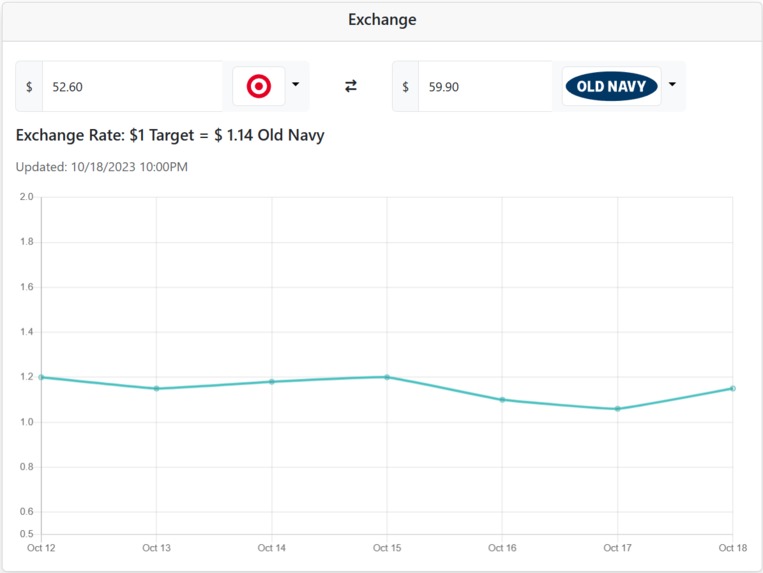
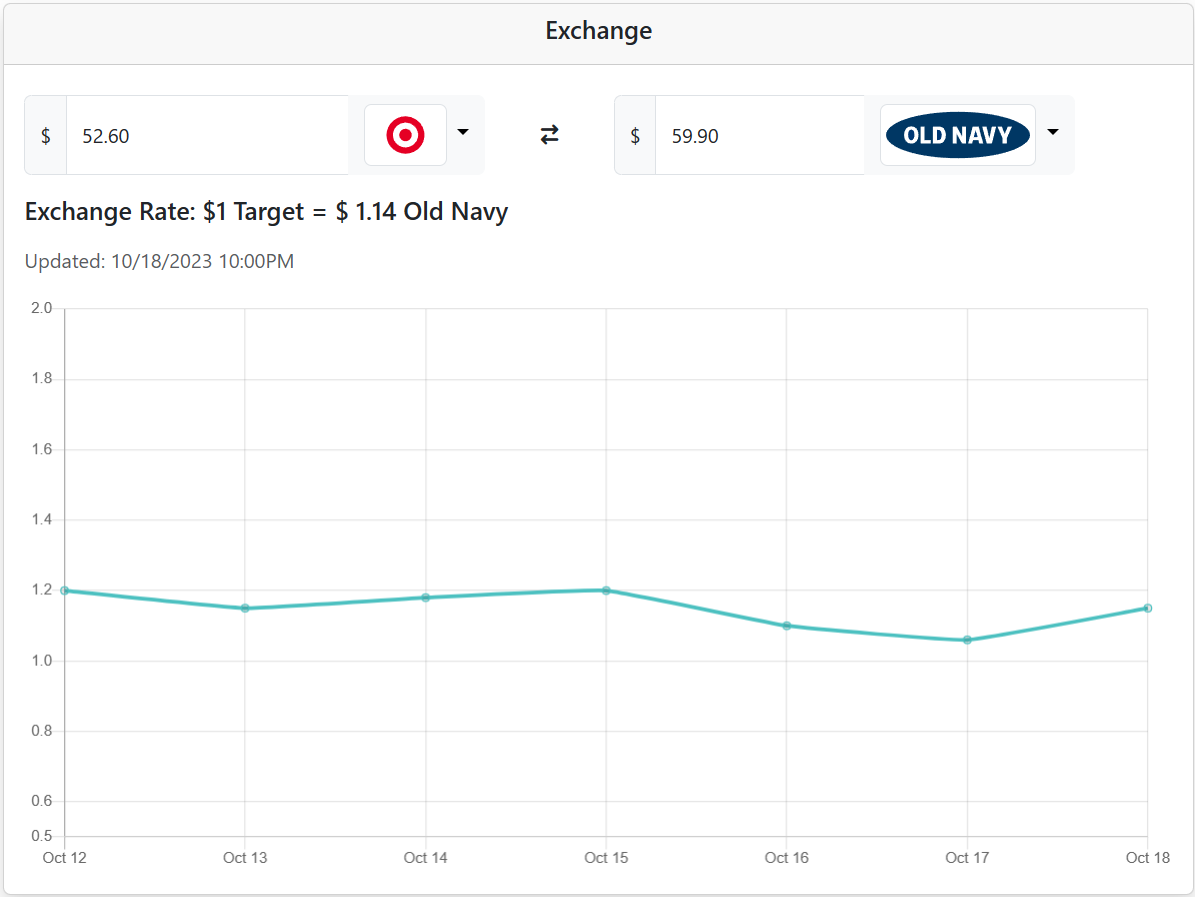
Secondary Market for Scrips, similar to FOREX currency market
Inspiration
Philosopher Thomas Berry said, "It's all a question of story. We are in trouble just now because we do not have a good story. We are in between stories. The old story, the account of how the world came to be and how we fit into it, is no longer effective."
This is especially true when it comes to the economy and the technological advancements of the Information Age. Our parents and grandparents had an entirely different economic outlook - if you got an education and worked hard, you will do well and be secure in retirement.
As technology and automation have made human labor less important in the production process, it has been abundantly clear in the past few decades the reality of "jobless growth". Enterprises have become so efficient such that most sectors of the modern economy are capped by consumer demand, no longer capped by industrial capacity and labor input. The irony is that, at the precise moment in history that we are able to produce abundance, huge swathes of the population have been rendered underemployed or underpaid, thereby unable to generate sufficient consumer demand.
We are implementing a complementary currency system, issued by businesses and backed by surplus capacity. According to the cutting edge research by Professor Bernard Lietaer, complementary currency systems can mitigate many of the systemic challenges in our economy. It can counter-balance the boom-and-bust business cycles, allow people to benefit from technology rather than compete against it, and create a more resilient economy. The medium we're using to prototype this concept is something most of us are very familiar with - Gift Cards.
Gift Cards are a type of business scrips, IOUs issued by businesses that are redeemable for products and services. By implementing the outdated gift card system on the blockchain, we can make the system more secure, feature-rich, and enable applications such as a secondary market for scrip exchange.
What it does
Scrip Ledger has 3 components:
- Blockchain-based Gift Card
- Asset Exchange Market
- SDK for Vendor Checkout
Part 1. Blockchain-based Gift Card
A traditional physical gift card is not digital-friendly. Most gift cards must be physically swiped for payment. Some gift cards can be “stored” digitally, for example in Apple Wallet, by typing in the card number and PIN. However, it is difficult to track balances and combine balances from multiple cards of the same brand. It is also not secure as knowledge of the card number and PIN means anyone can access the funds, something scammers frequently exploit.
We used a visible QR code, containing the public address on which the balance is stored, and a covered QR code, containing the secret key to unlock the account. See screenshot for the example Gift Card.
Part 2. Asset Exchange Market
Often, someone receives a gift card for a brand they are not particularly interested in. They may be interested in trading that balance for another brand, or cash. Due to the archaic system gift cards use (card number, PIN, magnetic stripe), the secondary market is rife with fraud. A common way scammers exploit this is by selling the gift card info (# and PIN) online, and once a buyer transfers the money, the scammer double spends the gift card before the buyer can use it.
A safe secondary market, similar to FOREX market with national currencies, can be created once gift card balances are managed through blockchain. Users can exchange gift card balances from different brands in a safe, cheap, and efficient way. In the long run, businesses can also participate in this market to provide liquidity, acquire currencies of other businesses as reserves/assets, and collect back some of their currencies from the market. Valuable market information and price signals are captured and available for businesses and consumers.
Part 3. SDK for Vendor Checkout
To make this system work seamlessly for businesses, we want to develop an SDK that makes it easy for vendors to accept gift card payments over the blockchain. For anyone interested in integrating this gift card system, they should be able to copy and paste a few lines of code into their checkout page, and be ready to accept payments.
How we built it
We built it using the ICP blockchain in a react-native for mobile environment.
- The dApp backend handling account information, types of token, and token balances is implemented through ICP cannisters
- Gift card balances are represented with ICRC-1 fungible tokens
- A basic Automated Market Maker (AMM) model on ICP cannister that dynamically adjusts exchange rates between gift cards of different brands (based on the ratio between different ICRC-1 fungible tokens on the holding address)
This project also has a web component to showcase an example of secondary market, as well as a vendor checkout SDK.
Challenges we ran into
The challenge was the deployment of the canister. The deployment of canister was difficult with development environment.
Accomplishments that we're proud of
- Building a team and collaborating remotely (Harvard campus and Duke campus)
- Minimum Viable Product in a short amount of time
- Product education/evangelism on complementary currency systems
- Successful demo + answering questions
What we learned
How to build dApps on ICP blockchain, which was new to us Common questions and objections to Complementary Currency Systems Learning from judges and senior folks in the industry and how blockchain technology can address their concerns
What's next for Scripledger
Deploy and publish the project on Apple AppStore or Android PlayStore for public use. Continue to demo
Built With
- blockchain
- dapp
- icp
- react-native
- web


Log in or sign up for Devpost to join the conversation.