-
-
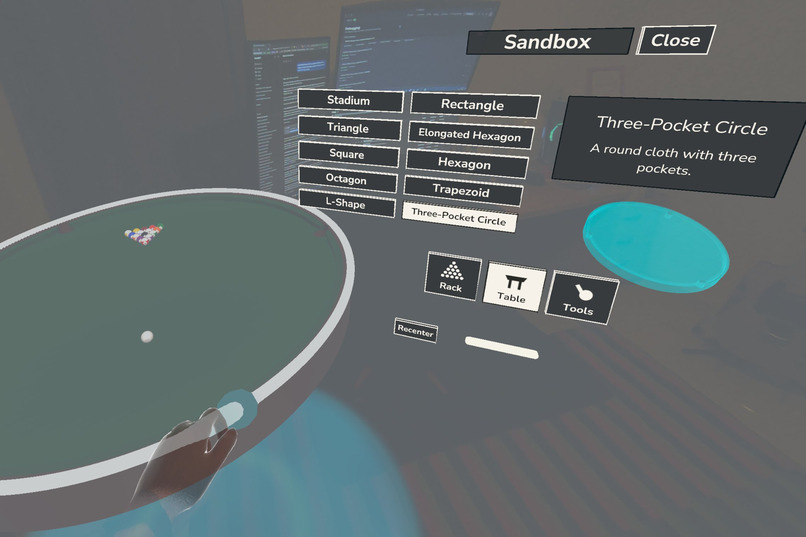
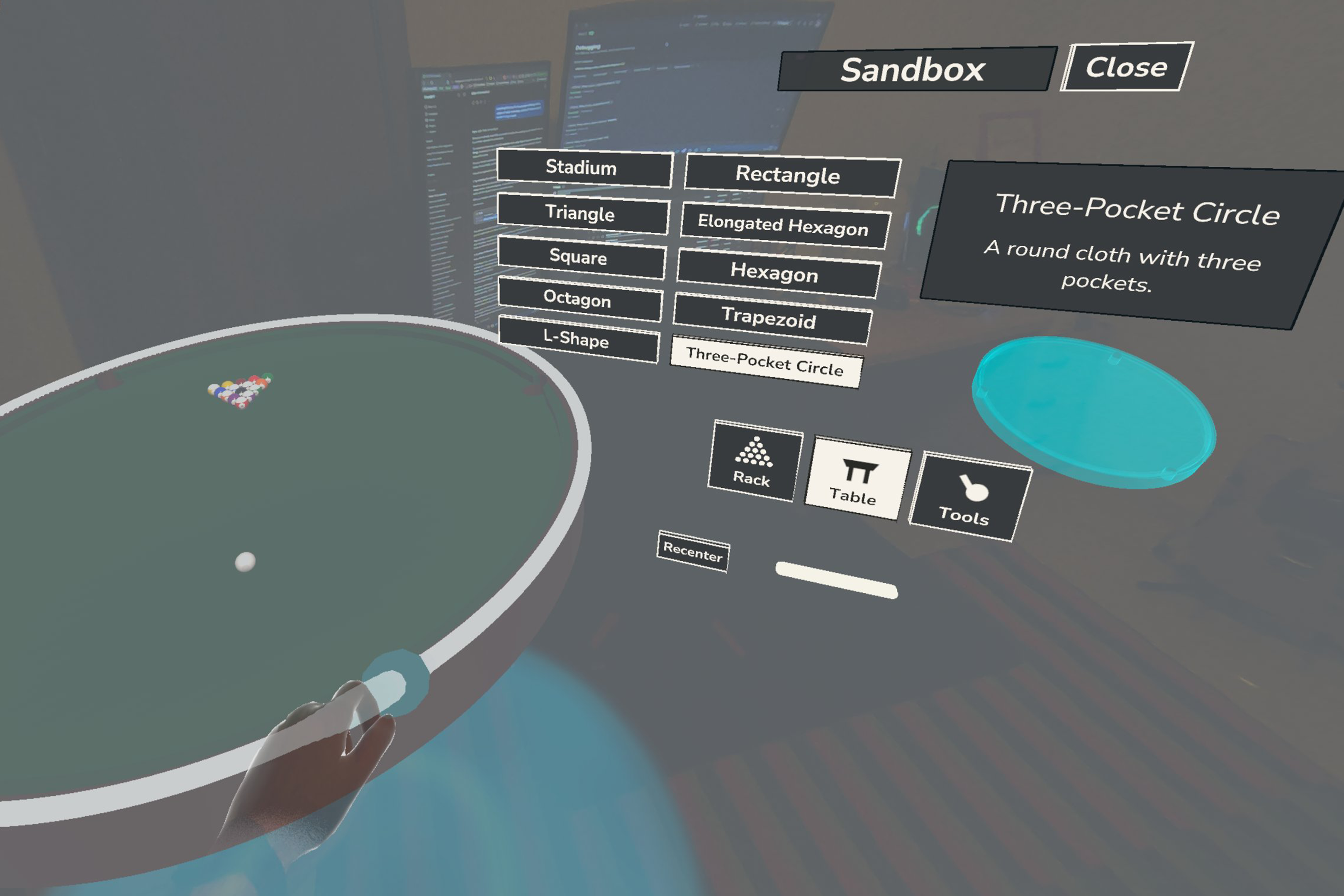
Free Play options
-
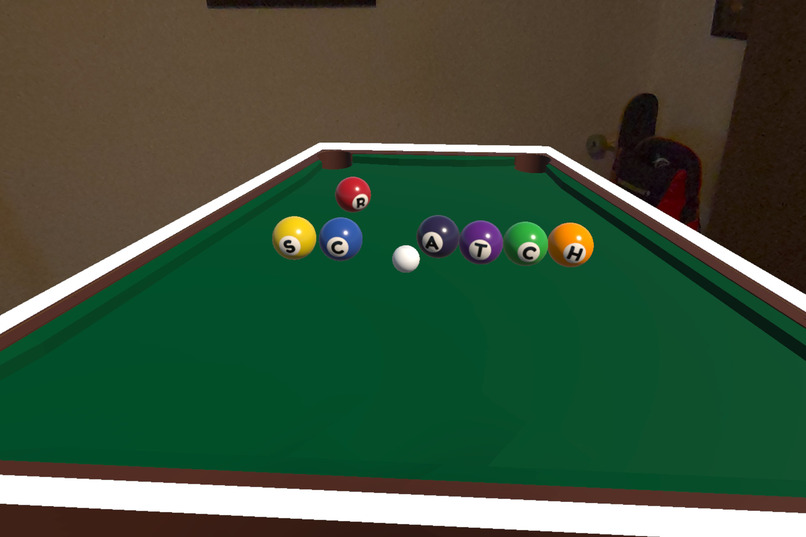
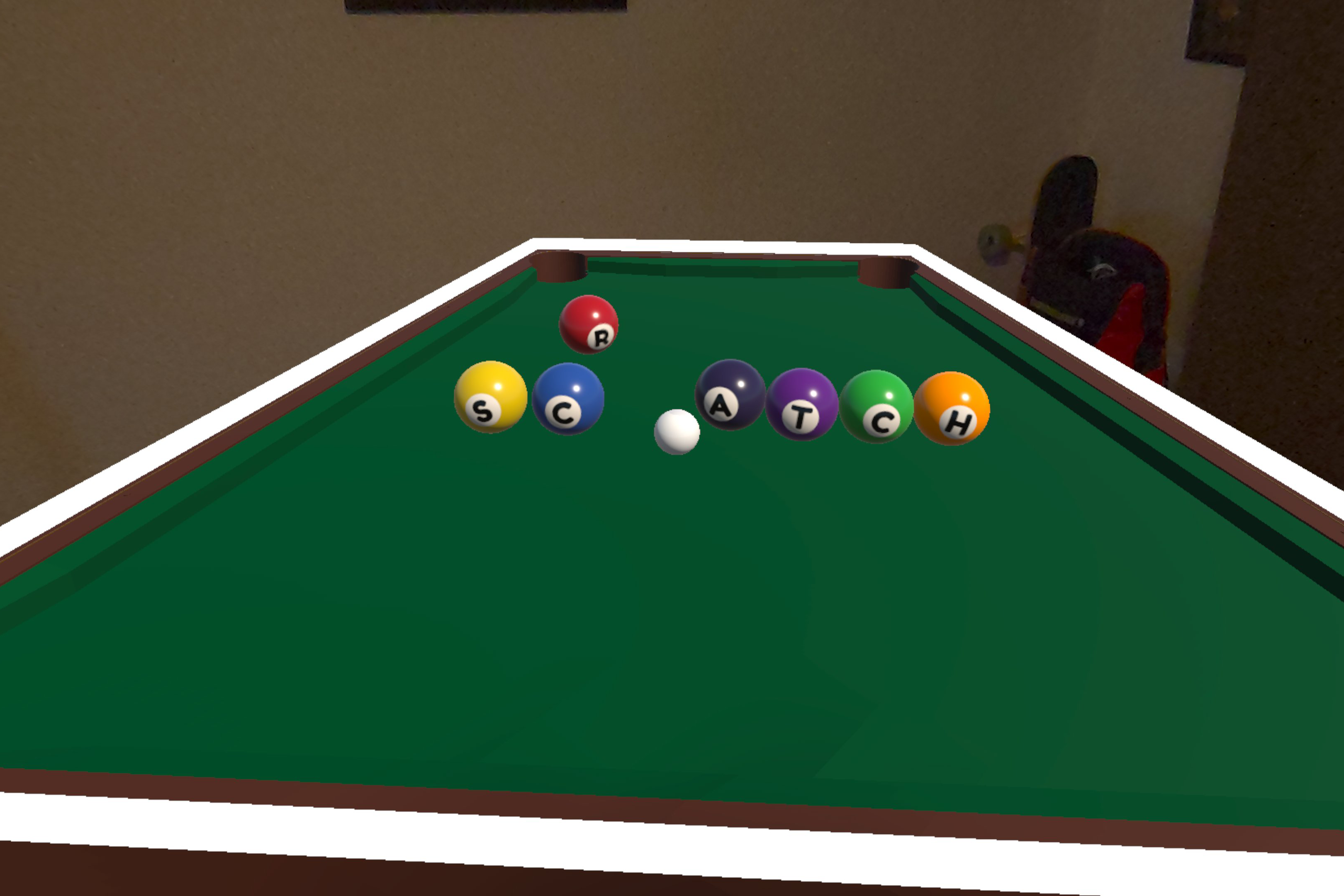
Interactable main logo
-
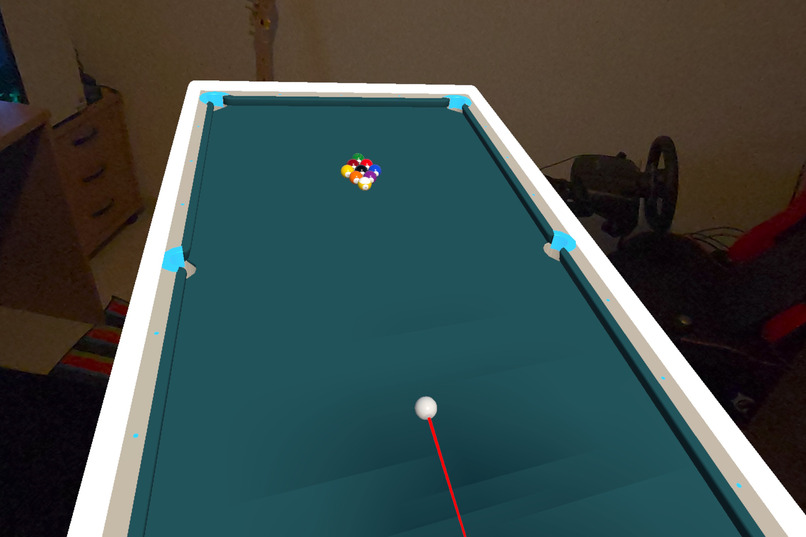
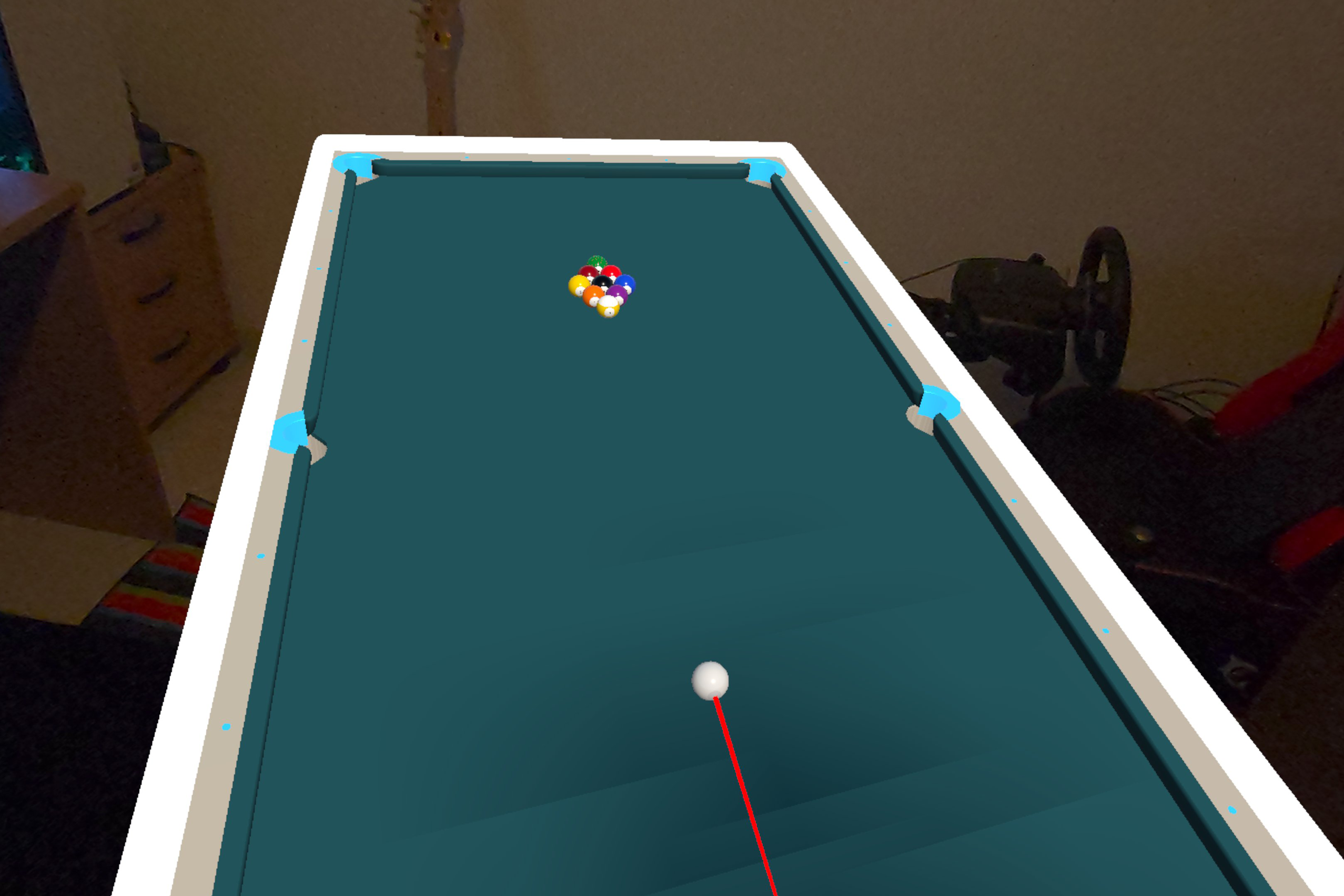
Regular pool table
-
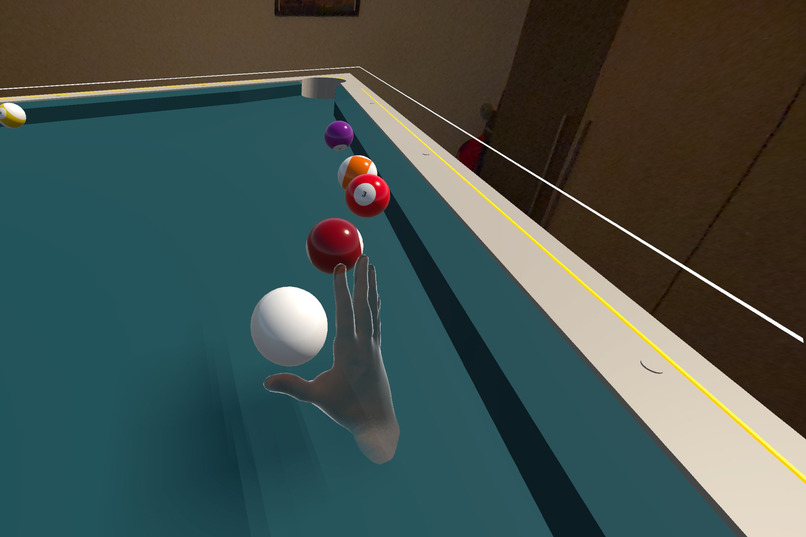
Large table size
-
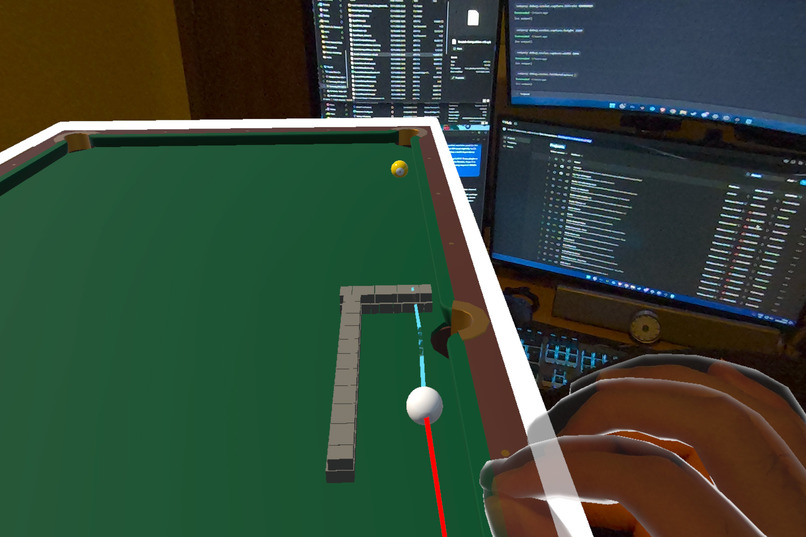
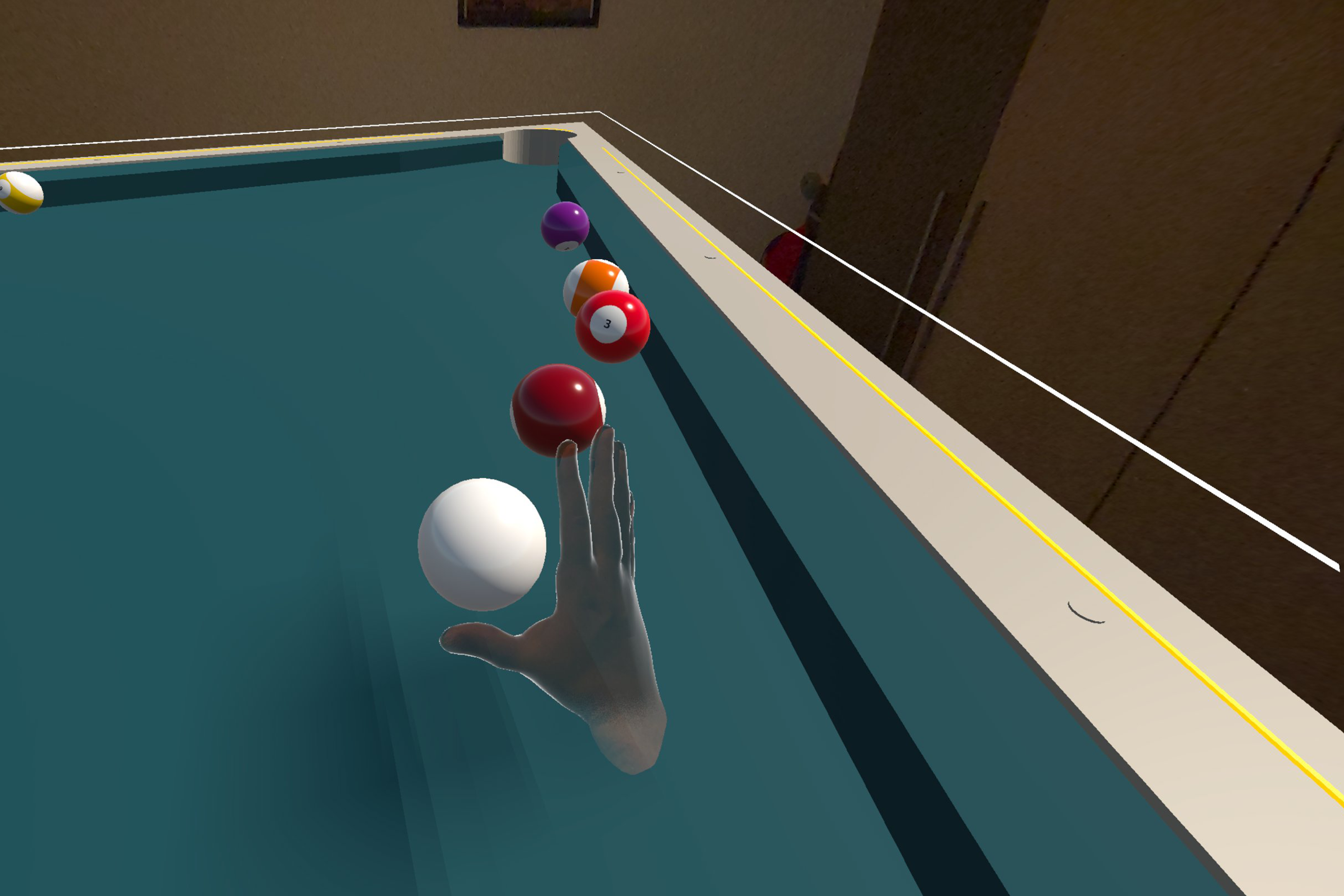
Jump shot
-
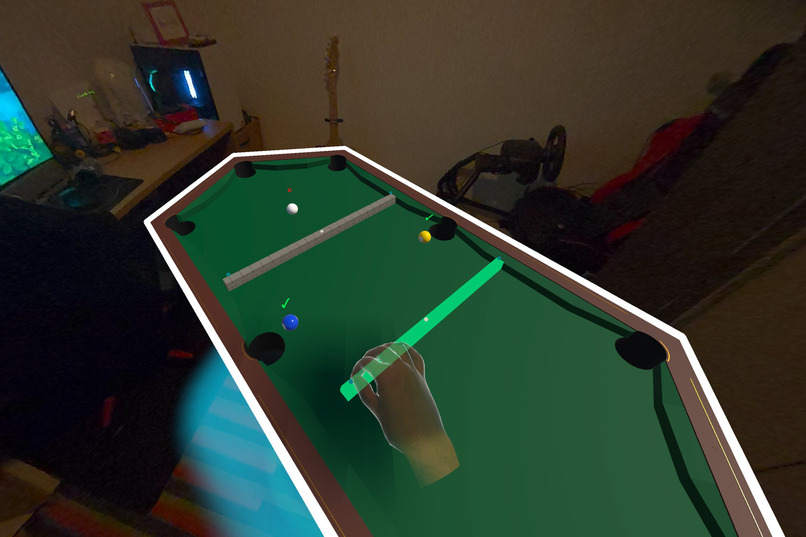
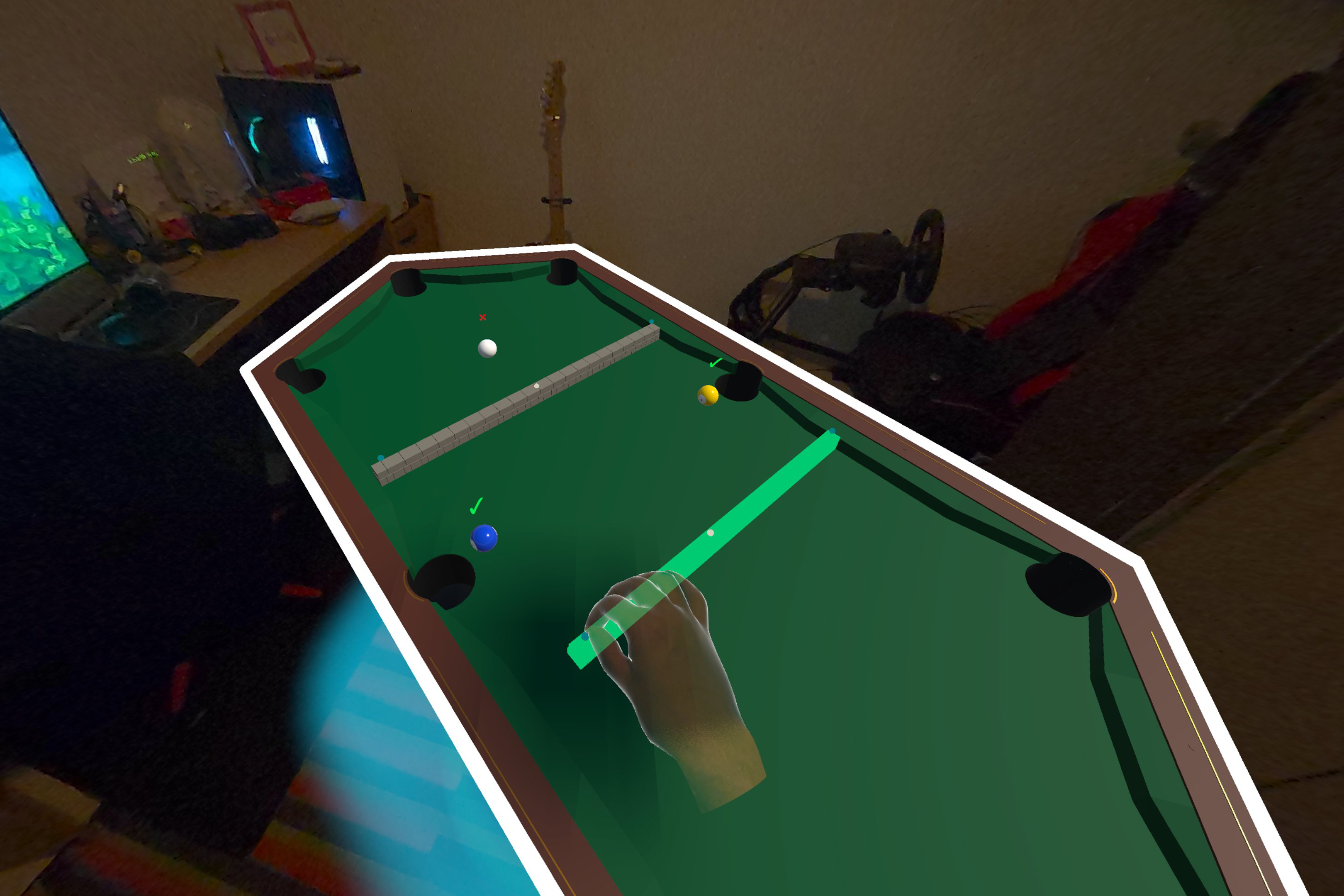
Level creator
-
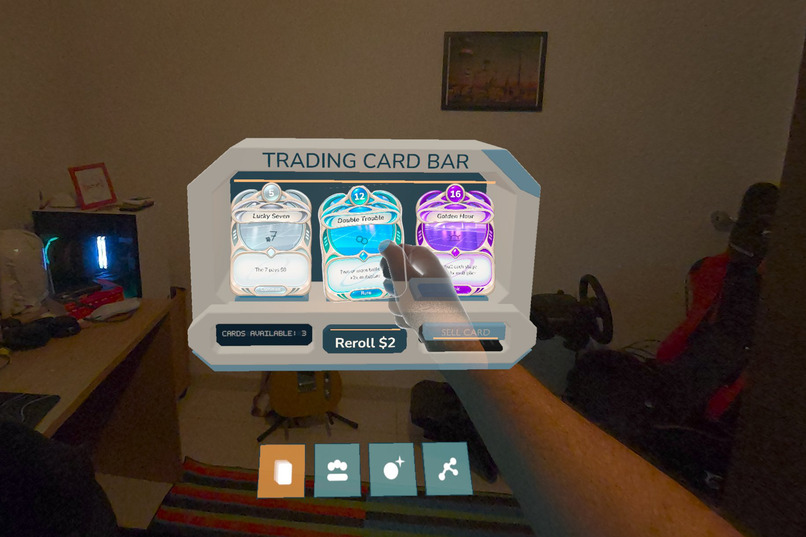
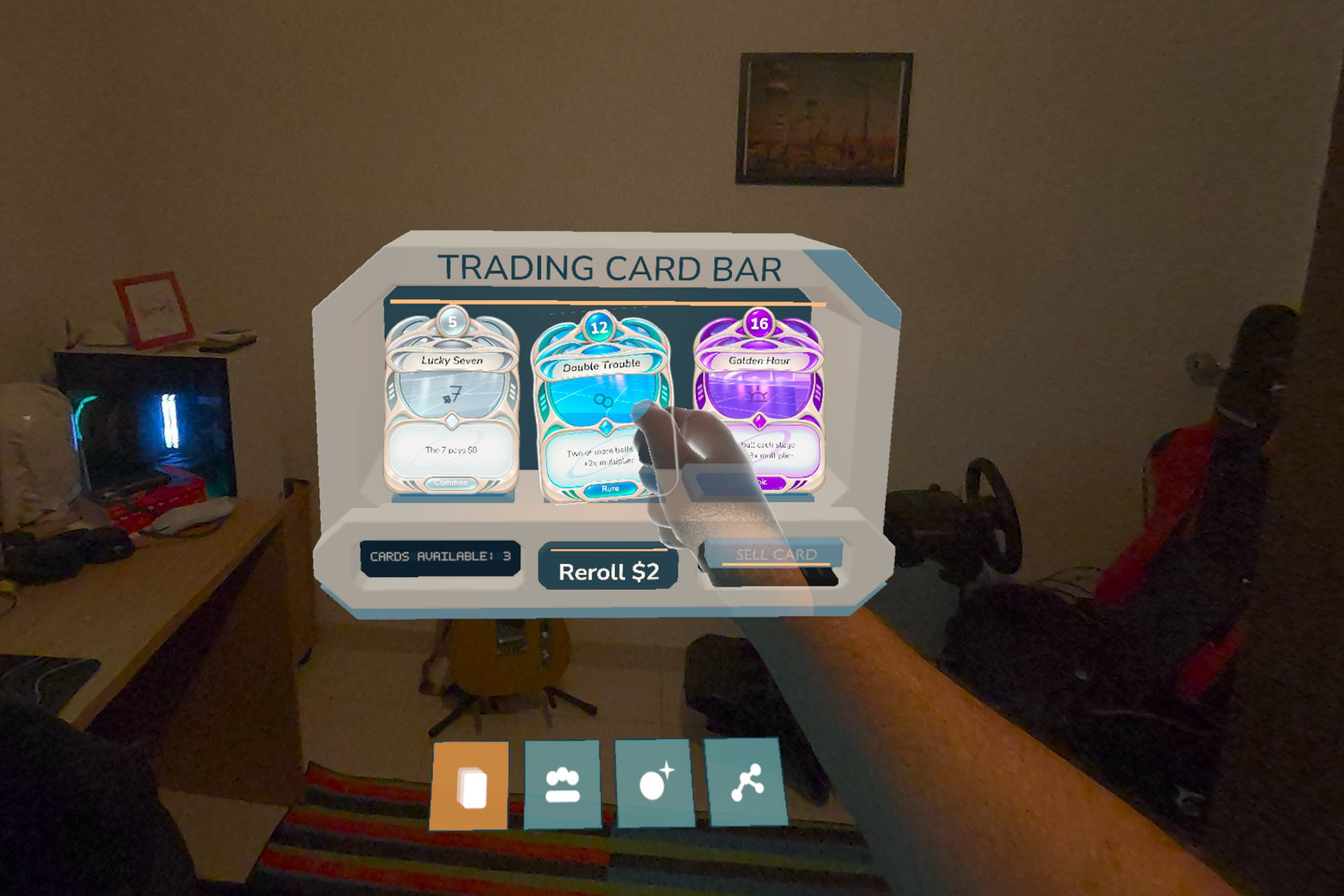
Perk upgrades
-
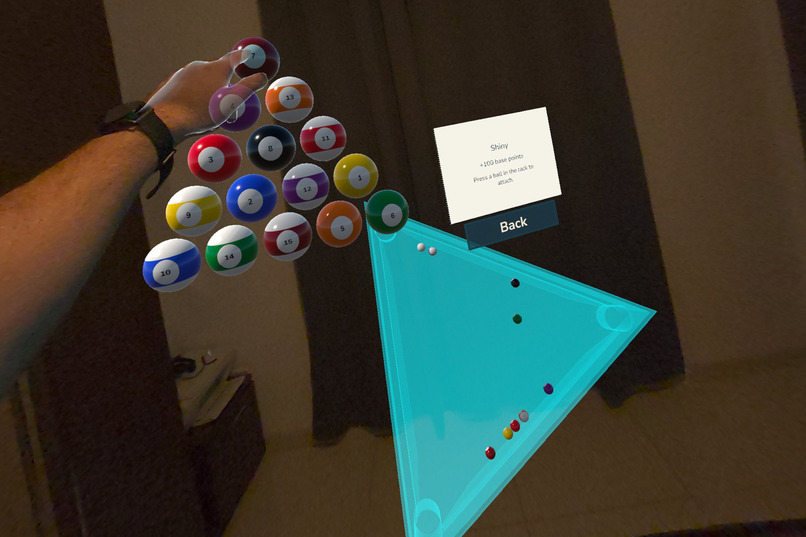
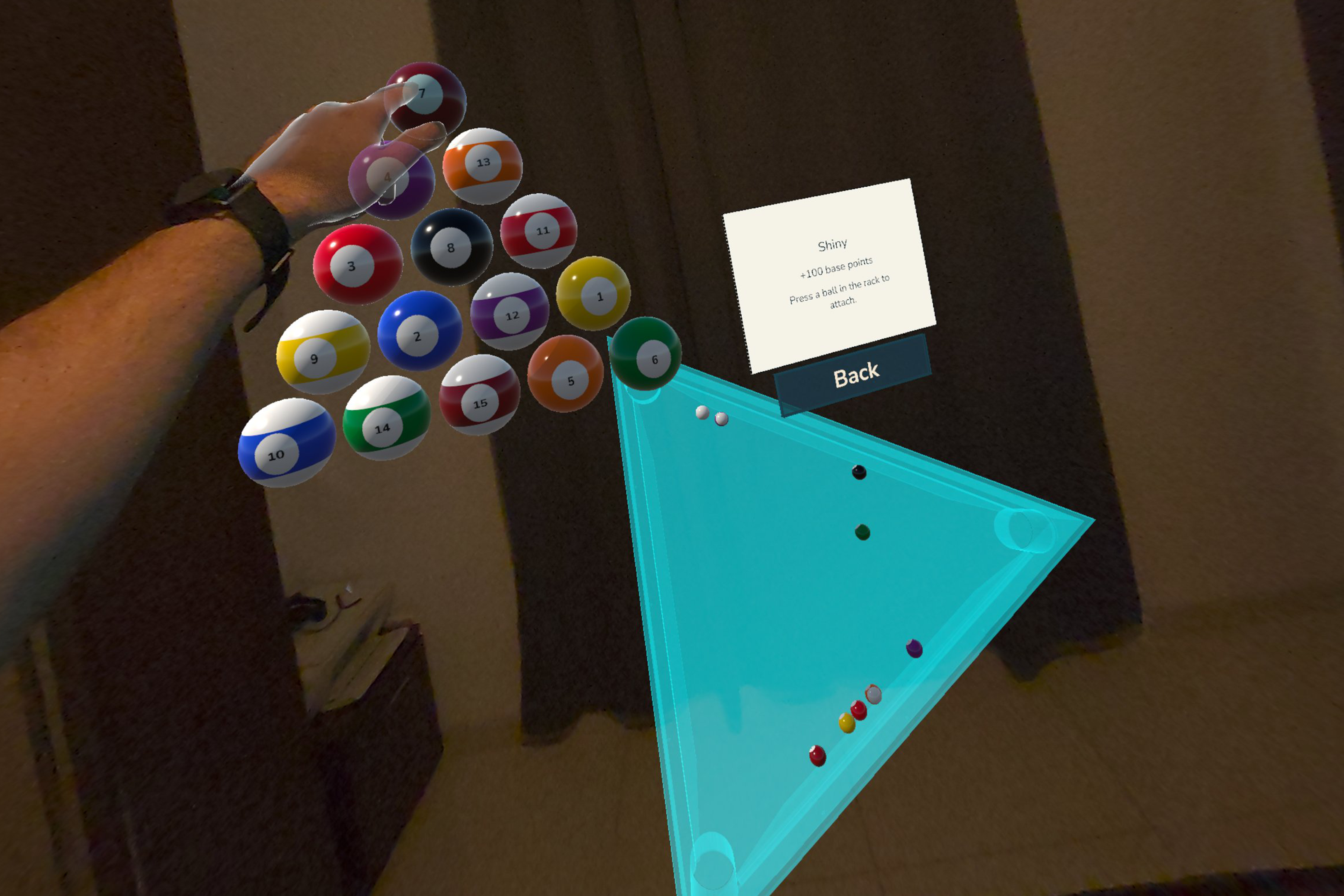
Ball upgrades
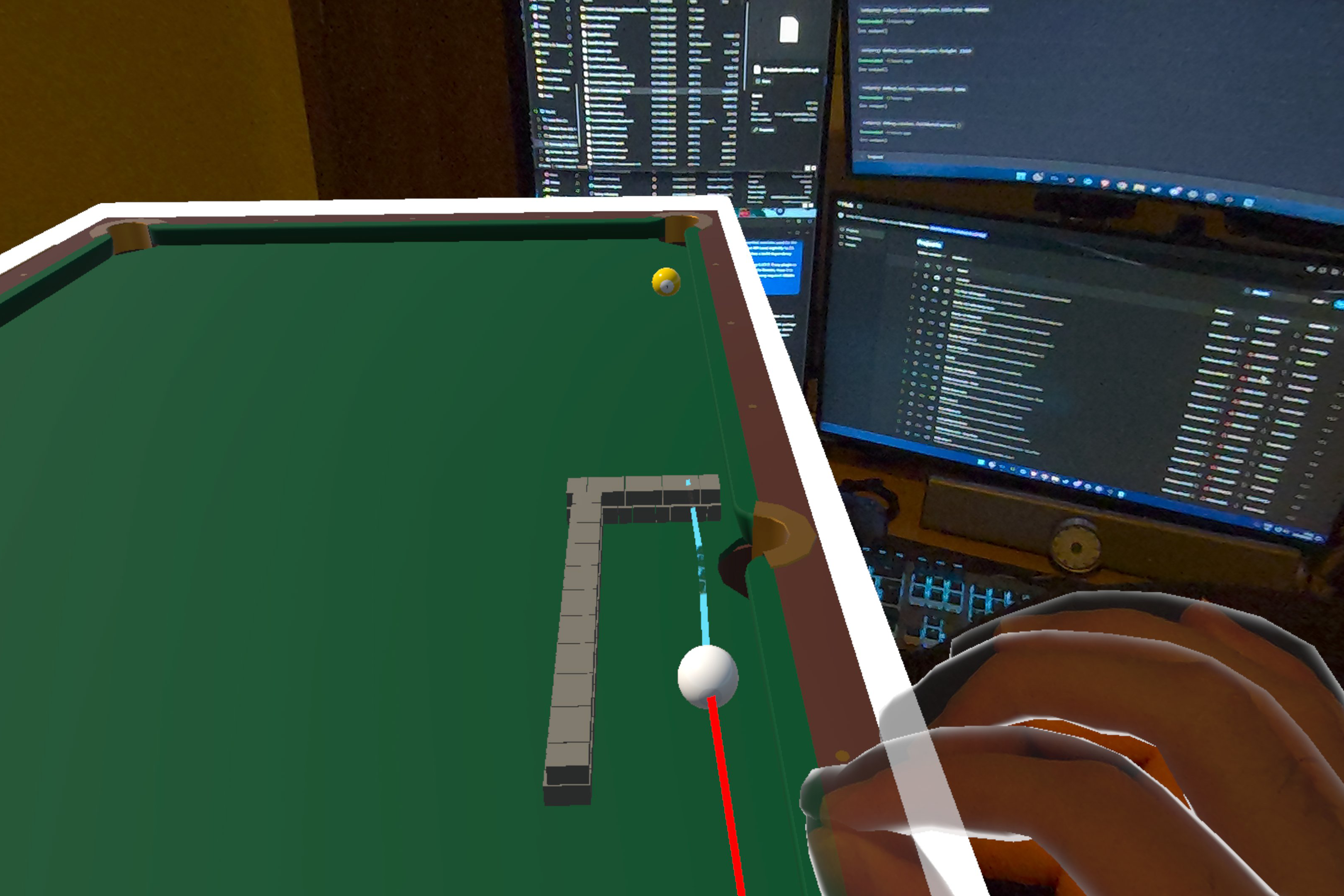
Inspiration
Scratch started on October 14, 2026, with a simple idea: I wanted a tiny, portable pool table that I could place on my desk in mixed reality, almost like a little interactive widget.
One experiment led to another. What if the table had different shapes? Different ball formations? What would make this something worth coming back to?
My fiancée loves relaxing puzzle games like Cubism and Golf Peaks. I love endlessly replayable games like Balatro and the light brigade, where new combinations keep things interesting.
So I thought, why not make something for both of us?
That's how Scratch evolved from a little pool table into a billiards game with both casual puzzles and roguelike progression.
What it does
Scratch is a fully hand-tracked VR billiards game with three modes:
- Survival: A pool roguelike where every shot must sink a ball or you lose a life. Earn money, buy upgrades, discover card and ball-finish combinations, and survive bosses that change the rules.
- Puzzle: Solve handcrafted billiards challenges, earn stars, or create your own levels using the built-in VR level editor.
- Free Play: Enjoy a sandbox or challenge a CPU opponent with customizable rules and match settings.
Everything works without controllers, supports seated play, and is designed to be enjoyed in mixed reality.
How I built it
I built Scratch solo in Unity using C# with heavy testing on my Meta Quest 3. It's my first Unity project, developed in just over a month.
Development involved building billiards physics, hand-tracked interactions, gameplay systems, a roguelike economy, CPU opponents, and an in-game level editor.
This was only possible because I used AI-assisted coding, asset generation, and Blender automation to help bring the project together.
Challenges I ran into
Physics: Getting believable collisions, breaks, and pocket behavior was surprisingly difficult and required extensive testing.
Hand tracking: Designing an entire game without physical buttons meant rethinking everything from aiming to navigating menus.
VR interfaces: Making menus readable and accessible without obstructing gameplay took several redesigns.
And, of course, managing the scope of what was supposed to be a tiny pool table!
Accomplishments that I'm proud of
I'm proud of turning my first Unity experiment into a playable game with three distinct modes in such a short time.
Particular highlights include the hand-tracked gameplay, the roguelike upgrade combinations, and the built-in puzzle creator. Some of the included levels were made entirely using the game's own creation tools! I also often find myself just swinging the table and catching it in mid air just for fun.
What I learned
I learned that even simple mechanics can be incredibly complicated to get right in VR.
Constant headset testing, automated physics tests, and lots of iteration made a huge difference.
I also discovered how far AI-assisted tools can take a solo developer who's willing to experiment, learn, and keep refining their ideas.
What's next for Scratch
I'd love to expand Scratch with multiplayer, community puzzle sharing, unlockable cosmetics, additional upgrades, and new bosses with increasingly unusual mechanics.
Being able to hire or work with a team that can also bring things like actual custom soundtracks, custom artwork for cards and more models would also be a nice touch.
And eventually, once something like artifacts comes around, I'd love to revisit the original dream: a tiny portable pool table that can live right on your desk.


