-
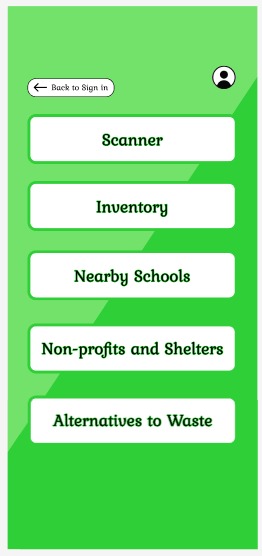
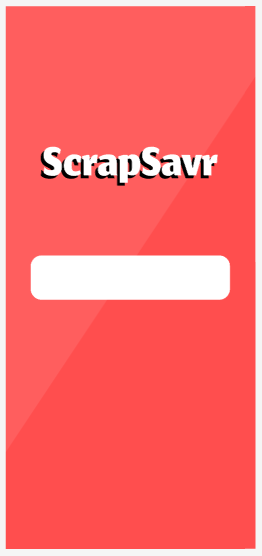
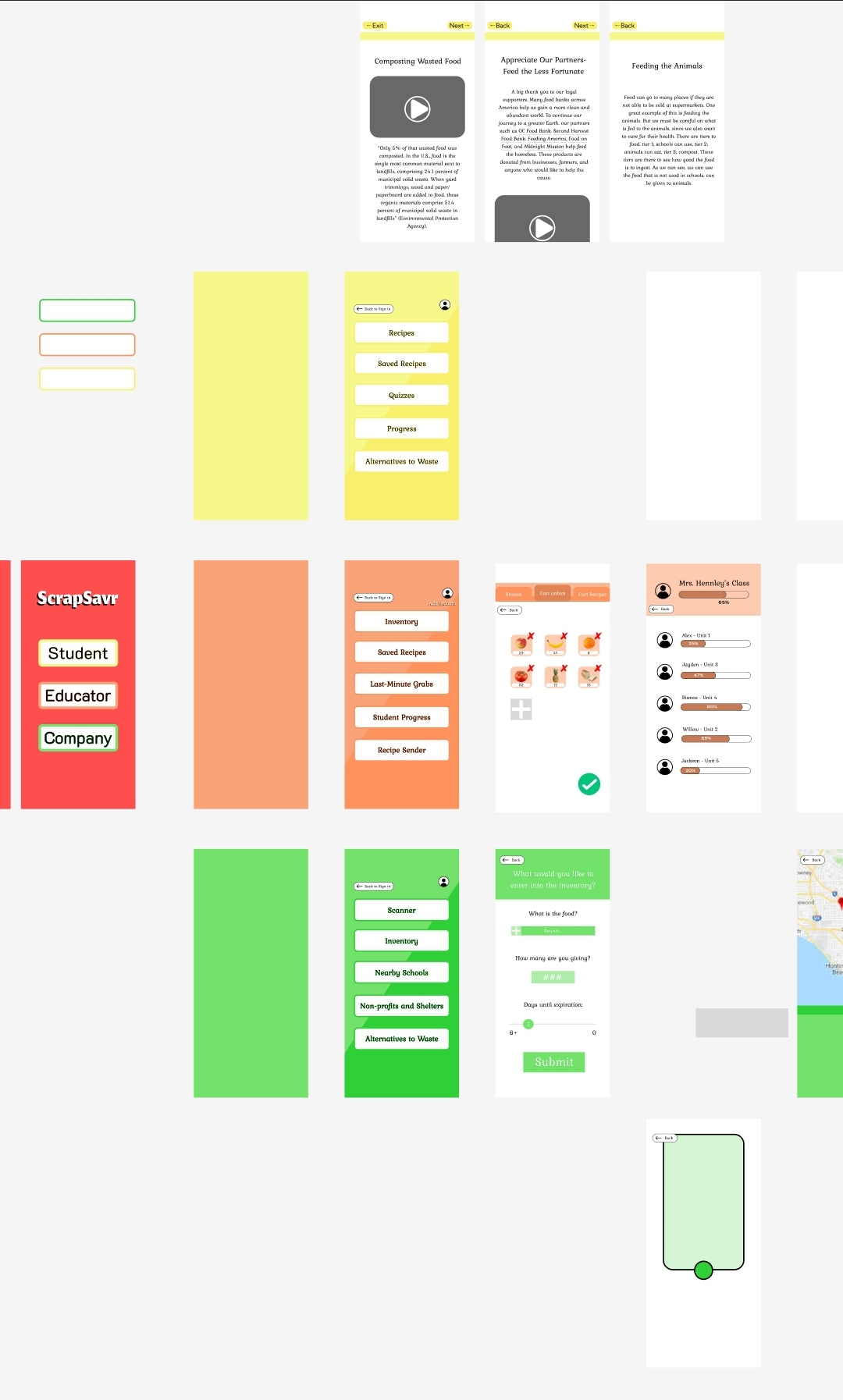
The company login
-
Loading screen
-
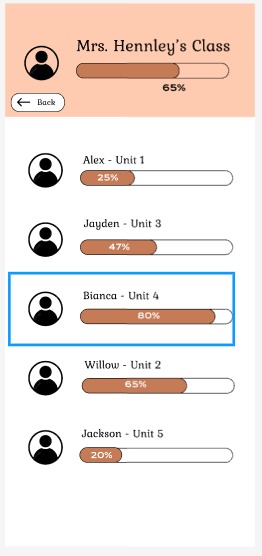
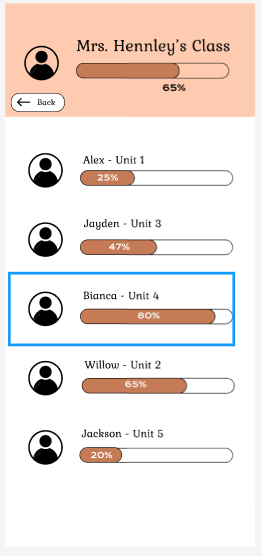
Class progress tracking screen
-
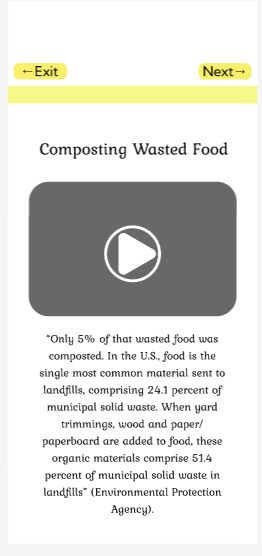
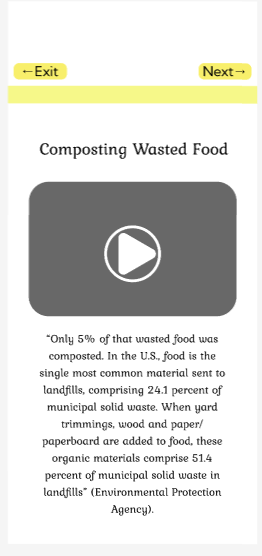
Article for students
-
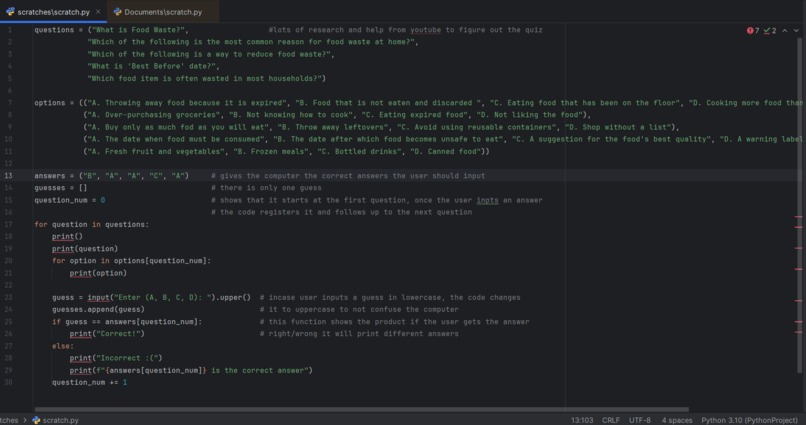
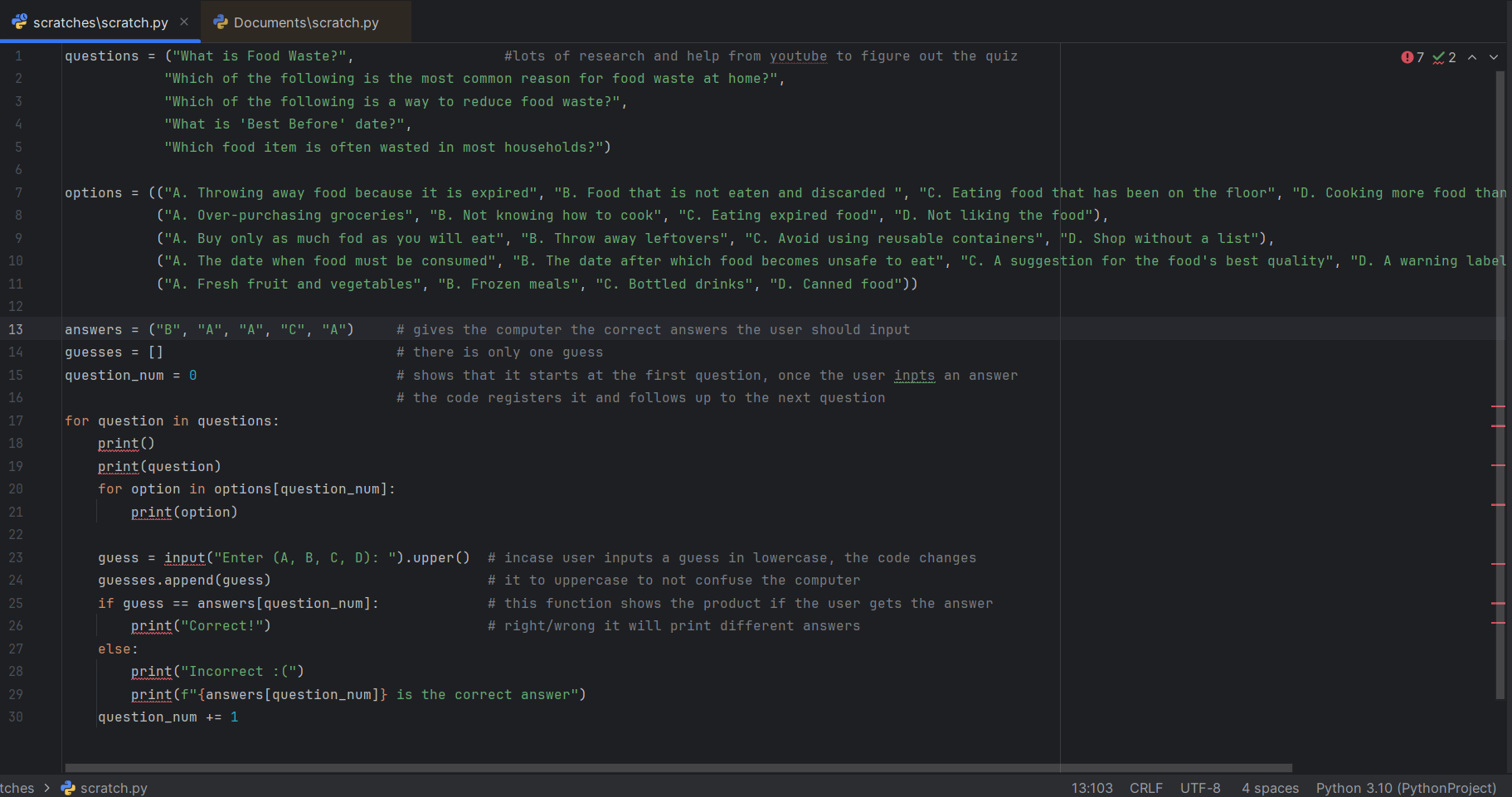
Code for quizzes
-
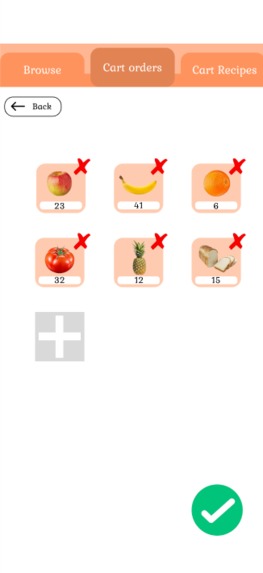
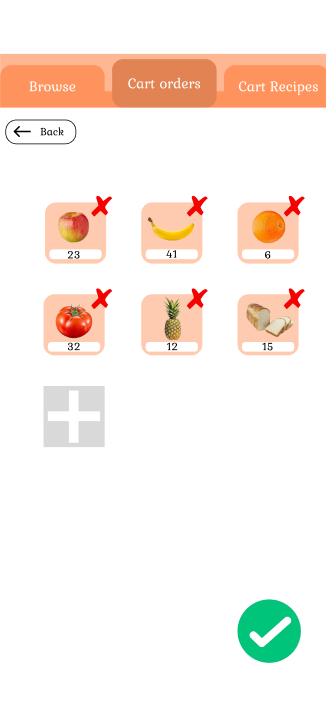
Shopping cart for educators
-
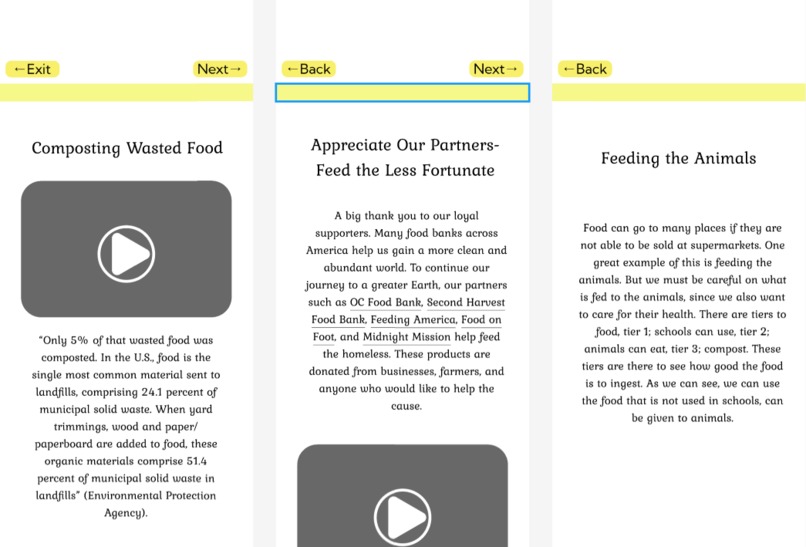
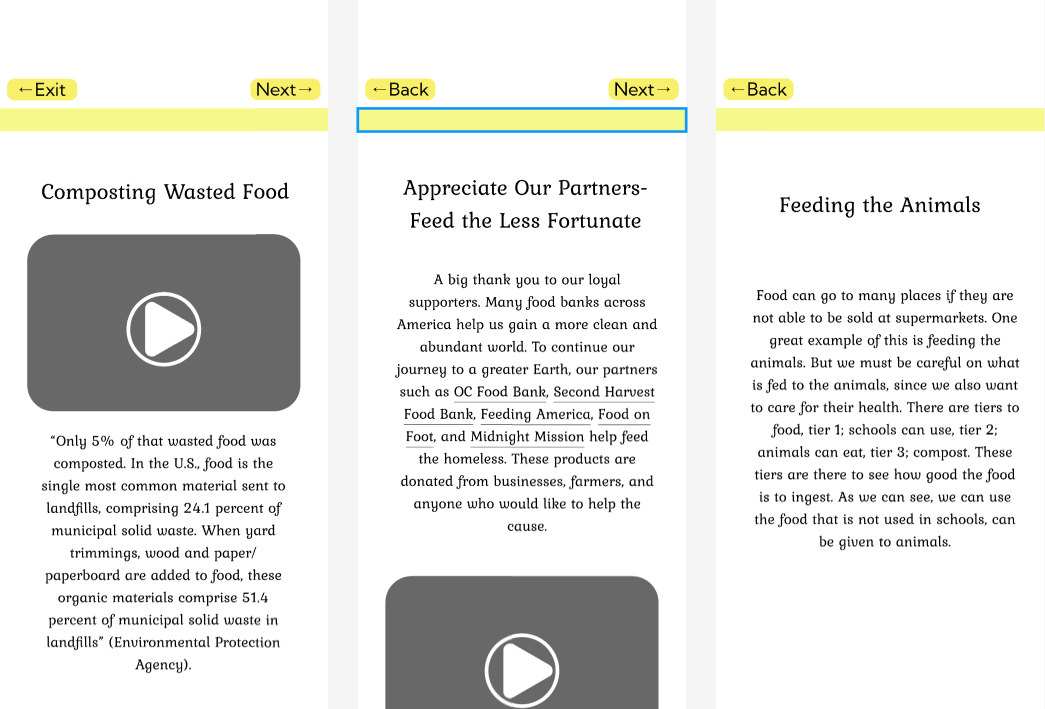
All different articles
-
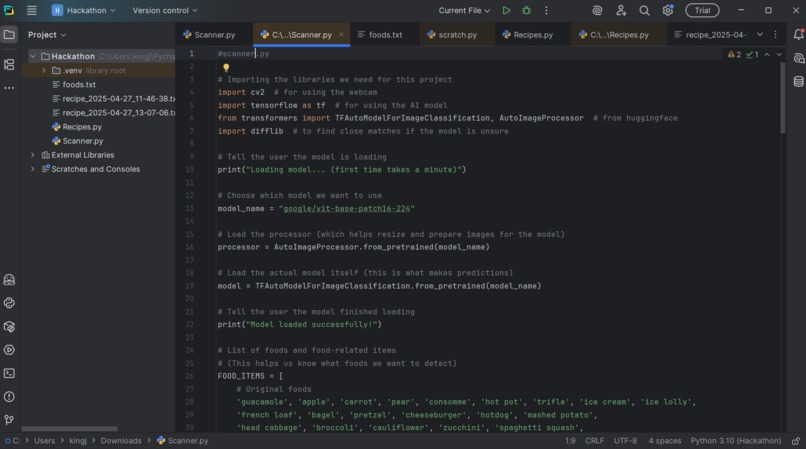
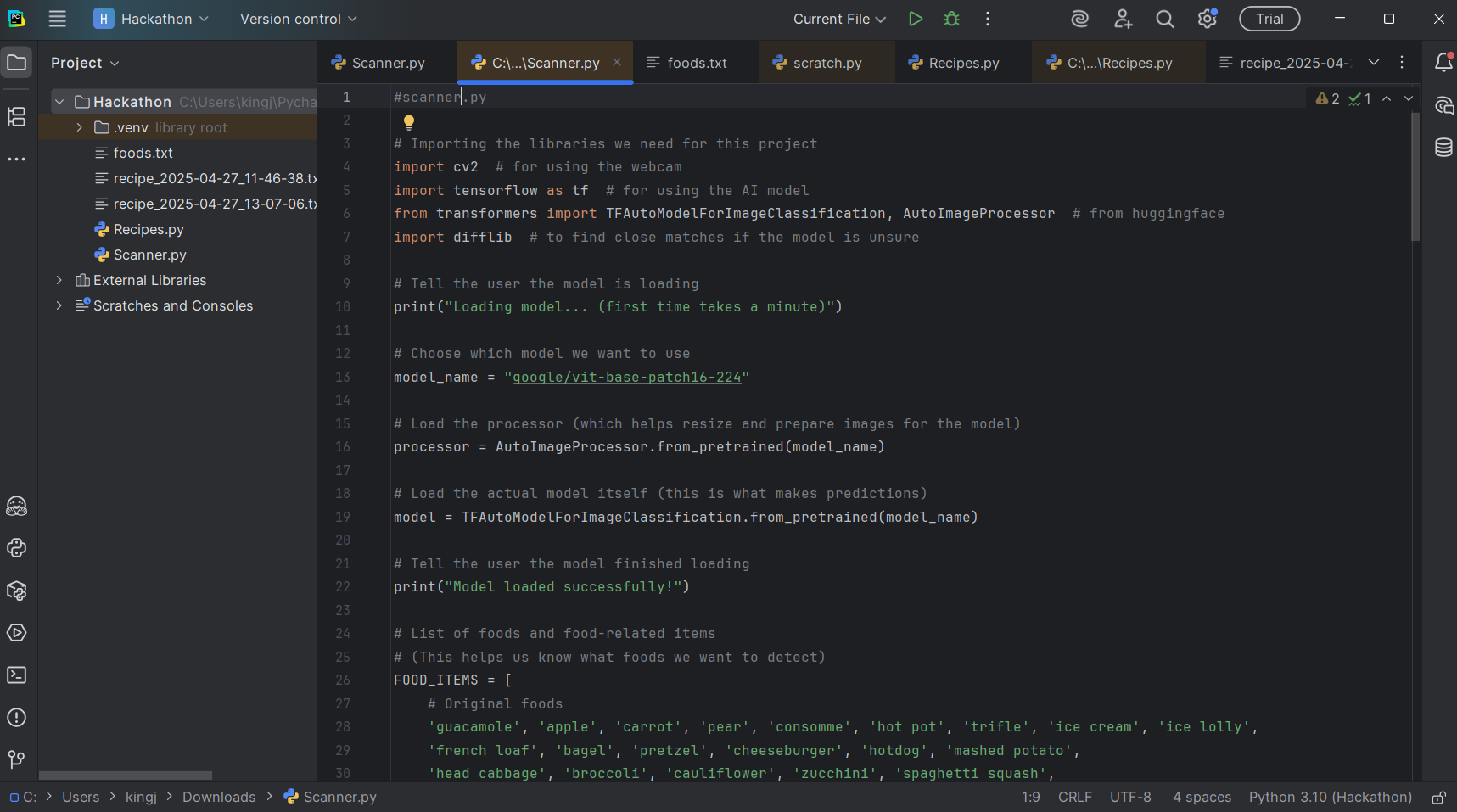
Code for food scanner
-
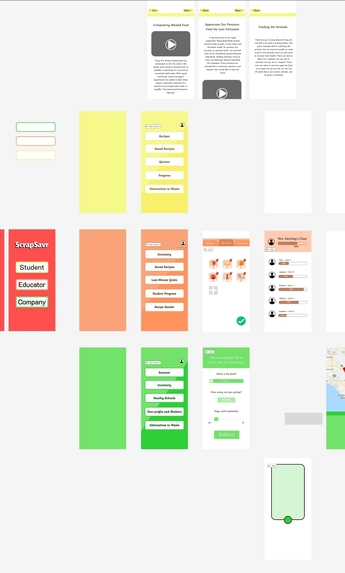
Entire app production
Inspiration
For this project, we came up with a solution that included SDG's 2-Zero Hunger and 4-Quality Education, but focused on 12-Responsible Consumption. When we started this project, we wanted to focus on a solution that would primarily help zero hunger. To start, we considered a project that delivered food from grocery stores to homeless shelters, but the more research we did for this project, the more it became clear to our group that our solution could do so much more. We found through our research that most food that cannot be donated is due to several smaller issues such as storage and transportation, as well as personnel. To expand our solution, we have addressed these issues and found a new purpose within our project, quality education. We now have centered our project on food waste and cooking skills being taught to students as a way to lead a new generation of responsible, food conscious adults. While it may seem as though our group is trying to solve everything at once, we assure you that our solution will exceed your expectations.
What it does
We created an app called ScrapSavr. Essentially, the purpose of our app is to take surplus foods from stores and send them to schools to teach students cooking and allow the teachers to track the students' learning through quizzes. Food logged into our system is sorted into a tier system: The first tier means the food will last long enough to make it to a school, the second tier means the food will not last long and should be immediately consumed (this food is quicky transported to a shelter), and the third tier is food past the federal safety guidelines, and is turned into compost. Our app is divided into three different sections: companies, educators, and students.
Starting our focus on the companies, a grocery store, restaurant, or bakery is eligible to sign up to our app. When logged in, the company is first able to scan a food item, and it will be immediately sorted into our system as an available product. The next option is for the company to manually add in food items and quantities, as well as an expiration date (allowing our system to sort the food into tiers by how long until they expire). The last things that a company could do with our app is find non-profits nearby, and learn about alternatives to food waste and food incineration.
For Educators, the very first thing they have access to is the inventory. While companies could add food to the inventory, teachers can claim food. What adds uniqueness to this app, however, is our incorporation of AI to take the items within the teacher’s cart and cross-reference with recipes for the teacher to sift through. With this addition, teachers may also use our app to save recipes and request the AI to change the serving amount. As we wanted to focus on teaching students with this app, we added sections for teachers to check on their students’ progress in the quizzes and send recipes to students for the cooking lessons.
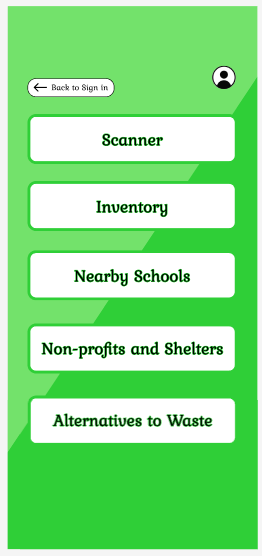
Last, but not least, the students may use our app for a variety of learning tools. Students can save recipes to remake at home, but at school, they can take the recipe the teacher sent them for a guided walkthrough of the recipe. Within long waiting periods (like waiting for something to bake), quizzes and educational videos will come up on food safety and food waste. These quizzes are not only accessible through the recipes, but if a student wishes to work ahead or review a past quiz, they can go into the quizzes section and do just that. Another learning aid we have added to the app is a section where students can learn about alternatives to food waste and what they can do with the extra food in their homes. Lastly, students can check their progress within their class.
How we built it
Unlike some groups, half of our group had little to no experience in coding. To build our minimum viable product, we used Python code, but the alternative of our final project was made with Figma (a UX/UI design builder). We used Figma to build an app prototype, which can be tested through the link we submit. While we have yet to find a way to combine our built app and our pieces coded with Python (such as our product scanner, inventory connected to the scanner, and AI recipe recommendation based on the inventory), we still have each piece ready. Using Figma to build the project was generally uncomplicated. We simply made a screen of what the app would look like, then we used a special tool called Smart Animate, in combination with the prototyping tool, to connect the buttons to separate pages and animate the loading screen and transitions. For the coding, we started with trying to get Python to interact with a chatbot, but instead, we tried downloading a model and hosting it. While we were able to get that running, we found that we couldn’t host it. We focused on creating a scanner that could only recognize food items and expanding its recognition database. We finally went back to the incorporation of AI and were able to get it working. For the quizzes, we had a teammate of ours who learned coding during a workshop in this competition, and they were able to make a simple quiz with an answering system.
Challenges we ran into
We had lots of difficulty with programming. Our programming knowledge was very limited. Our only area of competence was in python. Figuring out what tools and things we needed in order to achieve our vision was also very challenging. Our group programers had to learn how to host a AI chatbot on their computer, connect it to their code, how to use python to connect to an image recognition software, and get python to use a webcam. In sum there was just a huge knowlege and experience gap that we spent most of our time overcoming. We also had issues with our demo as our share settings require us to approve viewing because of our school district.
Accomplishments that we're proud of
After two days of troubleshooting and tutorials, we were eventually able to create a working product scanner that only recognizes food items, an AI recipe recommendation system, a working and animated app, a mini quiz, and filled out articles for the students to read.
What we learned
Some of our group members learned the basics of coding, others learned that “experience is the best teacher,” as they learned through hours and hours of troubleshooting. As our group members attended most of the workshops, I believe we can all confidently say that we will walk out of this competition knowing more than we came in with. One of our group members was a junior and especially appreciated the workshop on college essay writing.
What's next for Scrap Savr
If we were to continue with the creation of ScrapSavr, then we would start with the incorperation of our code into our existing app and a forth division foe nonprofits to log on and use our app to pickup and transport excess food. If we were to launch the project, we would start with orange county, focus on working with OC Food Bank and Second Harvest Food Bank to pickup and store food, we would work with charter schools (which have more flexible curiculums) to add a cooking workshop, and we would work with larger chains in the area such as Kroger’s and Northgate Market for product. The bigger issue is long term as the app would need to be regularly monitored and updated to fix ay issues, but other than that, we believe that our solution could potentially lessen the food waste in orange county by at least 20%.
Built With
- figma
- pycharm
- python

Log in or sign up for Devpost to join the conversation.