Scrambled Brain: The 9-Week Answer to a 5-Year Problem
Inspiration
June 2025: I was diagnosed with ADHD and high blood pressure at 32. For the first time, I had a name for the chaos in my head—and an urgent need to track symptoms and medications for my doctor. I searched for a symptom tracker. What I found was disappointing:
Bearable looked perfect, but lacked the #1 most-requested feature for 5 years: PDF export. Users begged for it. The company promised it. Nothing shipped. Other apps were either cluttered and overwhelming, or required answering seemingly unrelated, but highly sensitive information—a privacy nightmare.
So I did what thousands of people do: I used Google Sheets. It worked. My doctor loved it. It probably extended my life by a few years. But I was a developer with 12 years of experience. I could build something better. I could build the tool I wished existed on day one of my diagnosis. When RevenueCat announced the Ship-a-ton, I had 9 weeks to prove it.
What It Does
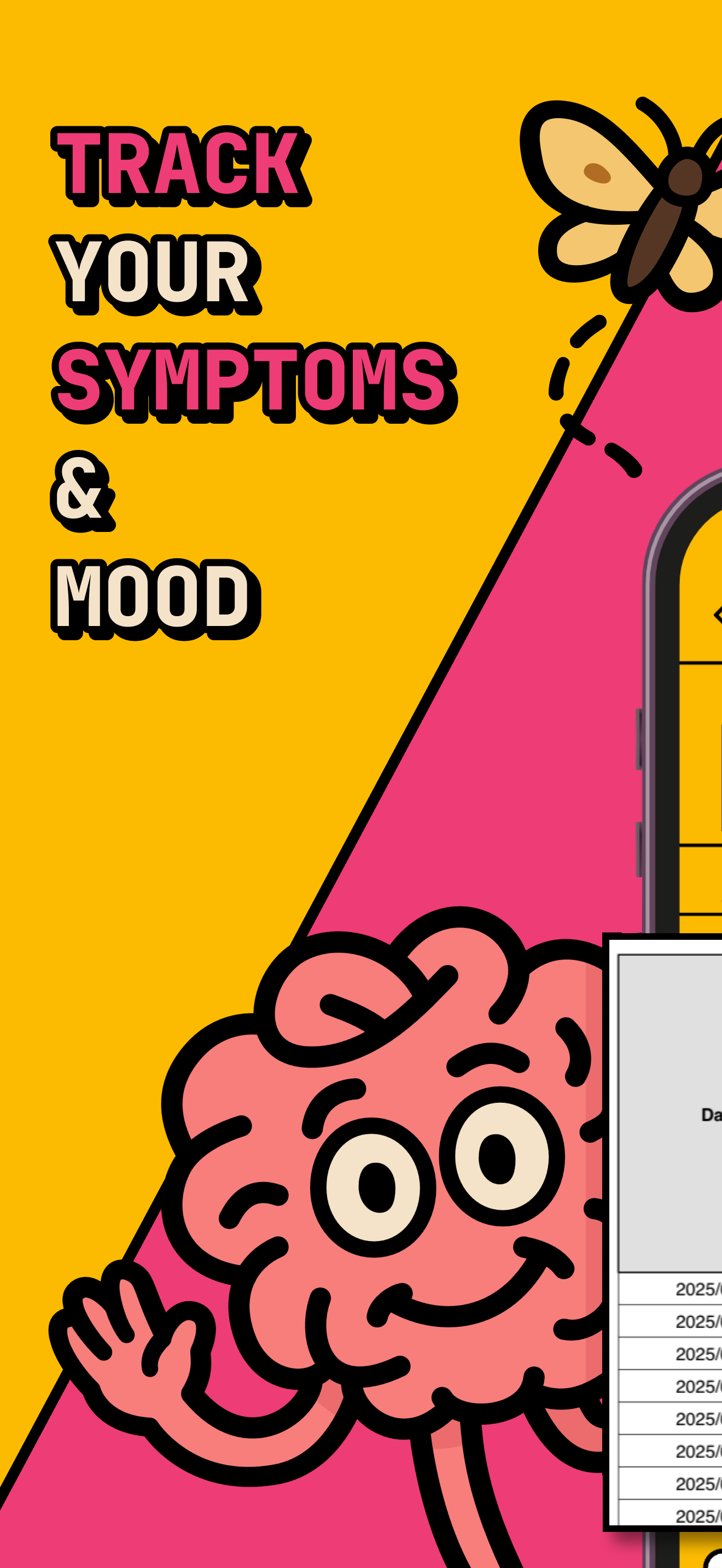
Scrambled Brain is a symptom and habit tracker designed for neurodivergent minds.
Core Features (Free)
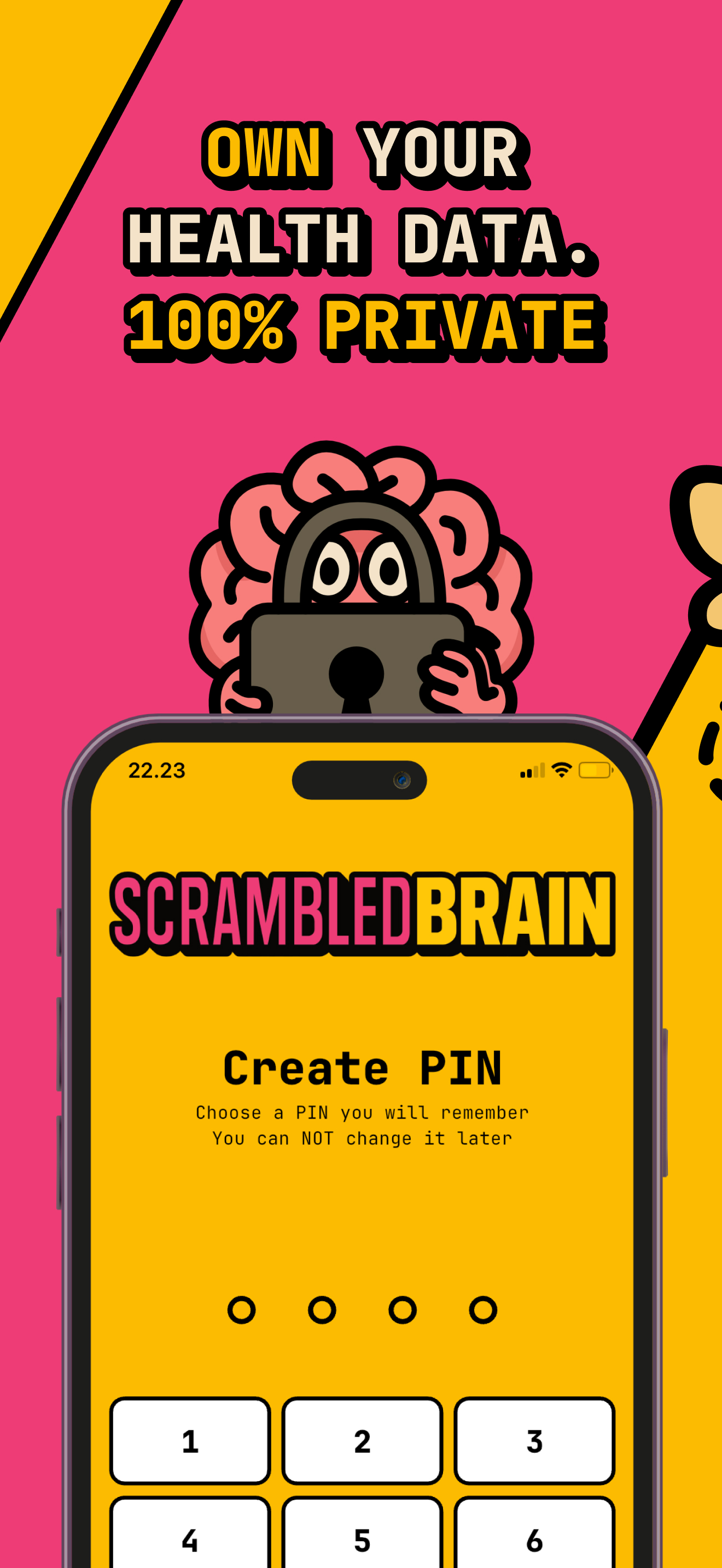
- 100% on-device privacy: No accounts, no email, no servers. Data is encrypted (AES-256) and stored locally. I can't see it even if I wanted to.
- PIN + biometric lock: Your data is protected from prying eyes—and accessible fast when you need it.
- Pre-built widgets: Track moods, symptoms, medications, habits, and more with simple taps.
- Zero sub-menus: Everything on one screen. Out of sight = out of mind for ADHD brains.
- Neobrutalism as design: Bold borders, high contrast, JetBrains Mono font. Readability over beauty.
Pro Features ($0.99/week for early adopters)
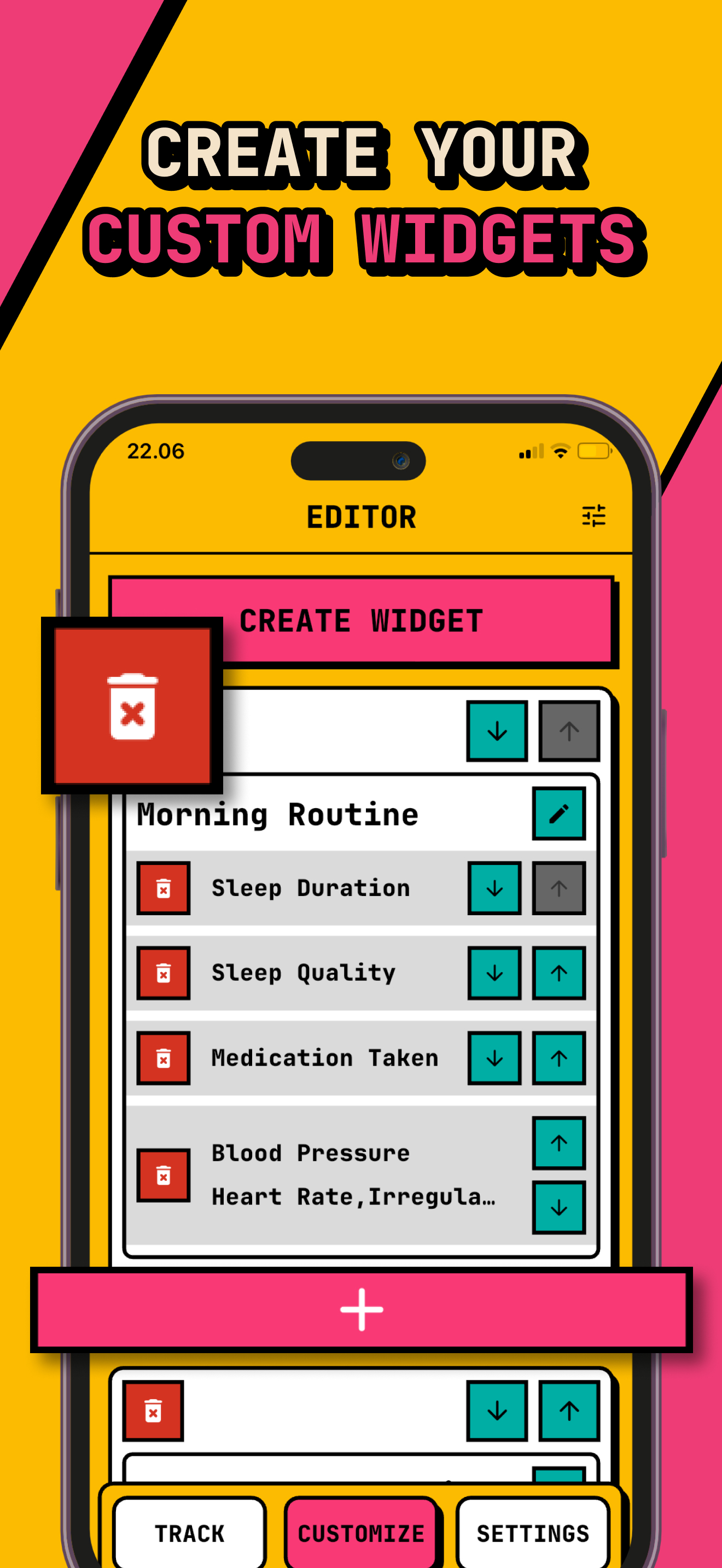
- Blueprint Editor: Create custom trackers for anything. Medications, sensory overloads, chronic pain triggers, executive function, dopamine moments—if you can imagine it, you can track it. You could even track the number of M&Ms in each pack. I don’t know why anyone would do that, but if you want to—you can.
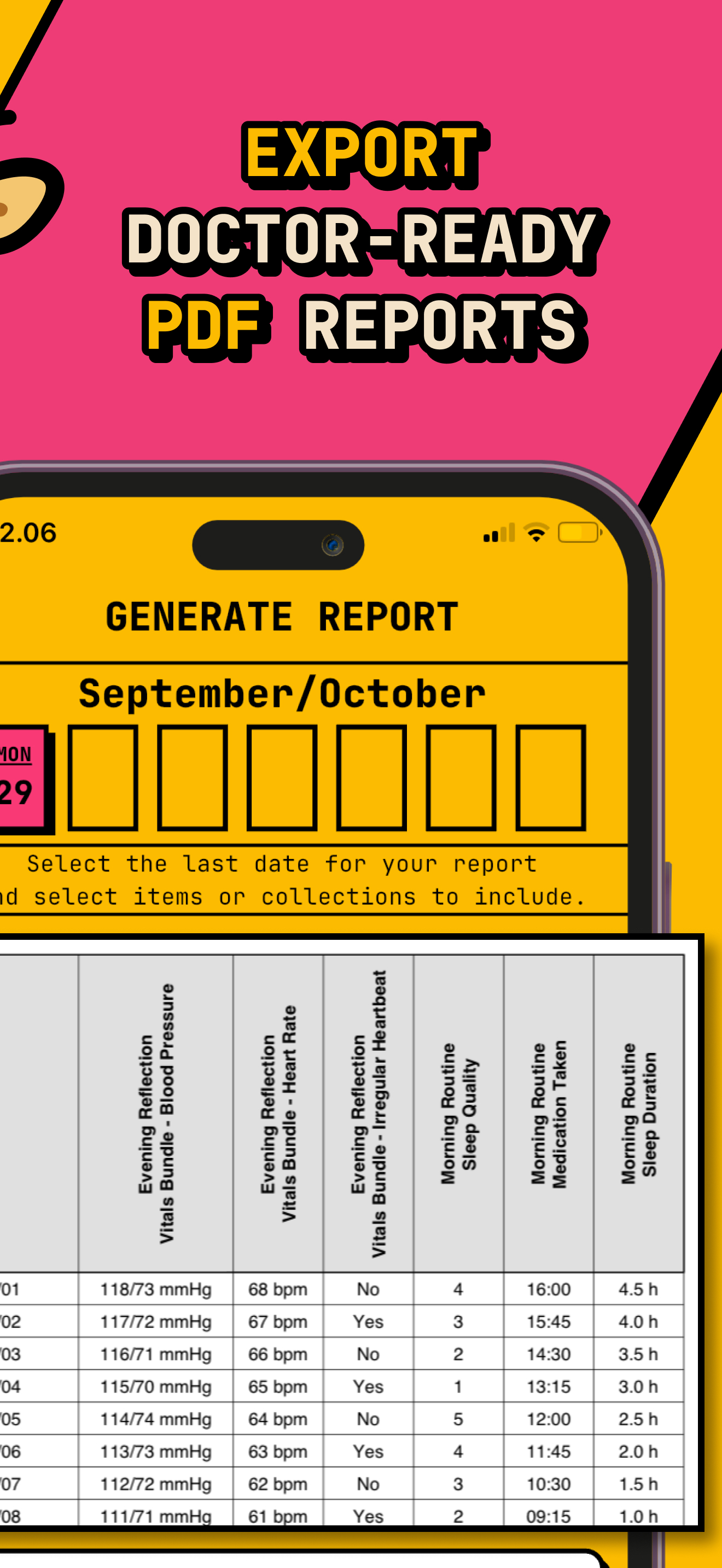
- PDF Export: Generate clean, professional reports to share with doctors, therapists, or specialists. The feature competitors ignored for 5 years—shipped in 9 weeks.
- Collections (Ever-Expanding Lists): Track things that grow over time, requested by the community mid-competition.
The Philosophy
Every design choice asks: "Does this respect a scrambled brain, or exploit it?"
- No AI insights to pollute your mind with correlations that may not exist
- No engagement tricks to steal your attention
- No data harvesting to monetize your health
Just a tool that gets out of your way.
How I Built It
Tech Stack
- Flutter: Cross-platform framework (iOS first, Android shipping)
- SQLite + AES-256 encryption: All data stays on-device, encrypted
- RevenueCat: Subscription management (weekly billing to forgive forgetful ADHD brains)
- PostHog: Privacy-focused, anonymous analytics (opt-in only)
The 9-Week Timeline
- Week 1-2: Built the encrypted database architecture, designed the Neobrutalist UI, created Ryan (our scrambled brain mascot).
- Week 2 (Aug 11): My company announced mass layoffs. Stakes just got higher.
- Week 4 (End of Aug): Lost my job as the sole breadwinner. Decision time: stop and job hunt, or double down? Finland has 10% unemployment and months-long job searches. We chose to move somewhere affordable and bet on me.
- Week 5-6: Shipped first build. Got TikTok comments requesting "ever-expanding lists" and "impulse tracking." My database wasn't ready. I could've promised "v2.0." Instead, I worked through the nights and shipped both.
- Week 7: Wedding in Hungary (forgot this existed), then our anniversary—took ONE day off. Got sick immediately after. Couldn't leave bed for a week.
- Week 8 (Sept 23): Released PDF export with monetization. App is now eligible for Ship-a-ton. But I still hadn't built the Blueprint Editor—the core feature. Started Android port (2 days). Google suspended my developer account.
- Week 9: Finished the Blueprint Editor 3 days before deadline. It broke everything. Data corruption, PDF export failure, widget chaos. Worked 18-hour nights to fix it.
- Oct 1 (deadline day): Fixed every known bug. Uploaded final build. Apple approved it while I was recording my submission video.
Building in Public
From day one, I documented everything on TikTok and YouTube:
- Technical decisions (why no accounts, how encryption works)
- Personal struggles (layoff, move, exhaustion)
- Community requests (showing features being built in real-time)
- Many-many mistakes (Original name already taken, website fumble)
This transparency built a small but loyal community who became co-founders, not just followers.
Challenges I Faced
The Personal Gauntlet This wasn't a hackathon side project. It was a fight for my family's future while navigating:
- A layoff as the sole breadwinner
- An emergency move to a more affordable city
- A minor surgery
- Physical and mental exhaustion
Every line of code was written at night, fueled by spite against corporate empty promises and hope for a better way.
The Rebranding Crisis Classic solo dev mistake: didn't properly research the app name. "Scrambled" was already taken. Forced an unplanned rebrand to "Scrambled Brain" across the entire project—code, designs, marketing, legal docs.
The Technical Nightmares
- Encrypted database architecture: Harder than running back to Supabase, but my comfort doesn't justify putting user data at risk.
- Collections feature: Requested mid-competition. Required restructuring the entire data model. Broke almost everything 3 days before deadline.
- PDF generation: Creating clean, professional reports from arbitrary custom data structures while maintaining performance.
- Google Play suspension: Started Android port, then hit a developer account issue that cost me precious days.
The Privacy vs. Growth Dilemma My initial commitment to privacy meant zero analytics. But to compete for prizes, I needed data. This forced a difficult pivot: implement opt-in, anonymous analytics via PostHog that respected users while giving me insights. It was the right call, but it challenged my principles.
Accomplishments I'm Proud Of
- Shipping the Impossible: Built a stable, polished app in 9 weeks while unemployed, moving cities, and fighting burnout. The fact that it launched at all—let alone well-received—is my biggest win.
- Building a Community, Not Just Users: Before launch, I had a small but passionate group of followers invested in the journey. Their feedback shaped the product. They requested features, I shipped them. That dialogue made Scrambled Brain better than anything I could've built alone.
- Delivering on the 5-Year Promise: PDF export. The feature Bearable's users begged for since 2019. I shipped it in 9 weeks. That's the entire mission in one feature: proving that user respect isn't hard—it's a choice.
- Staying True to Privacy: Implemented monetization and analytics without compromising the core promise: your data never leaves your device, and I never see it. Period.
What I Learned
- Honesty is a Superpower: Sharing my mistakes (rebranding), struggles (layoff), and fears didn't weaken the project—it created unbreakable bonds with the community. People don't expect perfection from indie devs. They expect honesty.
- Your Users Are Your Best Co-Founders: The "ever-expanding lists" request taught me that users see possibilities I'd never imagine. The "auto-fill current time" suggestion taught me to think like an ADHD user, not just a developer. Community feedback is market research I couldn't afford to buy.
- Constraints Breed Focus: The 9-week deadline, the layoff pressure, the personal chaos—all of it forced ruthless prioritization. What shipped is leaner and more intentional than what I originally planned. Constraints clarified the mission: build a tool that respects scrambled brains, not exploits them.
- Building in Public is a Competitive Advantage: Transparency created accountability. I couldn't promise features and not deliver—my entire brand was built on not doing that. Public commitment forced me to ship hard features (Collections) instead of postponing them. The audience wasn't pressure—it was fuel.
What's Next for Scrambled Brain
Immediate Priorities
- Android launch: Strong community demand, already compiling and functional
- Advanced graphs without AI insights: Visual patterns without AI "magic numbers" that pollute minds with false correlations
- Platform integrations: Apple Health, Home Screen Widgets, Apple Watch companion app
The Unscramble Program Formalizing our community-gifting model: a portion of Pro subscriptions funds a gift pool, providing free access to members in need through regular drawings. Those who can pay, help those who can't.
Long-Term Vision Scrambled Brain is just the beginning. River's Lab exists to challenge industries that exploit vulnerable communities with data-hungry, overwhelming tools. Symptom tracking was the warm-up. The neurodivergent community deserves better. The chronic illness community deserves better. Anyone tracking their health deserves tools that respect them, not extract from them. This is technology that chooses sides: the user's side.
Final Thought Five years ago, someone asked for PDF export in a symptom tracker. They were told "soon." Nine weeks ago, I started building. Today, it exists. That's the entire philosophy of River's Lab: stop promising, start shipping.
Built With
- assorted-layout-widgets
- crypto
- dart
- defer-pointer
- flutter
- flutter-dotenv
- flutter-launcher-icons
- flutter-secure-storage
- google-fonts
- haptic-feedback
- intl
- intoduction-screen
- local-auth
- logger
- meta
- open-file
- package-info-plus
- path-provider
- posthog
- psqlite-sqlcipher
- purchases-flutter
- purchases-ui-flutter
- reactive
- revenuecat
- scaled-app
- smooth-page-indicator
- url-launcher
- uuid

Log in or sign up for Devpost to join the conversation.