-
-
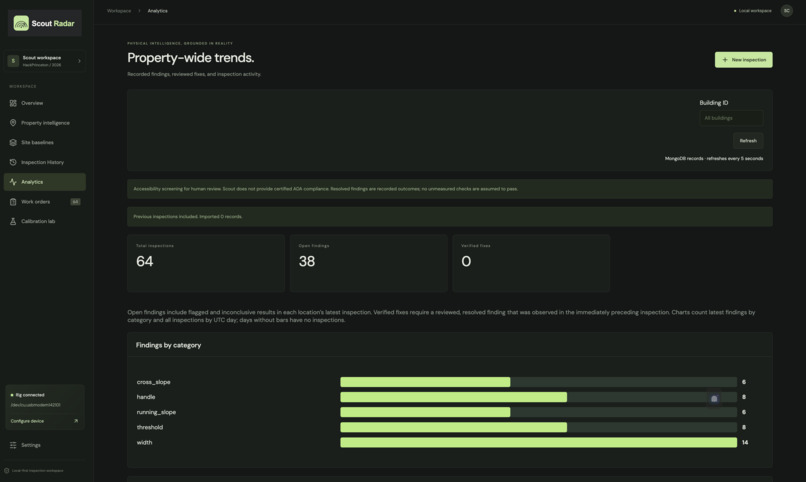
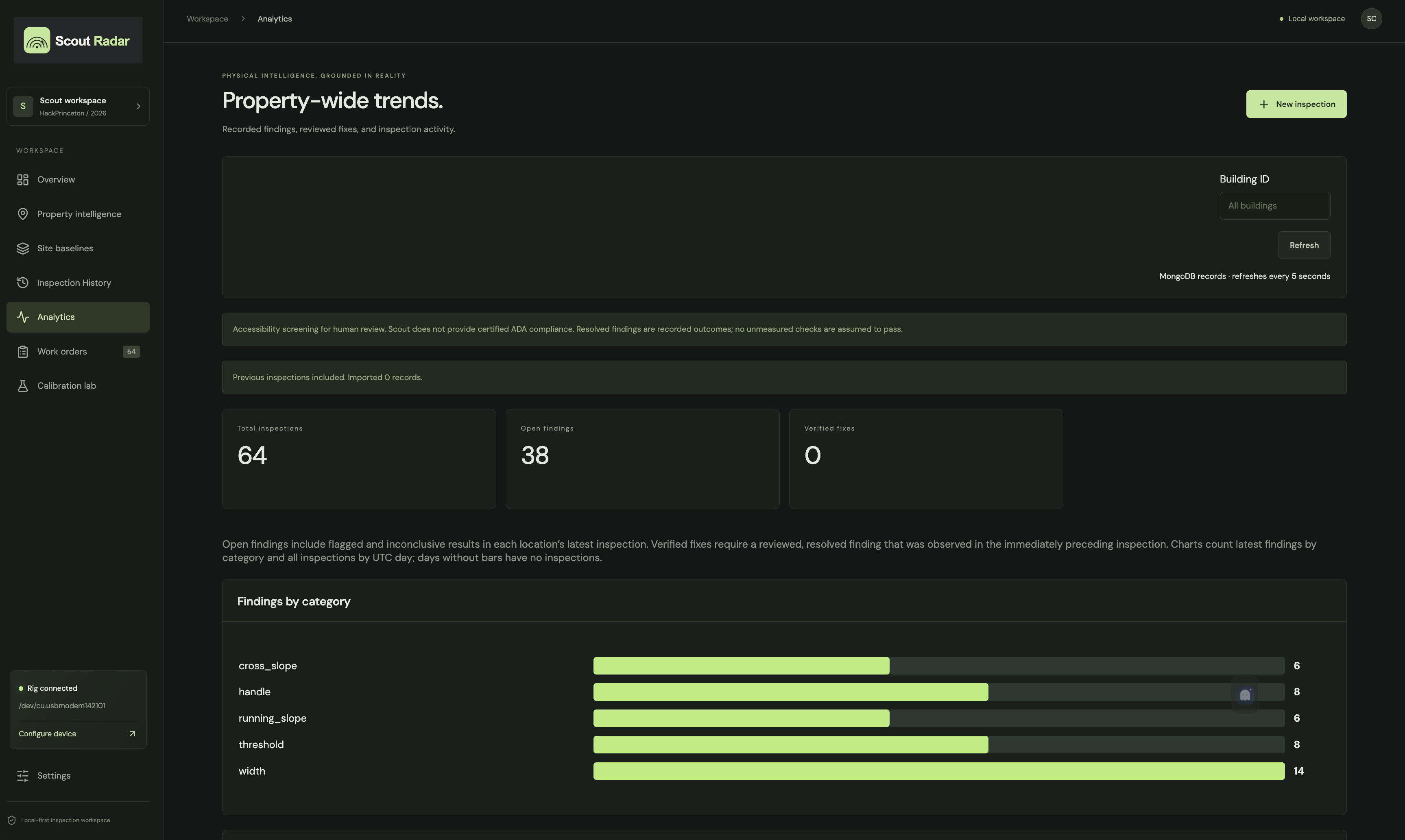
Analytics Tab
-
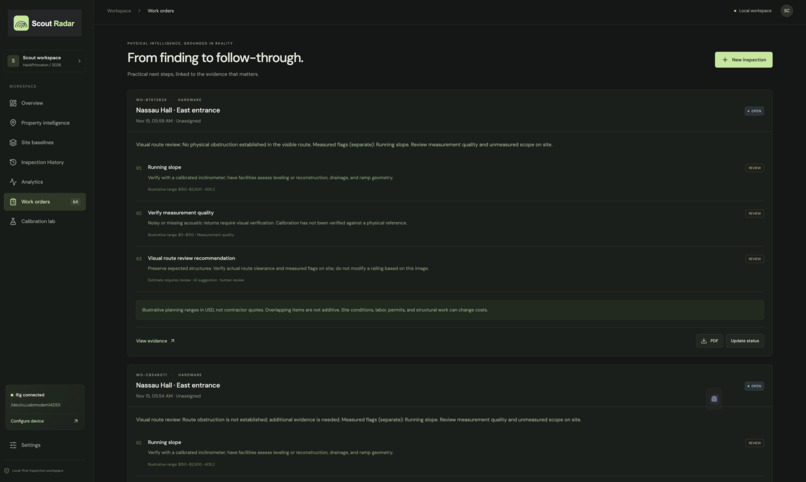
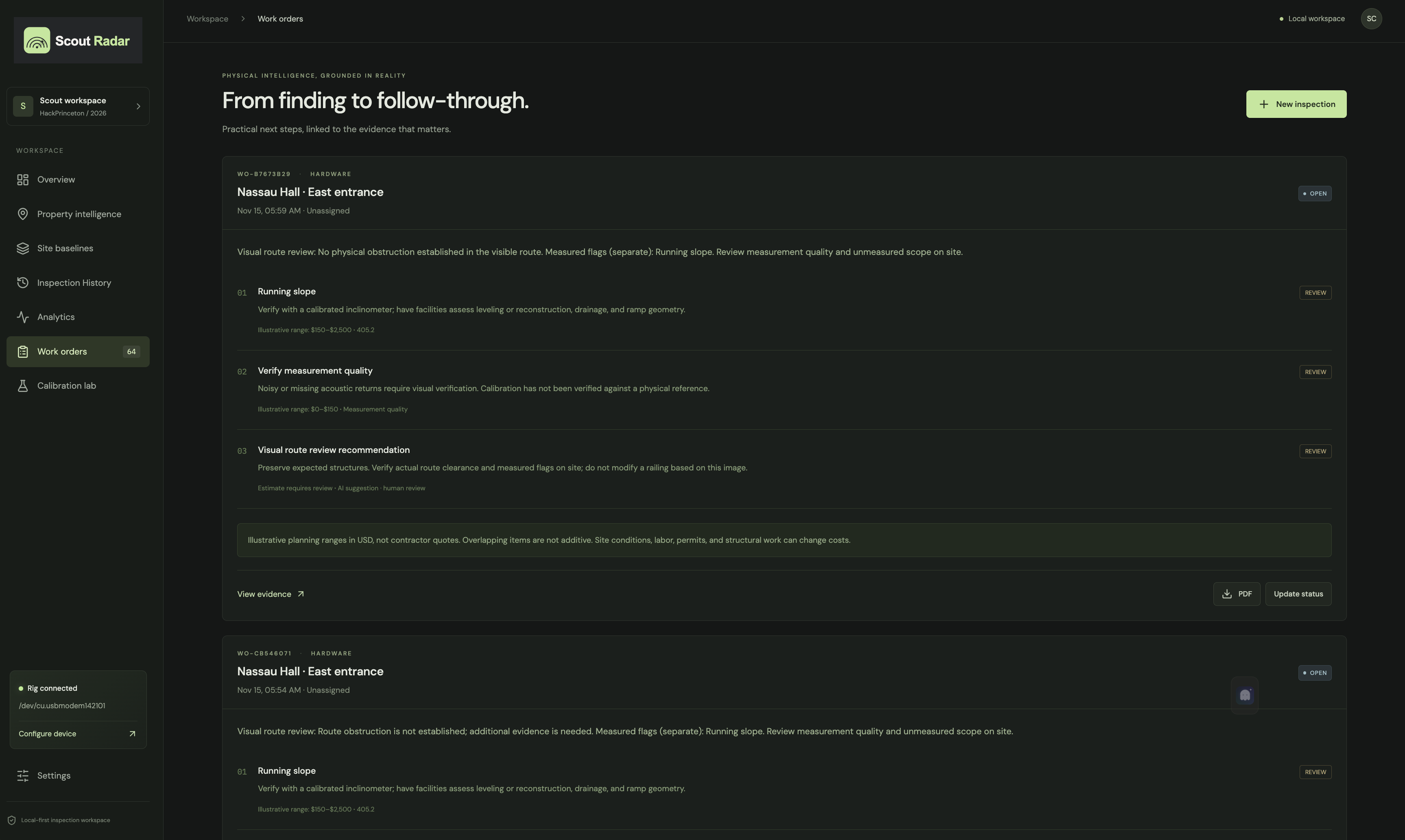
Work Orders Tab
-
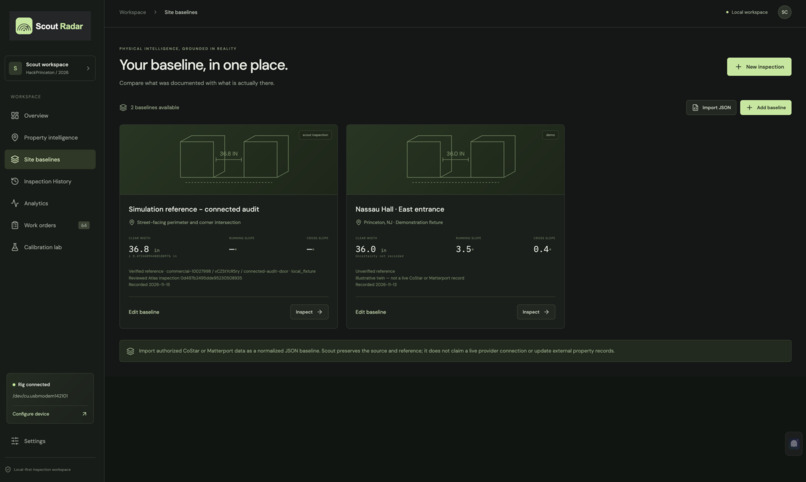
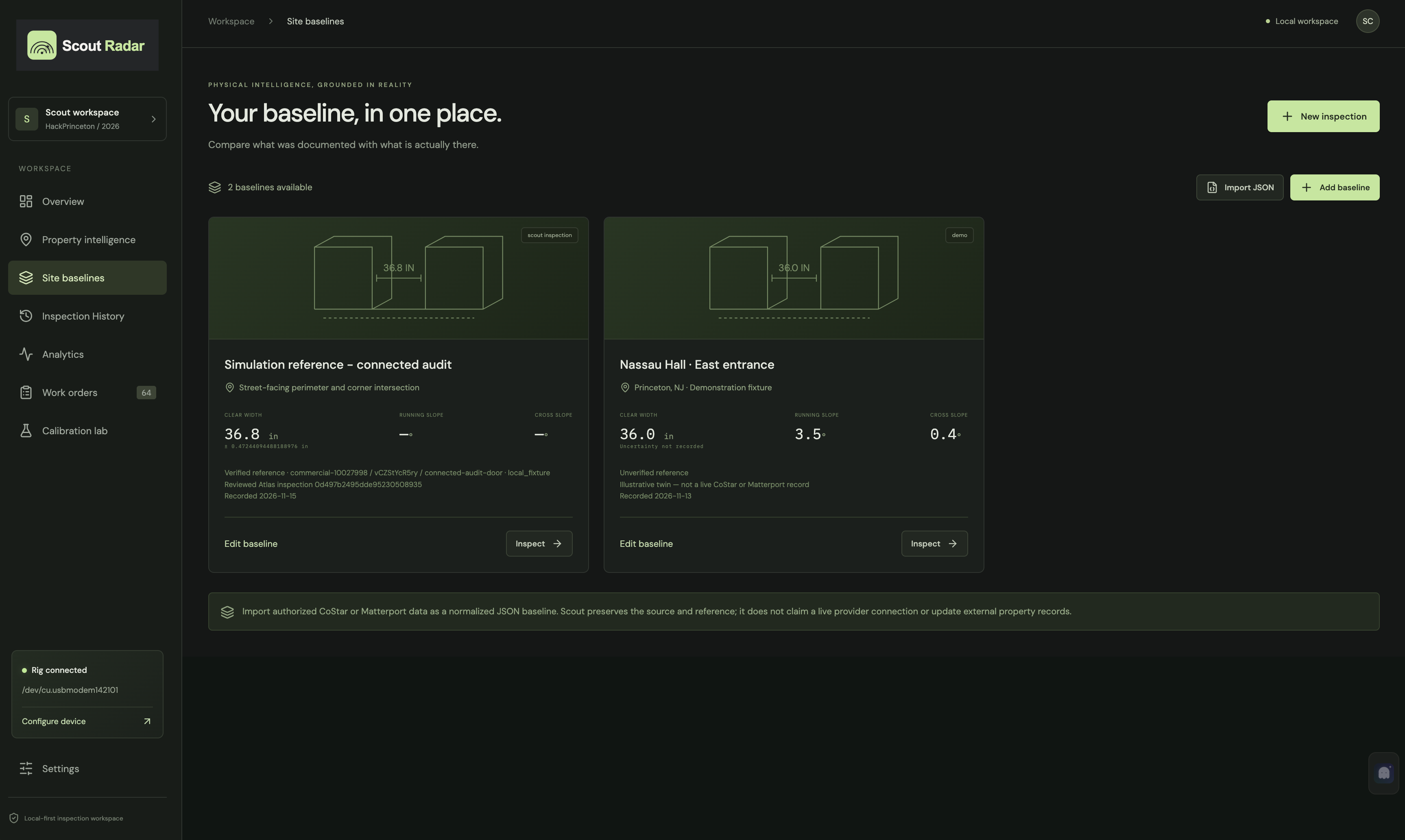
Baselines Tab
-
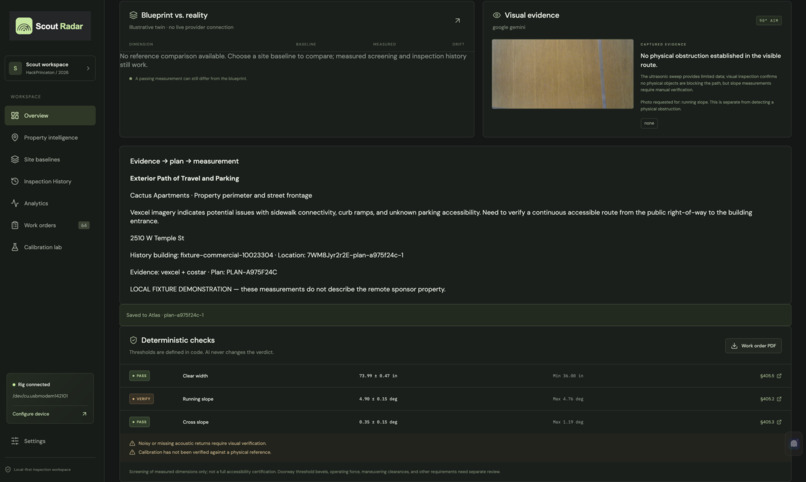
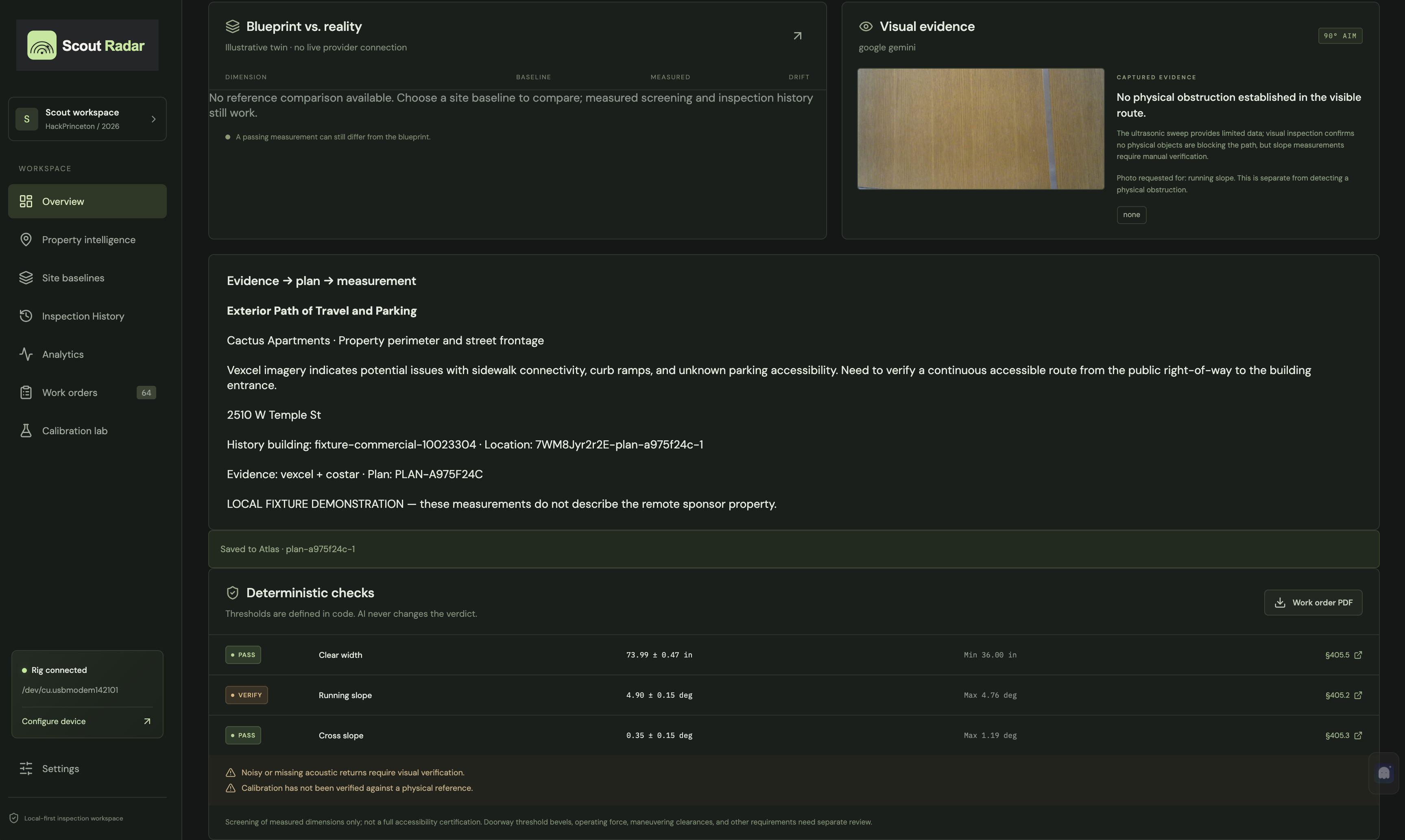
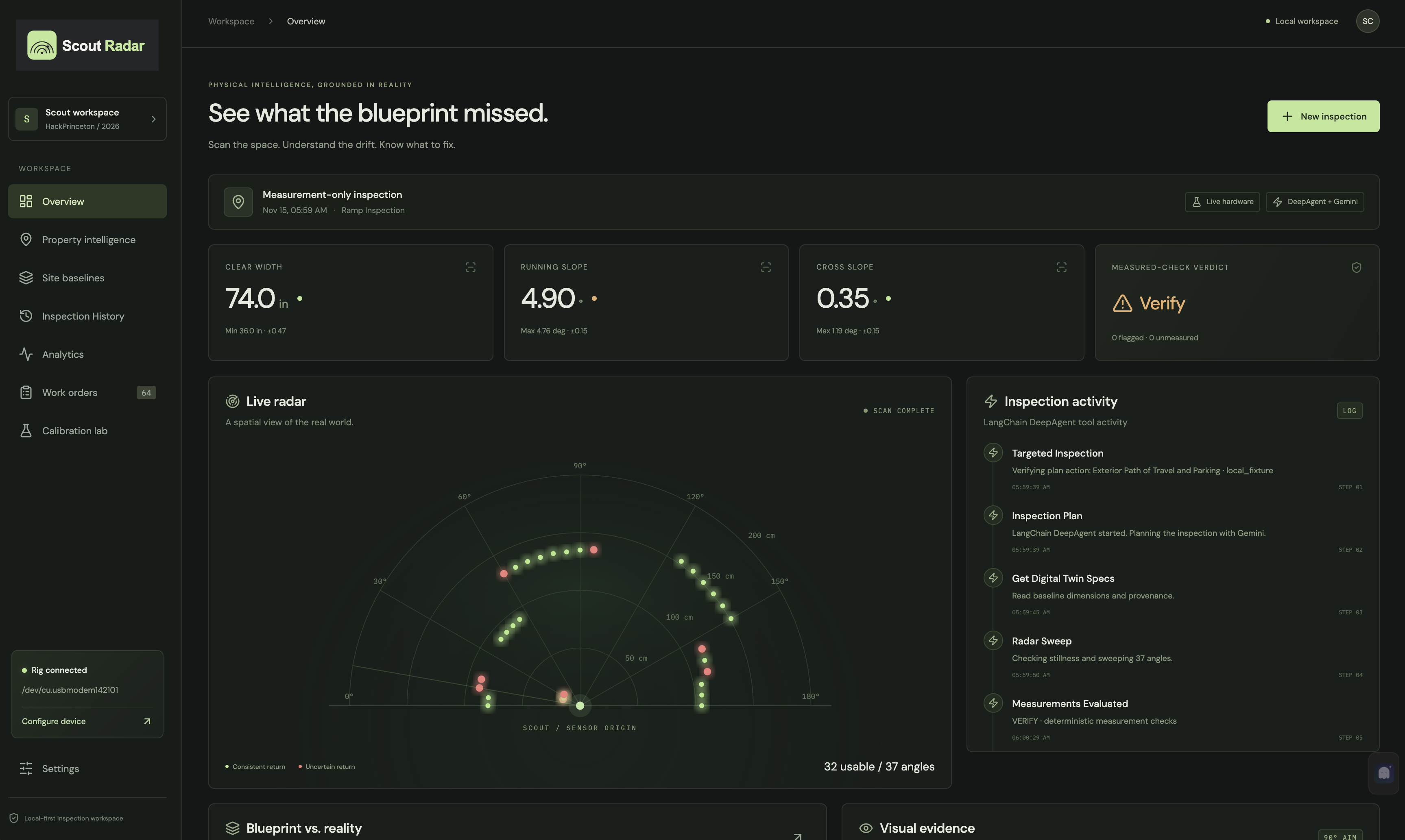
Thresholds on Overview Page
-
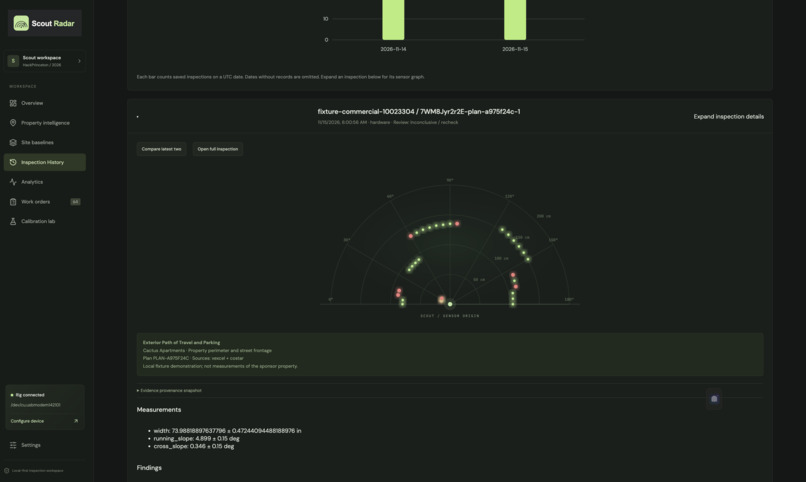
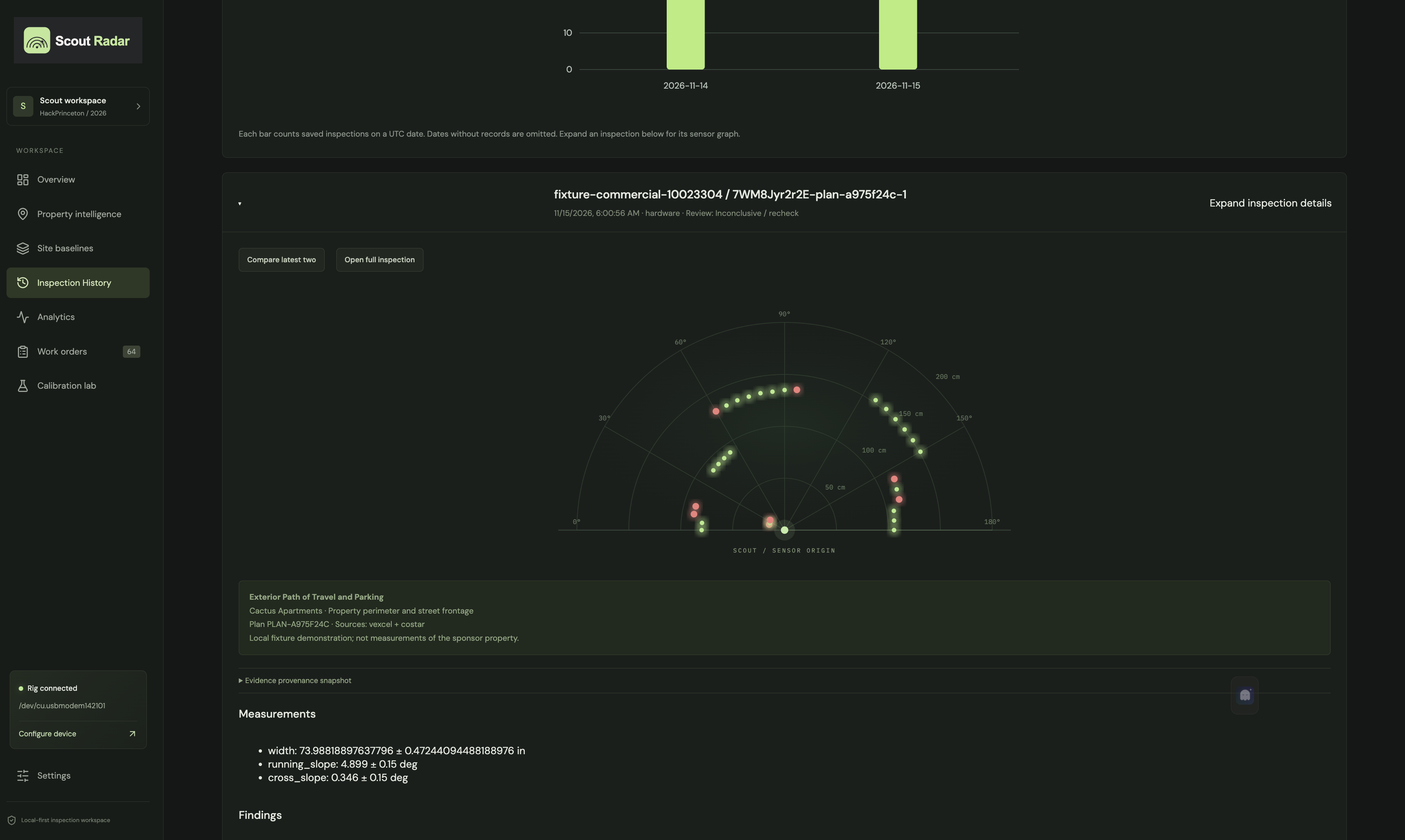
Inspection History Tab
-
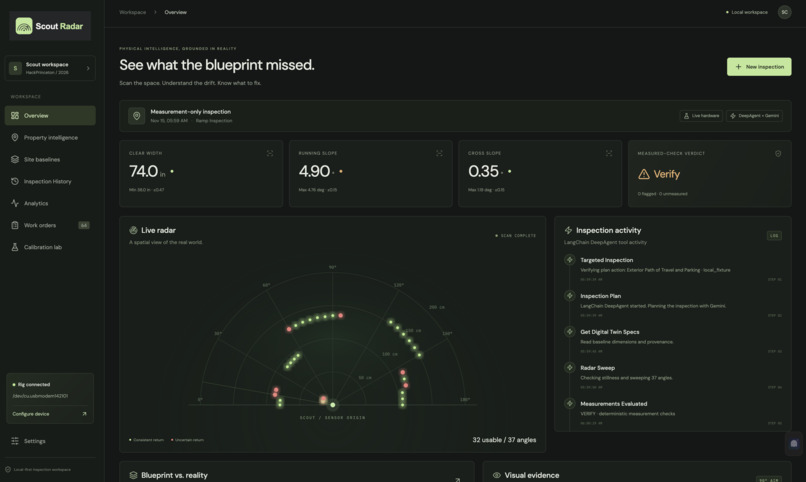
Overview Page
-
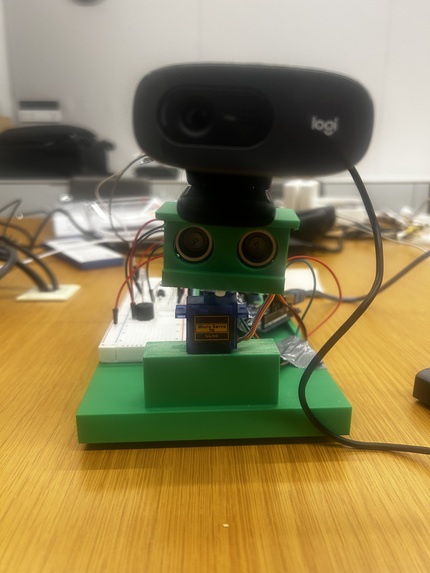
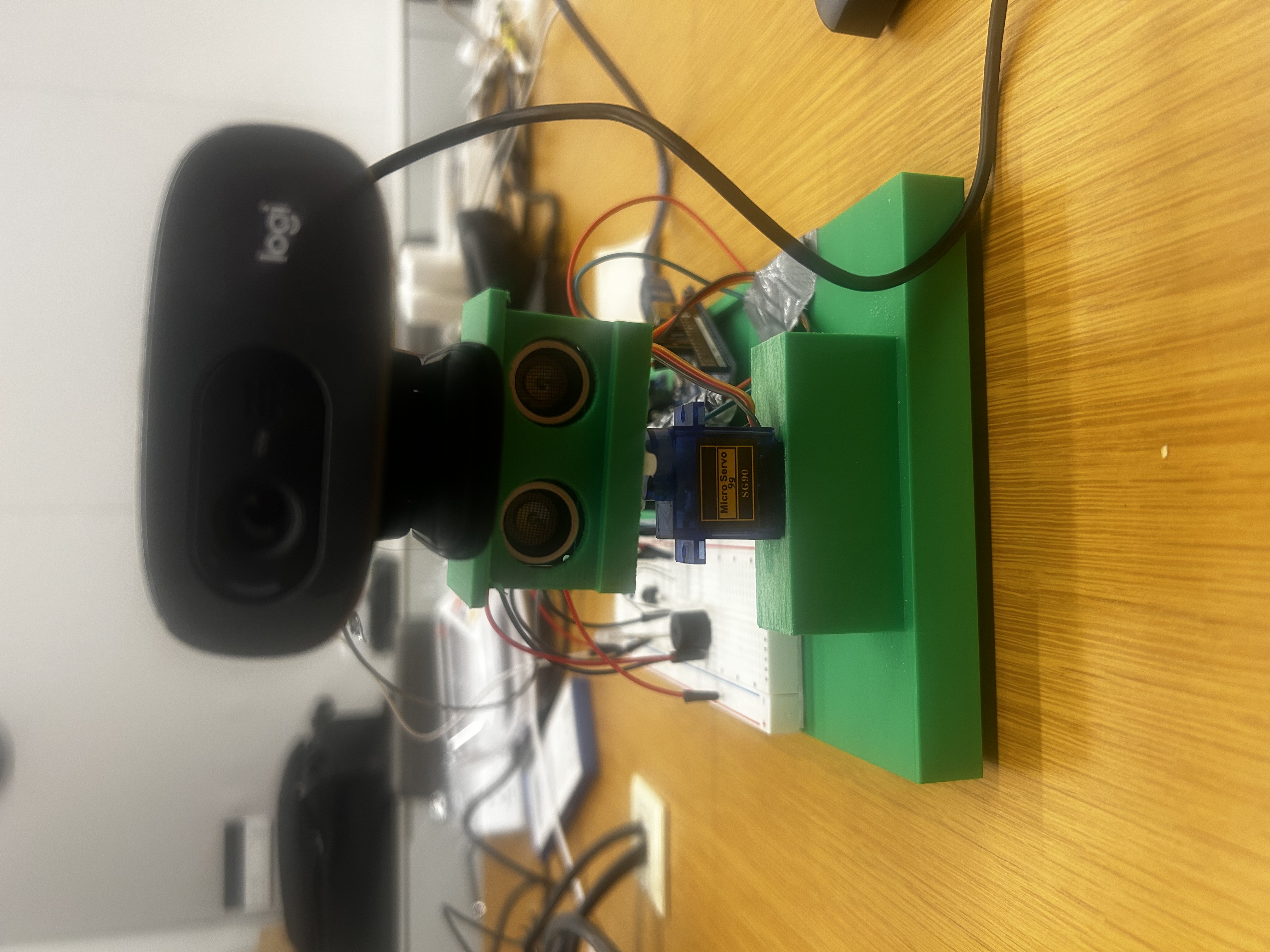
Rig Front View
-
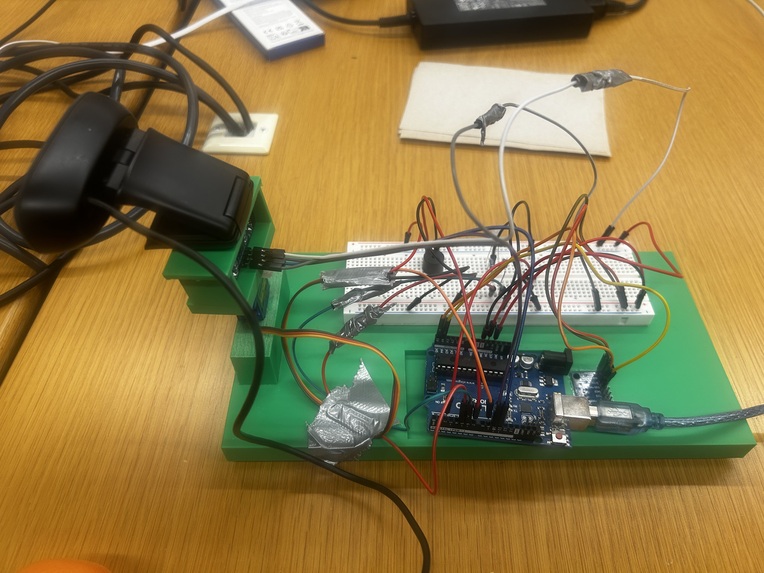
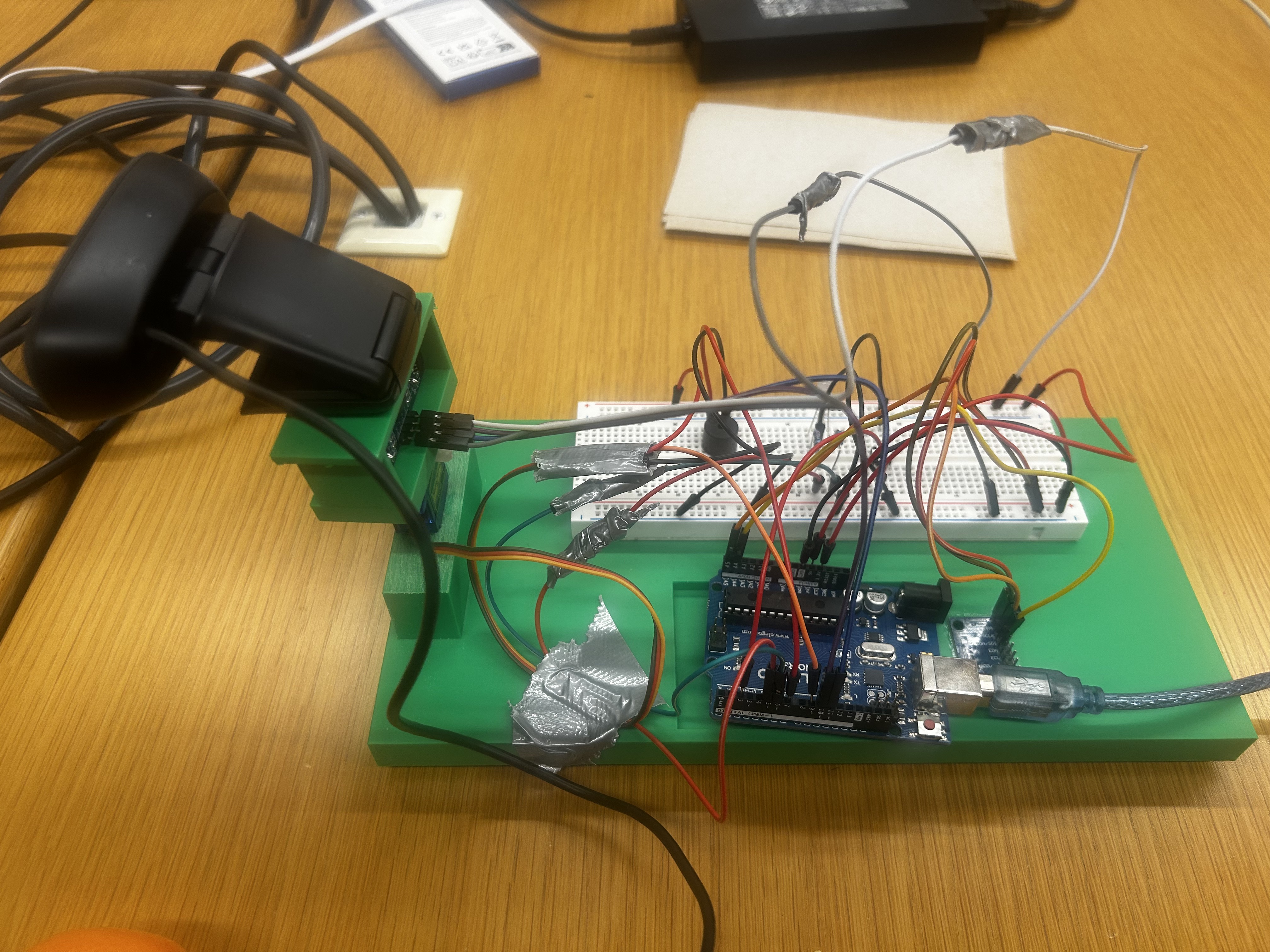
Rig Side View
Inspiration
Our friend needed to get to the fourth floor of an dorm building, but there was no ramp and no elevator, so some people had to carry him up the stairs. He felt really bad, and it stuck with us. When we looked into it, we found this happens everywhere. Buildings change over time, owners often don't know they are out of compliance, and accessibility complaints and lawsuits under the ADA and the Fair Housing Act are common, and they cost businesses so much money and time. Inspections are still done by hand with a tape measure. We saw both a human problem and a gap in the market, so we built Scout Radar to let any building check its own accessibility in under a minute with one click.
What it does
A facilities manager may have property information, a 3D model, and aerial imagery for ADA compliance, yet they will still need to figure out where to inspect, what to measure, and whether a problem was actually fixed.
We built Scout to connect those steps.
Scout starts with a CoStar property record, links it to Matterport interior evidence and available Vexcel aerial imagery, and uses a LangChain DeepAgent powered by Gemini to prioritize physical inspection tasks. Each task explains where to inspect, why it matters, and which evidence supports it. Then Scout’s sensor rig collects distance measurements, tilt readings, and targeted camera evidence. Deterministic code evaluates the measurements and uncertainty, the AI helps interpret evidence, but it cannot invent thresholds or override results.
Every completed inspection is saved to MongoDB Atlas with its source links. Facilities teams can compare visits, review findings, generate work orders, and track follow-up. Scout’s value is the connected loop: property evidence tells us where to look, physical measurements show what’s there, and inspection history shows what changed. We’re building accessibility screening and maintenance support, not claiming certified compliance. Our goal is to help facilities teams move from scattered building data to traceable action.
How we built it
Hardware Build
We designed and 3D-printed a 2-part chassis with a stable 3-point base so it never wobbles on uneven floors, and a rotating top turret that aligns the camera and ultrasonic sensor on the exact same axis.
We wired an Arduino UNO to an SG90 micro-servo, HC-SR04 ultrasonic distance sensor, MPU-9250 tilt sensor (gyroscope), push-button trigger, RGB status LEDs, and an active buzzer, running custom step-calibrated C++ firmware that pauses at every angle and gets the two slopes (cross and running) and gets width readings before streaming live data to our AI dashboard.
Software Build
We built Scout Radar with a React and TypeScript frontend and a Python FastAPI backend. The dashboard brings together priority measurements through live hardware scans, a demo simulator, camera captures, inspection history, and analytics. The backend processes distance and IMU measurements using deterministic accessibility screening rules, preserves measurement uncertainty, and saves inspection records in MongoDB Atlas so users can compare locations over time and track potential fixes.
For our AI workflow, we integrated LangChain DeepAgents with Google Gemini to inspect visual evidence, reason through findings, and produce inspection plans and work orders. CoStar property records connect buildings to their Matterport models, adding interior geometry and imagery to the inspection context, while Vexcel supplies aerial evidence when available. Scout combines that context with on-site measurements to support accessibility reviews.
Challenges we ran into
Out of the box, our servo motor’s physical starting angle was off by about 30 degrees, which gave us wrong readings consistently. We fixed this by programming a custom calibration mapping engine in our Arduino firmware.
Placing a tilt sensor slightly crooked by hand ruins the ramp slope math, and running the servo, buzzer, and sensors all at once caused tiny power drops. We solved the angle issue by designing a flat alignment edge into our 3D-printed base so it always sits straight against the doorframe, and sequenced our hardware actions in code so the motor and sensors never drain power at the same instant.
Accomplishments that we're proud of
Building Real "Physical AI": Instead of just building another chatbot, we built an AI agent that is integrated with Hardware in an IoT system that senses the physical room and physically turns its own camera to inspect the problem, and writes a real business repair quote.
Real-World Accuracy: Our 3-point base and step-by-step calibration allowed low-cost sensors to measure doorway widths and slopes with high accuracy.
Live Demo: Compressing a $2,000, multi-day inspection into a few-seconds-long test that anyone can try live. Saving time and money.
What we learned
Good Hardware Makes Software Better. No amount of code can fix a purely hardware problem. Designing a stable 3-point base and building a CAD model under constraints improved our accuracy way more than software filtering alone.
Understanding the Customer. Because business owners don't want raw centimeter and degree numbers, they want to know if their building passes inspection or not. Turning sensor data into instant work orders makes our project genuinely useful for business operations.
What's next for Scout Radar
Scout Radar is built to become the accessibility system every building owner runs. In the next three months, we will connect Scout to the 3D scan and property data platforms the industry already uses, so every scan updates a living digital twin and owners always know what their buildings look like today. In six months, we will launch pilots with property managers, builders and real estate firms, and publish accuracy results from hundreds of real trials so customers can buy with confidence. In one year, Scout will ride on the facility and delivery robots already moving through buildings, scanning hallways, doors and ramps while they work. Accessibility compliance stops being a yearly inspection and becomes always on. Our business model is simple: customers buy the scanner once and subscribe to the software for a yearly subscription, which covers reports, digital twin updates and portfolio analytics. A single avoided lawsuit can pay for years of Scout. Most importantly, every building Scout checks is one more place where people like Alex can get in on their own. Blueprints show what a building was supposed to be. Scout shows what it actually is.


