-
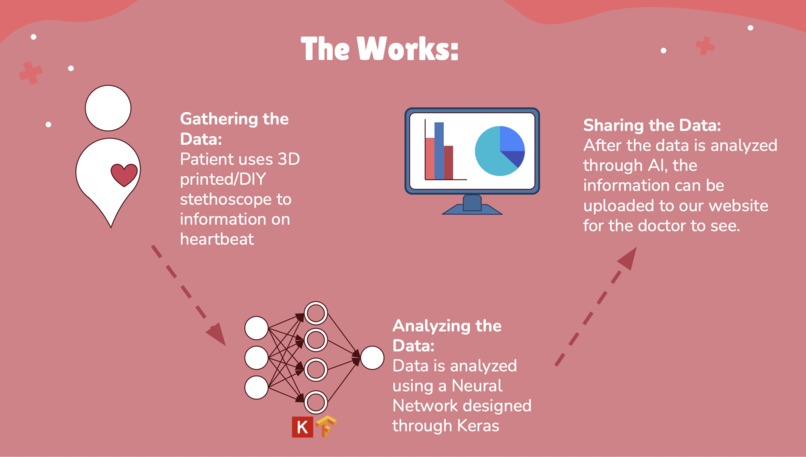
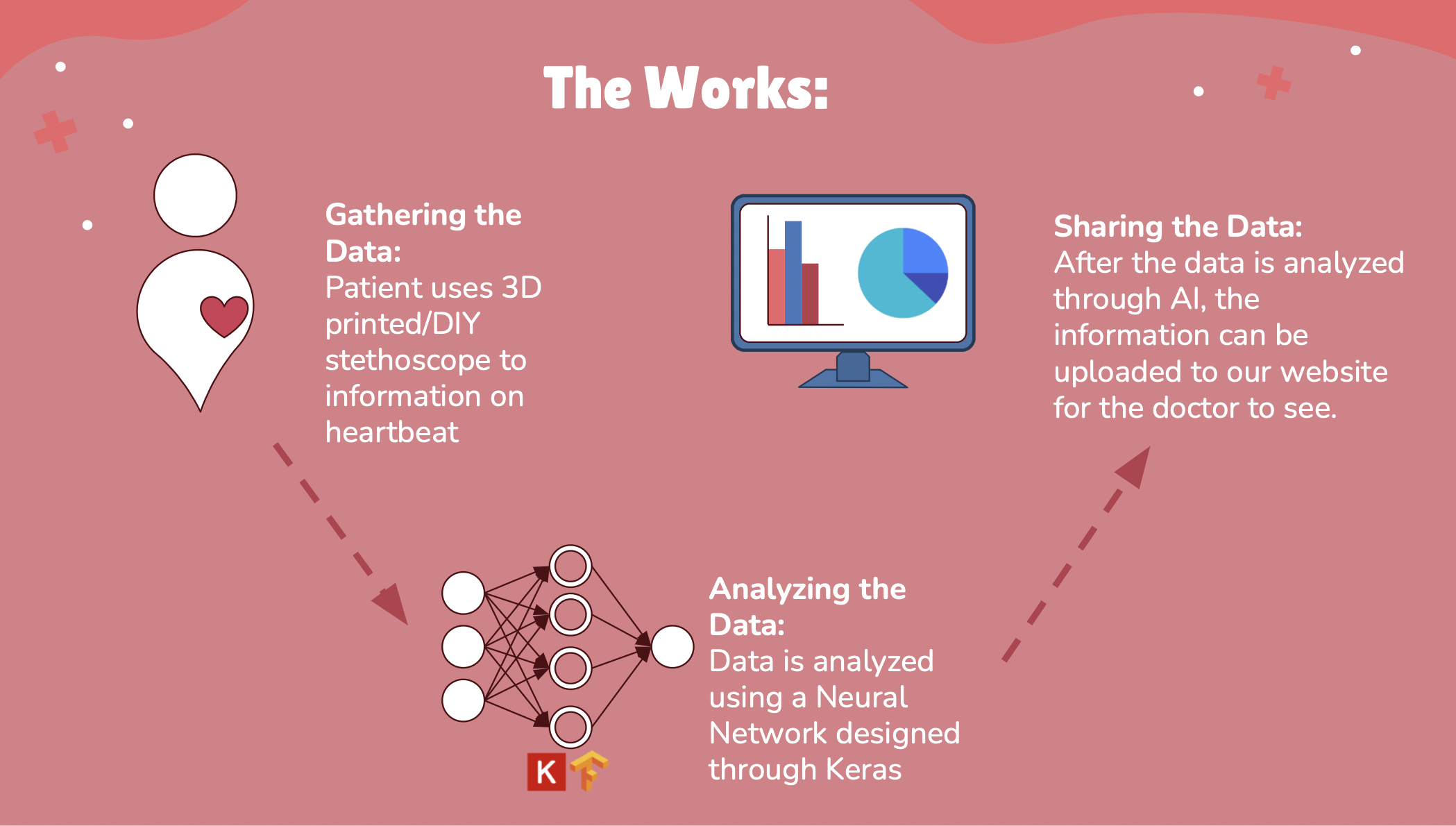
How does scoped work?
-
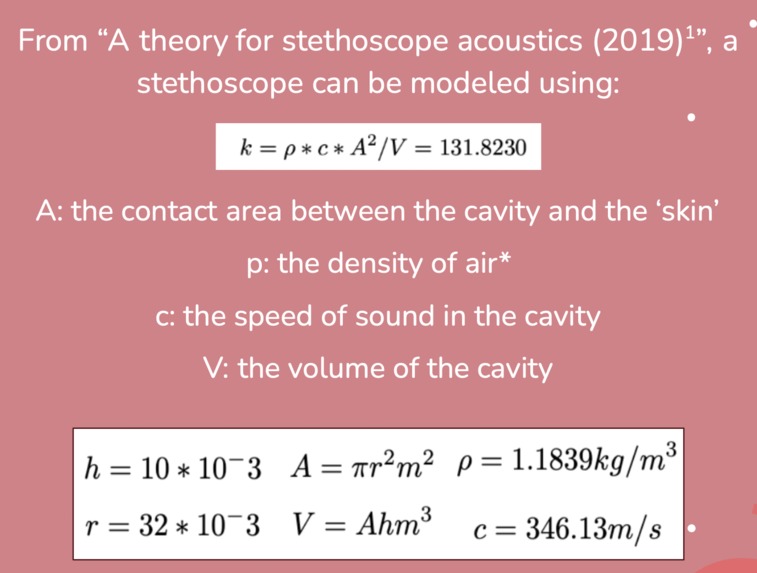
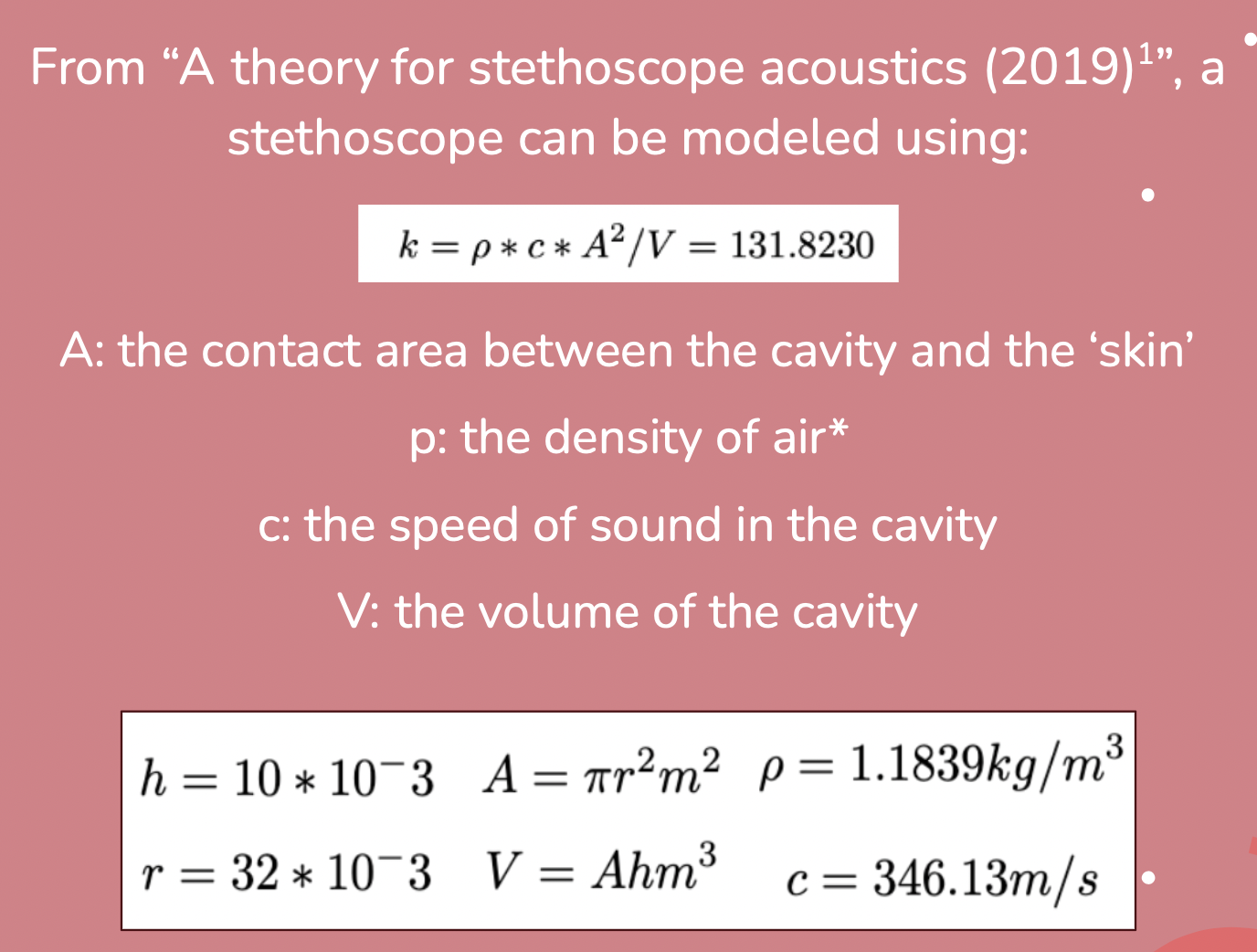
Designing our stethoscope
-
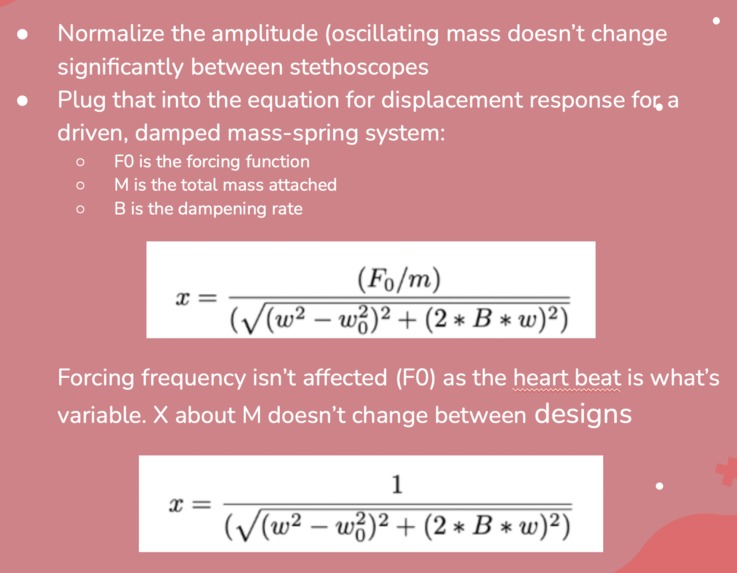
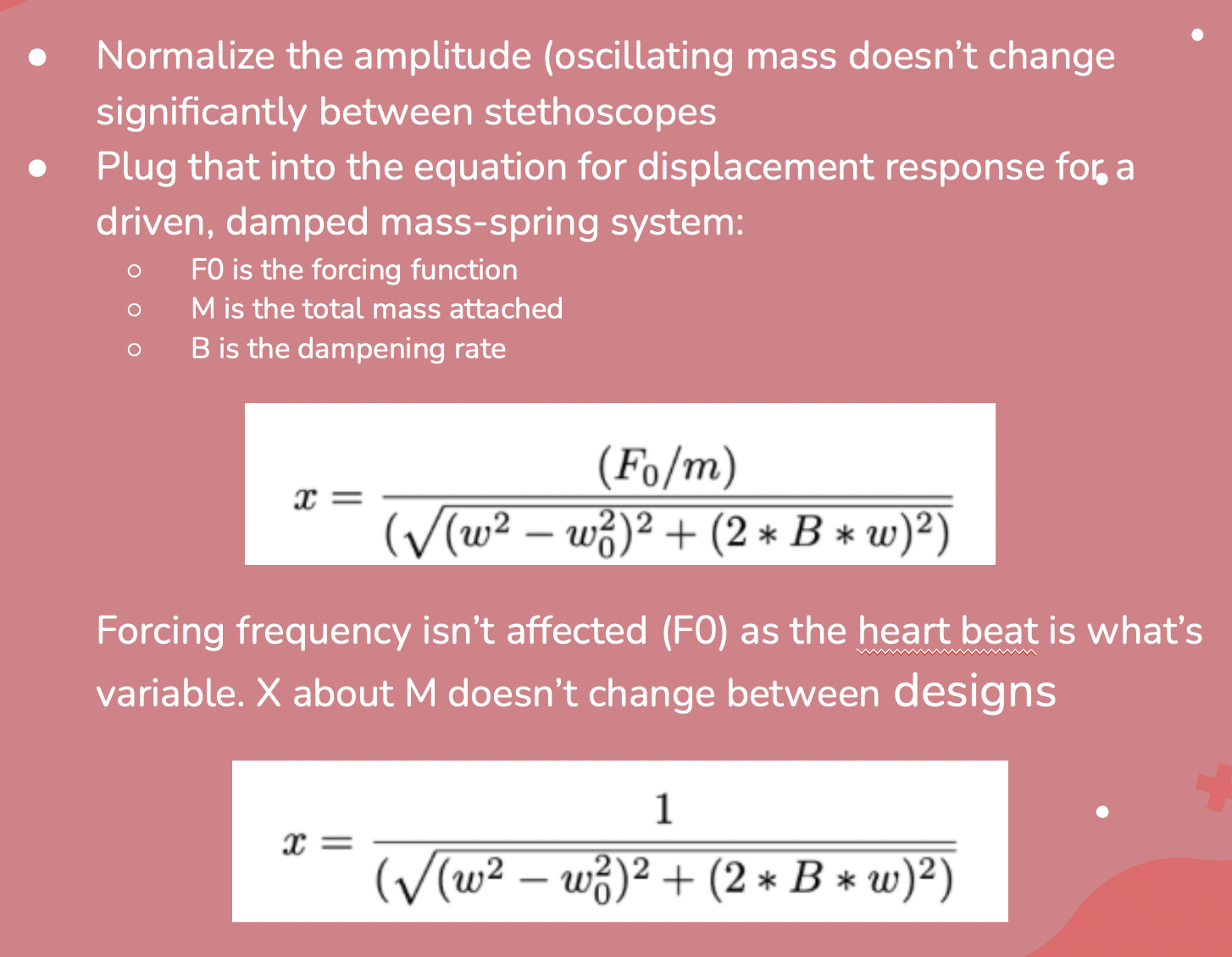
cont'd
-
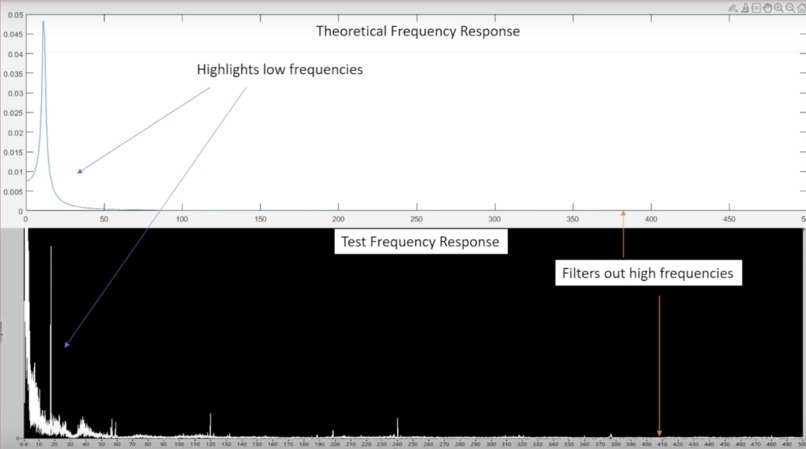
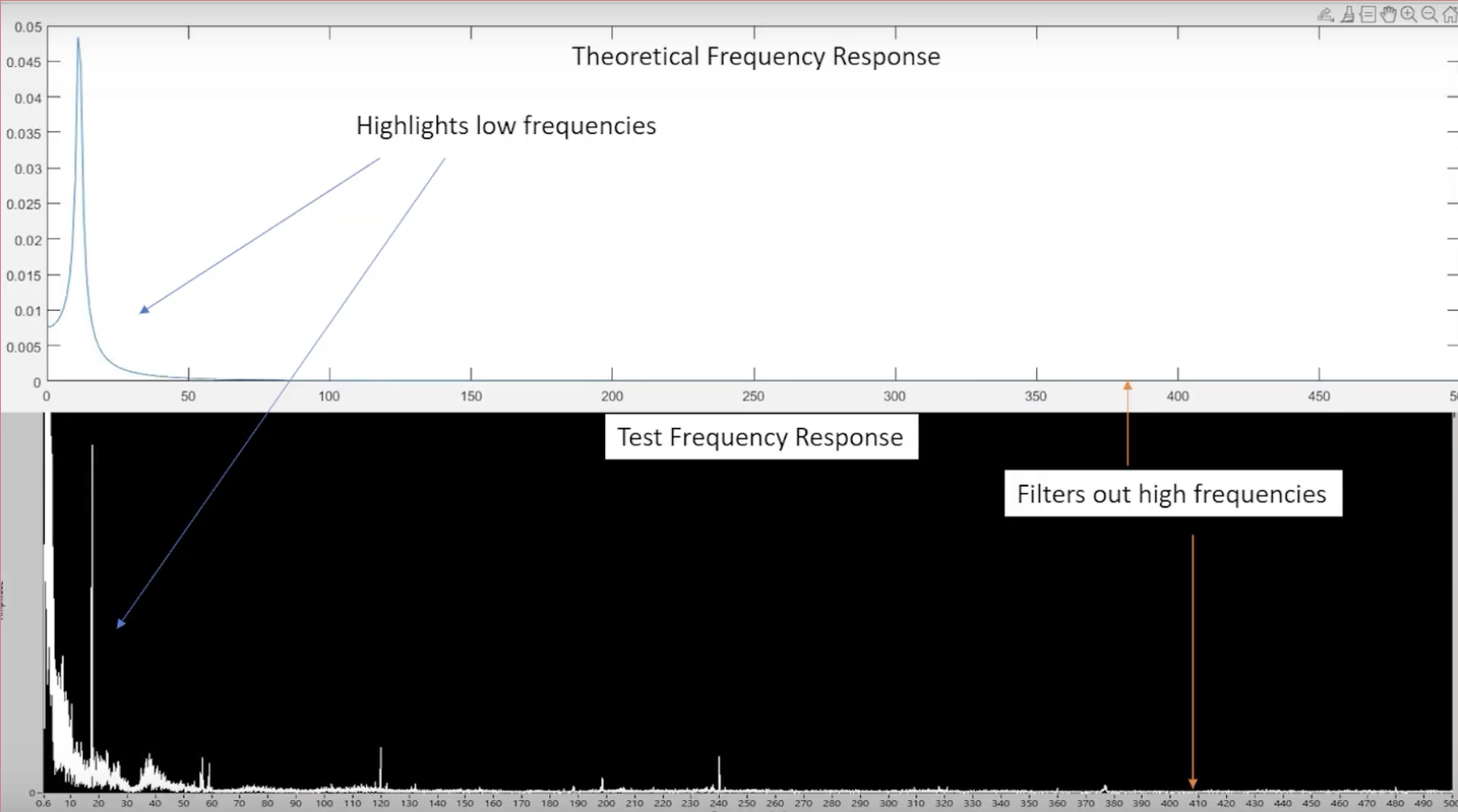
Frequency response (top: modeled vs. bottom: actual)
-
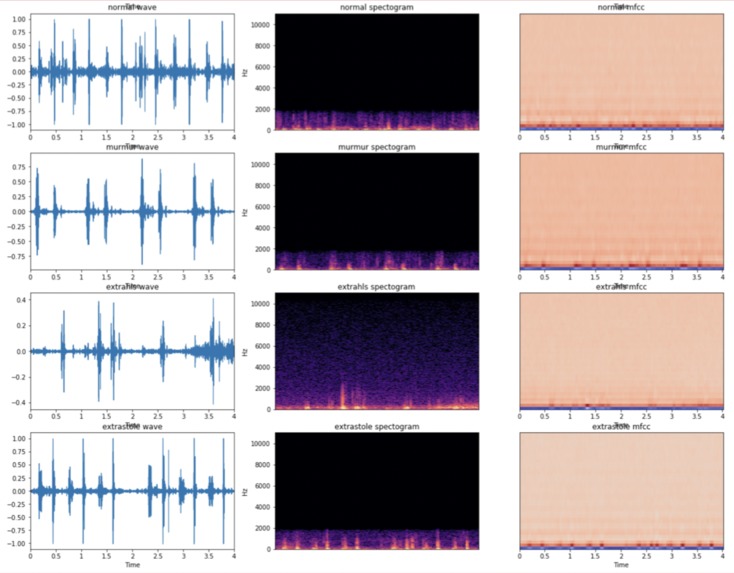
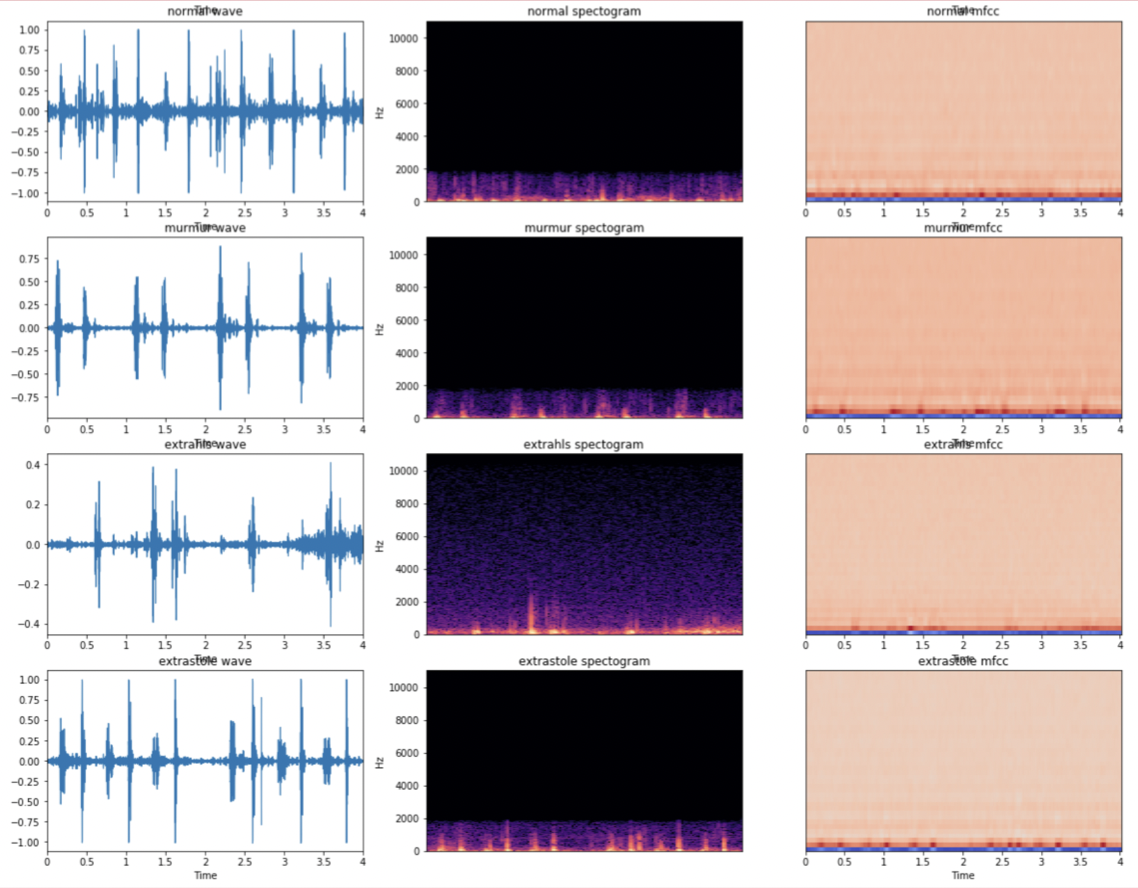
Sample stethoscope audio files
-
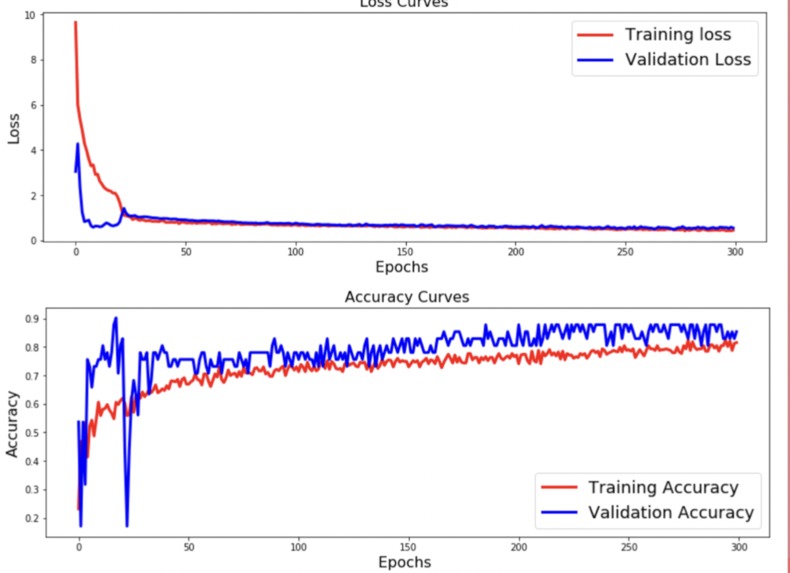
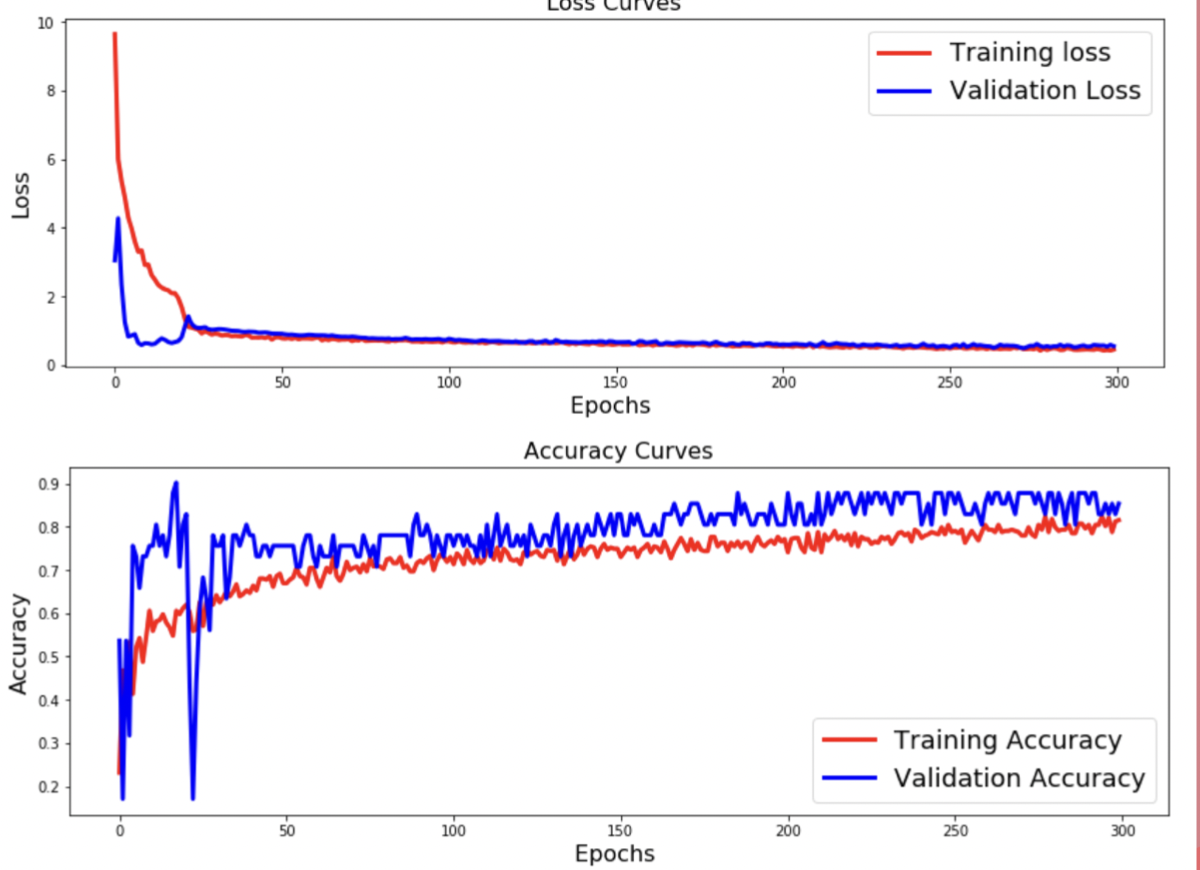
Loss & Accuracy (90%) of our model
-
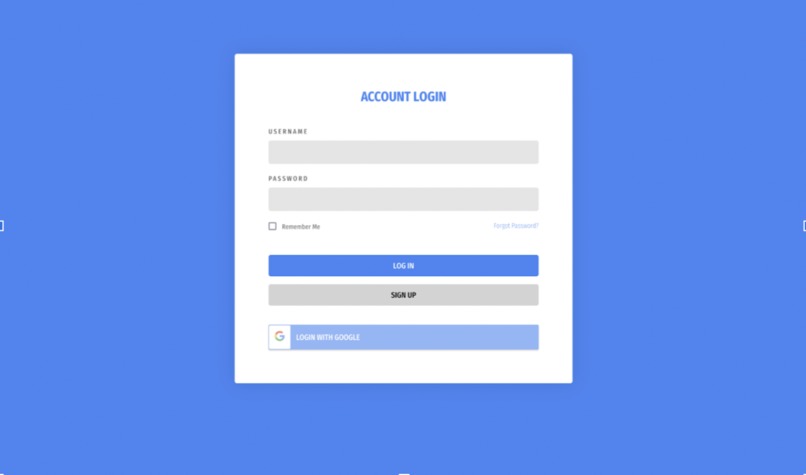
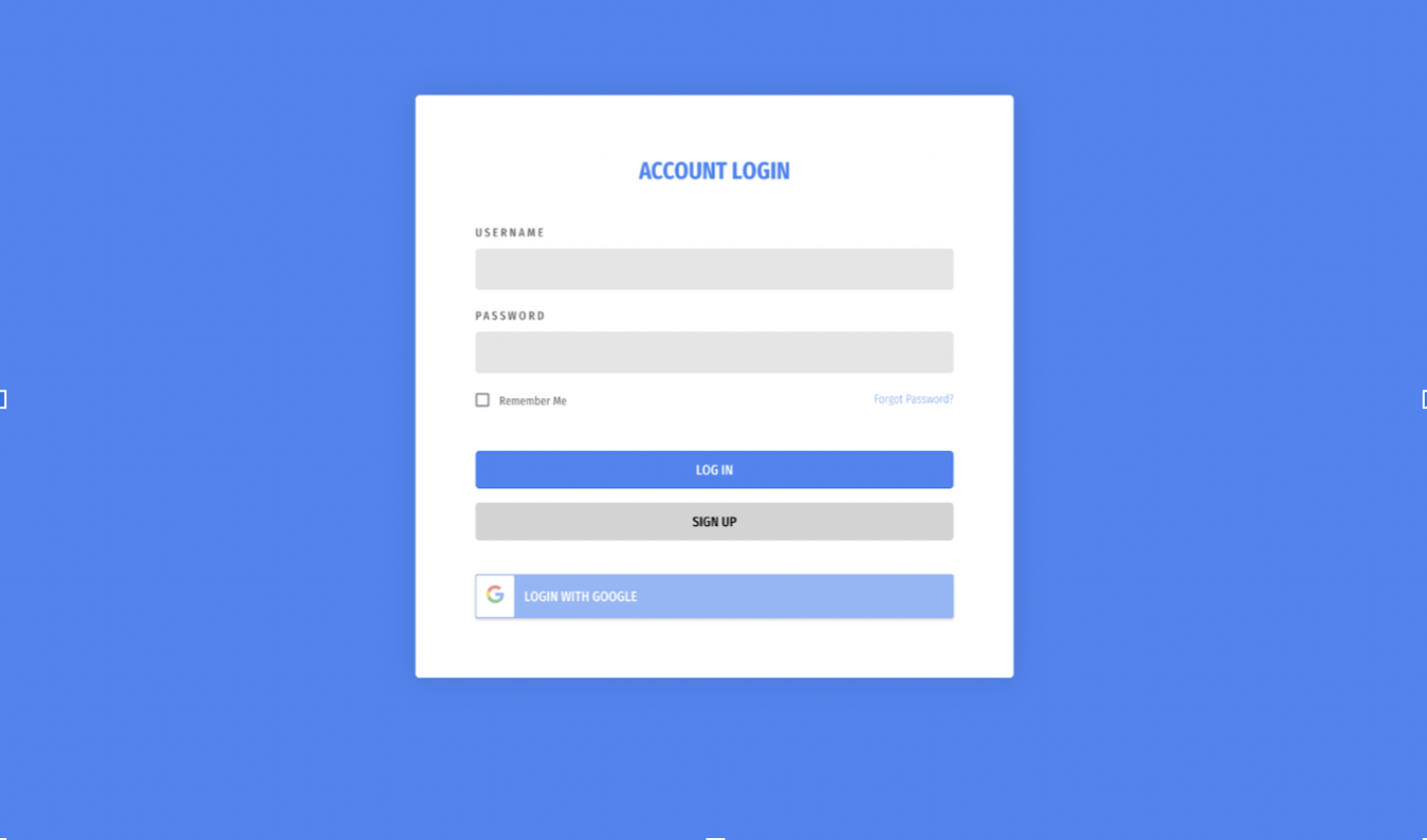
Login Page (firebase)
-
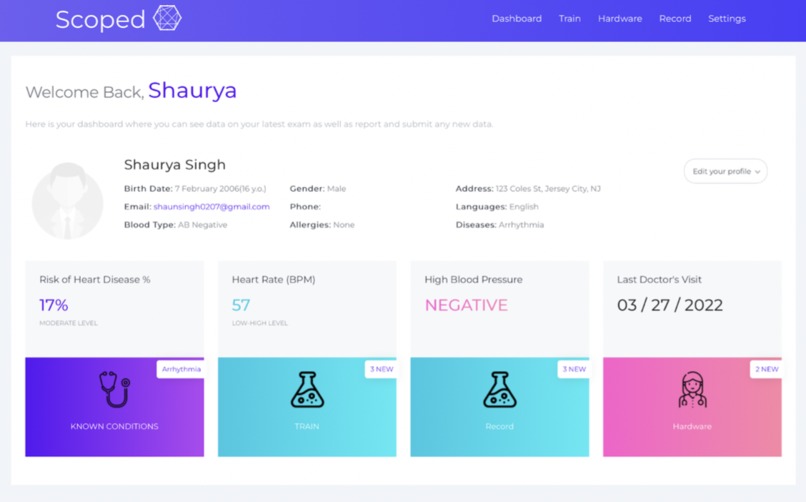
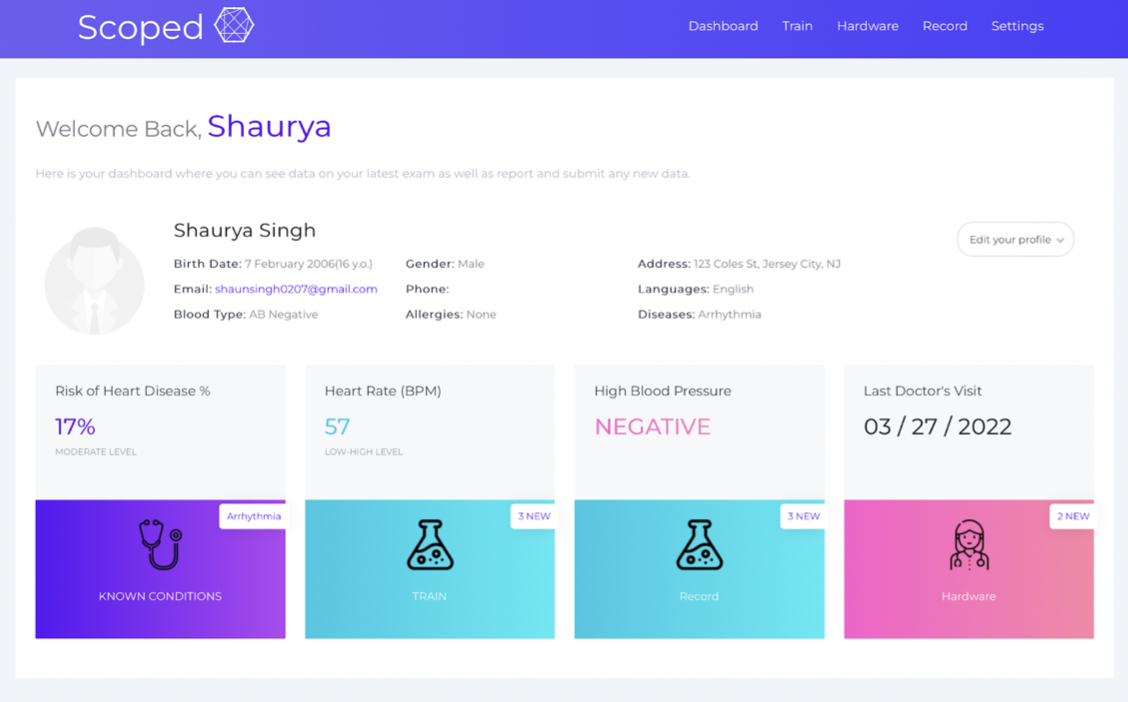
User Dashboard
-
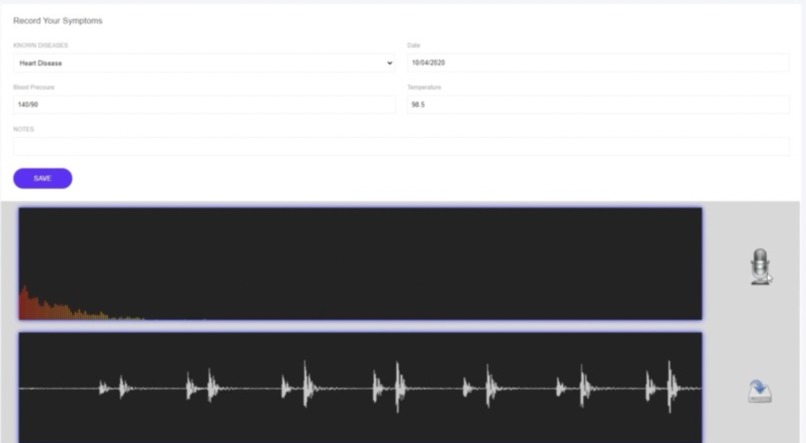
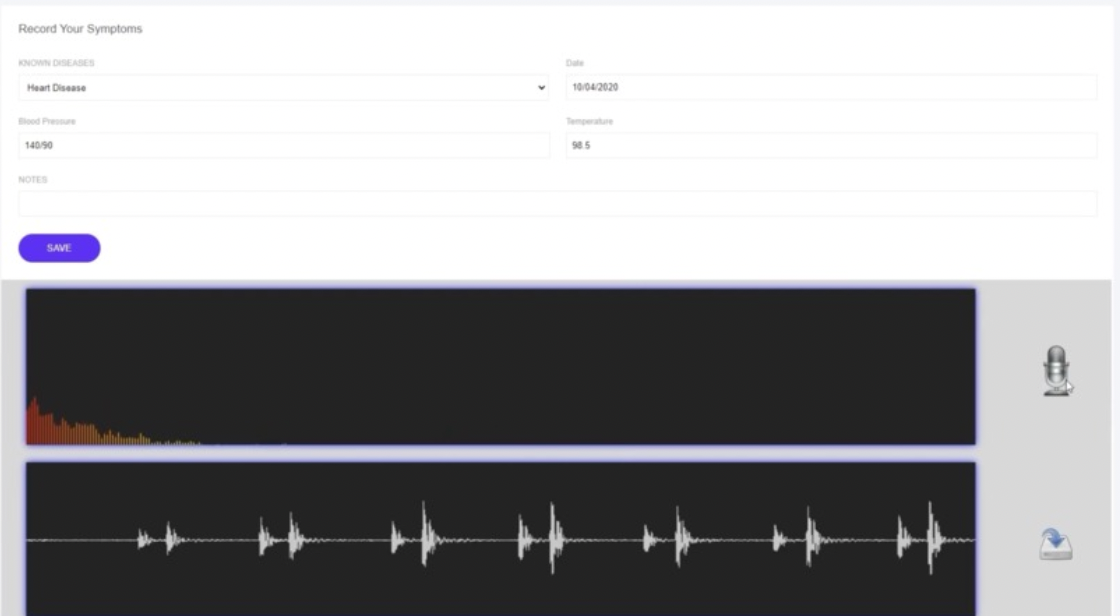
Recording Site
Inspiration
Both of us were disappointed with long wait times at doctors appointments. We discussed our personal experiences and determined how we could use our knowledge to create a tool that will help others in the health industry. d
What it does
We designed an accessible, cheap, modern, DIY-able in-house electronic stethoscope running on Arm & TPU hardware that helps patients detect potential heart defects when they are unable to see their doctor in person.
Combined with a TF backend, Firebase, and a React frontend, it allows patients to securely see their recent cardiac health history. It also gives them the ability to record their heartbeat, analyze it in real time and receive feedback on whether an anomaly has been detected.
We use artificial intelligence and machine learning to allow doctors to detect potential heart defects in patients they can't see in person. Using React, we made a front end for communicating with your doctor, checking your heart's health, your health history, and reporting or watching your heartbeat with a frequency response graph. We designed a DIY stethoscope to get an accurate reading and recording of your heartbeat that anyone can afford.
We wanted something that's
- Cheap (costs under 5$ to mass produce)
- Simple (minimal materials, less room for error)
- Effective (targets lower frequencies)
- DIY (user can 3D print it themselves)
How we built it
Using a TensorFlow machine learning model, we are able to classify the stethoscope audio signal as either normal or abnormal. The ML model uses a Kaggle dataset and is trained on Google Cloud's Deep Learning VMs. We also utilized React and Google Cloud Services to build our frontend. Through React, we created a cross-platform website & application that can record audio, display user data, as well as ensure each user has their data easily accessible and protected through a database managed on Firestore, secured with Google's OAuth authentication. We utilized Google Colab to quickly prototype and iterate on our machine learning algorithm.
We utilized industry standard tools such as onshape and Matlab to model, simulate, and refine our stethoscope's design without having to design a physical prototype. Utilizing Google's EdgeTPU and NXP's Arm hardware, we were able to model an accurate, low cost, low power, and incredibly fast AI-powered stethoscope.
By taking a modular approach to our project, we could ensure a smooth development process and distribute tasks based on the developers forte. We utilized version control (Github) to collaborate as well as CI to build, check, and distribute our work without hassle.
Challenges we ran into
Due to the limited time and resources we had, we couldn't produce a real prototype. We had no dev board to test on, and no 3d printer to work with so we had to rely on simulations and models. However, this ended up working in our favor as we now have more accurate results with the associated costs of conventional R&D. Our recorder page also took a while to get working and is still finicky, something we wan't to work on and improve in the future.
Accomplishments that we're proud of
We're proud of working well together and creating a project within a short timeframe!
What we learned
We learned how to do hackathons, work with react & keras/tensorflow, as well as MatLab
What's next for Scoped
In the future we want to create physical prototypes for Scoped as well as try to implement this technology in hospitals and developing countries.

Log in or sign up for Devpost to join the conversation.