-
-
-
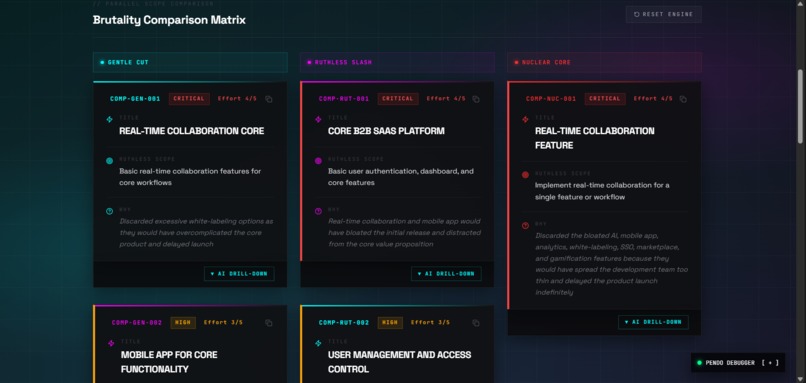
TICKETS
-
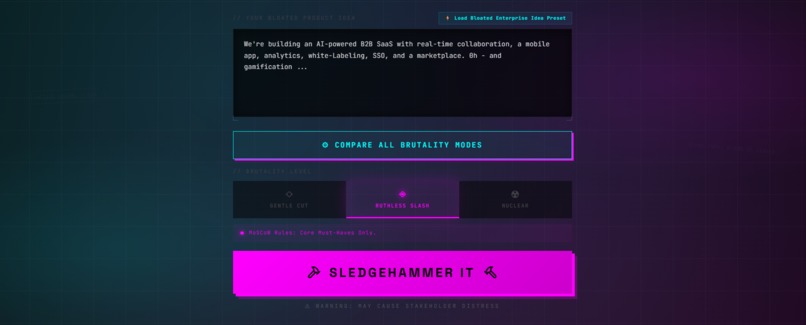
PROMPT BAR
-
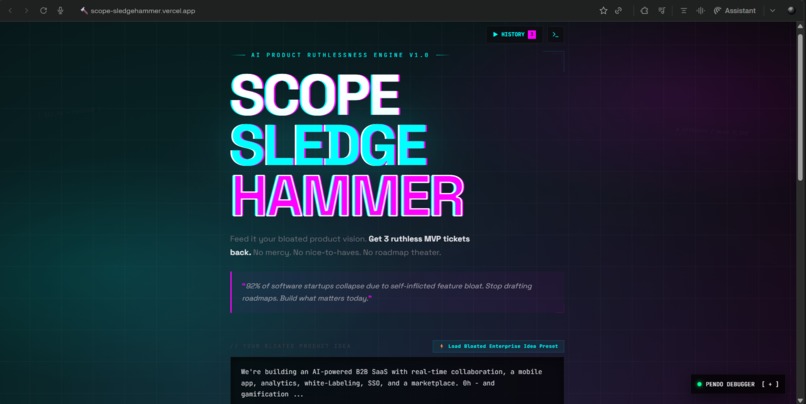
HOME PAGE
-
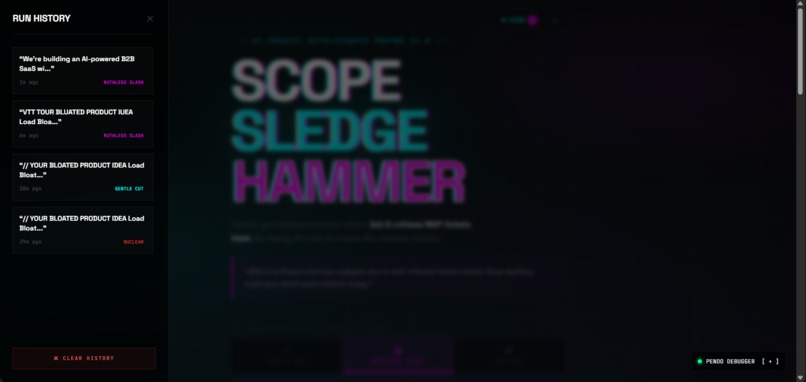
HISTORY
-
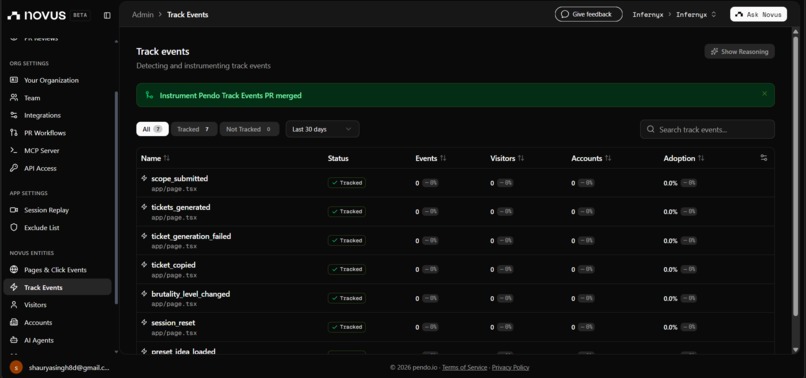
NOVUS.AI
-
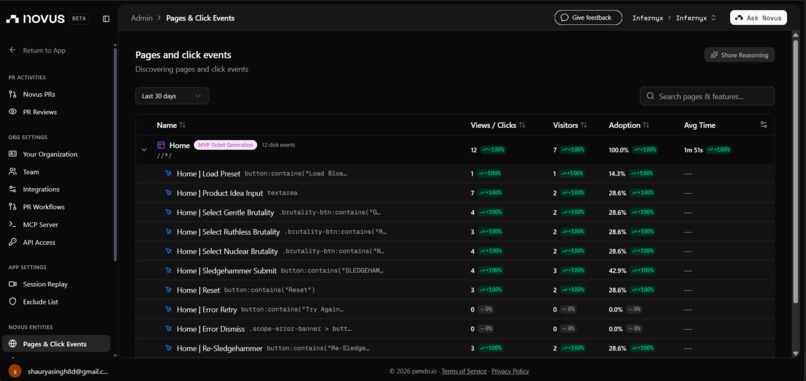
NOVUS.AI
-
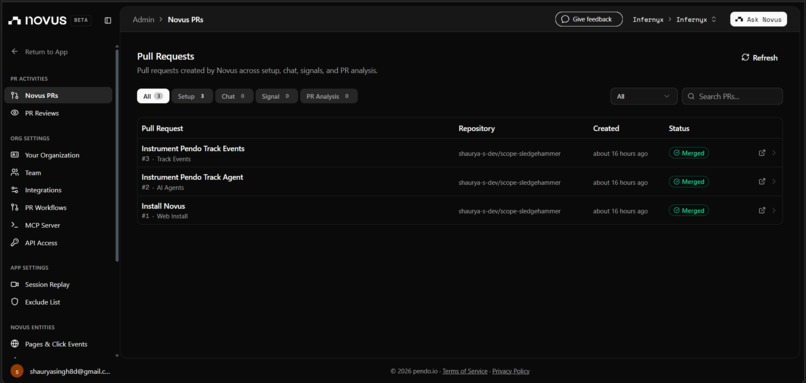
Novus Dashboard
Inspiration
Every side project I've started has died the same death — not from lack of motivation, but from scope creep. I'd have a clean idea on Monday, and by Friday it had 23 features, 4 integrations, and a roadmap that needed a team of 6. Nothing shipped.
I wanted a tool that would be brutally honest about what actually needs to exist for v1. Not a gentle suggestion — a sledgehammer.
What it does
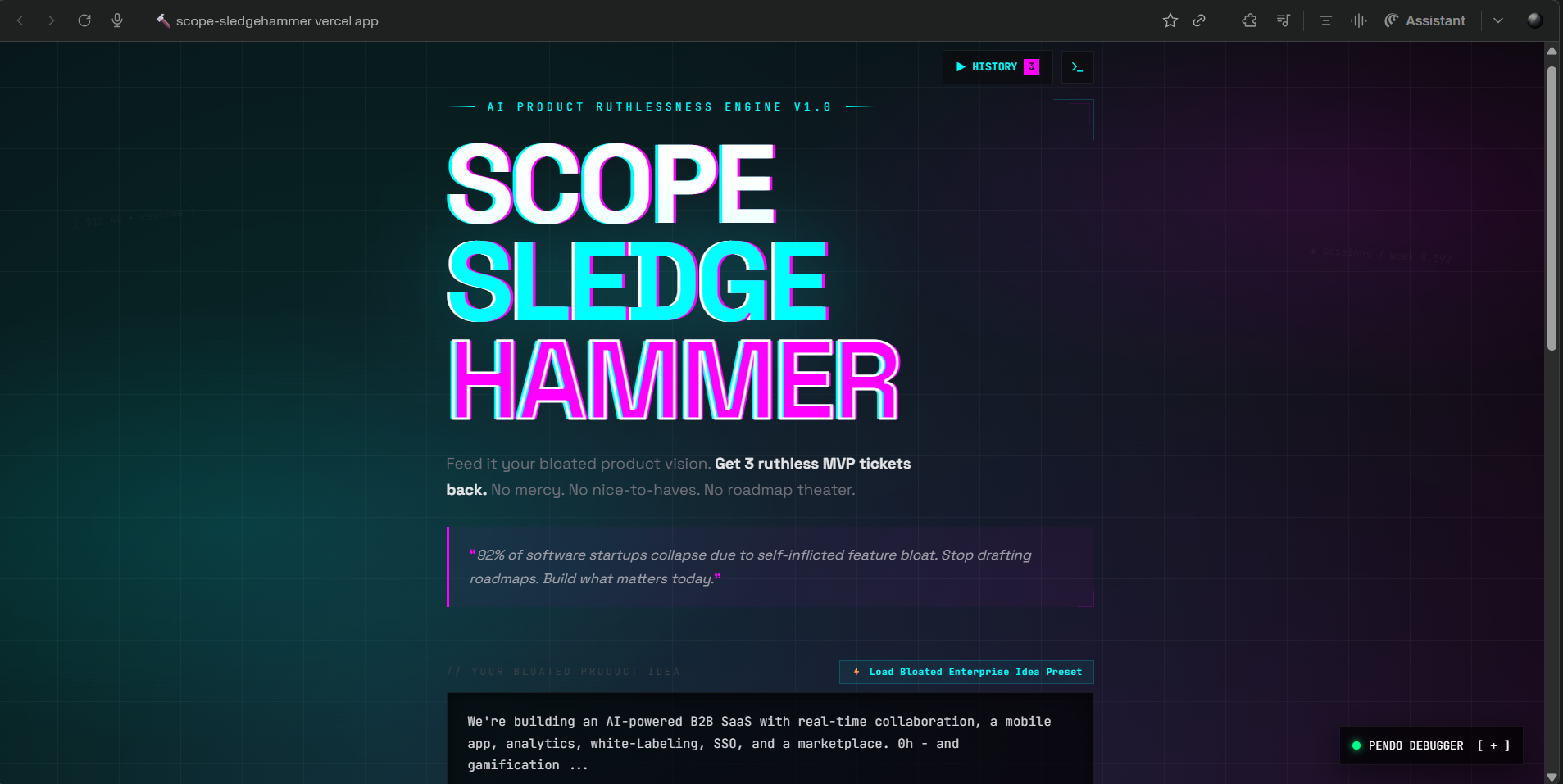
Scope Sledgehammer takes your raw product idea and destroys everything that isn't the MVP.
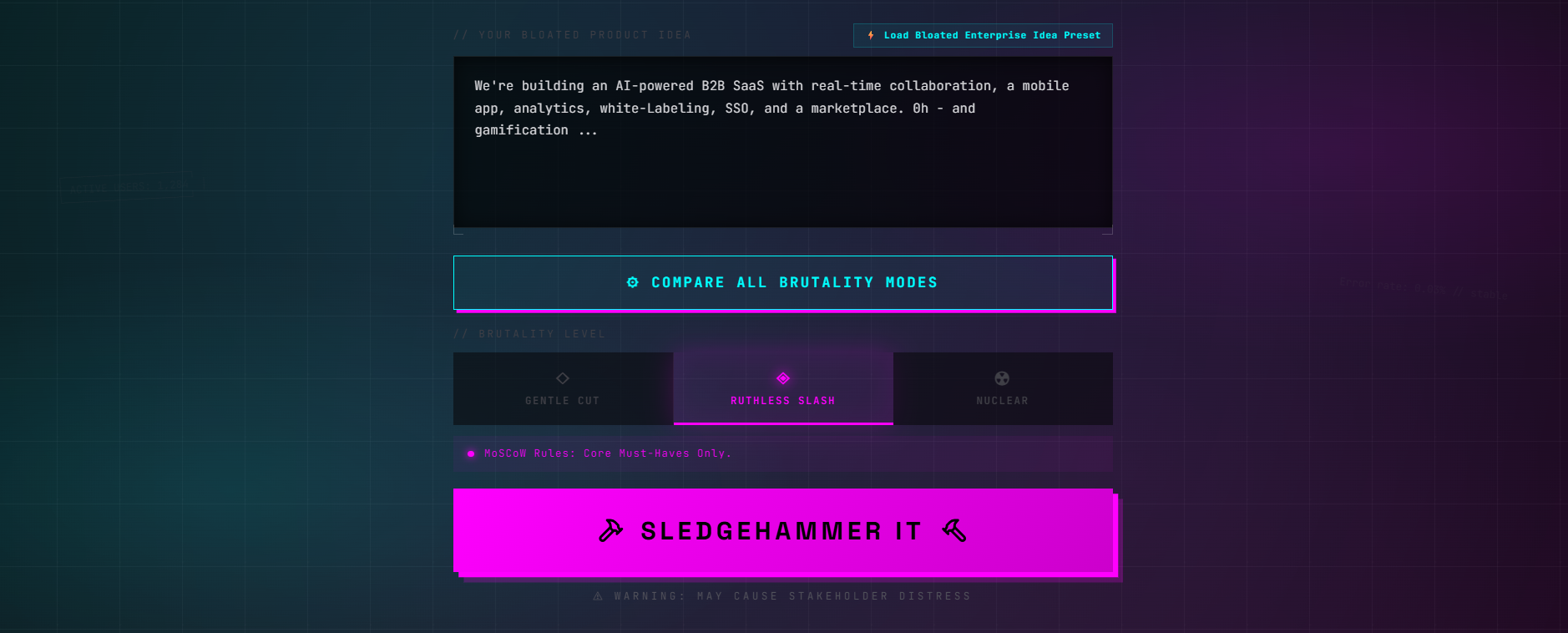
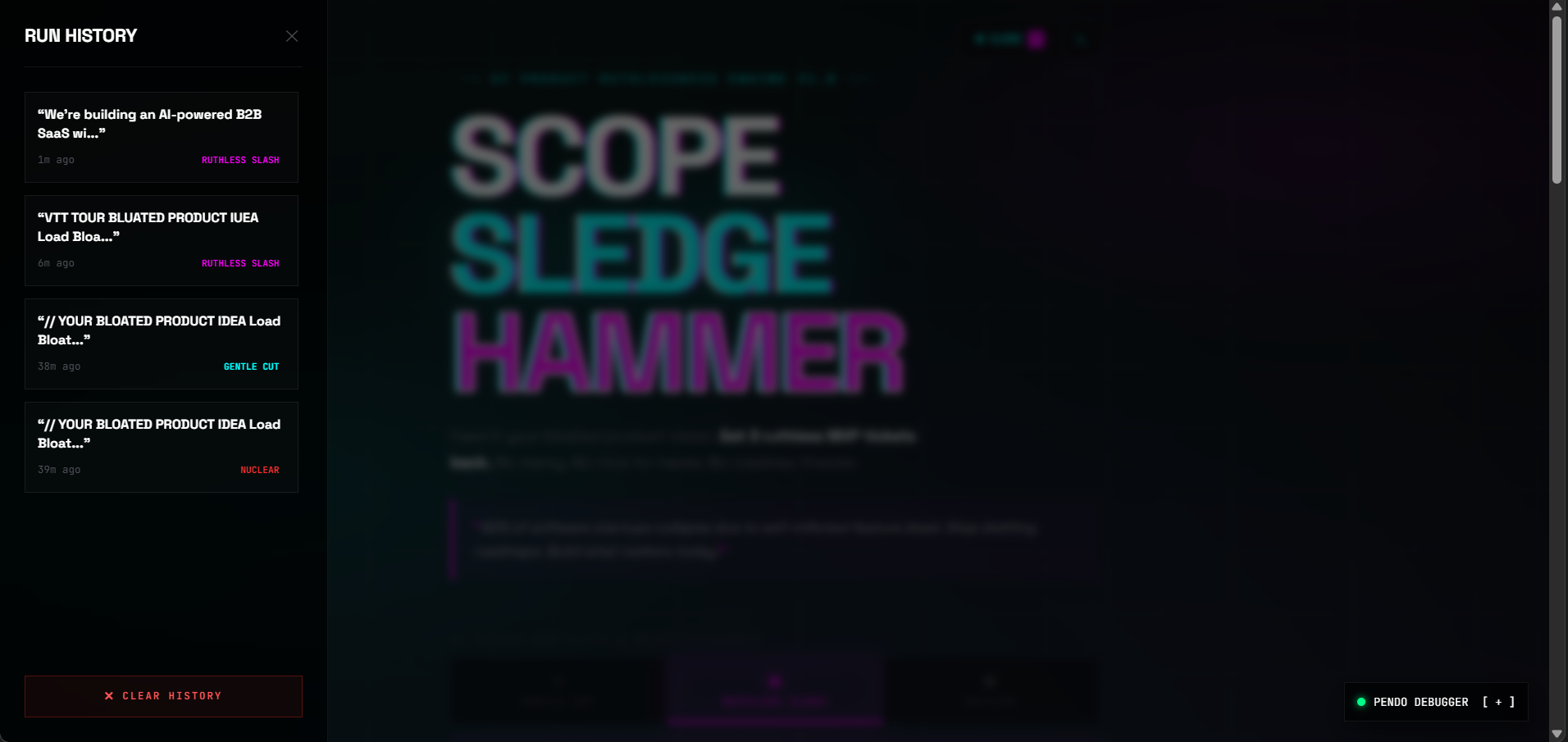
You paste your idea, pick a brutality level — Gentle Cut, Ruthless Slash, or Nuclear — and the AI returns a set of ruthlessly scoped Jira-ready tickets. Only what needs to ship. Nothing else.
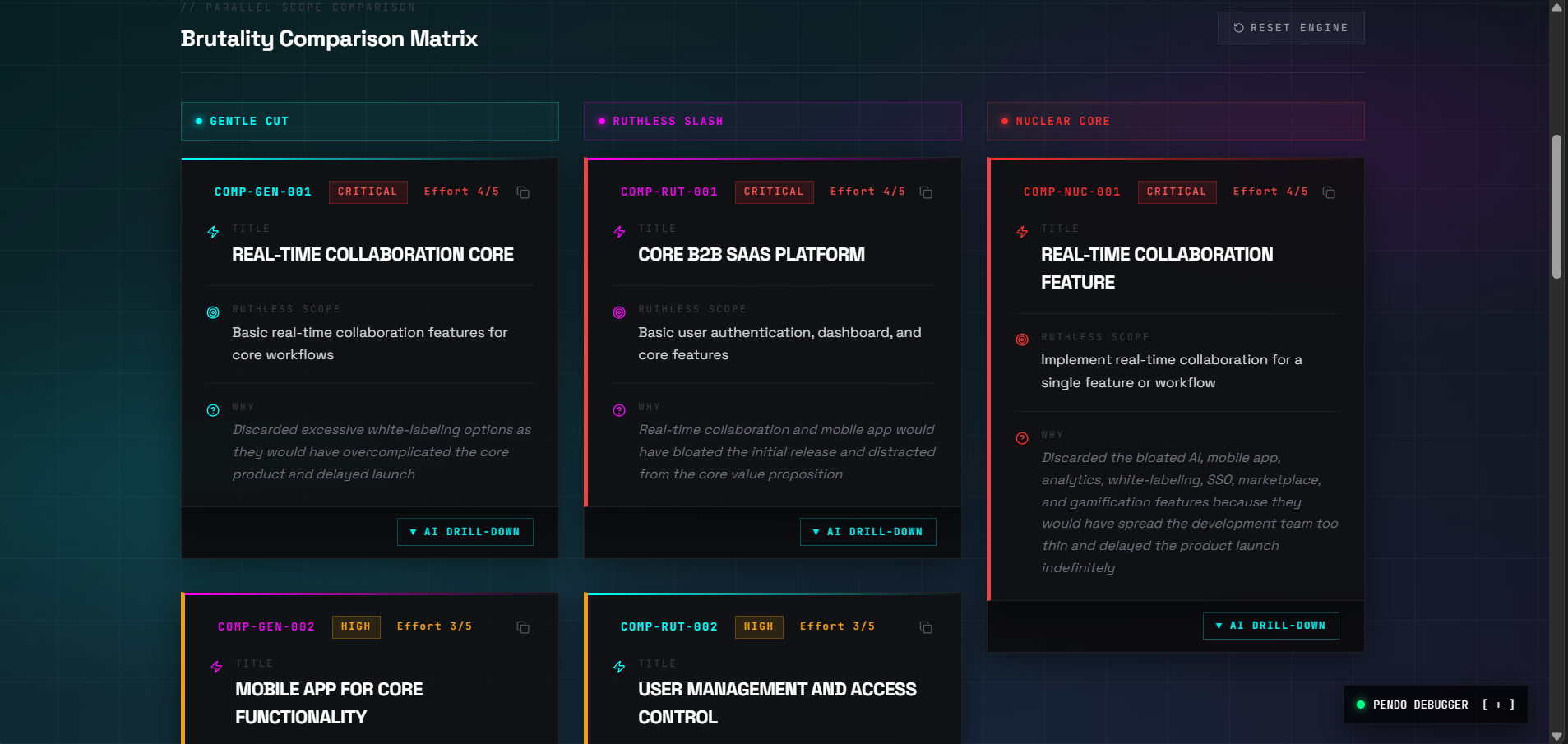
- Gentle Cut — trims the obvious fat, keeps the vision intact
- Ruthless Slash — keeps one core loop, cuts everything peripheral
- Nuclear — one feature maximum. Total system wipeout.
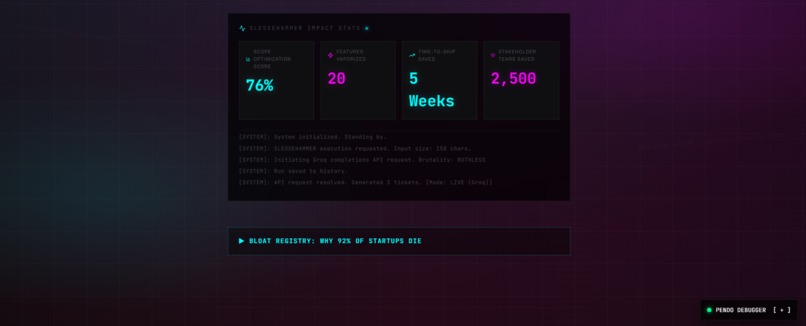
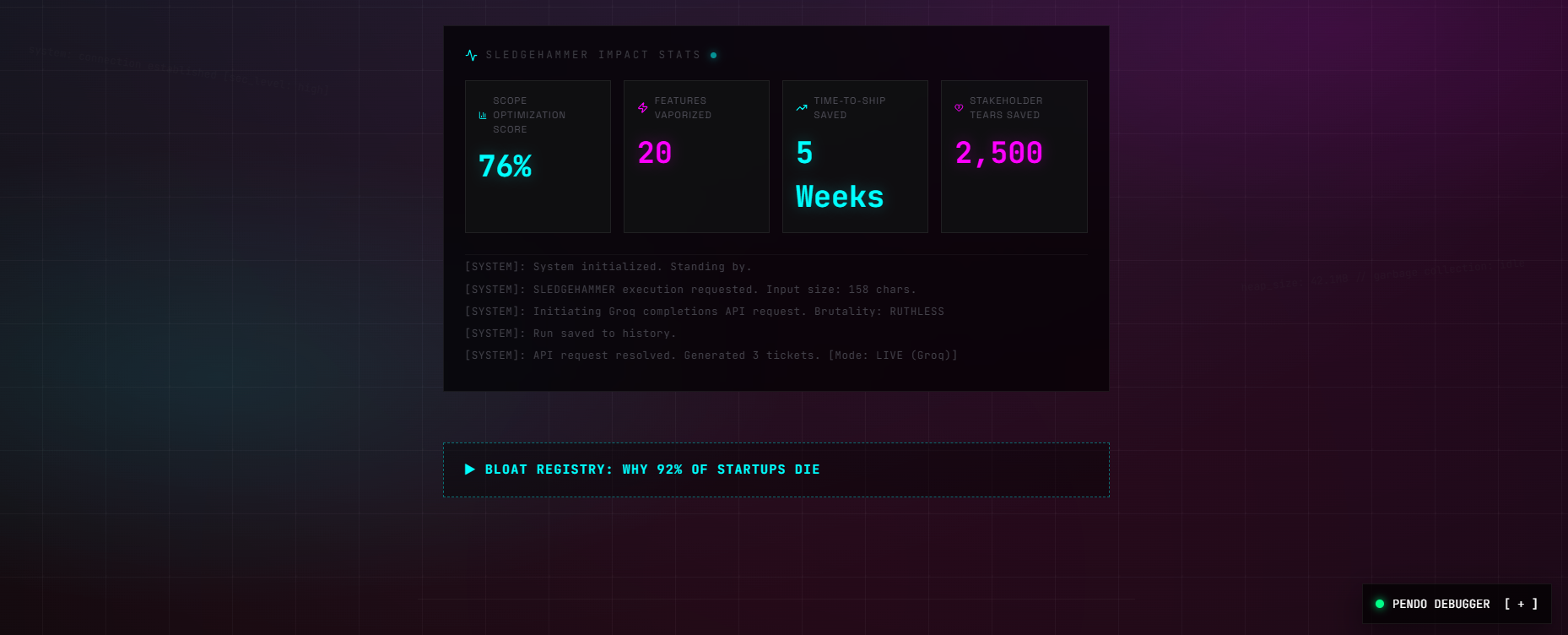
Each run also gives you an AI-powered drill-down analysis per ticket, a scope optimization score, features vaporized count, and estimated time-to-ship saved. You can export tickets to CSV, generate a shareable PNG war board, or run all 3 brutality modes in parallel to compare how aggressive you want to be.
How I built it
- Frontend: Next.js + React with a custom cyberpunk UI (scanlines, CRT effects, terminal mode toggle)
- AI layer: Anthropic Claude API via edge runtime API routes for low-latency responses
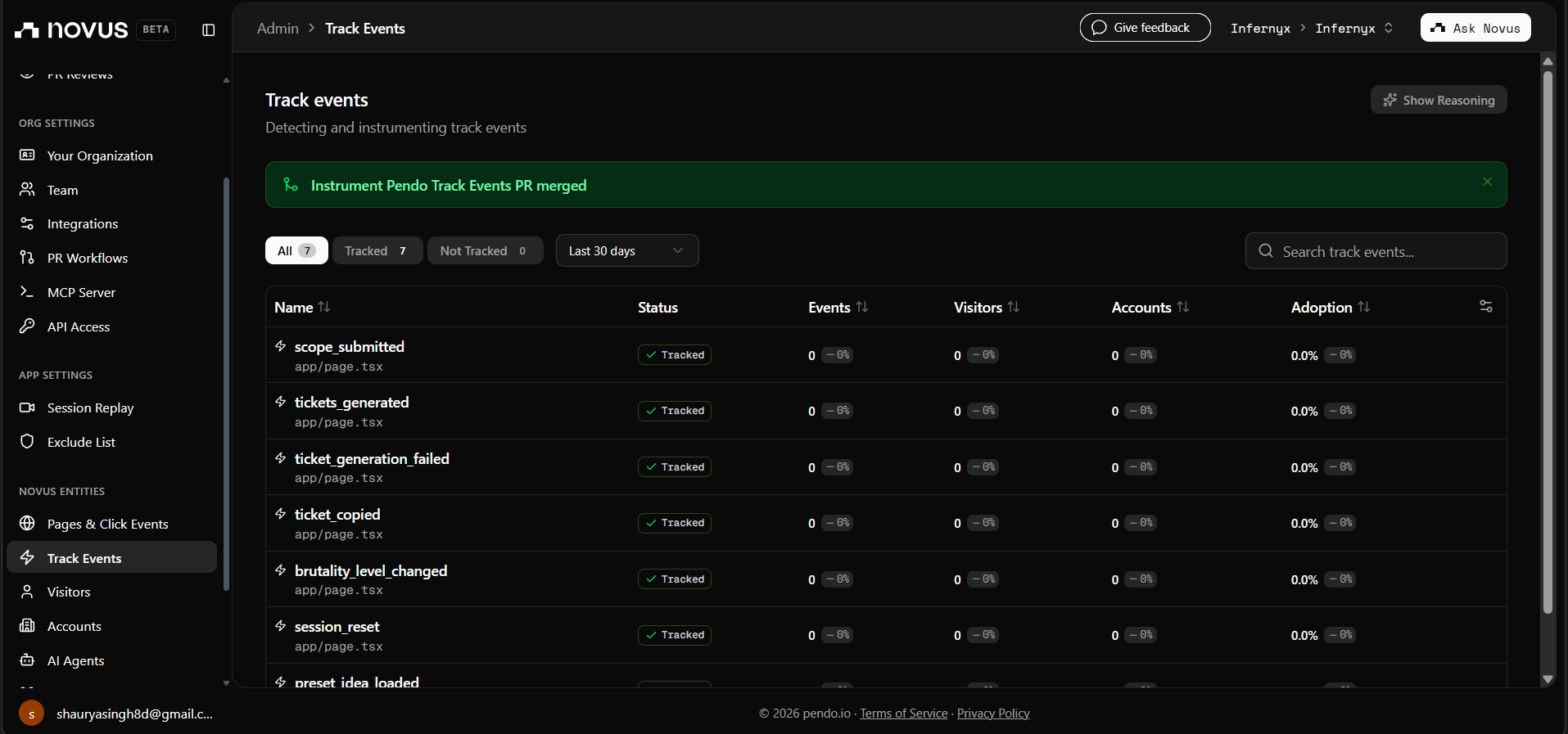
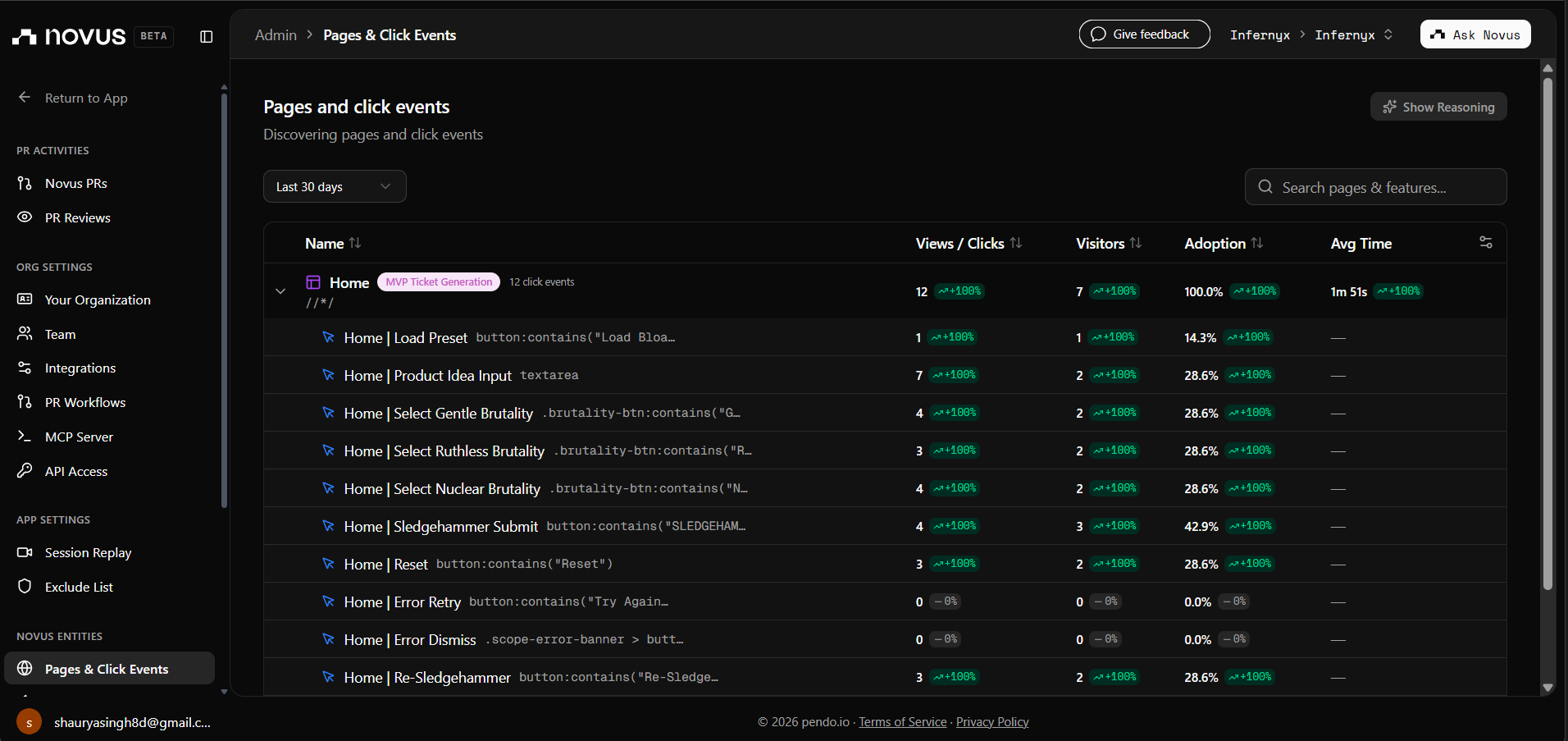
- Analytics: Novus — AI-generated PR that added
pendo.track()calls automatically across all key user interactions - Deployment: Vercel with edge functions to handle AI call timeouts gracefully
- Data persistence: localStorage for 48H ship challenge timer, session history, and theme preference
Challenges I ran into
The biggest challenge was the Vercel Hobby plan's 10-second function timeout. Claude responses for deep analysis were consistently hitting 12–15 seconds. The fix was migrating every AI route to edge runtime (export const runtime = 'edge') which extended the soft limit enough to handle it.
The second challenge was the compare-all-modes feature — firing 3 parallel Claude calls simultaneously and rendering them in sync without one slow response blocking the others. Promise.allSettled solved this cleanly, showing partial results even if one mode errors.
Terminal mode was a rabbit hole — the cyberpunk CSS gradients were bleeding through no matter how many overrides I added. Eventually solved it by scoping all background overrides under [data-theme="terminal"] with !important on the root and every panel element.
Accomplishments that I'm proud of
- The Nuclear mode actually makes you feel something. Watching it reduce a 15-feature idea to a single ticket is viscerally satisfying.
- The real-time kill counter during loading — judges at demo day actually laughed out loud.
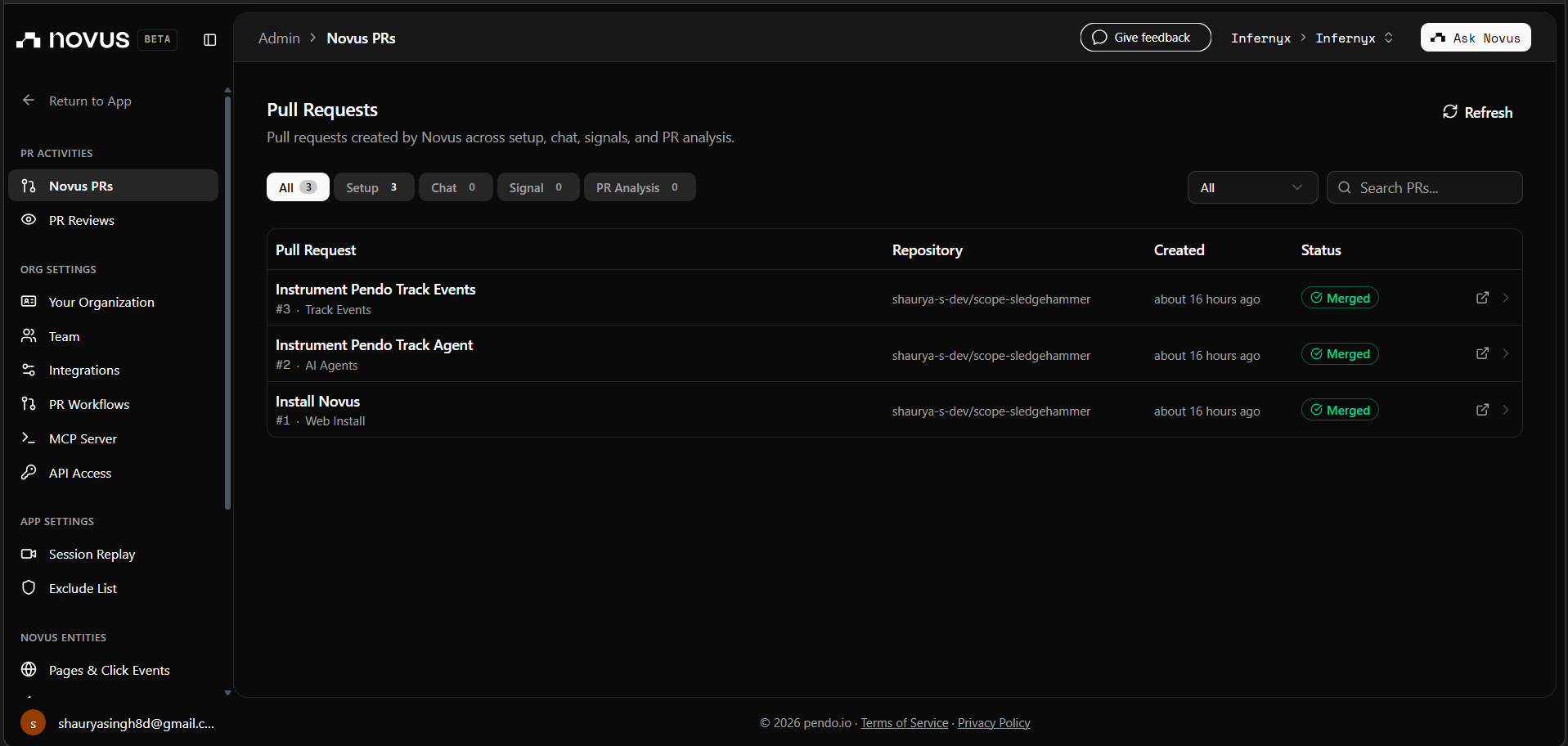
- Novus autonomously read my codebase, generated a GitHub PR with analytics instrumentation, and merged it. Zero manual tracking code written.
- The terminal mode toggle — two complete visual systems in one app, switchable in one click.
What I learned
- Edge runtime on Vercel is not optional when your AI calls exceed 10 seconds — it's the only viable path on Hobby tier
Promise.allSettledis underused — it's perfect for parallel AI calls where partial failure is acceptable- Scope is a product decision, not a technical one. Building a tool that forces that decision upfront changes how you think about every feature
What's next for Scope Sledgehammer
- GitHub integration — auto-create the tickets as real GitHub Issues after generation
- Team mode — shared session where multiple people vote on which tickets survive the cut
- Brutality history — track how your scope discipline improves over time across projects
- Slack bot —
/sledgehammer [idea]directly in your team's channel
Built With
- anthropic-claude-api
- html2canvas
- localstorage
- next.js
- novus-(pendo-analytics)
- react
- tailwind-css
- typescript
- vercel
- vercel-edge-functions


Log in or sign up for Devpost to join the conversation.