-
-
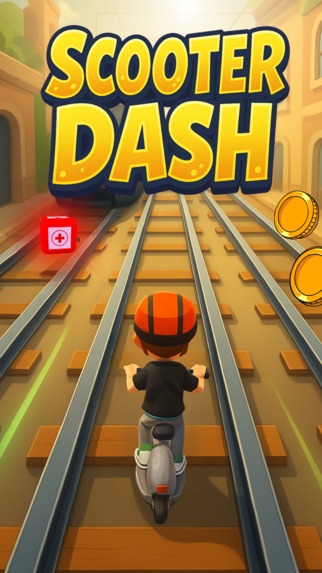
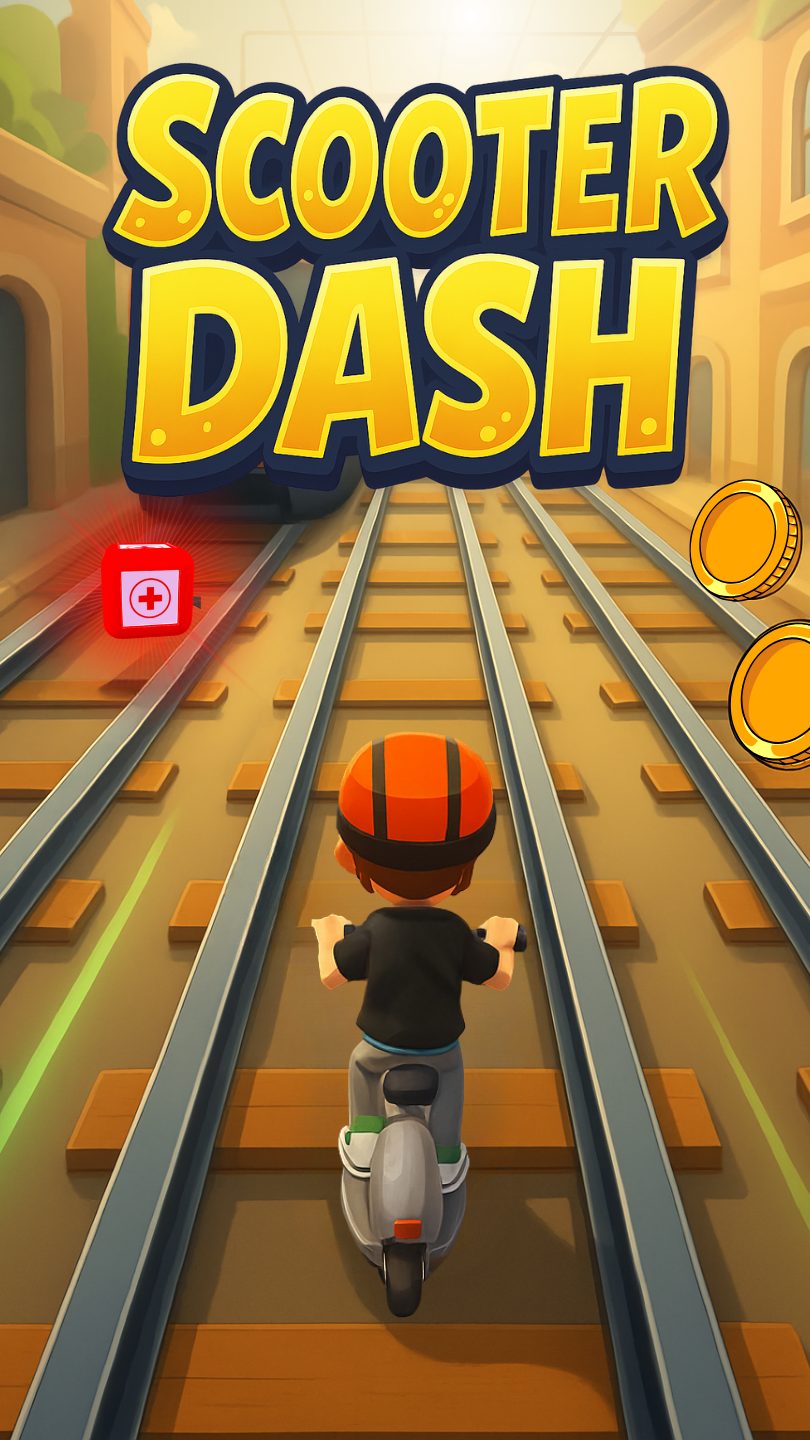
Vertical Thumbnail
-
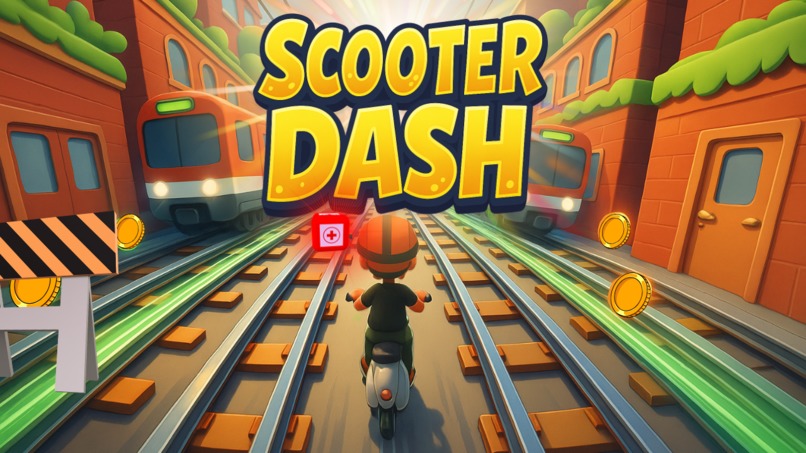
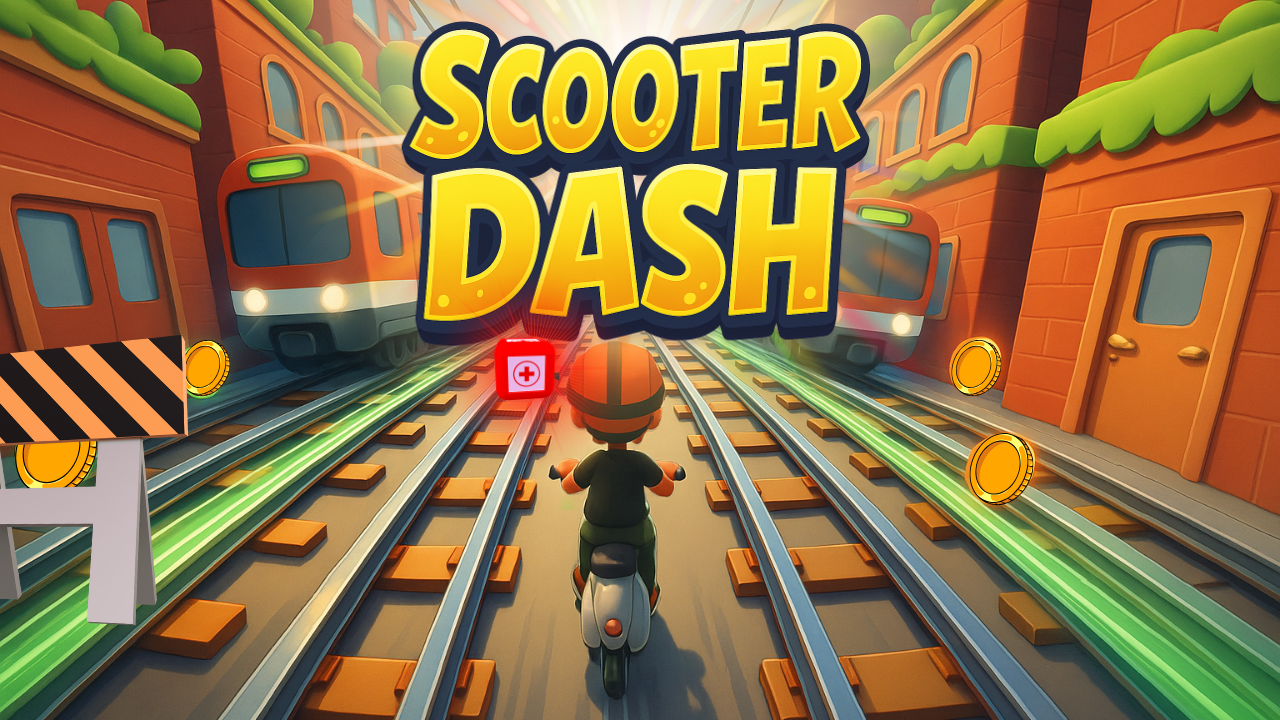
Main Thumbnail
-
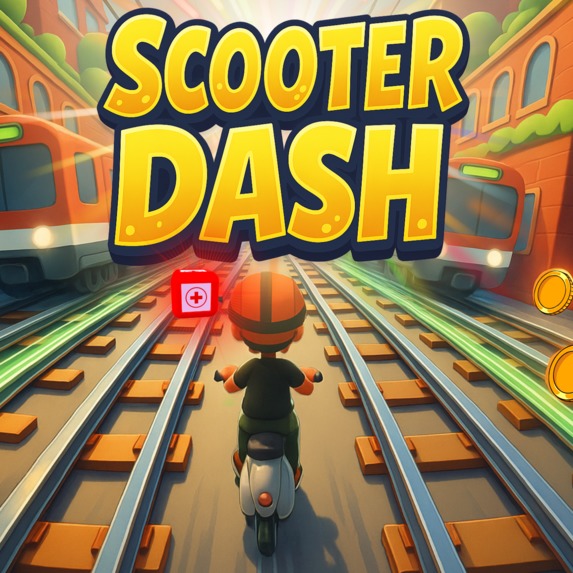
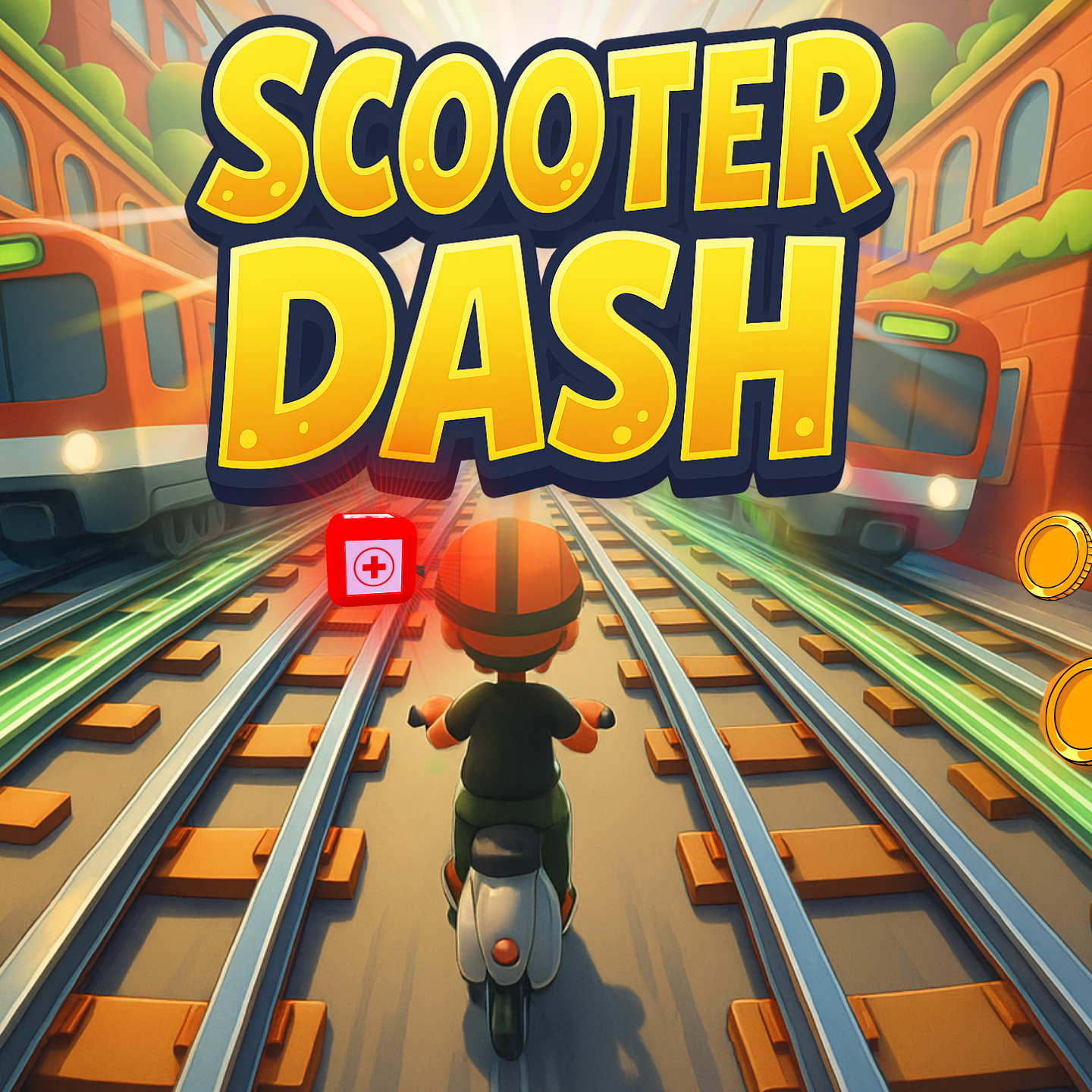
Square Thumbnail
-
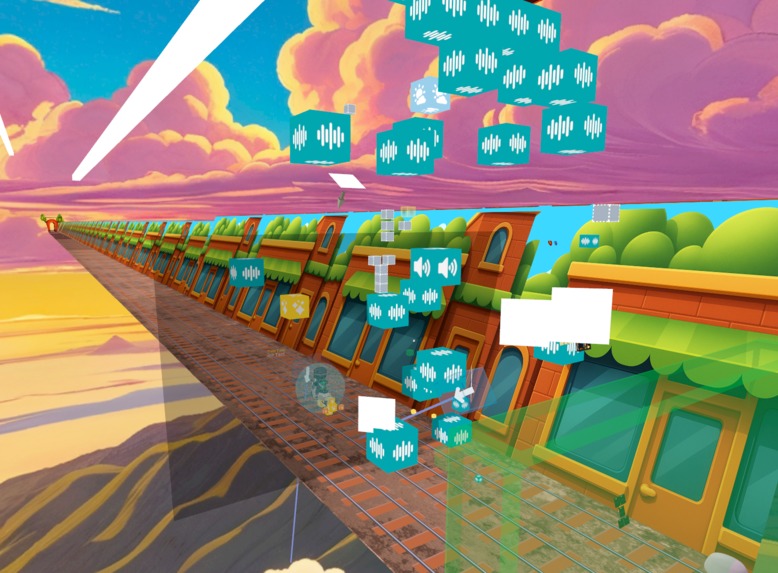
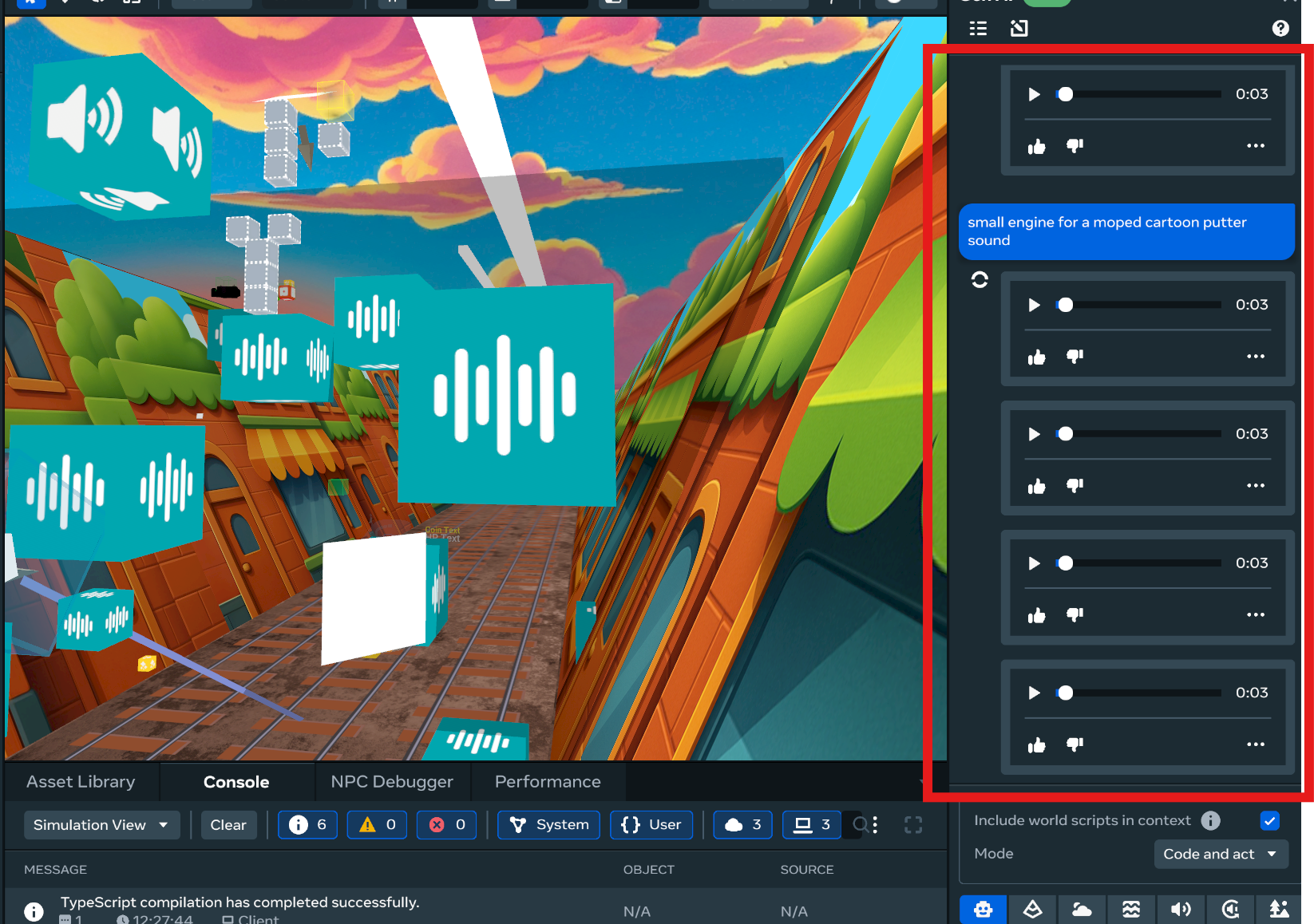
Behind the Build ( AI Gen Audio)
-
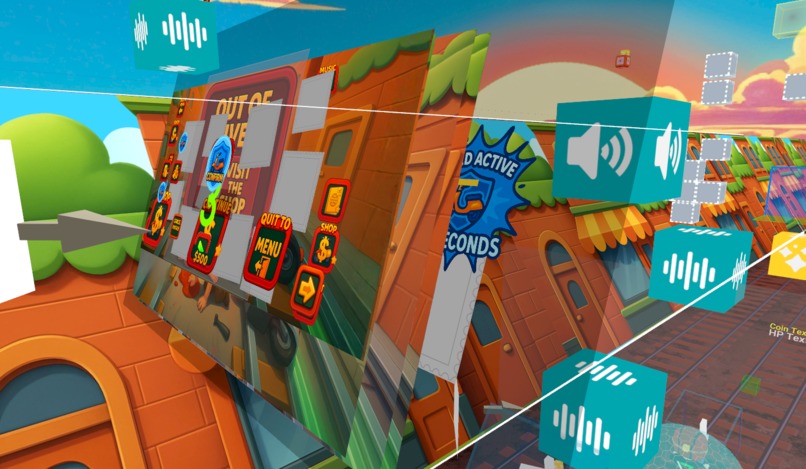
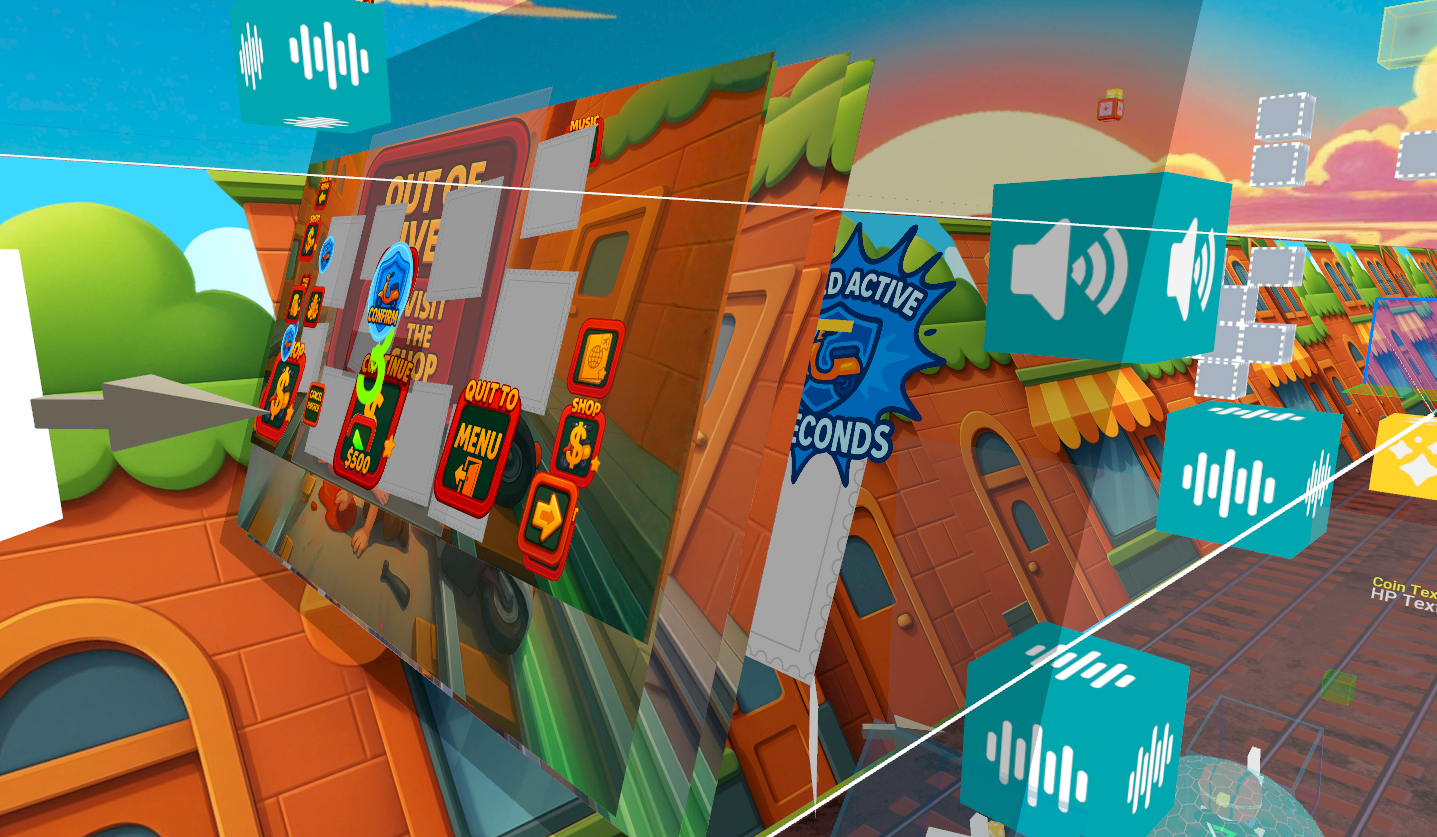
Example of Player UI
-

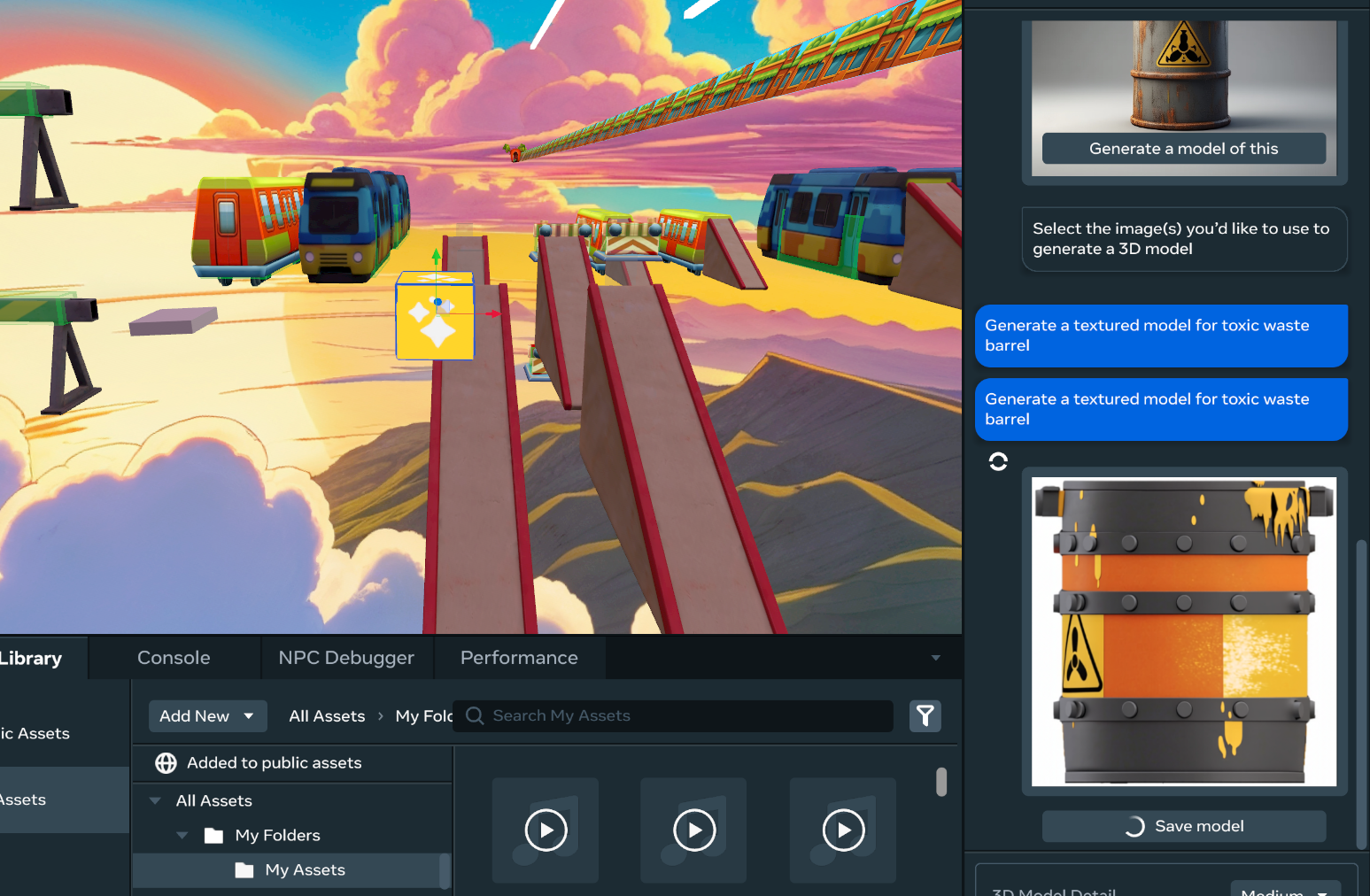
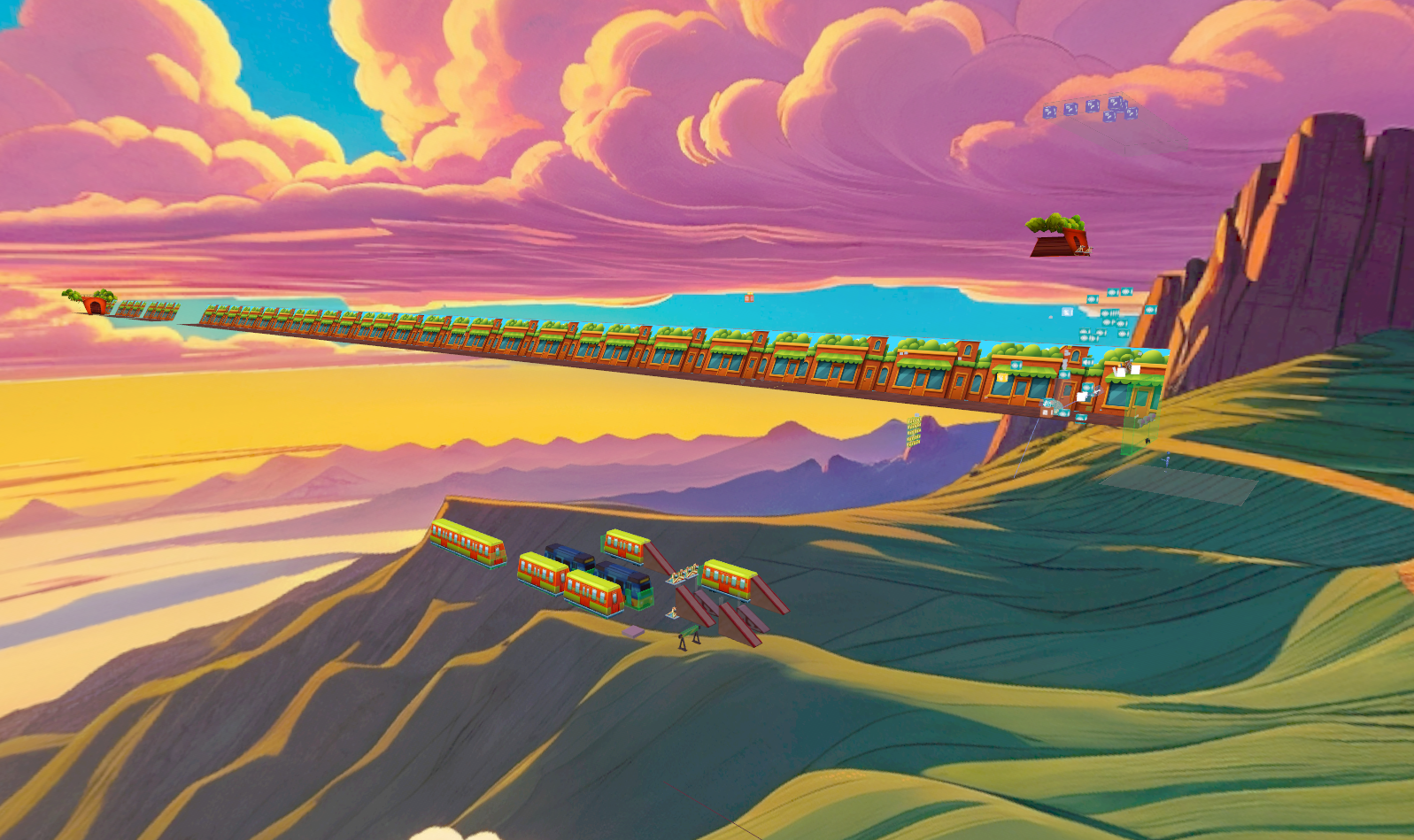
Meta AI Gen Mesh
-
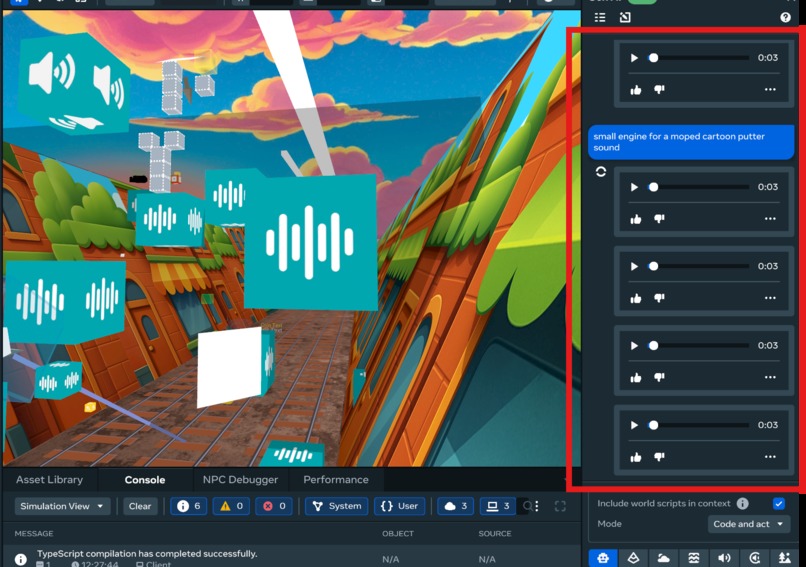
Audio Gen AI Tool in use
-
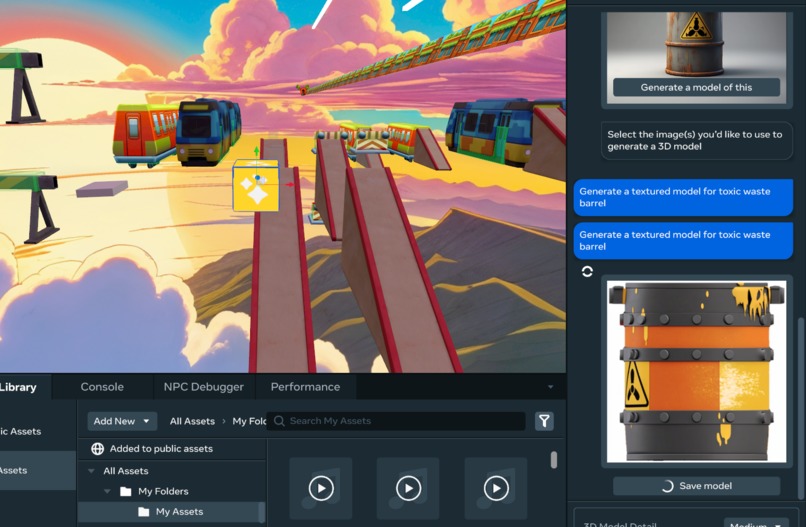
Meta Mesh Gen
-

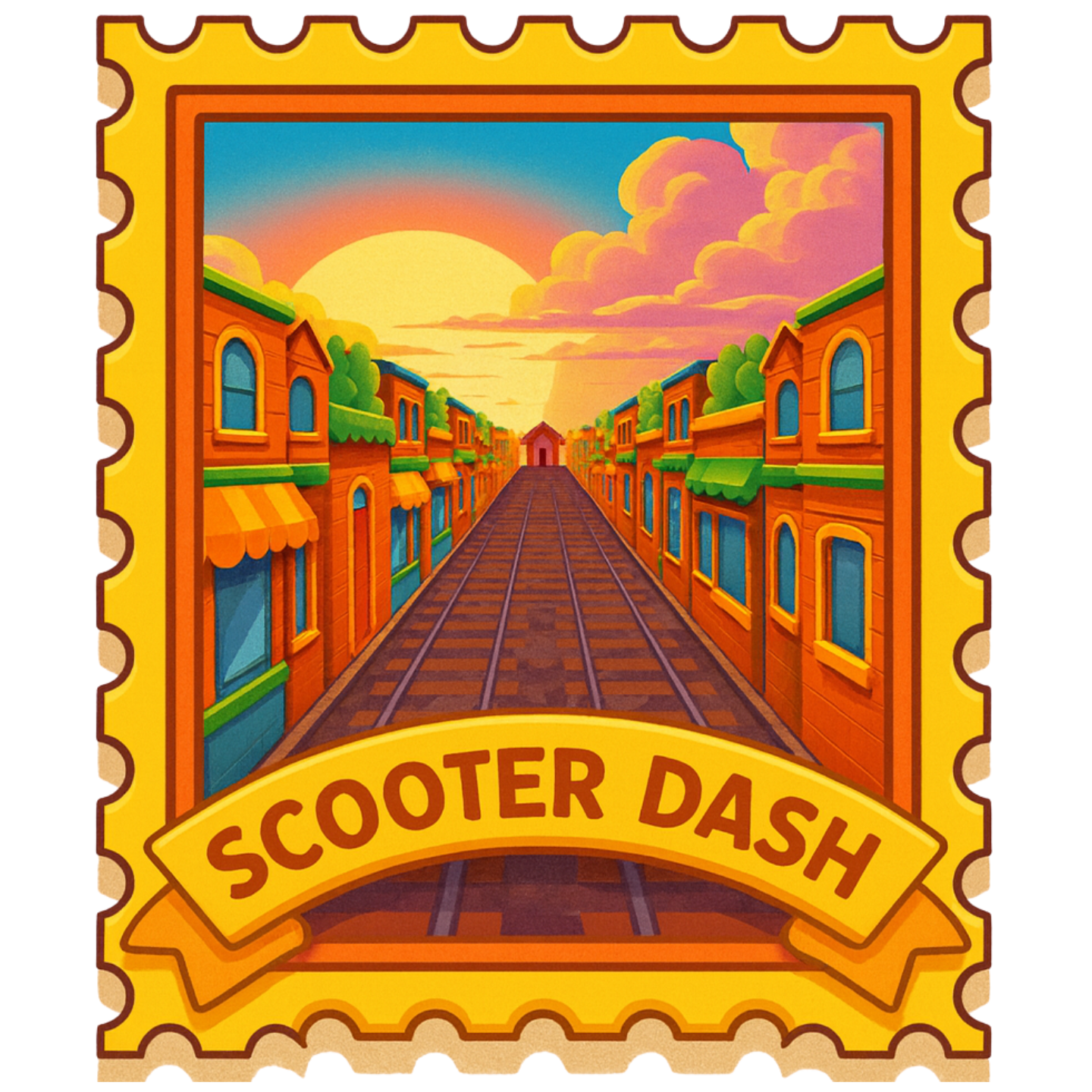
Stamp Example
-
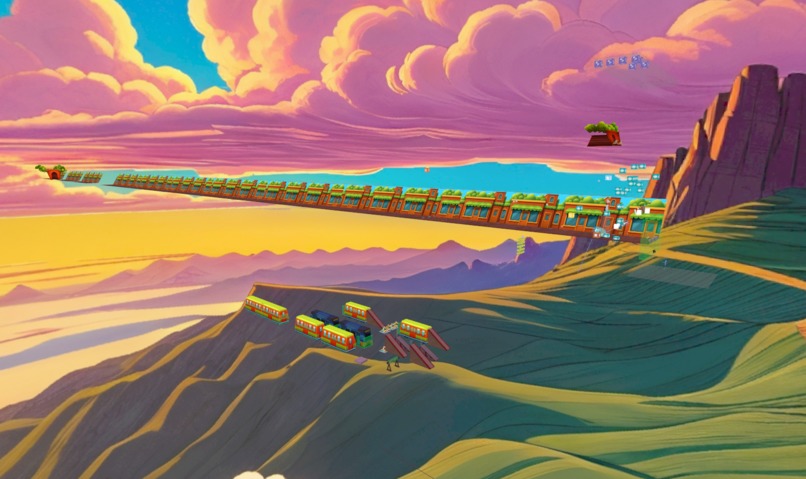
Building
-
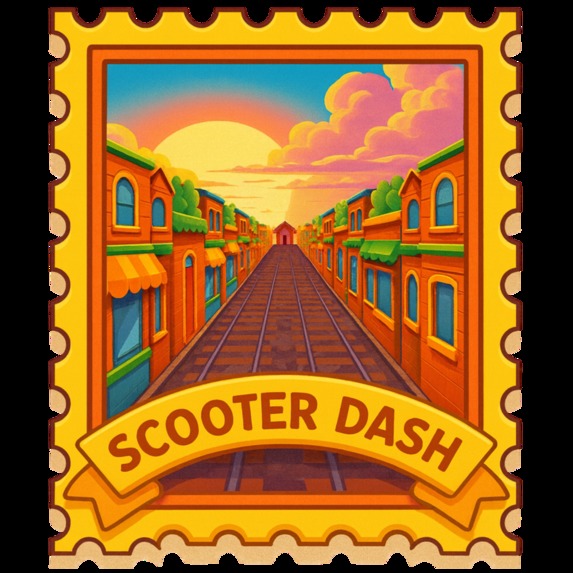
Stamp Example
-

Stamp Example
-

Stamp Example




Inspiration
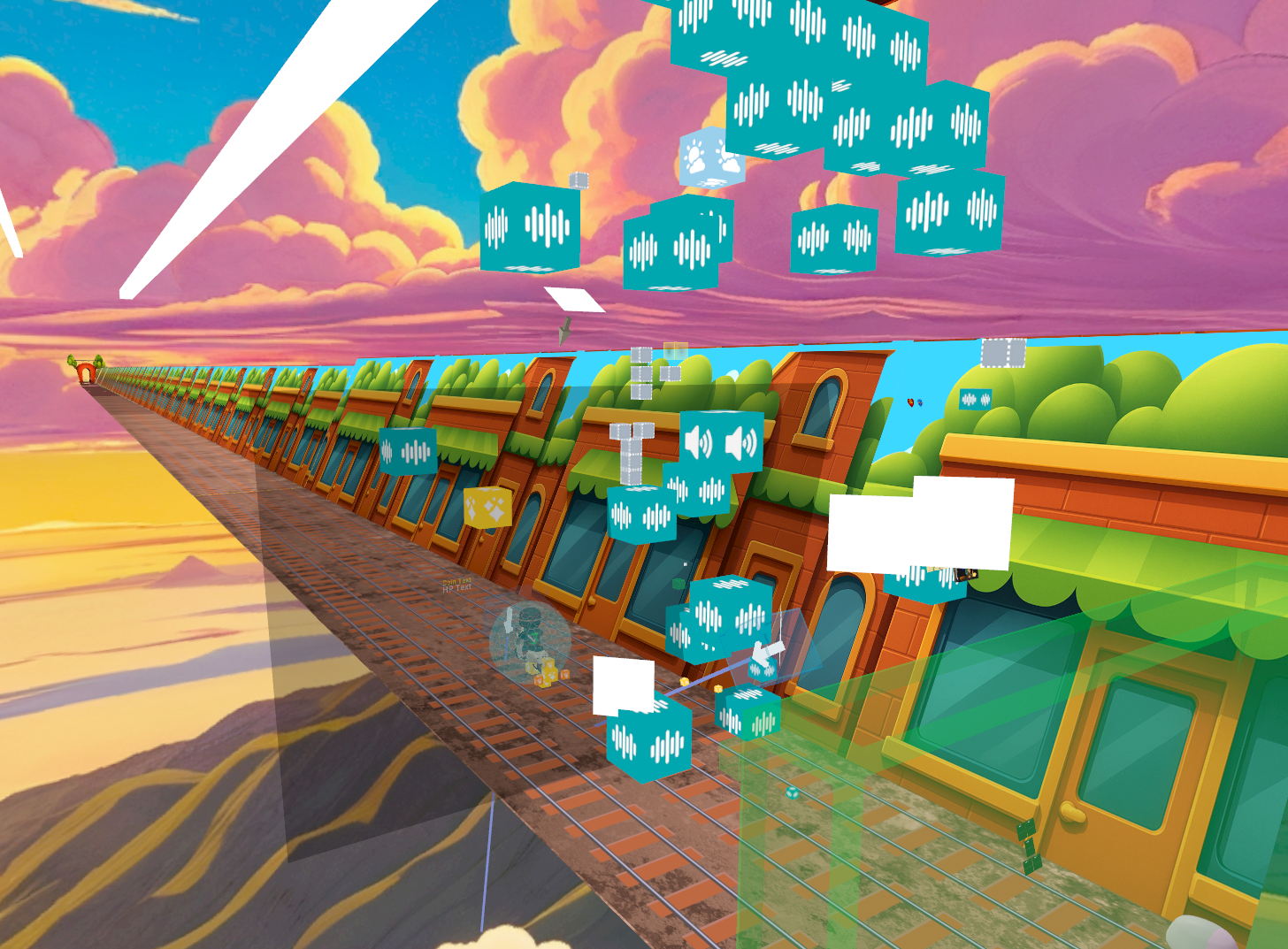
Scooter Dash was born from my love of fast-paced, skill-based games and my passion for travel. The passport system came to life while thinking of my girlfriend, who is international, and how each stamp could tell a story of distance, connection, and the places that link us together, a subtle nod to the miles we bridge. That vision grew into a global journey for players, connecting them through cities, temples, and night markets, each stamp symbolizing progress, discovery, unlocking the next level. This project also marks my continued move into mobile-only development, following several Horizon Worlds contests focused on creating rich, optimized mobile experiences. Every element, from movement to visuals, was designed to push what is possible for players on the go and to challenge myself as a creator.
What It Does
Scooter Dash is a fast-paced endless runner where players ride through bustling cities, the glowing streets of Egypt, vibrant night markets, and ten unlockable levels. Players dodge traffic, hit ramps, grab coins, and collect passport stamps, diving into a thrilling global ride. Built for mobile with one-handed controls, it offers quick 2–5 minute bursts perfect for on-the-go play. The passport and daily-rewards systems keep players returning to unlock new destinations, while bold visuals and dynamic obstacles maintain the excitement. The customization menu lets players change skin tone, helmet, shirt, scooter paint job, and in future updates upgrade their scooters too.
How I Built It
Focusing on bettering the overall function and the look of the world, I used Meta AI tools throughout, from Mesh Generation for barriers and obstacles to AI-generated audio and environmental creation for immersive settings. Meta AI Custom Scripting supported every core system, including scooter movement, obstacle spawning, and collectible tracking, all optimized for smooth performance and progression. Player UI foundations were assisted by Meta Script Act Agent, forming a crucial starting point for this complex world. As a solo creator, I leaned heavily on advanced scripting and the Desktop Editor’s public tools. Meta AI accelerated my workflow and helped solve problems that would have taken weeks manually, enabling me to craft a rich, mobile-optimized experience.
Challenges I Ran Into
Without VR access, optimizing for mobile was both a challenge and an opportunity. Fine-tuning touch controls took extensive testing, and keeping visuals sharp on small screens required bold colors, motion, and clean design. Maintaining stable performance across devices meant countless playtests and precision scripting, but the results were worth it. Horizon’s evolving systems posed their own hurdles, yet I overcame each one and dashed to the finish line. Balancing full-time work, daily life, and late-night creation sessions was not easy, but passion for building experiences like this kept me going.
Accomplishments I’m Proud Of
I’m proud to have built this entire world solo, with help from Meta AI, and to capture the thrill of global exploration. Designing over 100 unique obstacles and a passport system that emotionally connects with players are milestones I cherish. I’m especially proud of the UI and menu design, which brings familiar 2D elements to Horizon’s 3D world, creating a polished, fluid mobile interface. Of all my builds, this one feels the most complete and the most personal.
What’s Next
Future updates will expand destinations, introduce advanced scooter upgrades, integrate leaderboards and Horizon Quests, and add collectible postcards, avatar merch, and new locations. Seasonal events and multiplayer races are also planned to keep the world evolving and players dashing around the globe.
Built With
- blender
- canva
- chatgpt
- grok
- metaai
- metaaiaudiogen
- metaaiscriptingagent
- metaenvironmentgen
- metameshgenai
- substancepainter
- typescript


Log in or sign up for Devpost to join the conversation.