-
-
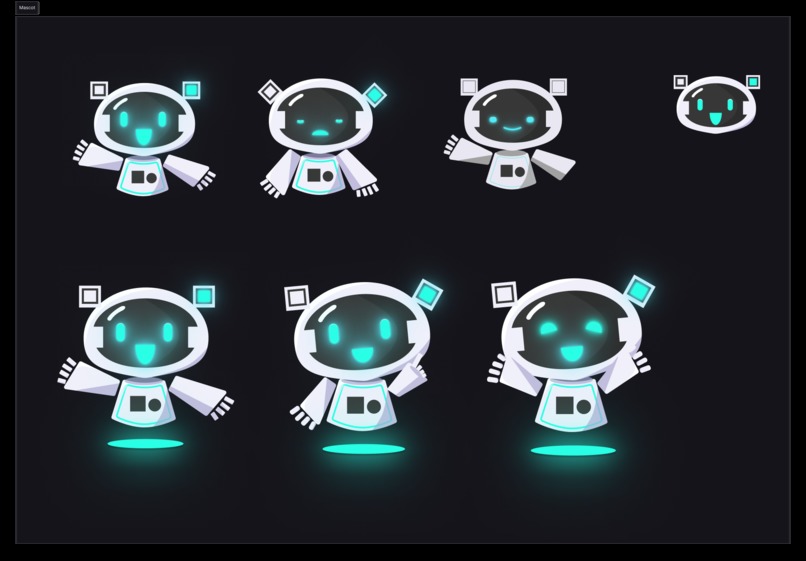
Arwin, the new face of Science Gallery
-
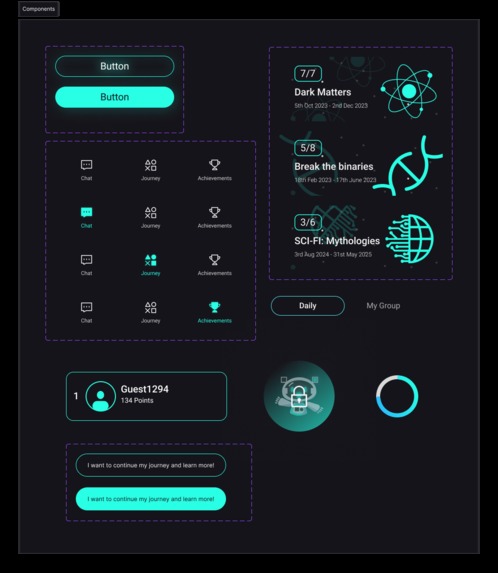
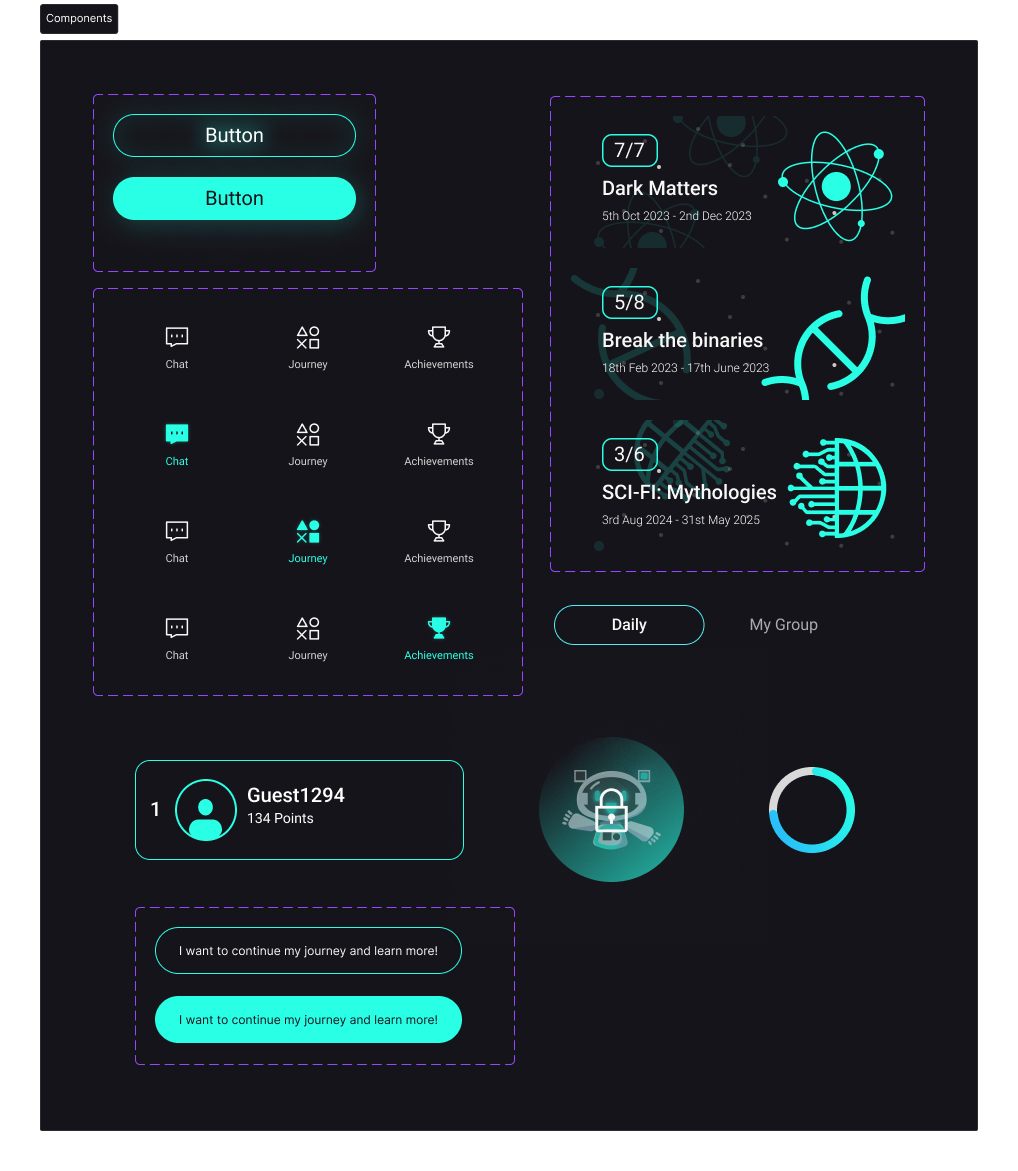
App Components
-
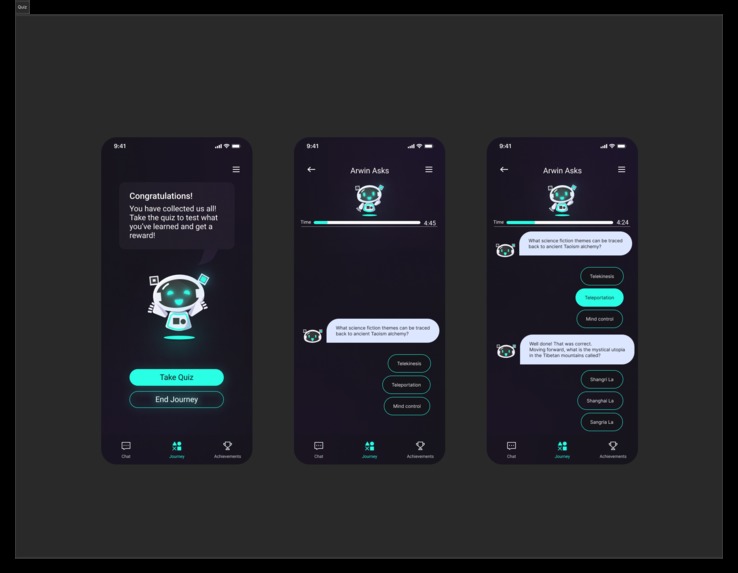
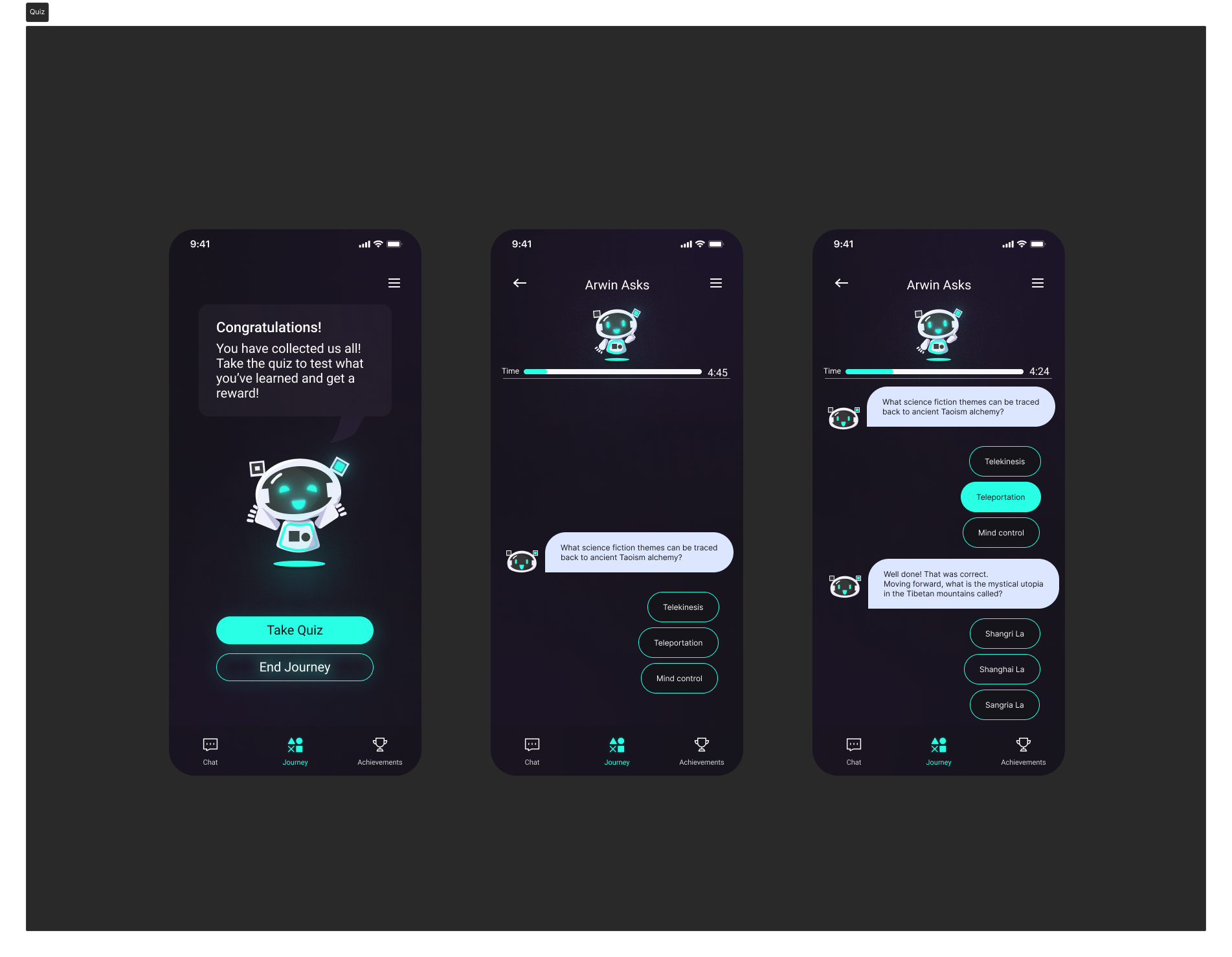
Quiz
-
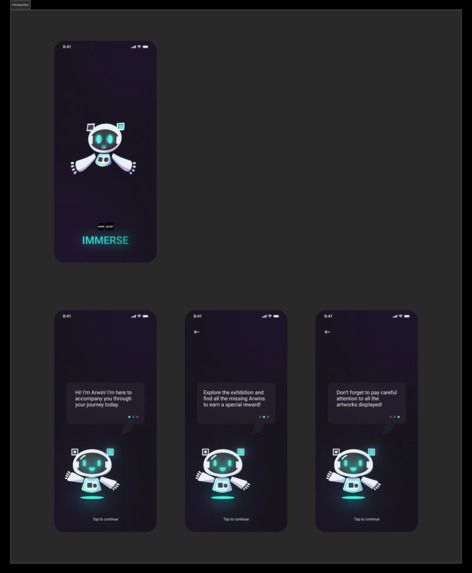
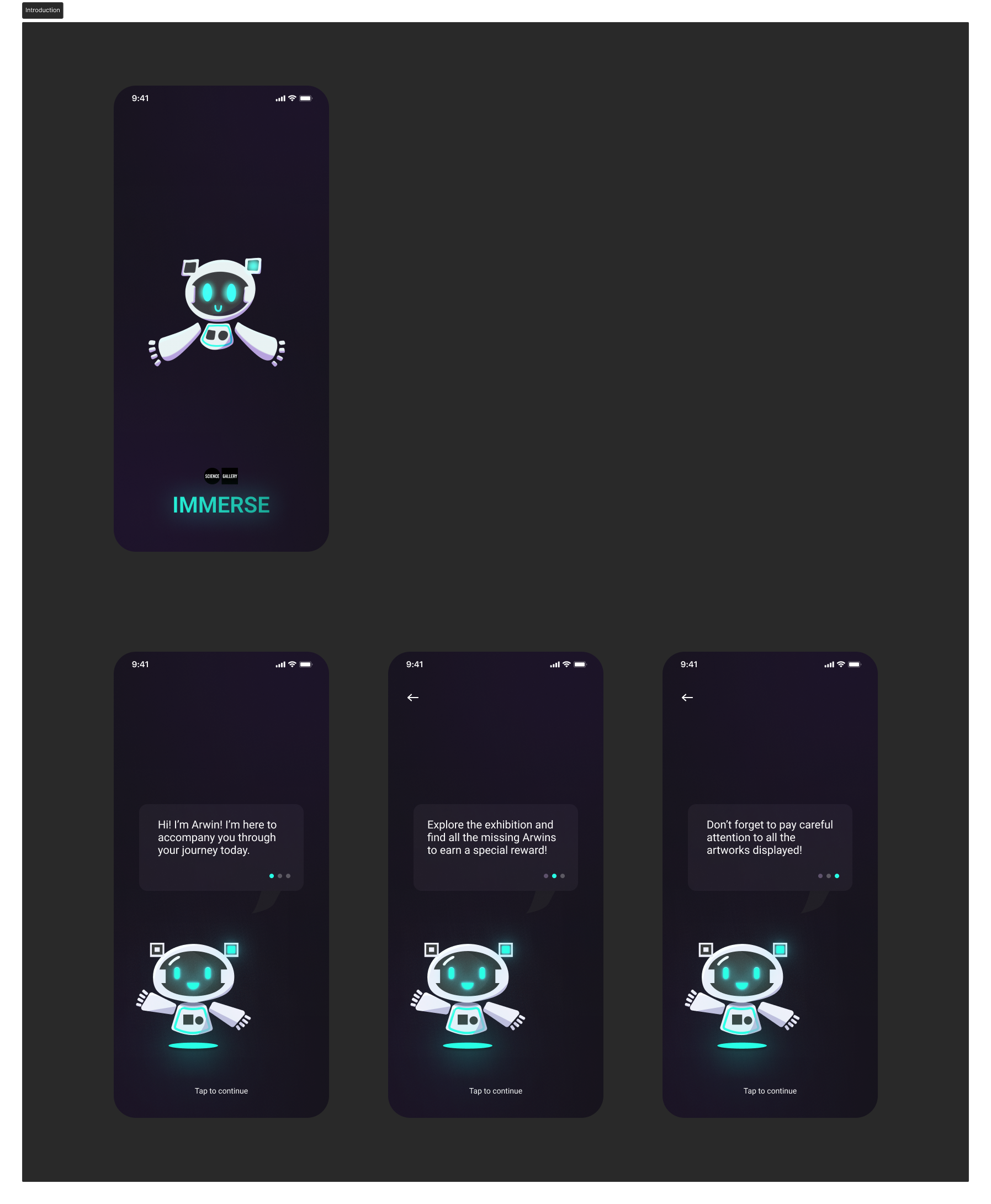
Introduction
-
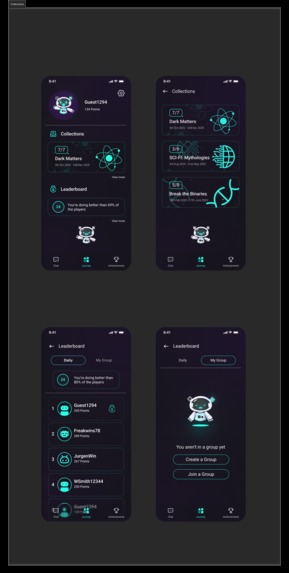
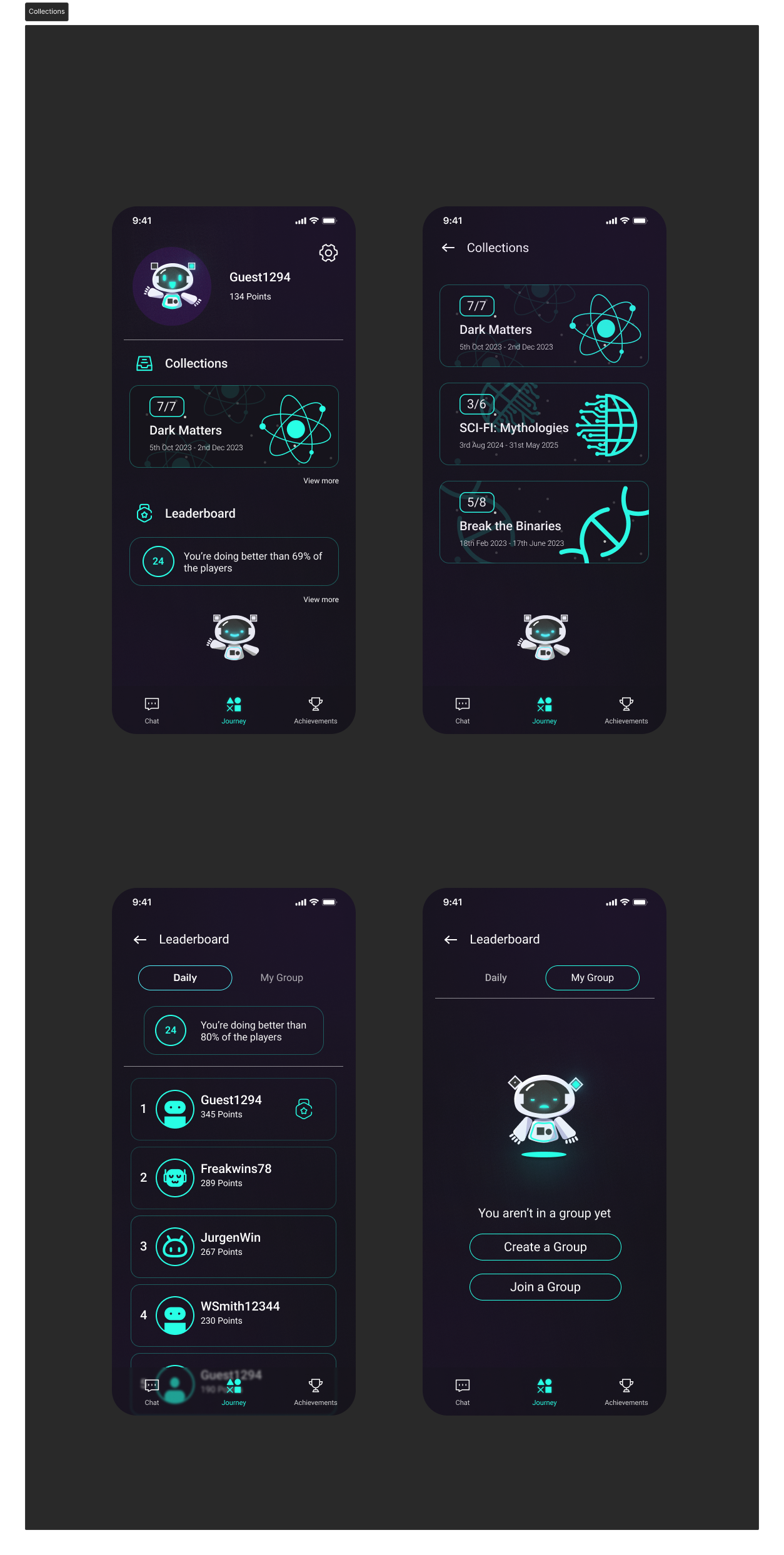
Collections
-
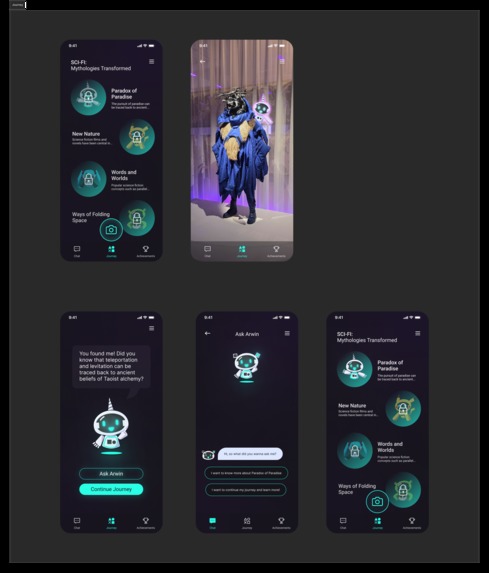
Journey
-
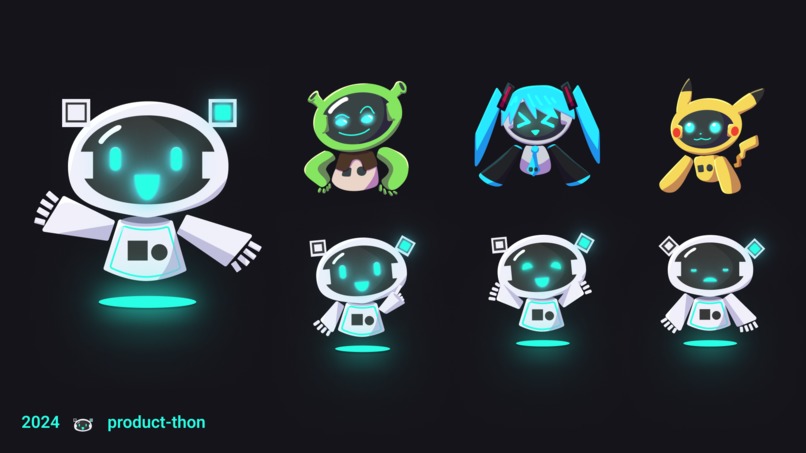
Arwin Themed
Process
The first thing we did was desk research about industry standards for galleries, and competitors, before then checking out the space and situation we were designing for. We knew we couldn’t make an effective app to support the exhibition without knowing the Science Gallery’s current approach.
Our visit taught us a few things about the current system they’re using. In addition to human guides, Science Gallery uses ActionBound, an external quiz app that museums can use to encourage people to read the information of the exhibits. But there were a few problems - it only encouraged visitors to engage with the info, but not art itself; it’s not very dynamic or interactive, and the app itself is clunky and difficult to use.
We interviewed both high school and university students, and they helped confirm and develop our understanding of these issues.
Then, we conducted extensive brainstorming with UX design sprint techniques such as Crazy 8's and Post It note techniques. These resulted in loose, low-fidelity hand drawn wireframes to mock up the idea, and then digital basic wireframes.
Final assets, brand styling and functional prototyping were combined in Figma to create a complete application idea.
Goals
Increase visitor engagement with an interactive experience, blending the physical and digital realms.
Encourage exploration of the space, creating a memorable and impactful experience for viewers.
Incorporate dynamic, hands-on learning that allows younger audiences to learn from the exhibits in an immersive way.
Arwin
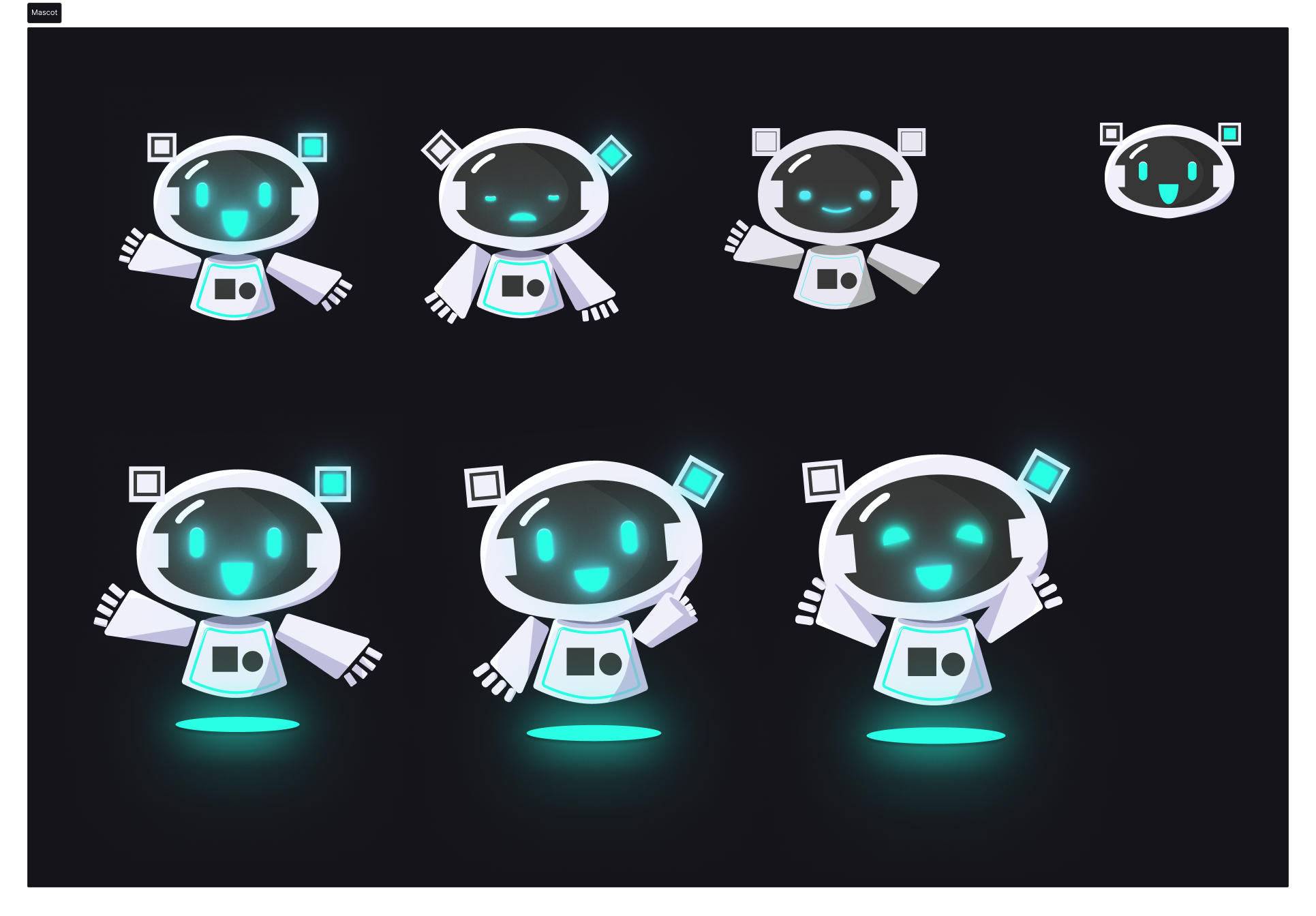
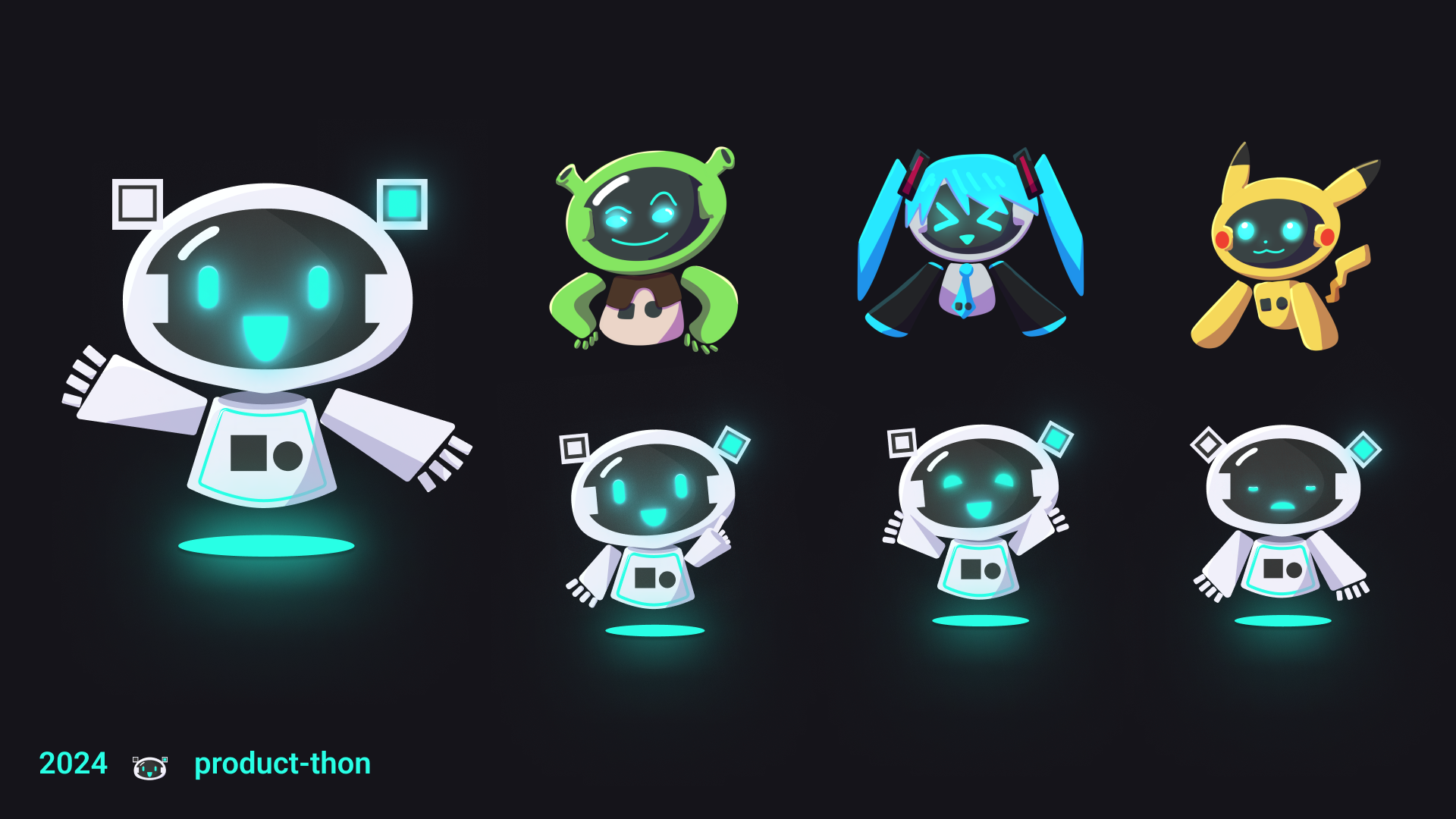
Arwin is our custom designed Science Gallery mascot. Arwin comes in many different themes and colours, which makes him easily adapted to a change of exhibition. Arwin is inspired by the ethos of the Science Gallery, mixing technology and art. Our app, Immerse, has been designed around the mascot, and can be updated and rebranded accordingly with the turn of new exhibitions.
App Flow
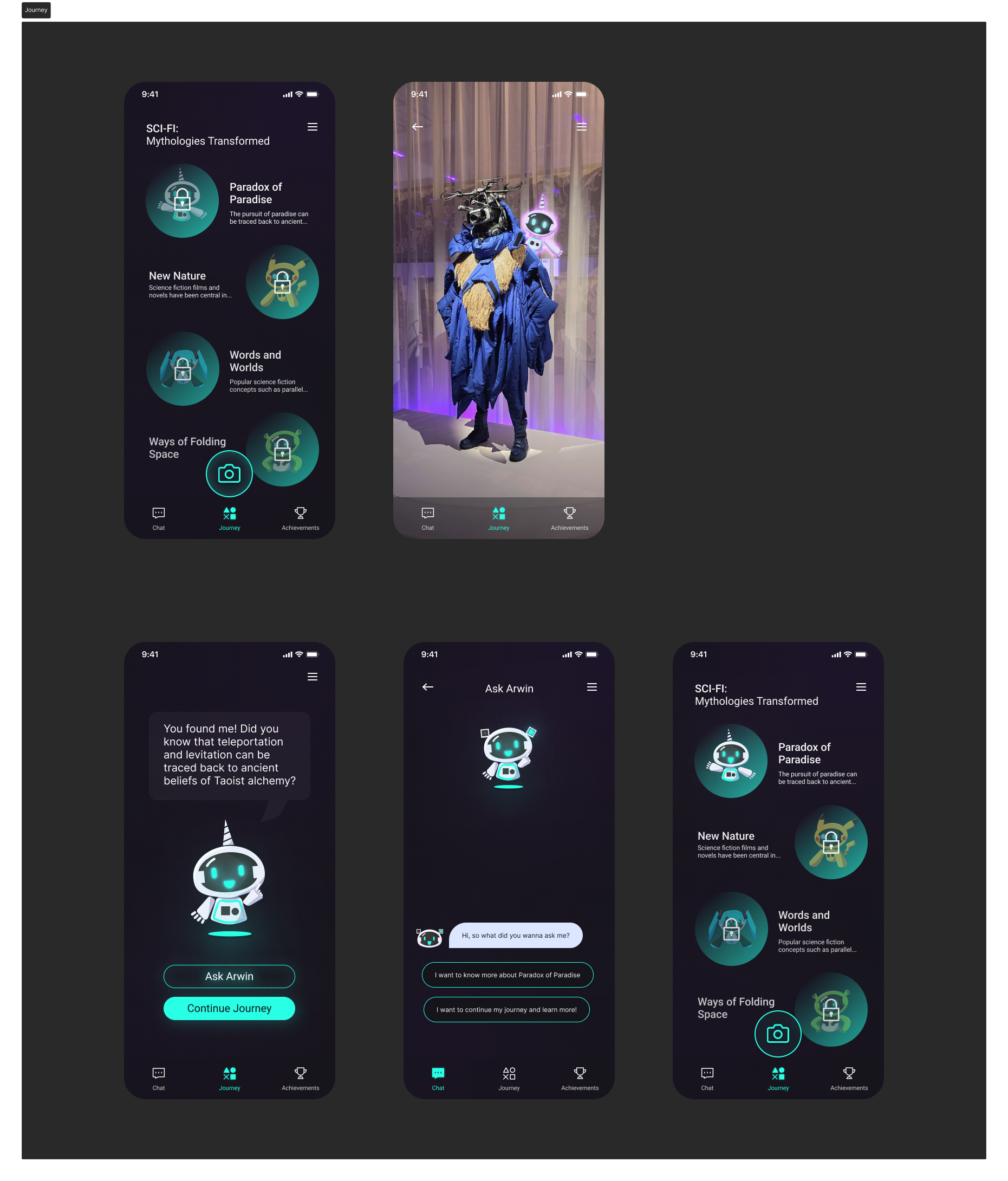
When visitors arrive at the Science Gallery, they scan the code to download Immerse. They are greeted with welcome and information screens that tell them how to interact with the app.
Our key idea is this: Arwins have escaped from the front desk and are hiding all throughout the Science Gallery exhibition. Users are tasked with using their phone cameras to find the Augmented Reality Arwins hiding around the artworks.
When users find an Arwin, they tap it, and are told a fun fact about that exhibit. This is intended to increase engagement with the artwork by providing bite-sized facts that spark curiosity. Most people simply need a little push to engage on a deeper level with the art, and by making it more interactive, and incorporating fun facts into our app, visitors are more likely to then care and read more about the work, which they can do through an incorporated information chatbot.
Users continue their search until they have found all missing Arwins, which they can then ‘return’ to the front desk, in exchange for a small gift such as a sticker pack of the exhibition’s mascots.
To increase engagement, we have added a competition aspect, through a chatbot-style quiz, where you can compete with friends in a group and see each others scores on the leaderboard. This could be particularly relevant for school groups, who are frequent visitors of the Science Gallery.
Accessibility
The Immerse app has been specifically designed to cater for accessibility, with high colour contrast compliant with WCAG standards, no features relying solely on colour or sound and ensuring that it could be integrated with assistive technologies such as screen readers.
Reflection
We learnt many things through this hackathon. Having worked together multiple times before, we knew each other’s strengths well which meant we could work efficiently as a team. Jurgen was in charge of Drawing and Assets Creation, including storyboards, persona and mascot creation. Lihini and Janine worked together to develop the prototype and make the Figma a functional, well-designed file. Victoria was in charge of organisation, documentation, presentation of the final idea.
Future Potential
In the future, this app has a lot of potential. Arwin is designed in a flexible way to change for every theme, encouraging repeat users for each new exhibition at the gallery. We would also love to incorporate more competitive aspects to the leaderboard, integrate the learnings into high school curriculum as well as conducting more user testing to understand additional pain points and opportunities for our app. Through these improvements, Arwin has the ability to change the face of the Science Gallery, and fundamentally improve the amount of interactivity in its exhibits.
Built With
- adobe
- figma
- procreate


Log in or sign up for Devpost to join the conversation.