📘 About the Project: SchooLink – Offline School Manager for Africa
🎯 What Inspired Us
Across Africa, thousands of schools still struggle with unreliable power, limited internet access, and outdated methods of managing student records. As an educator, developer, and digital transformation advocate, I’ve personally seen the challenges rural schools face when trying to digitize operations like result processing, student registration, and parent communication.
This project, SchooLink, was born out of the desire to bridge the digital divide in education using simple, low-cost, offline technology. The goal is to empower underserved schools with a tool that works without internet, runs on low power devices, and can even be used in solar-powered setups.
🧠 What I Learned
Building SchooLink taught me how to:
- Design and structure offline-first applications using SQLite and Node.js
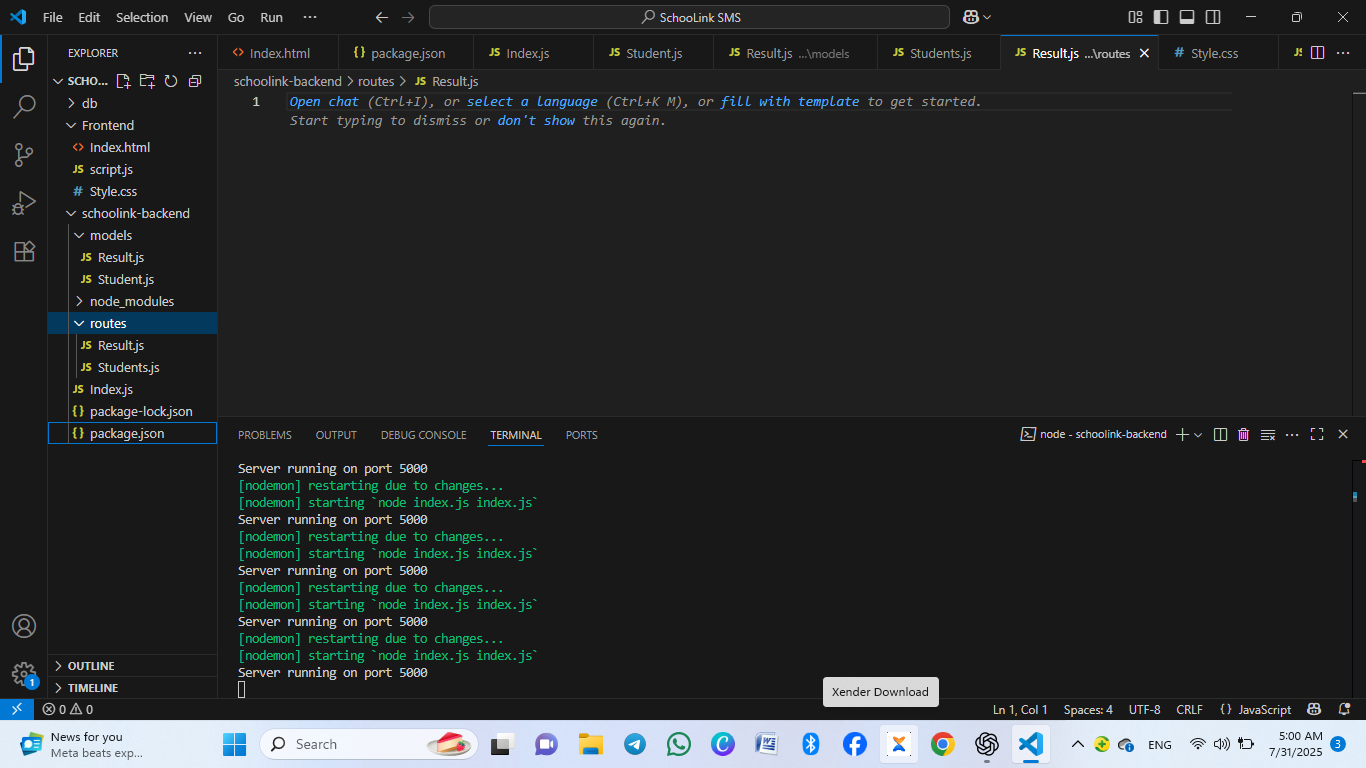
- Use Express.js to build RESTful APIs
- Connect a frontend to a local backend using only LAN/WiFi
- Handle data storage without relying on cloud infrastructure
- Think from a user-centered perspective — teachers, admins, parents
I also gained practical experience working with:
- Low-power computing concepts
- Data privacy in offline environments
- The limitations of rural tech infrastructure
🛠️ How I Built It
Tech Stack:
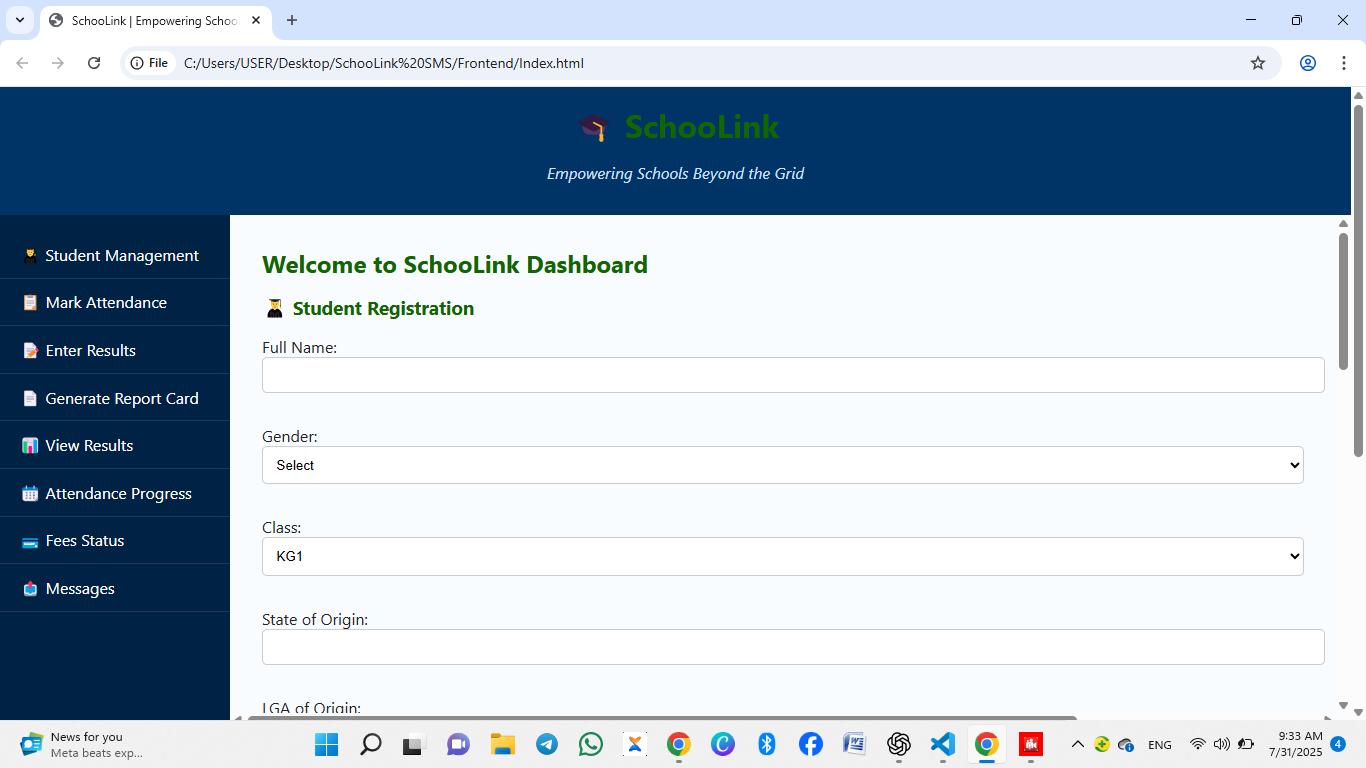
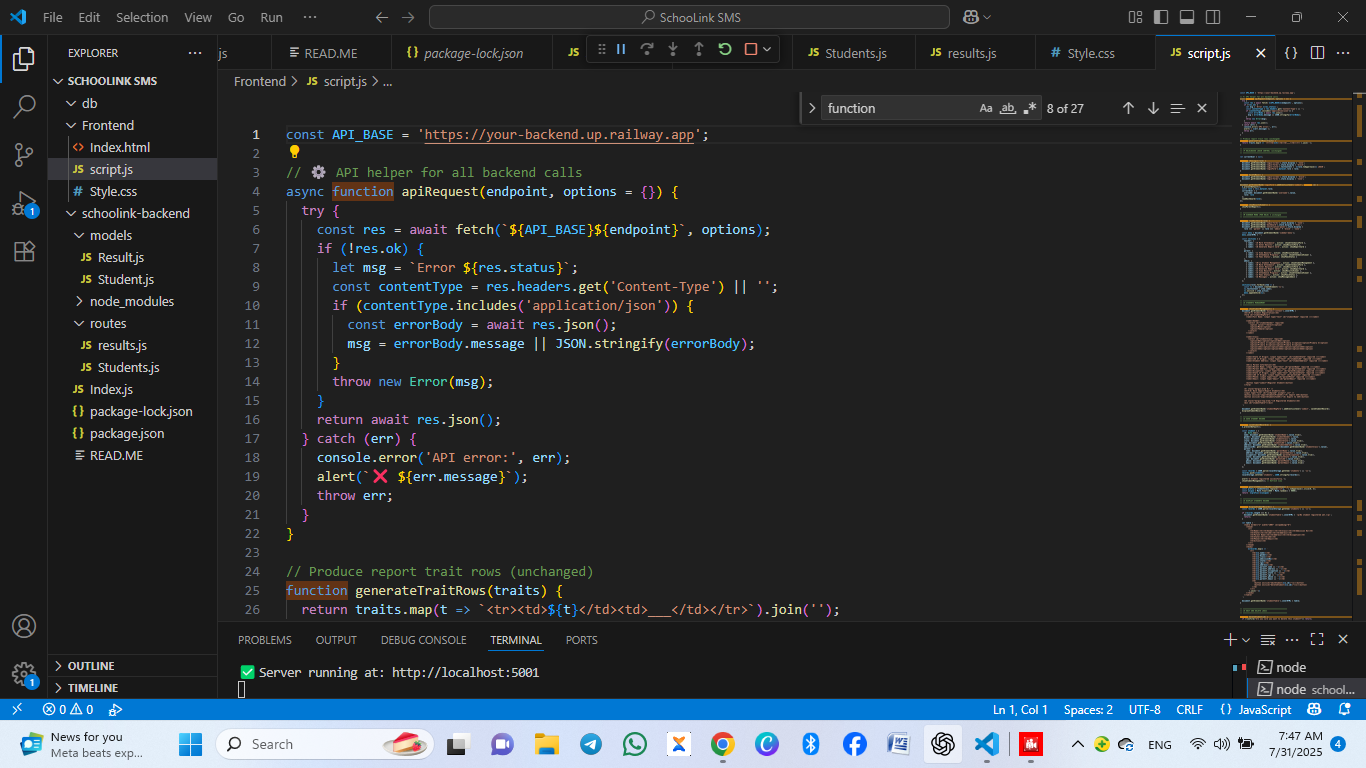
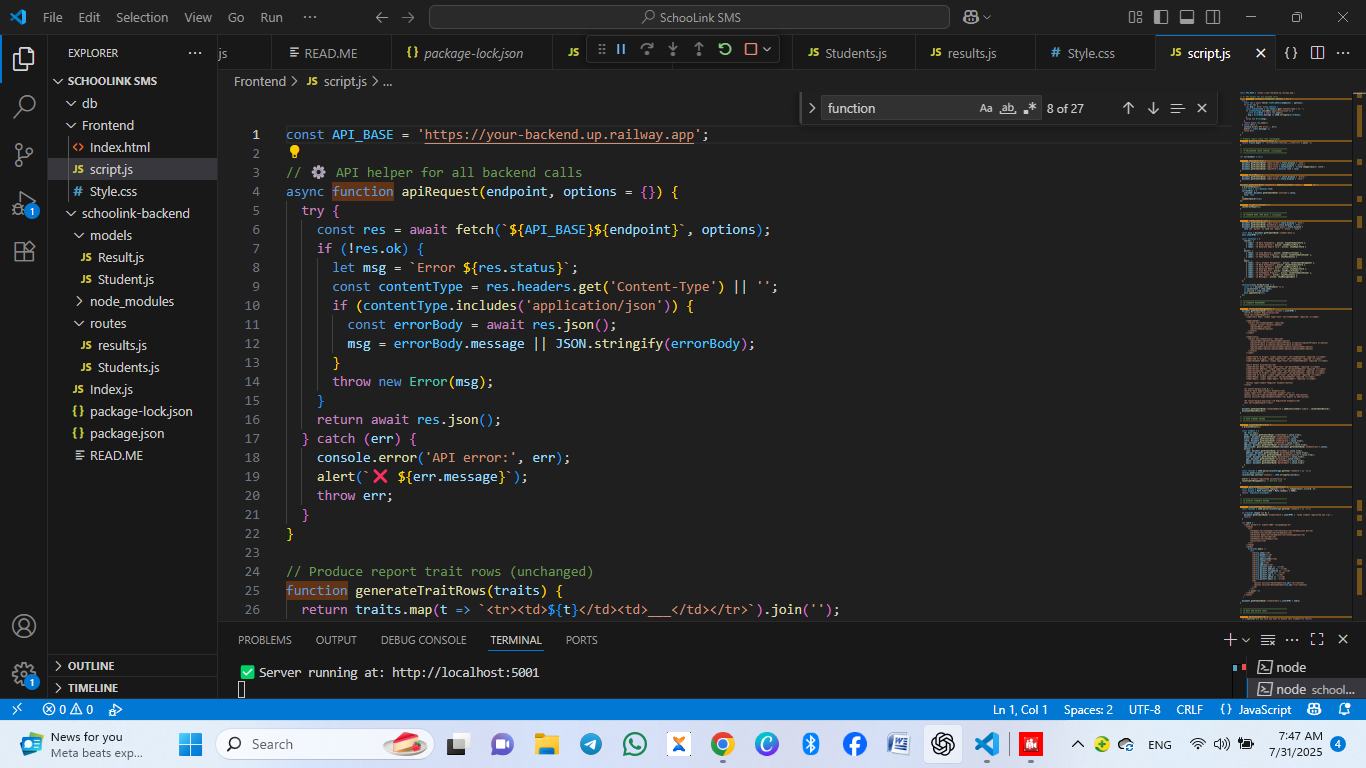
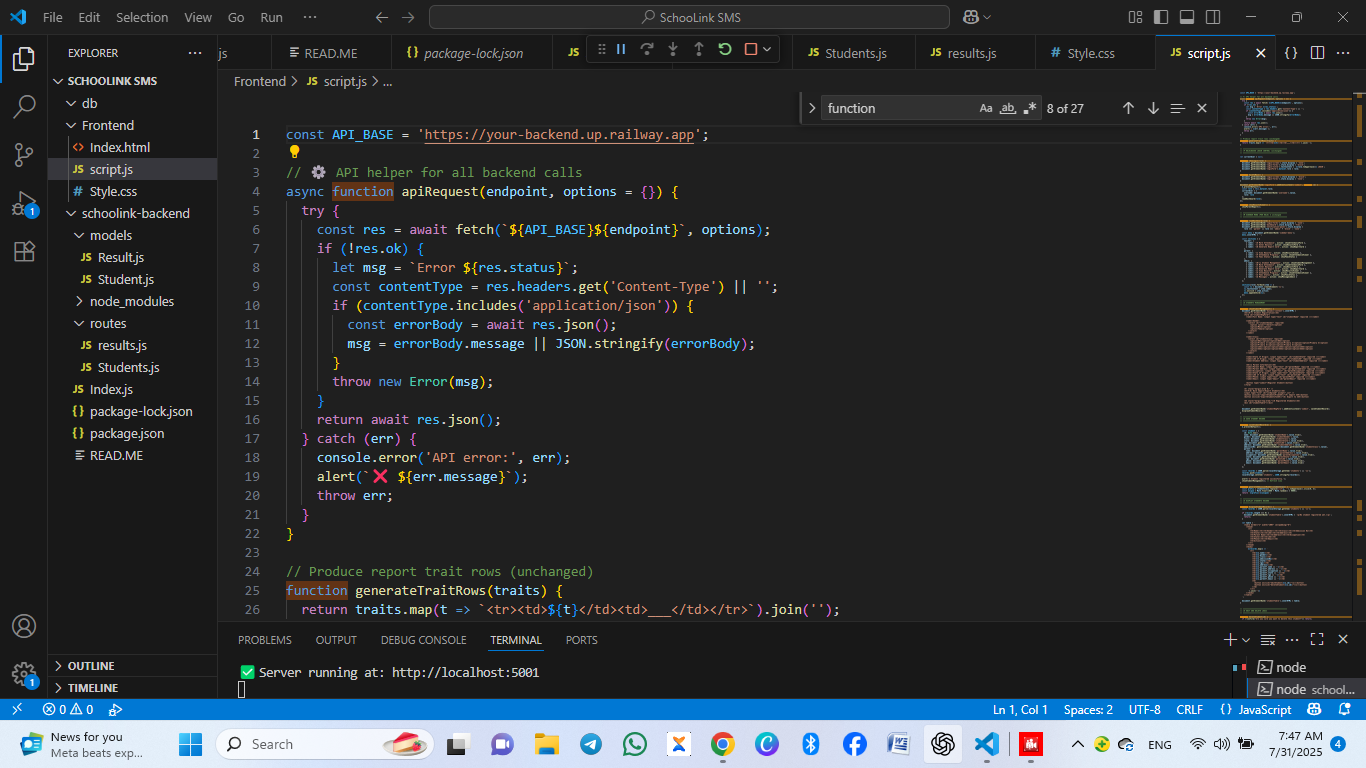
- Frontend: HTML5, CSS3, JavaScript
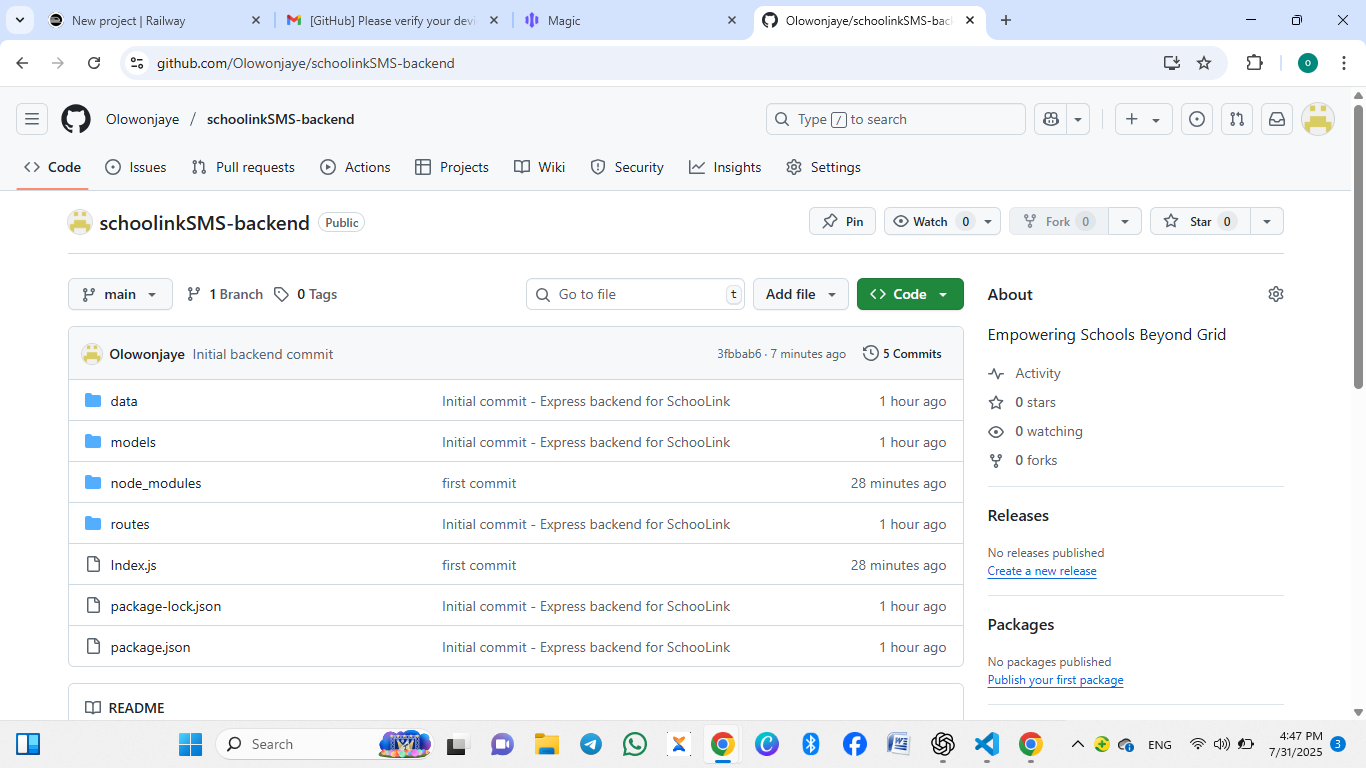
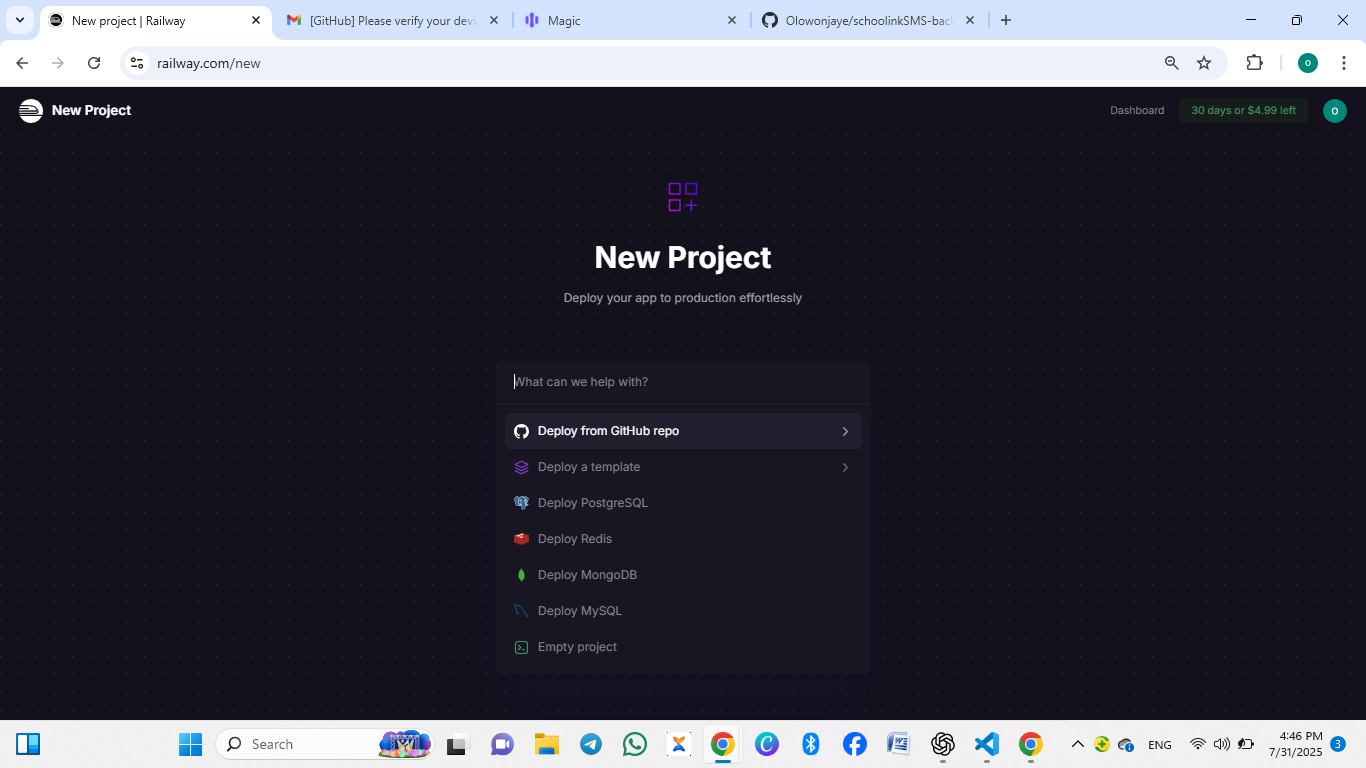
- Backend: Node.js, Express.js
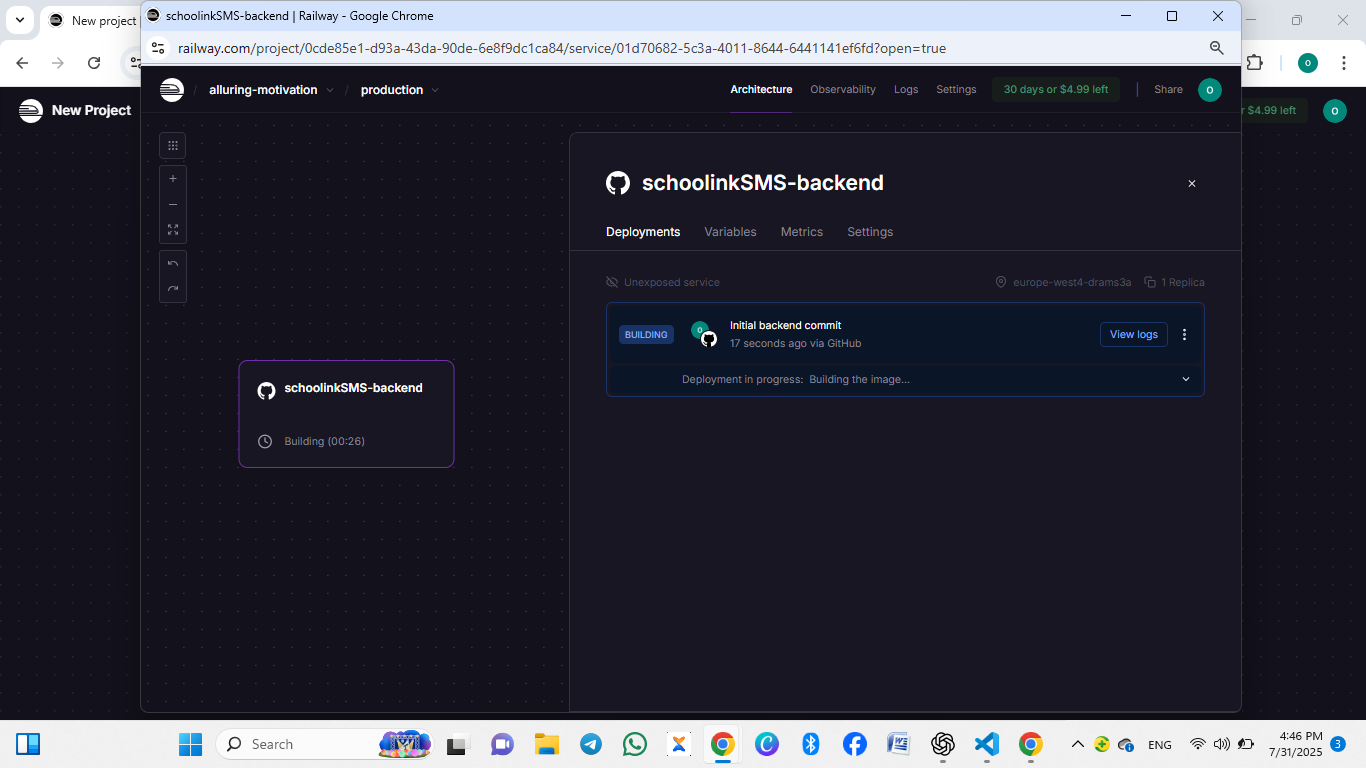
- Database: SQLite (local, lightweight), MongoDB (Cloud storage for backup)
- Hardware Target: Mobile devices and mini computers
Core Features:
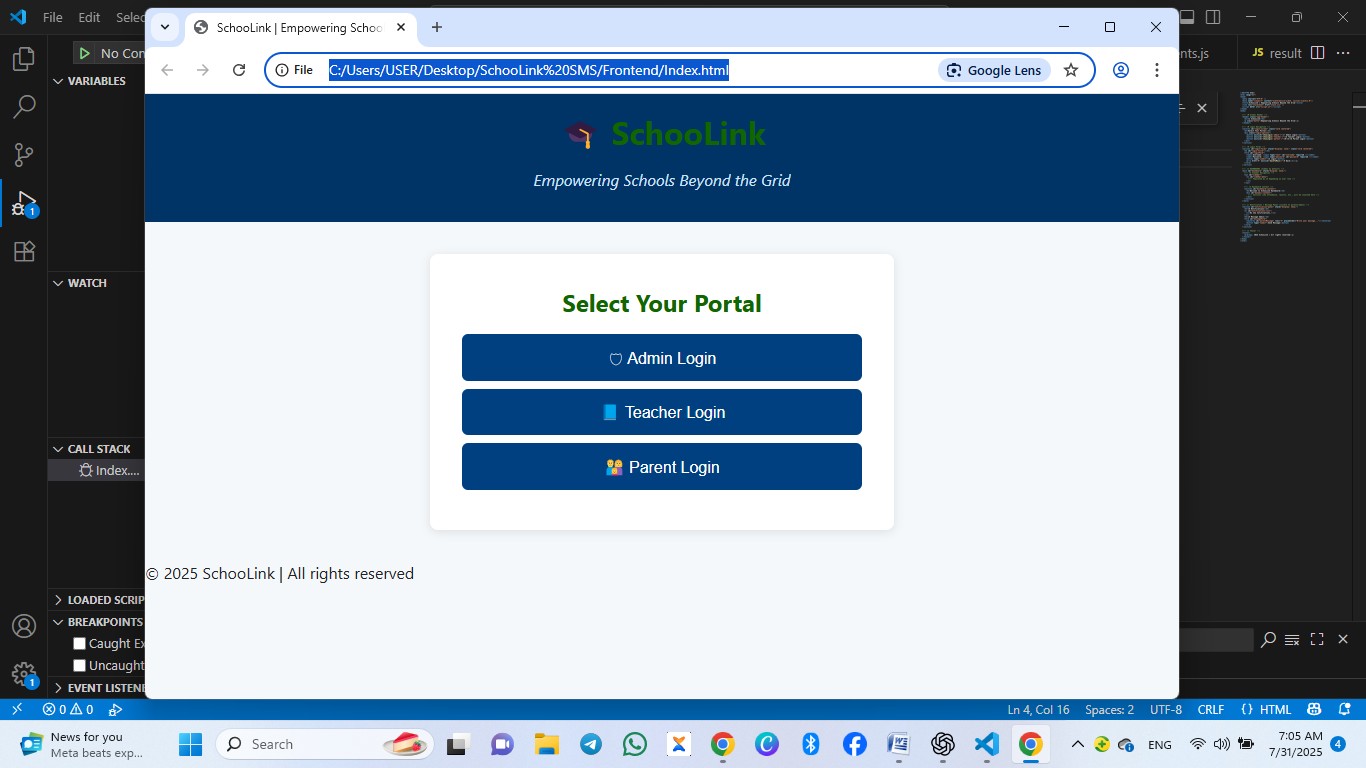
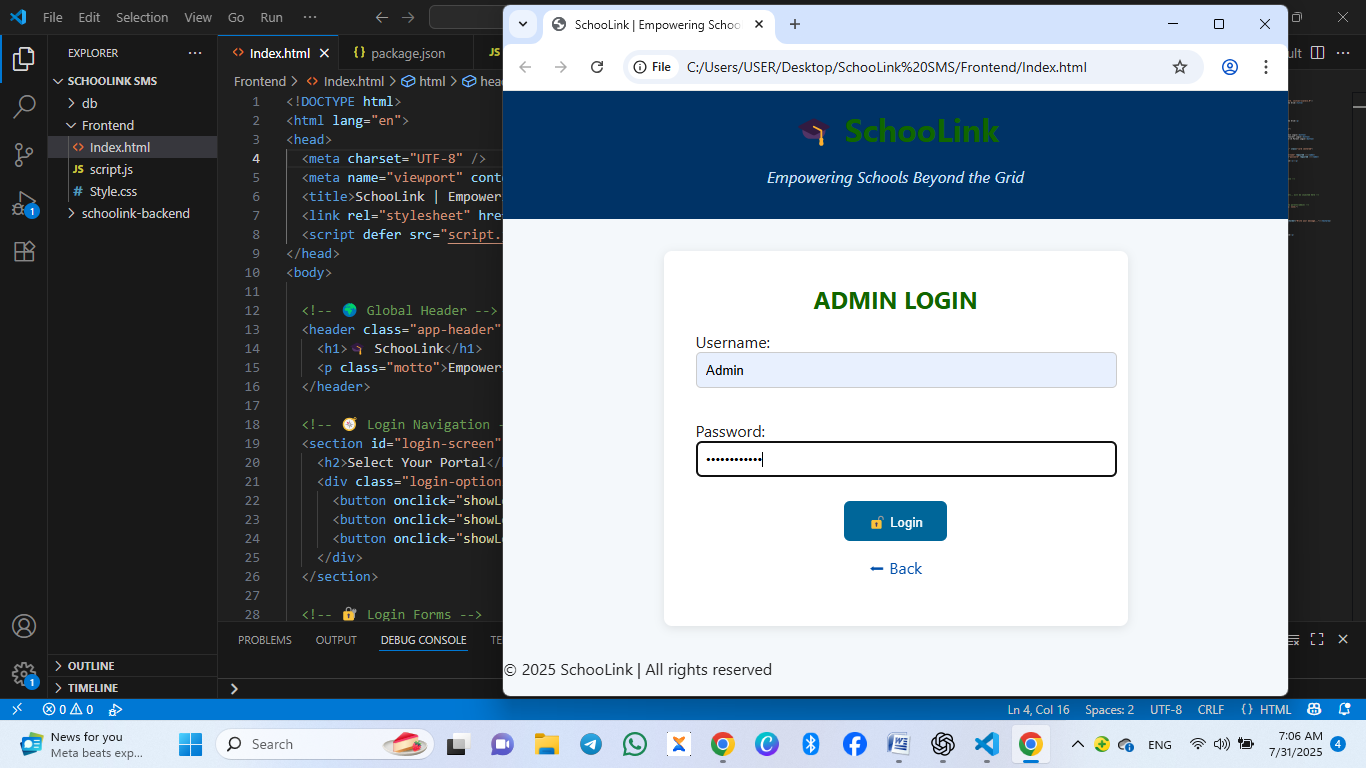
- Admin, Teacher and Parent role-base login
- Student registration
- Result input and report card generation
- Class register and attendance progression
- Fee Management Dashboard (Admin and Parents)
- Message Integration: Bridge communication gap between teachers and parents
- SMS notification module (in progress)
- Local data access via browser over LAN
- Etc
🚧 Challenges Faced
- 🔋 Offline limitations: Ensuring the system works fully with/without cloud syncing
- 🧩 Lightweight DB structure: Optimizing for mini devices
- 🧪 Testing in low-resource mode: Simulating real-world usage on low power
Despite these, the system now runs completely offline and is deployable in the most remote learning environments.
🌍 What’s Next
- Integrate SMS gateway for automated parent updates
- Create a mobile-first interface
- Add multi-language support (e.g., Hausa, Swahili, Arabic)
- Partner with NGOs and local governments for field trials
“With every line of code, I script a future where Africa rises — not just as a continent of dreams, but as a builder of destinies.”

