-
-

Schoolarc Icon
-
-
-
-
-
-
-
-

Inspiration
I love organisation. I'm also a student, and I felt I wasn't really having a good time organizing my homework and exams. I used Google Calendar for exams and physical notebook for homework, later replacing it by some TODO apps. However, it always felt pretty messy, as i never had all things in one place. I began my search for an app that would do it all, while also having a nice design. At this point, I had pretty high requirements. I couldn't find a perfect app, so I decided I would build my own.
What it does
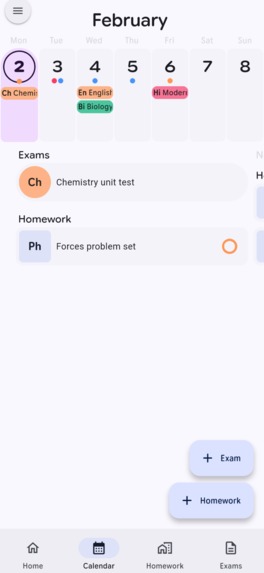
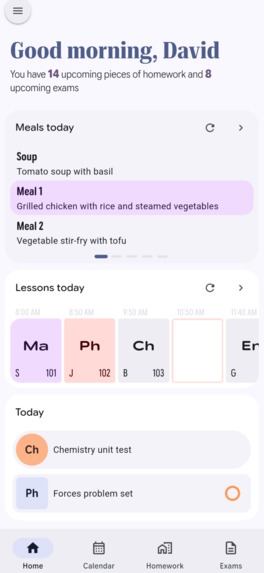
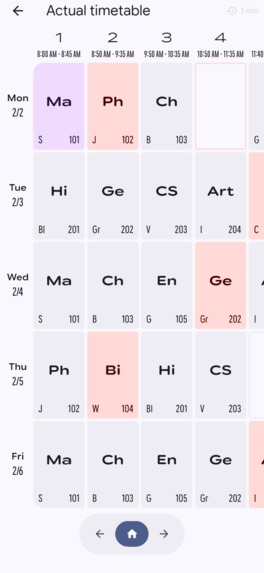
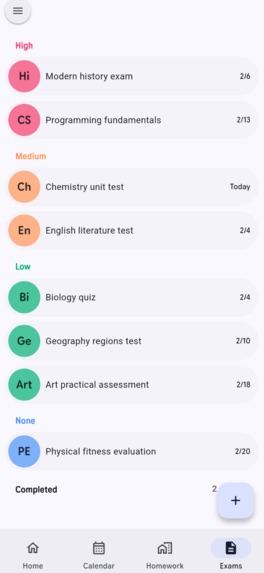
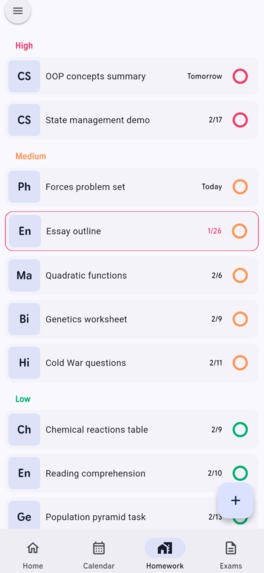
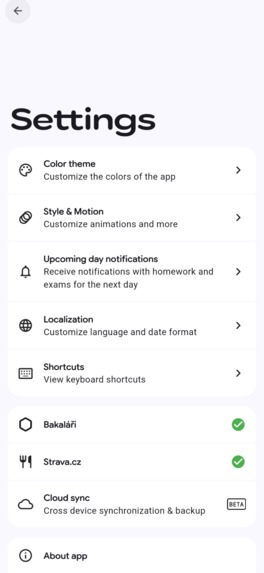
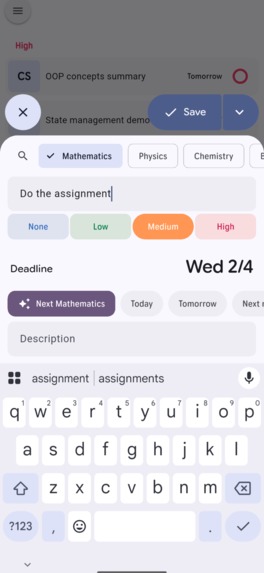
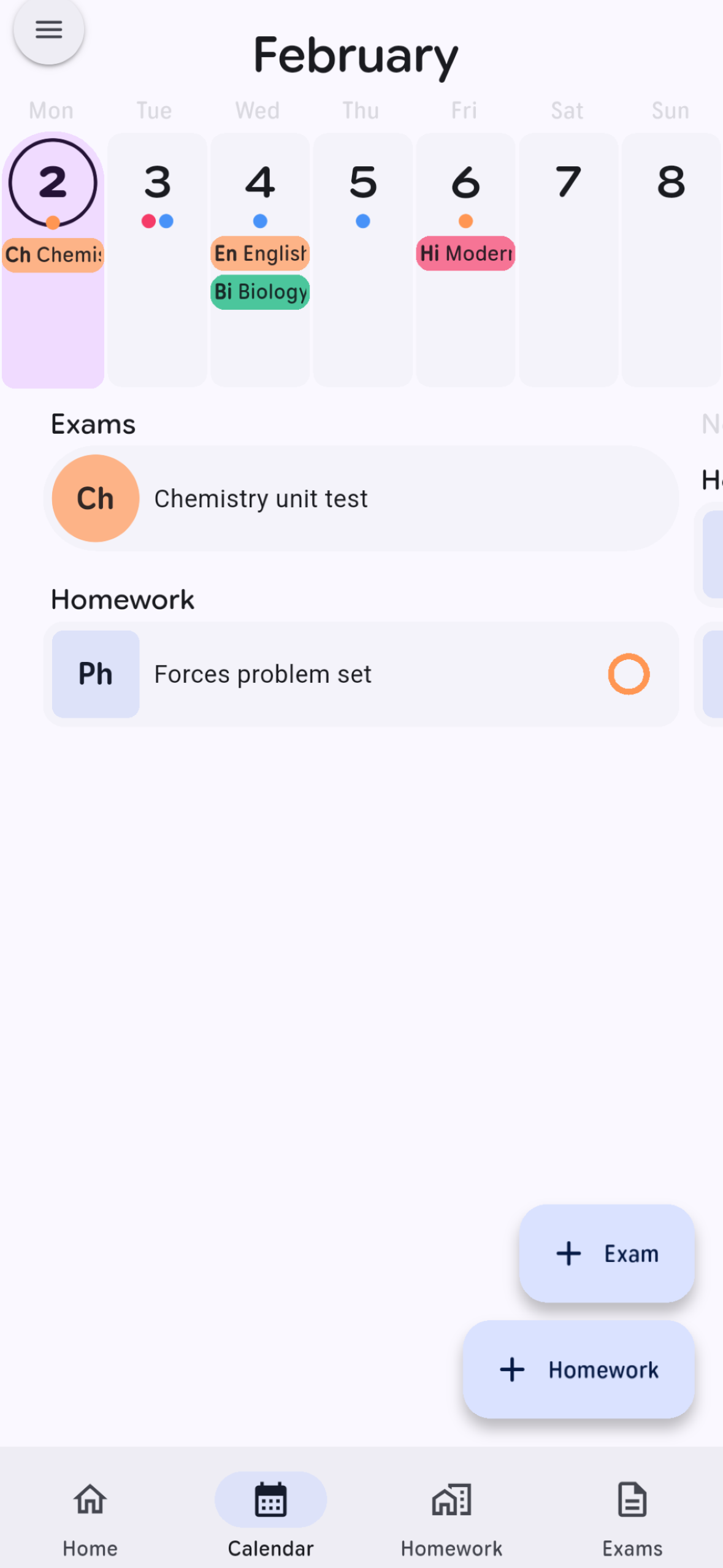
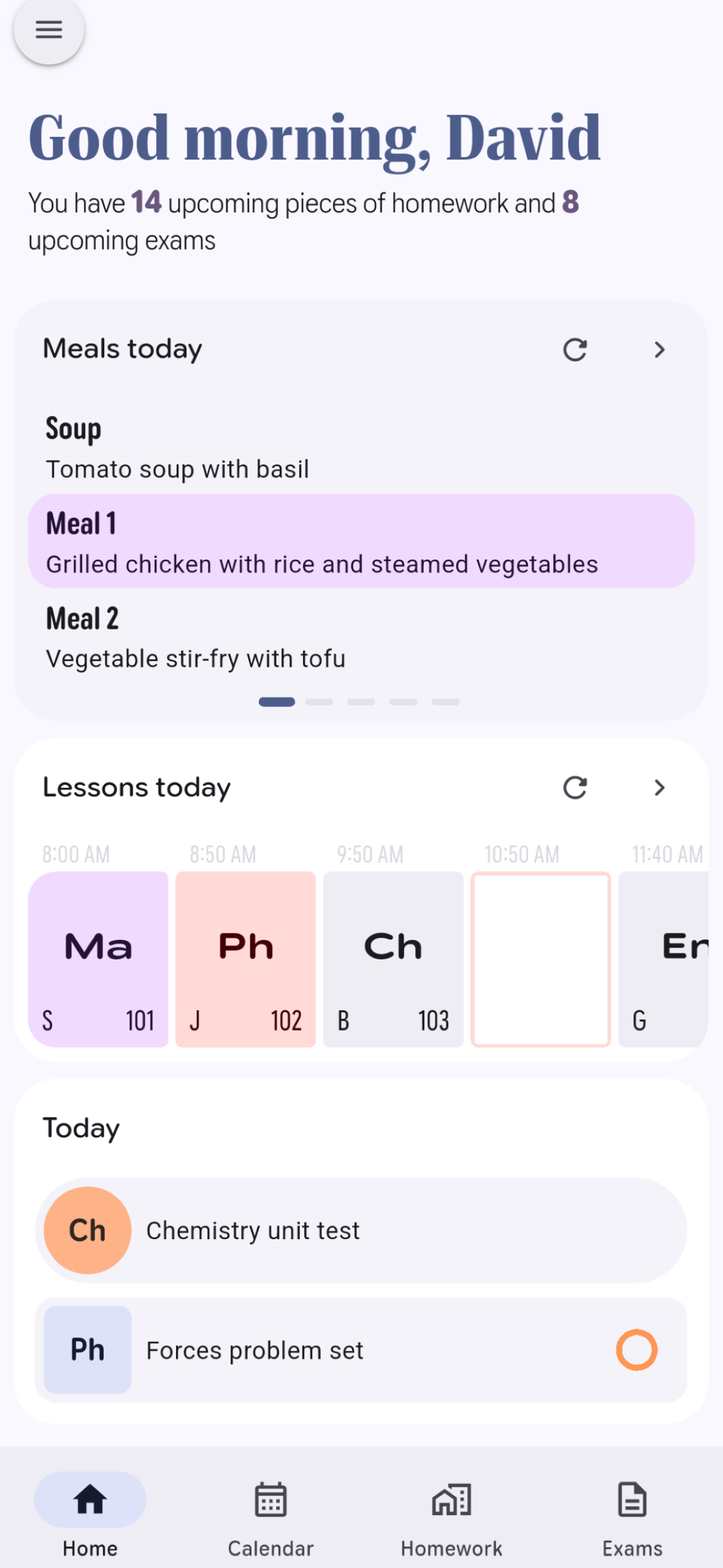
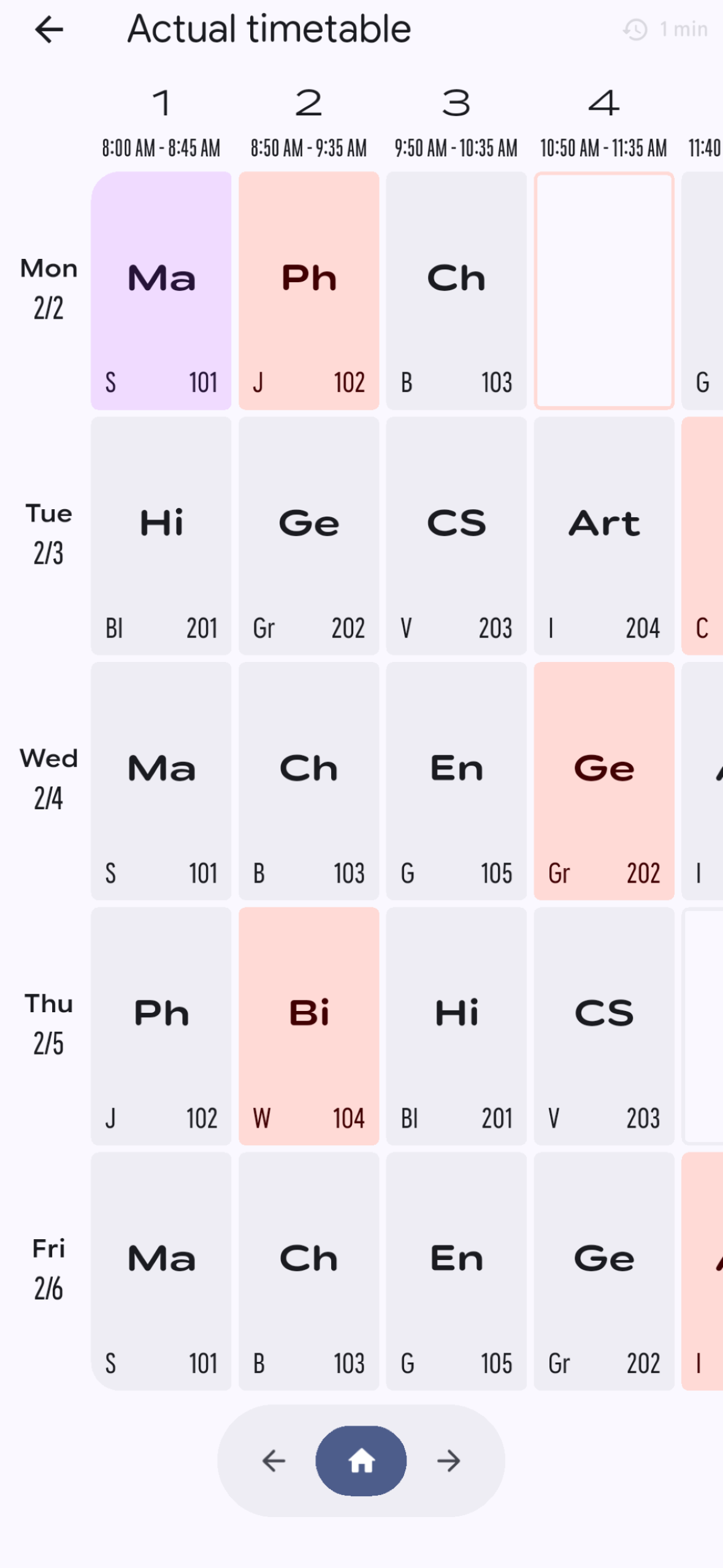
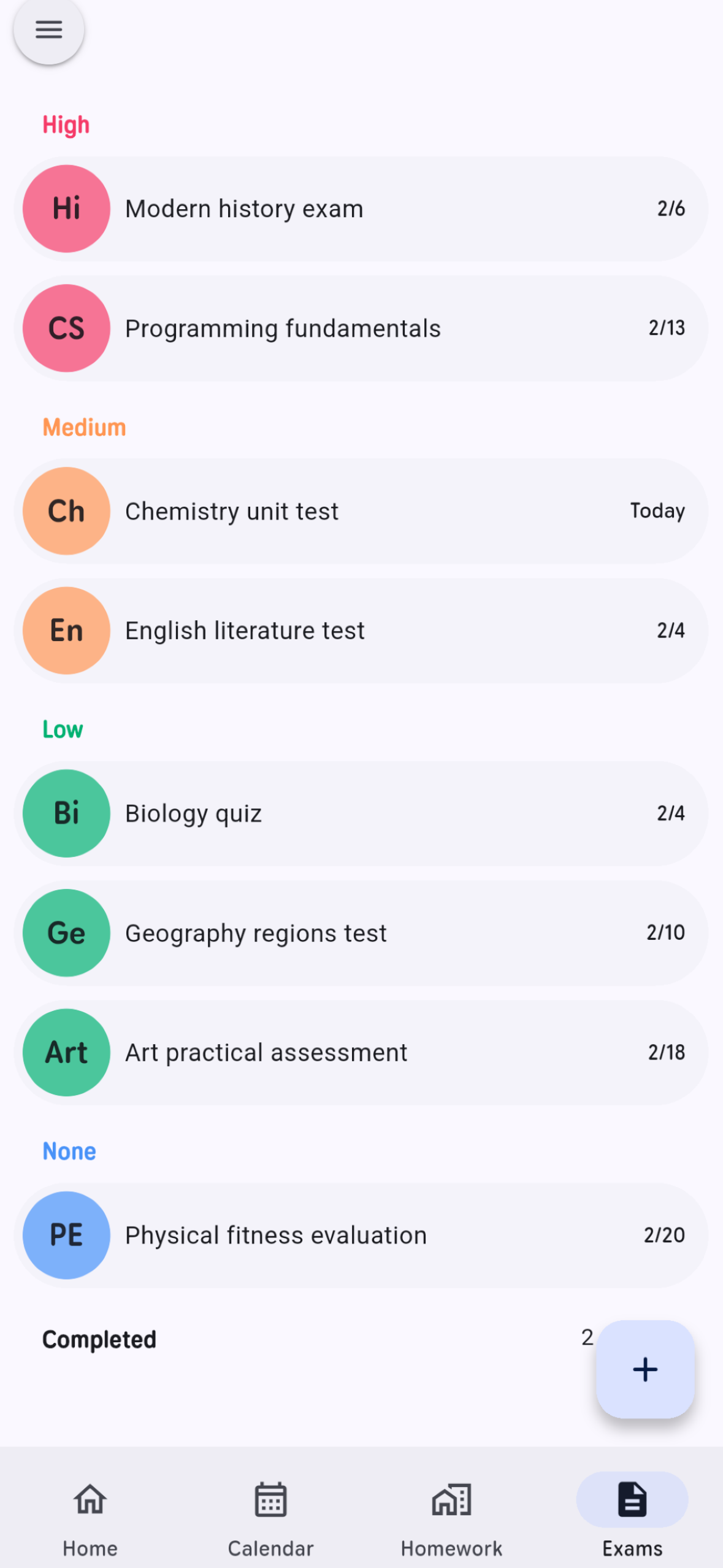
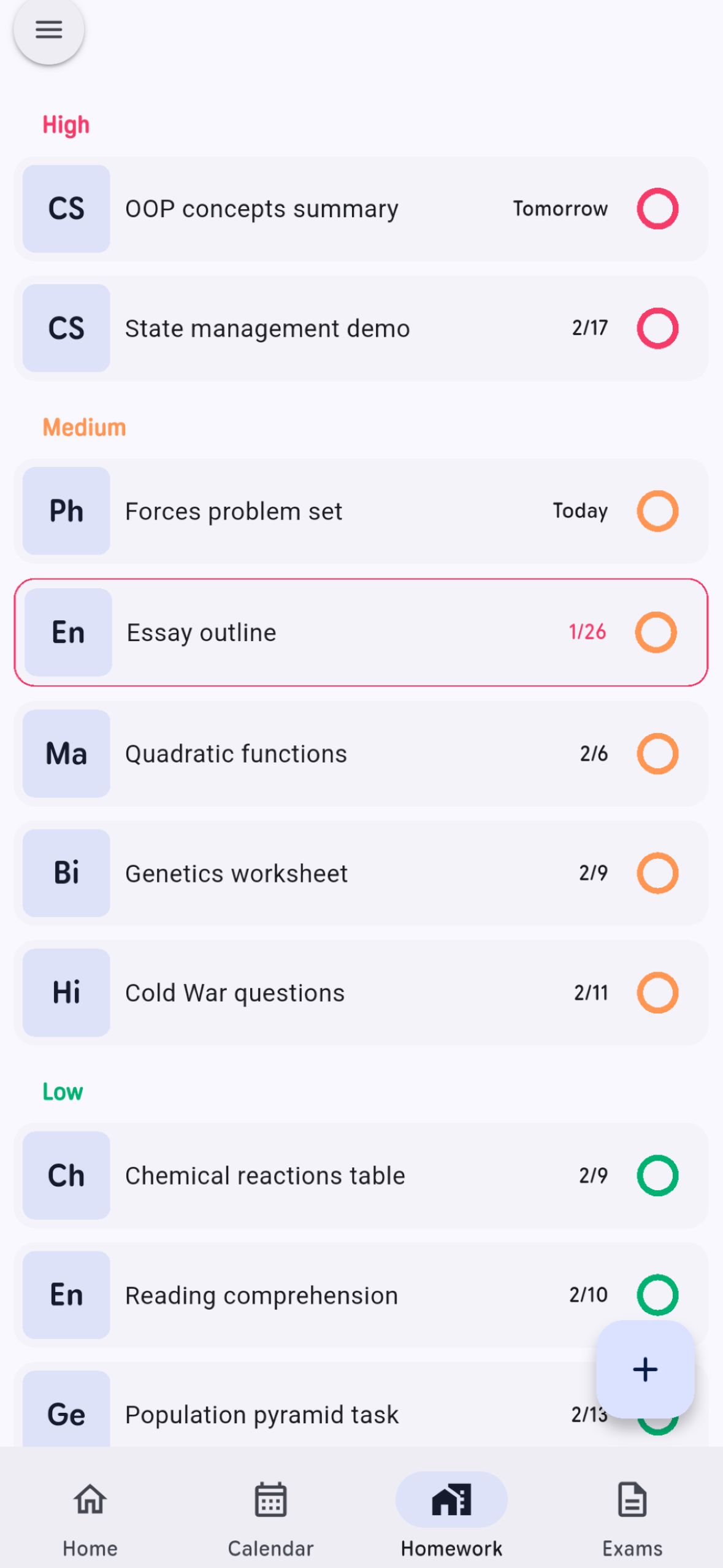
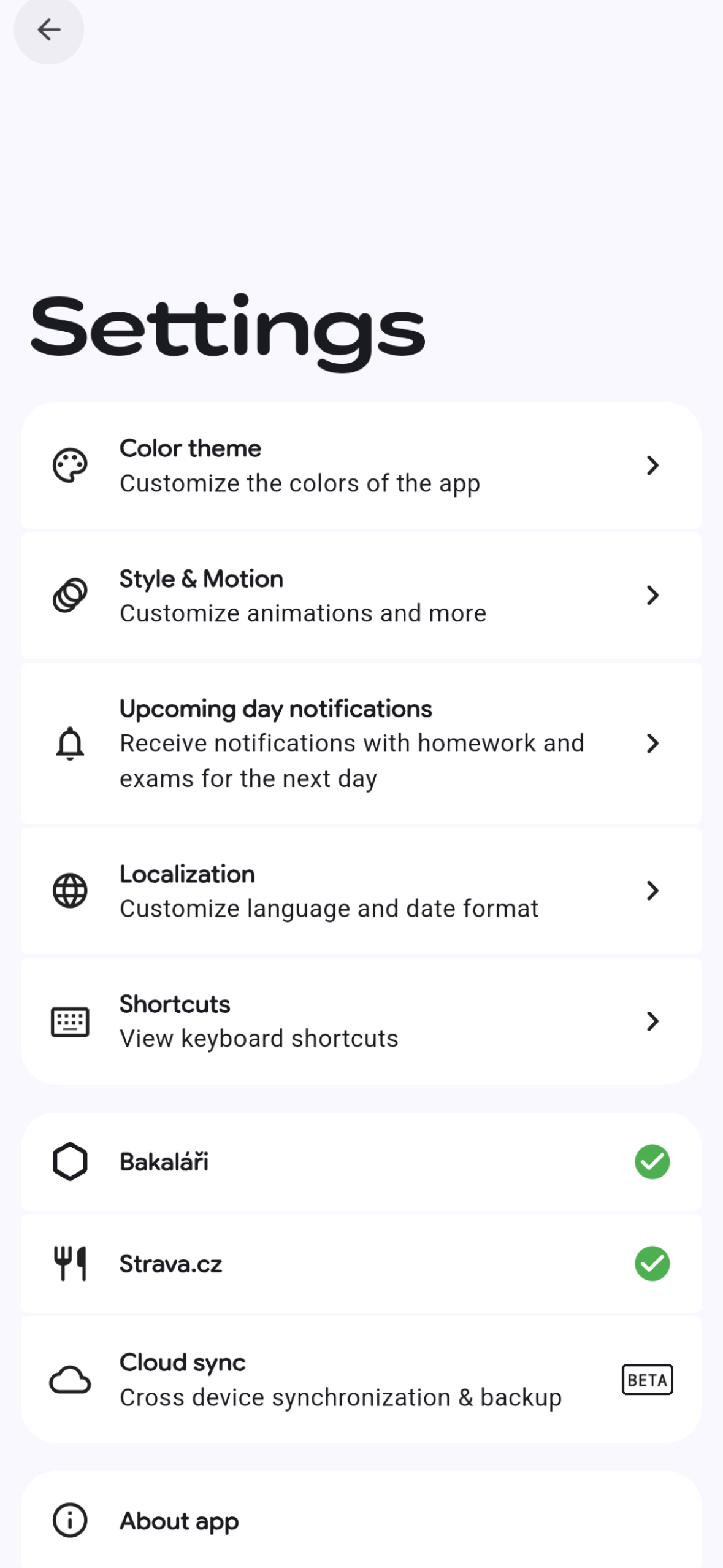
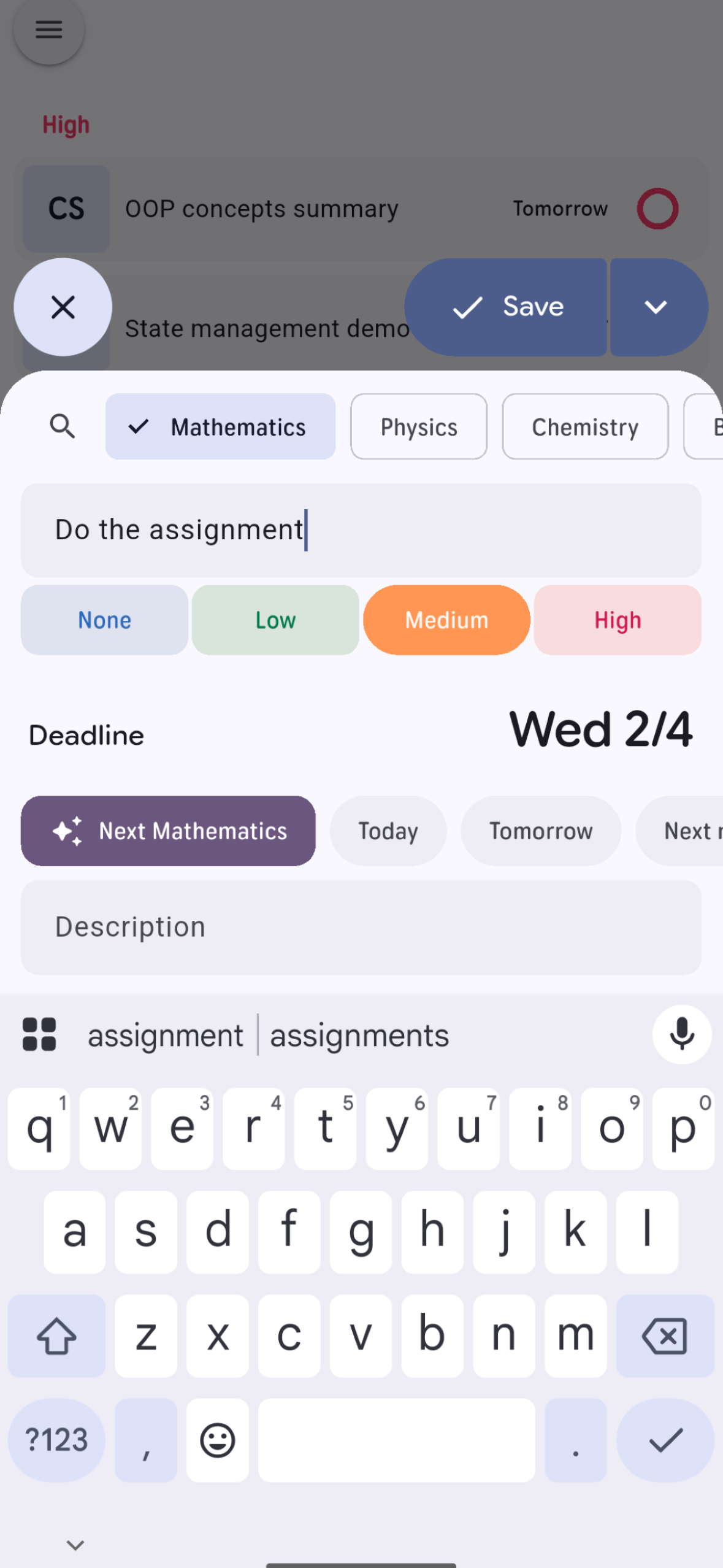
The main requirement for the app were to be able to differentiate between a piece of homework and exam, while having them appear at the same place. Other requirements included having support for 4 priorities, saving subjects and then easy assigning of the subjects to the homework and exams, having timetable support, android homescreen widgets, etc. Another thing Schoolarc does is connecting with the Czech school system Bakaláři. That integration enables the user to import their subjects, timetable, but also view the homework assigned by the teacher and easily add it or view the changes in their timetable, such as substitutions or canceled lectures.
How we built it
I built Schoolarc using Flutter. While it wasn't the first time I opened a file of code, Flutter was the first time I learned a mobile framework. I chose Flutter because of its multiplatform capatibilities and I enjoyed every step of learning it. Schoolarc is the project I learned Flutter on, so I sometimes had to rewrite whole parts of the app as I gained some new knowledge about the framework.
Challenges we ran into
Pretty fun (well not fun when I was coding it) challenge was syncing the order of the homework and exams between devices. I have rewritten that whole part 4 times, going from saving all the tasks in a list to having double-indexed ordering. Double-indexed ordering was truly the best solution to this problem and I'm really proud of it.
Accomplishments that we're proud of
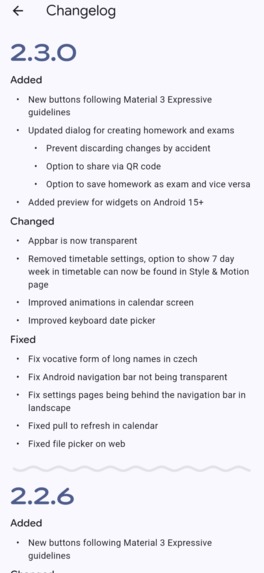
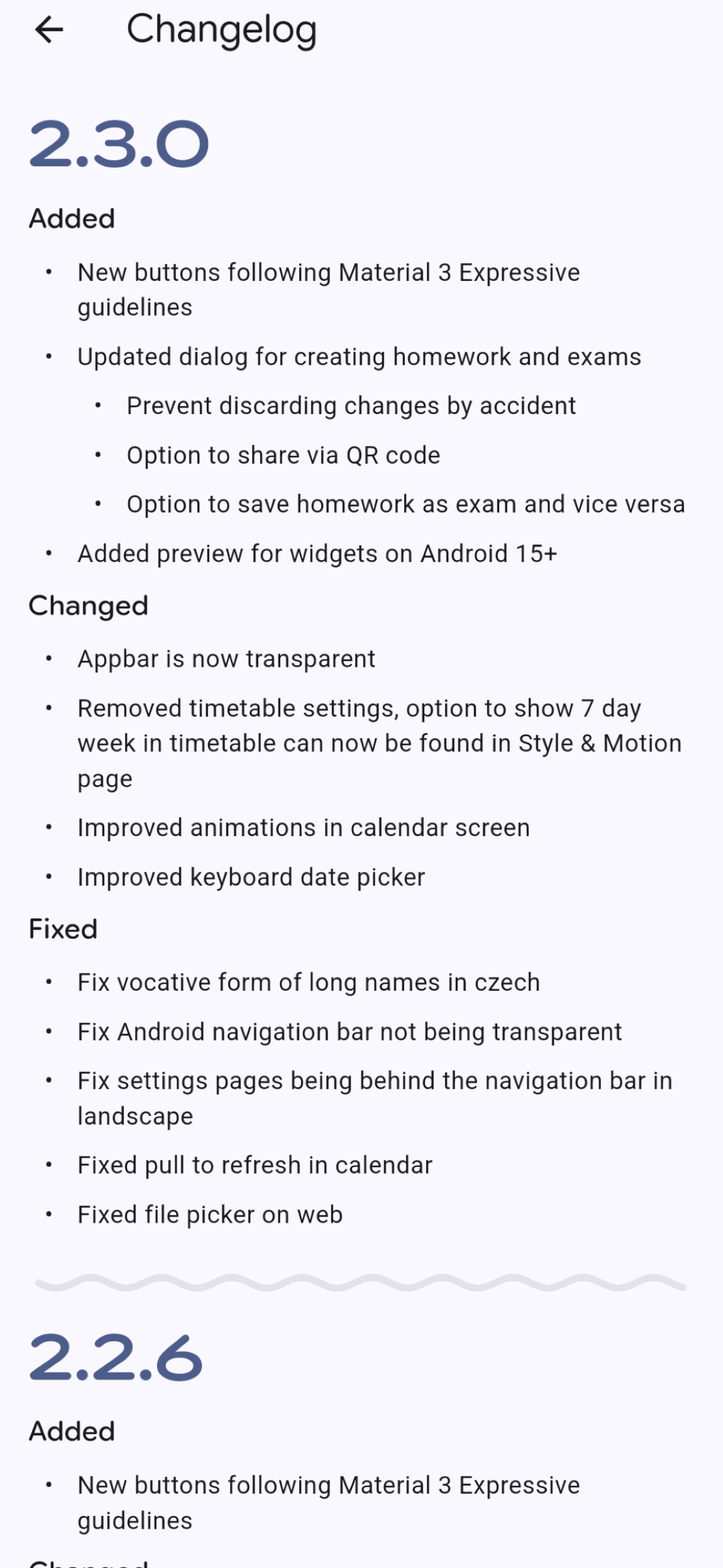
Another achievement I'm really proud of is the UI and UX of Schoolarc. It tries to follow the Material 3 Expressive guidelines, which allow the designer to have a freedom in customizing not only the colors and shapes, but also motion. Flutter not supporting Material 3 Expressive fully compeled me to create some elements myself or use packages others have built.
What we learned
Building Schoolarc gave me so much - from learning Flutter and some basic coding practices from the ground up, to designing store assets to managing http requests.
What's next for Schoolarc
Schoolarc is now released on Google Play, but that version doesn't contain any paid features, duw to the legal complexity of providing paid services in the EU. If Schoolarc has some success, I would love to release it on iOS App Store as well, which would probably be pretty painful process due to the yearly reccuring fee of 99 USD and the necessity of having a Macbook. Both of these aren't really affordable for me.

Log in or sign up for Devpost to join the conversation.