-
-
Workplace
-
Dashboard
-
Resource Research
Inspiration
Casparel was inspired by a simple problem: students have access to more educational content than ever, but finding trustworthy material and knowing what to study next is still difficult. Teachers also need better ways to understand student progress without relying only on grades.
What it does
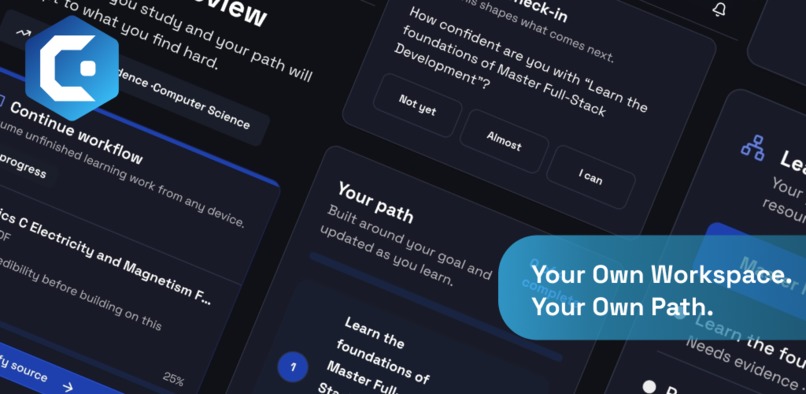
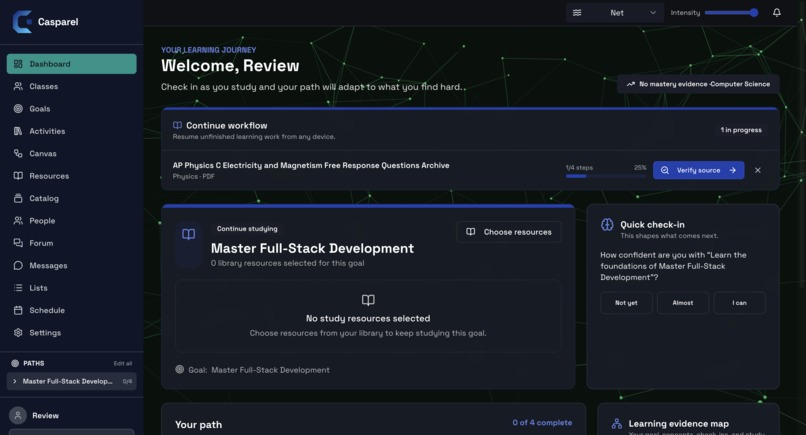
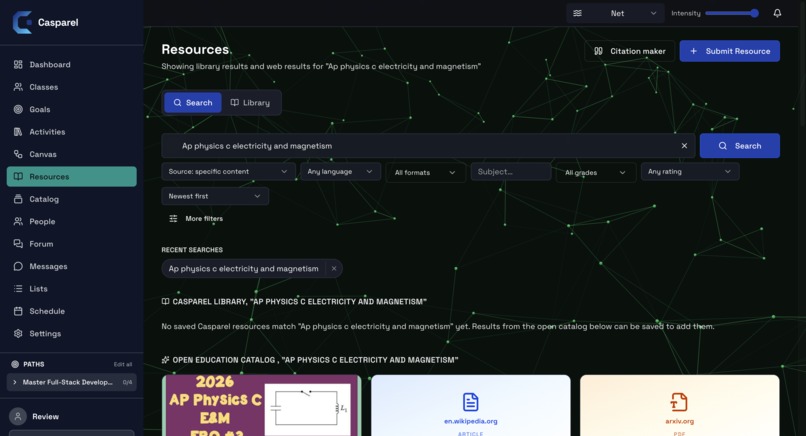
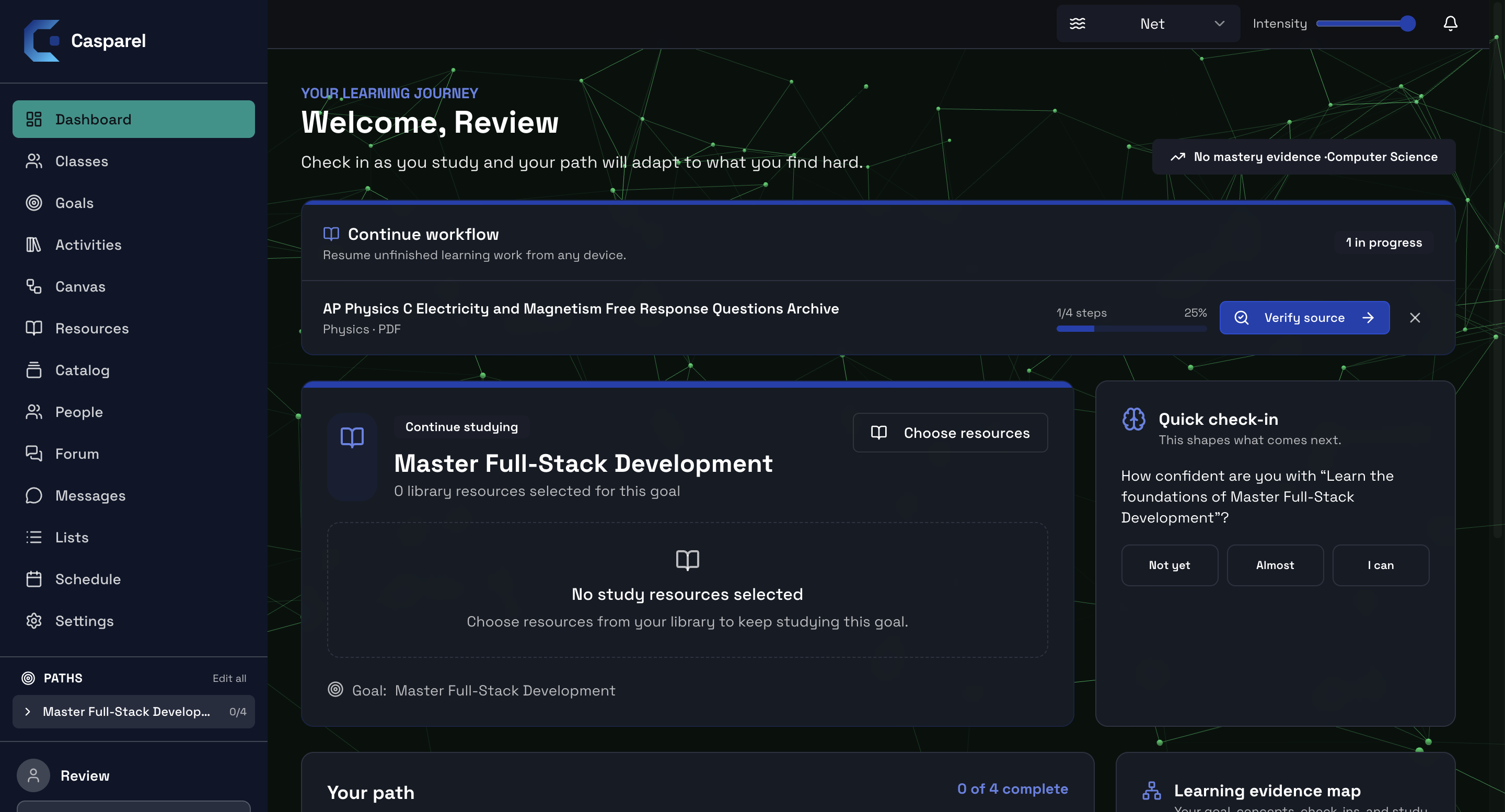
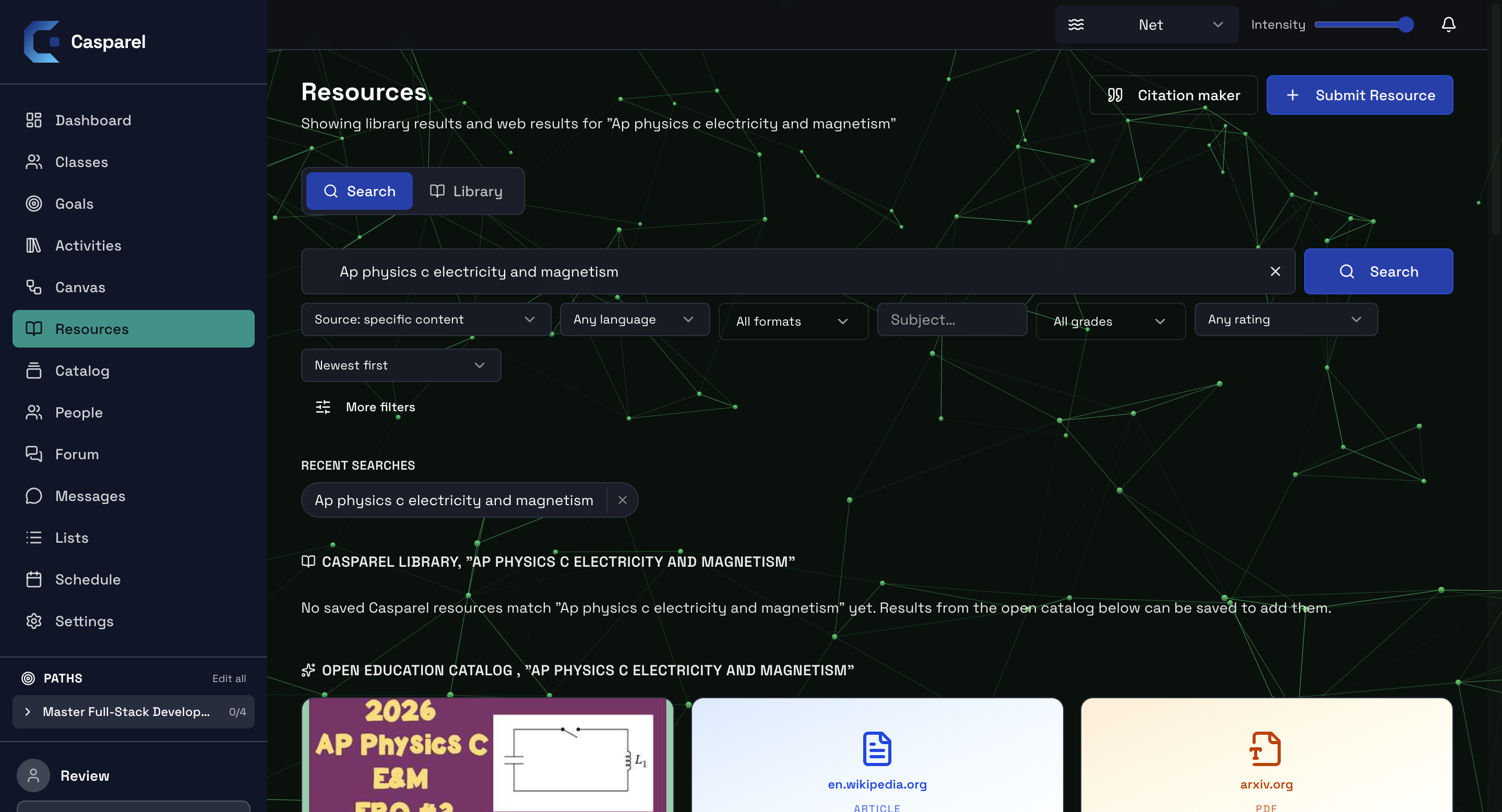
Casparel is an adaptive learning and education community platform. Students can create learning goals, build study paths, track progress, find and save resources, participate in classes, and continue studying with selected library materials. Teachers can monitor learning evidence, support students, approve resources, and manage classes. Casparel also includes an educational forum for sharing materials, posts, surveys, comments, and recommendations.
How I built it
I built Casparel as a full-stack TypeScript monorepo. The frontend uses React and a reusable component system, while the backend uses Express with PostgreSQL for persistent data. Supabase provides the hosted database, OpenAI supports resource research and content moderation, and Hostinger runs the production application. I designed role-based experiences for students, teachers, parents, and administrators.
Challenges I ran into
My biggest challenges involved deploying a large workspace-based application, handling native package permissions, connecting the production database, and debugging authentication errors. I also had to balance useful AI features with strict cost limits. Creating consistent permissions, translations, theme contrast, search quotas, and moderation behavior across every role required careful iteration.
Accomplishments that I'm proud of
I am proud that Casparel grew beyond a basic resource finder into a working learning ecosystem. It combines adaptive goals, progress evidence, class insights, resource discovery, library-based study continuation, community uploads, moderation, and administrative controls. I also successfully deployed the complete application and made its AI features affordable enough for an MVP.
What I learned
I learned that education technology must be explainable, accessible, and flexible. Recommendations are more useful when learners control the resources attached to their goals. I also learned that AI should support core workflows rather than replace them, especially when reliability, privacy, and cost matter.
What's next for Casparel
Next, I plan to strengthen moderation, improve multilingual coverage, expand class analytics, and add richer collaboration around resources and goals. I also want to introduce verified teacher approvals, better notifications, deeper progress insights, mobile optimization, and pilot programs with real students and educators.


Log in or sign up for Devpost to join the conversation.