
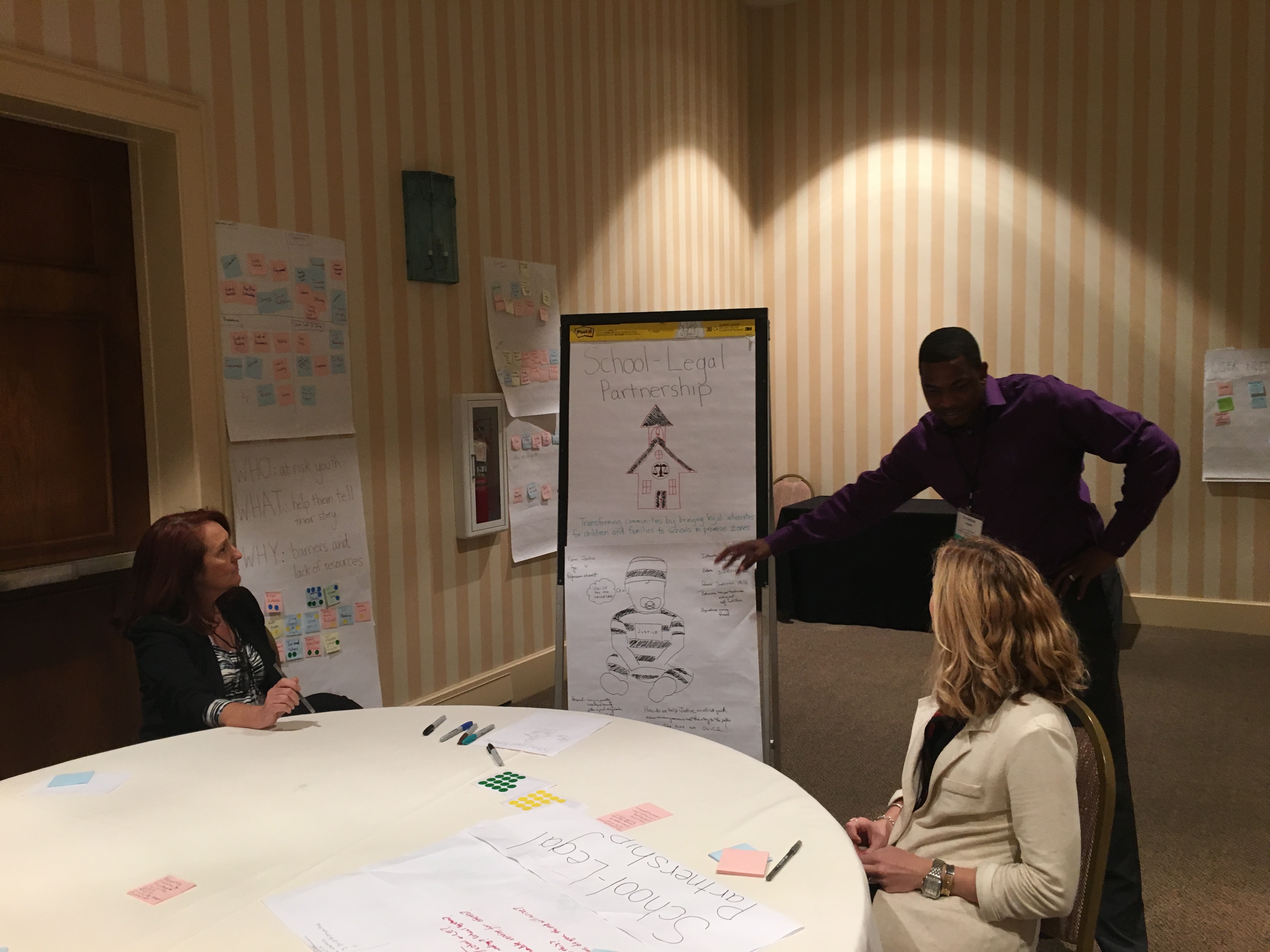
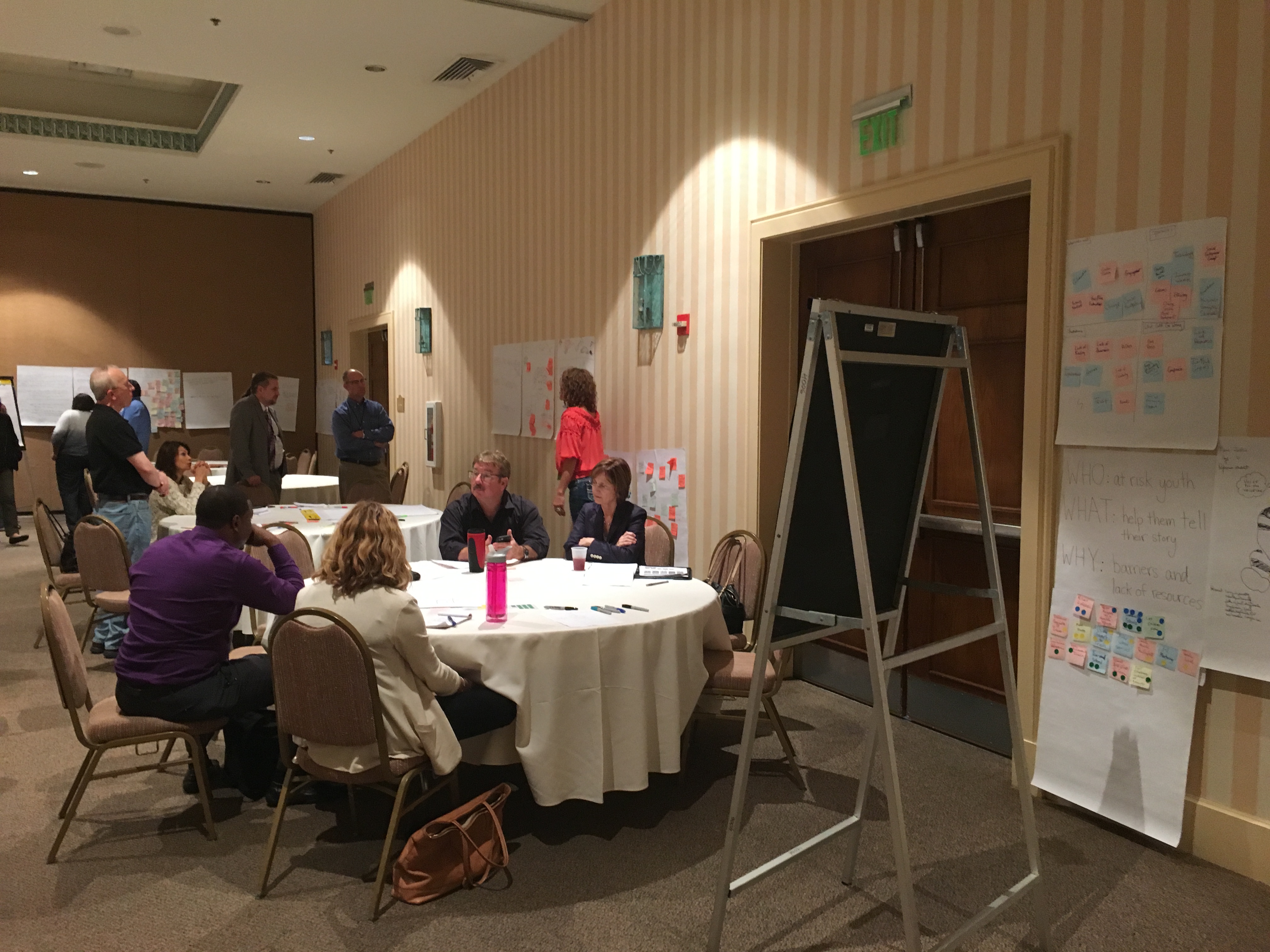
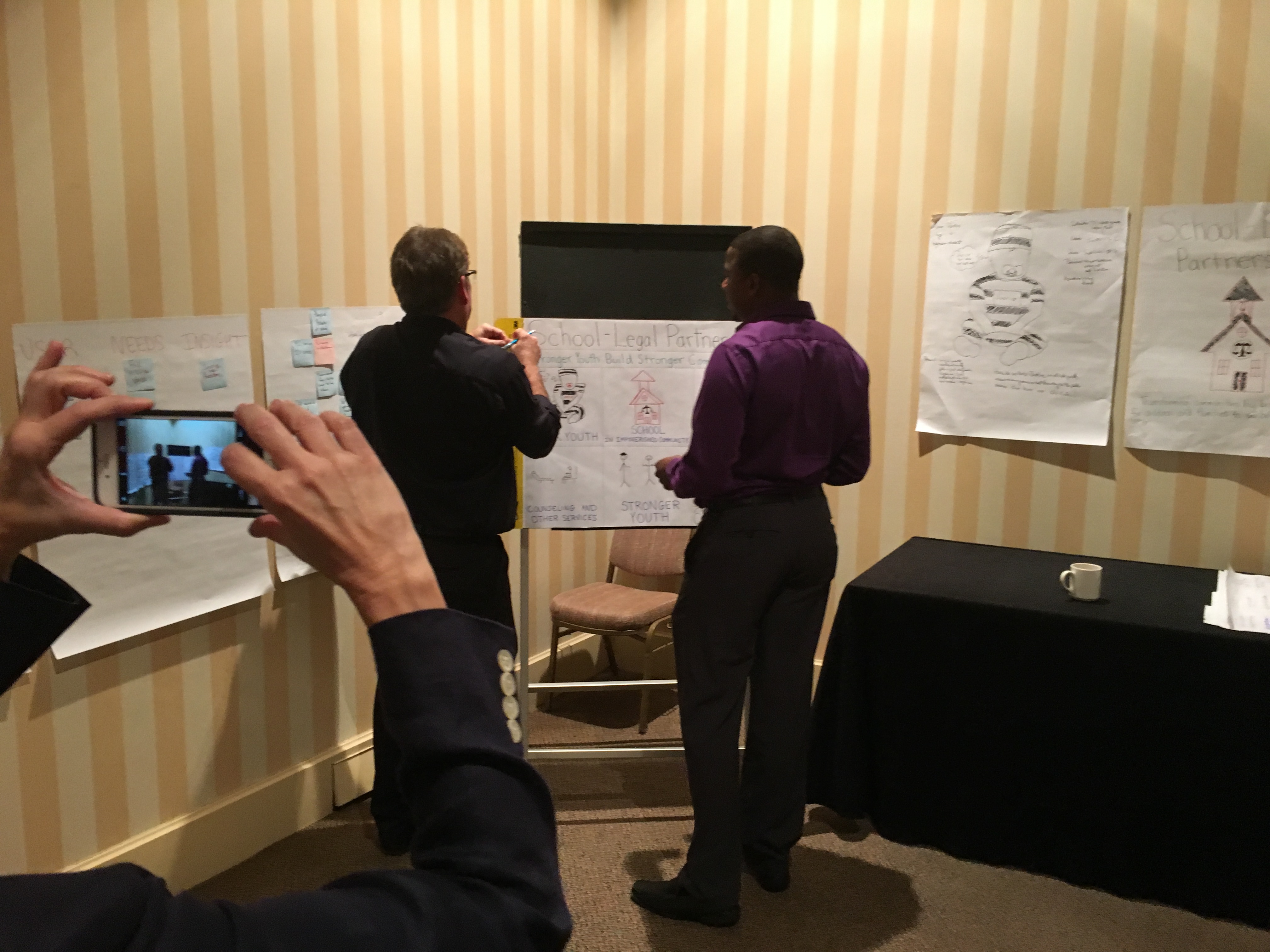
School-Legal Partnership: Stronger Youth Build Stronger Communities
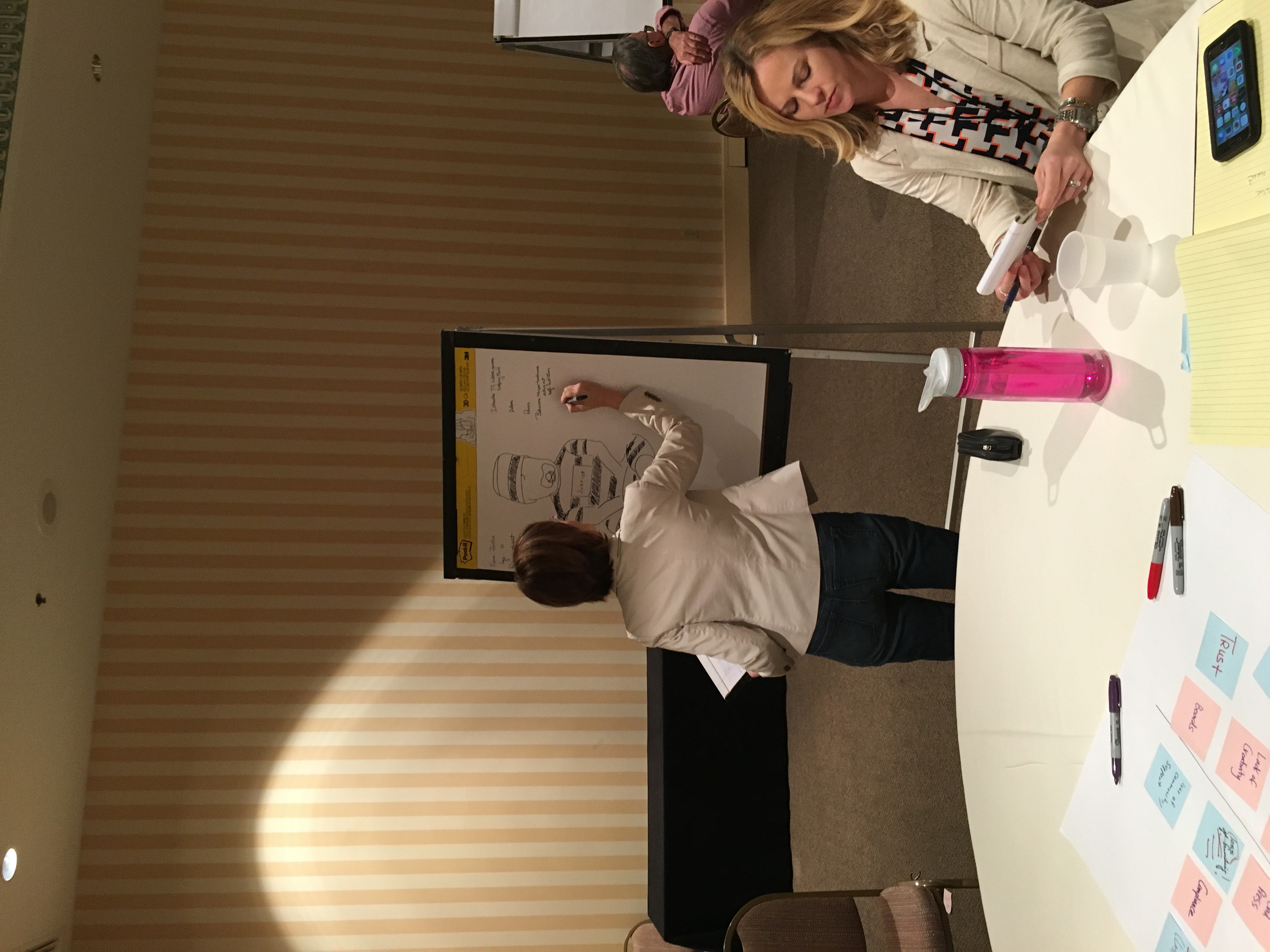
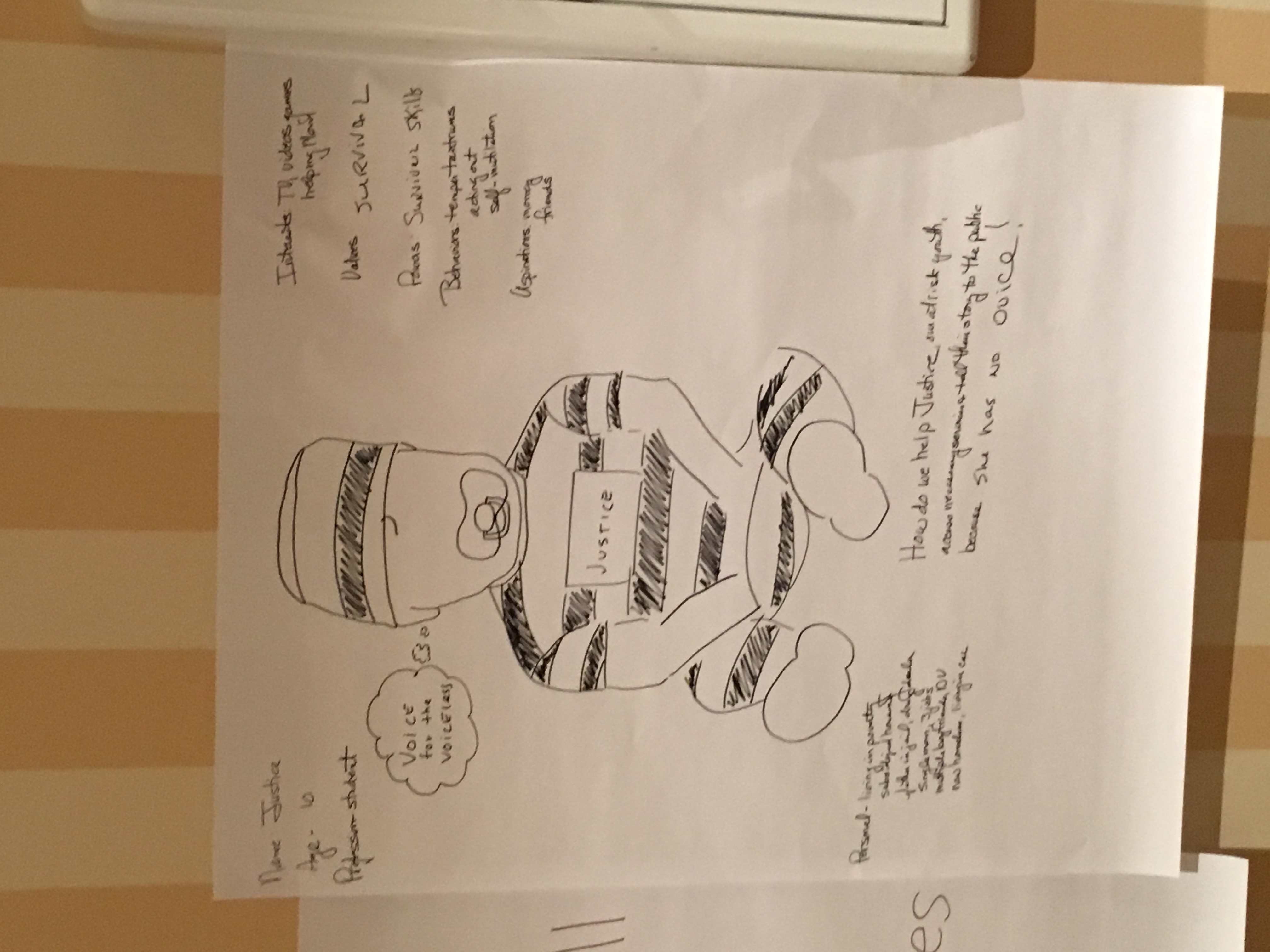
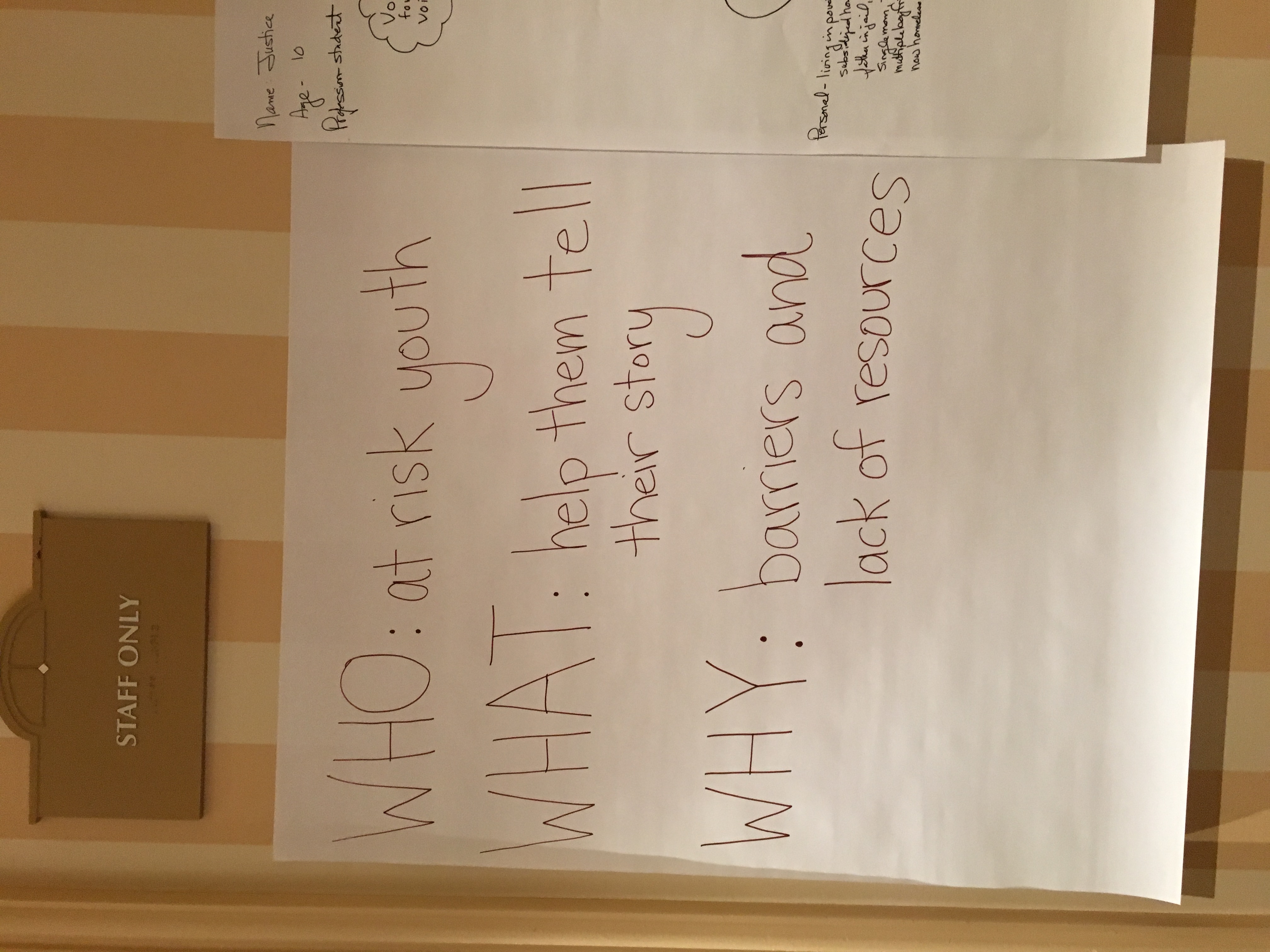
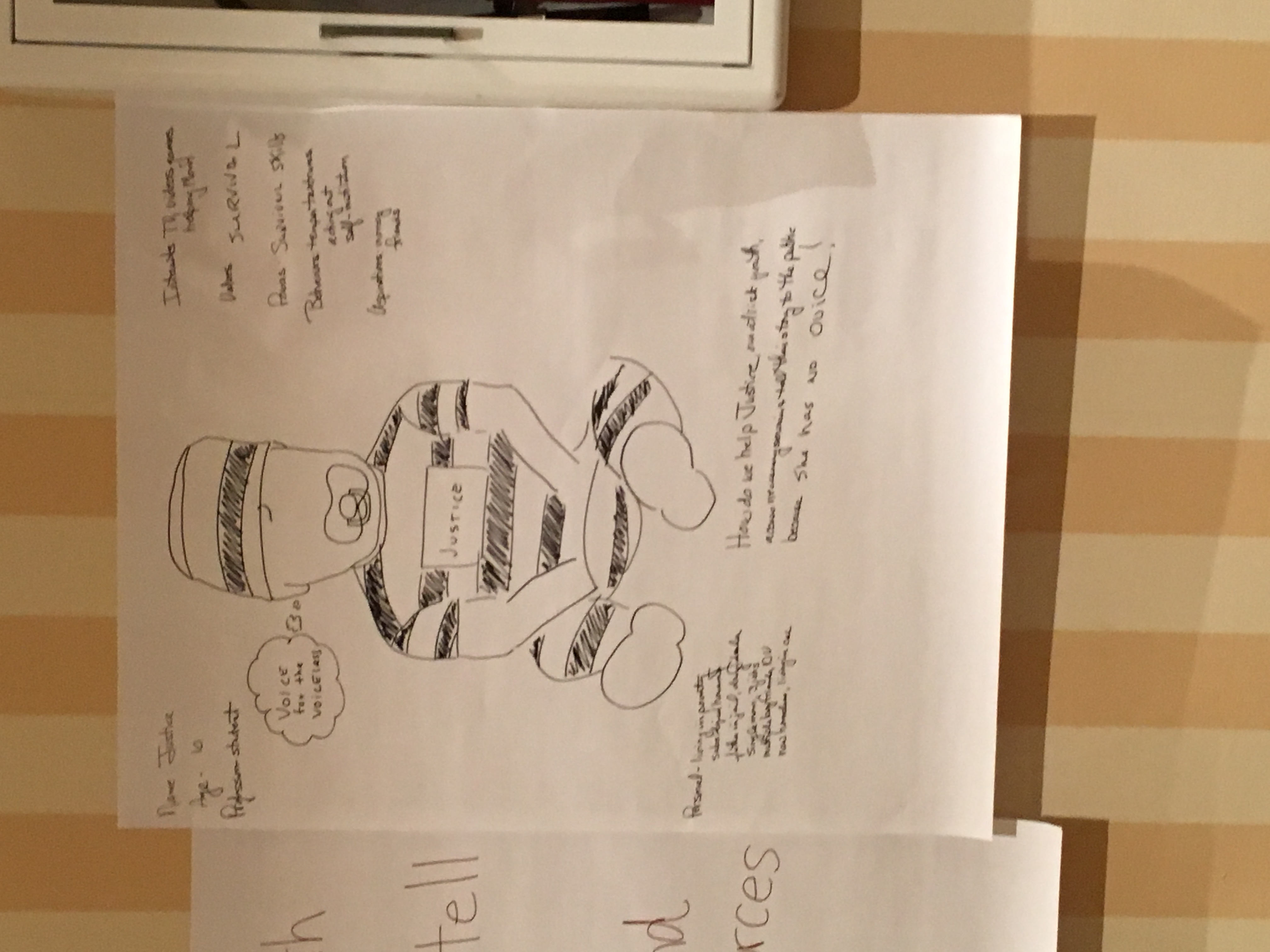
Justice, a Fourth Grader, is a student at her local school-legal partnership. One day she arrives to school in a terrible mood. In the middle of math class, she screams at her teacher and throws a pair of scissors across the room, barely missing the teacher and another student. Her well-trained teacher immediately calls her counselor and her legal advocate, and she is taken into a meeting with them. After a lot of tears and an hour of talking, she reveals that her mom, who is disabled, got fired from one of her jobs. They also have been notified they are in danger of losing their public housing voucher because her mom's boyfriend, a convicted felon, moved into the unit. Her father has not paid his child support for the past six months. Her mom's boyfriend is supposed to be helping her family, but he is actually abusing both Justice and her mom.
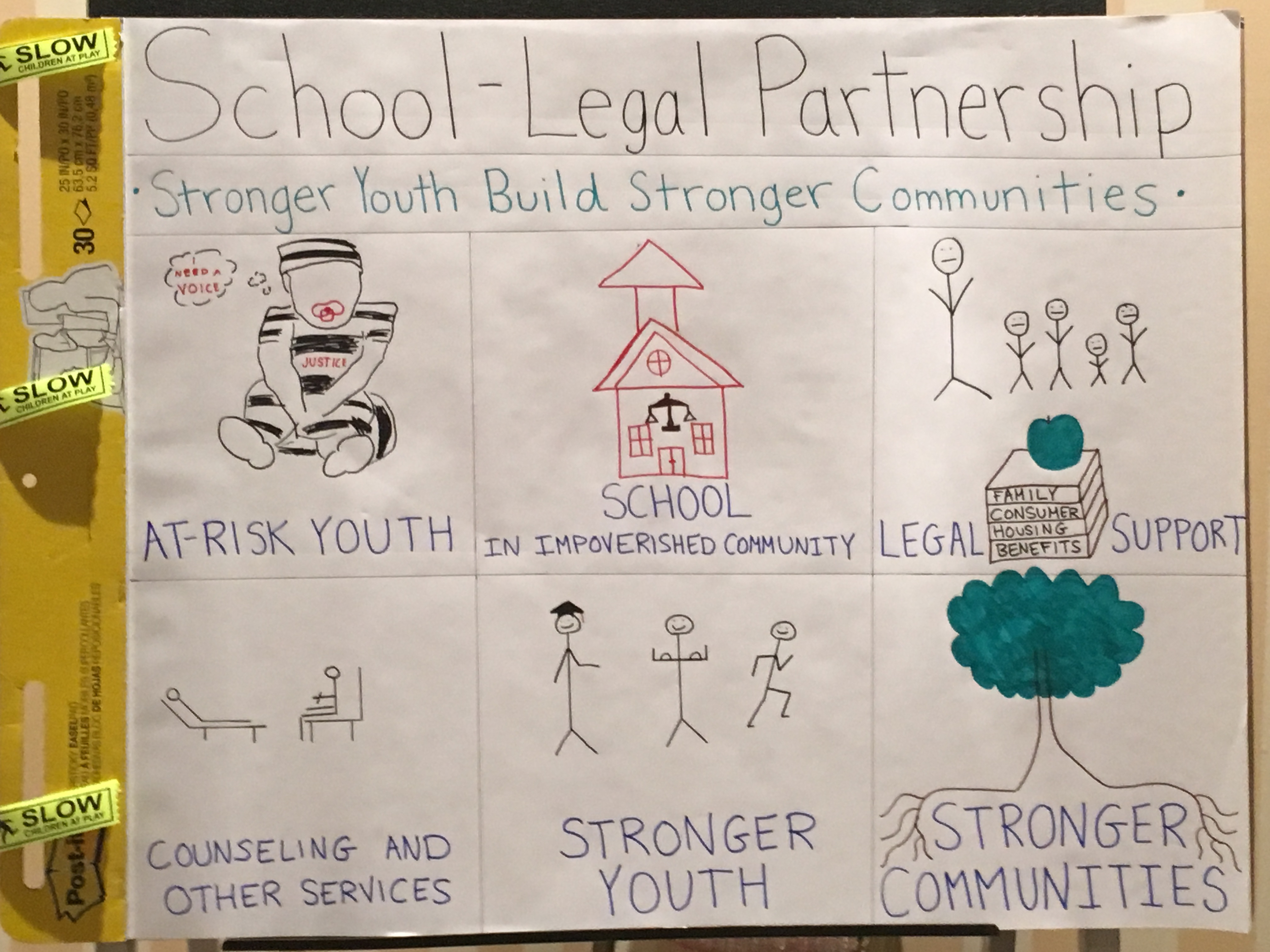
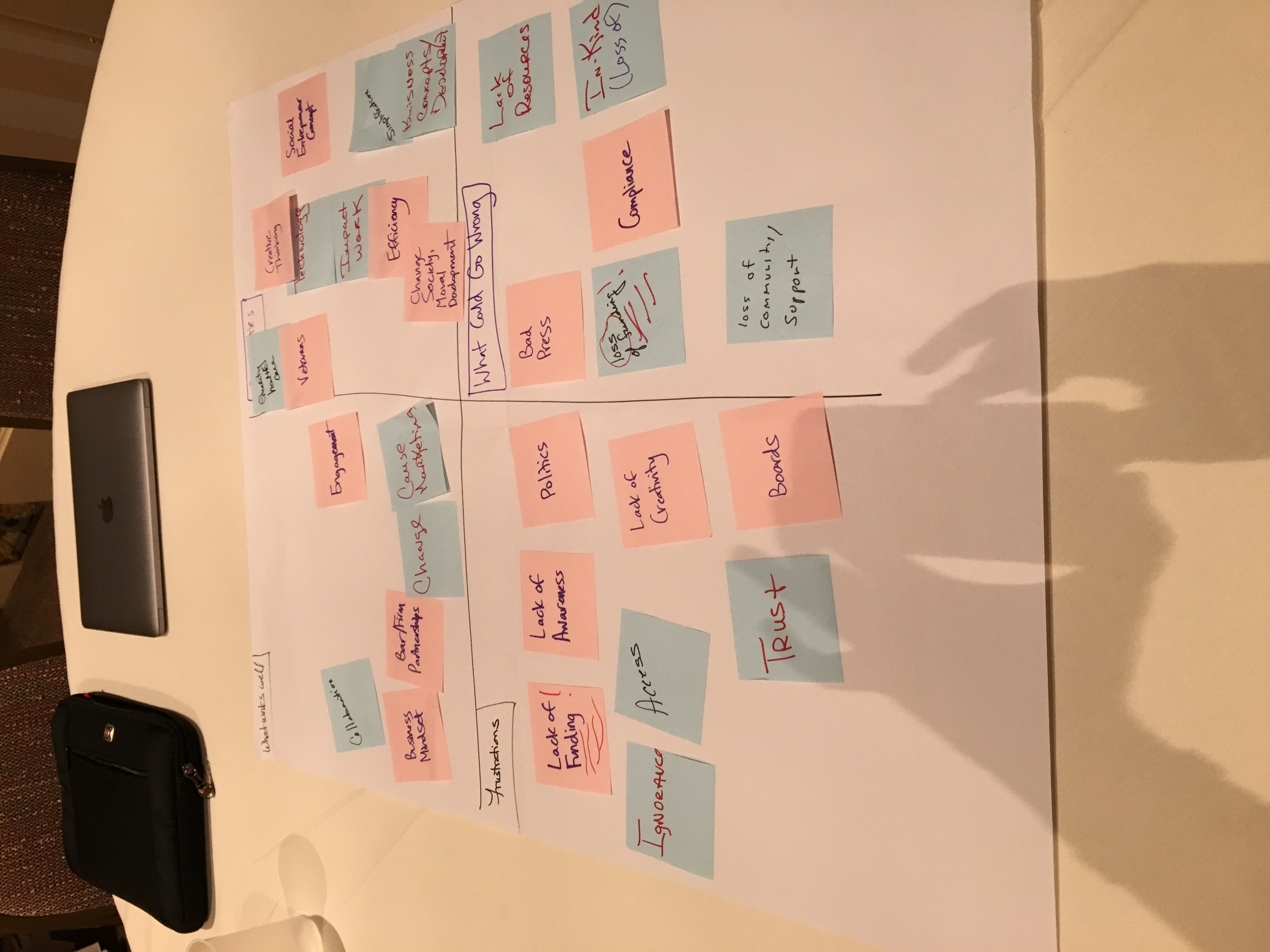
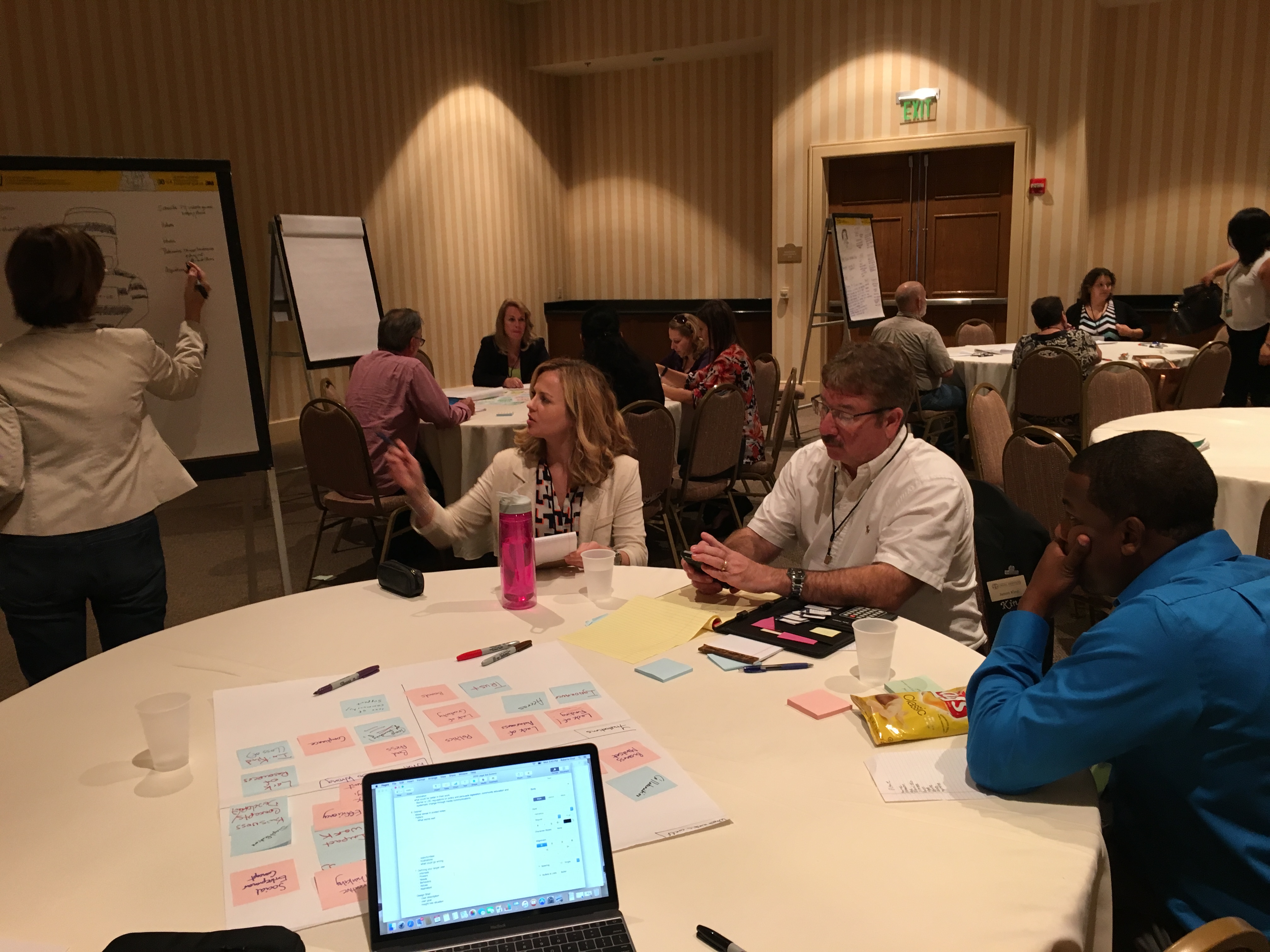
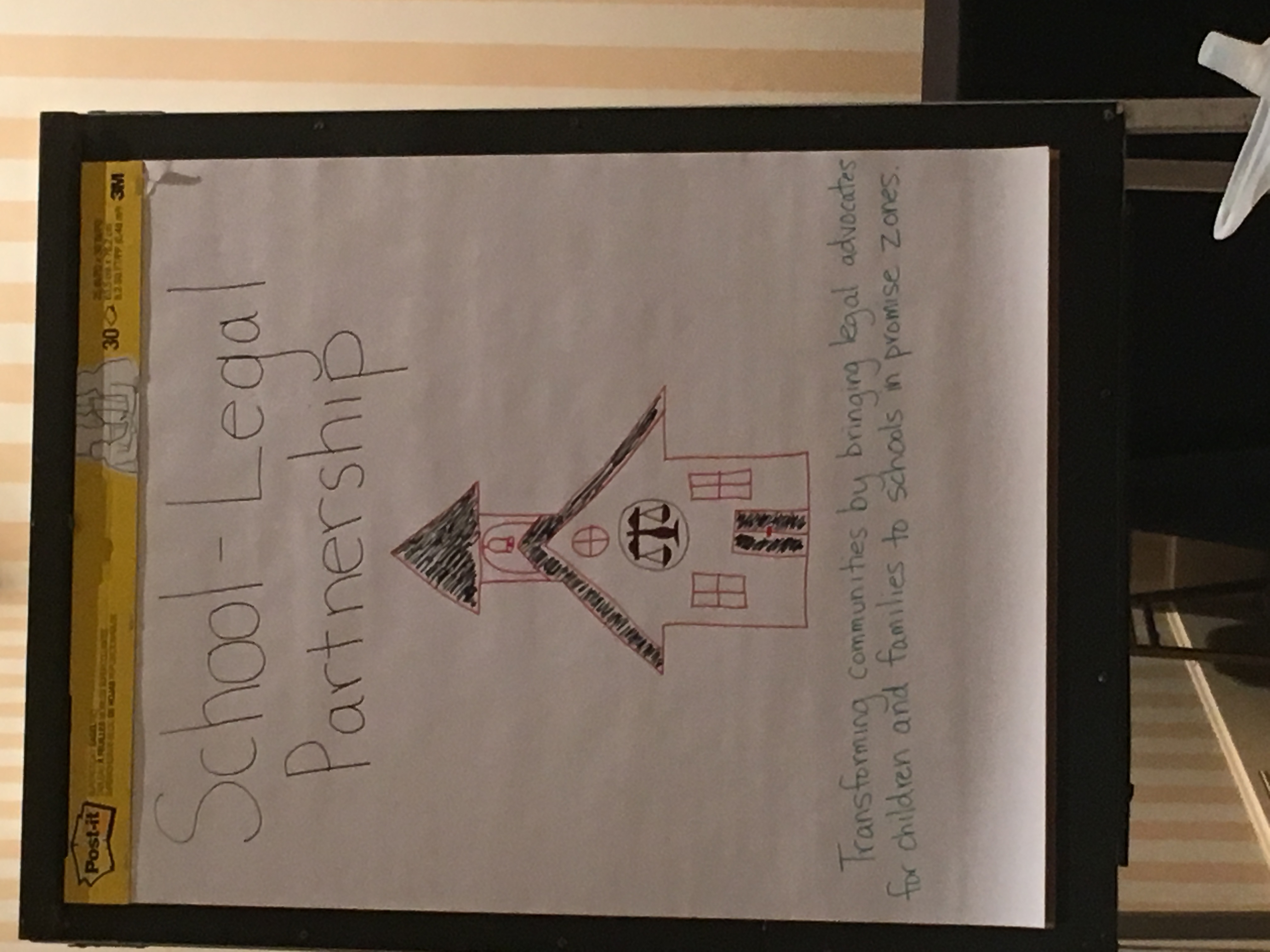
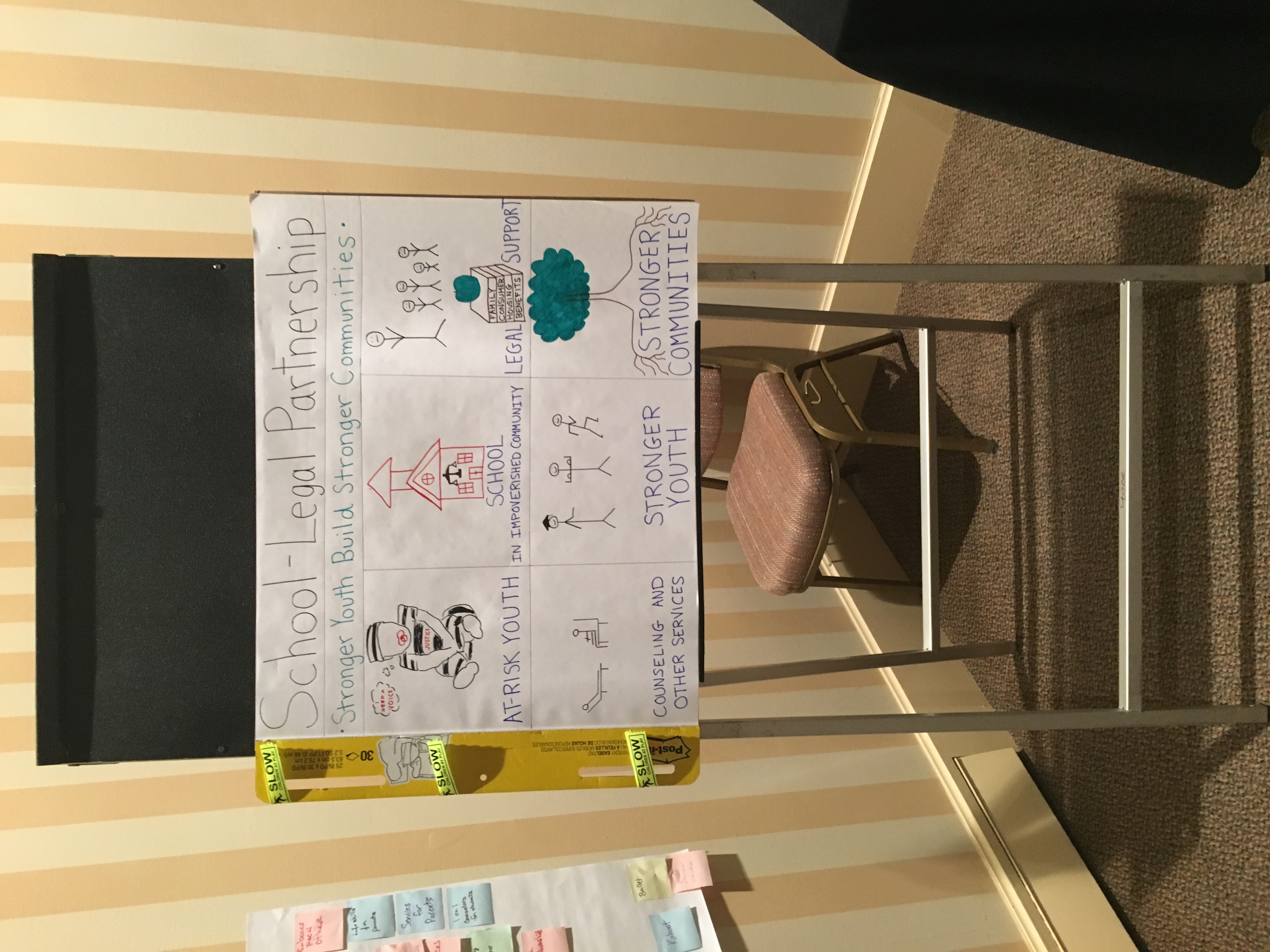
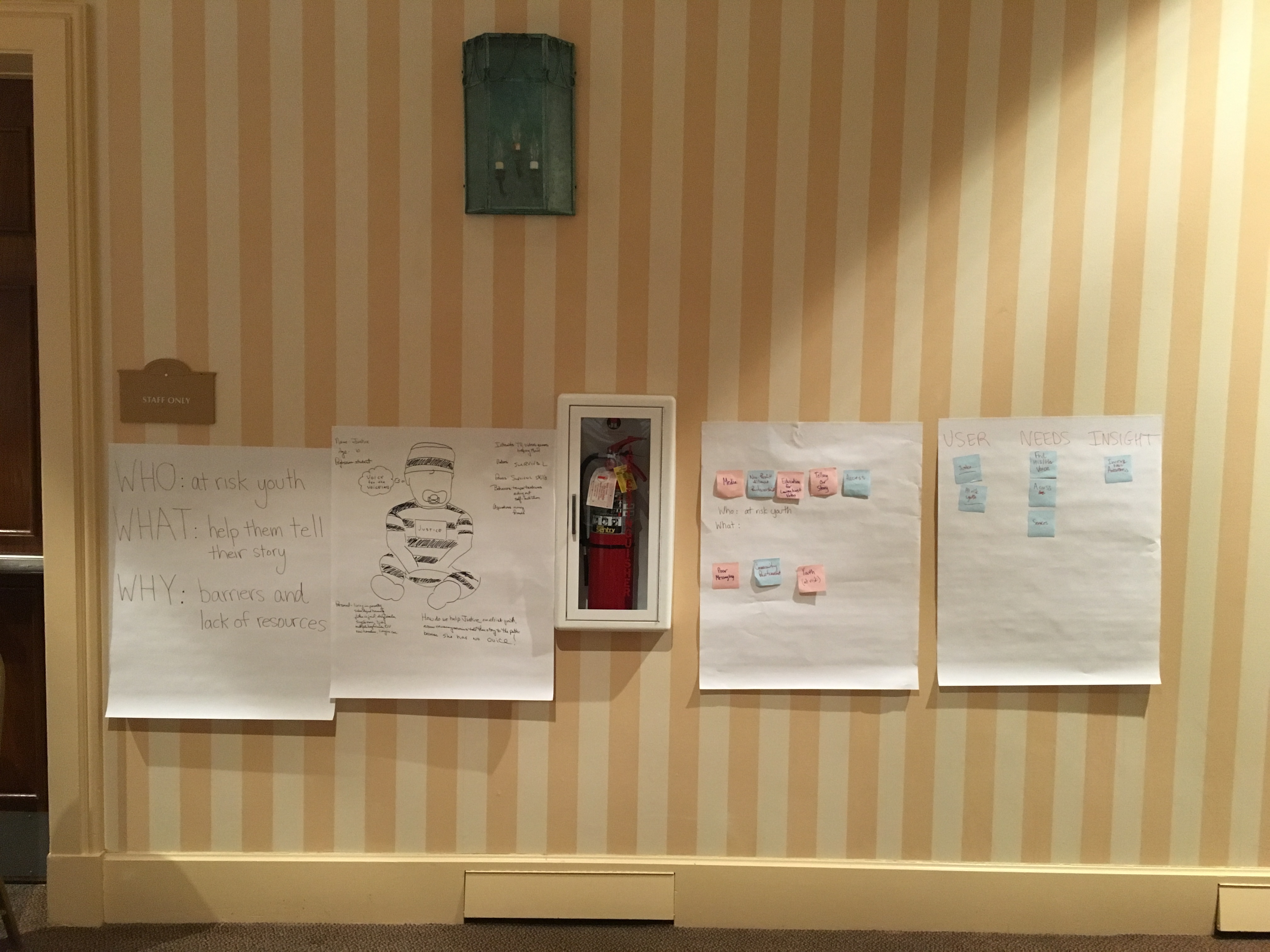
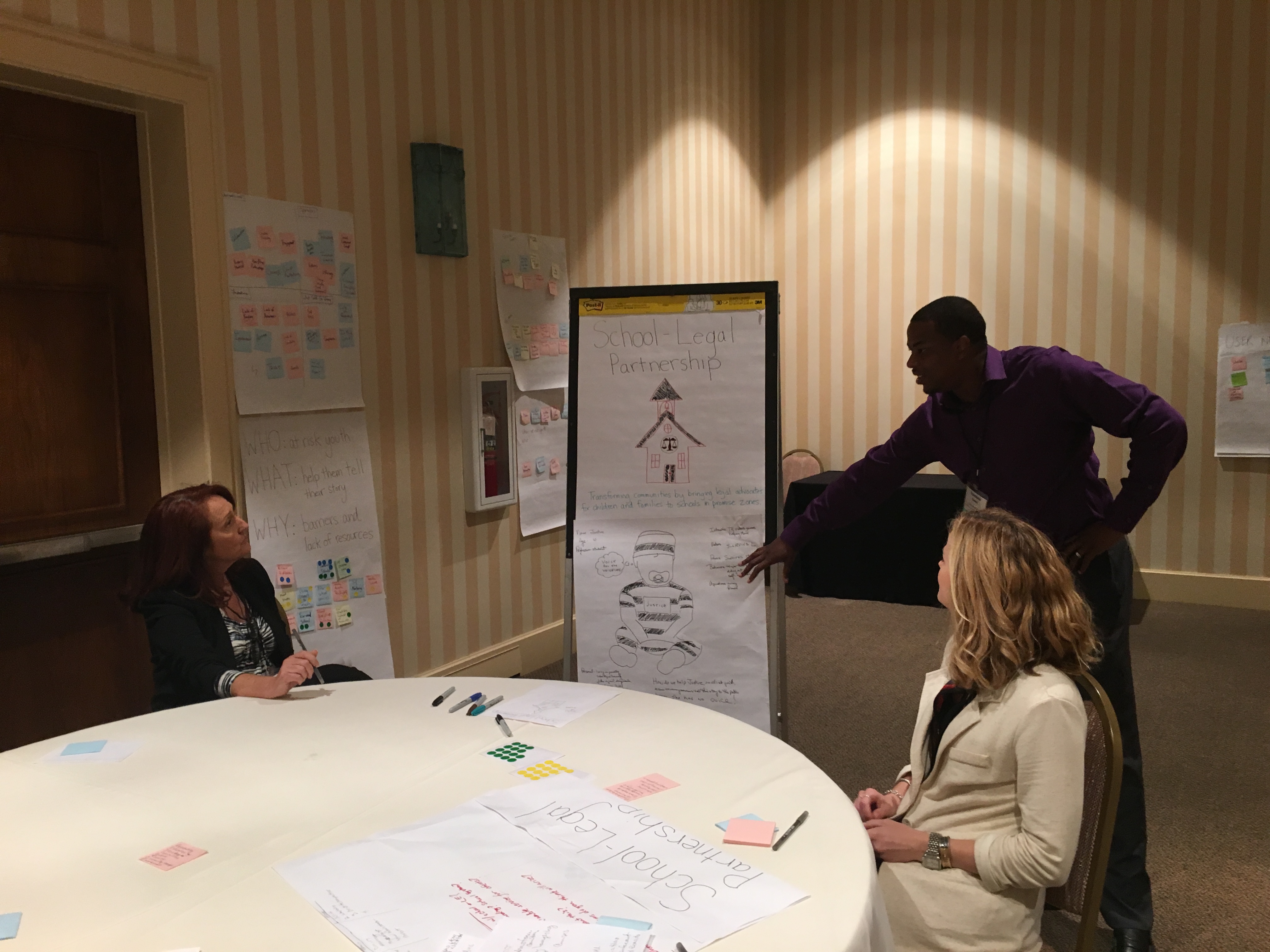
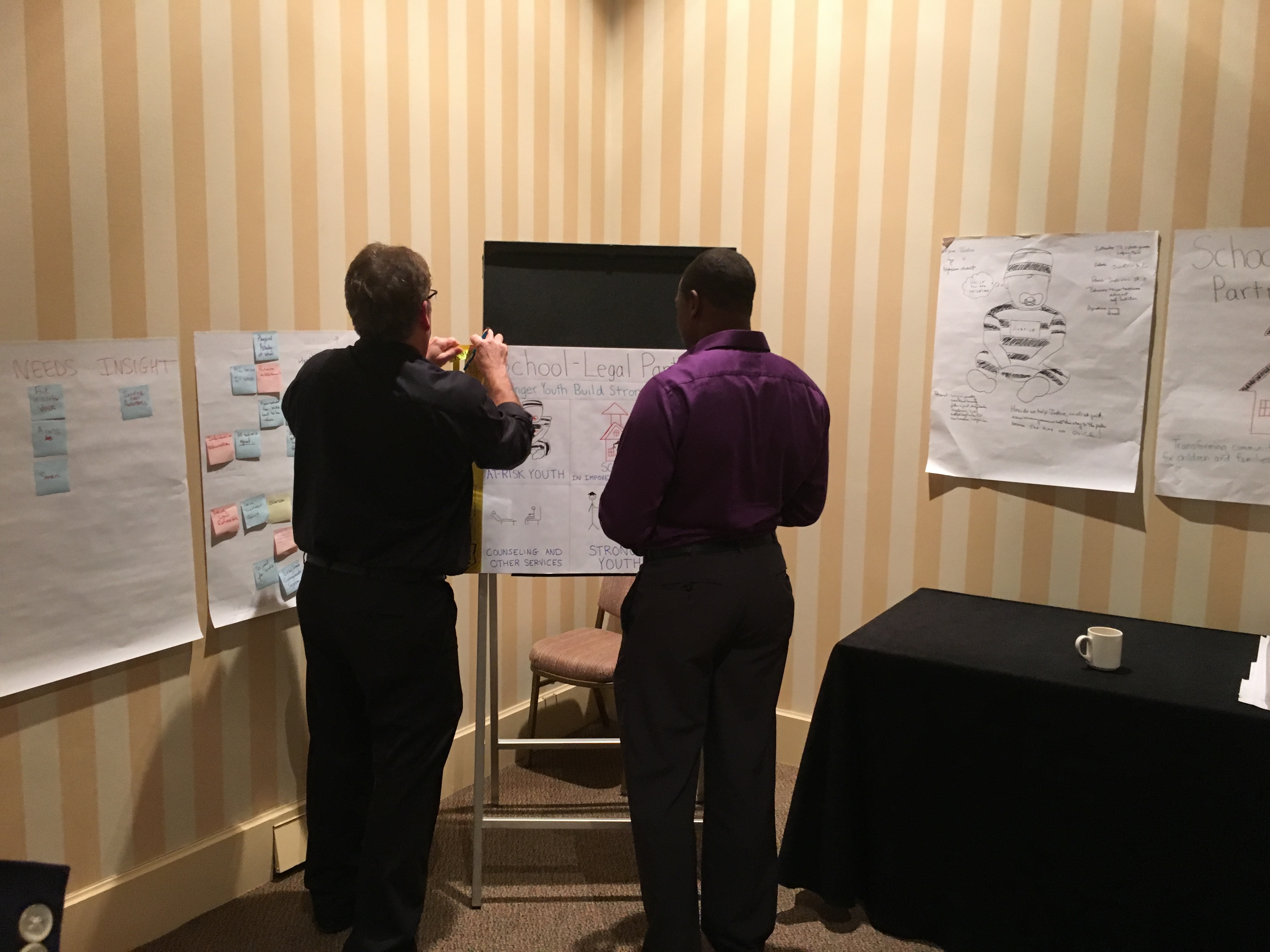
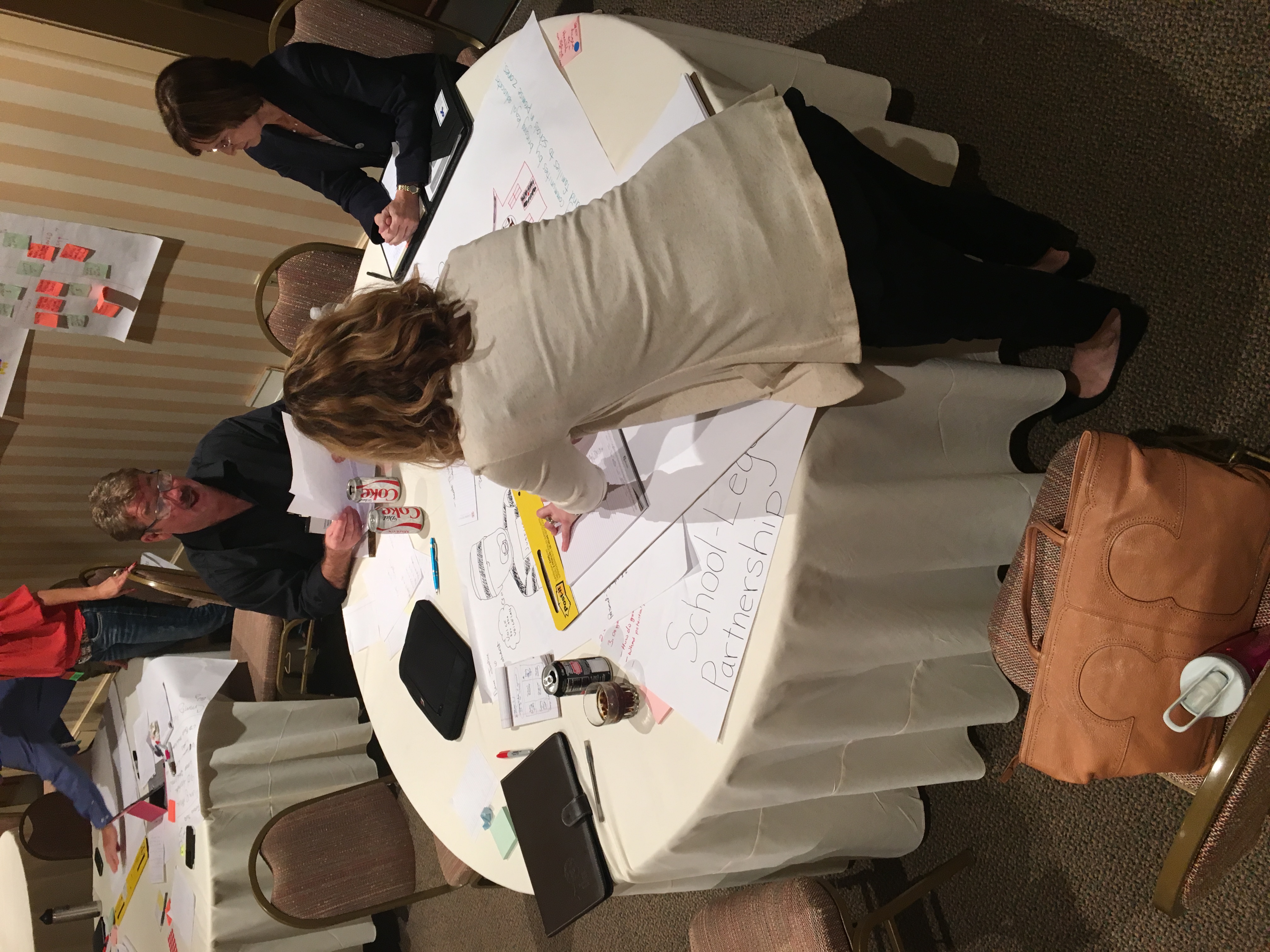
The School-Legal Partnership model is uniquely designed to bring legal advocates into schools in impoverished communities and is designed to assist at-risk youth and their families with a variety of legal issues. The belief is that stronger youth build stronger communities. Many families in these communities are living in poverty and facing a number of legal issues in areas such as Housing, Family Law, Consumer, and Public Benefits. This model would house legal advocates in schools who would conduct initial intake with youth and their families and match them with a staff or pro bono attorney that practices in the area of law in which they need help. In addition to assisting the families, the model is also designed to ensure that these youth are receiving appropriate services necessary to ensure that they are successful in both the educational and community settings. Teachers and staff are trained to identify at-risk behavior and coordinate with students' assigned counselors and legal advocates to ensure at-risk youth are provided with the services they need in a timely fashion while at school.
For instance, in Justice's case, her assigned staff attorney will assist her mother in various legal issues including family law, housing, and benefits. Specifically, the attorney will help her mother enforce her child support order, obtain an injunction against domestic violence, keep her public housing voucher, and obtain disability benefits.
Through discussions with the mother and Justice's legal advocate, it is discovered that Justice has a learning disability and once she is connected with the right health care provider, she is diagnosed with Attention Deficit Hyperactivity Disorder and Oppositional Defiant Disorder. Justice was not receiving any services because her mother did not know how to access the services. Through working with the school, the legal advocate was able to secure educational testing which lead to Justice receiving an IEP and the necessary supports to assist her in becoming successful. Justice now receives Applied Behavioral Analysis and Play Therapy in school, in addition to being placed in a smaller class setting and having extra time to complete assignments and exams. In the community, Justice receives Medication Management and participates in equine therapy.
The bigger vision for the School-Legal Partnership model is a true community school which would encompass full wrap-around services for the youth and families they serve, truly transforming the youth and in turn transforming communities and overcoming generational poverty. Concepts that could be incorporated include curriculum reform, teaching love, life skills training, exercise/physical activity, using games and innovative tools and technology in the classroom, a school/community garden, healthy food trucks, a kids voting program, year-round schooling/services, after-school services, 1-1 mentoring, etc.
Built With
- grant
- memorandum-of-understanding
- pro-bono-volunteers


