Inspiration
We came up with ScholarFlow because managing studies can get confusing, especially when assignments, exams, and revision all pile up at the same time. Sometimes, we know we need to study, but figuring out where to start is the hardest part. We wanted to create something that could help students stay organized without making their routine feel even more complicated. That idea became ScholarFlow.
What it does
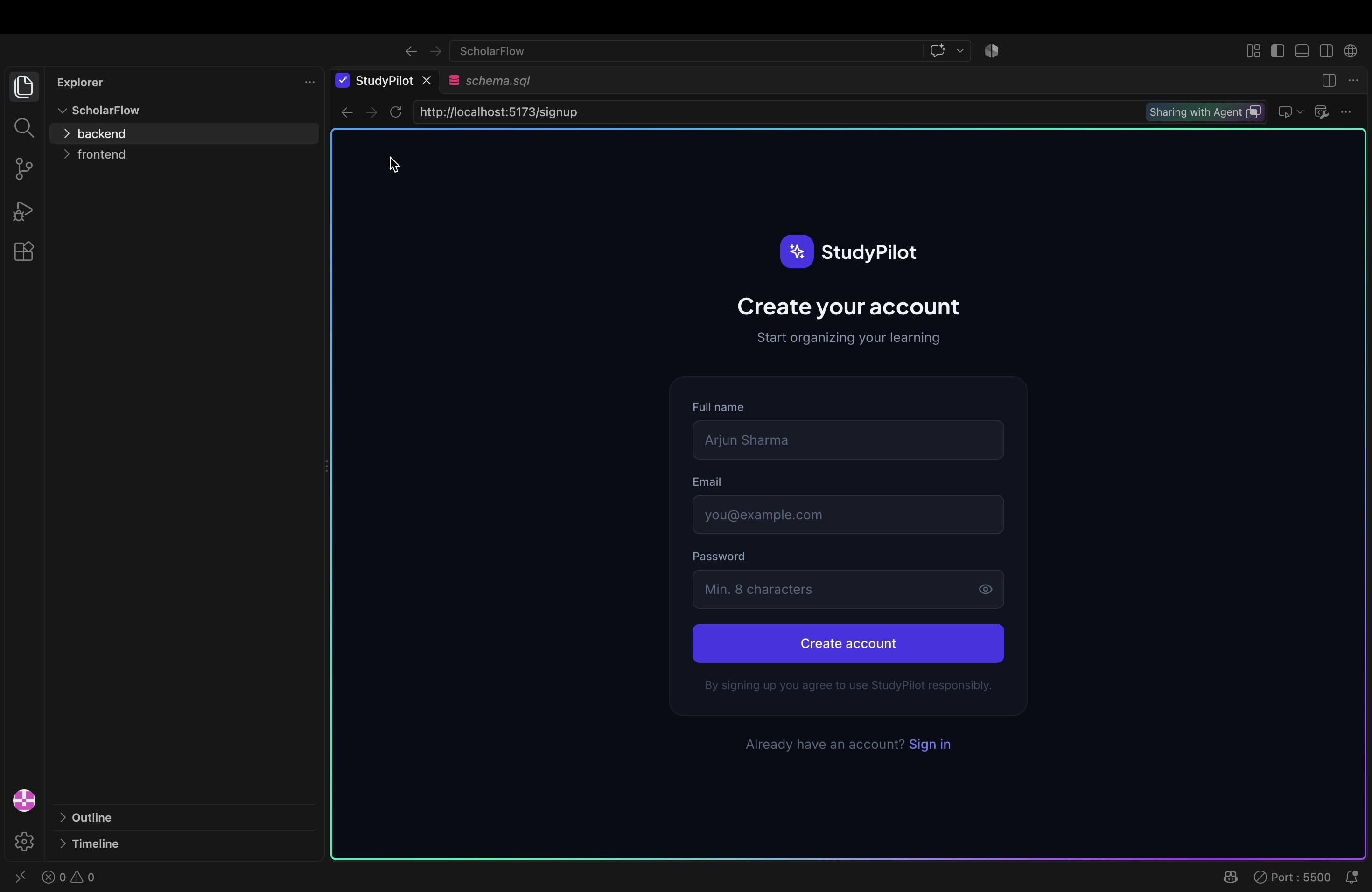
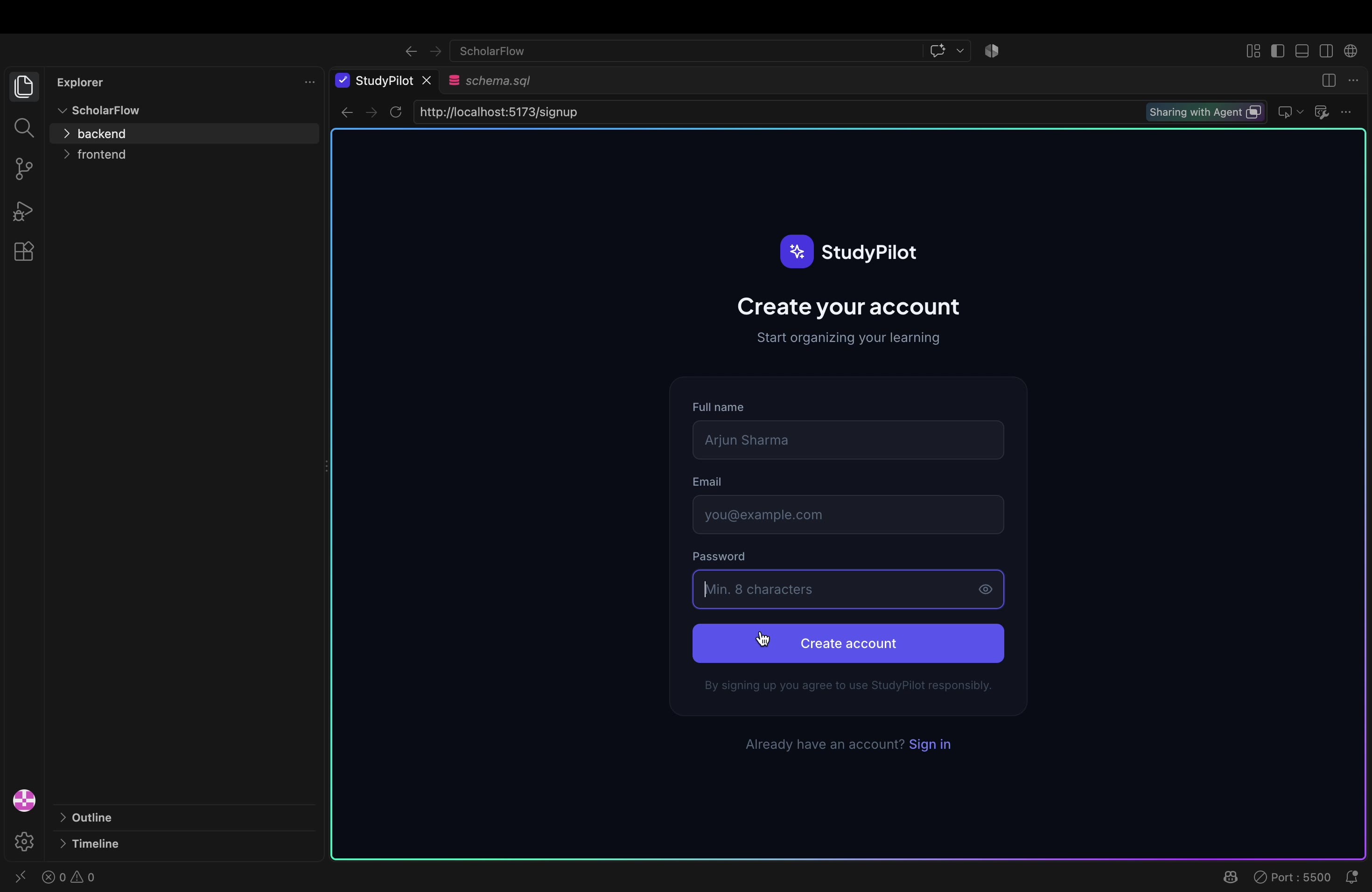
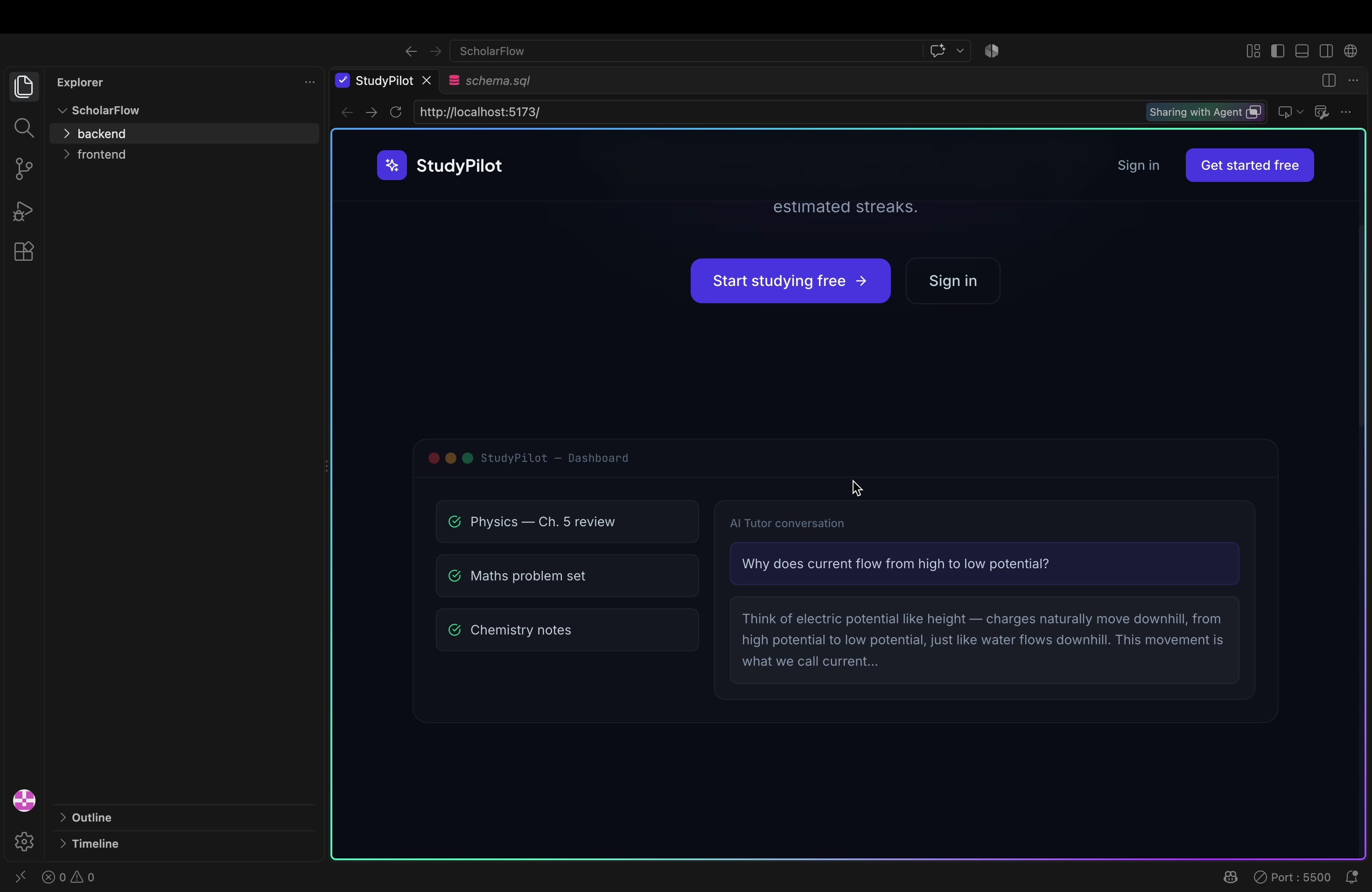
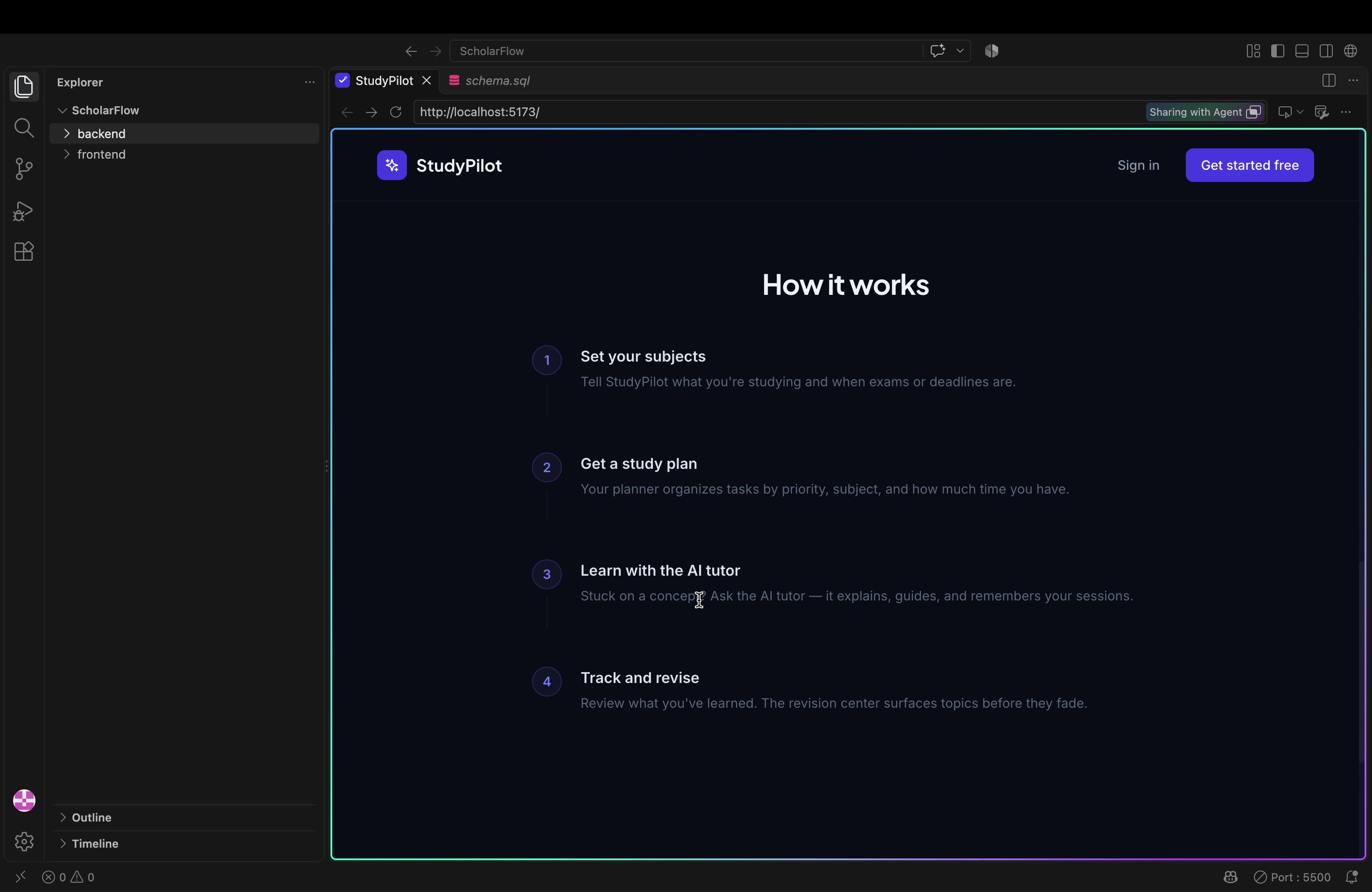
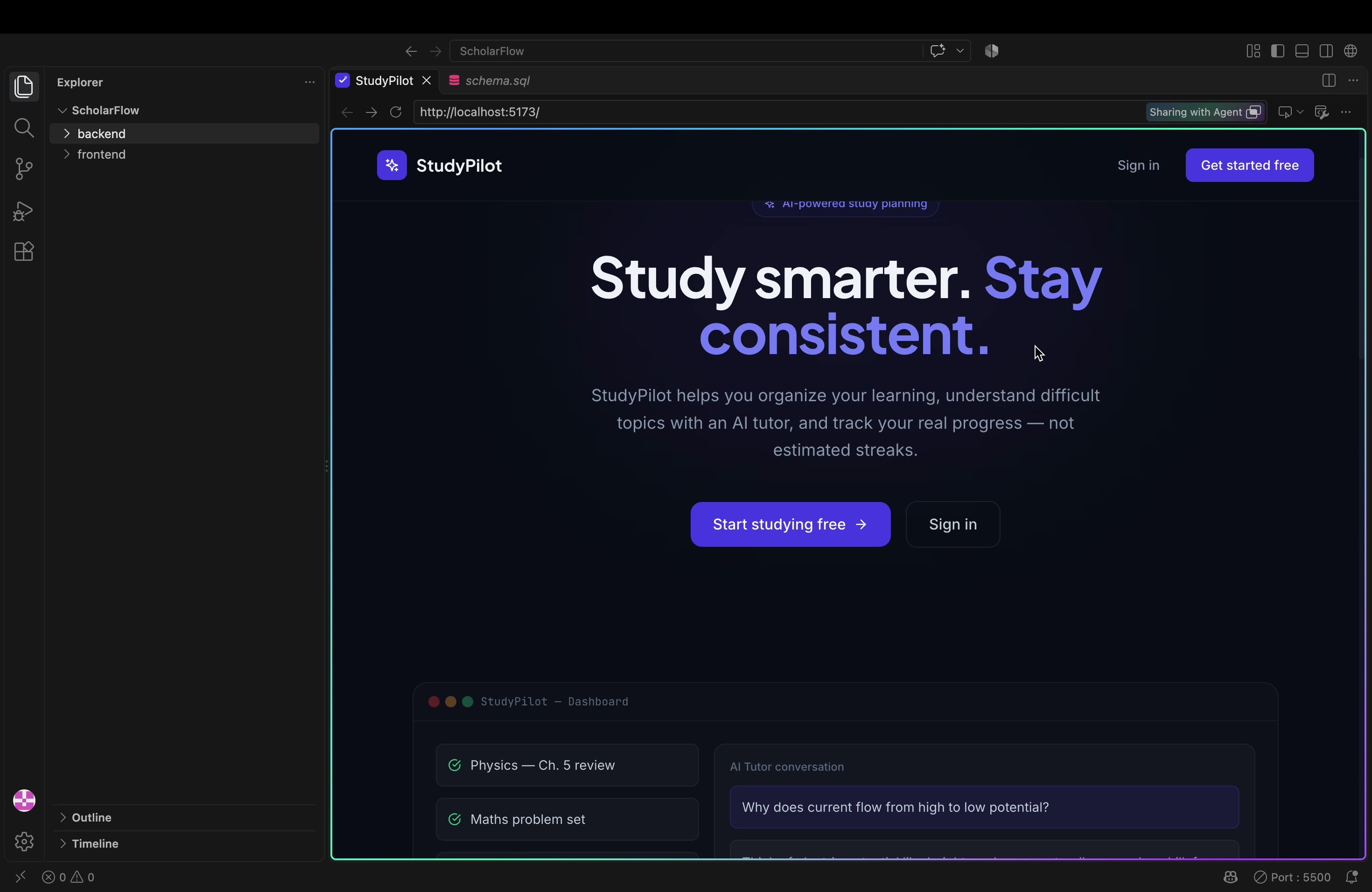
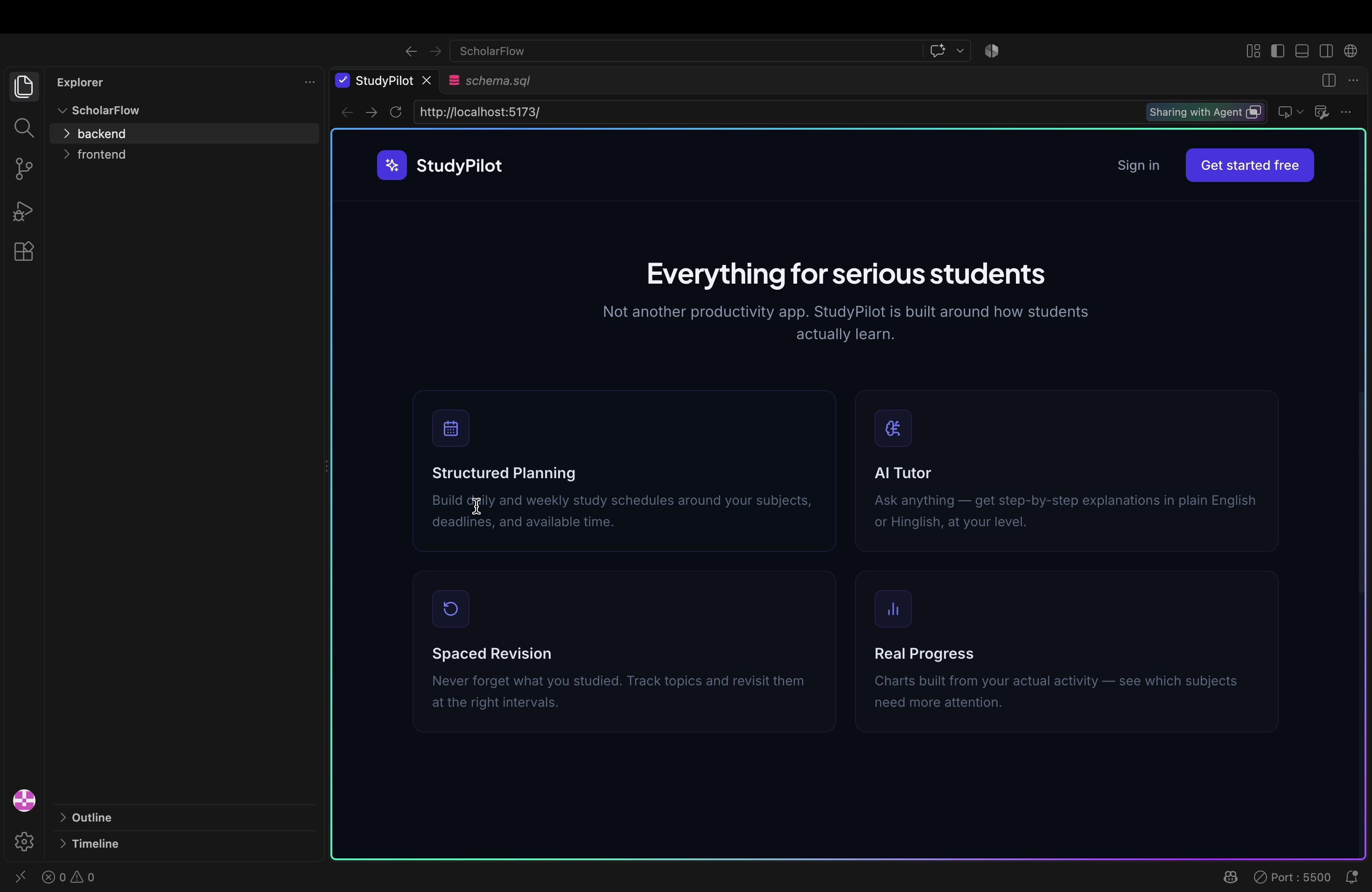
ScholarFlow is a study companion designed to help students manage their everyday learning in one place. It brings together study planning, task management, revision tracking, progress insights, and AI-assisted learning. The aim is simple: help students stay on top of their work, understand what they need to focus on, and build better study habits without feeling overwhelmed.
How we built it
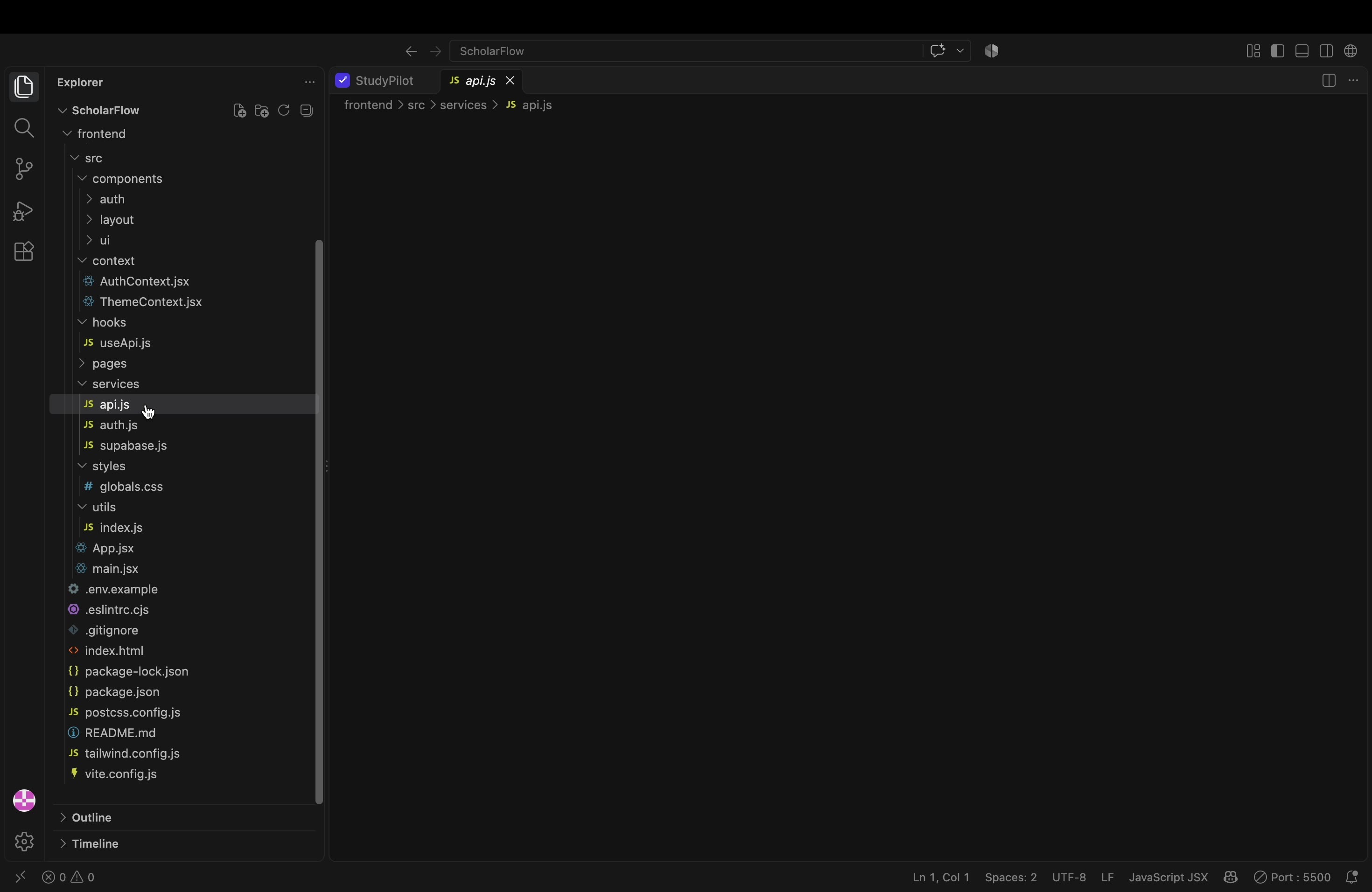
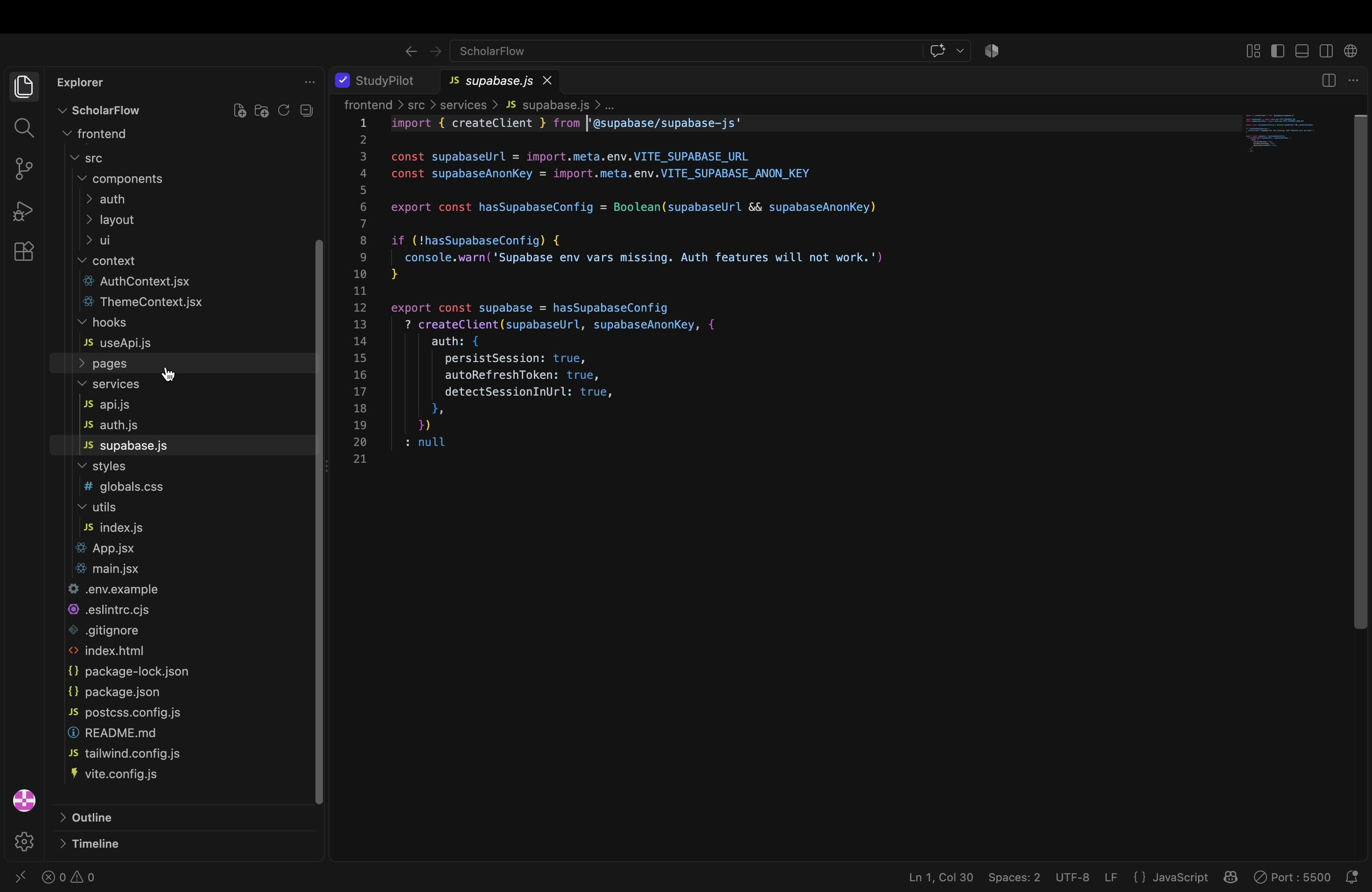
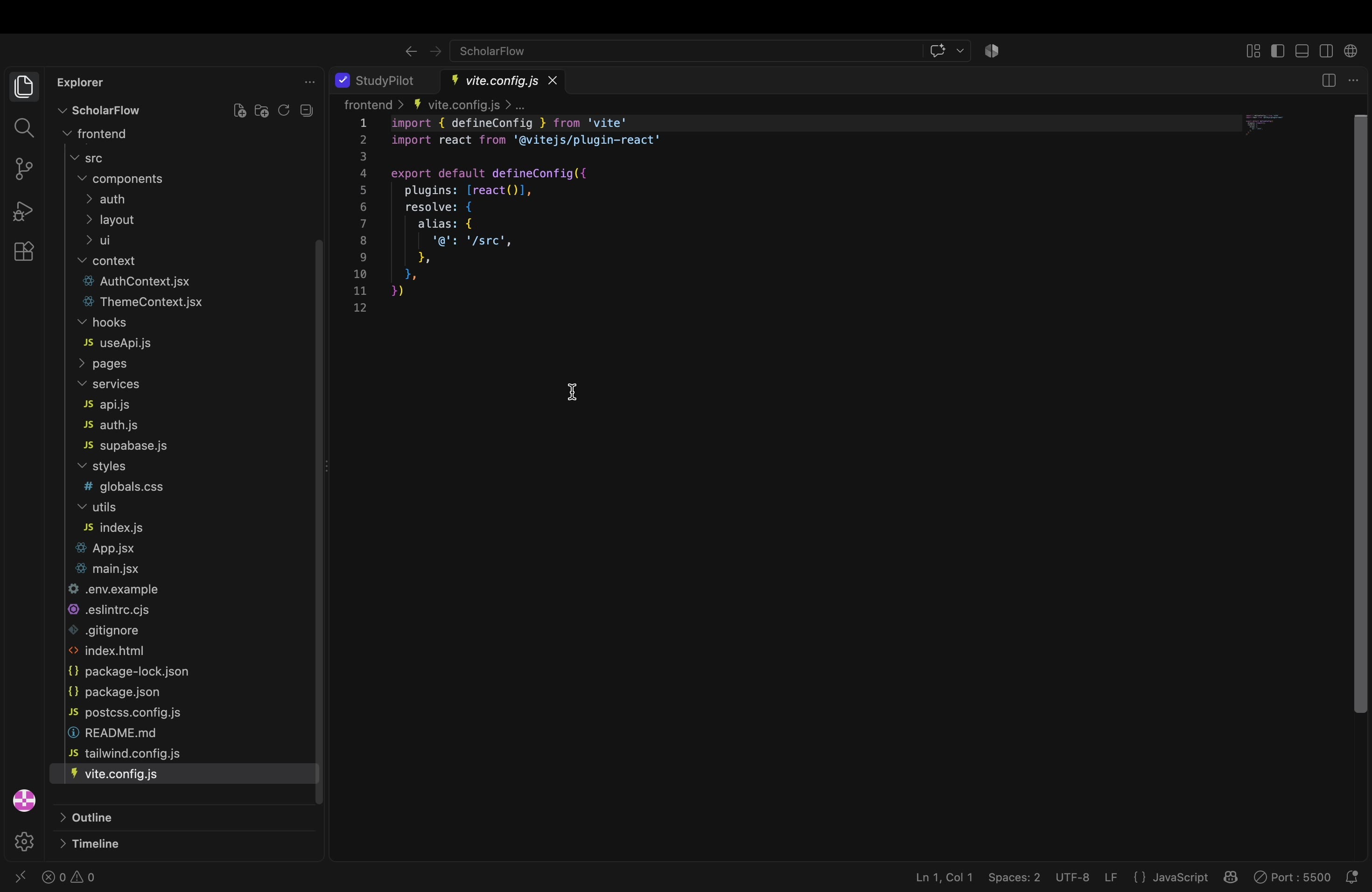
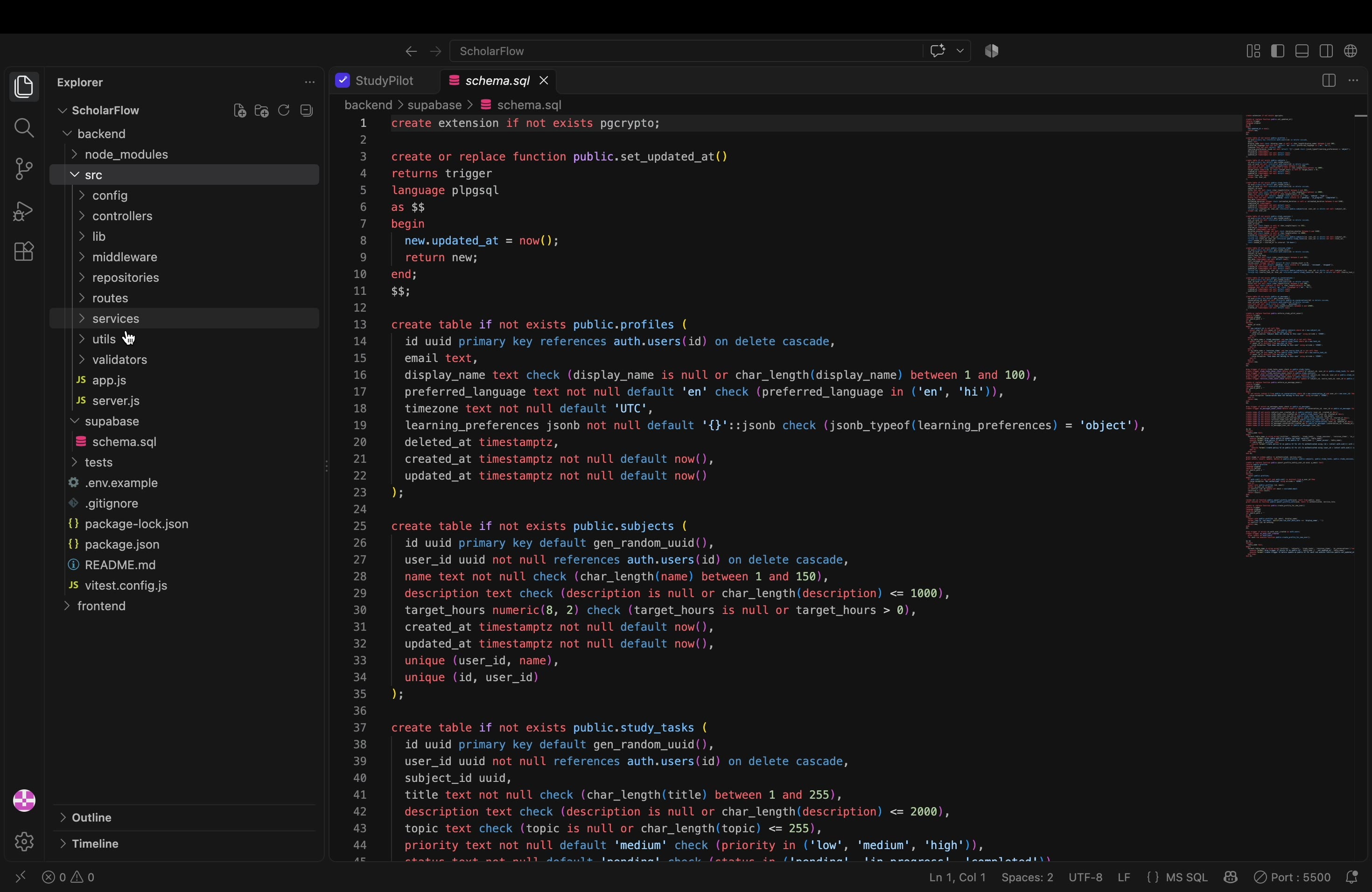
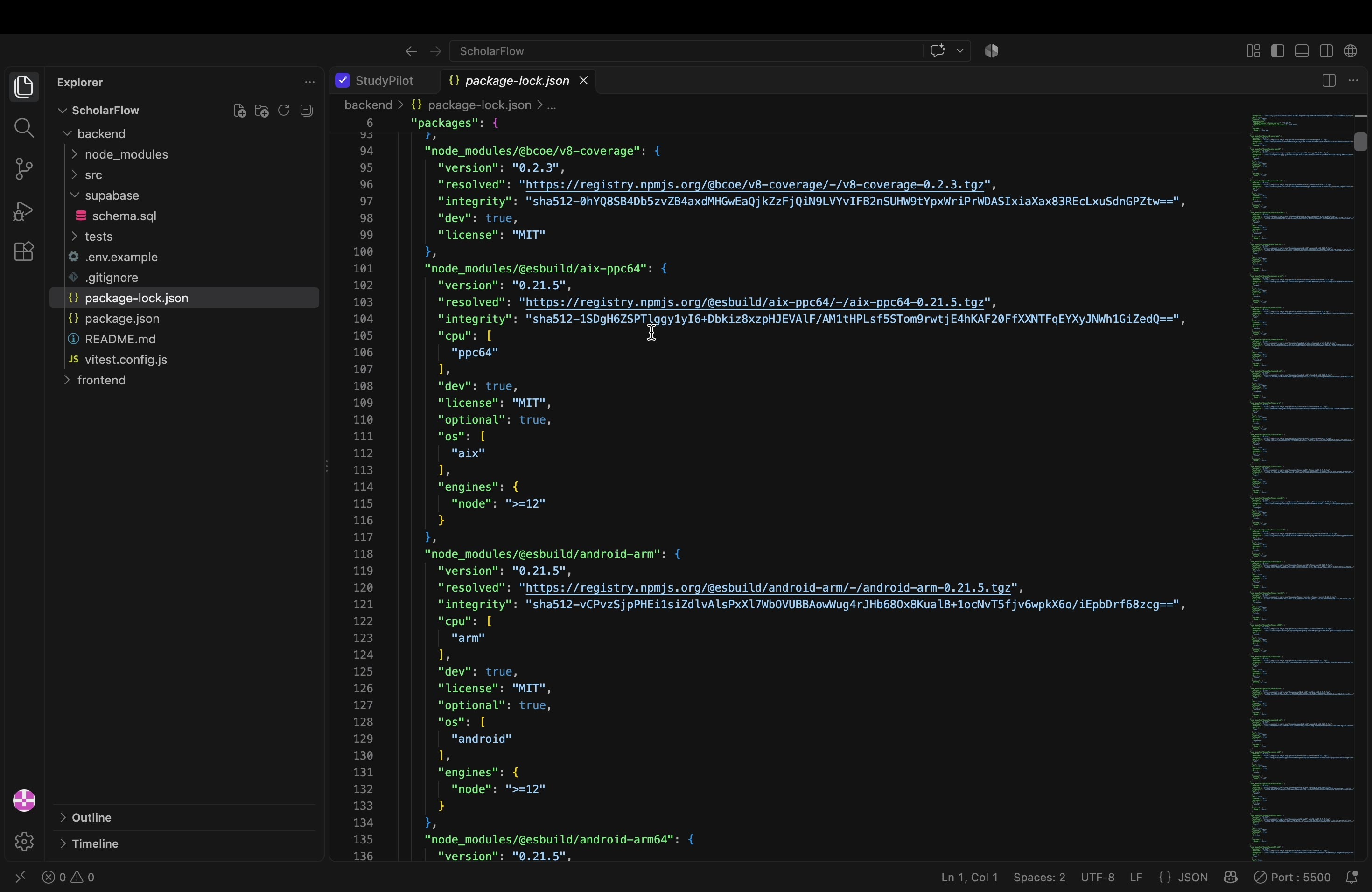
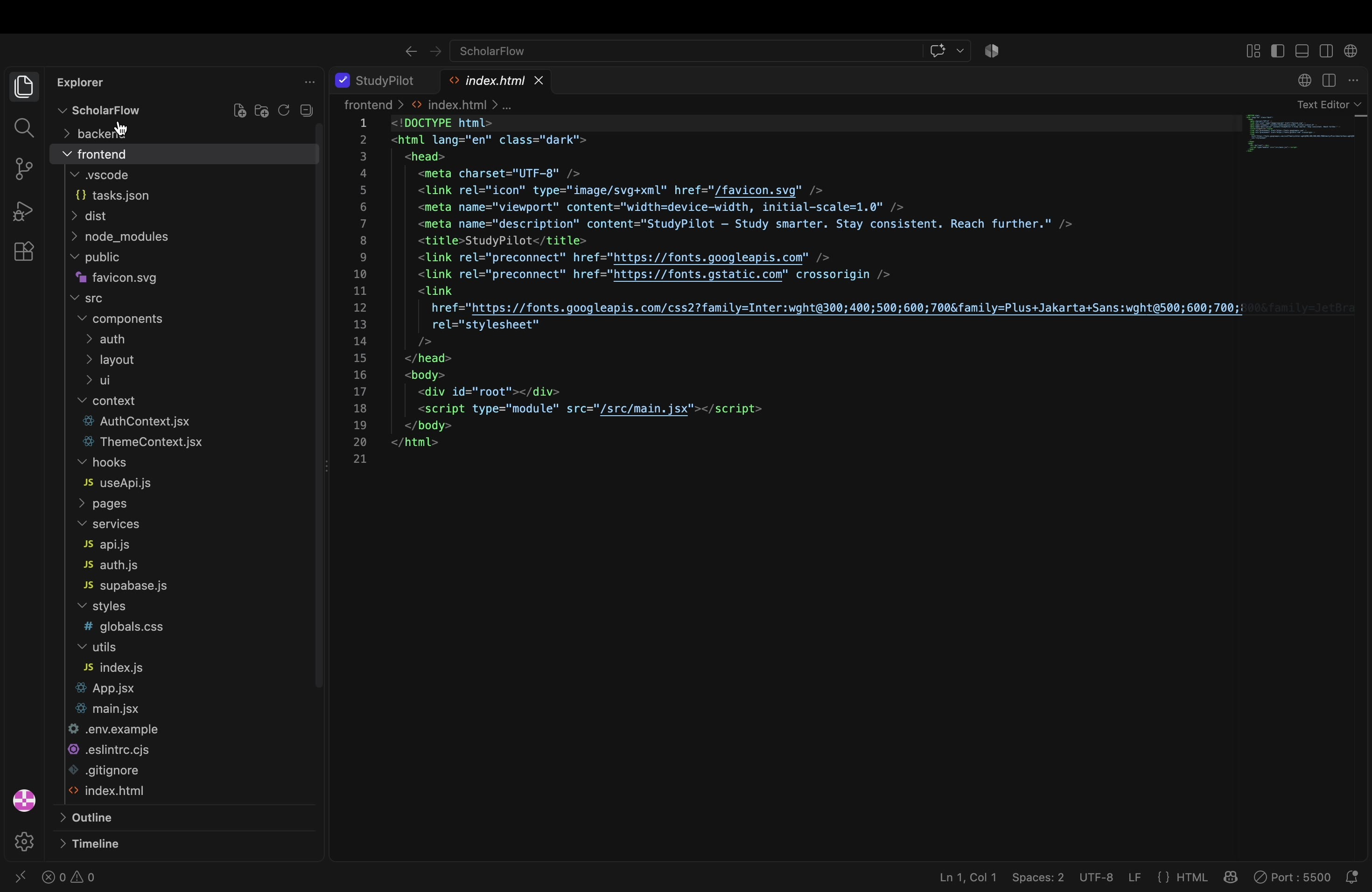
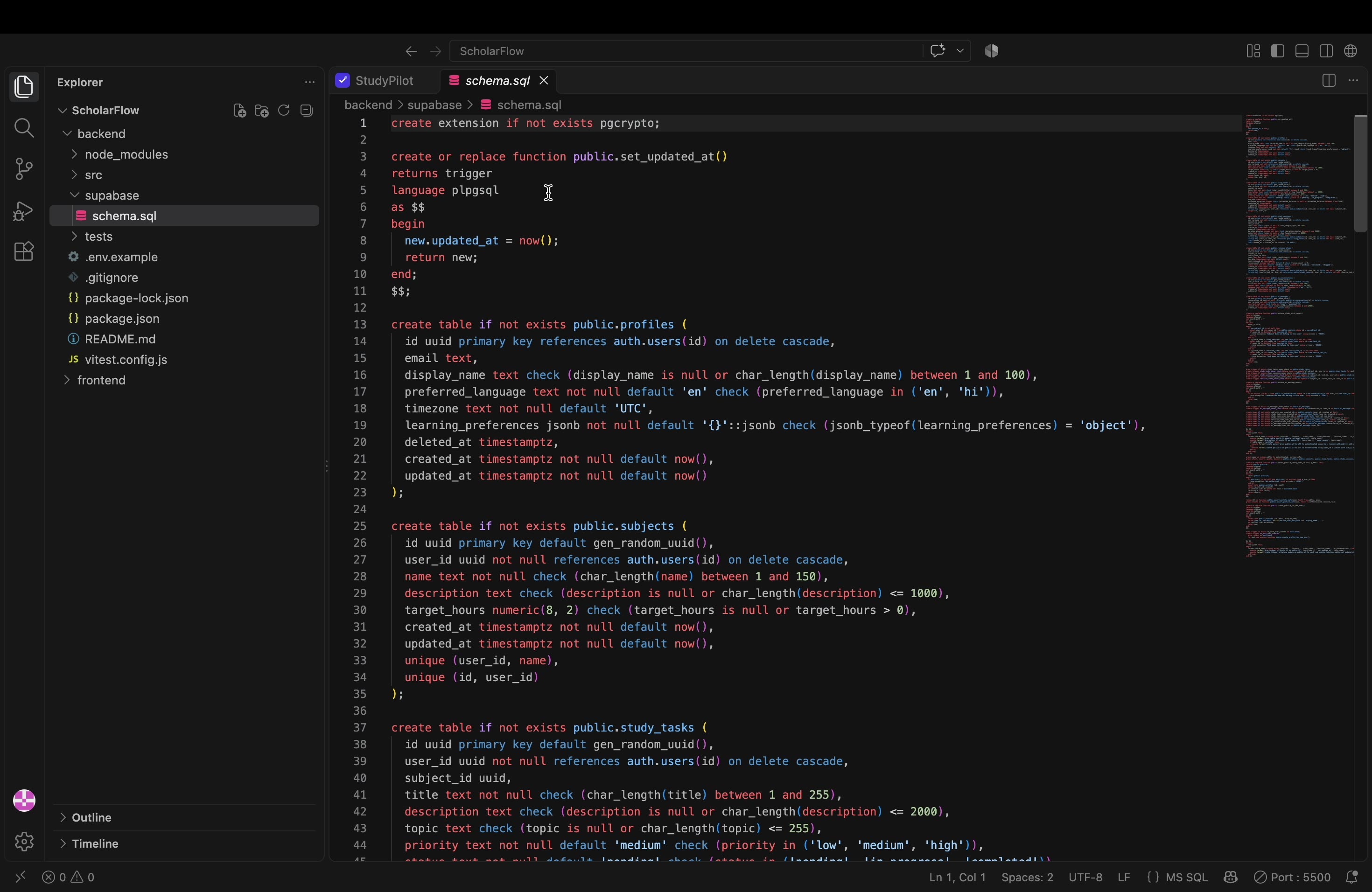
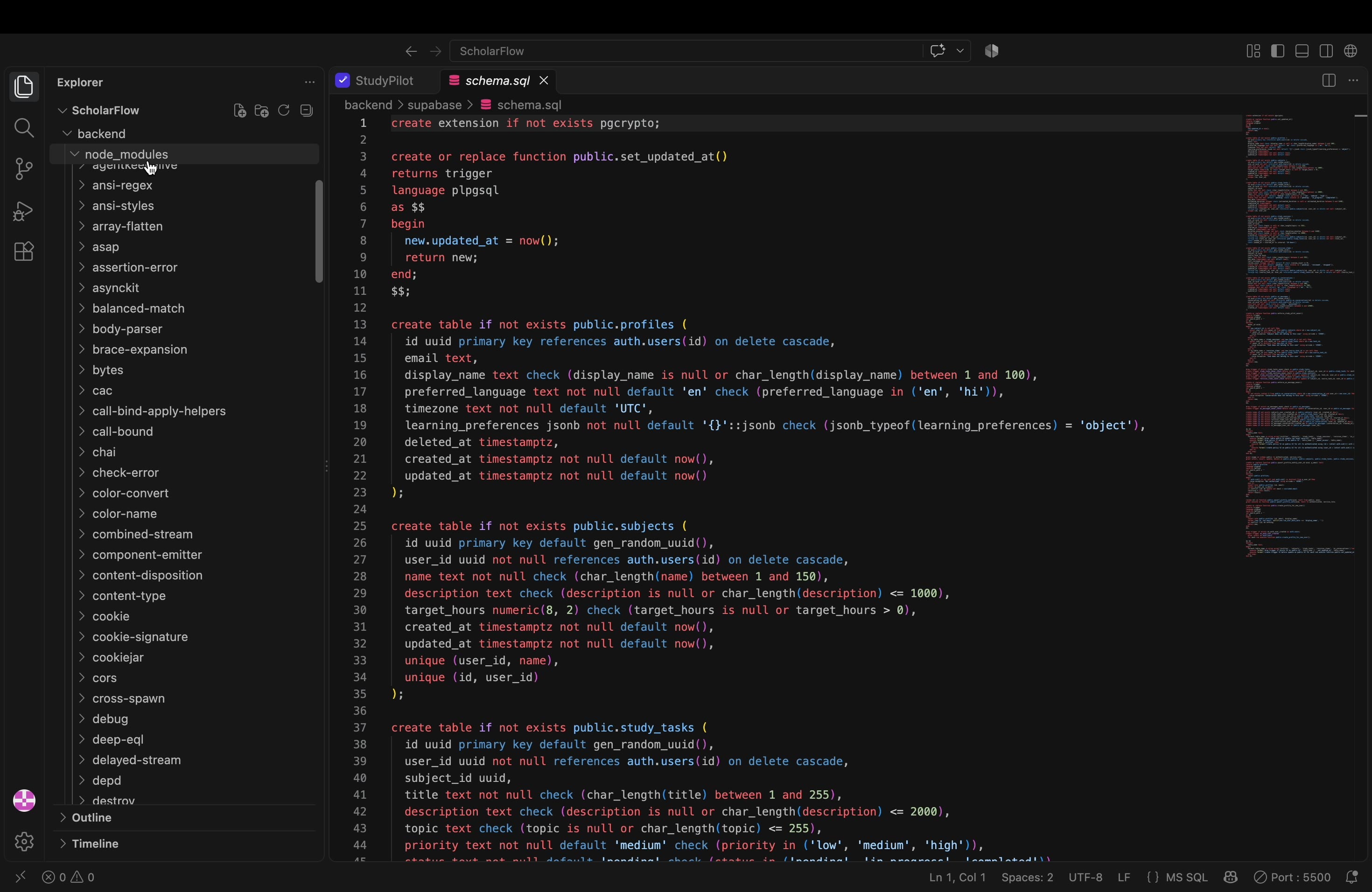
We built ScholarFlow as a full-stack web application using React for the frontend and Node.js with Express for the backend. We worked on bringing the different parts of the application together so the interface and backend services could work as one system.
Along the way, we explored UI design, application structure, API integration, and ways to make the experience smooth across different screen sizes. We wanted the project to feel easy to use while keeping the code organized enough to improve in the future.
Challenges we ran into
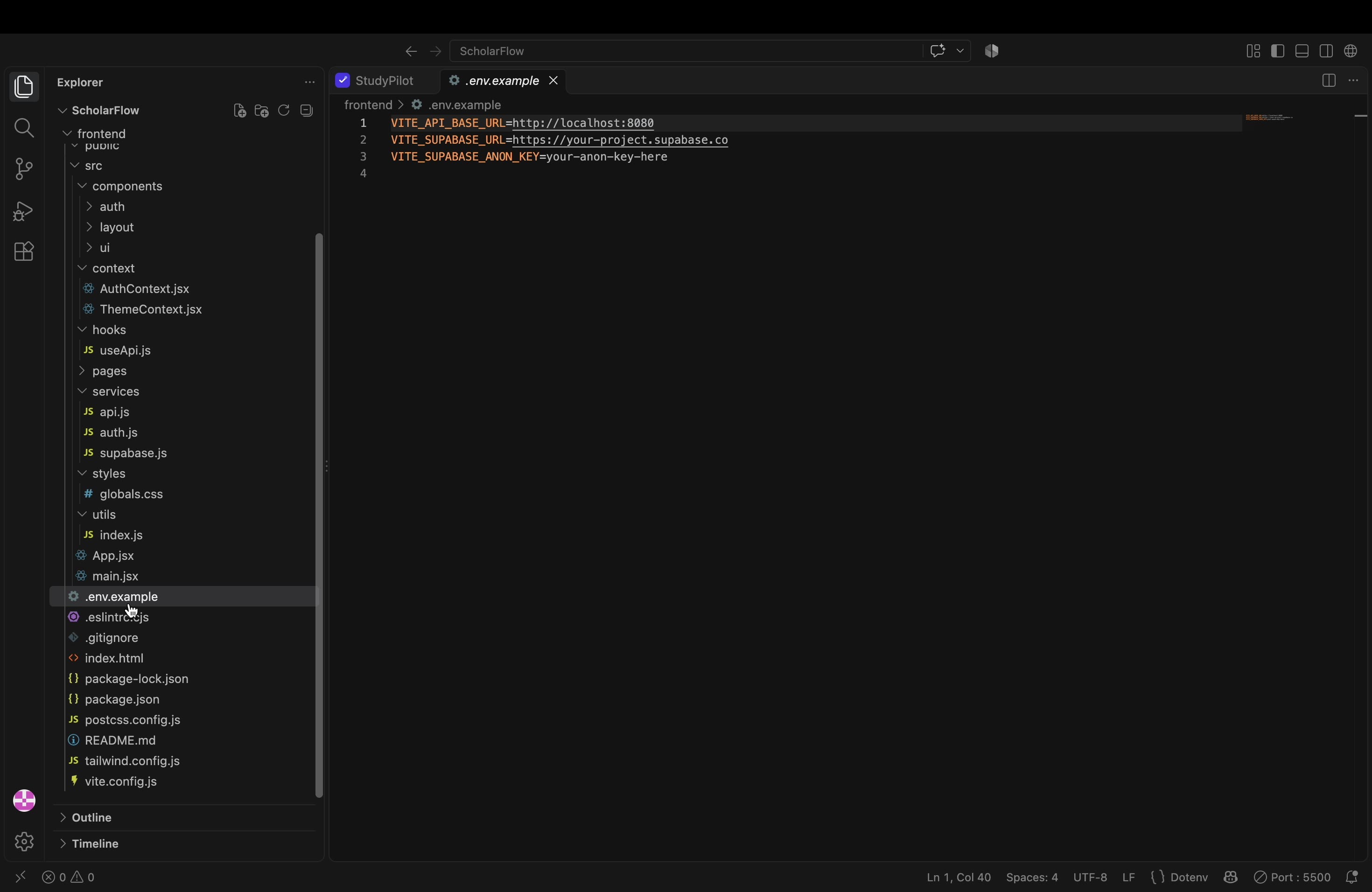
Getting everything to work together was one of the biggest challenges. Connecting the frontend and backend, dealing with configuration issues, managing dependencies, and checking API connections took time and patience.
We also realized that building a good interface is only part of the job. A feature might look complete on the screen, but it still needs to work correctly behind the scenes. Learning to identify problems, test our changes, and fix things one step at a time became an important part of the process.
Accomplishments that we're proud of
We're proud that we took an idea based on a problem students face every day and started turning it into a real application. ScholarFlow gave us the chance to work on more than just the design; we also had to think about how the frontend, backend, and different features fit together.
The progress we've made, the problems we've worked through, and the things we've learned along the way are all part of what makes this project meaningful to us.
What we learned
This project taught us that development involves a lot more than writing code. It takes planning, patience, testing, and plenty of problem-solving. We learned that errors are a normal part of building something, and understanding why something isn't working is just as important as getting it to work.
We also got a better understanding of how different parts of a web application communicate and why it's important to test features instead of assuming everything works as expected.
What's next for ScholarFlow
We want to keep improving ScholarFlow based on what students actually need. Our next steps include making study planning more useful, improving progress tracking, and developing the AI-assisted learning experience further.
The long-term goal is to make ScholarFlow a reliable companion that helps students stay consistent, manage their workload, and feel more in control of their learning.
ScholarFlow — Your learning, in flow.
Built With
- css3
- express.js
- github
- html5
- javascript
- node.js
- react
- rest-api
- vite

Log in or sign up for Devpost to join the conversation.