-
-
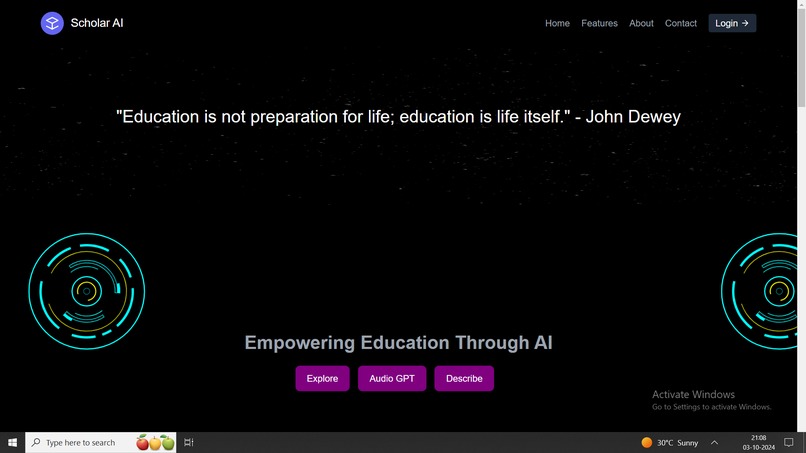
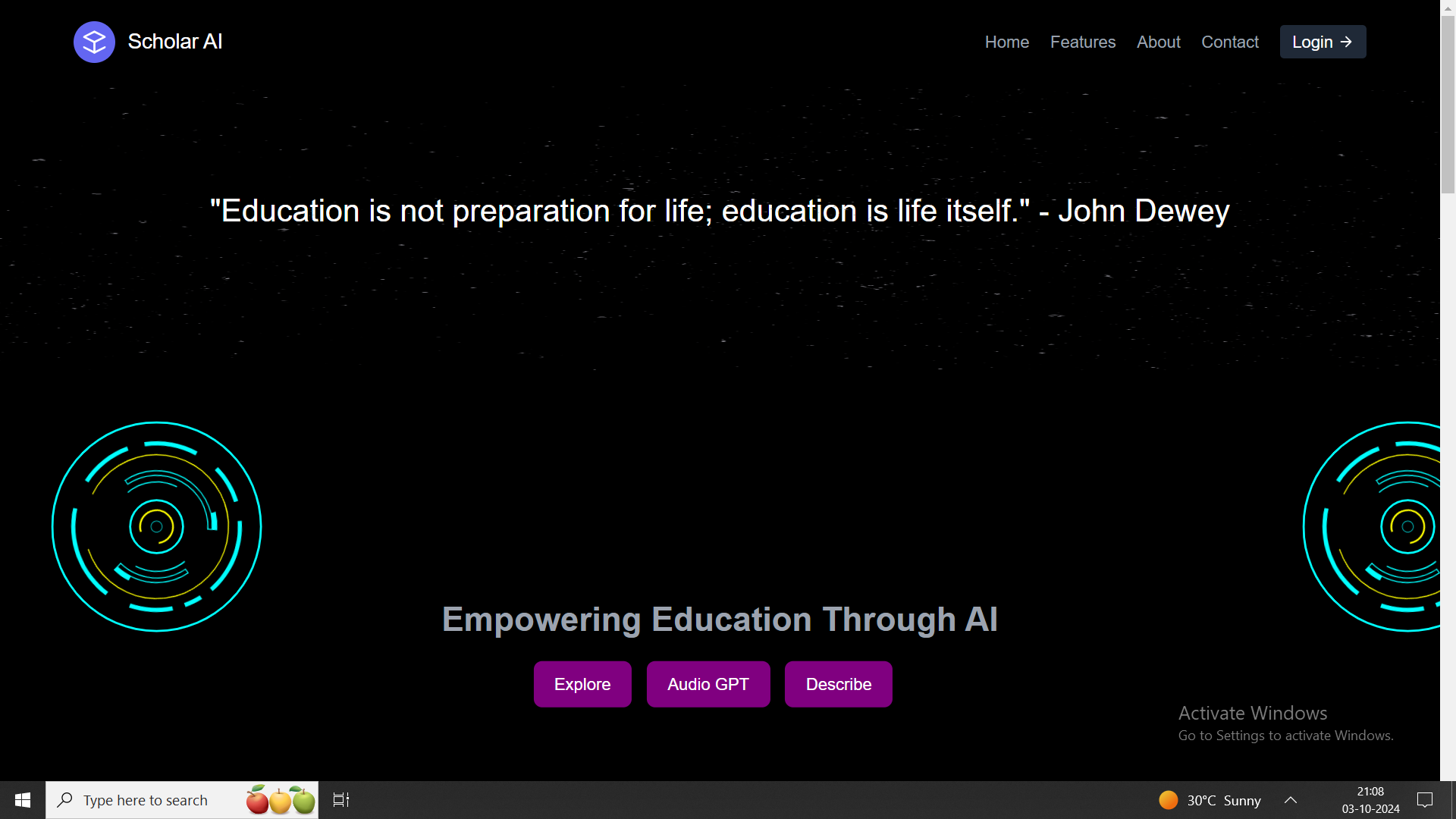
Homepage
-
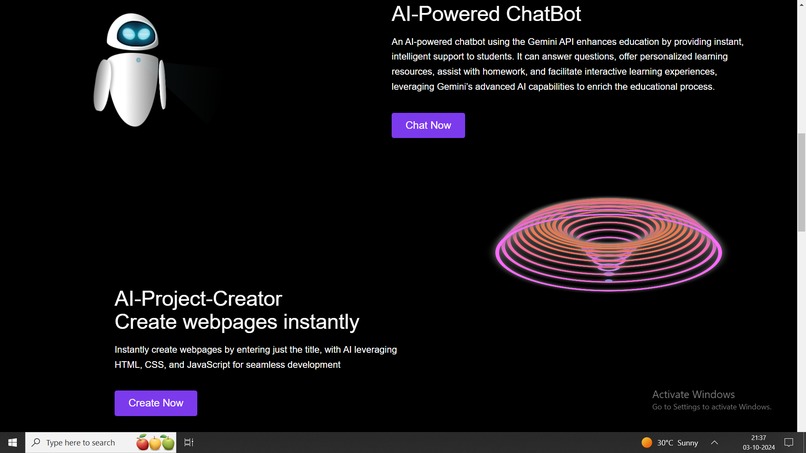
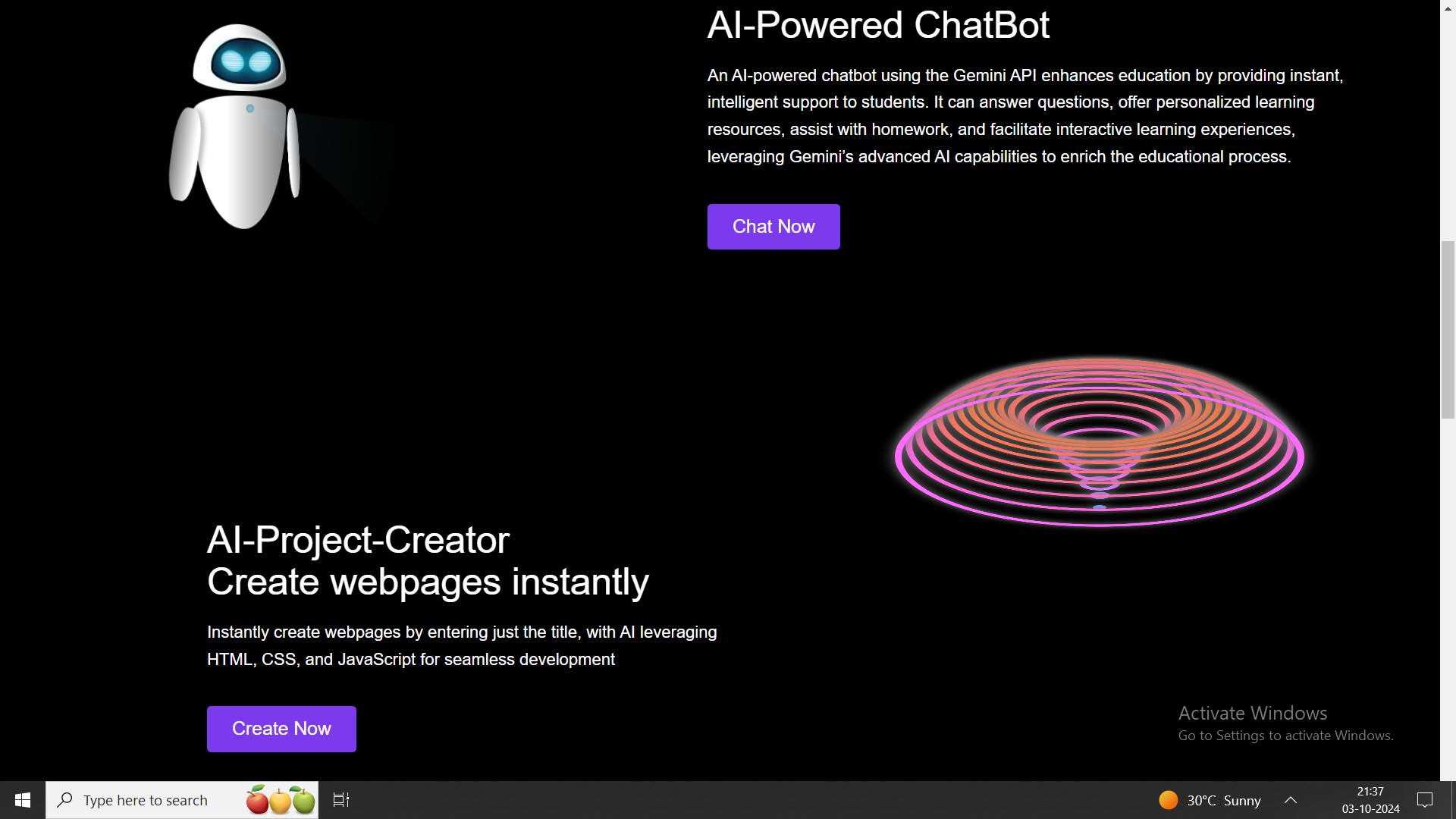
Homepage 2
-
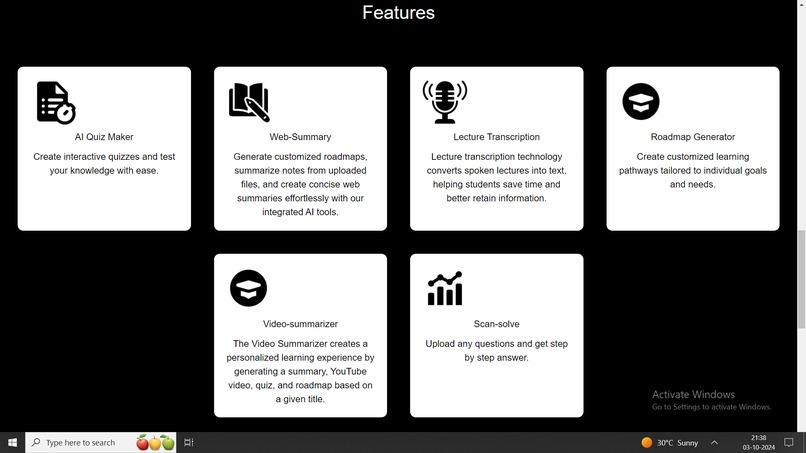
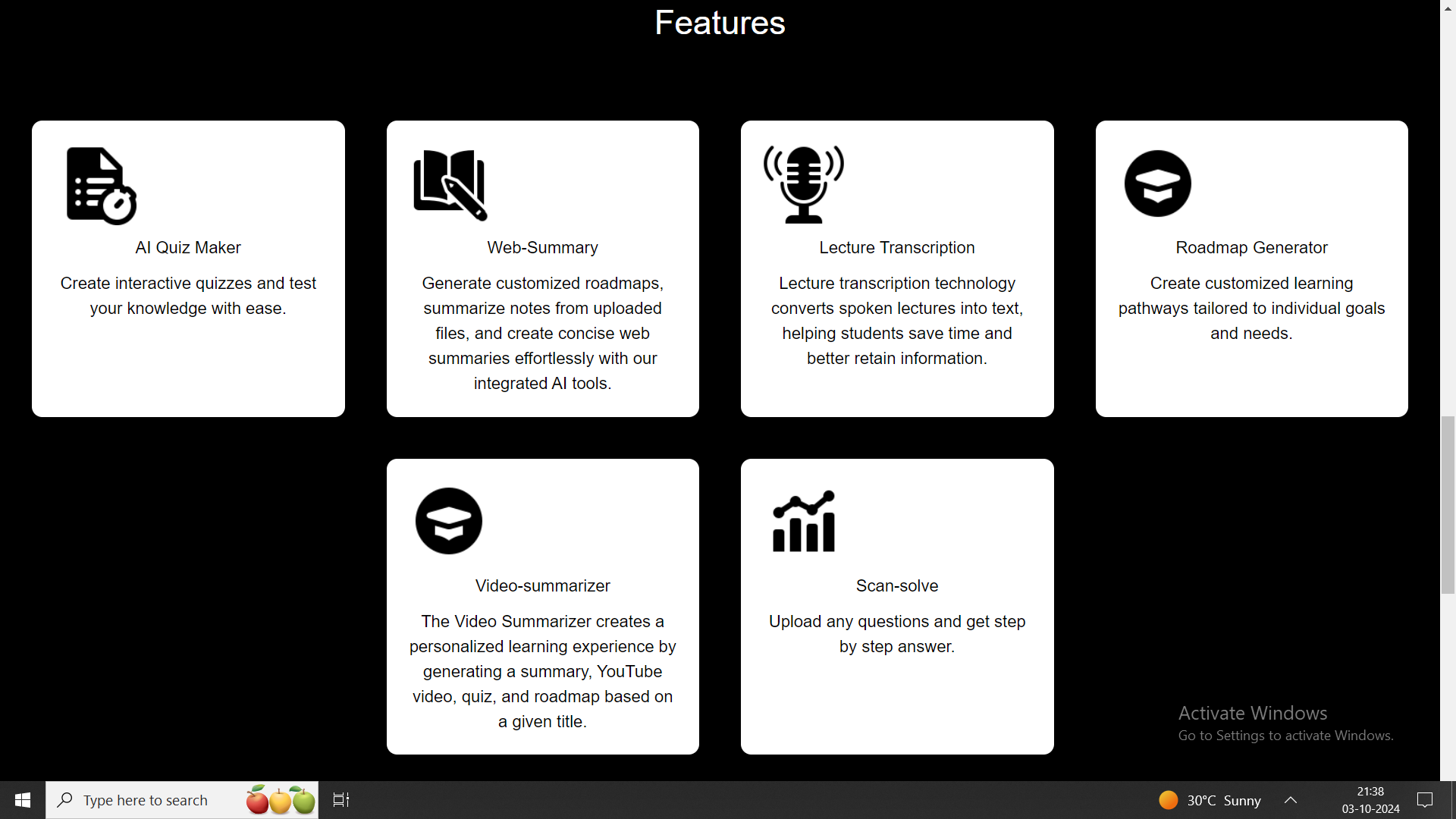
Features
-
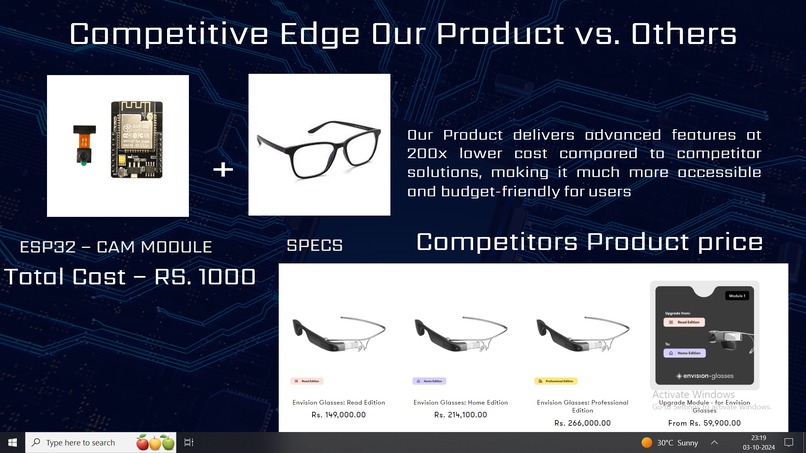
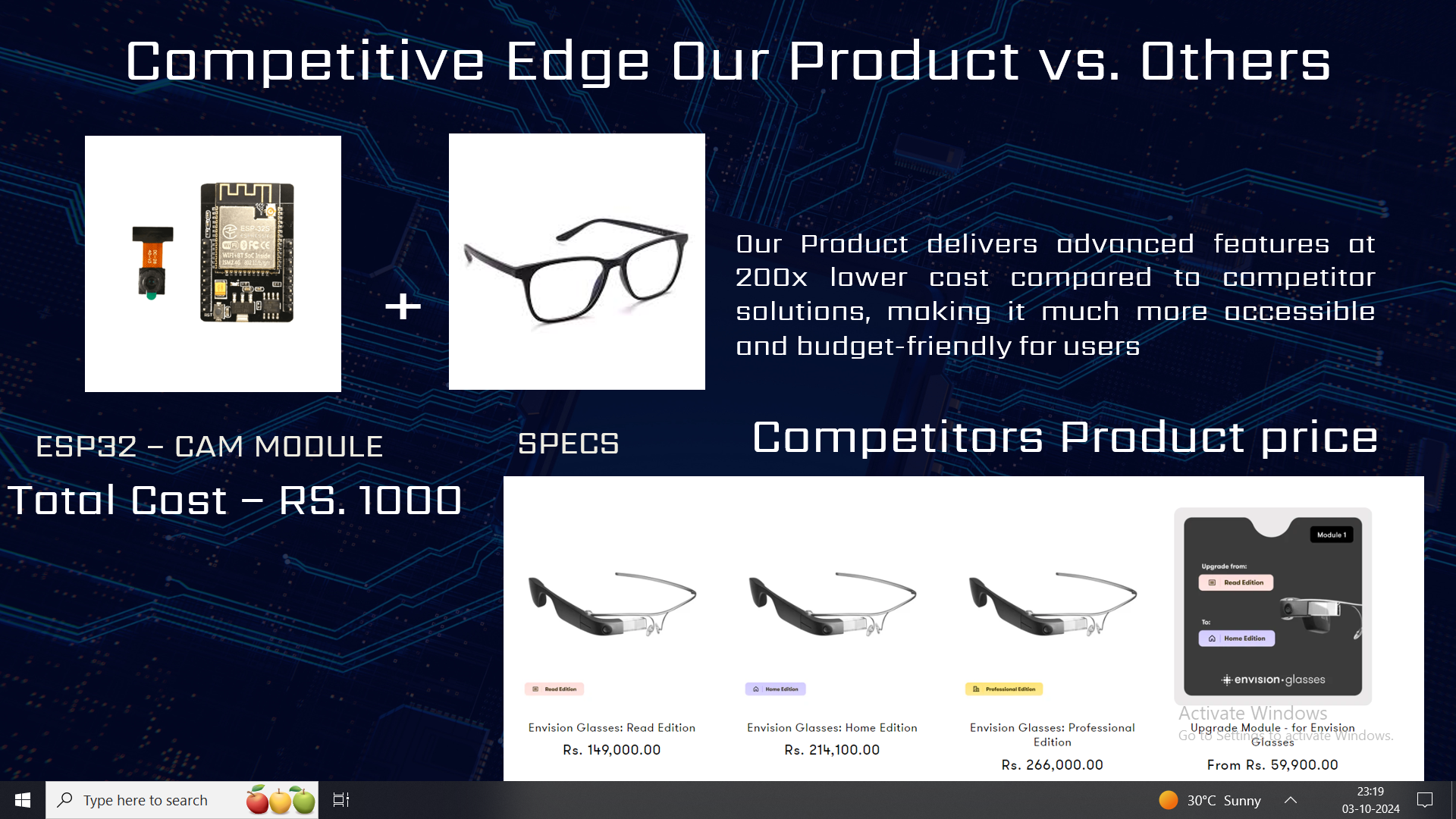
Hardware Plan
-
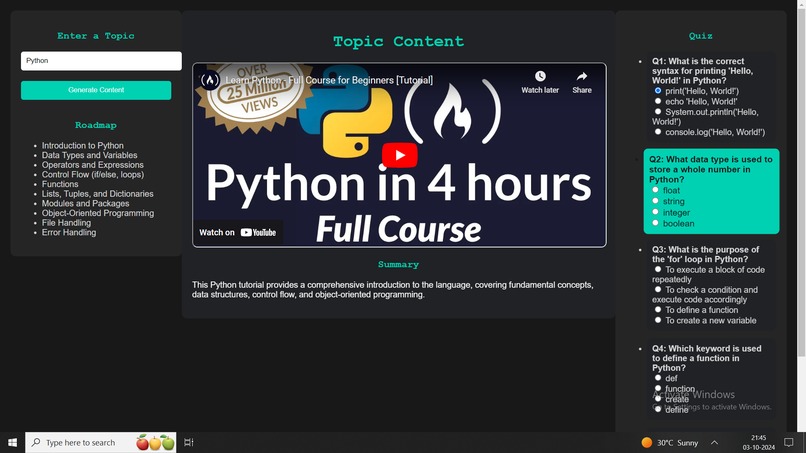
Summarizer
-
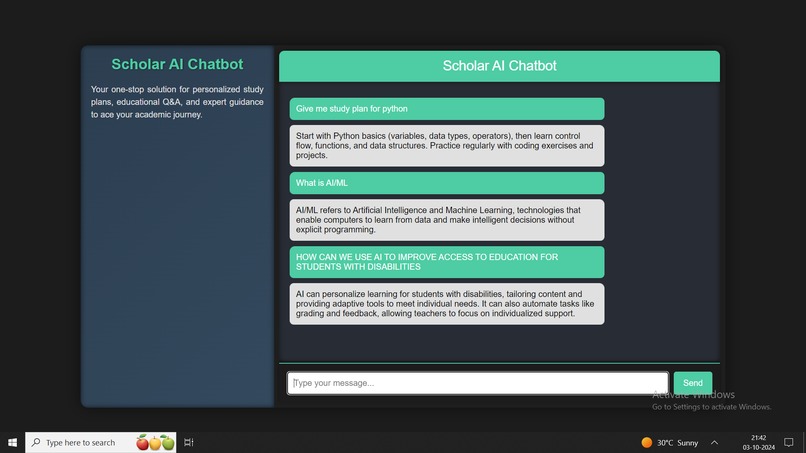
Chabtot
-
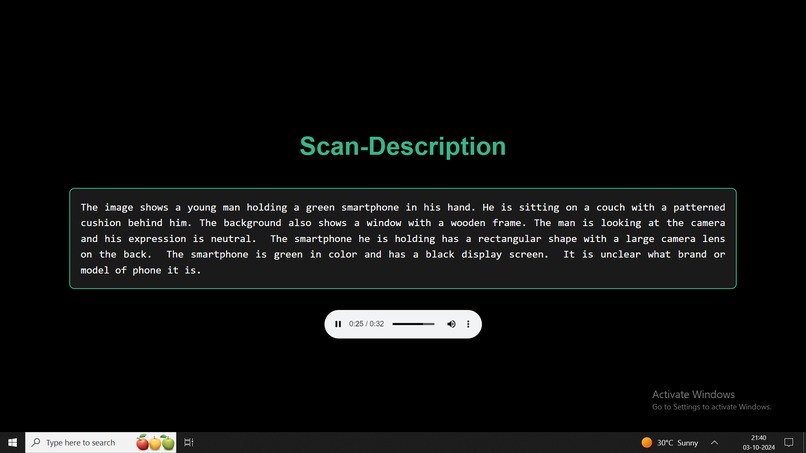
Scene-description
-
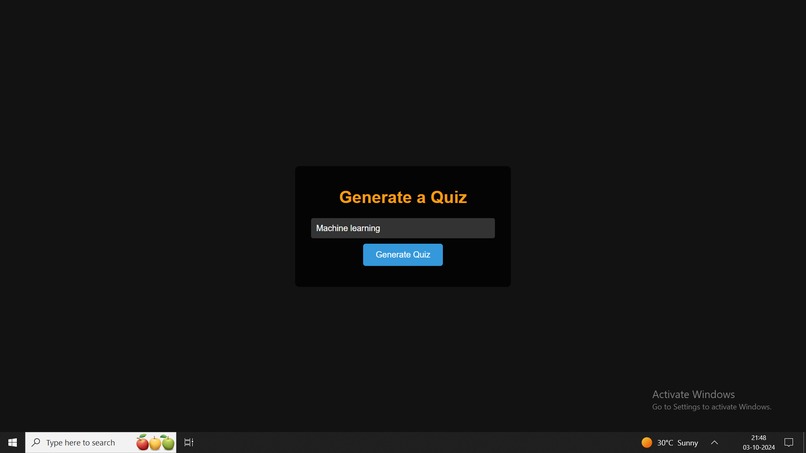
Ai-Quiz-Generator
-
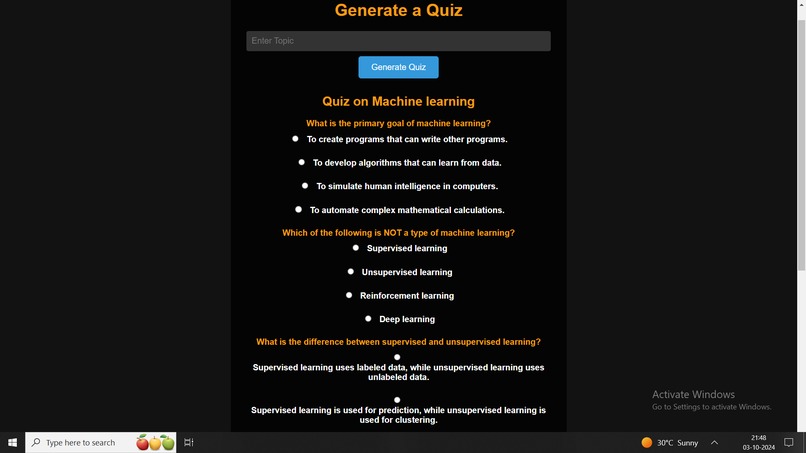
Quiz
-
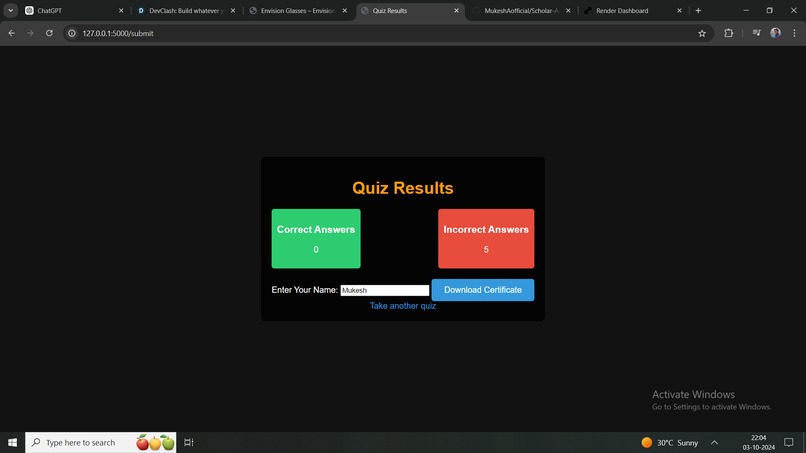
Dashboard
-
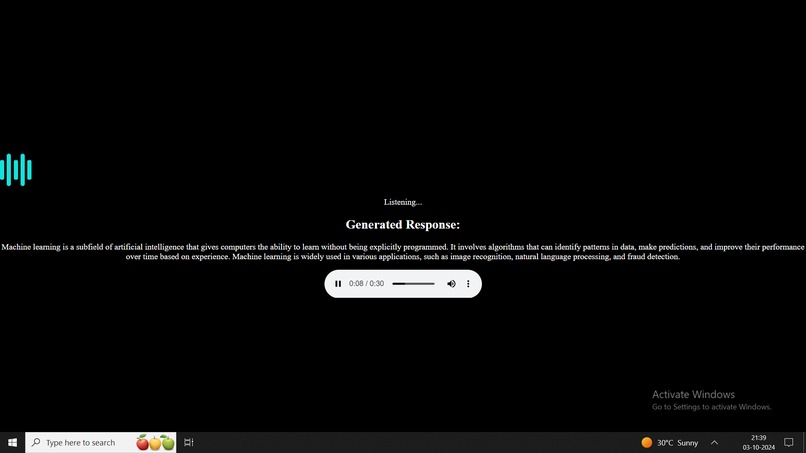
Voice-GPT
-
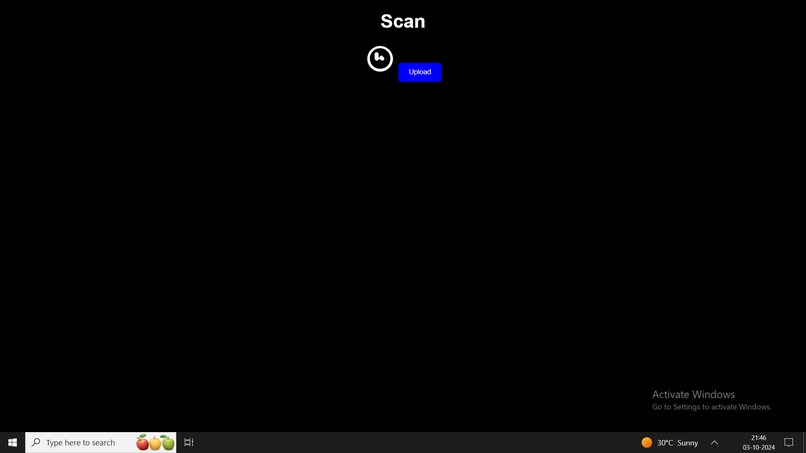
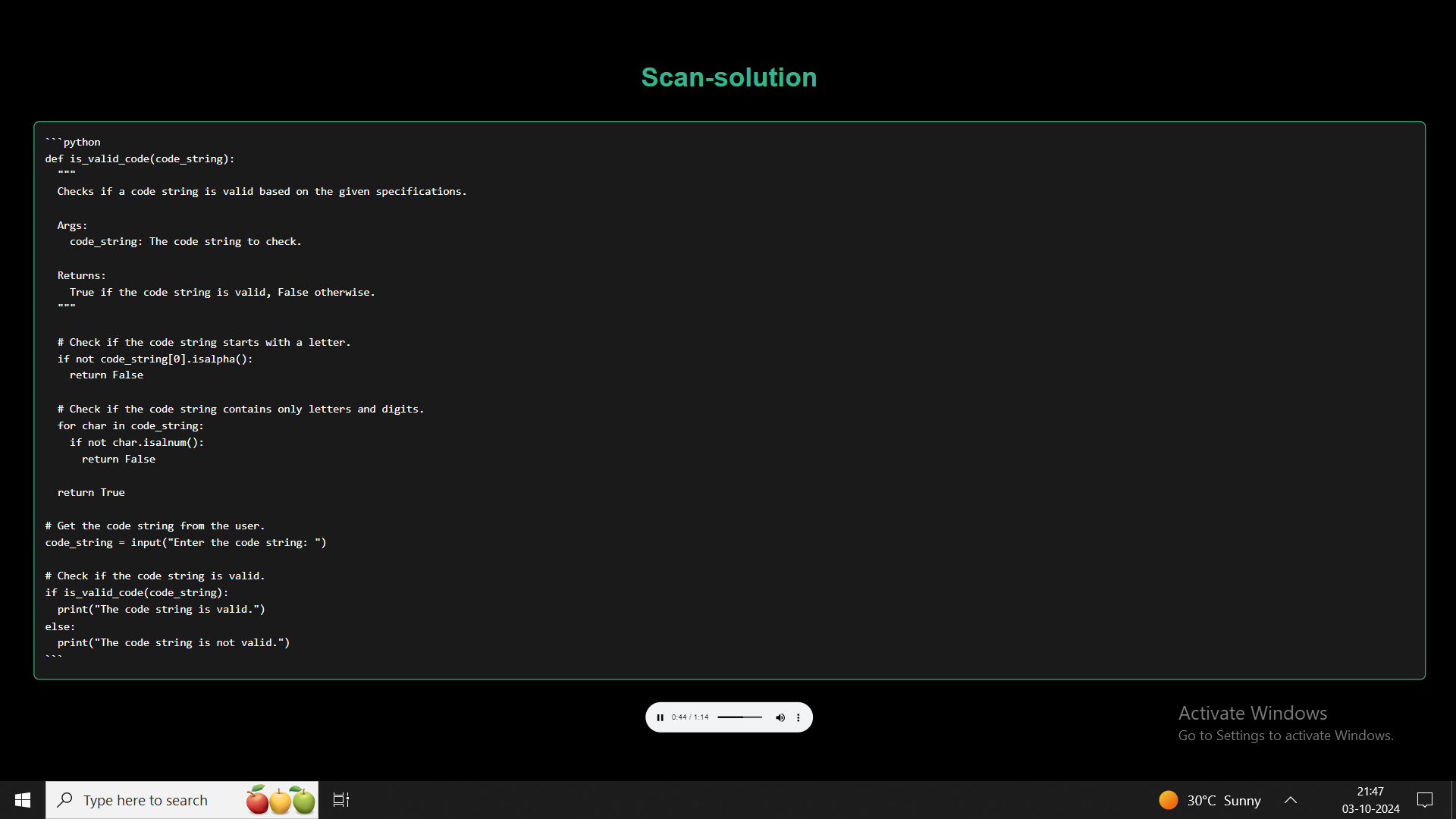
Scan-Solve
-
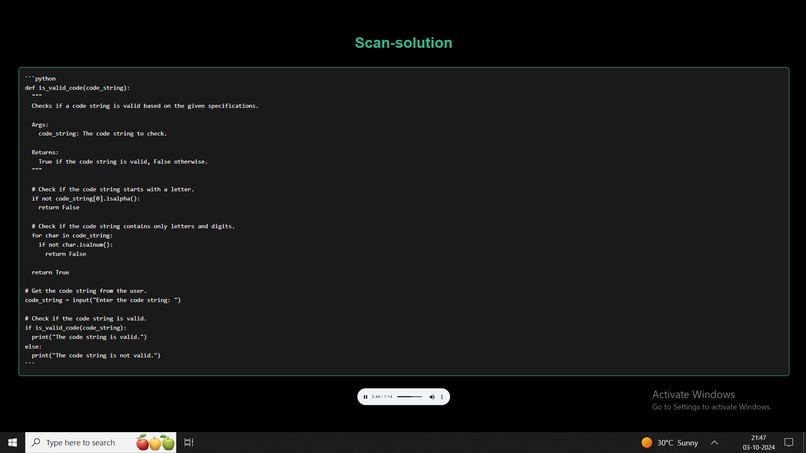
Scan-Result
-
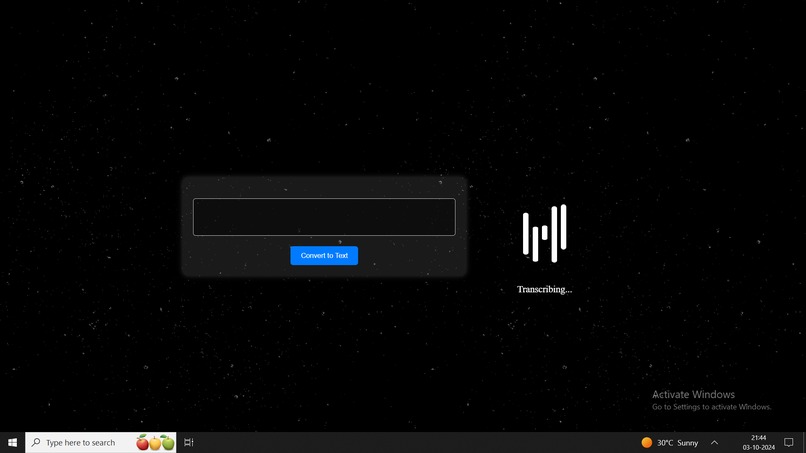
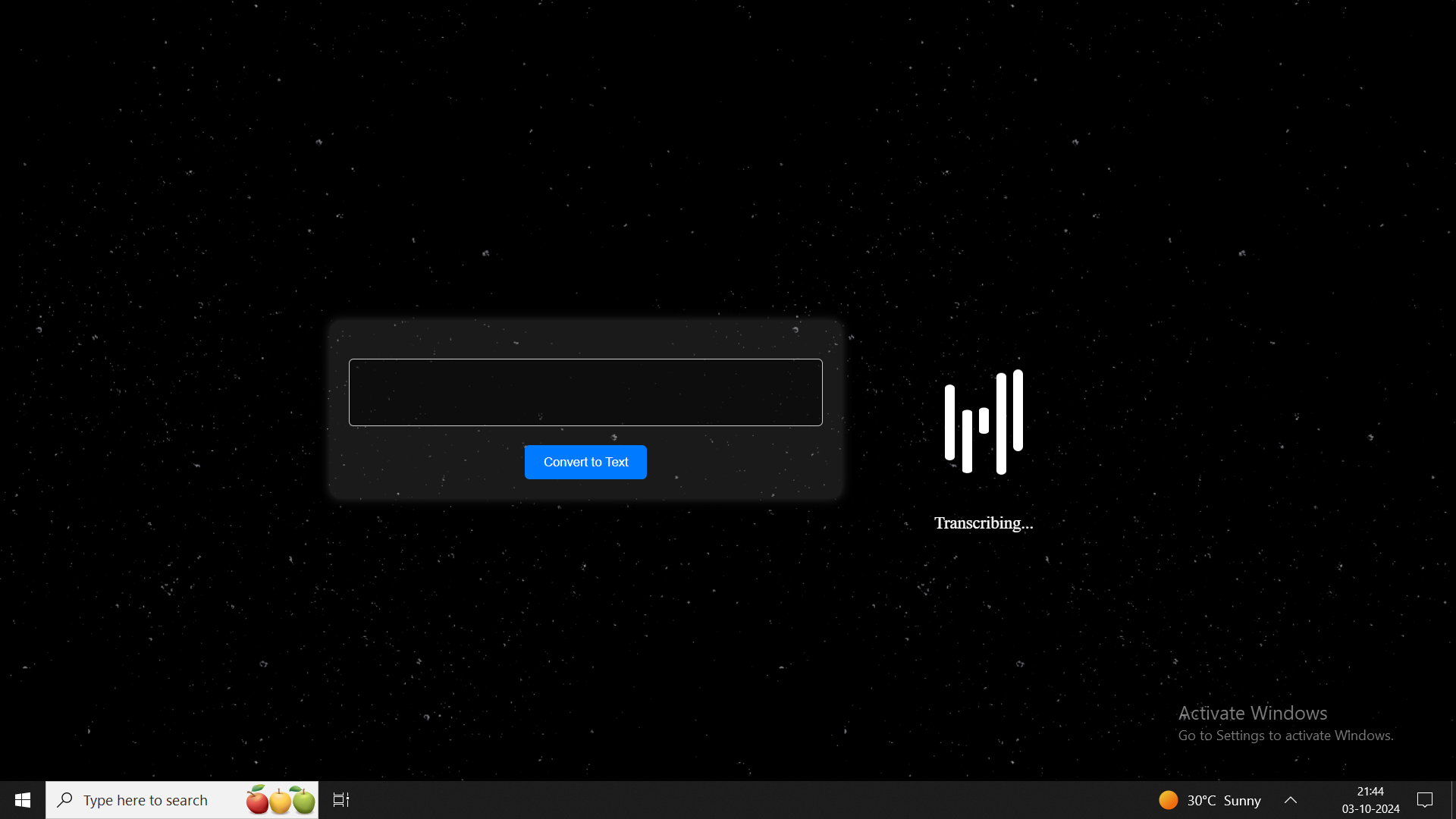
Lecture-transcription
-
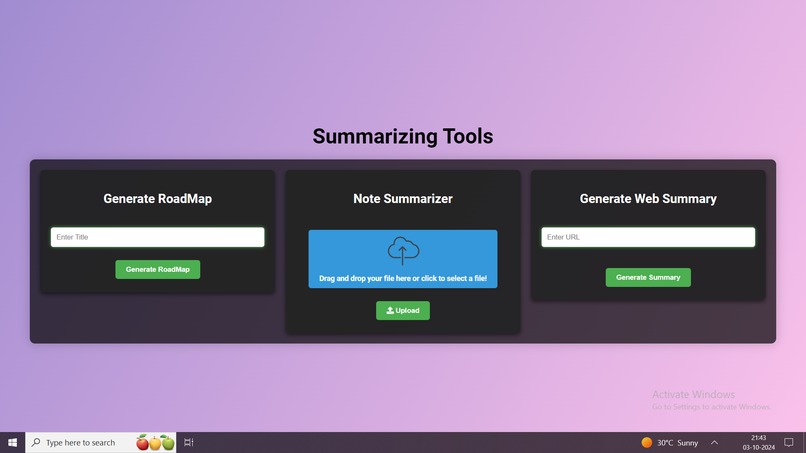
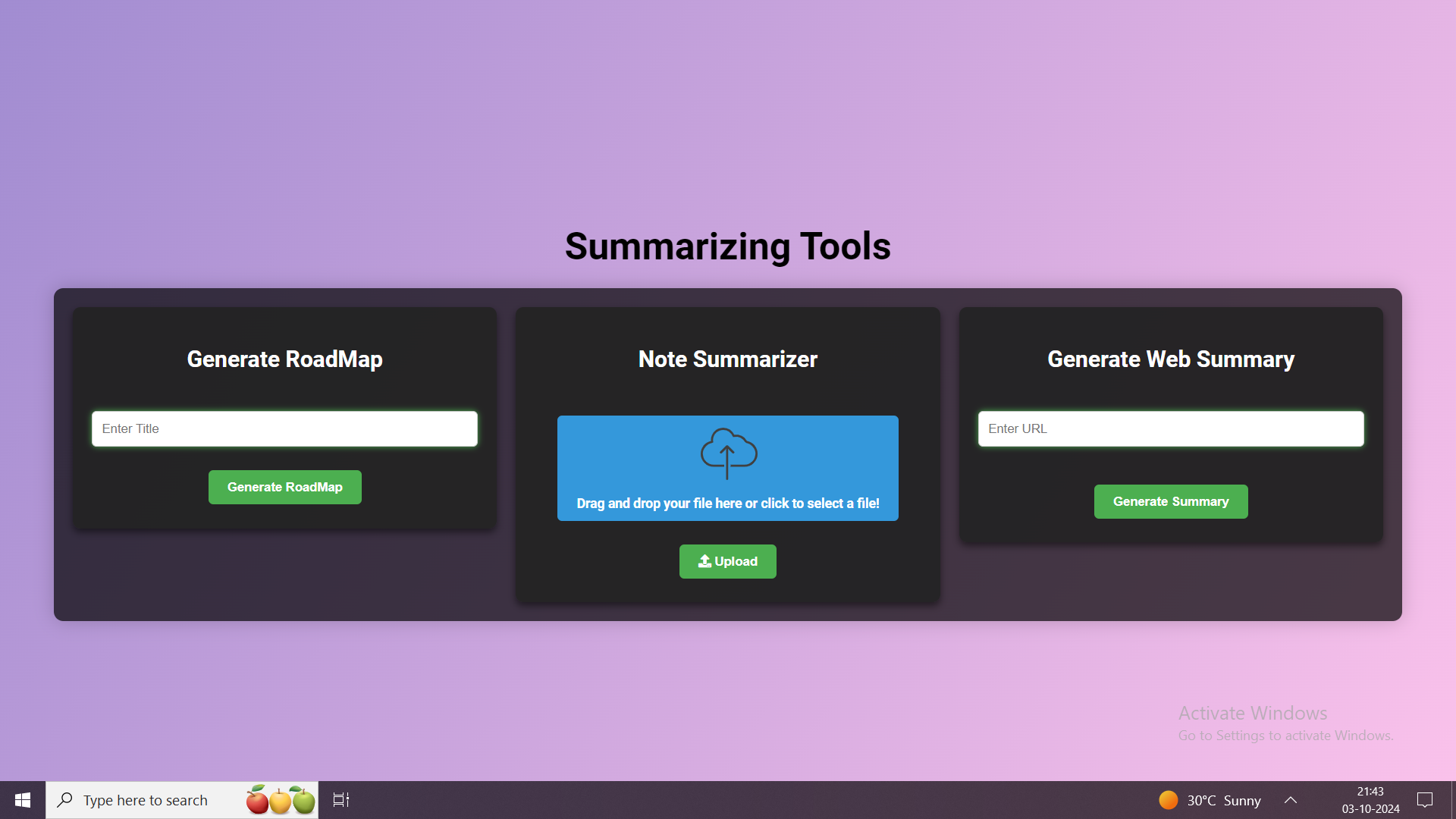
Summarizer
-
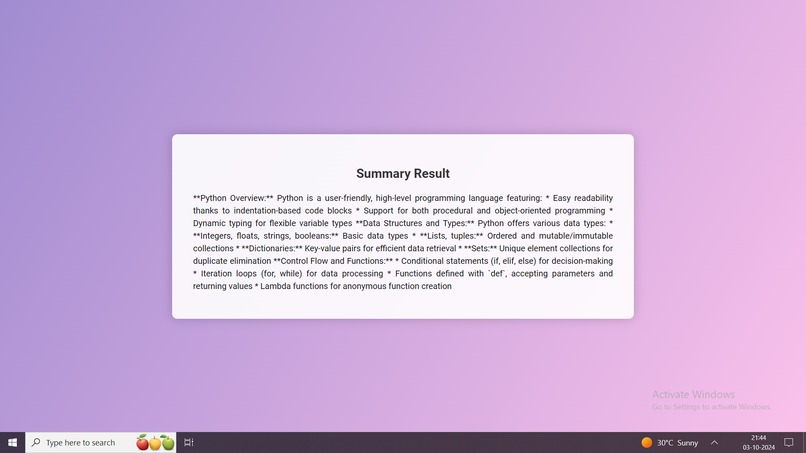
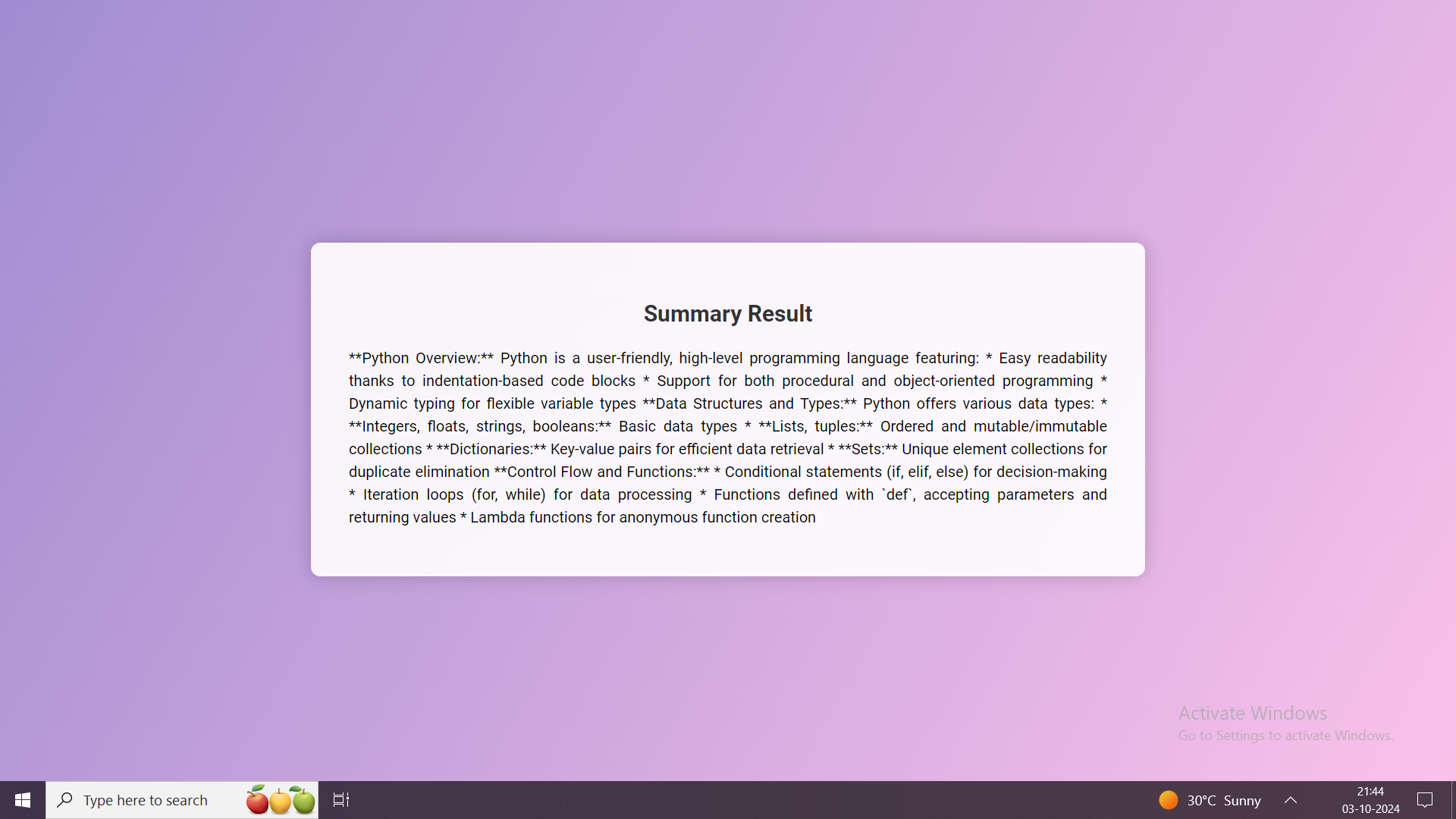
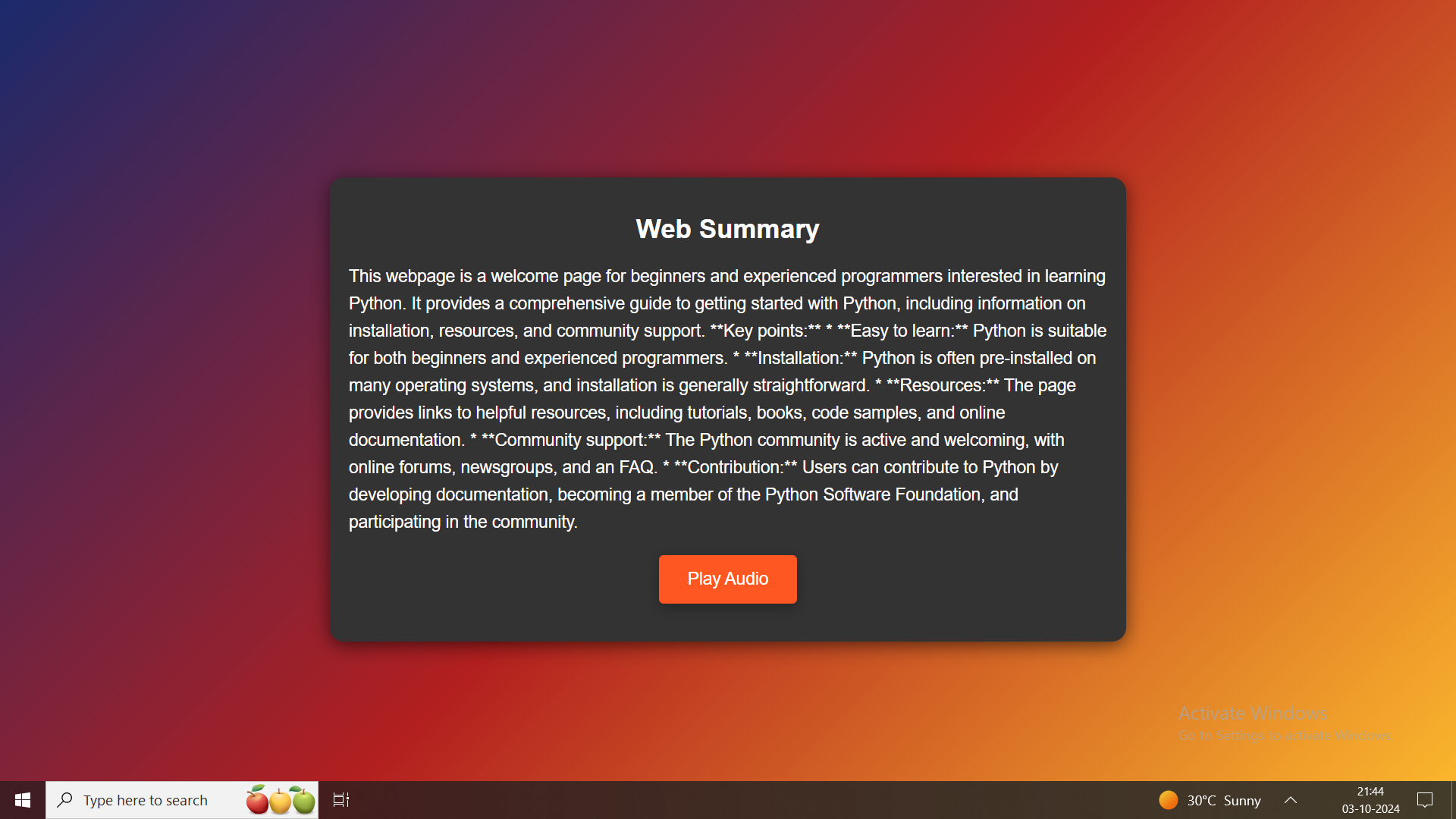
Output
-
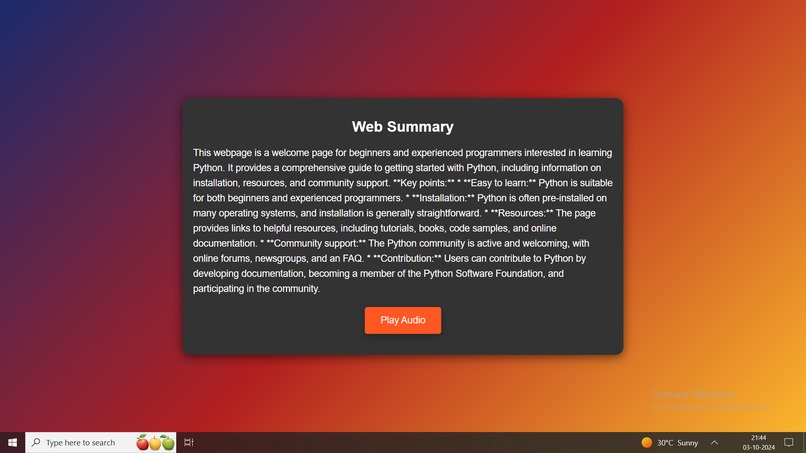
web-output
-
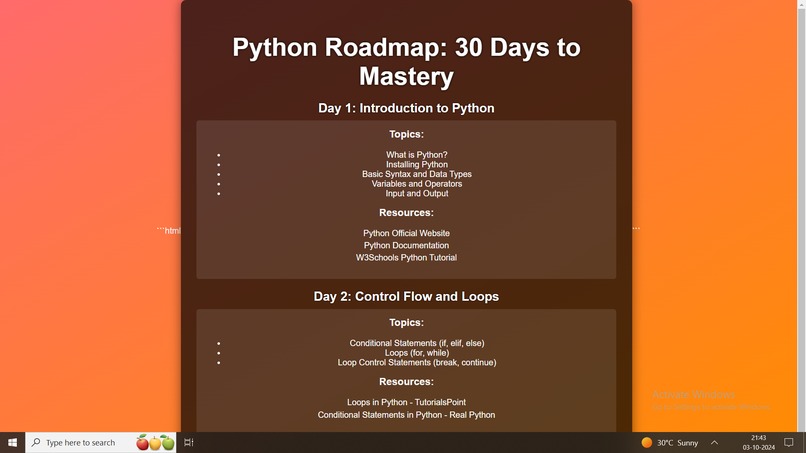
Roadmap
-
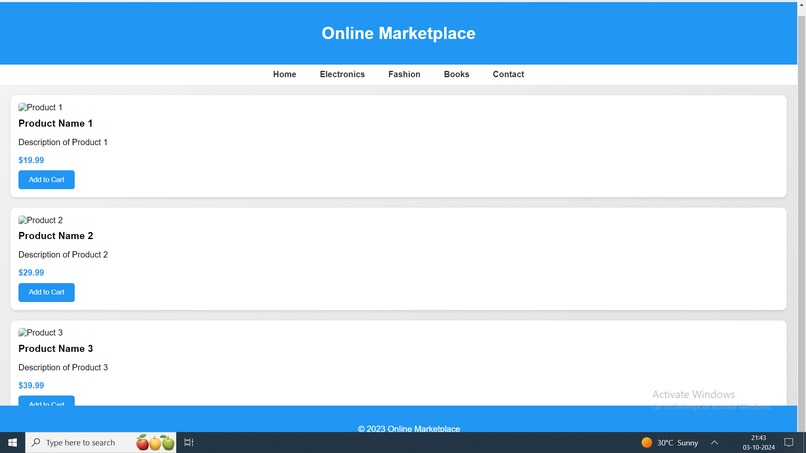
Ai-website-generator-output
-
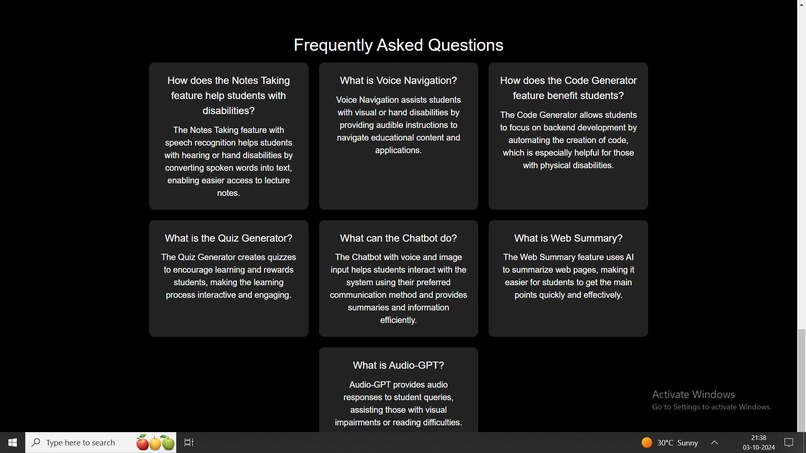
FAQ
Inspiration
The inspiration for Scholar-AI-Pro came from a desire to create an inclusive learning environment where technology empowers all students, especially those with disabilities. We wanted to leverage cutting-edge AI tools to overcome challenges in traditional education systems and create equal learning opportunities. Whether it’s helping students with hearing, visual, or physical impairments, our goal was to develop a platform that makes education accessible, interactive, and engaging for everyone.
What it does
Scholar-AI-Pro is an AI-powered web application designed to enhance the learning experience for students, particularly those with disabilities. Some of its key features include:
- Note-taking with Speech Recognition: Converts spoken words into written notes, ideal for students with hearing and hand disabilities.
- Voice Navigation: Enables visually impaired students or those with hand disabilities to navigate the platform using voice commands.
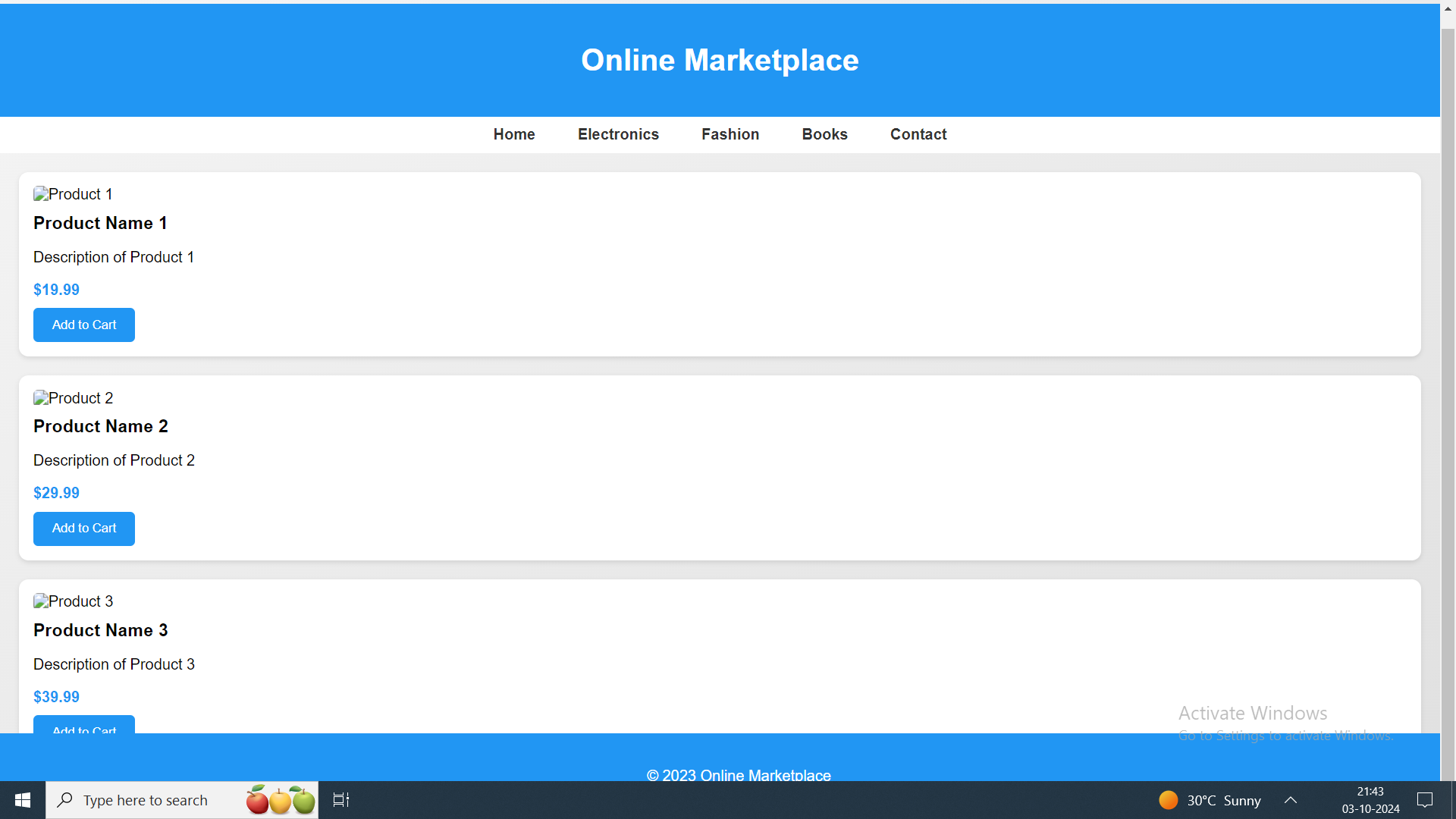
- Code Generator: Assists students by generating frontend web pages.
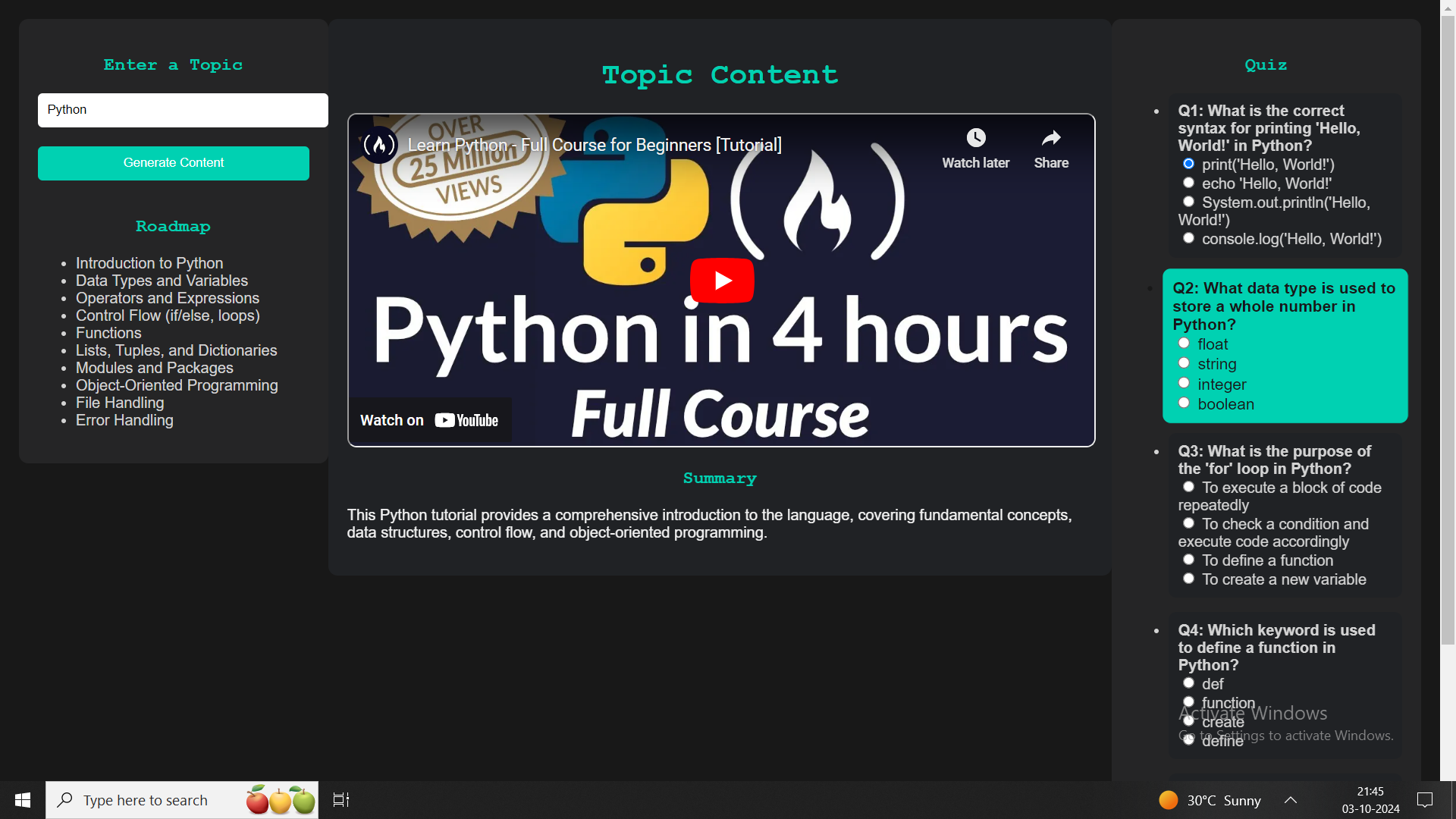
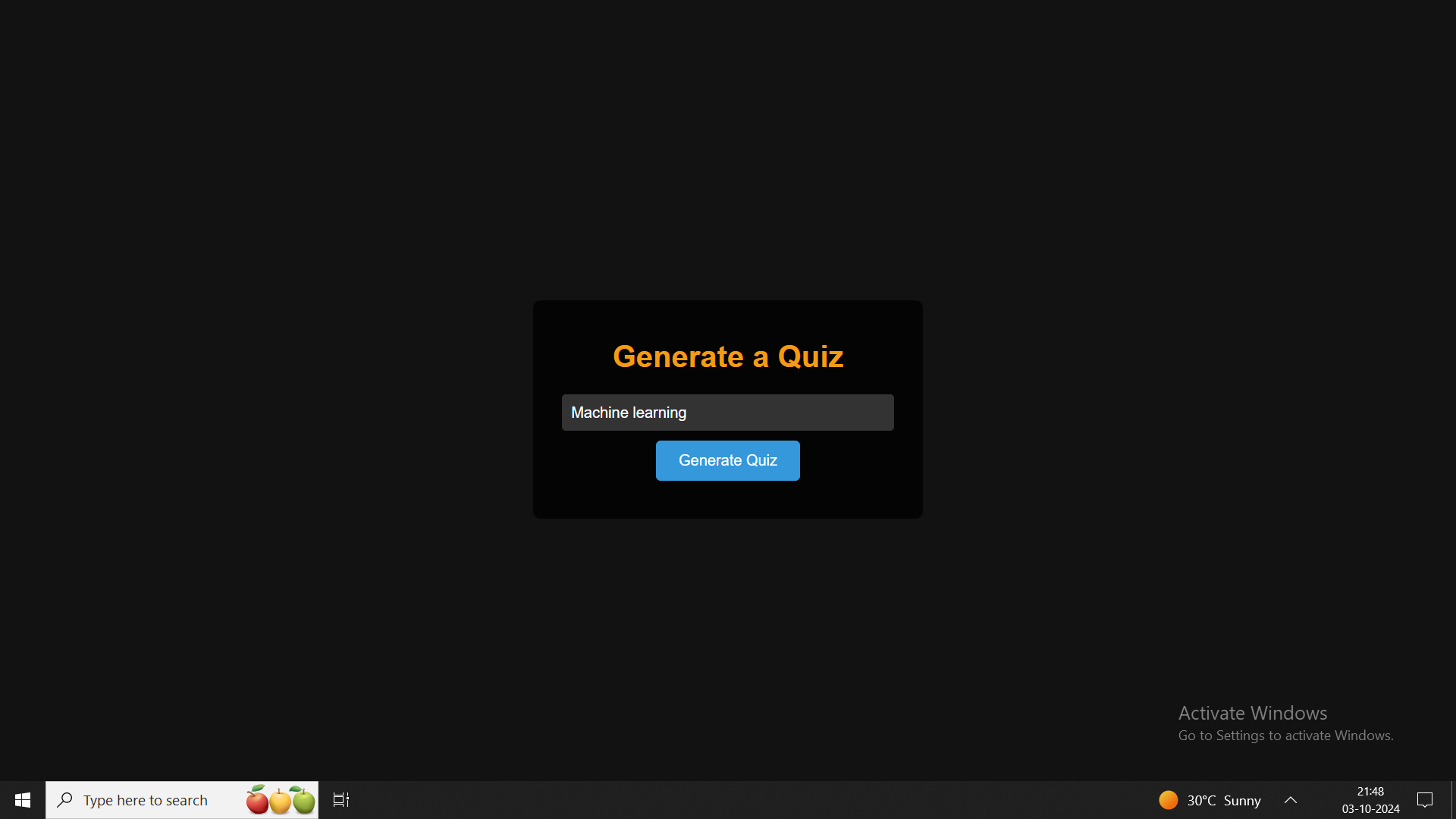
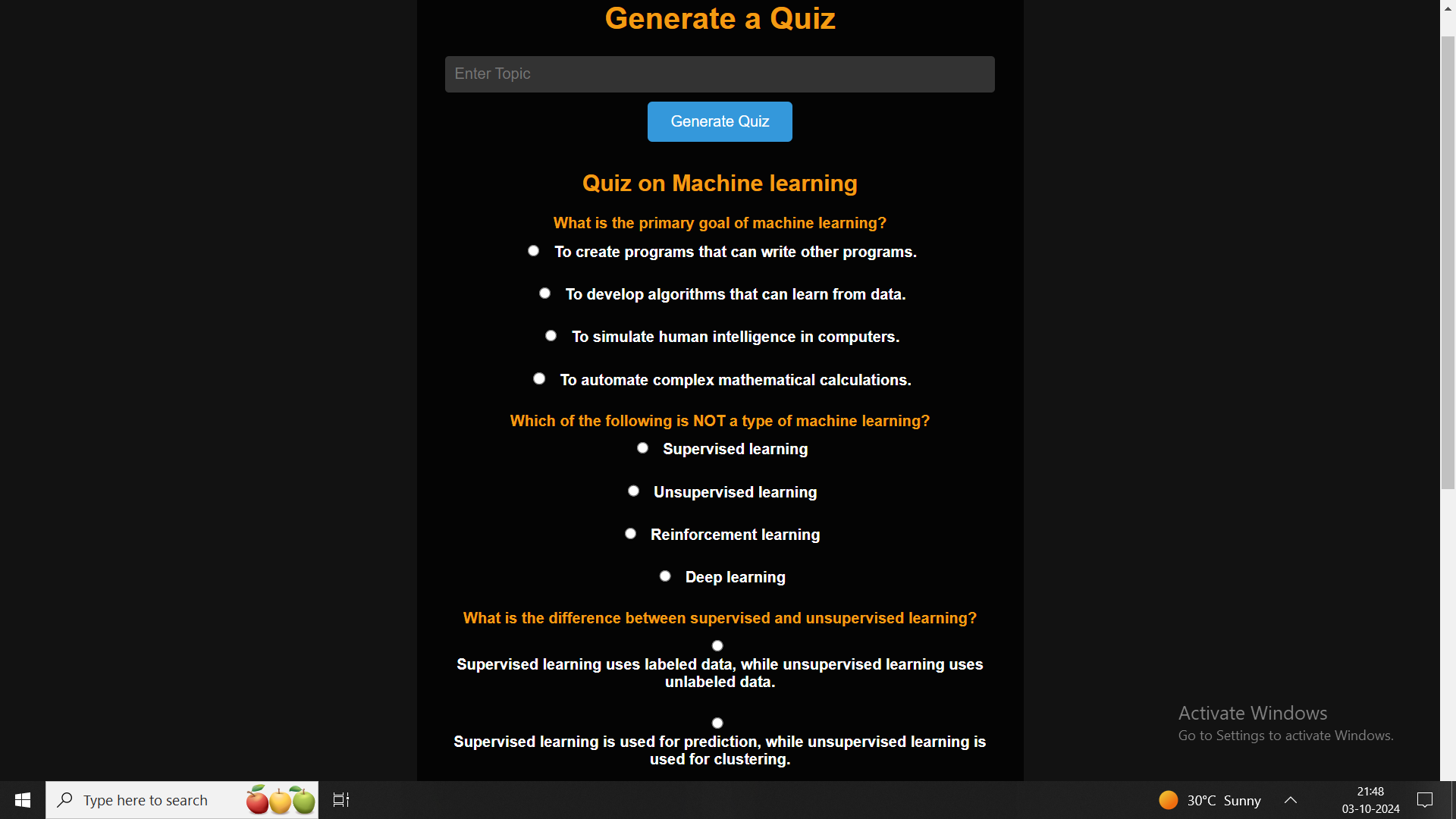
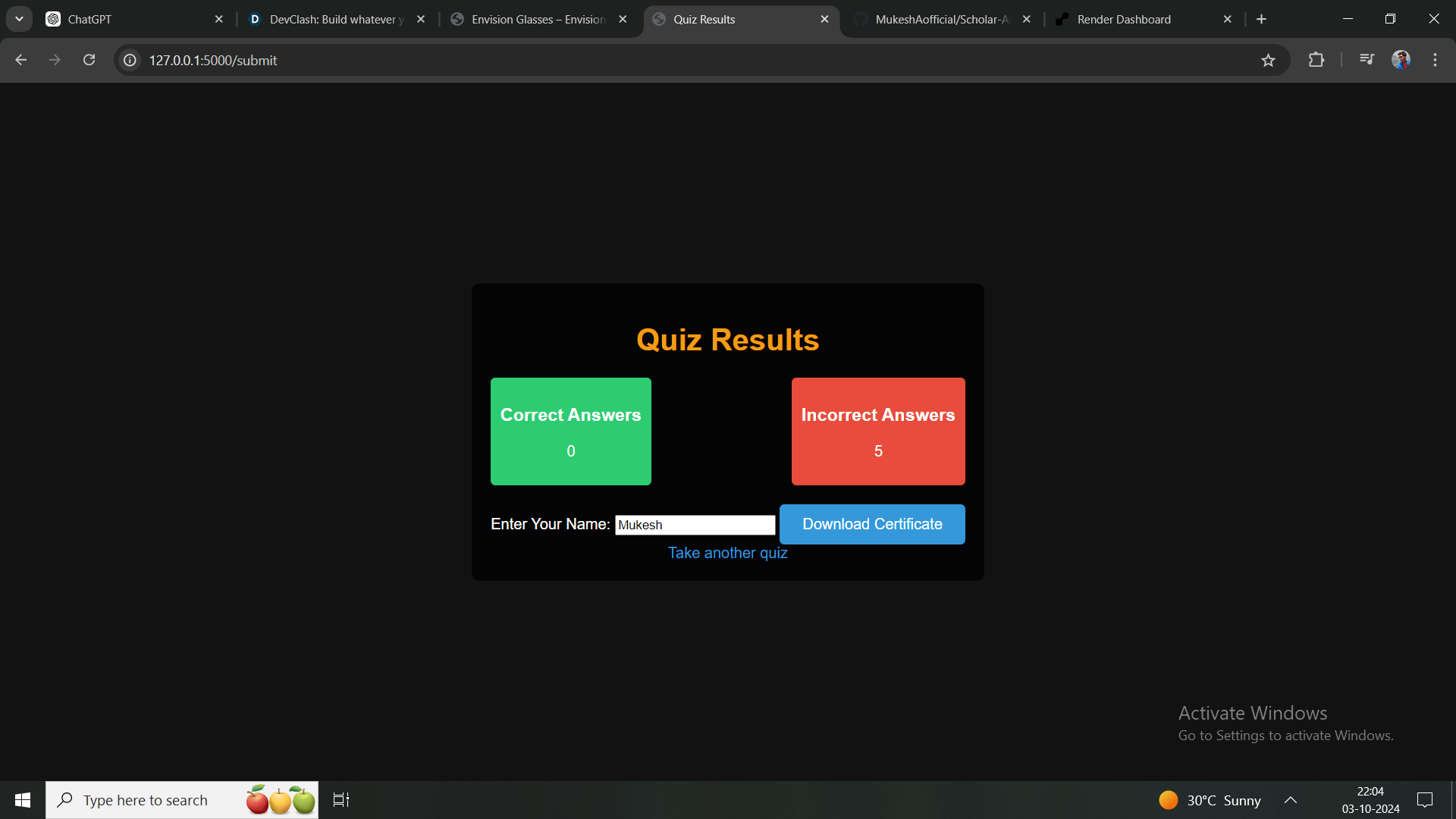
- Quiz Generator: Creates interactive quizzes, based on provided content or YouTube videos, to encourage student engagement.
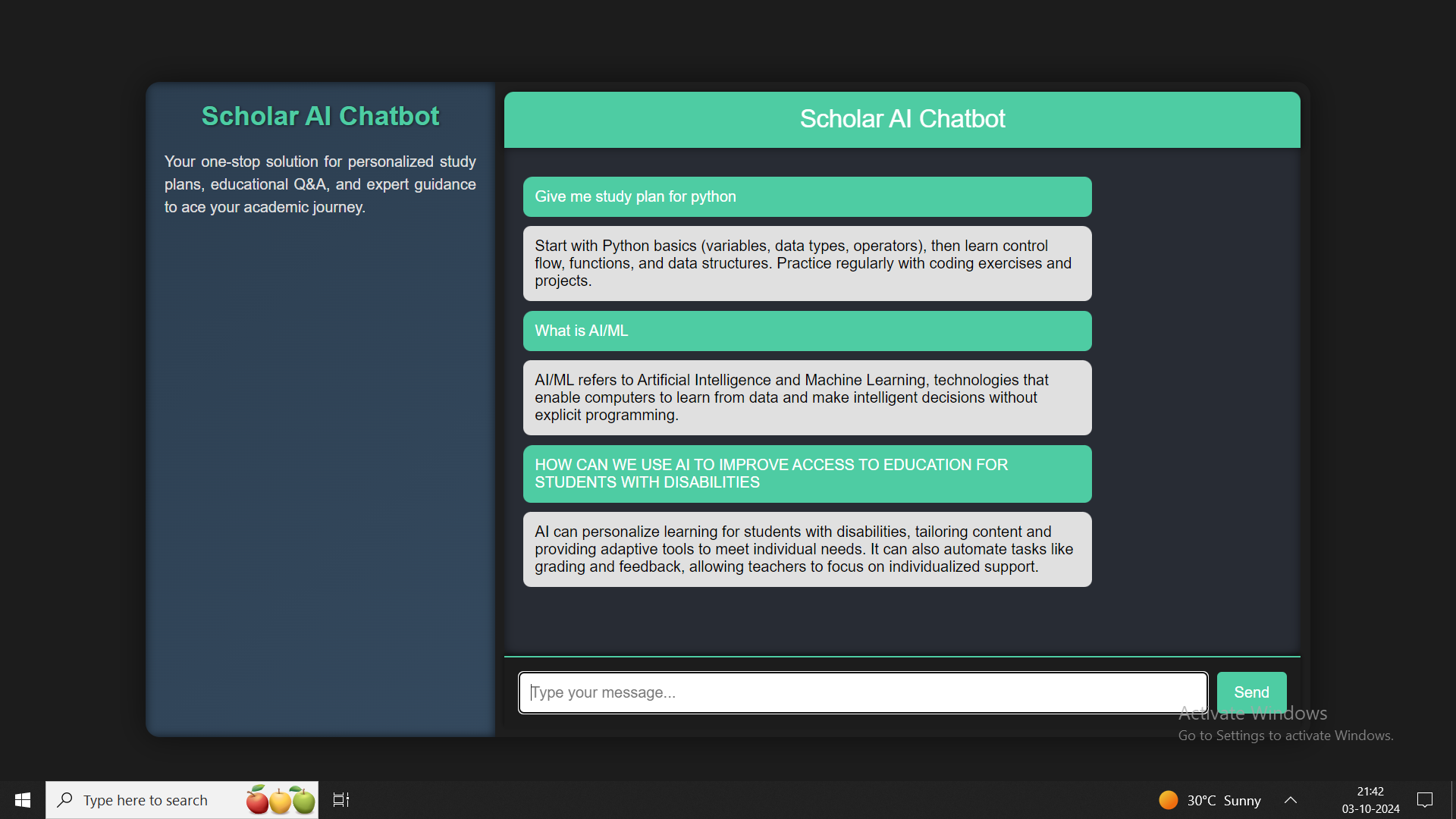
- Educational Chatbot: Provides students with instant answers to their queries using an AI chatbot.
- Web Summary with AI: Summarizes web content for enhanced learning experiences.
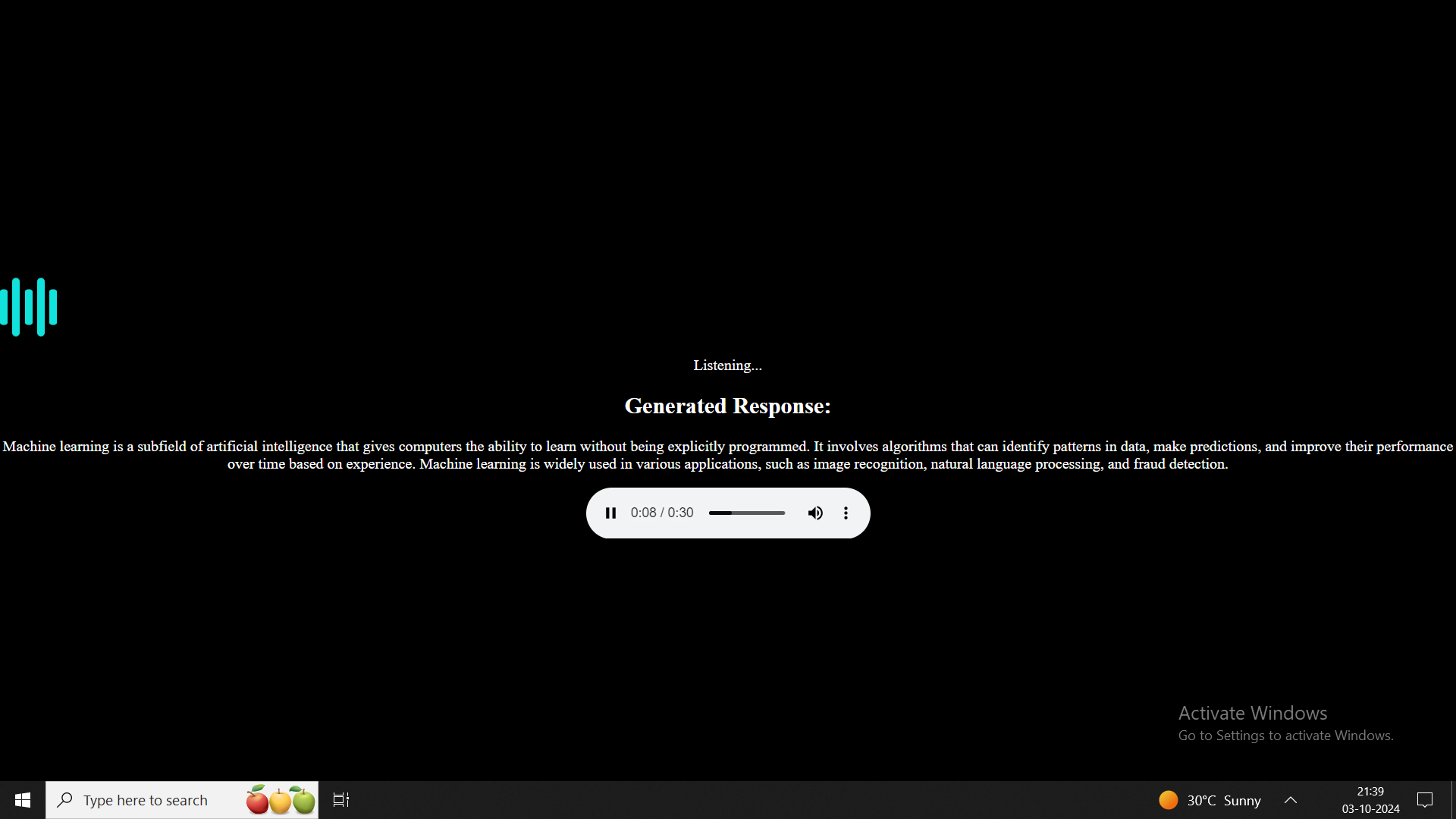
- Audio-GPT: Offers an audio-based learning interface, where students can listen to content or ask questions interactively.
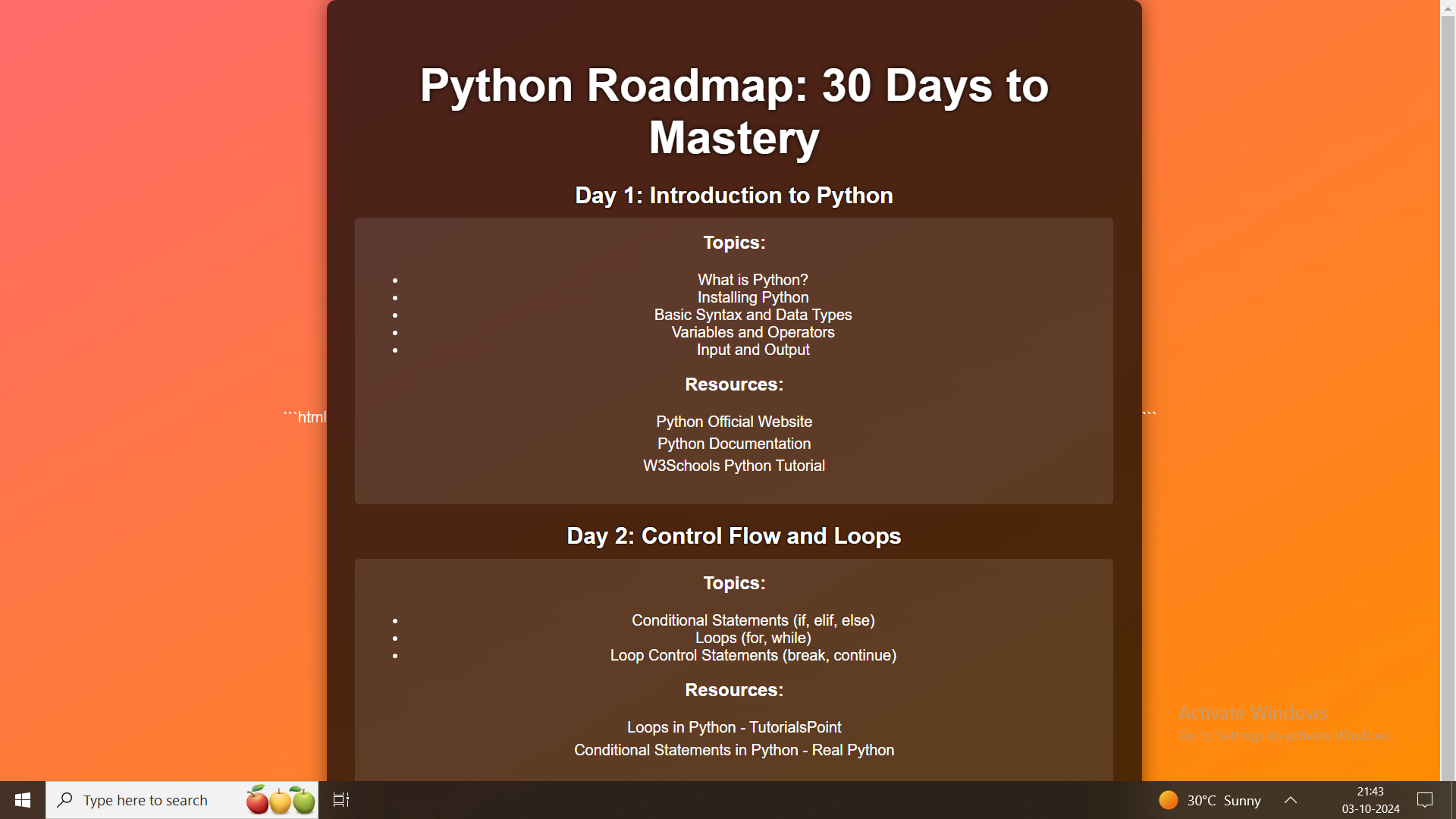
- Roadmap Generator: Automatically creates visually appealing learning pathways based on a student’s interests and progress.
- YouTube Summarizer: Summarizes YouTube videos, generates learning roadmaps, and creates quizzes based on the video content.
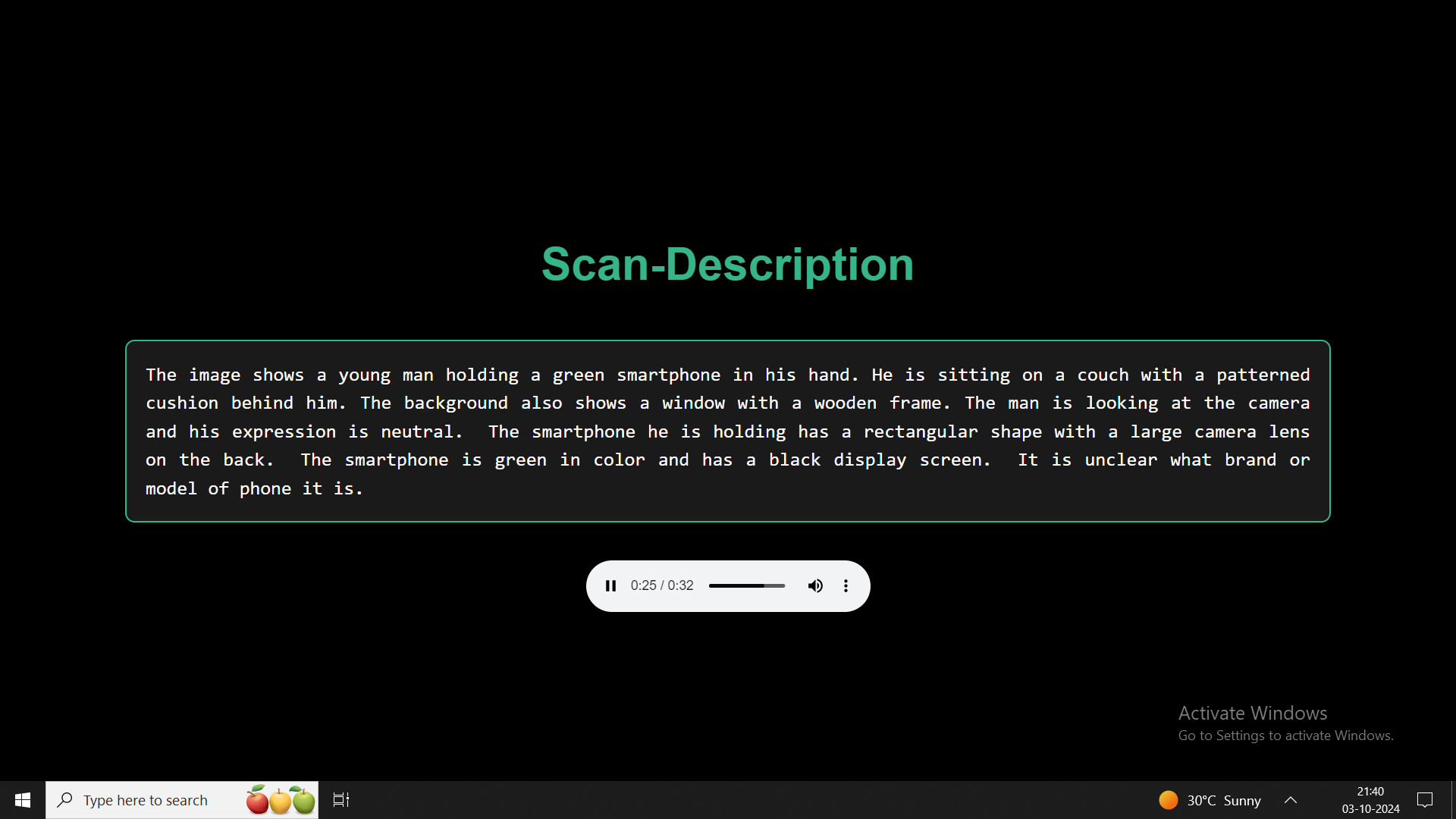
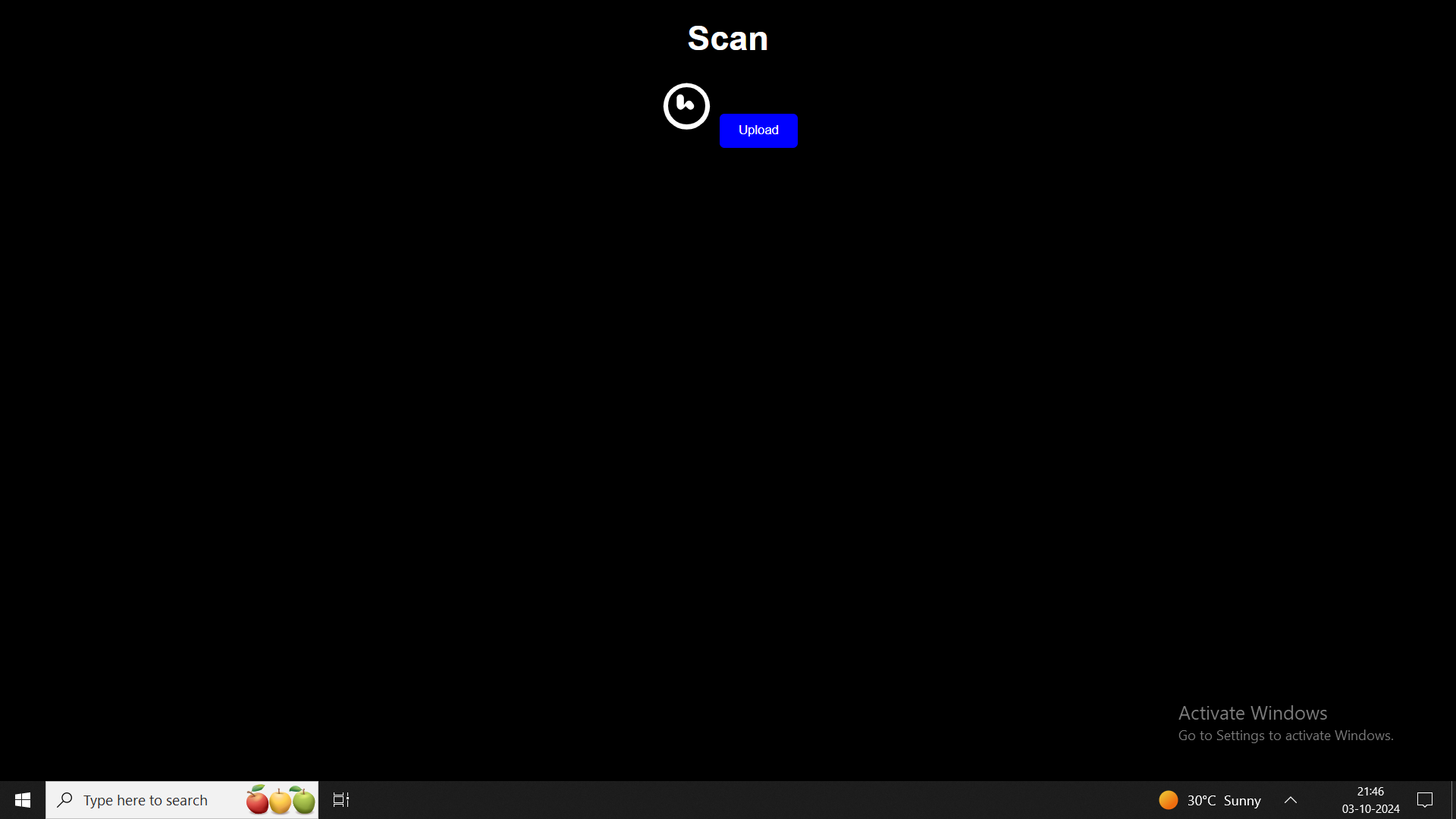
- Describe: Designed for visually impaired students, it can describe sceneries, read and summarize text, and translate content into different languages.
How we built it
The platform was built using a combination of modern technologies and frameworks:
- AI Integration with Gemini
- Backend Development with Flask
- Frontend Design with HTML and CSS
- Deployment and Configuration: The web app was deployed using Render.
Challenges we ran into
One of the biggest challenges we encountered was ensuring that the AI-driven features like voice navigation, YouTube summarization, and Audio-GPT were intuitive and accessible. Making sure that the platform could accommodate a wide variety of disabilities, while maintaining a user-friendly experience for ordinary students, also required extensive testing and iteration. Integration of diverse AI models for tasks like summarization and voice commands presented significant technical challenges as well.
Accomplishments that we're proud of
We’re particularly proud of how Scholar-AI-Pro brings together different AI technologies to support students with various disabilities. The Note-taking with Speech Recognition and Voice Navigation tools are empowering features that allow users with hearing, visual, and physical disabilities to engage with educational content in ways that were not previously possible. Additionally, the AI-powered Quiz Generator and YouTube Summarizer add a level of interactivity that enhances the learning process.
What we learned
Through this project, we learned how crucial it is to think inclusively when designing educational tools. Building for accessibility required us to rethink user experience and focus on ways to improve interaction for students with disabilities. On the technical side, we gained a deeper understanding of integrating AI models into web platforms and optimizing them to run efficiently while maintaining accessibility.
What's next for SCHOLAR-AI-PRO
Moving forward, we aim to:
- Expand the range of languages supported by the Describe and Translate features for visually impaired students.
- Incorporate more advanced AI features, like personalized learning recommendations based on student progress and interests.
- Partner with educational institutions to bring Scholar-AI-Pro into classrooms, providing tailored learning experiences.
- Continuously improve the platform's accessibility features, such as adding support for sign language recognition for the hearing impaired.
- Future Plan: We are also working on creating an AI-integrated hardware solution using ESP32 glasses, Bluetooth headsets, and other components to assist visually impaired individuals, allowing them to interact with the physical world through AI-powered glasses.

Log in or sign up for Devpost to join the conversation.