-
htt
Inspiration
Most AI image tools work like slot machines: type a prompt, pray, repeat. I wanted to direct visuals like a filmmaker — with control, iteration, and repeatable structure — instead of gambling on a single text box. Scenetra came from that frustration.
What it does
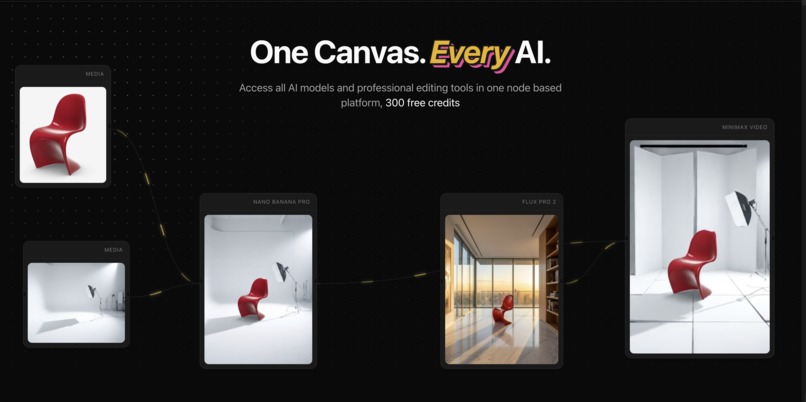
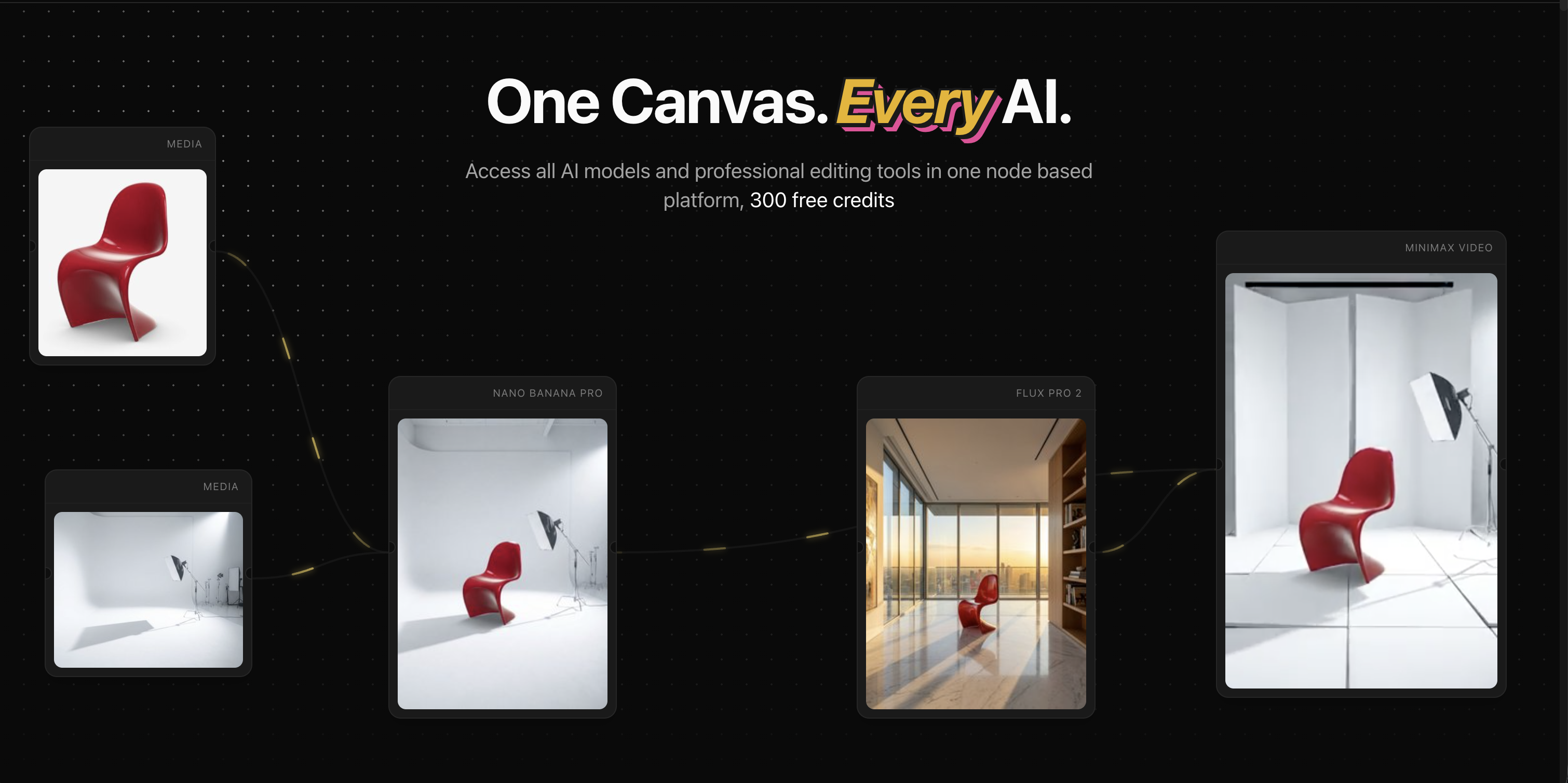
Scenetra is a node-based visual workspace for AI creators. It connects 25+ image and video generation models on a single canvas, letting you wire them together into composable workflows. Instead of one-off prompts, you build reusable pipelines — from a single shot to a full multi-step visual sequence.
How I built it
I built Scenetra solo with TypeScript, React, and Next.js. The core is a node graph engine that normalizes wildly different model APIs into one consistent interface, so any model's output can feed into another's input. Video compositing is handled with a dedicated rendering pipeline to keep heavy work off the main thread.
Challenges I ran into
The biggest challenge was wrangling 25+ models — each with its own parameters, formats, and quirks — into one coherent graph. Video was even harder: compositing multiple generations without freezing the browser meant rethinking how and where rendering happens. Anti-abuse (disposable emails, fingerprinting) was another rabbit hole.
Accomplishments that I'm proud of
Shipping a working node-based multi-model canvas as a solo builder, and getting it in front of real users — 300+ signups and the first paying customers. Watching people compose workflows I never explicitly designed for is the most rewarding part.
What I learned
The blank canvas is the real enemy. All that power means nothing if a new user doesn't know where to start. Onboarding and a template-first approach matter more than raw capability — activation is the whole game.
What's next for Scenetra
More models, deeper workflow composition, and a template library so anyone can start from a working pipeline instead of an empty canvas. The goal: make directing AI visuals feel less like prompting and more like building.
