The Product
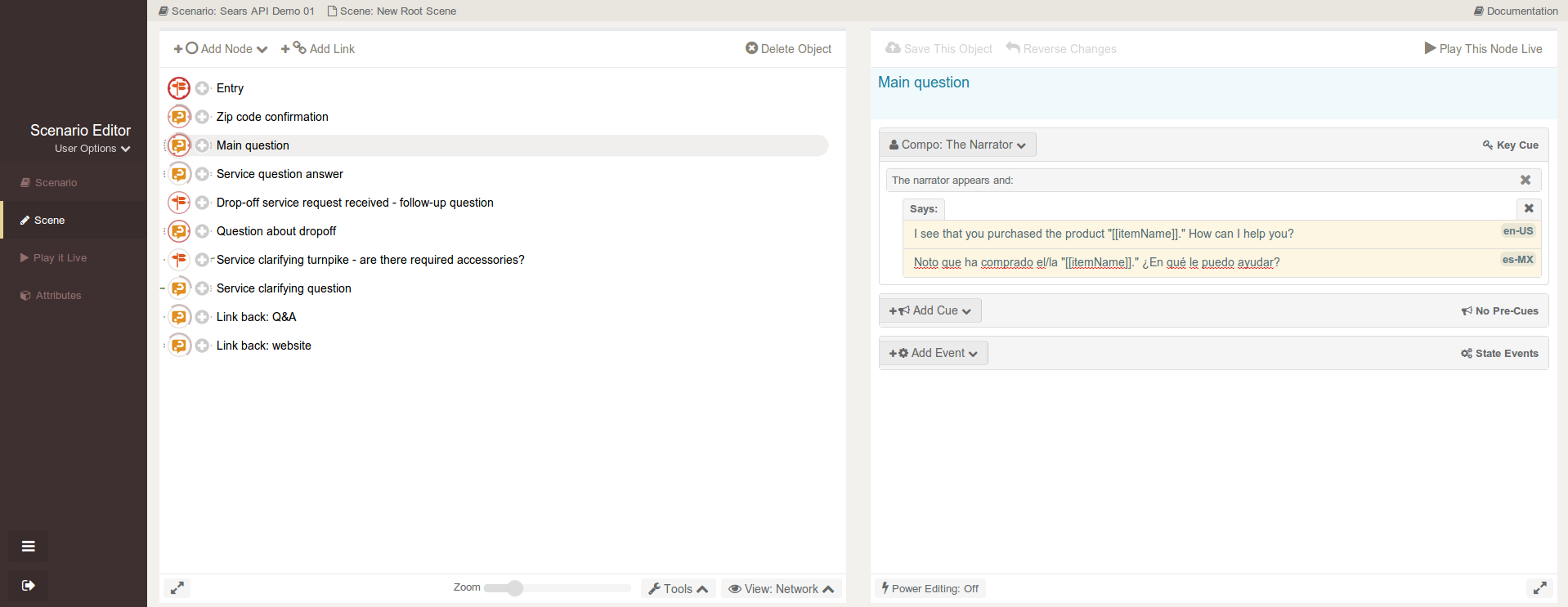
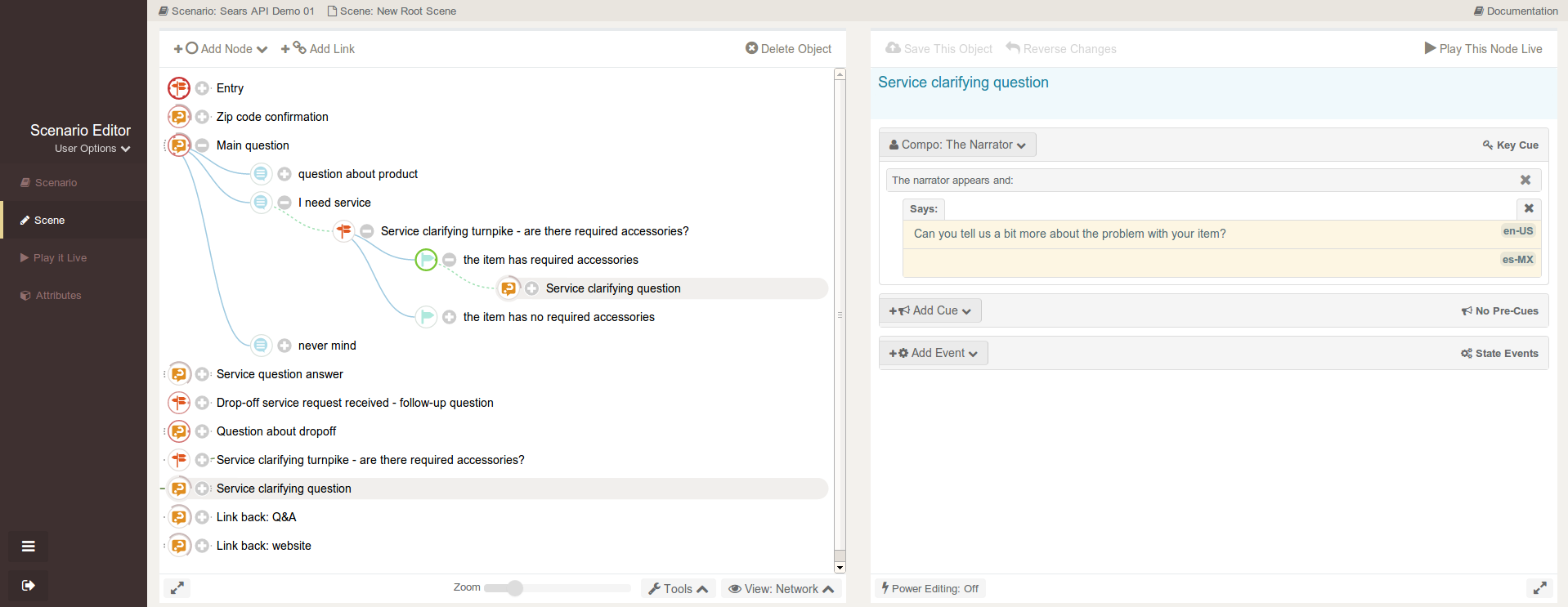
The Scenario Engine is a set of software tools for building and publishing interactive choice-driven simulations, which are commonly called “scenarios.” The company Scenario Technology was founded for the purpose of creating these tools, and its mission is the support of people and organizations who use them. From a typical end user's perspective, a scenario is like a Web-based interactive game that presents a series of choices within a narrative framework. Each choice the player makes during a scenario leads them to a new set of choices, and their actions over time determine the course the narrative will take.
I built the Scenario Engine because I believe that combining choice with narrative can create transformative experiences. Gathering data on a large user population's interactions with a simulation can yield never-before-possible insights into their thought processes.
The Advantage
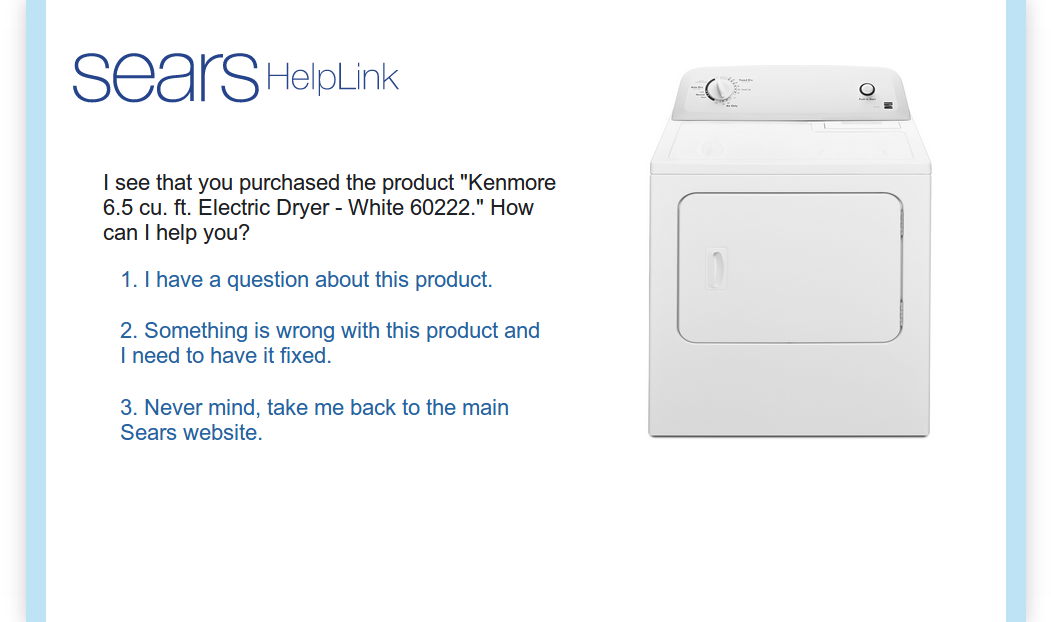
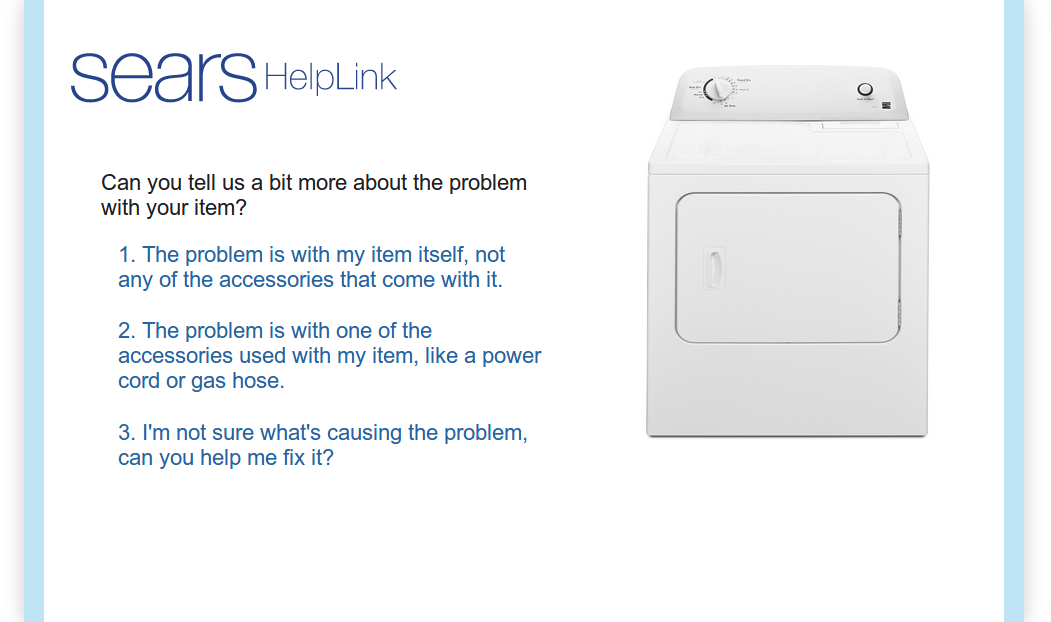
In the retail field, it's vital to understand how consumers relate to products from the time of purchase to the times when they need support. The Scenario Engine can help give structure to the presentation of products and better steer consumers toward what they're looking for.
The benefits of interactive scenarios don't end with merchandising, either. They have the potential to transform corporate training processes, honing judgment skills much more effectively than static video training or e-learning modules.
For example, one recently built scenario is titled Walking the Line: A Professional Ethics Scenario. This scenario was written for use as an educational module by a firm that provides continuing professional education services to accountants. In Walking the Line, the player takes on the role of an accountant who has just started work at a major corporation. One day the sales manager asks them to book a large sale without any supporting documentation – an illegal act and violation of accounting standards.
Why is this important? Role-playing simulations are a type of learning tool whose potential is just beginning to manifest within the corporate training market, and they provide unique possibilities for instruction, data gathering and iterative improvement. When a student steps into the shoes of a fictional persona in a virtual environment, the change in perspective can help them self-reflect and internalize lessons in a way that other teaching methods can't match.
This type of experience offers immense potential for use as a sales training tool. By interacting with virtual customers in a risk-free environment, sales associates, who serve as the front-line representatives of any retail brand, can be trained to skillfully handle a wide variety of customer issues. When common mistakes are seen to occur among a population of sales associates during instruction, analysis of the trend can help to undercover and mitigate the underlying problems.
The Market
My development of the Scenario Engine was driven by one question: how do you create instinct? I invite anyone who could benefit from a better understanding of this question to explore the Scenario Engine.
In fields ranging from sales to corporate learning to academia, it's becoming obvious that simulations have a unique ability to engage and impart information. However, most simulations have depended on expensive, highly custom software and/or unscalable exercises involving live actors. The Scenario Engine aims to give writers and other non-technical creators a bridge into the world of interactive content, so that many more organizations can benefit.

Log in or sign up for Devpost to join the conversation.