-
-
logo icon
-
-
-
-
-
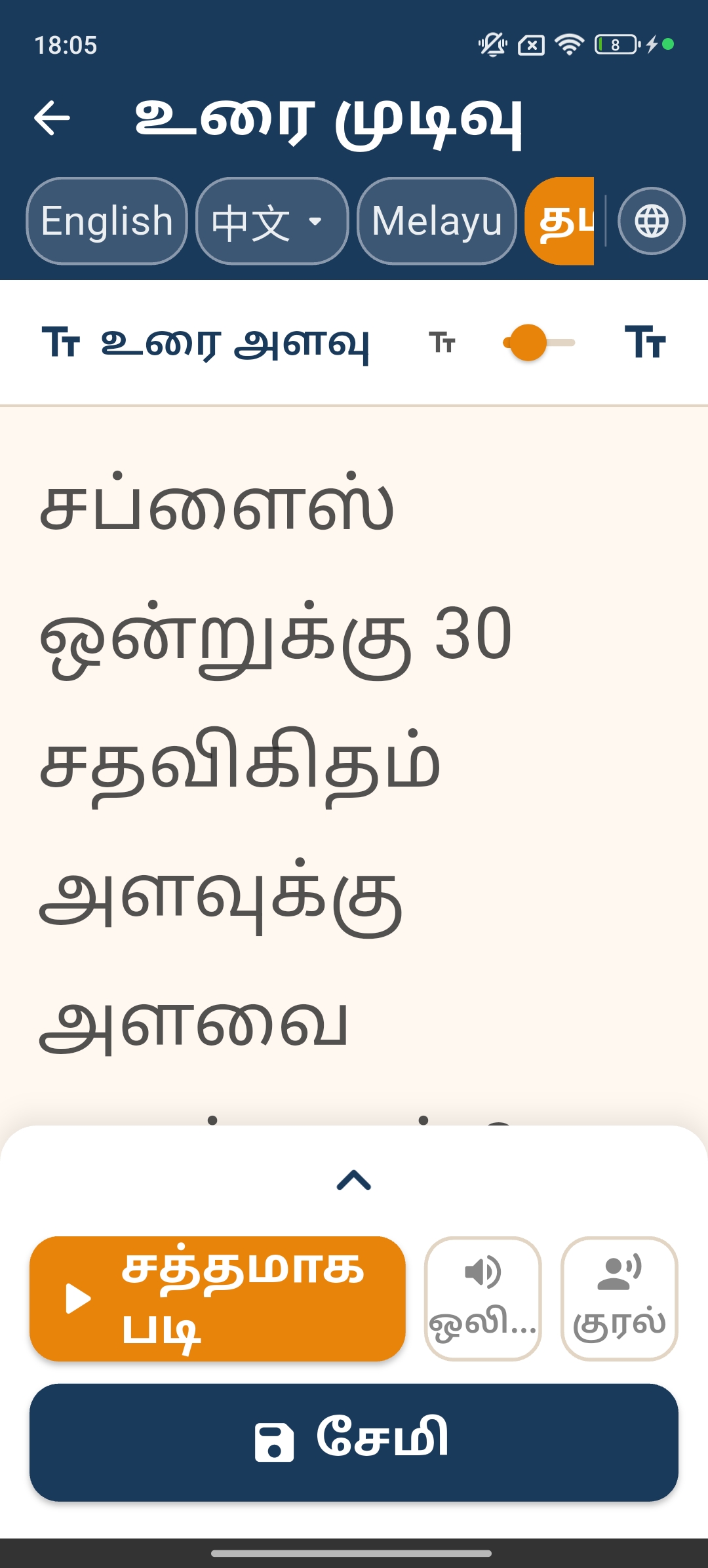
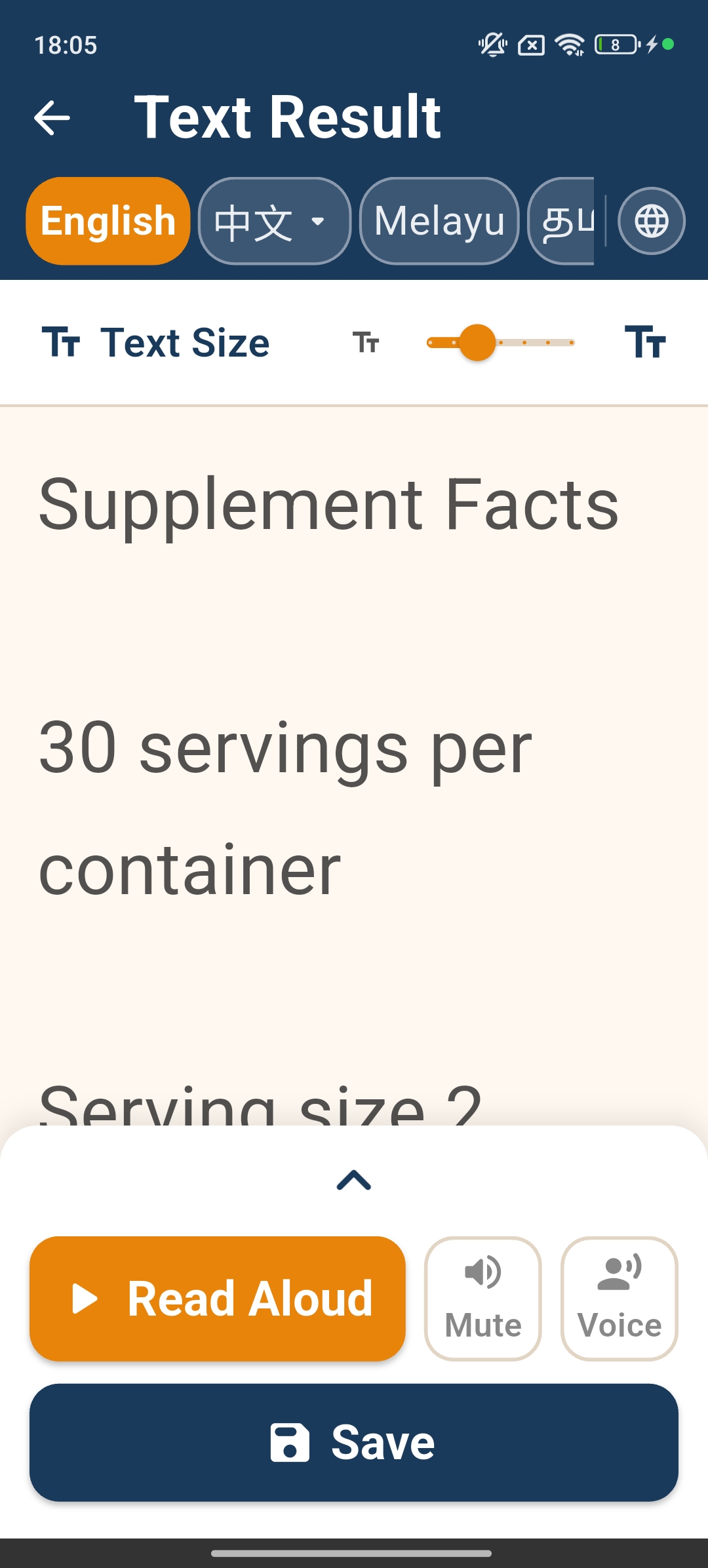
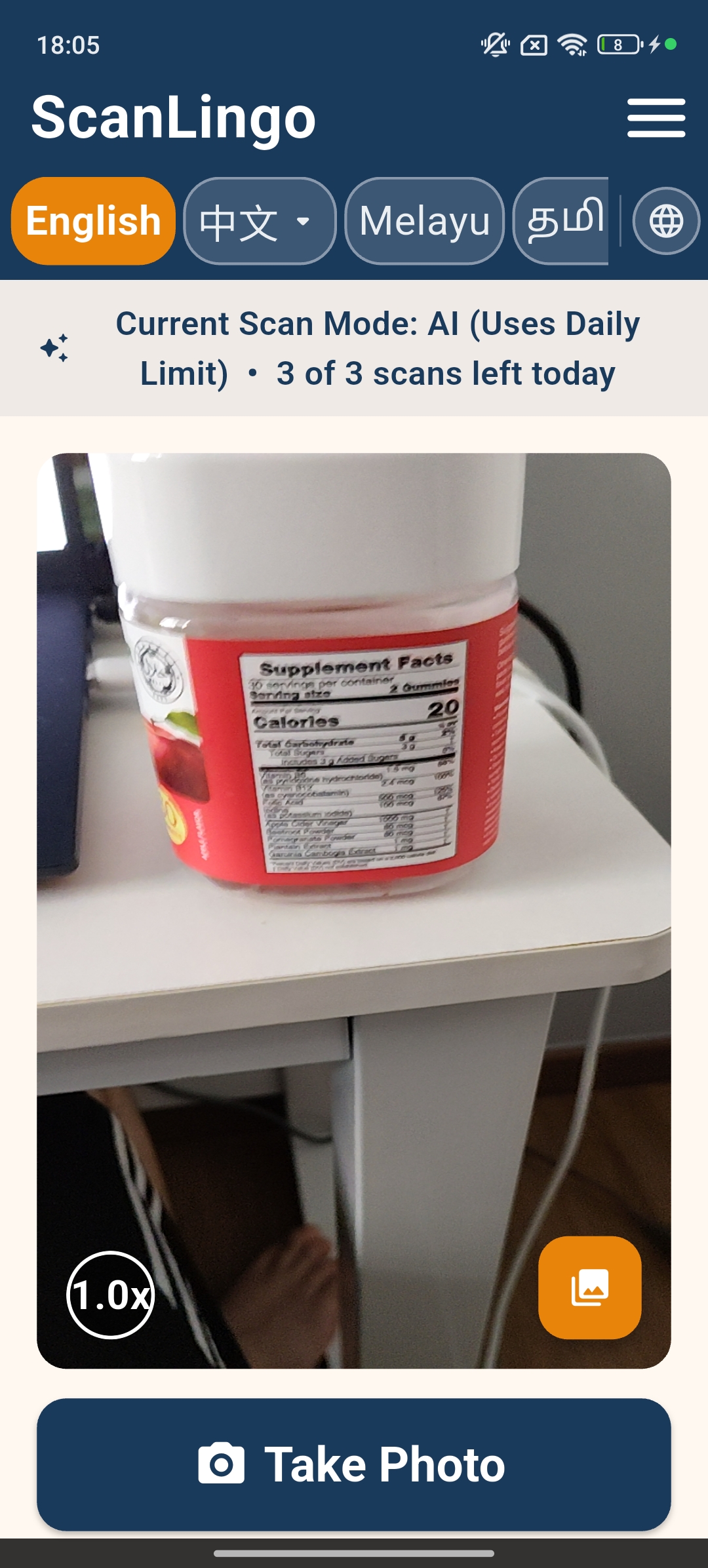
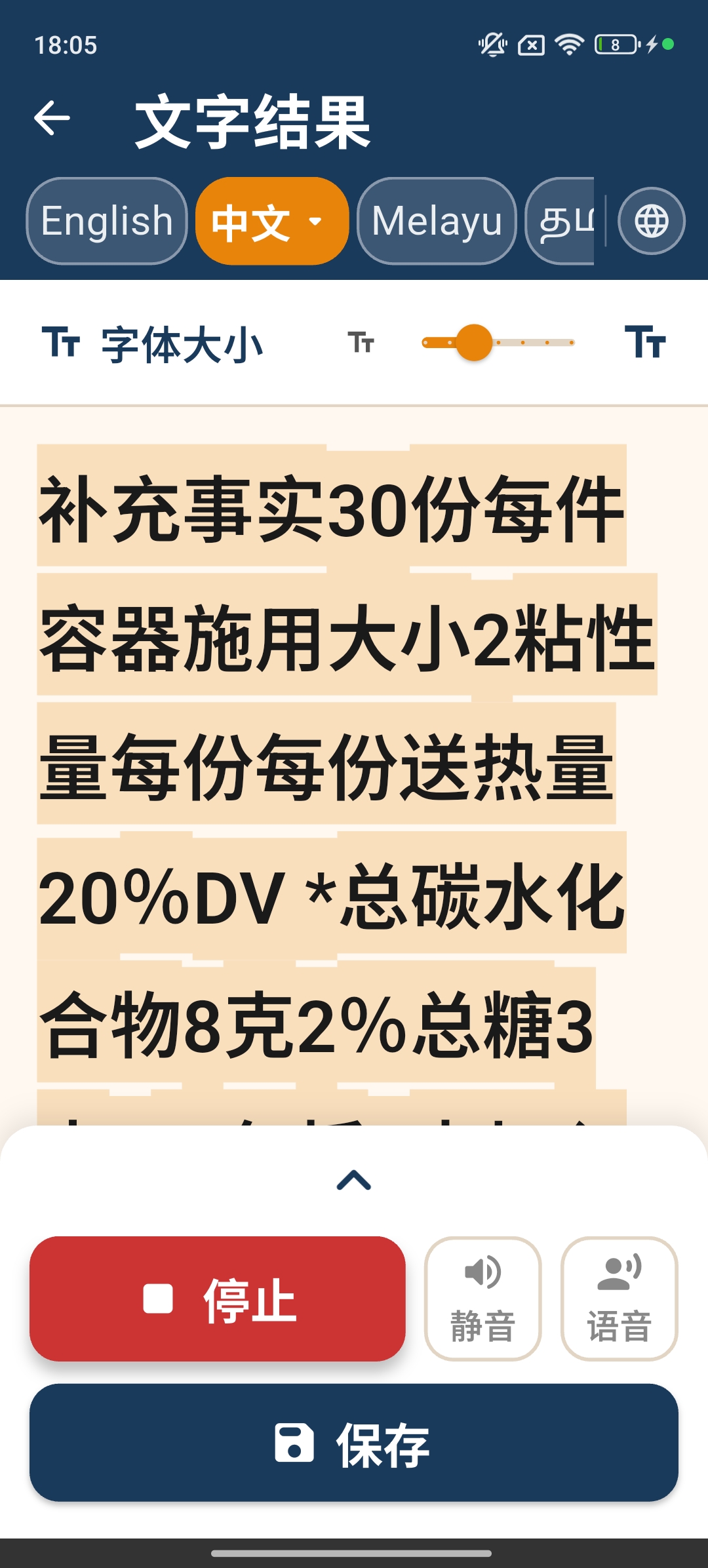
Inspiration During field visits, we observed a crucial accessibility gap affecting older adults: more than one in three Singaporeans aged 60 and above live with at least one undiagnosed age-related eye disease. Simple tasks like reading medication labels, utility bills, signboards, or fine print on groceries become daily hurdles. Mainstream scanner apps feature cramped interfaces, tiny buttons, and menus that confuse seniors. We were inspired to build ScanVernac—an accessible visual scanner designed around large-print controls, high-contrast UI elements, and immediate text-to-speech feedback.
What it does ScanVernac gives elderly and visually impaired users instant vision independence through three core tools:
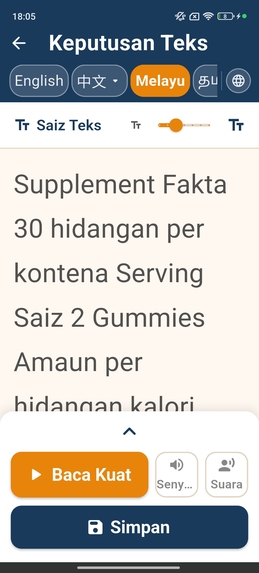
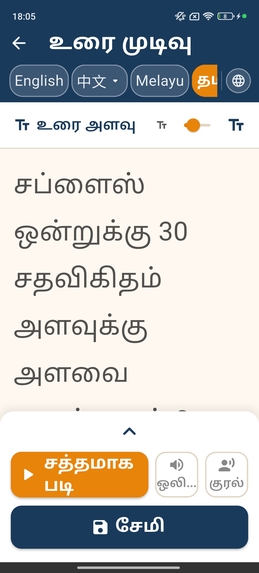
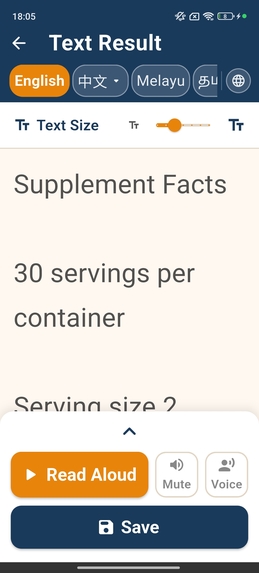
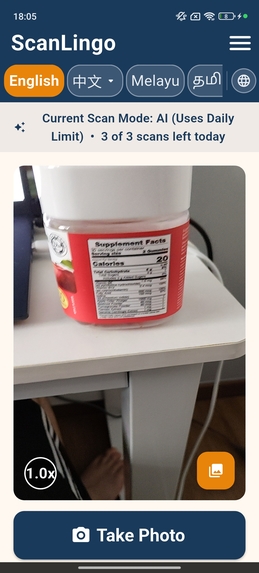
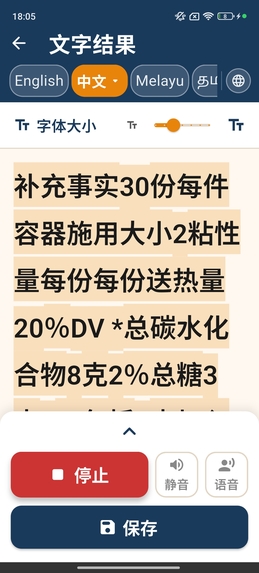
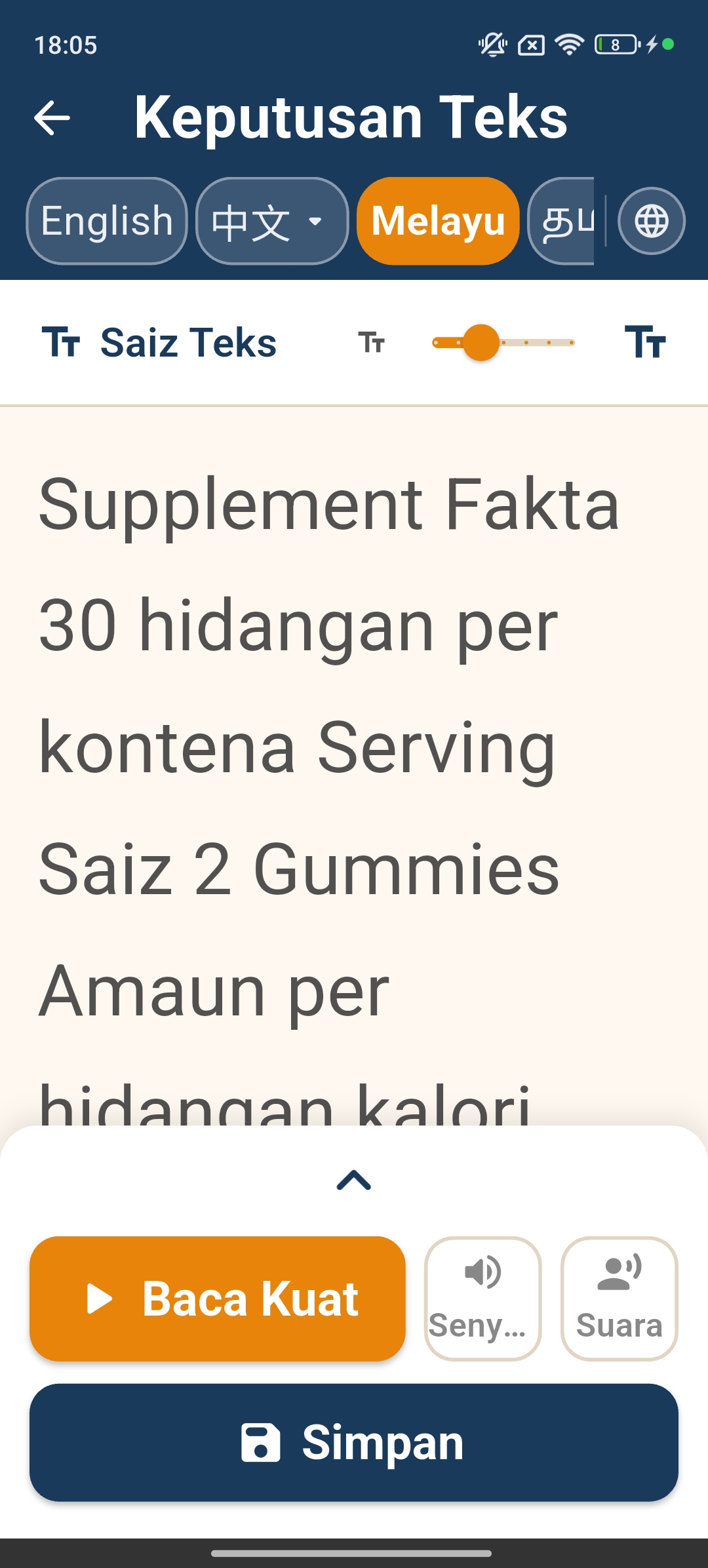
Text Scan & Read-Aloud: Photographs physical text (letters, labels, signs) and reads it out loud, translated into any of 50 supported languages.
QR Code Scan with AI Summaries: Decodes QR links and provides a plain-language spoken summary to protect users from phishing or malicious sites before opening them.
Barcode Scan & Product Lookup: Scans product barcodes and reads a clear summary, eliminating the need to squint at fine print in stores.
Local Language & Dialect Support: Pre-configured for Singapore's primary languages (English, Chinese, Malay, Tamil) with offline Cantonese text-to-speech support.
Scan History & Favorites: Saves past scans locally and to the cloud so users can re-read essential labels or letters without re-scanning.
How we built it We designed ScanVernac with an accessible frontend and a scalable backend:
Frontend Mobile App: Developed using Flutter for cross-platform performance, customized with accessible high-contrast themes and oversized touch targets.
On-Device Machine Learning: Integrated Google's ML Kit for high-speed offline Optical Character Recognition (OCR), QR decoding, and barcode parsing.
Backend Services: Built on Node.js hosted on Firebase Cloud Functions to handle AI-powered text summaries, translation routing, and secure cloud synchronization via Firestore.
Monetization & Ads: Integrated non-intrusive AdMob banner and rewarded video ads positioned so they never interrupt an active scanning session or audio playback.
Challenges we ran into Firebase Functions Migration: Transitioning our backend API logic from a standalone server to serverless Firebase Functions required rearchitecting endpoints and mitigating cold-start latency to keep scan lookups fast.
Dynamic Language Model Downloads: On-device ML Kit translation models are not pre-packaged. We built a robust downloading pipeline that presents clear visual loading states without making the app feel frozen.
Image Compression & Payload Limits: High-resolution photos taken by modern camera hardware exceeded server upload limits. We implemented on-device image compression before uploading payloads to Firebase.
Ad Placement UX: Placing advertisements in an app designed for visually impaired users required extreme care to ensure banner ads never obstructed touch zones or interrupted text-to-speech execution.
Accomplishments that we're proud of Successfully built and published the app to the Google Play Store.
Implemented offline text recognition and Cantonese read-aloud support, allowing seniors to scan physical text even without an active internet connection.
Delivered a safe QR scanner that summarizes link destinations in simple terms before opening them, shielding seniors from web scams.
Created a completely free, ad-supported visual aid that requires no subscription management.
What we learned Accessibility-First Engineering: High-contrast color palettes, large typography, and audio-first responses dramatically improve usability for aging eyes compared to conventional UI layouts.
Edge-Cloud Hybrid Architecture: Performing initial OCR on-device ensures low-latency playback, while offloading complex text summarization to cloud functions preserves device battery life.
What's next for ScanVernac-Text,QR,Barcode AI OCR scanner Offline Dialect Expansion: Expanding offline TTS support to include Hokkien and Teochew for local elderly communities.
Prescription & Pill Recognition: Building specialized AI vision models to detect pill shapes, colors, and medicine dosages.

Log in or sign up for Devpost to join the conversation.